
Appraisal and value basics for still-life paintings
Early 20th-Century Bouquet of Flowers Oil Painting: Attribution review and Value research should start with identification, condition, provenance, and item-specific auction comparables. Use this guide to compare the signals that matter before paying for a formal appraisal or deciding whether to sell.
“Bouquet of Flowers” still lifes were painted by thousands of artists from the late 1800s through the early 1900s. Some are by established names; many are by talented regional or studio painters whose work never entered the major catalogues.
That’s why the most important first step isn’t guessing an artist from the front—it’s documenting the object like an appraiser would: the canvas, stretcher, signature, frame, and any labels or stamps on the back.
Note: We couldn’t find enough auction records that directly match Early 20th-Century Bouquet Oil Painting Value to publish a defensible price table. If you are valuing a specific item, include its maker, model, material, photos, and condition so the search can be narrowed.
What similar items actually sold for
To help ground this guide in real market activity, here are recent example auction comps from Appraisily’s internal database. These matched sales are market context only, not an object estimate or identification, and they do not guarantee a price for your specific early 20th century bouquet oil painting.
Shown USD range: USD 250-USD 1,600. Median of these 4 USD examples: USD 562.50.
| Comparable | What sold | Auction house | Date | Lot | Source-reported amount |
|---|---|---|---|---|---|
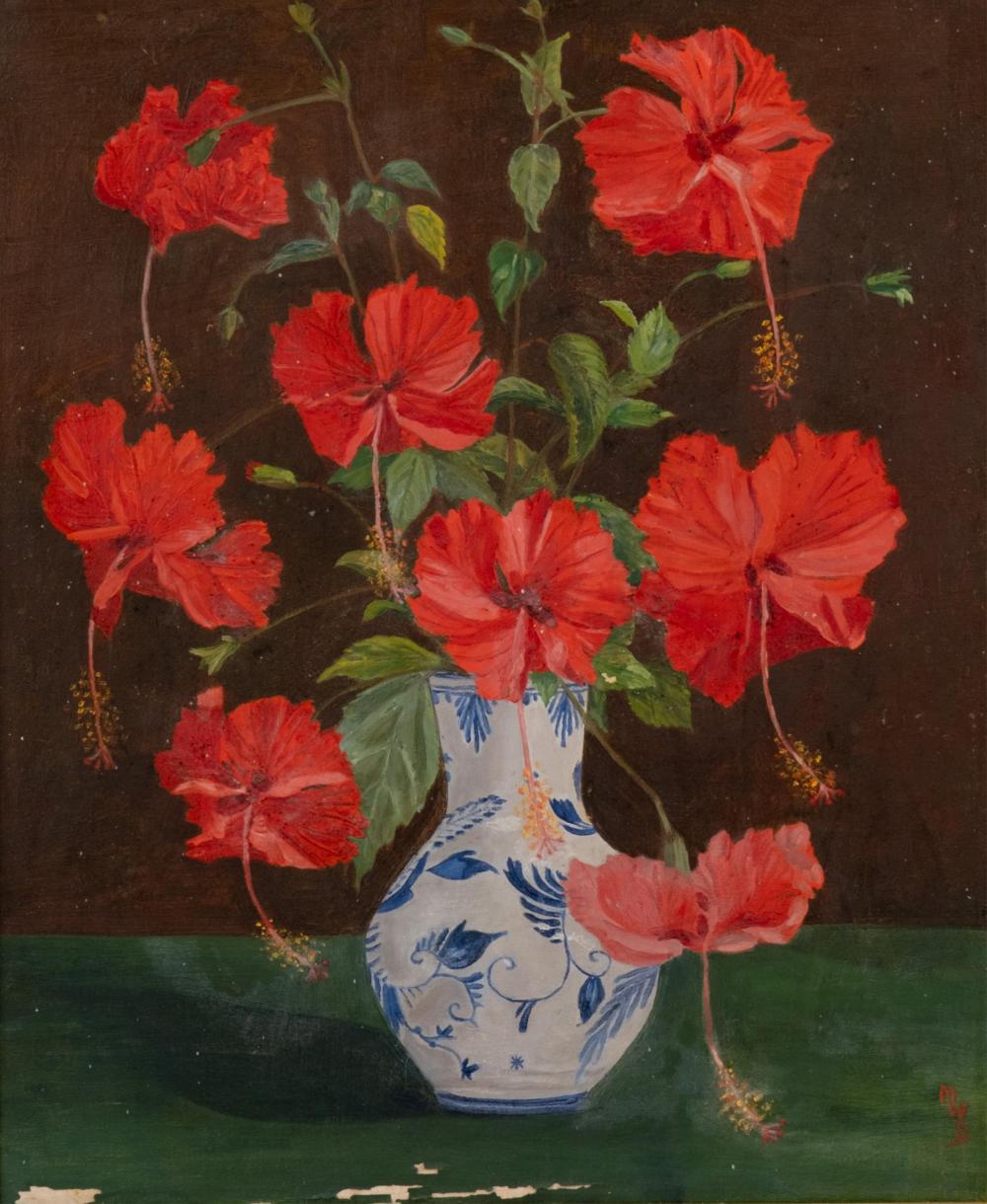 |
Mystery Artist: Signed 20th Century French School Oil on Canvas Painting, Bouquet of PoppiesSource blocked; provenance matched | Collective Hudson, LLC | 2025-07-27 | 144 | USD 325 (buyer’s-premium treatment unknown) |
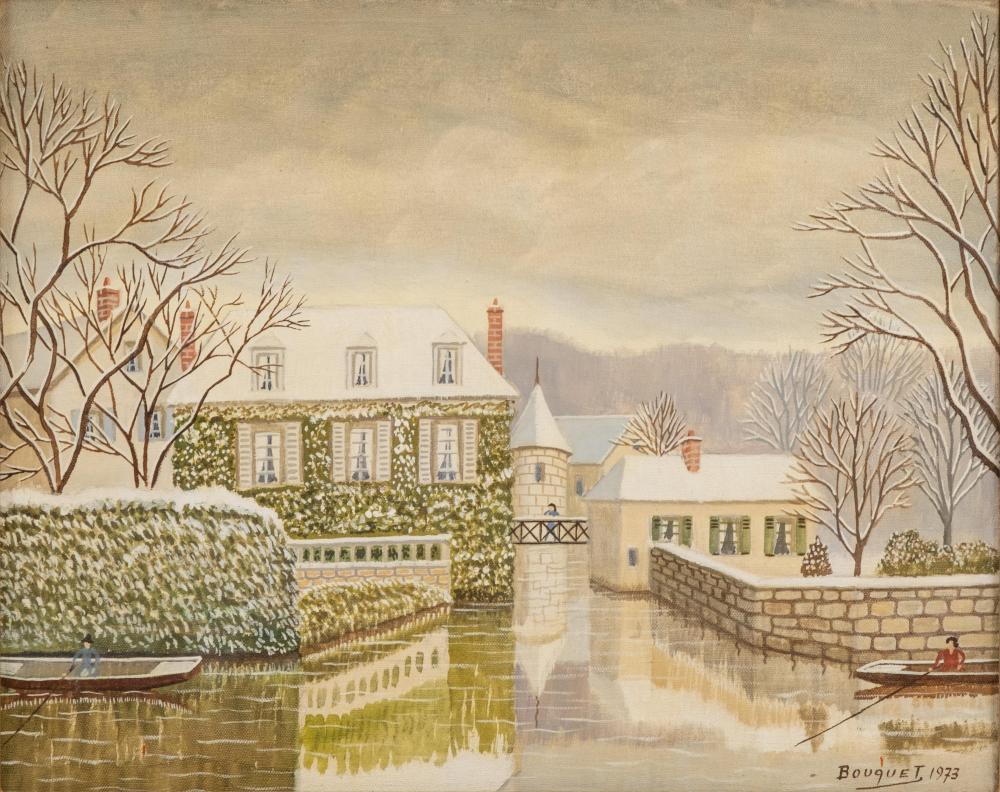 |
Andre Bouquet Signed Oil on Canvas Painting, 1973 winter village sceneSource blocked; provenance matched | Collective Hudson, LLC | 2025-05-04 | 533 | USD 800 (buyer’s-premium treatment unknown) |
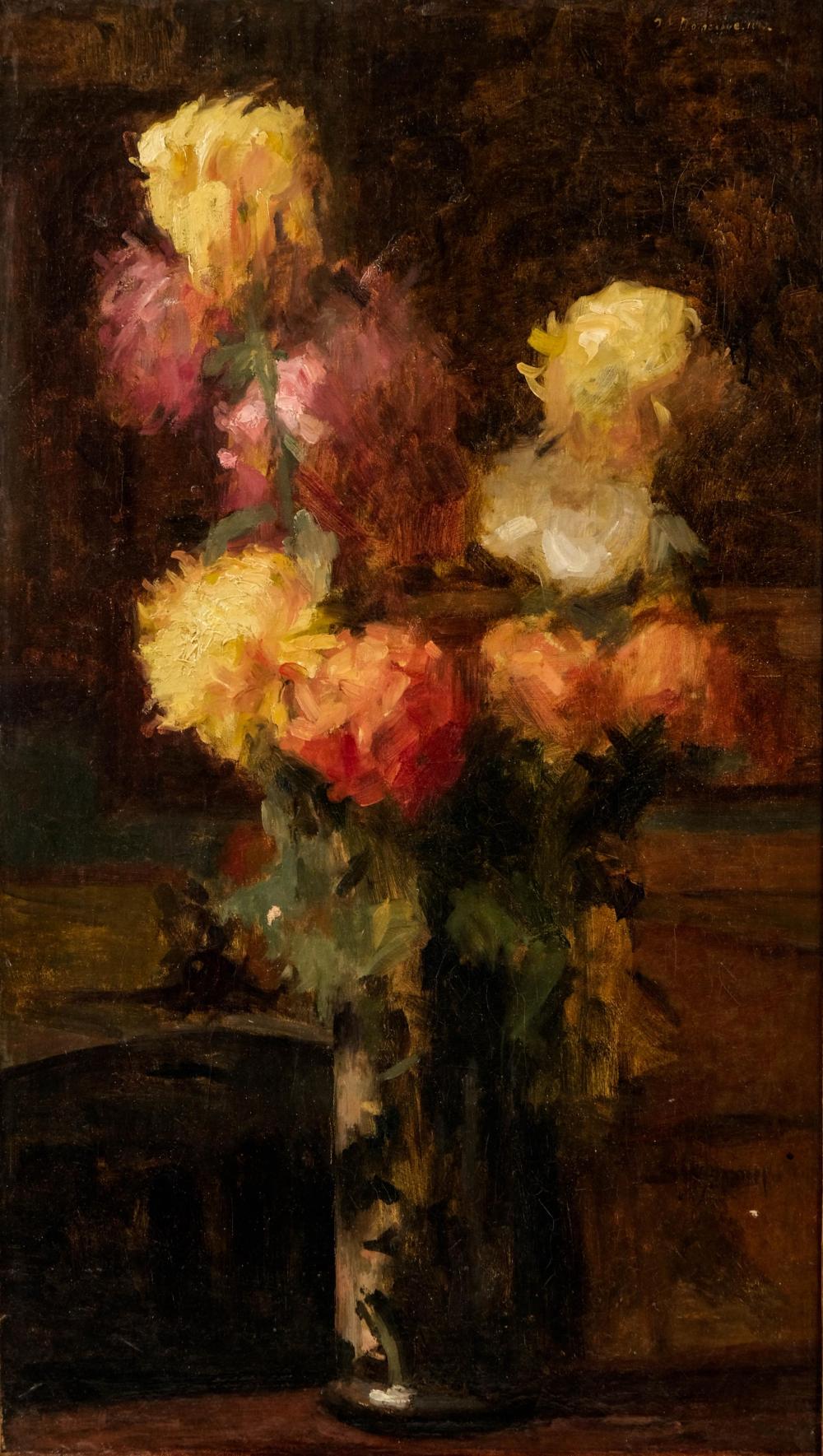 |
Jean Gabriel Domergue, Bouquet of Flowers Still Life, Signed Oil on Canvas PaintingSource blocked; provenance matched | Collective Hudson, LLC | 2026-02-08 | 51 | USD 1,600 (buyer’s-premium treatment unknown) |
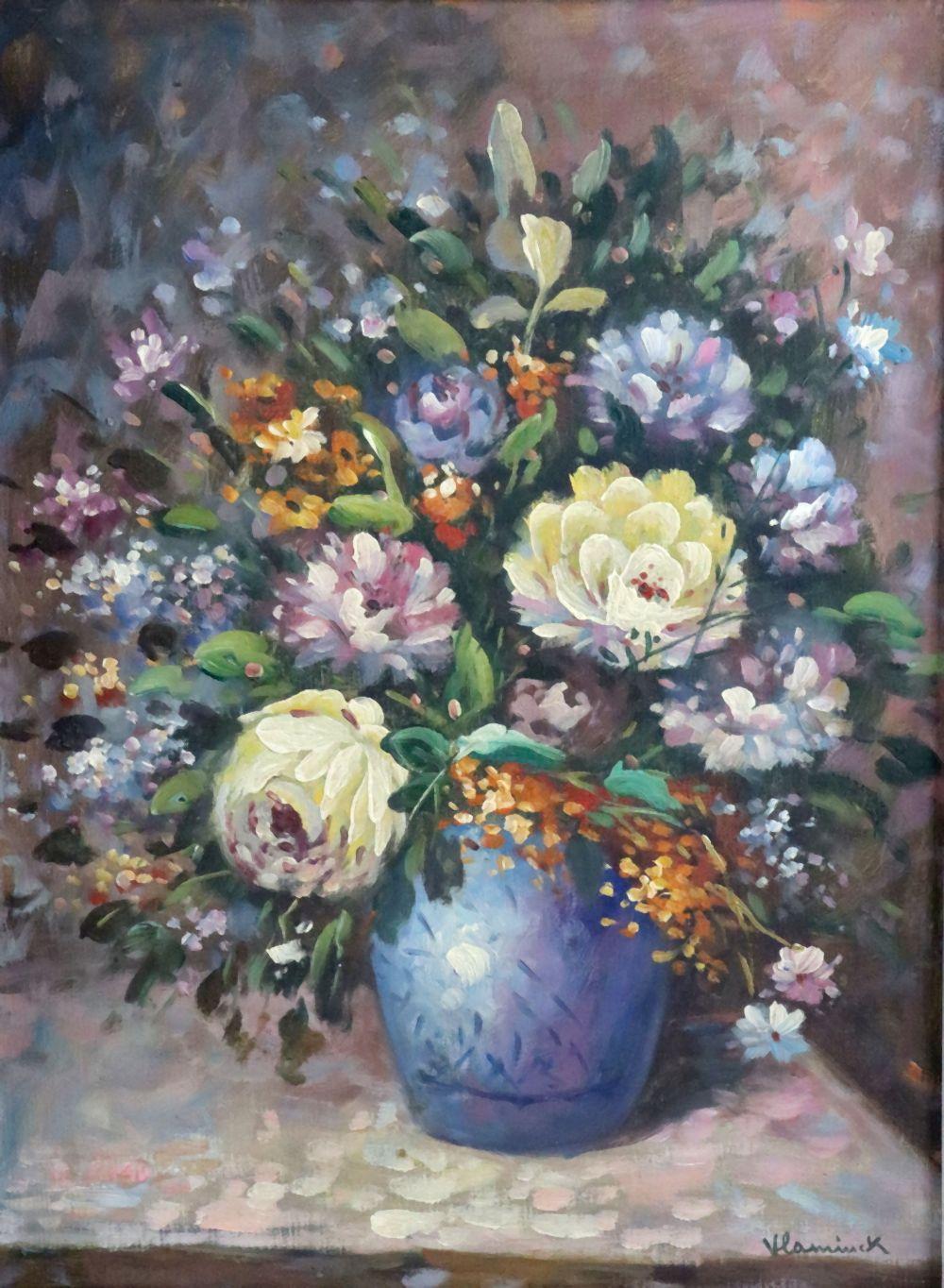 |
Attr. Maurice de Vlaminck "Bouquet a la Nappe Rouge" Oil Painting on PanelSource blocked; provenance matched | Market Auctions | 2026-06-17 | 280 | USD 250 (buyer’s-premium treatment unknown) |
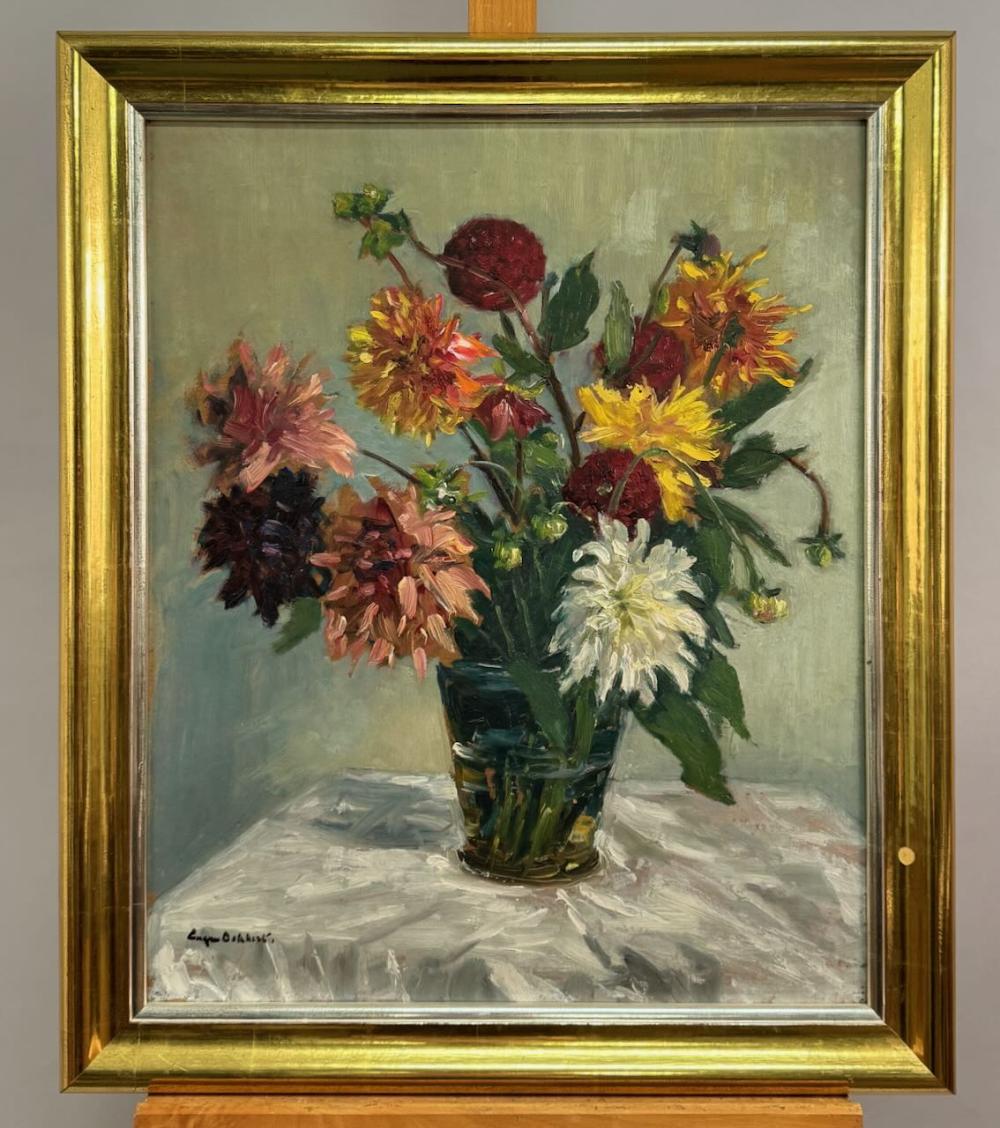 |
EUGEN DEKKERT (1865 STETTIN - 1956 GARMISCH-PARTENKIRCHEN), ÖLGEMÄLDE, "DAHLIENSTRAUSS" / EUGEN DEKKERT (1865 STETTIN - 1956 GARMISCH-PARTENKIRCHEN), OIL PAINTING, "BOUQUET OF DAHLIAS"Source blocked; provenance matched | Kunstauktionhaus Georg Rehm | 2025-12-05 | 8612 | EUR 550 (buyer’s-premium treatment unknown) |
How these auction records were verified
Each row retains its exact source URL, lot identity, retrieval time, access result, and immutable record hash. Live source access was blocked; the exact record matched Appraisily's immutable pipeline provenance. Inspect the public comparable provenance record.
Disclosure: prices are shown as reported by auction houses and are provided for appraisal context. Learn more in our editorial policy.
How We Research Valuation Data
Our appraisal guides are based on auction results, dealer pricing data, and professional appraiser insights. We may earn a commission when you use our free professional appraisal service. Learn about our editorial standards.
Quick value range (when the artist is unknown)
For an original oil-on-canvas floral still life from the early 20th century by an unlisted or unidentified artist, value is usually driven by decoration, condition, and quality rather than name recognition.
- Typical retail / private-sale range: a value that must be established from current, topic-matched sales (good condition, attractive subject, decent size).
- Lower end: a value that must be established from current, topic-matched sales (heavy damage, weak painting quality, poor framing, obvious later copy).
- Higher end: a value that must be established from current, topic-matched sales+ (strong painterly quality, large size, great provenance, or a recognizable artist).
The biggest “value lever” is attribution. If the signature can be confidently matched to a listed artist, the market can change dramatically.
How to date an early 20th-century oil painting (fast checklist)
Use these physical clues together—any single clue can mislead on its own.
- Canvas weave and ground: Many early 1900s canvases show a distinct weave pattern and a traditional white or warm-toned ground beneath the paint.
- Stretcher construction: Keyed stretchers (with small wooden wedges) are common; very modern staples and machine-perfect stretcher wood often suggest a later work.
- Tacks vs. staples: Older canvases are frequently tacked. Staples appear earlier than many people think, but heavy modern staple patterns can indicate re-stretching.
- Back labels / framer stamps: A gallery label, framer stamp, or exhibition tag can narrow the date range significantly.
- Craquelure and surface: Natural age craquelure tends to be irregular and integrated with the paint layers; “crackle effects” applied by later decorators can look uniform.
Signature and attribution: what to photograph
Your original note—“the signature is clear but hard to make out”—is exactly the scenario where better photos can unlock attribution. Take:
- A straight-on signature close-up and one raking-light photo (light from the side).
- A detail photo of paint texture near the signature (to confirm it’s painted, not printed).
- The full back of the canvas (labels, stamps, inscriptions, old repairs).
- A photo of the stretcher corners and fasteners.
What actually drives value (in plain English)
For floral still lifes, buyers typically pay for three things: how good it looks on a wall, how confidently it can be attributed, and how safe it is to own (condition).
- Artist and signature: The difference between “unlisted” and “listed” can be 10× or more.
- Condition: Tears, flaking, heavy overcleaning, and mold odor all suppress value.
- Size: Larger decorative paintings often sell better, but only if quality holds up.
- Frame: A period gilt frame can add meaningful value; a damaged or mismatched frame can subtract.
- Provenance: Any paper trail (estate paperwork, old sale receipts, gallery label) helps.
How to sell a floral oil painting
Floral still lifes can sell well, but the right selling channel depends on whether you’re aiming for speed or maximum price.
- Consignment gallery: best if you have provenance or believe the artist is identifiable; they can market attribution.
- Regional auction house: good for mid-range decorative paintings and estate material; fees are transparent.
- Online marketplaces: works if you can pack safely; include close-ups of signature + condition.
If you’re unsure, a short appraisal can prevent the classic mistake: selling a good painting cheaply because the signature wasn’t deciphered.
Care and handling (avoid accidental damage)
- Keep the painting in a stable, dry environment (avoid damp basements and hot attics).
- Do not use household cleaners on varnish—cleaning can permanently lower value.
- If paint is flaking, store it flat and consult a conservator before moving it.
- Photograph condition issues before shipping or reframing.
Search variations people use for this item
These “people also ask” queries match the problems covered above:
- How do I identify an early 20th century bouquet of flowers oil painting?
- Is my floral still life painting an original or a reproduction?
- How to read an illegible signature on an oil painting
- What is an unsigned or unknown artist oil painting worth?
- Does an antique gilt frame increase the value of an oil painting?
- How to date an oil on canvas painting by the stretcher and tacks
- Best way to sell an old still life oil painting locally
- Should I clean or re-varnish an old oil painting before selling?
- What photos do appraisers need for an oil painting appraisal?
Each question maps to the identification, valuation, and selling guidance above.
References
- Invaluable: signed French School bouquet of poppies comp
- Invaluable: Bibi Zogbe floral still life comp
- Additional comps from Valuer Bridge and Appraisily auction dataset snapshots; prices exclude buyer fees, shipping, taxes, and restoration.
See what the report looks like
Sample reports show how photos, comparable evidence, condition notes, and a value conclusion are documented.
Choose your next step
Use the path that matches the decision you need to make about the item.
Not sure it is worth appraising?
Start with a lower-friction screen to understand the likely category, evidence, and next step.
Upload photos for a free first lookWant proof before paying?
See how a signed report documents photos, comparable evidence, condition notes, and value conclusions.
View signed report sampleNeed a signed report?
Use this for insurance, estate, donation, resale, or documented value decisions.
Need documentation now? Start signed appraisalNeed local or specialist help?
Compare directory options when the work needs in-person review or a specialist near you.
Find local art specialistsNeed a painting valuation you can use?
Get a written value range and signature guidance from an art specialist.
- Condition-aware appraisal range
- Signature + dating review
- Fast turnaround
No obligation. Secure upload.
Next steps
If you want a second opinion on your painting’s signature and condition, start here:
Have a painting to check?
Get a quick valuation
Upload photos of the front, signature, and back. We’ll guide the next step.
Upload photos for a free first look View signed report sampleArtist market index
Popular artist value guides
Compare public auction records for frequently researched artists before requesting a formal appraisal.
- Pablo Picasso 123,913 records
- Salvador Dali 118,639 records
- Andy Warhol 97,674 records
- Marc Chagall 70,650 records
- Joan Miro 55,790 records
- Roy Lichtenstein 55,226 records
- Victor Vasarely 34,843 records
- Peter Max 33,082 records
- Henri Matisse 29,689 records
- Keith Haring 27,947 records
- Louis Icart 21,168 records
- Leroy Neimann 19,022 records