Joan Miró Auction Prices and Value Guide
Joan Miró auction prices are tracked in Appraisily's artist market index, with source-directory coverage of 55,790 records. Use this page to review sold-lot activity, market context, and valuation factors before requesting a formal appraisal.
Joan Miró auction prices: quick answer
Joan Miró auction prices depend on medium, size, date, condition, provenance, edition details, attribution confidence, and recent comparable auction sales.
- Artist
- Joan Miró
- Source records
- 55,790
- Market update
- 2026-02-06
Joan Miró market snapshot
Joan Miró shows very deep auction liquidity with 1,224 tracked lots. Median realized sale is around $2,800. Category concentration is still broad or sparse. Last 12 months recorded 469 sales. Latest recorded sale: 2026-01-31.
Realized price distribution
- Under $1,000 (20.2% · 185 sales)
- $1,000 to $10,000 (56.9% · 520 sales)
- $10,000+ (22.9% · 209 sales)
- Median sale (last 12 months)
- $3,000
- Sales recorded (last 12 months)
- 469
- Median shift vs prior year
- 0.0%
- Latest recorded sale
- 2026-01-31
Artist context
About Joan Miró
Born
1893
Died
1983
Nationality
Spanish, Catalan
Also known as
Joan Miró Ferrà, Z'uʼan Miró, Miró Ferra, Joan
Joan Miró i Ferrà (1893–1983) was a Catalan painter, sculptor, and ceramicist whose work became one of the defining visual languages of twentieth-century art. Born in Barcelona and rooted in the Catalan countryside of Montroig, Miró moved to Paris in the early 1920s, where his studio became a gathering place for the Surrealist circle around André Breton. While his work is most closely associated with Surrealism, Miró maintained a fiercely independent approach, developing a personal vocabulary of biomorphic forms, vivid color, and poetic symbols drawn from landscape, dreams, and the unconscious. Over a career spanning six decades, he worked across painting, printmaking, ceramics, bronze sculpture, collage, and monumental public art. Two foundations bear his name: the Fundació Joan Miró in Barcelona (1975) and the Fundació Pilar i Joan Miró in Palma, Mallorca (1981). His work is held by virtually every major modern art museum worldwide.
SurrealismFauvismExpressionismoil paintinglithographyetching and engravingceramicspersonal symbolism and biomorphic formsCatalan landscape and rural lifethe unconscious and subconscious mind
Common works and media
Collectors and appraisers most commonly encounter Miró's work in the form of color lithographs and etchings (many published by Maeght, Mourlot, and other major ateliers), oil paintings on canvas, bronze sculptures, ceramic plates and vessels, works on paper in gouache and pastel, and late-stage monumental murals or tapestries. Recurring subjects include abstracted women, birds, stars, and constellations rendered in his signature bold line and saturated color. Signed and numbered print editions are plentiful in the secondary market, while unique paintings and major bronzes appear at the top auction tiers.
Market and appraisal context
Joan Miró is one of the most liquid modern masters in the global auction market. Appraisily's auction-record index tracks 1,465 lots (1,082 with realized prices), spanning sales from June 1999 through April 2026. Trading volume has increased sharply: 624 lots appeared in the most recent 12-month window compared to 229 in the prior 12 months, indicating strong and growing secondary-market activity. The price distribution is extremely wide — from $10 for a commercial reproduction print to approximately $20.75 million for a major painting — with a median of roughly $2,800 and an interquartile range of $1,200–$8,820. This dispersion reflects the vast difference between Miró's prolific print multiples and his rare unique works. The top of the market (major oils and the Constellations series) trades at Christie's, Sotheby's, and Bonhams, while the accessible print and ceramic tier appears regularly at Aguttes, Artcurial, Forum Auctions, Swann Auction Galleries, Piasa, Freeman's, Eldred's, and regional European houses. The breadth of houses actively selling Miró underscores his status as a staple across all tiers of the auction market.
Auction categories and appraisal factors
Common auction categories
- lithography
- etching and engraving
- oil painting
- ceramics
- sculpture (bronze)
Value drivers
- Medium: original paintings and unique works command the highest prices; lithographs and prints are more accessible but edition number and condition affect value.
- Period: early Surrealist-period canvases (1920s–1930s) and the Constellations series are among the most sought-after at auction.
- Provenance: works from notable collections (e.g., André Breton, Pierre Matisse Gallery) carry premium due to historical significance.
- Size and scale: large-scale paintings and monumental bronzes or ceramics tend to achieve higher prices than small works on paper.
- Authentication: works listed in the catalogue raisonné or certified by the Successió Miró / Fundació Joan Miró have stronger market confidence.
- Edition and signature: for prints, signed and numbered editions from major publishers are preferred over unsigned or open editions.
Appraisal caveats
- Miró produced a very large body of prints, lithographs, and ceramics, many in open or large editions. Not all Miró-branded works carry the same rarity or value as unique paintings.
- Attribution of drawings and minor works can be complex; authentication should reference the catalogue raisonné or the Successió Miró.
- Market values vary dramatically between major oil paintings and multiples; comparable auction records should be specific to medium, period, and edition.
- Miró produced a very large body of prints, lithographs, and ceramics, many in open or large editions. Not all Miró-branded works carry the same rarity or value as unique paintings — the price range of $10 to $20.75 million reflects this extreme dispersion.
Evidence
Sources for artist context
This source-grounded artist context passed Appraisily's promotion threshold: high confidence, strong sources.
- The Museum of Modern Art museum or university
- Library of Congress library authority
- RKD – Netherlands Institute for Art History library authority
- VIAF library authority
- Wikidata library authority
- Tate museum or university
Recent sale records
Selected public auction records currently in the Appraisily lot index. Use them as market context, then request a formal appraisal before you sell, insure, or donate.
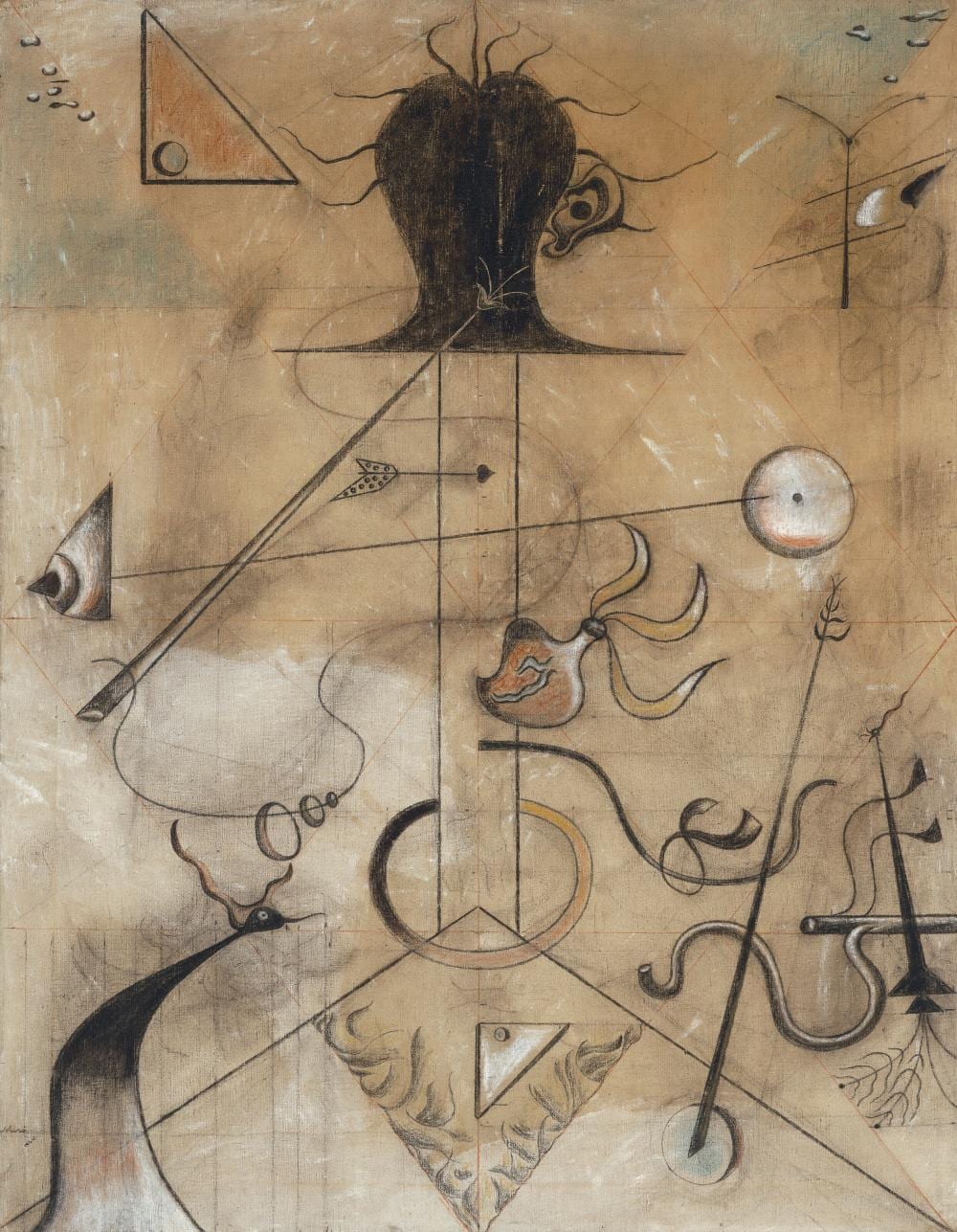
joan miro 1893 1983 portrait de madame k oil charcoal and colored wax · Christie's · 2026-05-18 joan miro 1893 1983 portrait de madame k oil charcoal and colored wax Christie's · 2026-05-18
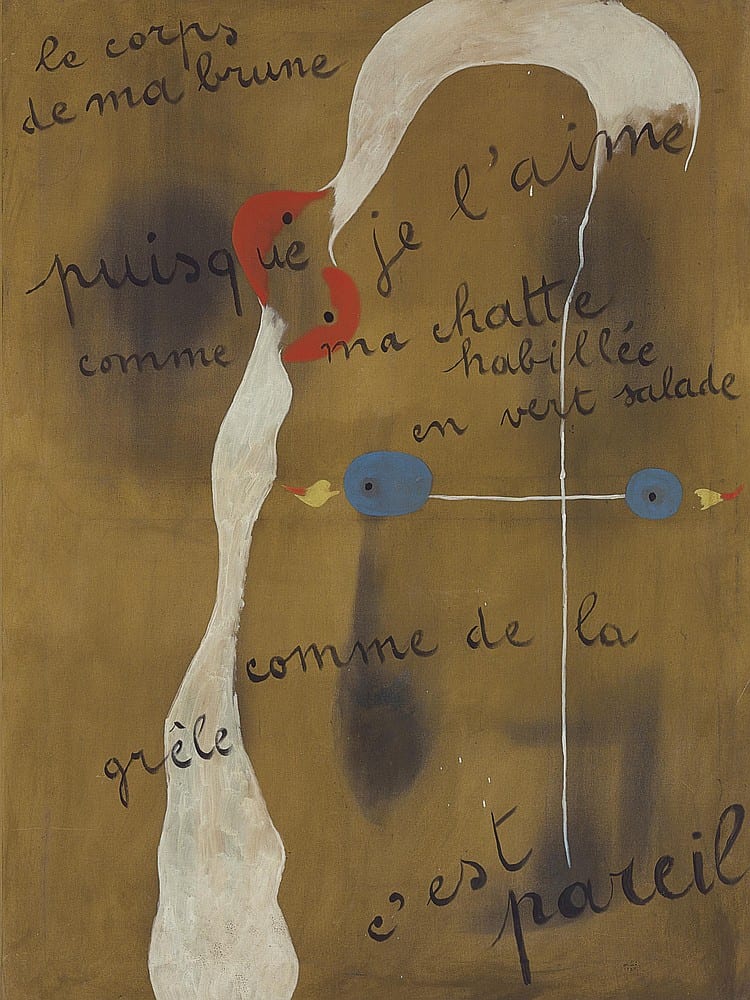
joan miro 1893 1983 · Christie's · 2012-02-07 joan miro 1893 1983 Christie's · 2012-02-07
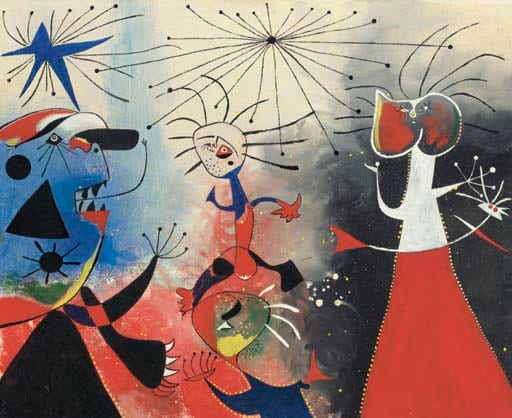
joan miro 1893 1983 · Christie's · 2004-11-03 joan miro 1893 1983 Christie's · 2004-11-03
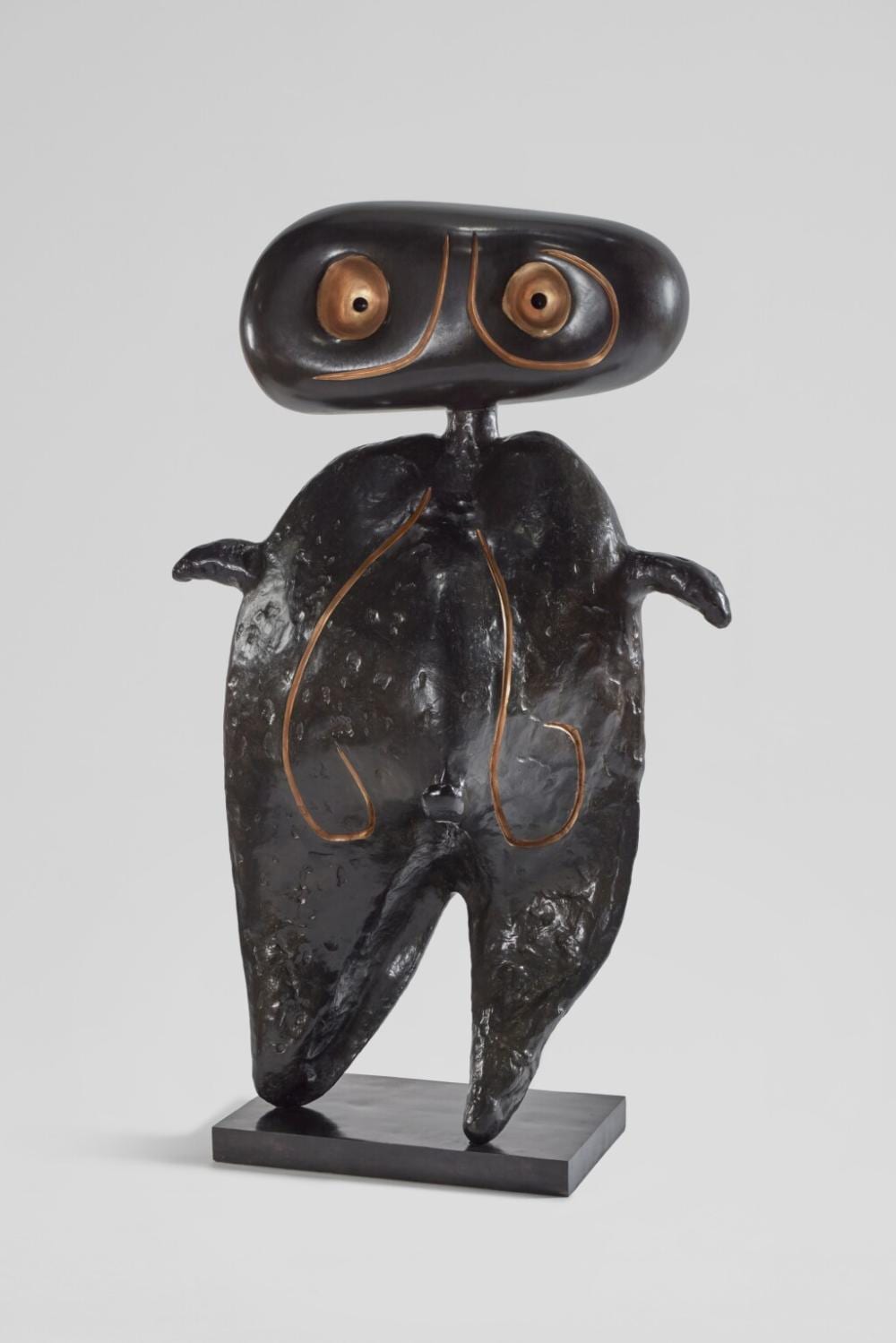
personnage · Sotheby's · 2024-11-18 personnage Sotheby's · 2024-11-18
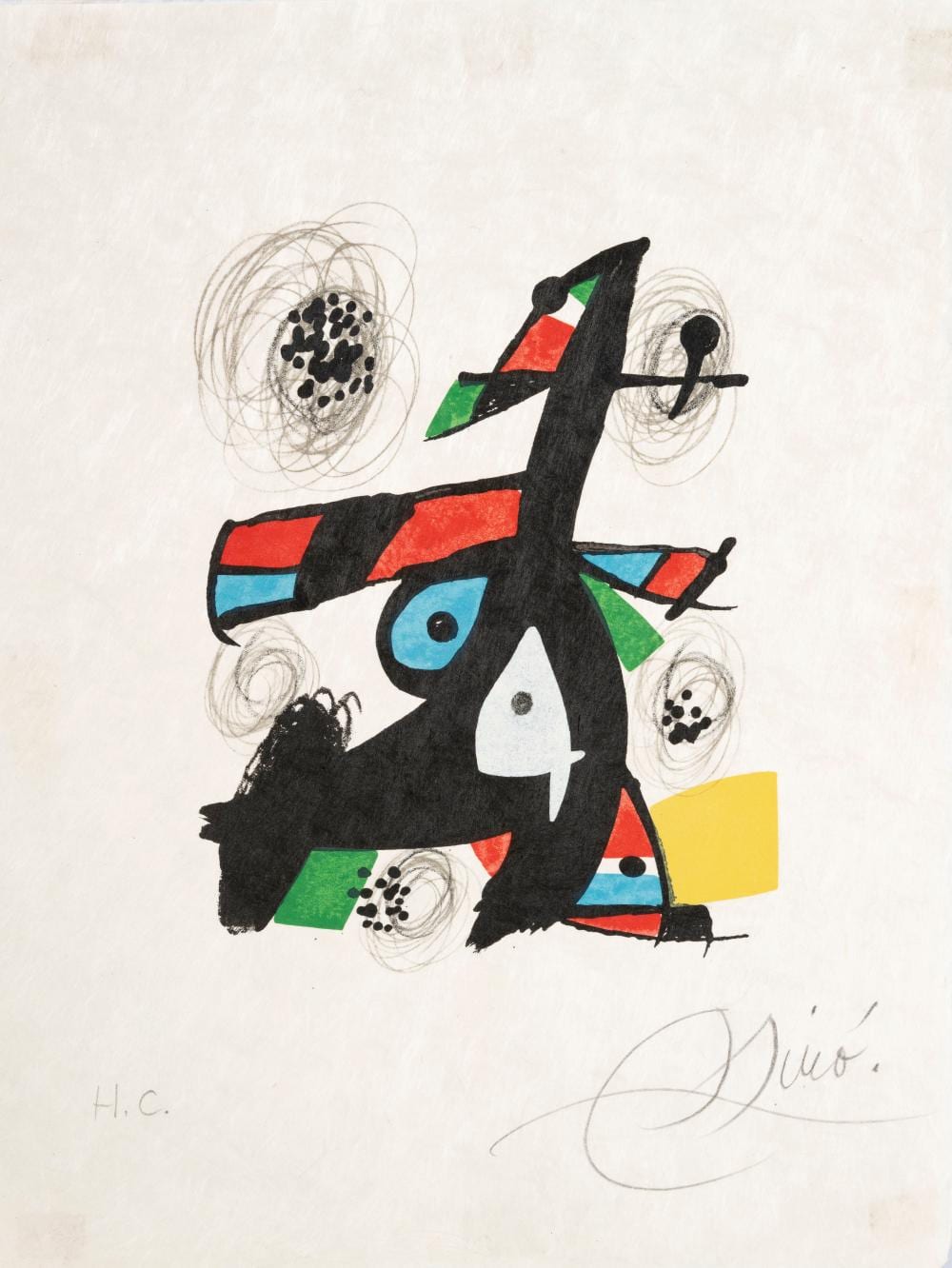
joan mir la m lodie acide v · Bogota Auctions · 2024-02-29 joan mir la m lodie acide v Bogota Auctions · 2024-02-29
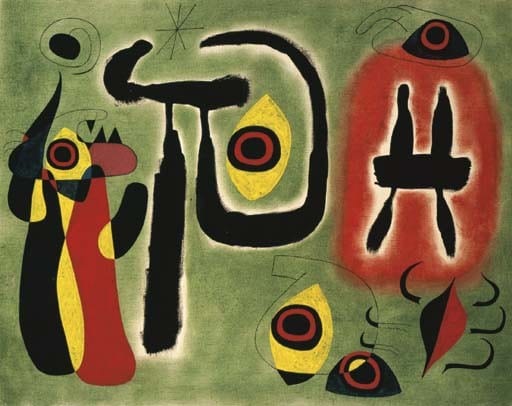
joan mir 1893 1983 · Christie's · 2005-11-01 joan mir 1893 1983 Christie's · 2005-11-01
Data basis
This page is built from Appraisily's public auction market index. Private transactions, incomplete sale feeds, and attribution changes may not be fully represented.
Artist value FAQ
How much is Joan Miró worth?
Comparable public auction sales are the best starting point, but final value depends on the specific artwork, condition, size, medium, provenance, and attribution confidence.
Can Appraisily value my Joan Miró artwork?
Yes. Appraisily can review photos, dimensions, signatures, condition, provenance, and comparable market data to prepare a current valuation.