Quick Answer: How Much Does an Art Appraisal Cost?
Art appraisals cost anywhere from $125 to $350 per hour for straightforward items, with a typical single-piece appraisal running $200 to $2,000 depending on the scope. A full USPAP-compliant written report for a high-value or complex artwork often commands $1,000 to $2,000+ because it requires 2–3 hours of research, documentation, and market analysis.
The wide range exists because what you are paying for changes dramatically based on why you need the appraisal, how rare the piece is, and which credentials the appraiser holds. This guide breaks down every fee driver so you can budget accurately and avoid overpaying.
In this guide
What You're Actually Pricing: Fee Models Explained
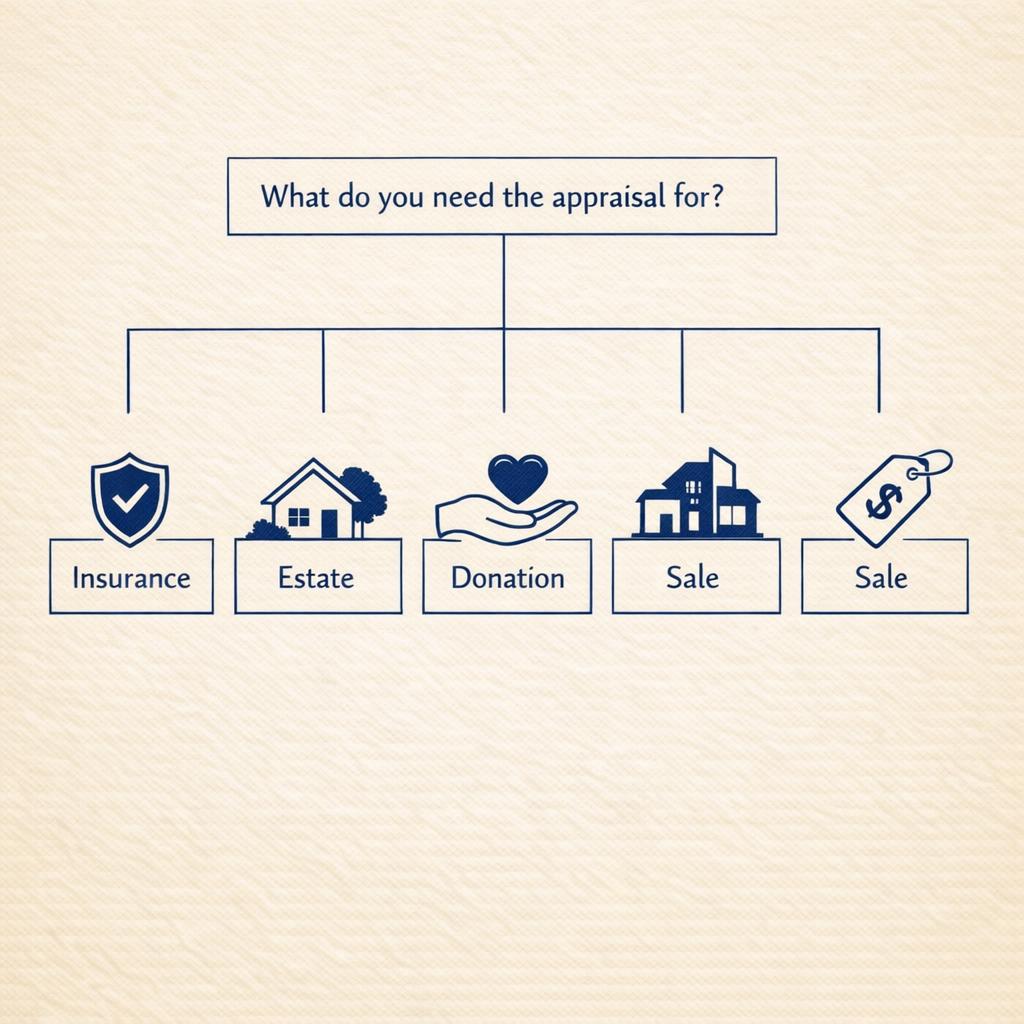
Not all appraisals are built the same. The type of value opinion you need determines how much research, documentation, and liability the appraiser assumes. Here is how the major fee models break down:
| Appraisal Purpose | Value Type | Typical Deliverable | Estimated Fee Range |
|---|---|---|---|
| Insurance coverage | Replacement Value | Written report with photos, condition notes, comparable sales | $250 – $1,500 per item |
| Estate settlement / probate | Fair Market Value (FMV) | USPAP-compliant report, market analysis, IRS-ready documentation | $500 – $2,000+ per item |
| Charitable donation (IRS Form 8283) | Fair Market Value | Qualified appraisal statement, signed Form 8283 Section B for items ≥$5,000 | $300 – $2,000+ per item |
| Resale / consignment planning | Marketable Cash Value | Verbal opinion or brief written summary, auction comparables | $125 – $500 per item |
| Divorce / litigation support | Fair Market Value | Full written report, expert testimony, deposition-ready | $1,000 – $5,000+ |
| Curatorial / collection management | Insurance or FMV | Per-item catalog entries, bulk discounts for collections | $75 – $350 per item (bulk rates) |
The key insight: a $125 verbal opinion and a $2,000 written report can both be legitimate. They serve different legal and practical purposes. Always clarify what value type you need before requesting a quote.
The 7 Factors That Drive Art Appraisal Fees
Once you know what type of value opinion you need, these seven variables determine where your fee lands within the ranges above.
1. Appraisal Purpose and Value Definition
This is the single biggest cost driver. An insurance replacement appraisal requires current retail-market comparables and condition documentation. An estate FMV appraisal needs historical sales data from the date of death. A charitable donation appraisal must meet IRS qualified appraiser standards and include specific language for Form 8283. Each purpose demands different research paths and carries different liability levels for the appraiser.
2. Research Complexity and Market Activity
A well-documented contemporary artist with active auction records takes less research time than an obscure regional painter from the 19th century. Appraisers charge for the hours spent querying auction databases, gallery records, and comparables. In 2025, total fine-art auction sales hit $11.7 billion (up 13.3% year-over-year, per Artnet's March 2026 report), which means more market data is available than ever—but more data also means more research time for non-blue-chip artists.
3. Appraiser Credentials and Experience
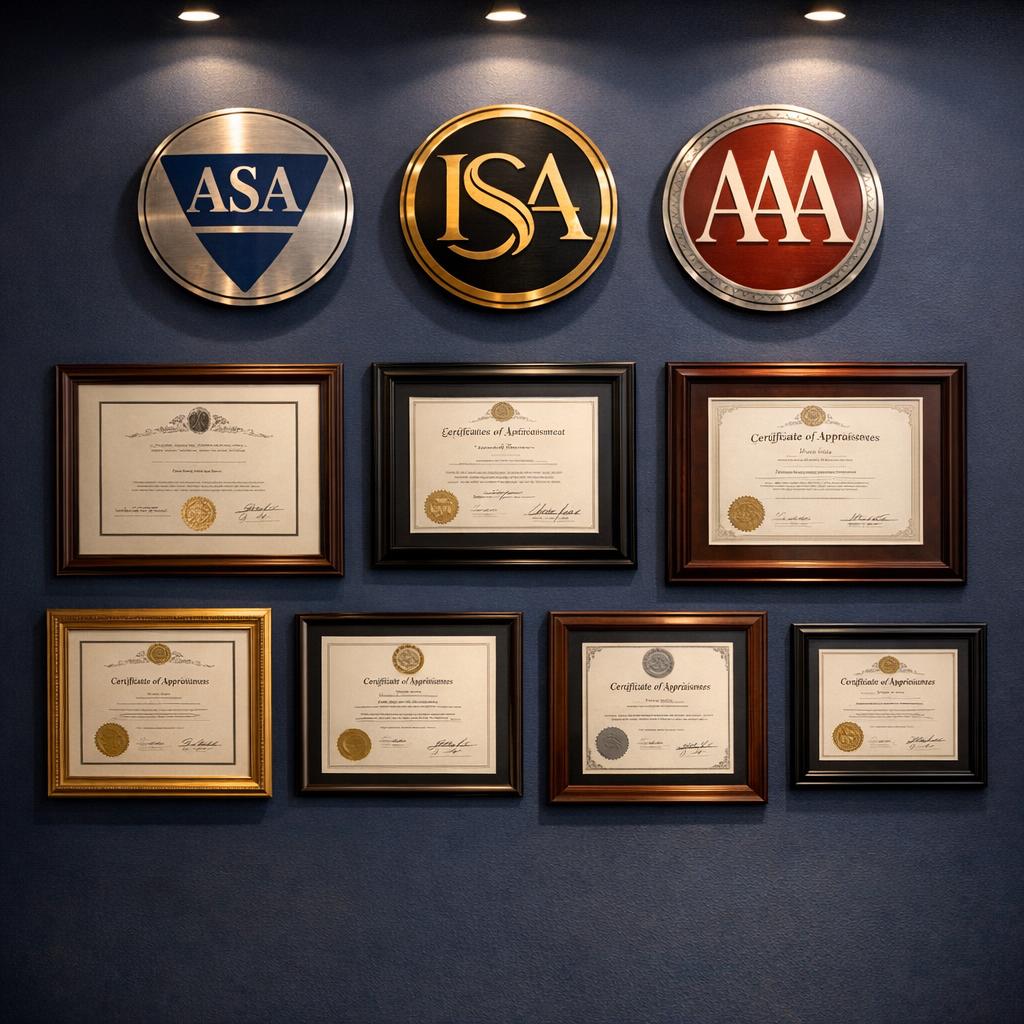
Designations from the American Society of Appraisers (ASA), International Society of Appraisers (ISA), or Appraisers Association of America (AAA) signal that the professional has completed testing, peer review, and continuing education. ASA-accredited senior appraisers typically charge $200–$350/hour, while less-experienced generalists may start at $125–$175/hour. The premium is not just for the credential—it buys you defensibility. Insurance companies, courts, and the IRS all look more favorably on reports from designated professionals.
4. Number of Items and Collection Size
Most appraisers offer per-item pricing that scales down for larger collections. A single painting might cost $400–$800 to appraise in isolation, but the same artwork in a 50-piece estate collection could drop to $150–$300 per item. Ask about bulk rates upfront—many appraisers build collection pricing into their fee schedules.
5. Inspection Method: In-Person vs. Remote
In-person inspections add travel time and expenses but are often necessary for high-value or condition-sensitive works. Remote appraisals using high-resolution photographs reduce overhead and can cost 20–40% less than on-site visits. For pieces under $5,000 with clear provenance, a remote appraisal with photo submission is often sufficient.
6. Authenticity and Attribution Work
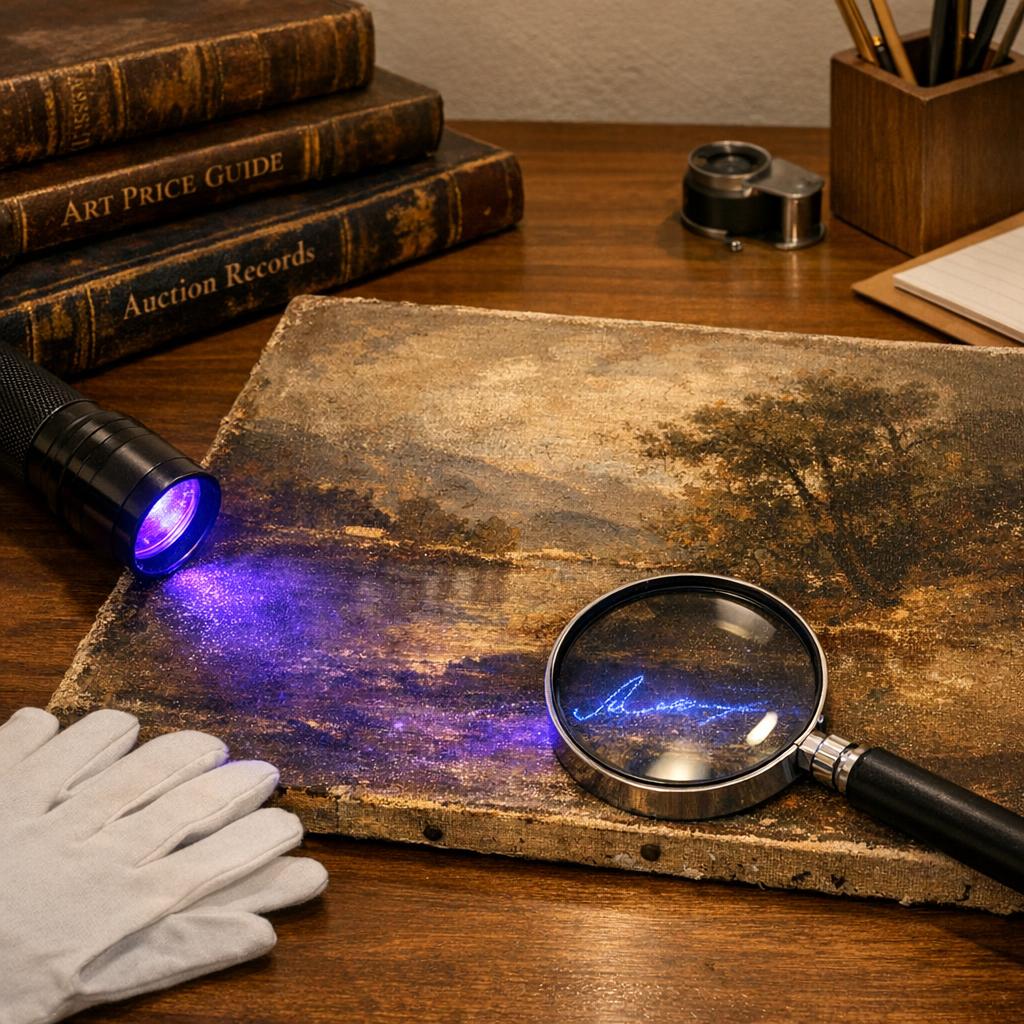
If the artwork's maker is uncertain, the appraiser must undertake connoisseurship research—comparing brushwork, materials, signatures, and provenance against catalogues raisonnés. This specialist work can add 5–15 hours to the engagement. Museums and auction houses frequently employ dedicated researchers for this reason. The 2026 Art Basel/UBS report noted that the global art market reached $65 billion in 2025, with auction sales rising 9% to $20.7 billion—meaning attribution disputes are more common and more expensive to resolve.
7. Report Format and Legal defensibility
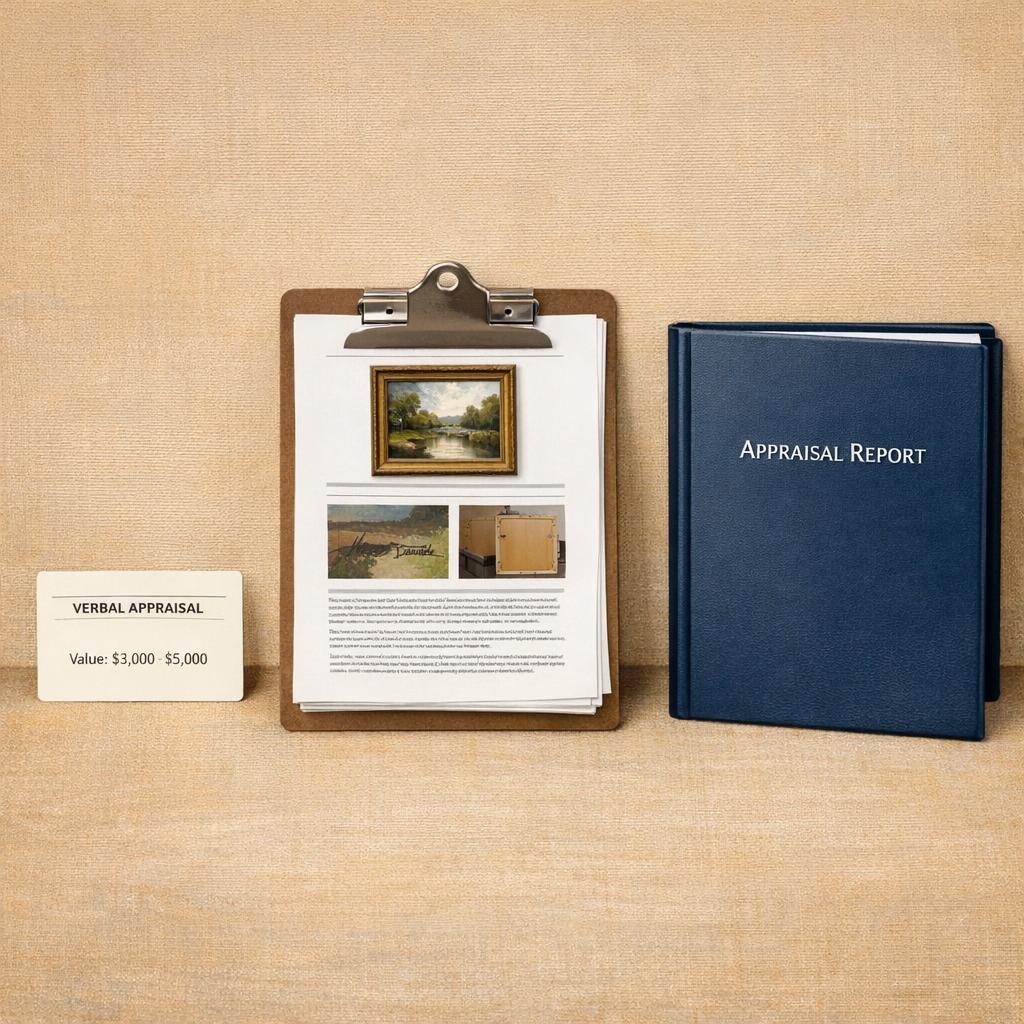
A verbal opinion of value is the fastest and least expensive option—useful for informal resale planning or curiosity. A restricted appraisal report provides limited documentation for the client's internal use only. A complete self-contained USPAP report includes full methodology, market analysis, comparable sales data, and is defensible before the IRS, in court, or with insurance carriers. Each step up in format adds significant research and documentation time, which is reflected in the fee.
Real Auction Comps: How Market Data Informs Appraisal Fees
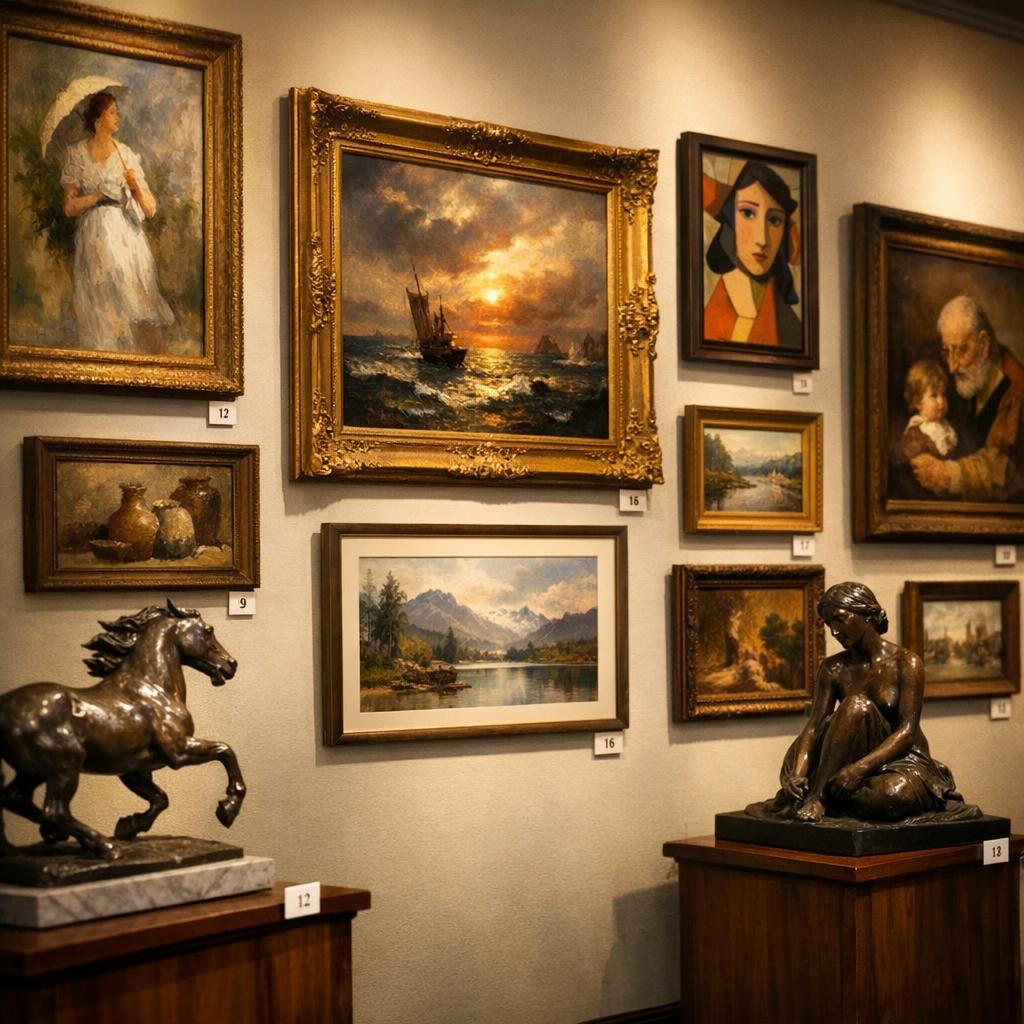
To understand why appraisers spend hours on research, consider the diversity of the art auction market. Here are ten recent lots that a single art-specialist appraiser might need to cross-reference when valuing a collection:
Avoid the Percentage-of-Value Trap
Some appraisers charge a percentage of the artwork's appraised value (typically 1–4%). This practice creates a conflict of interest: the appraiser benefits from inflating the value. USPAP ethics guidelines discourage percentage-based fees for exactly this reason. Reputable firms charge flat fees or hourly rates independent of the outcome.
Red flag: if an appraiser offers to work on contingency or takes a cut of the eventual sale price, they are acting as a dealer or broker—not an impartial valuer. For insurance, tax, or legal purposes, you need an independent opinion.
How to Prepare for Your Appraisal (and Save Money)
The more organized you are before the appraiser begins, the fewer billable hours you will consume. Follow this checklist:
- Photograph each piece clearly—front, back, signature area, any damage or restoration. Good photos can eliminate the need for an in-person visit.
- Gather provenance documents—receipts, exhibition history, previous appraisal reports, gallery labels, and any artist certificates.
- Define your purpose upfront—insurance, estate, donation, or resale. The appraiser can then scope the right value type from day one.
- Ask for a written fee agreement—hourly rate or flat fee, estimated hours, and what deliverables are included.
- Group items by category—if you have a collection, organize by medium (paintings, sculpture, prints) so the appraiser can batch research efficiently.
When a Free AI Estimate Is a Good Starting Point
Not every piece needs a $1,000 appraisal on day one. If you are in the early discovery phase—curious about whether a piece might be valuable enough to warrant professional attention—an AI-powered estimate can give you a free preliminary range. It is not a legal document, but it helps you triage: which pieces deserve a formal USPAP report, and which are decorative.
At Appraisily, you can start your appraisal online in minutes. Upload photos, share what you know, and receive a specialist review—no hourly billing, no guesswork.
Free instant estimate
Not sure if your item is worth appraising? Let us take a look.
Upload a photo, tell us what you know, and get a free first read. If a full appraisal makes sense, we will say so.
Free. No card needed. Takes about two minutes.
Appraisal Fee Benchmarks at a Glance
Based on industry surveys, firm fee pages, and aggregator data (HomeAdvisor, Museum Exchange, Risk Strategies, American Art Appraisal), here is where the market sits in early 2026:
- Hourly rate range: $125 – $350/hour (generalist) to $300 – $500/hour (senior designated specialist)
- Single artwork, standard report: $200 – $2,000
- Full USPAP-compliant estate appraisal: $1,000 – $5,000+ depending on collection size
- Flat-fee minimums: Some firms set a $500–$4,500 project minimum for written reports
- Collection / bulk rates: $75 – $300 per item for 10+ pieces in a single engagement
These are market medians. Your actual fee depends on the seven factors outlined above. Always request a scoped quote before work begins.
Get a Transparent Art Appraisal Quote
Upload photos and details online. A specialist reviews your piece and returns a clear fee estimate—no hourly surprises, no percentage-of-value conflicts.
- Flat-fee or hourly—you choose
- USPAP-compliant reports available
- Insurance, estate, donation, or resale purposes
Free initial review · Response within 24 hours
Search Variations Readers Often Ask
Readers often Google these questions—each one is addressed in the guide above:
- How much does an art appraisal cost per hour?
- What affects art appraisal fees the most?
- Art appraisal cost for insurance vs. estate purposes
- USPAP-compliant art appraisal price range
- Cheap art appraisal near me—what to expect
- Art appraisal fee structure: hourly vs. flat fee
- Free art appraisal estimate online
- How to find a qualified art appraiser at fair prices
Each question is answered in the valuation guide above. For a personalized quote, start your appraisal online.
References and Further Reading
- Uniform Standards of Professional Appraisal Practice (USPAP) — The Appraisal Foundation, 2025–2026 Edition
- Artnet News, "How Auction Sales Fueled an $11.7 Billion Art Market Rebound" — March 2026
- Art Basel & UBS, "The Art Market 2026" Report — Global fine-art auction sales rose 9% to $20.7B
- Artprice Annual Report 2025 (Artmarket.com) — 32nd edition, 12% market growth, record works sold (+6.5%)
- American Society of Appraisers (ASA) — Code of Ethics and Fee Guidelines
- IRS Publication 561 — Determining the Value of Donated Property (qualified appraisal requirements)
Auction comps sourced from the Appraisily valuer-agent database and verified against public auction records. Editorial policy and sourcing standards are published at appraisily.com/editorial-policy.