Pablo Picasso Auction Prices and Value Guide
Pablo Picasso auction prices are tracked in Appraisily's artist market index, with source-directory coverage of 123,913 records. Use this page to review sold-lot activity, market context, and valuation factors before requesting a formal appraisal.
Pablo Picasso auction prices: quick answer
Pablo Picasso auction prices depend on medium, size, date, condition, provenance, edition details, attribution confidence, and recent comparable auction sales.
- Artist
- Pablo Picasso
- Source records
- 123,913
- Market update
- 2026-02-16
Pablo Picasso market snapshot
Pablo Picasso shows very deep auction liquidity with 4,473 tracked lots. Median realized sale is around $4,000. Category concentration is still broad or sparse. Last 12 months recorded 1,560 sales. Latest recorded sale: 2026-02-12.
Realized price distribution
- Under $1,000 (27.3% · 892 sales)
- $1,000 to $10,000 (44.3% · 1,444 sales)
- $10,000+ (28.4% · 926 sales)
- Median sale (last 12 months)
- $4,200
- Sales recorded (last 12 months)
- 1,560
- Median shift vs prior year
- +10.5%
- Latest recorded sale
- 2026-02-12
Artist context
About Pablo Picasso


Born
1881
Died
1973
Nationality
Spanish, French
Also known as
Pablo Ruiz Picasso, Pablo Ruiz y Picasso, Pablo Ruys, Pablo Ruiz
Pablo Picasso (1881–1973) was a Spanish painter, sculptor, printmaker, and ceramicist who spent most of his adult life in France and is widely regarded as one of the most influential artists of the 20th century. Born in Málaga, he trained under his father, the painter José Ruiz Blasco, and by his late teens had begun a career that would span more than seven decades. Picasso co-founded Cubism with Georges Braque, invented constructed sculpture, and helped pioneer collage, while also working across Classicism, Surrealism, and a wide range of personal styles he adopted, discarded, and returned to throughout his life. His landmark paintings Les Demoiselles d'Avignon (1907) and Guernica (1937) are among the most recognized works in Western art history. Picasso resisted being categorized under any single movement, preferring to explore diverse approaches to the human figure, still life, and mythological subjects across painting, sculpture, works on paper, and ceramics.
CubismSurrealismClassicism (Neoclassical period)oil paintingsculptureprintmaking (etching, lithography, linocut, drypoint)ceramicshuman figure and portraiturestill lifewar and political themes
Common works and media
Collectors and appraisers most frequently encounter Picasso's work in the form of oil paintings on canvas or panel; bronze, plaster, and mixed-media sculptures; lithographs and etchings in signed and numbered editions; linocuts from his later years; pastel, gouache, and watercolor drawings on paper; papi collés and other collage works; and editioned ceramics produced in collaboration with the Madoura pottery in Vallauris during the 1950s and 1960s. Posters and exhibition prints also circulate widely. Common subjects include portraits and figures, still lifes, bulls and bullfighting scenes, mythological creatures, and variations on Old Master paintings.
Market and appraisal context
Pablo Picasso is one of the most heavily traded artists at auction worldwide. Appraisily's auction-record index tracks 6,445 lots spanning from November 1989 through April 2026, with 4,822 carrying a recorded realized price. The price distribution is exceptionally wide: the median lot sells for approximately $4,032 USD, the 25th percentile sits at $600, and the 75th percentile at $11,430, while the upper bound reaches $196,750,000 for blue-chip paintings at major houses. This dispersion reflects the vast range of mediums and periods in Picasso's output—from editioned ceramics and posters that trade in the hundreds of dollars to unique oil paintings and sculptures that command eight- and nine-figure sums. Liquidity is strong and growing: 2,212 priced lots appeared in the most recent 12-month window versus 1,988 in the prior 12 months, a roughly 11% increase. The top houses by volume include Christie's, Sotheby's, Bonhams, Forum Auctions, and Piasa, but Picasso lots also appear regularly at regional houses such as Rago Arts and Auction Center, Freeman's, Gorringes, and Bakker Auctions, reflecting the breadth of material in circulation. Recent comparable lots (March 2026) include Madoura ceramics (Picador A.R. 289 at $2,750; Toros c. 1953 at $1,800; Bouteille gravée A.R. 249 at $21,000), lithographs and prints ($275–$5,636), and exhibition posters (unsold to low hundreds).
Auction categories and appraisal factors
Common auction categories
- Post-War and Contemporary Art
- Impressionist and Modern Art
- Old Master Prints and Multiples
- Ceramics and Decorative Art
- Prints and Multiples (lithographs, etchings, linocuts)
Value drivers
- Period and style: works from the Blue Period, Analytic Cubism, and the 1930s Surrealist phase tend to command the highest prices at auction
- Medium: unique oil paintings and major sculptures carry premiums; editioned prints, ceramics, and works on paper are more accessible entry points
- Provenance and exhibition history: documented ownership and inclusion in museum exhibitions strengthen appraisal value
- Catalogue raisonné authentication: inclusion in the Zervos or other recognized catalogues is a key factor in establishing authenticity
- Condition, edition number, and medium-specific factors (e.g., state of impression for prints, glaze integrity for ceramics)
- Subject matter: portraits of notable sitters and works from acclaimed series tend to attract stronger bidding
Appraisal caveats
- Picasso's output was extraordinarily large and spans many mediums; not all works carry the same market weight as his most celebrated paintings and sculptures.
- Editioned prints and ceramics exist in multiples, and edition size, numbering, and authenticity stamps significantly affect individual lot value.
- The Picasso market includes a significant volume of attribution disputes and forgery cases; professional authentication is essential.
- The price range ($3 to $196,750,000) spans several orders of magnitude; a median of $4,200 does not represent the value of a unique painting any more than the maximum represents a ceramic edition.
Evidence
Sources for artist context
This source-grounded artist context passed Appraisily's promotion threshold: high confidence, strong sources.
- Library of Congress library authority
- RKD (Netherlands Institute for Art History) library authority
- The Museum of Modern Art museum or university
- Wikipedia wikipedia
- VIAF library authority
- Wikidata library authority
Recent sale records
Selected public auction records currently in the Appraisily lot index. Use them as market context, then request a formal appraisal before you sell, insure, or donate.
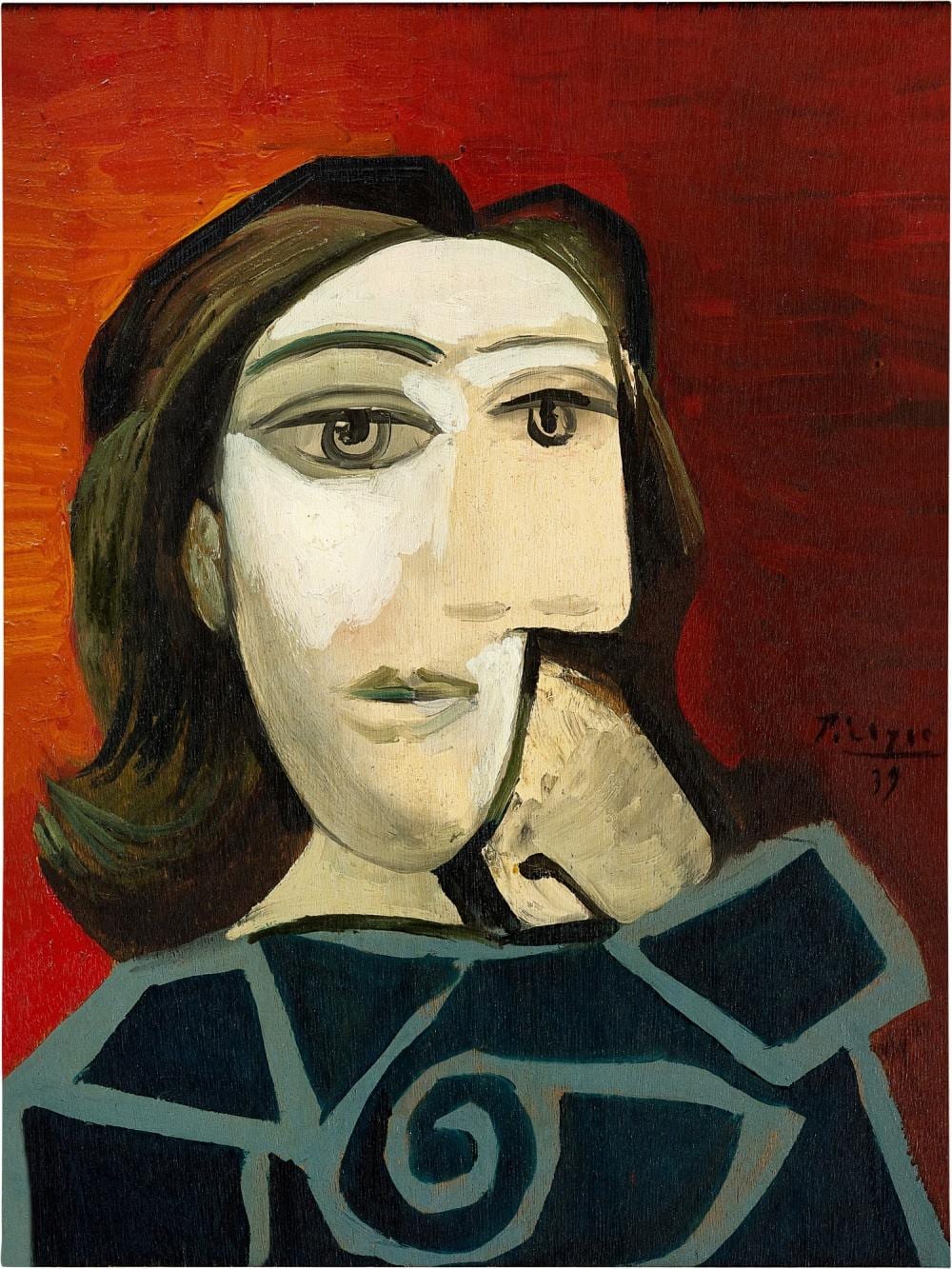
pablo picasso dora maar · Sotheby's · 2022-04-27 pablo picasso dora maar Sotheby's · 2022-04-27

pablo picasso 1881 1973 · Christie's · 2010-05-04 pablo picasso 1881 1973 Christie's · 2010-05-04
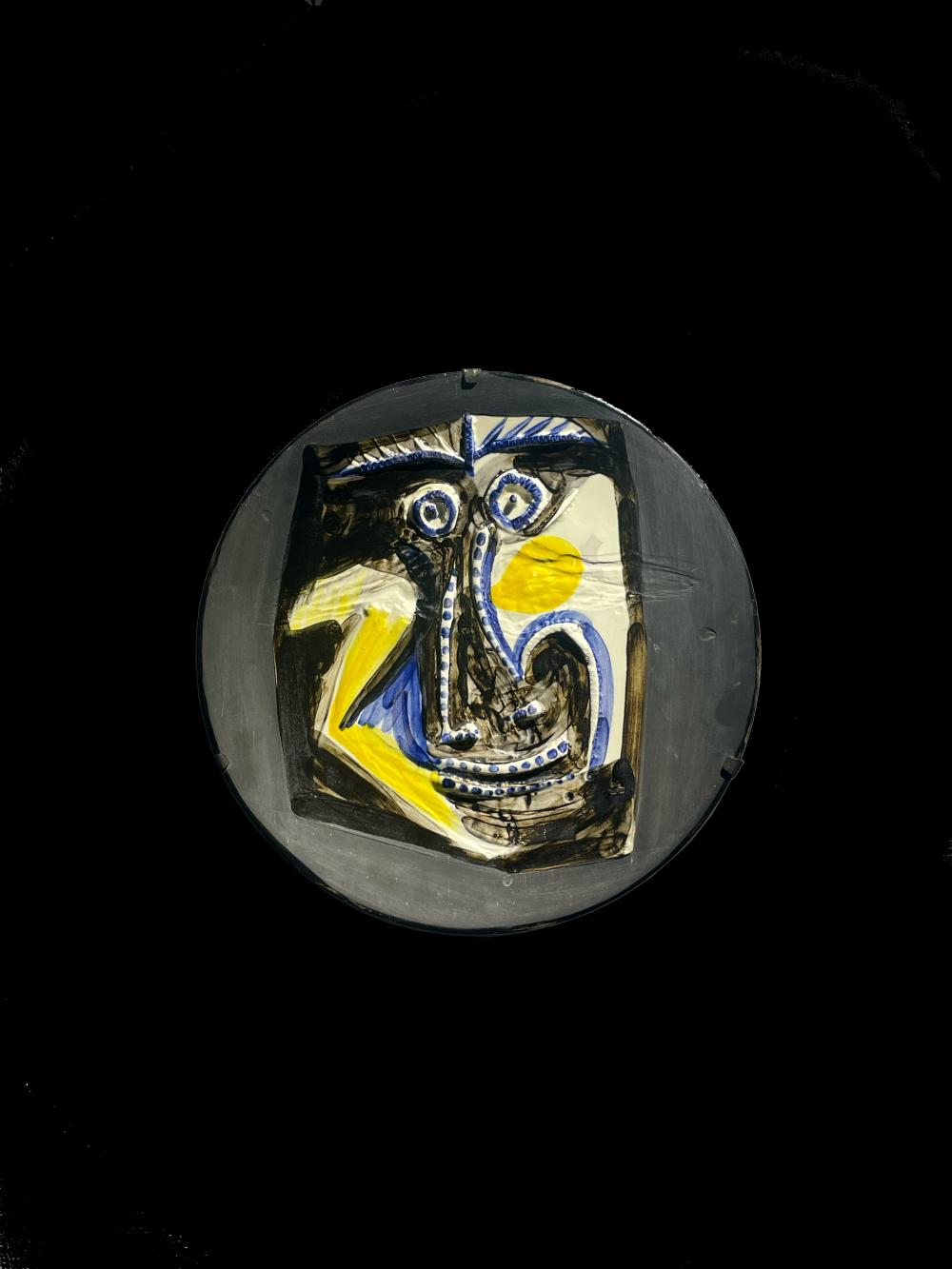
pablo picasso 1881 1973 visage rami 446 1960 cer mica medidas 42 x 42 cm · Lefebre Subastas · 2023-11-15 pablo picasso 1881 1973 visage rami 446 1960 cer mica medidas 42 x 42 cm Lefebre Subastas · 2023-11-15
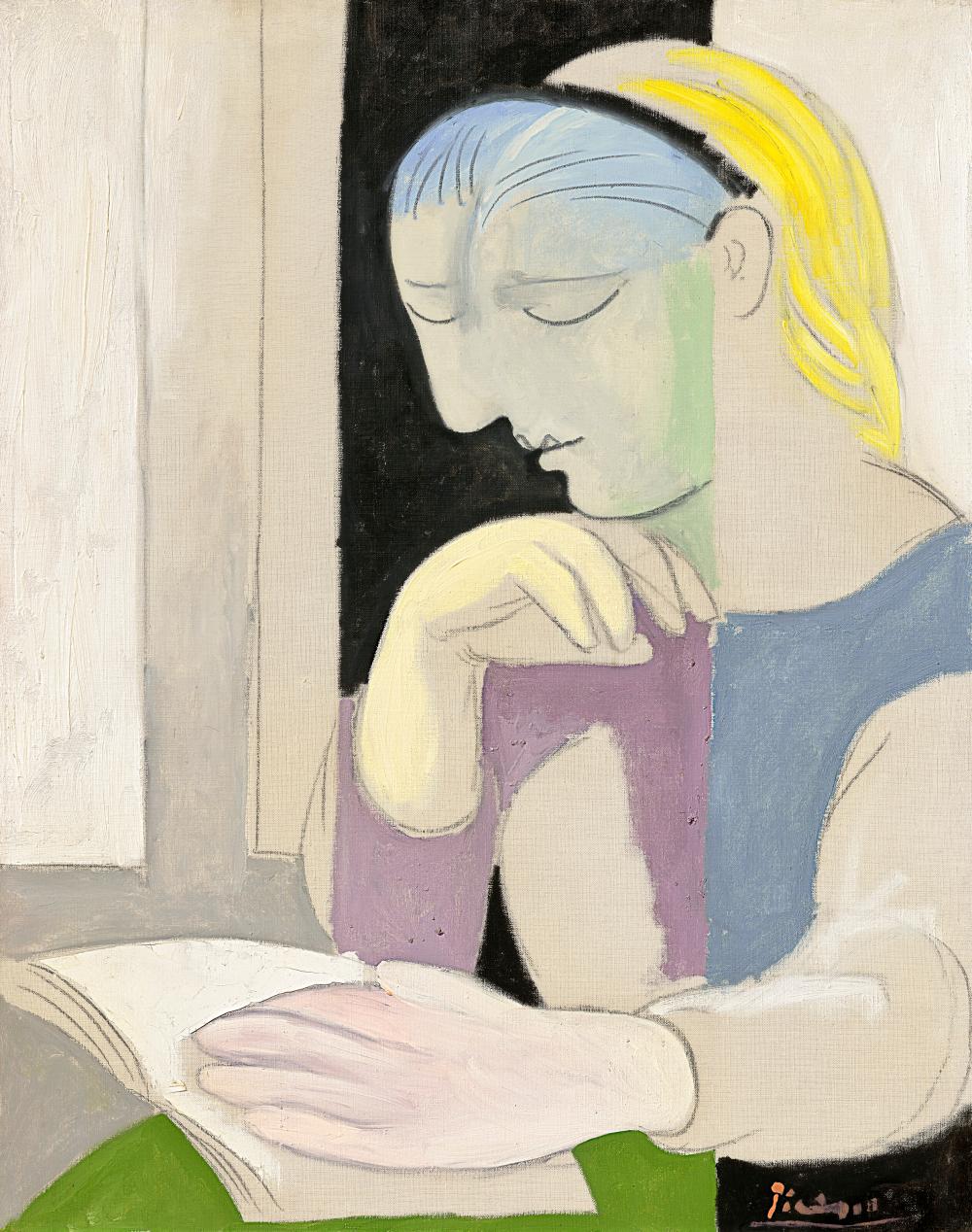
pablo picasso 1881 1973 la lecture marie th r se oil ripolin and cha · Christie's · 2025-11-17 pablo picasso 1881 1973 la lecture marie th r se oil ripolin and cha Christie's · 2025-11-17
pablo picasso 1881 1973 nature morte la fen tre oil on canvas 51 x 63 7 · Christie's · 2023-05-11 pablo picasso 1881 1973 nature morte la fen tre oil on canvas 51 x 63 7 Christie's · 2023-05-11
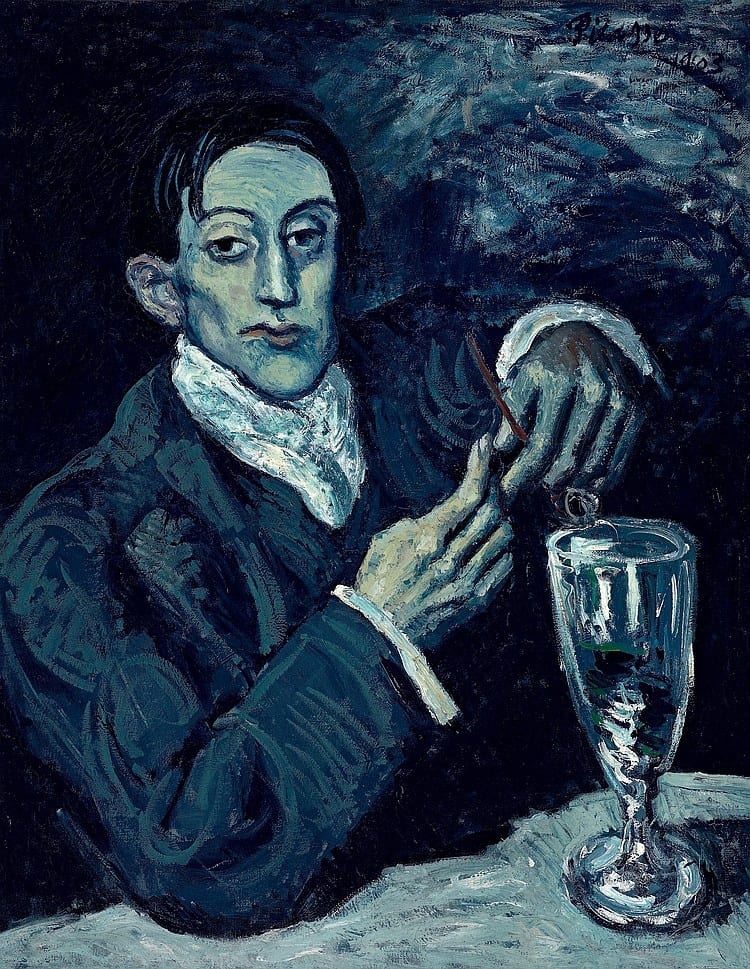
pablo picasso 1881 1973 · Christie's · 2010-06-23 pablo picasso 1881 1973 Christie's · 2010-06-23
Data basis
This page is built from Appraisily's public auction market index. Private transactions, incomplete sale feeds, and attribution changes may not be fully represented.
Artist value FAQ
How much is Pablo Picasso worth?
Comparable public auction sales are the best starting point, but final value depends on the specific artwork, condition, size, medium, provenance, and attribution confidence.
Can Appraisily value my Pablo Picasso artwork?
Yes. Appraisily can review photos, dimensions, signatures, condition, provenance, and comparable market data to prepare a current valuation.