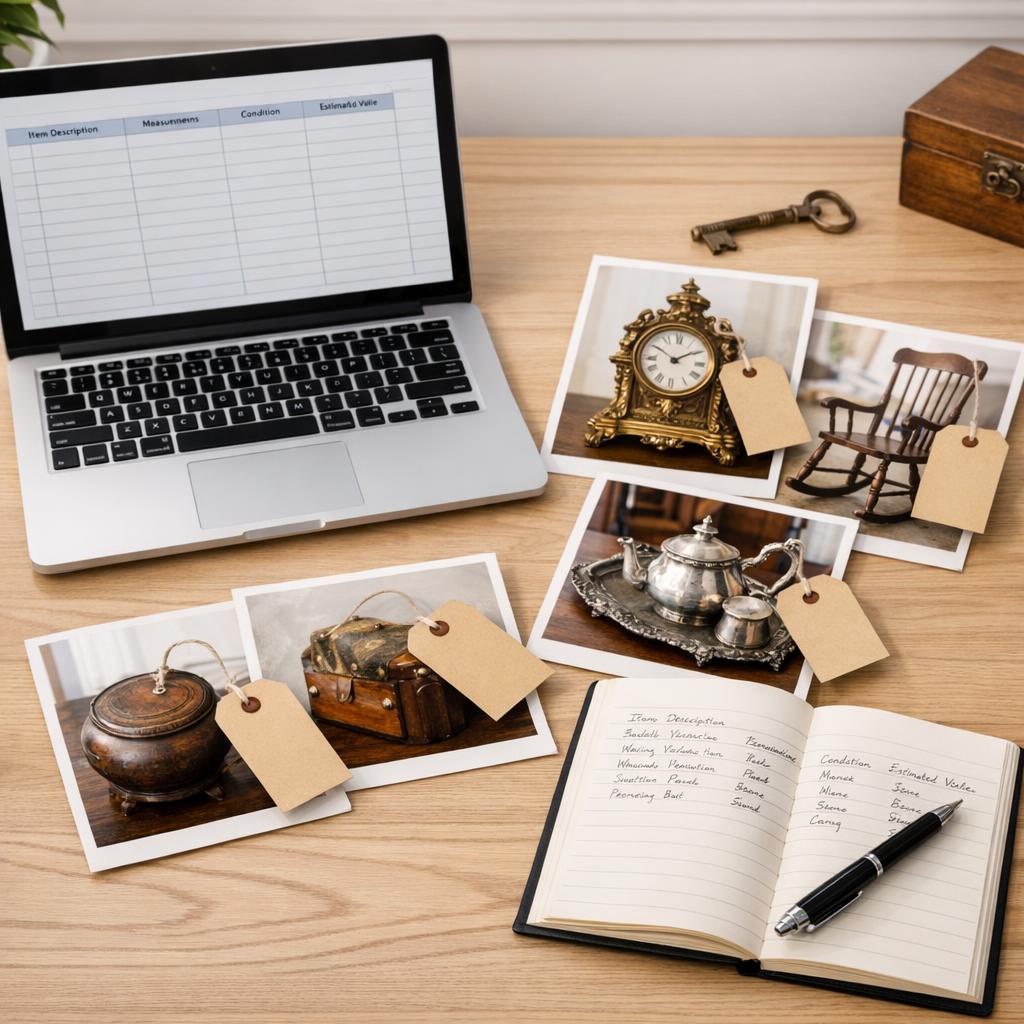
Antique and art appraisal file basics
A credible antique or art appraisal file starts with clear identification, condition, provenance, and market evidence. The file should let another qualified reviewer understand what was valued, which evidence was used, and why the value conclusion is reasonable.
Think of the appraisal file as the working evidence record behind the report. It should include the object description, photographs, labels or marks, condition observations, provenance documents, comparable sales, value definition, assumptions, limiting conditions, and any legal or ethical risk notes.
A strong file does not need to be complicated. It needs to be organized, dated, source-labeled, and consistent enough that every value statement can be traced back to a photo, document, comparable sale, or observation.
Free first read
Check whether your appraisal file has enough evidence
Upload photos, labels, receipts, provenance notes, prior appraisals, condition details, and any sale records. The free screener can flag what is missing before you pay for a signed report.
Start with a free screener. Use a signed report only if you need insurance, estate, donation, or sale documentation.
How We Research Valuation Data
Our appraisal guides are based on auction results, dealer pricing data, documented standards, and professional appraiser insights. We may earn a commission when you use our professional appraisal service. Learn about our editorial standards.
Core sections every appraisal file should have
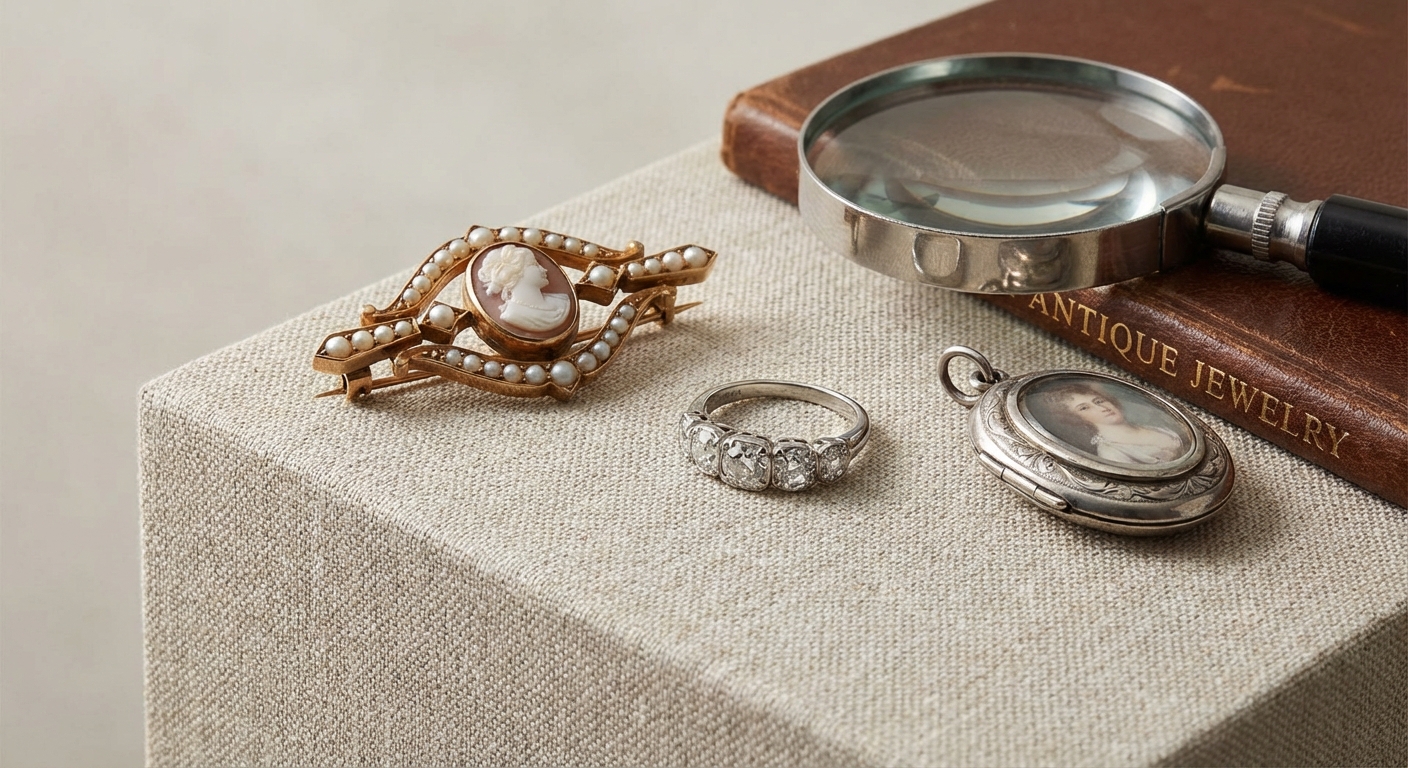
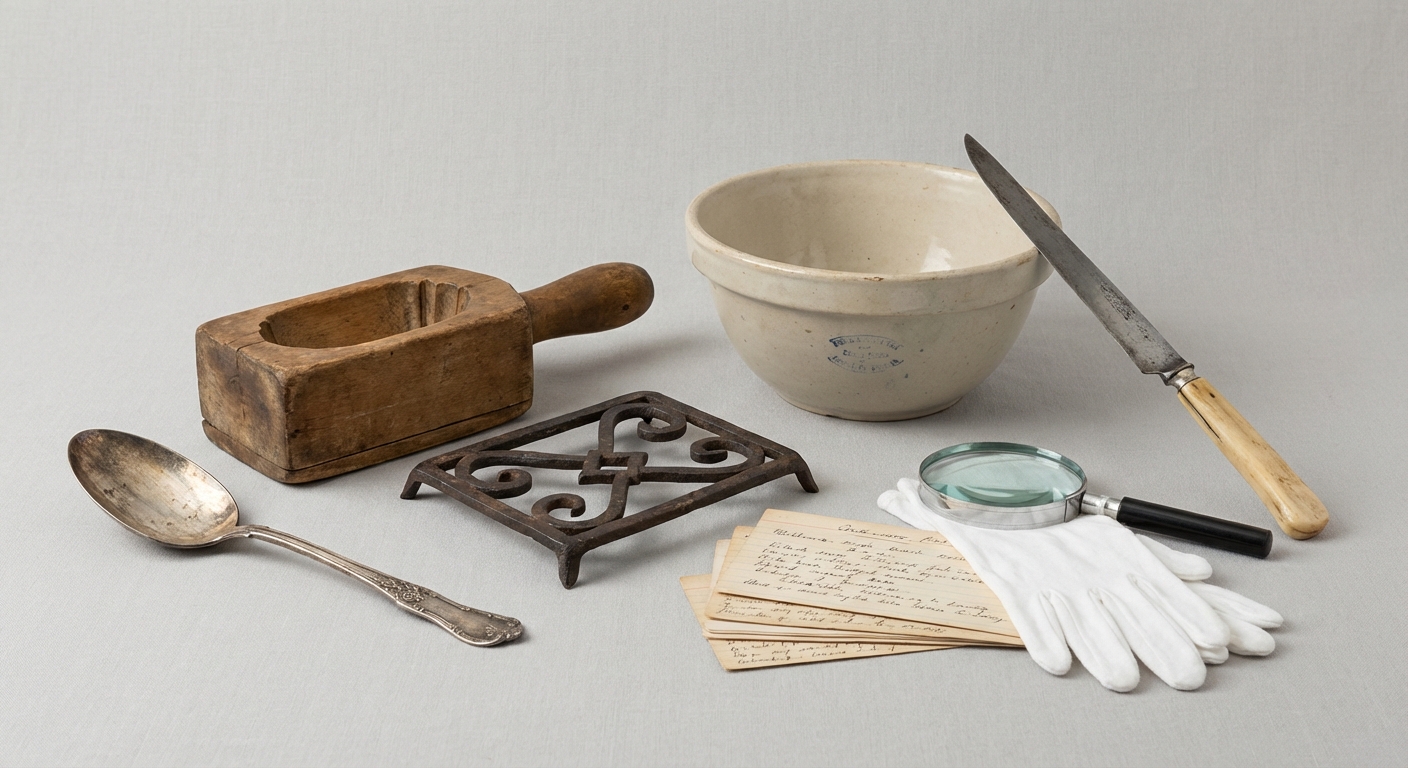
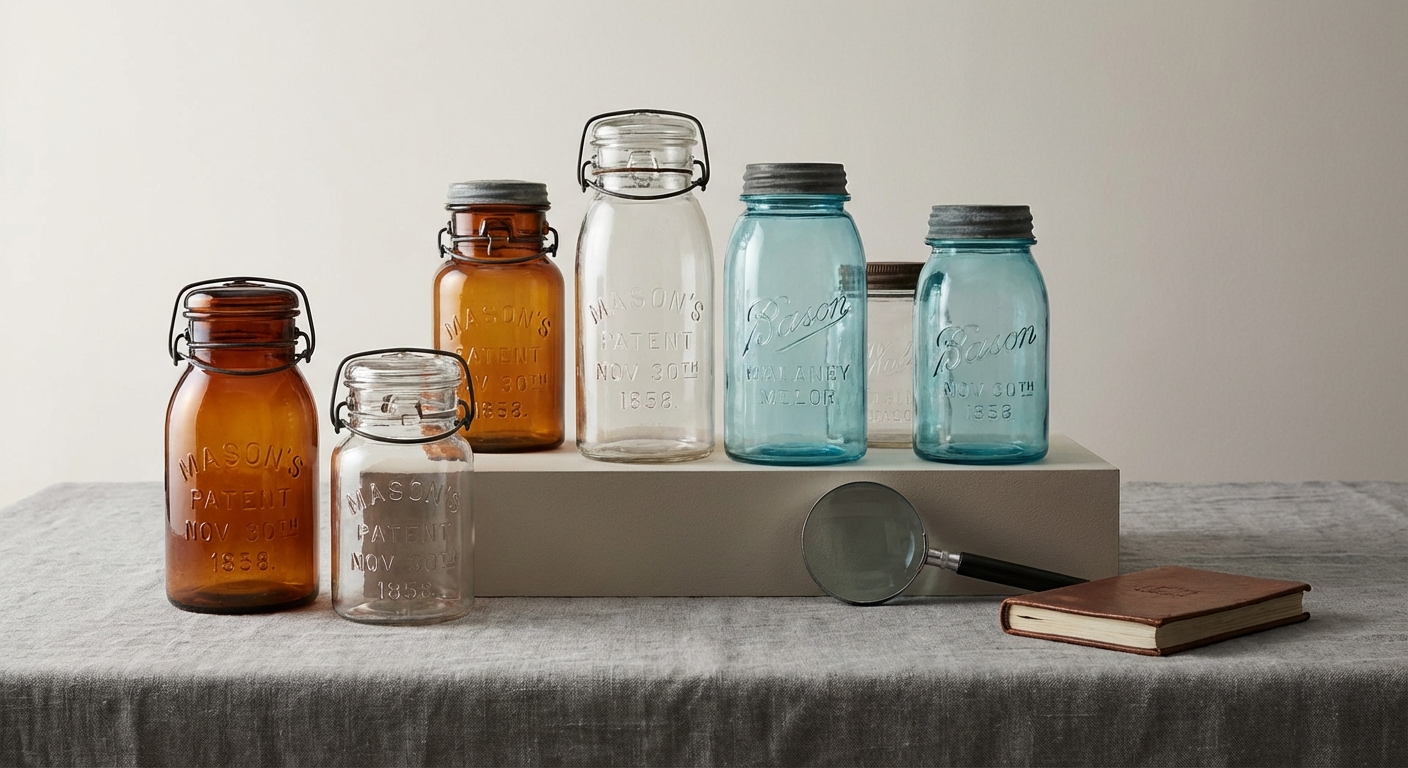
- Identification: object type, artist or maker, title, date or period, materials, dimensions, marks, inscriptions, edition, labels, and distinguishing features.
- Photographs: full views, back or underside, marks, signatures, labels, construction details, repairs, condition issues, scale, and color reference when practical.
- Provenance: receipts, invoices, family records, auction listings, gallery labels, collection stamps, exhibition history, prior appraisals, and ownership timeline.
- Condition: wear, losses, cracks, repairs, restoration, overpaint, refinishing, relining, replaced parts, stability, and conservation recommendations.
- Market evidence: comparable sales, dealer listings when appropriate, sale dates, venues, lot numbers, currency, buyer premium status, and adjustment notes.
- Risk notes: title concerns, cultural property issues, CITES materials, wartime provenance gaps, restrictions, or assumptions that affect marketability.
Condition notes that actually affect value
Condition should be written as evidence, not as a vague grade. Explain what is original, what is worn, what has been repaired, and what needs specialist conservation. A rare object with stable, honest repairs may still be valuable, while aggressive refinishing or hidden restoration can sharply reduce buyer confidence.
Keep UV, raking-light, underside, and detail photos with the file when relevant. Label each photo so the reader knows exactly what it shows and where it appears on the object.
Note: We couldn’t find relevant auction comps in our database for this topic right now. If you’re valuing a specific item, try searching by maker/model/material and we’ll expand coverage over time.
What similar items actually sold for
To help ground this guide in real market activity, here are recent example auction comps from Appraisily’s internal database. These are educational comparables (not a guarantee of price for your specific item).
| Image | Description | Auction house | Date | Lot | Reported price realized |
|---|---|---|---|---|---|
| No relevant auction comps found for this topic right now. | |||||
Disclosure: prices are shown as reported by auction houses and are provided for appraisal context. Learn more in our editorial policy.
How to organize comparable sales
Comparable sales should match the subject as closely as possible: maker or artist, period, material, size, subject, edition, condition, provenance, and venue. Note whether the price is hammer, premium-inclusive, retail asking, or net seller result. Do not mix those figures without explaining the adjustment.
Three strong comps are usually better than ten weak comps. If the market is thin, explain why adjacent evidence was used and how much confidence should be placed on the final value range.
Legal and ethical risk notes
Some appraisal files need more than market research. Watch for cultural property restrictions, CITES-regulated materials, title problems, stolen-property concerns, and provenance gaps for European artworks around 1933 to 1945. If legal status is uncertain, state the risk and avoid implying clean title.
Search variations collectors ask
Readers often Google:
- what documents are needed for an art appraisal
- antique appraisal file checklist
- how many comparable sales are enough for an appraisal
- what photos should be in an appraisal file
- how condition affects antique value
- what provenance documents support value
- USPAP workfile requirements for personal property appraisals
- how to organize appraisal photos and sale records
Each question maps to the file sections, condition, comparable sales, and risk-review guidance above.