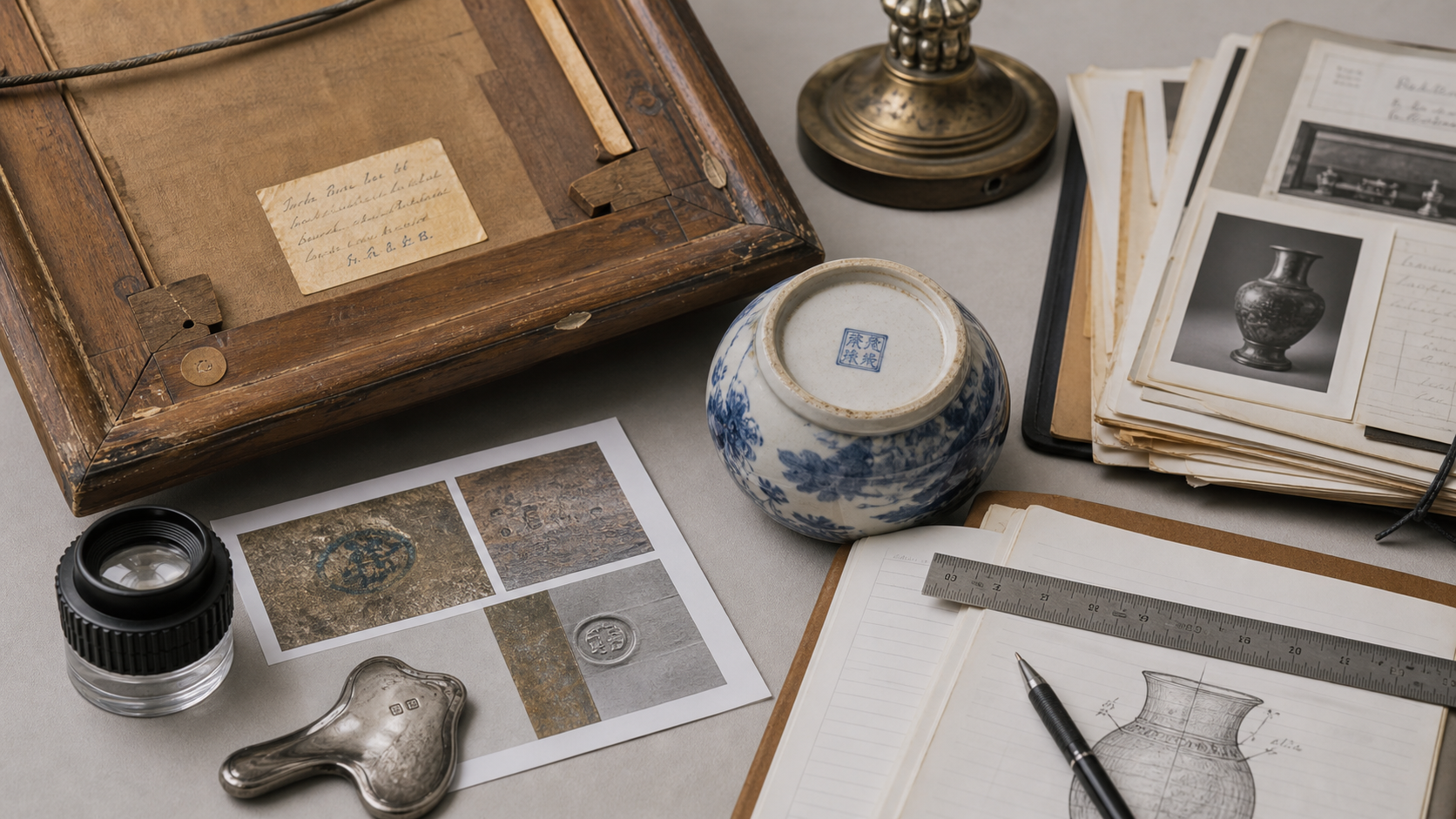
Decode marks and numbers: appraisal basics
Marks and numbers on antiques and art can point to maker, edition, foundry, assay office, factory, dealer, collection, museum, auction, framer, or later inventory. The appraisal task is to classify the mark, test it against the object, and decide whether it affects value.
Free first read
Check what your mark or number may mean
Upload close photos, full-object images, and documents. The free screener can flag whether the identifier looks like maker evidence, edition evidence, provenance, or later inventory.
Start with a free screener. Use a signed report when the identifier affects insurance, estate, donation, resale, or formal documentation.
1. Classify the identifier before researching value
First decide whether the mark is part of manufacture, editioning, ownership, sale history, repair, shipping, or later inventory. A hallmark, foundry stamp, edition number, dealer label, accession number, and auction lot sticker each answer a different question.
2. Decode with a repeatable workflow
Photograph the mark in context, transcribe it exactly, record placement, inspect materials and condition, compare against reference systems, then look for external records. Do not clean, remove, or over-write labels before documentation.
Note: We couldn’t find relevant auction comps in our database for this topic right now. If you’re valuing a specific item, try searching by maker/model/material and we’ll expand coverage over time.
What similar items actually sold for
To help ground this guide in real market activity, here are recent example auction comps from Appraisily’s internal database. These matched sales are market context only, not an object estimate or identification, and they do not guarantee a price for your specific decode marks numbers antiques art.
Shown USD range: USD 300-USD 29,600. Median of these 4 USD examples: USD 1,075.
| Comparable | What sold | Auction house | Date | Lot | Source-reported amount |
|---|---|---|---|---|---|
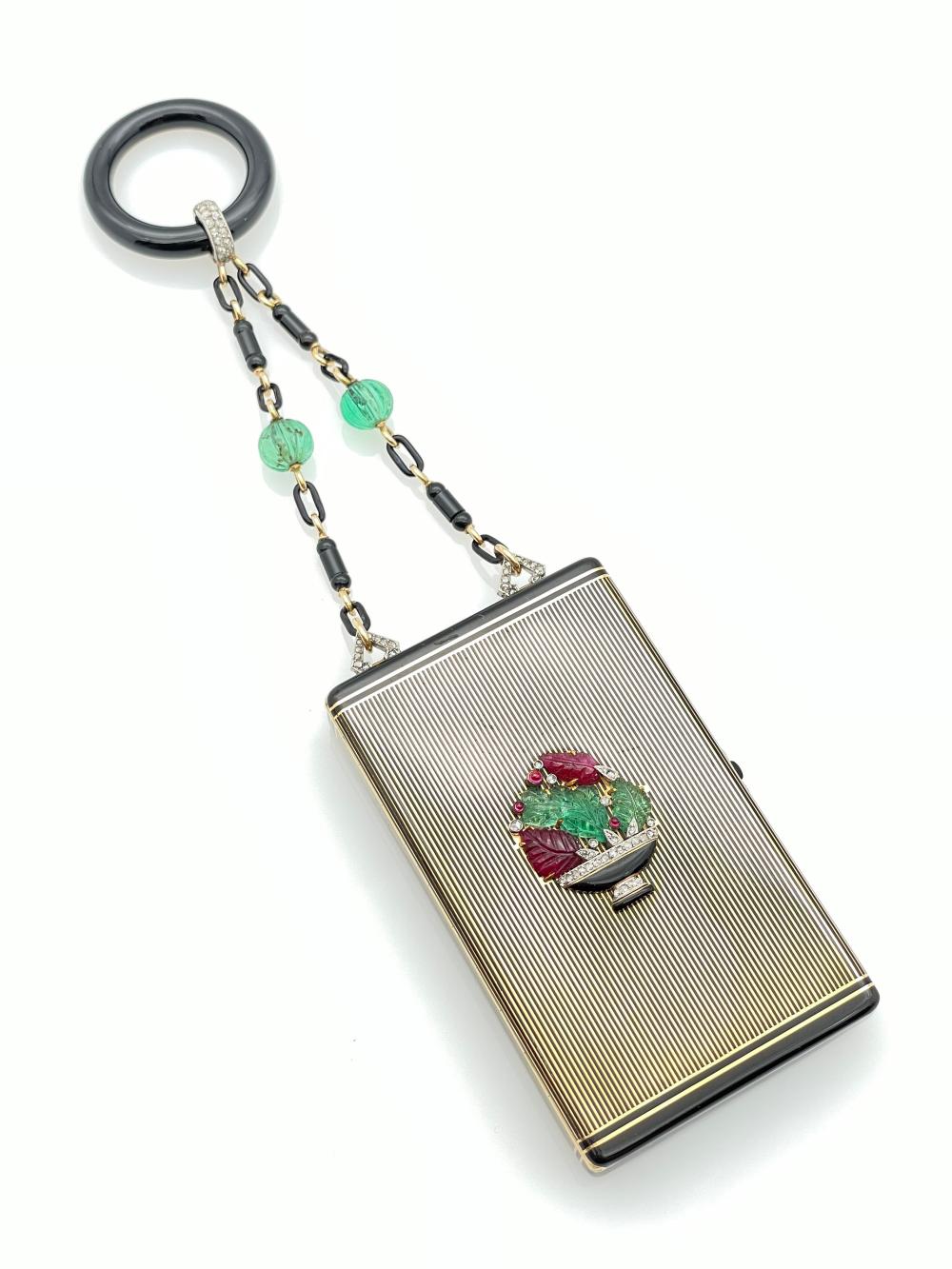 |
RARE! 1920S CARTIER ART DECO 18K GOLD TUTTI FRUTTI GEMSTONE MINAUDIÈRE AS SEEN ON ANTIQUES ROADSHOW | Bradford's | 2023-05-07 | 4010 | USD 29,600 (buyer’s-premium treatment unknown) |
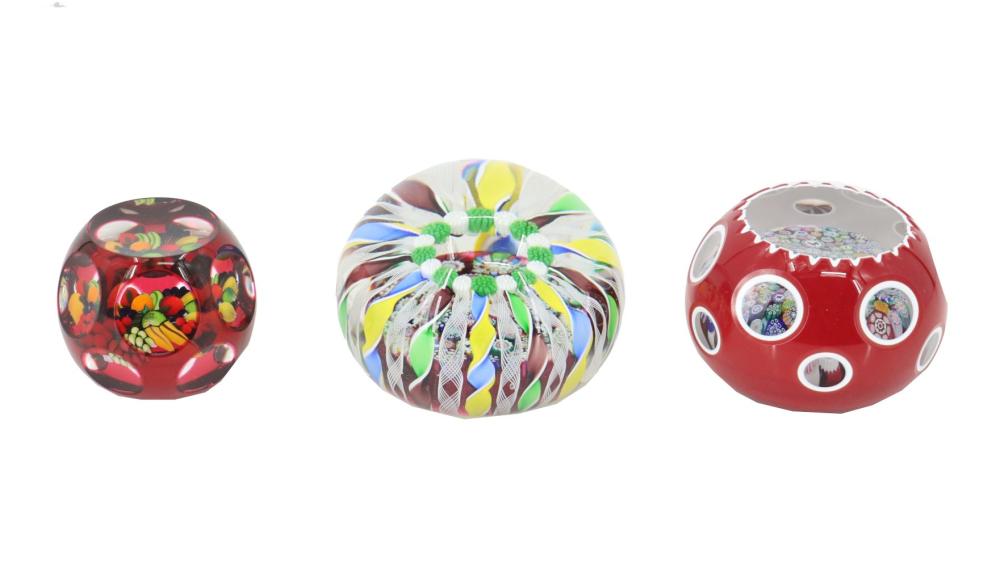 |
(3) Scottish Art Glass Paperweights | Sarasota Estate Auction | 2025-06-07 | 932 | USD 300 (buyer’s-premium treatment unknown) |
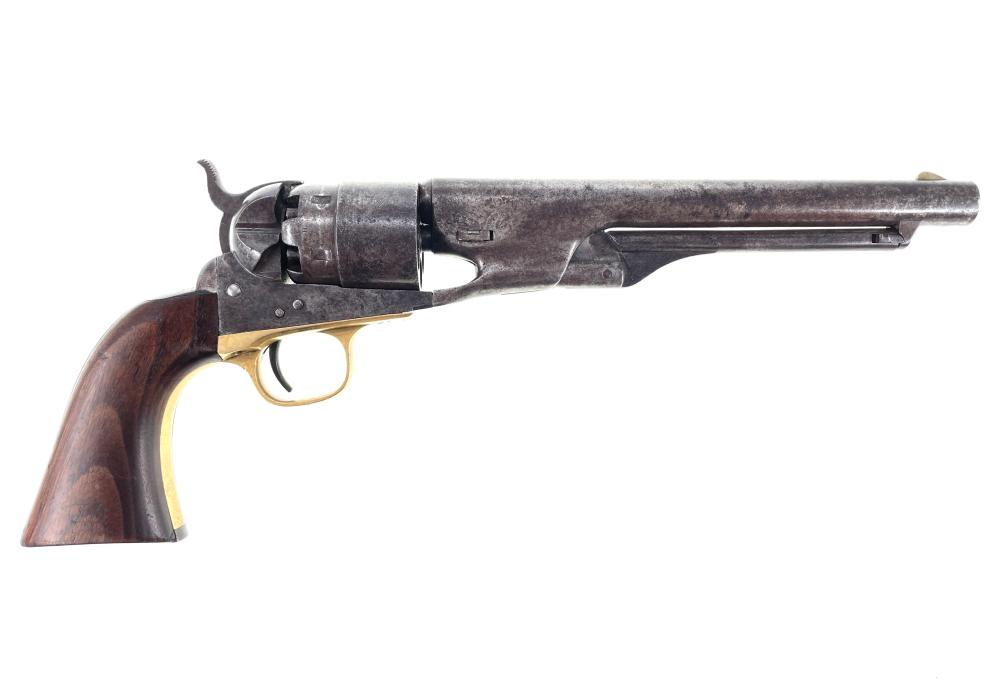 |
MATCHING NUMBERS ANTIQUE COLT MODEL 1860 ARMY PERCUSSION REVOLVER | Bradford's | 2023-10-22 | 3290 | USD 1,750 (buyer’s-premium treatment unknown) |
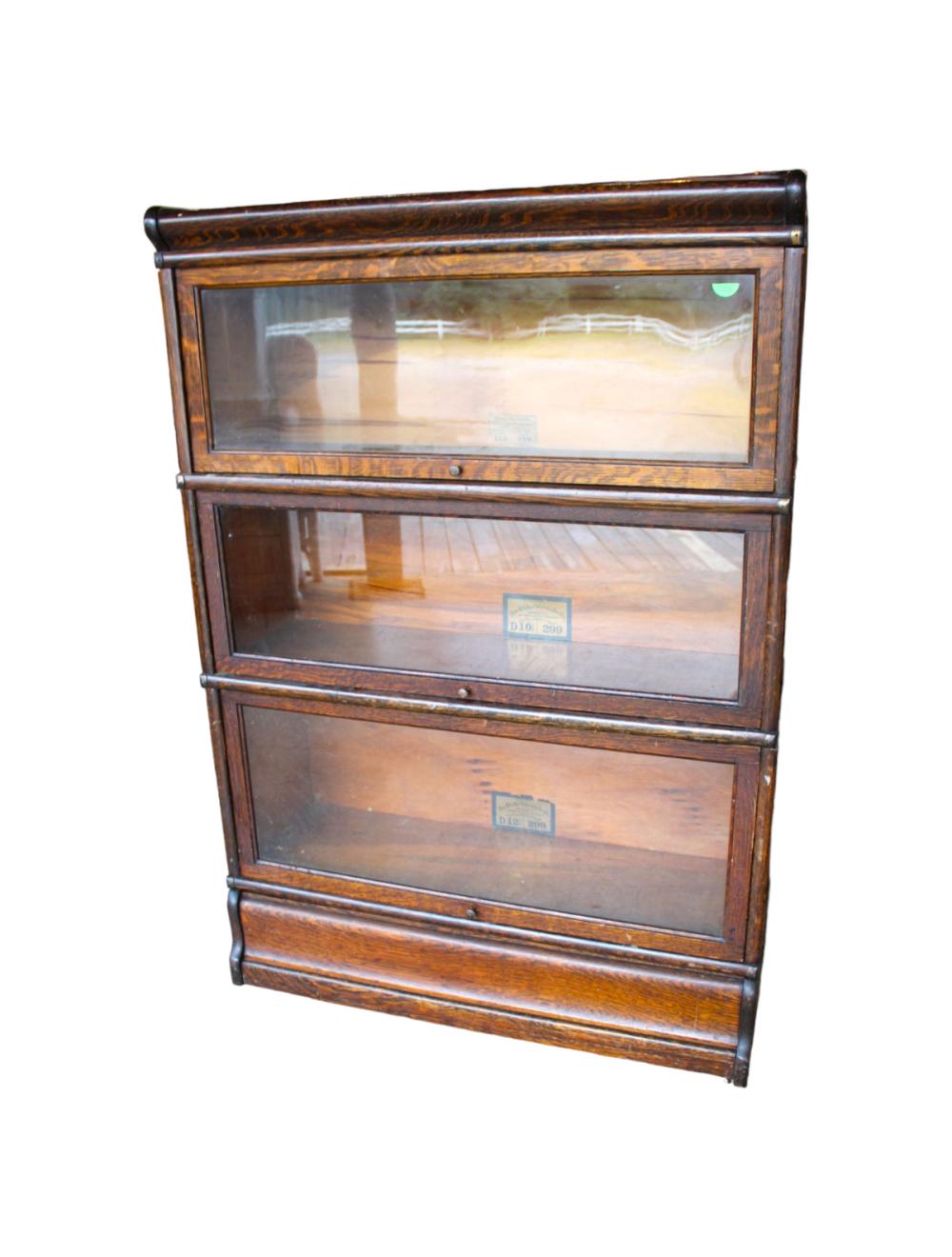 |
Globe Wernicke 3 stack barrister bookcase, antique, match numbers, original finish | South Jersey Auction by Babington Auction Inc. | 2023-10-29 | 733 | USD 400 (buyer’s-premium treatment unknown) |
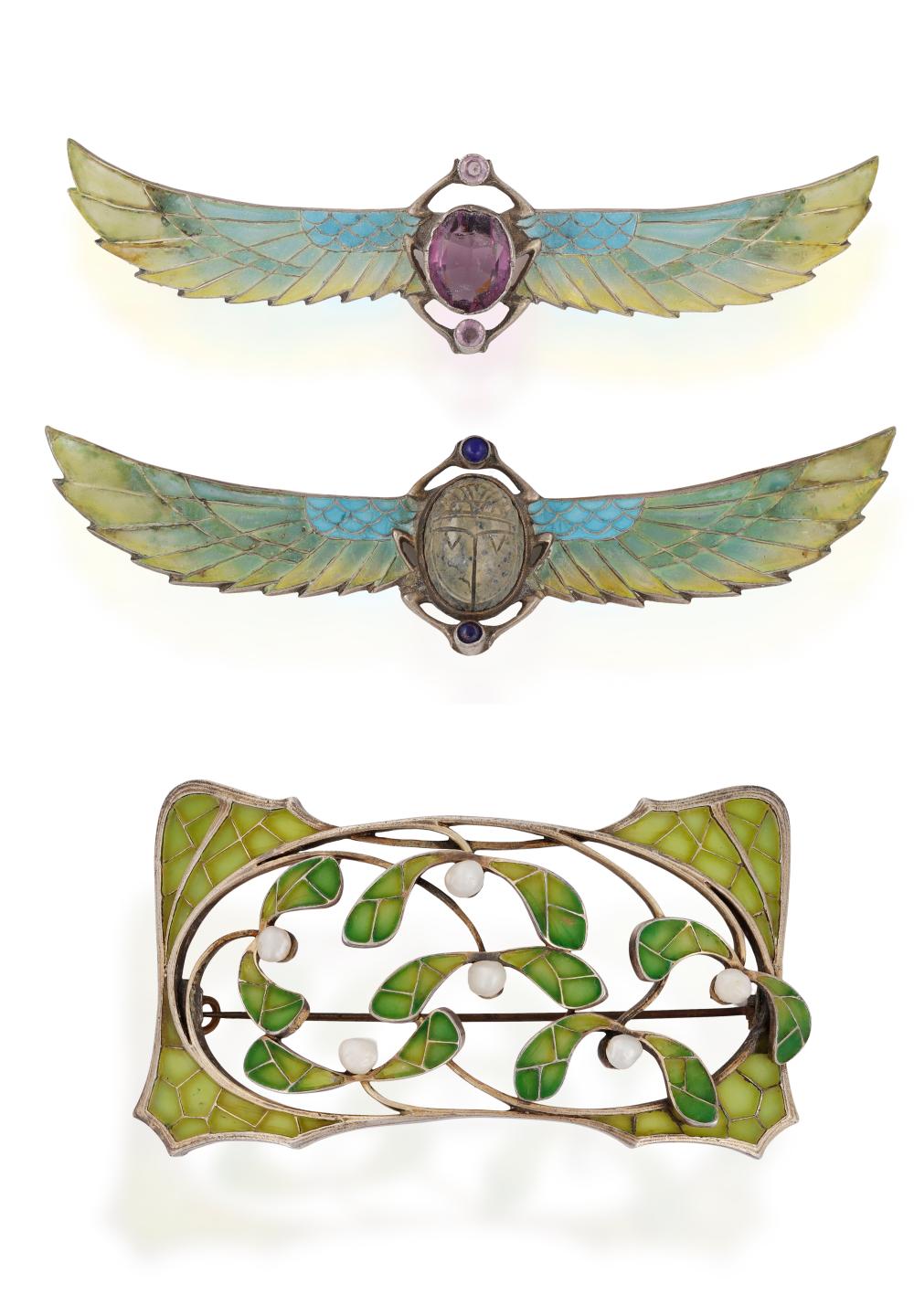 |
THREE ART NOUVEAU BROOCHES, one brooch (possibly a former central plaque for choker), of openwork foliate design, decorated with green enamel plique-a-jour, with baroque pearl highlights, mounted in silver, with makers mark for Karl Hermann or Levin | Adam's | 2021-09-21 | 125 | EUR 2,600 (buyer’s-premium treatment unknown) |
How these auction records were verified
Each row retains its exact source URL, lot identity, retrieval time, access result, and immutable record hash. Inspect the public comparable provenance record.
Disclosure: prices are shown as reported by auction houses and are provided for appraisal context. Learn more in our editorial policy.
3. Check materials and condition for agreement
Marks are strongest when material, technique, wear, and construction agree with the claimed date. Fresh labels on old surfaces, soft cast-in hallmarks, signatures over grime, mismatched screws, or implausible edition marks should trigger caution.
4. Use technical testing only when it answers a question
Dendrochronology, thermoluminescence, XRF, pigment analysis, fiber analysis, UV, and infrared can help, but testing should be chosen to answer a specific value-bearing question rather than used as a substitute for appraisal judgment.
5. Translate the result into market language
Record whether the mark supports full attribution, a weaker attribution, edition status, provenance, or no value effect. Use comparable sales that match that confidence level, and disclose unresolved questions.
FAQ
How do I tell if a number is an edition number or an inventory code?
Edition numbers usually appear as a fraction, such as 7/50, near a signature or print margin. Inventory codes are usually alphanumeric, appear on labels, versos, backs, or hidden areas, and need records to interpret.
Are soft or shallow hallmarks a red flag?
They can be. Genuine struck marks usually displace material and show crisp edges. Soft cast-in marks, mismatched punches, or inconsistent wear should be checked against accepted examples and, when needed, material testing.
When is scientific testing worth it?
Testing is worth considering when the result could materially change attribution or value and visual evidence is inconclusive, such as metal purity, pigment date, panel age, or ceramic firing age.
Search variations people ask
Collectors often search decode antique marks, numbers on back of painting, hallmark appraisal, edition number vs inventory number, ceramic base marks, and art provenance numbers.
References
Wrap-up
Decoding marks and numbers is disciplined evidence work. Classify the mark, document it before cleaning, check the object’s materials and condition, look for corroborating records, and explain how the finding affects value.