
Peter Max signed exhibition print appraisal and value basics
Peter Max signed exhibition print value research should start with format, signature, edition clues, paper, margins, condition, provenance, and recent auction comparables. The key question is whether the object is an autographed exhibition poster, a numbered lithograph or serigraph, or a hand-embellished limited edition.
A hand-signed Peter Max print from an exhibition often shows up as an autographed poster rather than a numbered limited edition. That distinction matters: a signed open-edition poster can be collectible, but it is valued differently than a signed, numbered serigraph or a hand-embellished limited edition.
The most reliable way to price your piece is to document what type of print it is, confirm the signature looks hand-applied and consistent, and gather any provenance from the show, such as a gallery receipt, invitation, framing label, or certificate.
This guide focuses on the common appraisal scenario behind signed exhibition prints: a Peter Max poster or print believed to have been signed at an exhibition in Palm Beach, Florida. Use the market evidence below as a starting point, then adjust for format and condition.
Free first read
Check the Peter Max signature and format before paying for a report
Upload the full print, signature, margins, edition marks, frame back, and any exhibition paperwork. The free screener can flag whether it looks like an autographed poster, a numbered print, or a higher-documentation appraisal candidate.
Start with a free screener. Use a signed report only if you need insurance, estate, donation, or sale documentation.
How We Research Valuation Data
Our appraisal guides are based on auction results, dealer pricing data, and professional appraiser insights. We may earn a commission when you use our professional appraisal service. Learn about our editorial standards.
What a signed Peter Max exhibition print can be worth
Recent Peter Max signed print comparables show a practical starting range around $250 to $375 for many signed lithograph, poster, and limited-edition print examples with ordinary documentation. Stronger signed lithographs, larger subjects, better-known images, or better-documented editions can move above that; one recent abstract lithograph print comp reached $1,200.
For an unnumbered exhibition poster signed by hand, do not automatically price it like a numbered serigraph. Use the lower signed-poster band unless the margins, paper, publisher information, or paperwork prove a scarcer edition format.
What you actually have: poster vs. limited edition print
In listings and family stories, "print," "poster," and "limited edition" are often used interchangeably. For appraisal purposes, try to classify the work into one of these buckets:
- Open edition poster: mass-produced and not numbered; may have a printed signature within the image.
- Hand-signed poster: an open edition poster that has been signed by hand in the margin or image area. These are often unnumbered.
- Numbered limited edition print: typically signed and numbered in the margin; may identify the medium as serigraph, lithograph, or screenprint.
- Hand-embellished limited edition: may have extra marker or paint additions. These require close inspection and better documentation.
If you only see a signature but no edition number, that does not automatically make the piece unimportant, but buyers usually treat it as an autographed poster unless other edition evidence is present.
Attribution review checklist: signature, margins, paperwork
Your goal is to document enough consistent details that a buyer, insurer, or appraiser can understand why the signature and print are supportable. Use the checklist below.
- Signature medium: hand signatures often show pressure variation, ink pooling, or pencil texture. Printed signatures look flat and repeatable.
- Placement: many signed posters are signed in a lower margin. If the signature is inside the artwork, confirm whether it sits on top of the printed ink.
- Edition markings: check for numbering, a title, a date, a publisher chop, a blindstamp, or printer information.
- Paper and printing: serigraphs often show distinct ink layers; offset posters usually have a flatter printed surface.
- Provenance: exhibition paperwork, a gallery receipt, an invitation card, or a frame label can support the claim that the piece was signed at a specific event.
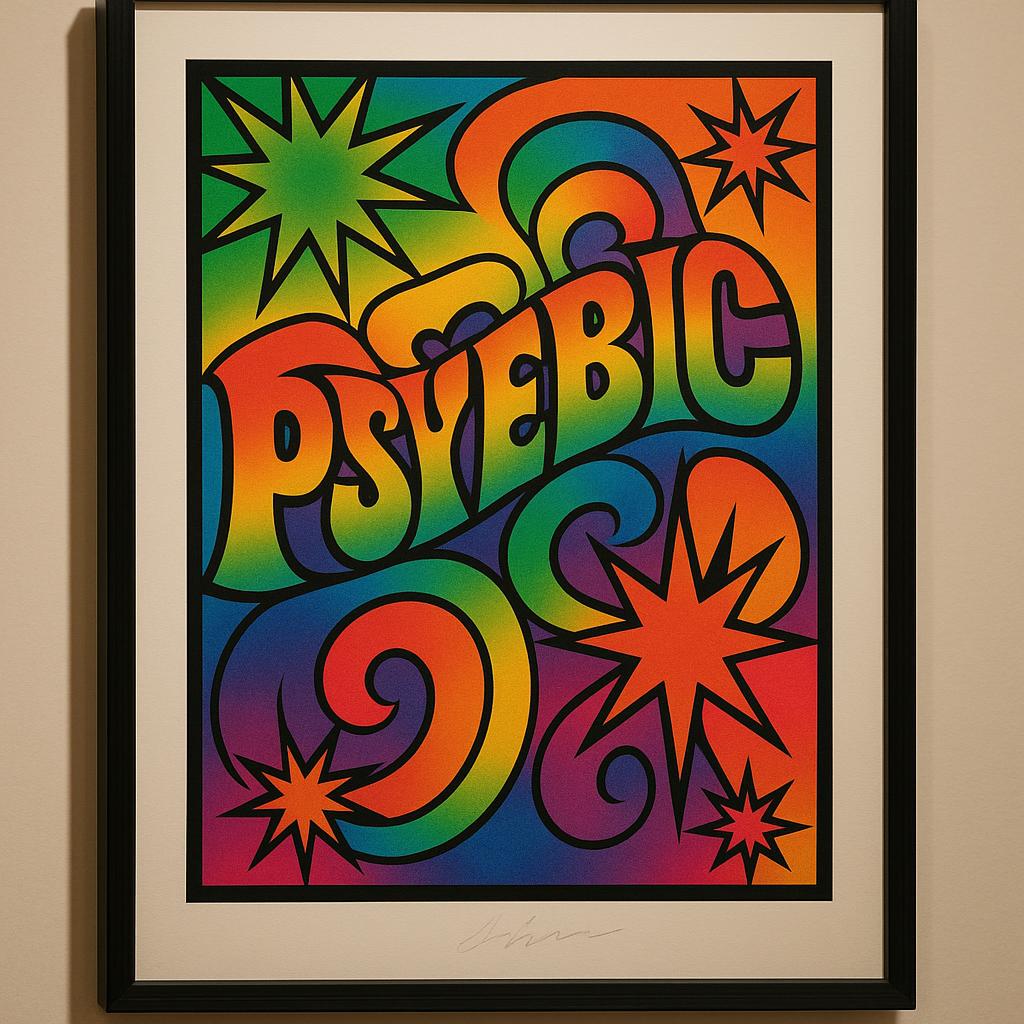
Auction comps for Peter Max signed prints
Use Peter Max-specific print results first, then narrow by format. Signed poster and signed lithograph comps are useful starting points, but a numbered serigraph or hand-embellished edition should be compared against closer edition-format records.
| Photo | Sale | Date | Lot | Realized | Notes | Source |
|---|---|---|---|---|---|---|
| No image | Sarasota Estate Auction, Peter Max, 1989 Grammys, abstract lithograph print | March 29, 2025 | 18 | USD $1,200 | Higher signed lithograph comp; useful only when format, subject, and condition are comparable. | Valuer Bridge dataset |
| No image | Hill Auction Gallery, Peter Max Disney Mickey Mouse print, signed | May 29, 2024 | 148 | USD $300 | Signed print comp in the low-hundreds band for common collectible subjects. | Valuer Bridge dataset |
| No image | Hill Auction Gallery, Peter Max Disney Mickey Mouse print, signed | May 29, 2024 | 149 | USD $325 | Adjacent signed-print result, useful for checking repeatability within the same sale. | Valuer Bridge dataset |
| No image | Hill Auction Gallery, Peter Max Disney Mickey Mouse print, signed | May 29, 2024 | 151 | USD $375 | Upper end of the clustered signed-print band from this auction. | Valuer Bridge dataset |
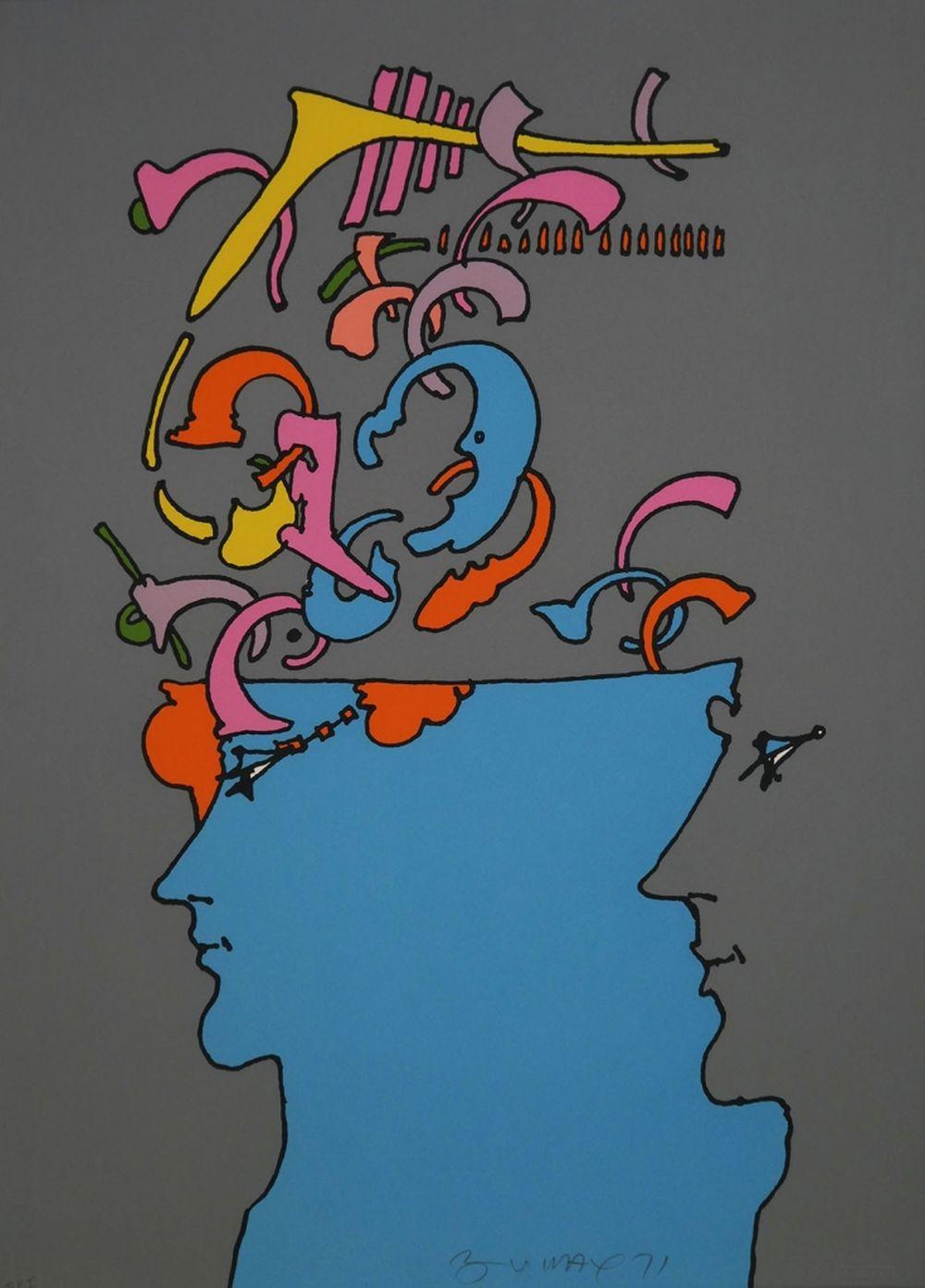 | Myers Fine Art, Peter Max signed lithograph print | April 30, 2023 | 261 | USD $375 | Good signed lithograph reference point when the sheet and signature are documented. | Valuer Bridge dataset |
| No image | Mark Lawson Antiques, Peter Max Lady on Couch Yellow serigraph print, signed | April 8, 2023 | 34 | USD $350 | Signed serigraph comp showing that not every signed edition reaches high retail asking prices. | Valuer Bridge dataset |
Takeaway: many signed Peter Max print comps cluster in the low hundreds. Push the estimate higher only when the piece is a documented limited edition, has a stronger subject, or carries solid exhibition/provenance support.
Have a signed Peter Max print?
Check poster vs edition evidence before pricing it.
Upload the full print, signature, margins, edition marks, back, frame, and paperwork. The free screener can flag whether the evidence supports a signed report.
Upload photos for a free first lookCondition issues that commonly lower value
Posters and prints are highly condition-sensitive. Even when the image looks good on the wall, margin and paper condition often drive the appraisal.
- Foxing: small brown speckles caused by moisture or age, often worst in margins.
- Fading: bright pigments can fade from sunlight; check for uneven coloration near the mat window.
- Creases or handling marks: especially near corners if it was ever stored rolled or folded.
- Trimming: cut margins can remove edition marks or change how buyers interpret the sheet.
- Acid burn or mat burn: discoloration where old mat board contacted the paper.
If the piece is framed, photograph the back and note whether it appears to be archivally framed with acid-free matting and UV glazing.
Provenance notes: exhibition details to preserve
If your paperwork or family history mentions the piece being signed at an exhibition, preserve those details. In this case, the legacy record references a Peter Max exhibition at Frankel Gallery, 125 Worth Avenue, Palm Beach, Florida, running from December 11 to January 15, 1987.
Helpful documentation includes gallery receipts, invitation cards, letters, event photographs, or a frame shop label noting where and when it was purchased.
What photos to take for a Peter Max print appraisal
- Full front shot, straight-on, including the entire sheet or visible margins
- Close-up of the signature with surrounding paper texture
- Close-up of any numbering, title, blindstamp, or printer/publisher marks
- Raking-light close-up to reveal ink texture and surface condition
- Back of frame or backing paper, including labels and framing notes
- Any paperwork, including receipts, certificates, invitations, or prior appraisals
How to sell a signed Peter Max exhibition poster safely
Your selling route should match the format. Autographed posters often sell well on high-visibility marketplaces, while limited editions may do better through a gallery or auction channel that can present the edition details properly.
- Online marketplace: strong reach, but you must photograph margins and signature clearly.
- Consignment gallery: can help explain format, edition, and condition to buyers.
- Specialist auction: best when you have strong provenance and clear edition documentation.
Packing note: ship framed prints with corner protection, rigid boards, and padding to prevent glass damage. If shipping unframed, use a tube and acid-free interleaving paper, and avoid creasing.
Search variations collectors ask
Readers often Google these questions while researching Peter Max signed prints:
- How much is a hand signed Peter Max exhibition poster worth?
- How can I tell if a Peter Max signature is real or printed?
- Is a signed Peter Max poster considered a limited edition?
- What photos do I need for a Peter Max print appraisal?
- Does missing edition numbering lower the value of a Peter Max print?
- How does foxing or fading affect signed poster value?
- Where is the best place to sell a signed Peter Max poster?
- What paperwork proves a print was signed at an exhibition?
Each question maps to the identification, attribution review, condition, and selling guidance above.
References
- Valuer Bridge auction dataset for Peter Max signed print and signed serigraph comparable sales, reviewed May 17, 2026.
- WorthPoint listing example for a signed Peter Max poster sale record: Peter Max signed poster record.
- Appraisily legacy appraisal record for “A hand signed Peter Max Print from the Peter Max Exhibition.”
Wrap-up
Signed exhibition posters can be a good collectible category, but value depends on clearly documenting the format. Focus on clean photos of the signature and margins, confirm whether there is any edition information, and preserve any gallery paperwork tied to the show. With that evidence, you can defend a realistic range and choose a sales channel that matches the print type.