Lithograph vs Serigraph vs Giclee Value: appraisal and value basics
Lithograph vs Serigraph vs Giclee Value research should start with identification, condition, provenance, and item-specific market evidence. Use this guide to compare the signals that matter before paying for a formal appraisal or deciding whether to sell.
Bottom line: the method matters, but it usually isn’t the whole story
If you are trying to compare a lithograph, serigraph, and giclée, start with the artist and the edition before you worry about the printing label. A major name on better paper with a tight edition can outperform a visually similar print from a weaker market. The reverse is also true: a decorative giclée or overproduced print can stay soft even when it looks immaculate.
In practice, the value gap usually comes from edition control, signature quality, paper, condition, and buyer demand. The examples below show that the same print family can range from a few hundred dollars to six figures when those factors line up.
- Look for the artist market first, then the process label.
- Check whether the sheet is signed, numbered, proofed, or publisher-marked.
- Ask for a clarifying appraisal when the distinction changes resale or insurance value.
Two-step intake
Share your print details with an expert
If the difference between lithograph, serigraph, and giclée changes the price, we can help you sort the sheet, the edition, and the resale angle before you list or insure it.
Secure intake. Routed to the right specialist. Checkout only if you decide to proceed.
Side by side: how the three print types usually differ in value
The same buyer who pays up for a hand-signed, low-edition lithograph may treat a giclée very differently unless the artist, paper, and editioning justify the price. This is the fastest way to separate the label from the value story.
| Factor | Lithograph | Serigraph | Giclée |
|---|---|---|---|
| How it's made | Drawn or transferred on stone/plate and printed from that surface. | Ink is pulled through a mesh screen in separate layers. | Inkjet output using archival pigments on fine art paper or canvas. |
| What buyers look for | Signature, plate mark, artist proof, and historic importance. | Hand-pulled feel, strong color, tight edition, and artist demand. | Edition control, paper quality, color fidelity, and reputable publisher. |
| What usually hurts value | Weak artist market, later reproduction, or poor condition. | Open-looking mass production and soft demand for the artist. | Unclear editioning, decorative-only appeal, or generic presentation. |
| Best value signal | Major artist, signed sheet, limited edition, good provenance. | Strong artist base, hand-pulled execution, small edition, clean margins. | Limited, signed, well-documented, and tied to a serious collector market. |
1. Lithograph value: what actually moves the number
A lithograph can be one of the strongest print categories when it is genuinely tied to the artist's market. Historical lithographs, signed sheets, artist proofs, and complete series often travel better than later reproductions because collectors can verify both the process and the edition context.
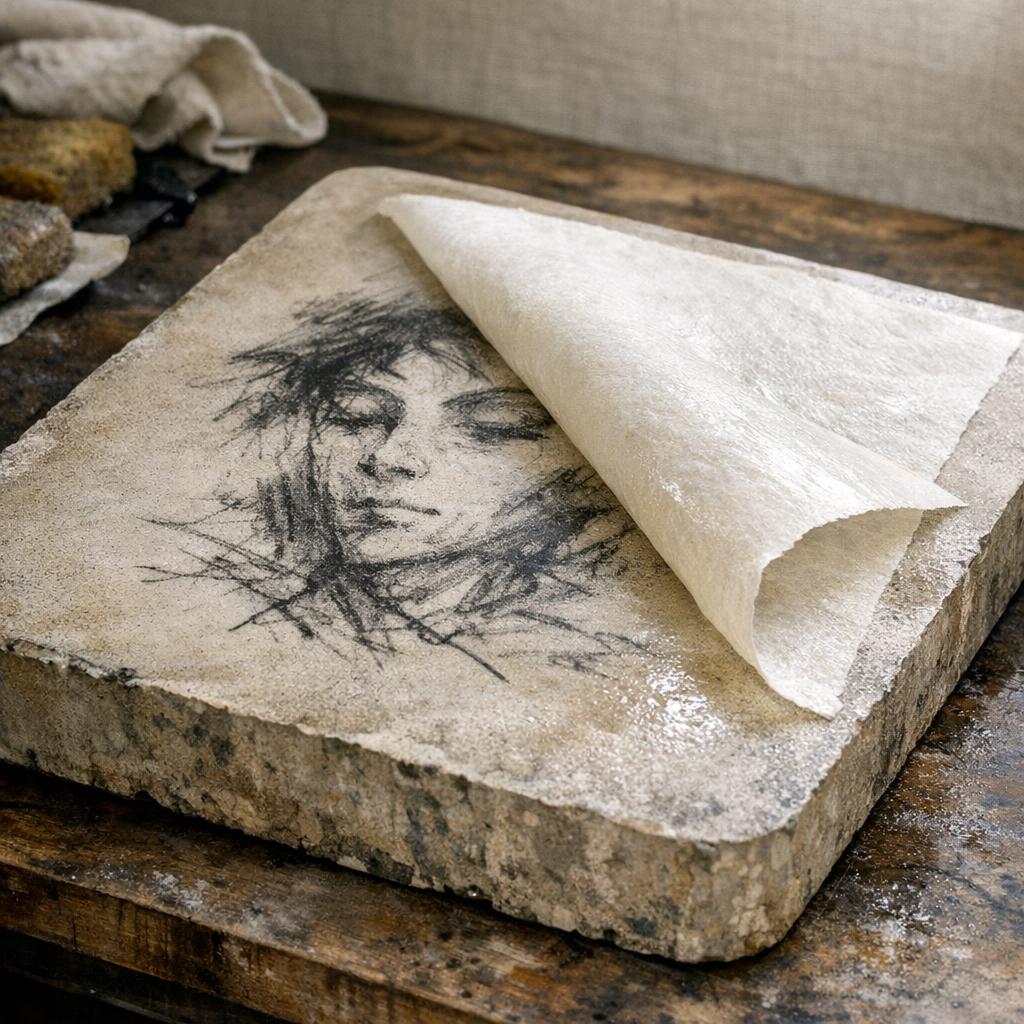
- Plate mark and paper: old-school lithographs often show a pressed image area or subtle embossment.
- Proof status: AP, HC, and trial proofs can outperform ordinary numbered sheets when the artist market is deep.
- Completeness: a complete portfolio, such as El Lissitzky's Had Gadya, can be worth far more than a single sheet.
That is why a signed Picasso lithograph from Setdart at €2,200 and a signed de Chirico artist-proof lithograph at GWS at a value that must be established from current, topic-matched sales can outperform a generic decorative print even when the image itself looks simple. The artist name, scarcity, and proof status do most of the heavy lifting.
2. Serigraph value: when screenprints outpace expectations
Serigraphs, or screenprints, often command respect when the printing process is obvious: layered ink, bold opacity, crisp edges, and a deliberate hand-pulled feel. Because each color usually requires a separate pass, the technique can support stronger visual depth and a more collectible finish than a quick digital reproduction.
- Edition discipline: smaller editions usually help, but the artist still has to matter to buyers.
- Color layers: clean registration and rich opaque fields tell collectors the sheet was carefully printed.
- Artist market: Corita Kent screenprints at Myers Fine Art around a value that must be established from current, topic-matched sales show how a known name can sustain demand.
A serigraph is not automatically more valuable than a lithograph. A strong lithograph from a major name can beat a weak serigraph every day of the week. The print method matters, but the market for the artist matters more.
3. Giclée value: digital doesn't always mean cheap
Giclée prints live or die on the same collector questions as every other editioned work: who made it, how many exist, what paper carries it, and whether the sheet was meant to be collectible. Archival inks and heavyweight fine-art paper can support value, but the technique alone rarely creates it.
- Paper and ink: archival materials help, especially on museum-quality stock.
- Edition control: limited, signed runs help more than open editions or decorative decor prints.
- Market context: the Leonard Auction lot combining lithograph and giclée work at a value that must be established from current, topic-matched sales is a reminder that process alone does not lift demand.
The buyer usually asks whether the image was created as a collectible edition or simply printed later as a retail product. If the giclée is tied to a serious artist and a disciplined edition, it can still perform well; if not, the market often treats it as wall art rather than an investment print.
Quick inspection checklist before you call it valuable
- Check the margin: look for pencil signatures, edition numbers, printer notes, and publisher marks.
- Look for process clues: plate marks, mesh texture, pigment dots, and the way the color sits on the sheet.
- Confirm the paper: rag content, watermarks, deckled edges, and clean storage can matter a lot.
- Match the artist market: compare the name to recent comparable-sale records, not just online asking prices.
- Document condition: foxing, mat burn, cockling, light fade, and restoration can all move the number.
If any of those clues point in different directions, that is exactly when a clarifying appraisal is worth the time. Two prints can look nearly identical from across the room and still belong in very different value bands.
Visual cues gallery
These close-ups focus on the sheet details that change value: the stone, screen, ink, margin, paper, and publisher marks. Use them as a checklist when you compare the method printed on the label with what the object actually shows.
Search variations
- Is a lithograph worth more than a giclée?
- How do I tell a serigraph from a lithograph?
- Does an artist proof raise print value?
- What edition size hurts print resale?
- Do paper type and signature matter more than process?
- Are giclée prints collectible or decorative?
- Why do some signed lithographs sell for more than serigraphs?
- What should I photograph before a print appraisal?
Those searches all circle the same valuation rule: the artist, edition, paper, condition, and provenance usually matter more than the process label alone. If your print checks several of those boxes, the distinction can change real resale value.