A Salvador Dali Limited Edition Print Titled Les Drolatiques De Pantagruel: appraisal and value basics
A Salvador Dali Limited Edition Print Titled Les Drolatiques De Pantagruel research should start with identification, condition, provenance, and recent comparable sales. Use this guide to compare the signals that matter before paying for a formal appraisal or deciding whether to sell.
A Salvador Dali Limited Edition Print Titled Les Drolatiques De Pantagruel
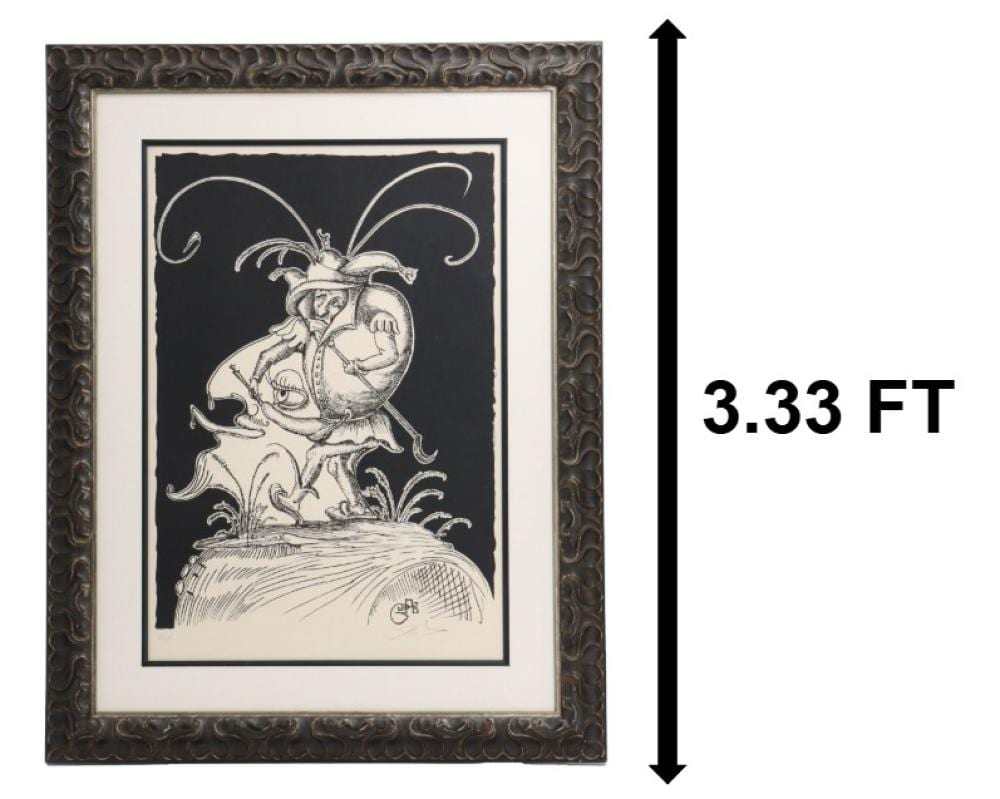
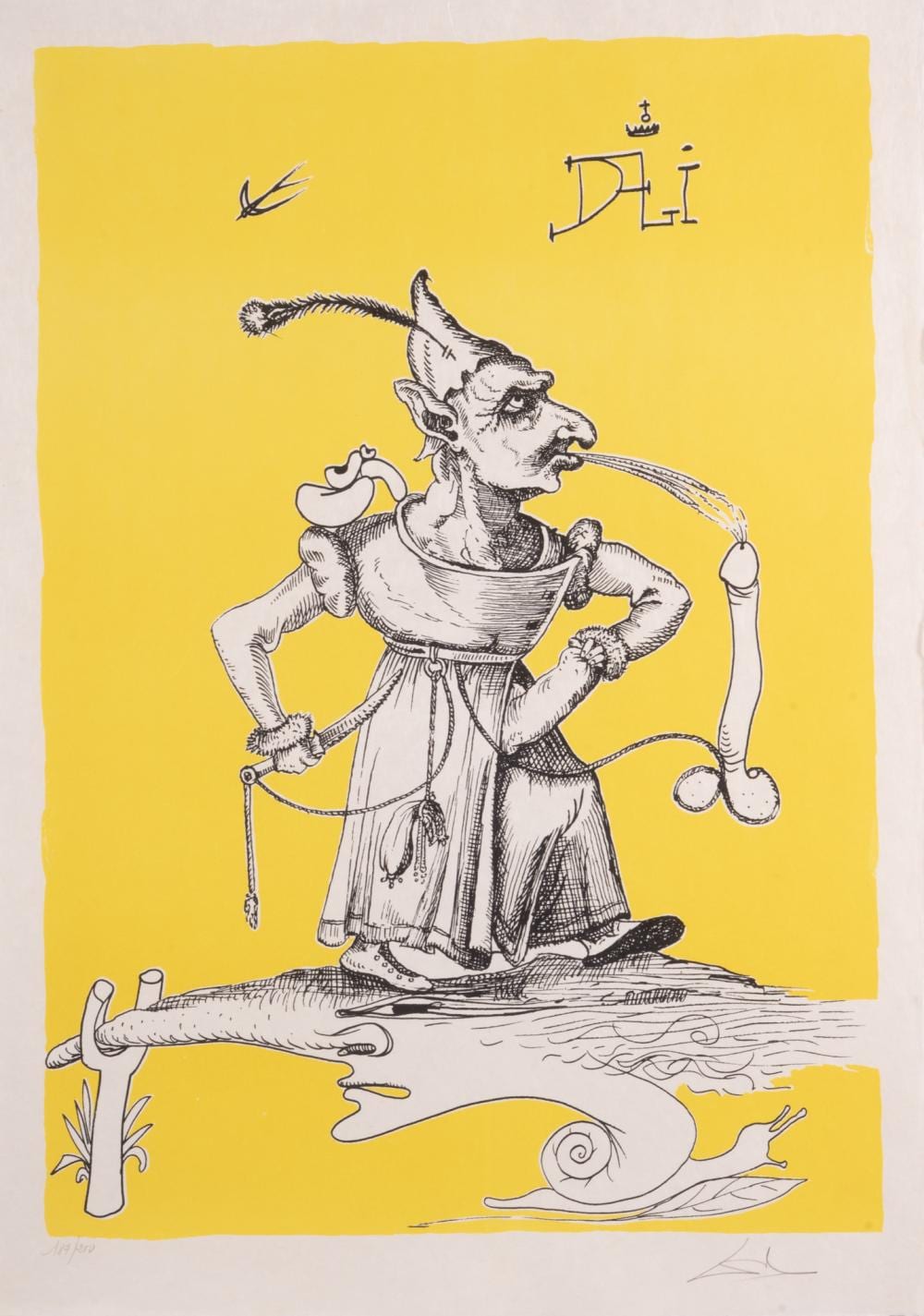
Salvador Dalí’s Les Drolatiques de Pantagruel sits at the lively intersection of Renaissance grotesque and 20th‑century Surrealism. For collectors and appraisers, a limited edition print from this suite can be rewarding—if you know how to read the paper, printing, and provenance. This guide explains what the work is, how to identify an authentic example, which condition issues matter most, and how value is established in today’s market.
What exactly is “Les Drolatiques de Pantagruel” in Dalí’s oeuvre?
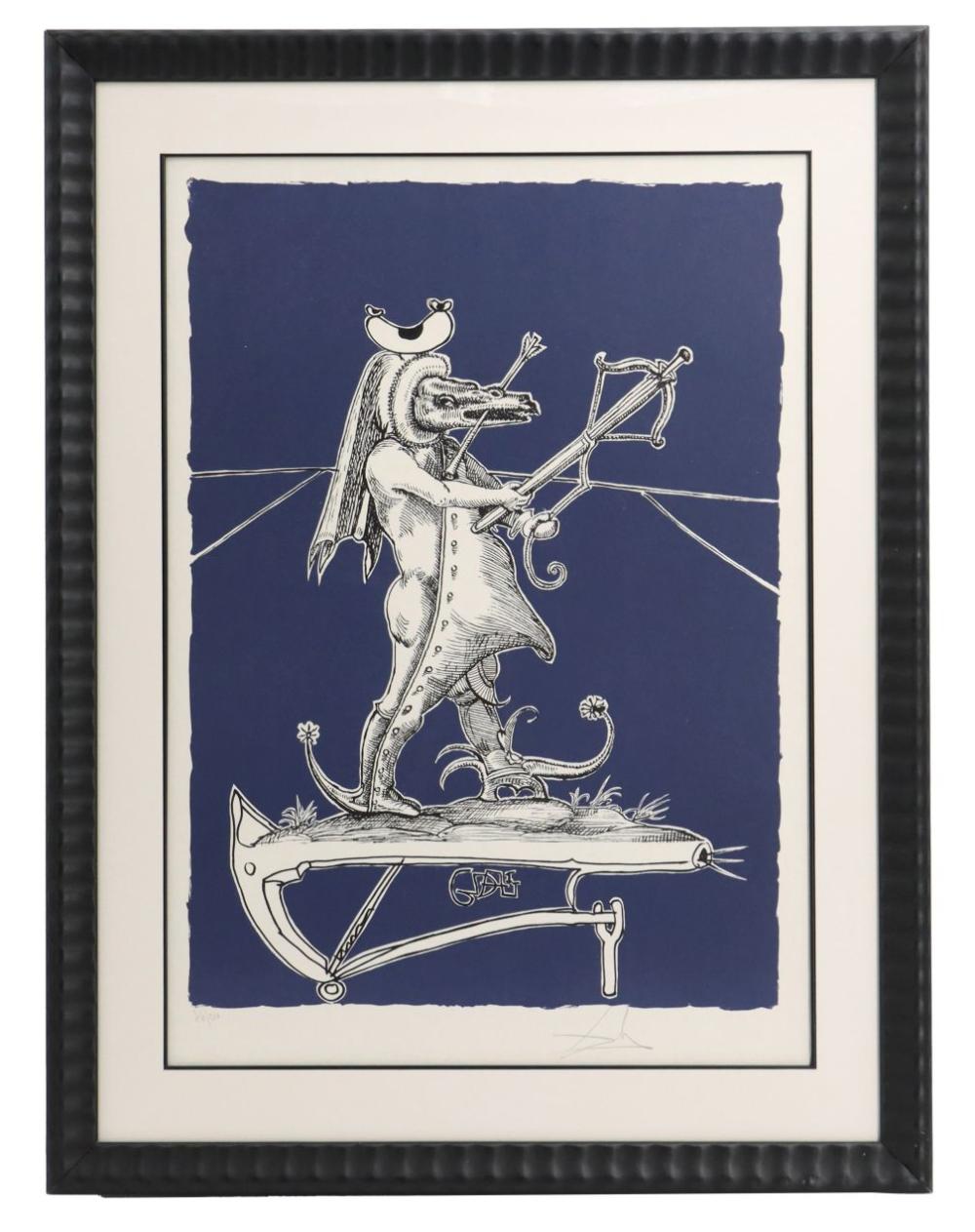
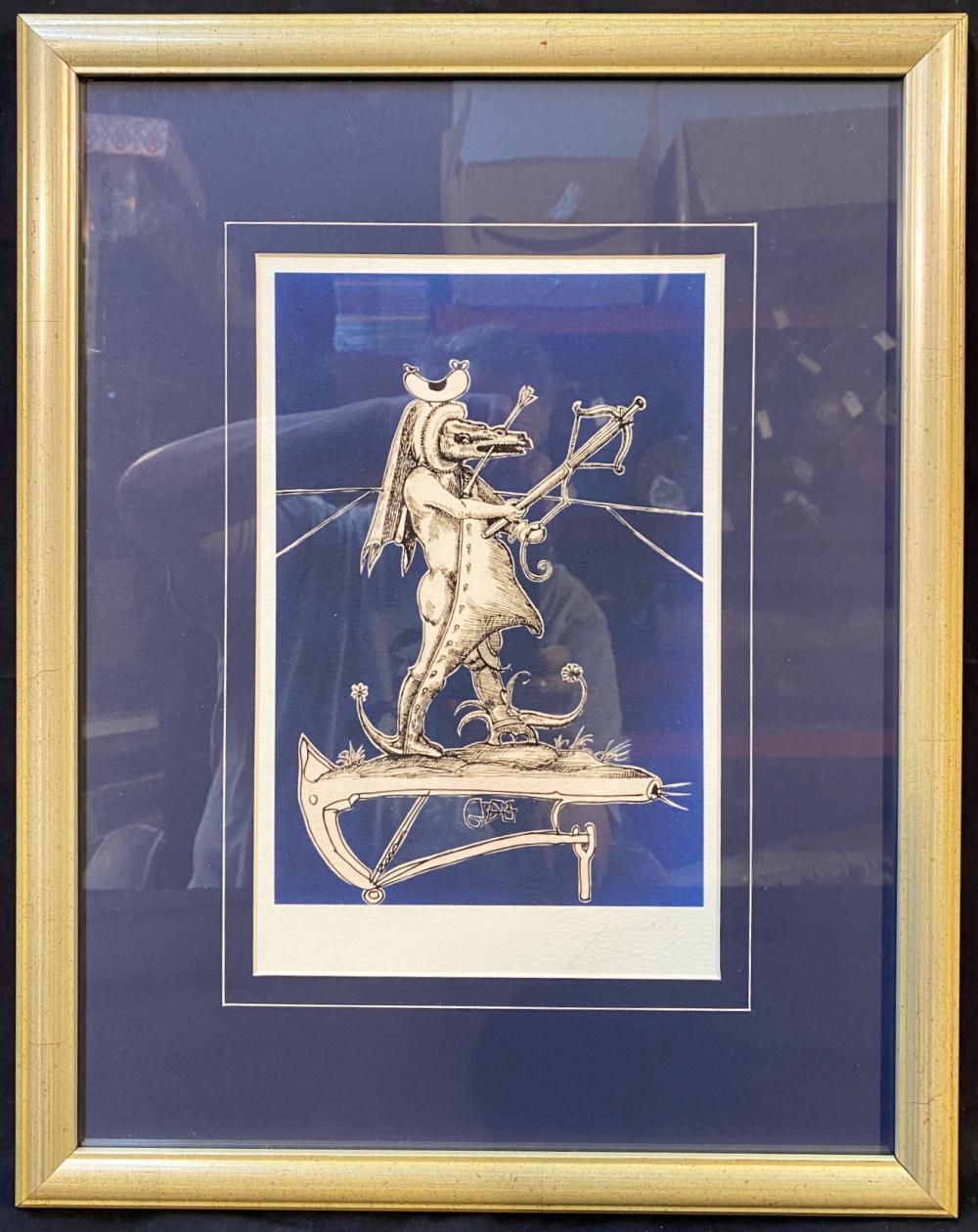
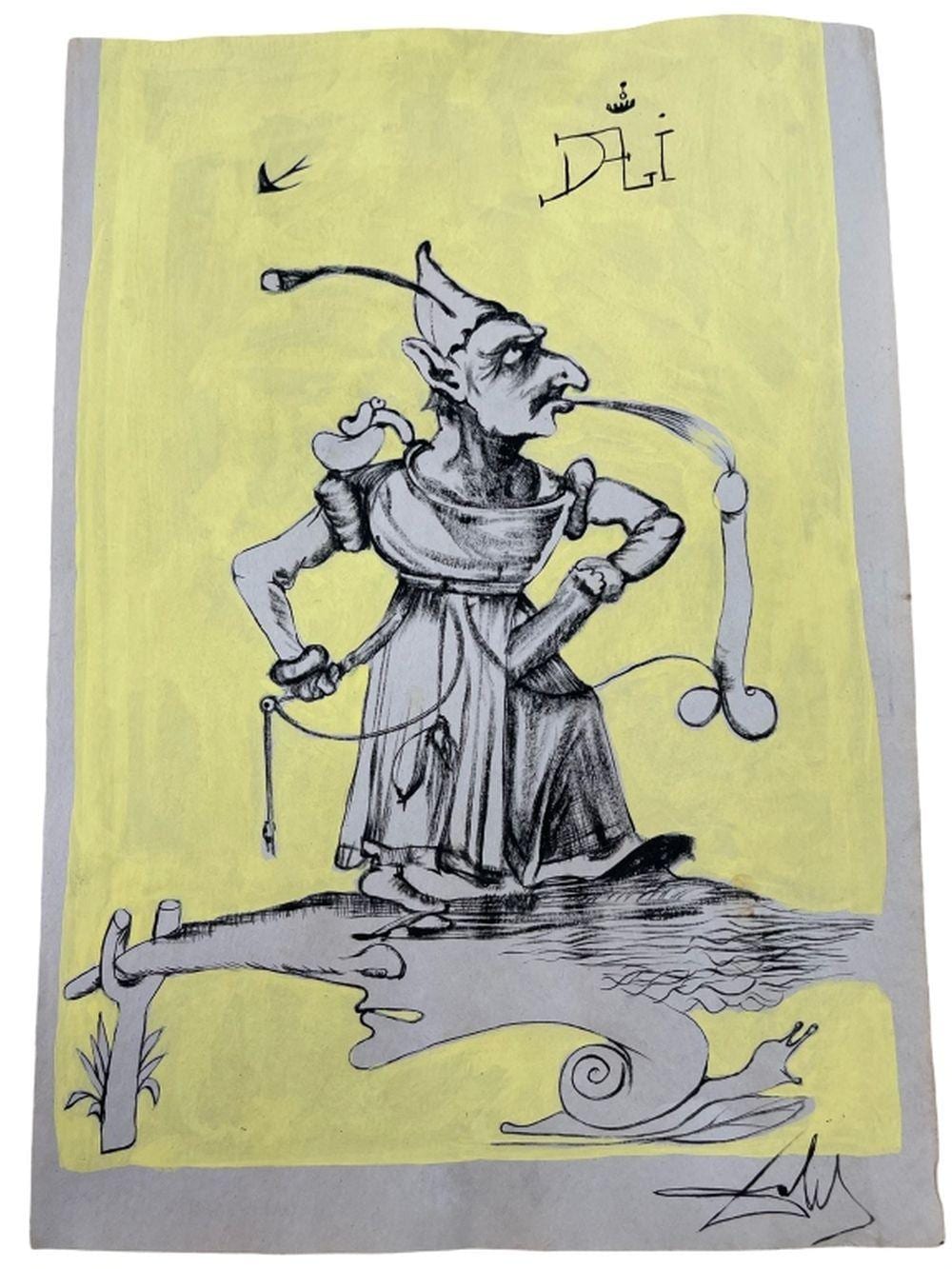
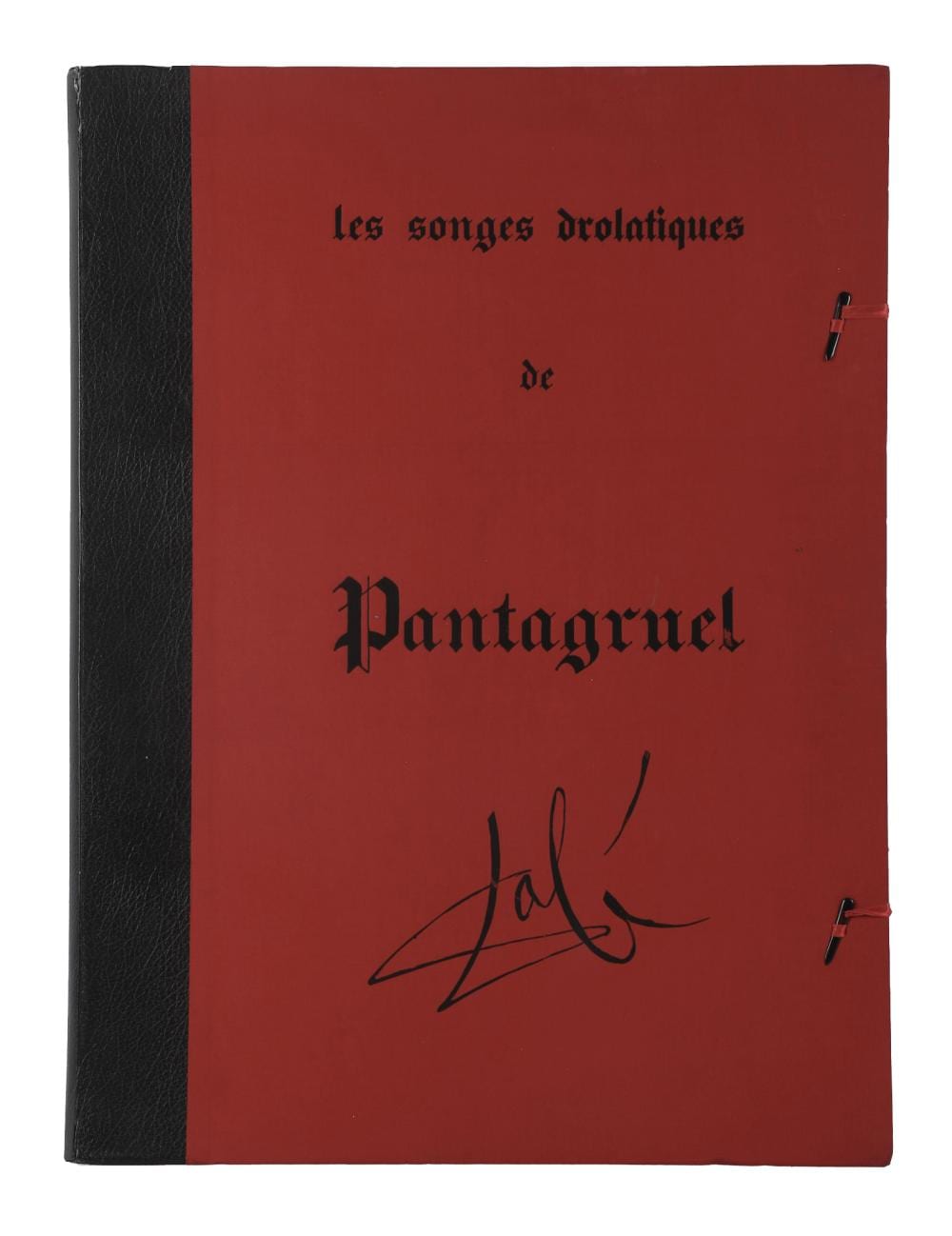
The title refers to a 16th‑century set of fantastical figures associated with François Rabelais’ Gargantua and Pantagruel, often tied to the 1565 woodcuts known as Les songes drolatiques de Pantagruel. In the 1970s, Dalí engaged this imagery, producing a portfolio of color prints that fuse his signature Surrealist vocabulary with the Renaissance world of oddities, hybrids, and capering monsters.
Key takeaways:
- Medium and period: Typically a 1970s color lithograph (occasionally with additional hand-applied effects) on fine wove paper. The most encountered examples date to circa 1973.
- Format: Issued as a suite (portfolio) of multiple plates, commonly 25 images. Single plates circulate widely on the market.
- Editioning: Numbered limited editions, often with accompanying artist’s proofs (E.A., H.C.), and Roman numeral sets. Exact edition sizes vary by printer/publisher, but portfolios around a few hundred are typical for Dalí’s 1970s lithographic projects.
- Cataloguing: Documented in the standard Dalí print catalogues raisonnés (e.g., Field; Michler–Löpsinger). Specific plate numbers depend on the exact state and publisher.
If you are presented with “a Salvador Dalí limited edition print titled Les Drolatiques de Pantagruel,” assume you’re dealing with one plate from the 1970s suite unless the work is accompanied by a portfolio case and complete contents.
How to identify an authentic Dalí Pantagruel print
Authenticating Dalí prints requires careful, methodical observation. Use a loupe, neutral light, and clean hands or cotton gloves where appropriate.
- Paper and sheet characteristics
- Fine wove paper, often Arches or BFK Rives, in a medium to heavyweight stock. Look for a watermark in the sheet, ideally visible when backlit.
- Deckle edges are common on at least one or more sides in untrimmed sheets.
- Sheet dimensions vary by edition and publisher; the longest side is commonly in the 20–30 inch range. Trimmed margins complicate appraisal.
- Printing method and surface
- Color lithograph is the expected medium. Under magnification, you should not see a uniform CMYK dot pattern typical of modern offset reproductions. Lithographic color will often reveal irregular, grainy tonal transitions rather than strictly regimented dots.
- Many legitimate Dalí lithographs show rich, deliberate color layers, sometimes with slight registration shifts—acceptable within limits for period lithography.
- Signature and numbering
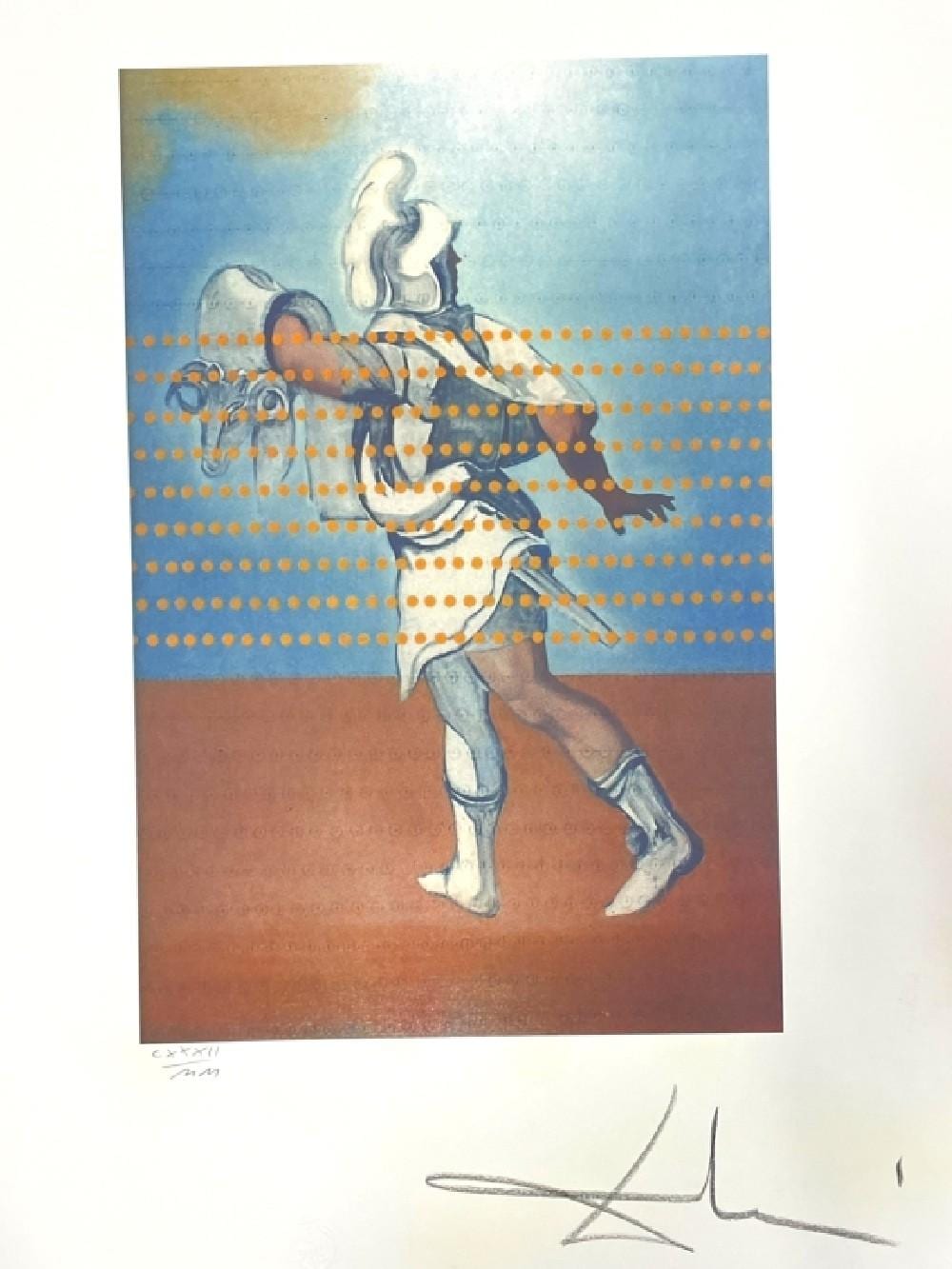
- Genuine examples are generally signed “Dalí” in soft graphite pencil in the lower margin, typically at right. The signature often features an emphatic, stylized D and accent-like strokes over the “i.” Signatures in ballpoint, marker, or printed facsimiles in the margin are red flags.
- The edition number (e.g., 123/250) should be in the lower margin at left, also in pencil. Artist’s proofs are commonly marked E.A. (épreuve d’artiste) or H.C. (hors commerce).
- Beware of added signatures on mass-market reproductions; a real signature on a mechanically reproduced poster is still not an original print.
- Inscriptions, chops, and documentation
- Look for a blind stamp (embossed chop) of the printer or publisher in the margin. Dalí’s print projects involve multiple workshops; match the chop to a known entry in the catalogues.
- Portfolio plates may be accompanied by a title/justification page when part of a complete suite. Single plates may lack this but should have consistent paper, margins, and numbering.
- Cross-reference the exact image with entries in Field and/or Michler–Löpsinger. Confirm the paper type, margins, and any noted color variants or states.
- Image and iconography
- Pantagruel plates typically show grotesque, elongated, or hybrid figures with playful menacing charm—perfect fodder for Dalí’s imagination. The style should be unmistakably Dalinian in line quality and surreal improvisation over Renaissance motifs.
Red flags and common pitfalls with Dalí prints
Dalí prints are heavily forged and misrepresented. Approach with healthy skepticism until your checklist is satisfied.
- Photomechanical reproductions: If a loupe reveals a regular dot matrix (especially CMYK rosettes), you’re likely looking at an offset reproduction. Many are handsomely framed and deceptively labeled “lithograph.”
- Stamped or printed signatures: A signature that sits in identical ink and texture as the image itself is suspect. Dalí’s authentic pencil signatures sit on top of the paper fibers and press graphite into the surface.
- Wrong paper: Glossy poster stock or thin, acidic paper is not correct. Watermark absence is not fatal but warrants caution if other indicators are weak.
- Misaligned editioning: Numbers written in ink, atypical placement, or inconsistent handwriting are warning signs. Edition numbers that don’t match documented ranges deserve scrutiny.
- Too-good-to-be-true provenance: Certificates of authenticity from unknown dealers carry little weight on their own. Prior sales receipts, reputable gallery labels, and auction records for the specific plate are more persuasive.
Condition factors that drive value
Condition is pivotal for mid-century prints. Small changes can move a work from top-tier to compromised.
- Light exposure and fading: Ultraviolet exposure causes fading and overall paper toning. Compare protected margins (under mat lines) against exposed areas. Strong, original color commands a premium.
- Stains and foxing: Brown foxing spots, mat burn (brown lines where old mats touched the paper), and water staining reduce value. Professional conservation can address some issues, but interventions should be disclosed.
- Creases and handling: Soft handling creases in the margins are common; heavy creases or tears materially reduce value. Losses in the image area are far more serious than in the margins.
- Trimming: Cropped margins or removal of the deckle edge lowers desirability and can eliminate chops, signatures, or numbering—critical for authentication.
- Mounting and adhesives: Old pressure-sensitive tapes (e.g., masking tape) can stain. Hinges should ideally be Japanese paper with reversible wheat starch paste.
Framing best practice:
- Use UV-filtering glazing and 100% cotton rag board.
- Float-mount to preserve full margins and deckle edges.
- Keep away from direct light and humidity swings.
Valuation: where does the Pantagruel suite trade?
Market values depend on edition, plate desirability, condition, and provenance. Individual plates from Dalí’s 1970s lithographic suites typically sell for more modest sums than his 1930s–1950s intaglio works, but strong examples remain sought after.
Indicative ranges for a single Pantagruel plate (as of recent markets):
- Retail/gallery asking prices: commonly in the low four figures, often around the $1,500–$3,500 range for clean, signed, well-documented impressions.
- Auction hammer prices: can be lower, frequently ranging from the high hundreds to low thousands depending on plate popularity, condition, and competition on the day.
- Complete suites: a complete portfolio with title/justification pages and case, in cohesive condition, can command a significant premium over the sum of single plates, often by a factor reflecting completeness and provenance.
These are broad ranges; specific results may trend higher or lower based on plate rarity, freshness to market, and broader demand for Dalí multiples. Consult recent, comparable sales for the exact plate image, editioning, and size.
How to document and present your print for appraisal or sale
Professional presentation reassures appraisers and buyers alike.
- Record the basics: exact title, medium, plate image description, sheet size, image size, edition number, signature location, any chops/watermarks, and inscriptions.
- Photograph correctly: front (unframed if possible), close-ups of signature, edition number, blind stamps, watermarks (backlit), margins, and any condition issues.
- Assemble provenance: invoices, gallery labels, auction listings, prior conservation reports, and portfolio documentation if available.
- Reference catalogues: note any catalogue raisonné references that match your print’s state and edition. If unsure, flag as “attributed; pending verification.”
- Avoid guesswork: do not overstate; clearly differentiate observed facts from assumptions.
Quick appraisal checklist
- Identify the medium under magnification: true lithograph with non-CMYK grain, not an offset reproduction.
- Confirm materials: fine wove paper, look for Arches/Rives watermark; check for deckle edges.
- Verify hand additions: pencil signature and edition number, placed consistently in the lower margin; no printed signatures in the margin.
- Note stamps and marks: locate printer/publisher blind stamp or embossed chop; record any dry stamps or embossings.
- Cross-reference: match the exact image and edition format to entries in Dalí print catalogues (Field; Michler–Löpsinger).
- Assess condition: check for fading, foxing, mat burn, tears, creases, trimming, and non-archival hinges/tapes.
- Gather provenance: invoices, labels, prior auction records; treat generic COAs as secondary.
- Photograph everything: recto/verso, signature, numbering, watermark, chop, and flaws.
- Seek expert opinion: when in doubt, consult a specialist or prints department before buying or assigning value.
Frequently asked questions
Q: My print says “Les Drolatiques de Pantagruel” but the colors look very flat. Is that normal? A: Color intensity varies by impression and storage history. Flat, uniform color with visible CMYK dot patterns suggests an offset reproduction. Genuine lithographs show richer layering and a lithographic grain rather than regular rosettes.
Q: The signature looks real but is in blue ballpoint. Could it still be authentic? A: Dalí signed his limited edition prints in pencil. Ballpoint or felt-tip signatures on prints are strong red flags. Even if a signature is genuine, ballpoint on a fine art print is atypical and lowers desirability.
Q: I have an E.A. (épreuve d’artiste). Is it worth more than a numbered edition? A: Artist’s proofs can be valued similarly to the standard edition, sometimes marginally higher if demand is strong. The key drivers remain condition, image desirability, and provenance.
Q: The margins were trimmed to fit a frame. How much does that hurt the value? A: Trimming is a significant negative, especially if it removed deckle edges, chops, or compromised the signature/numbering. The discount varies but can be substantial compared with a full-margin example.
Q: Do I need the full portfolio for strong value? A: Not necessarily. Single plates from Pantagruel are traded frequently. A complete, cohesive suite with documentation can command a notable premium, but individual, well-preserved prints remain collectible.
—
If you’re evaluating a Salvador Dalí limited edition print titled Les Drolatiques de Pantagruel, start with the paper and printing method, move to signature and editioning, then confirm with catalogue references and provenance. With those touchpoints, you can separate true 1970s lithographs from later reproductions and assign a confident, condition-sensitive value.