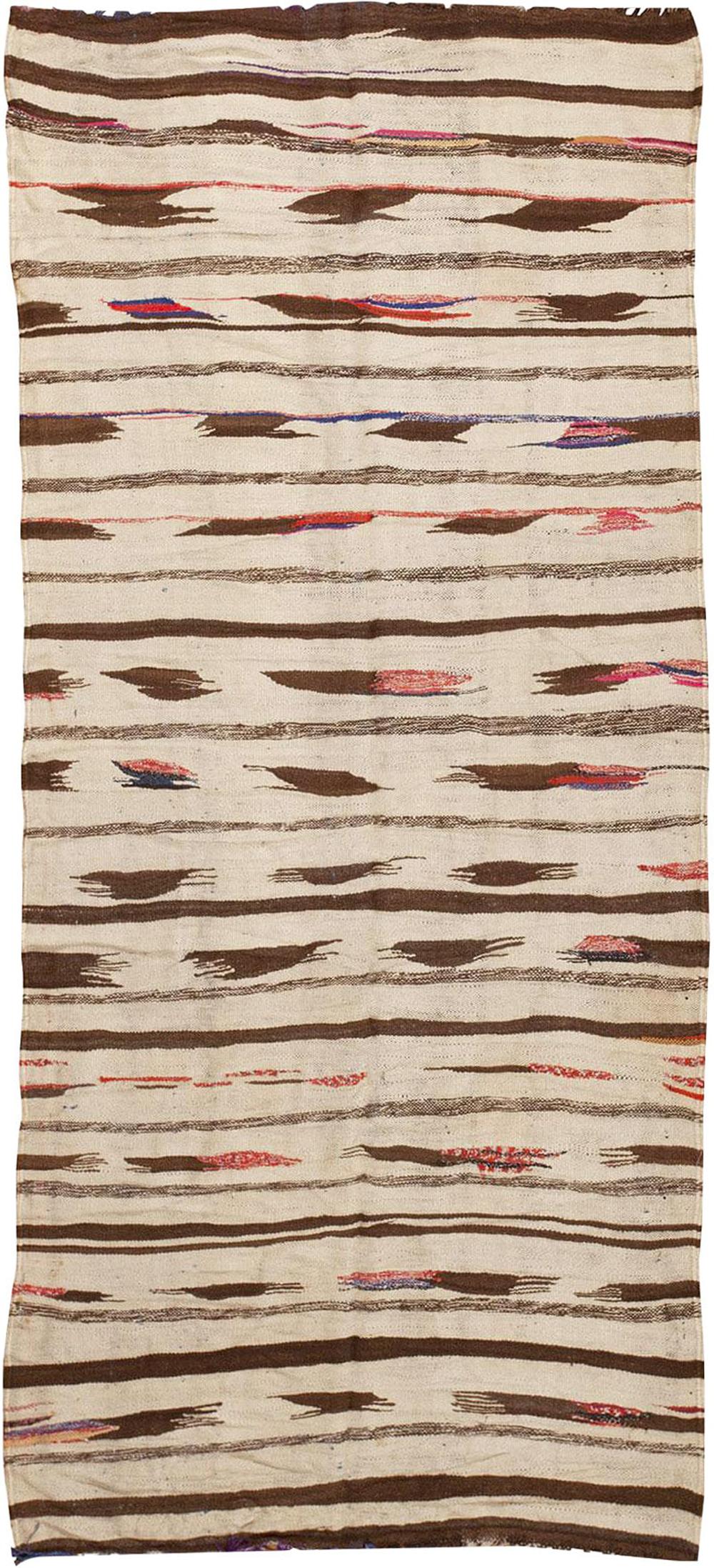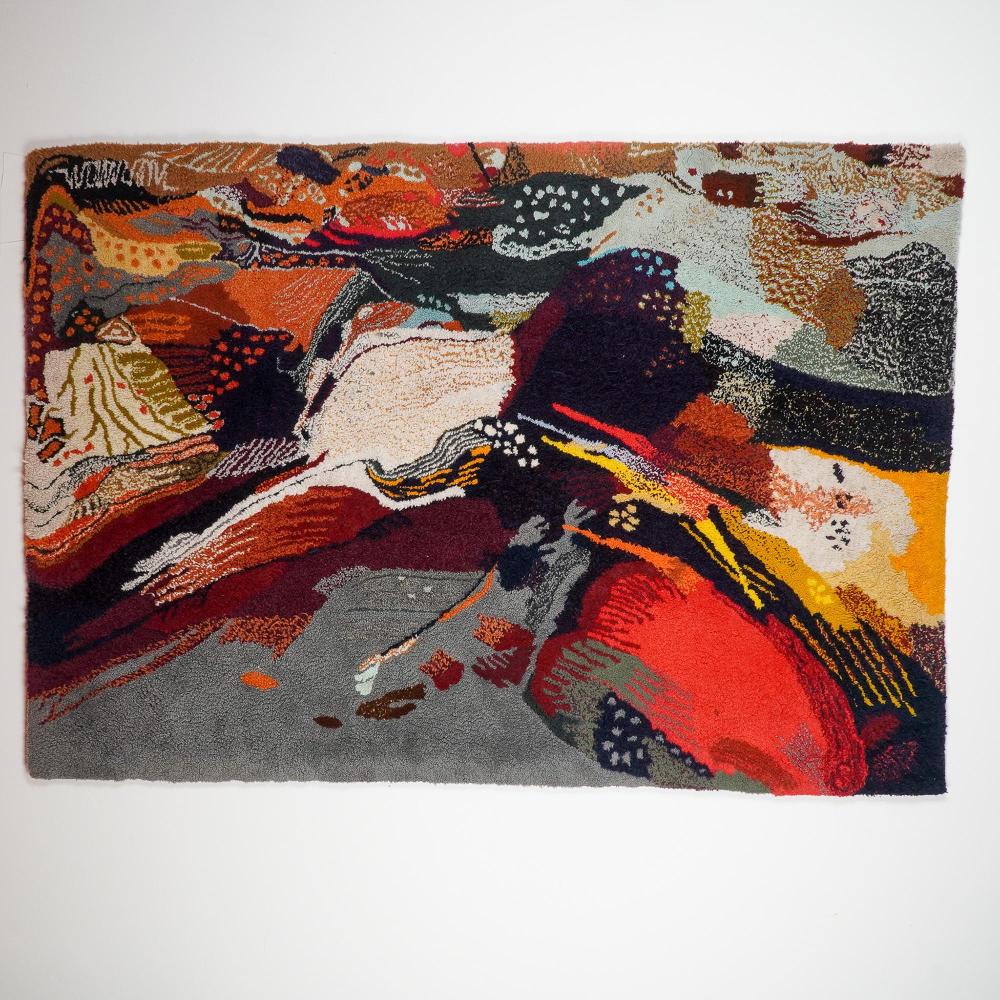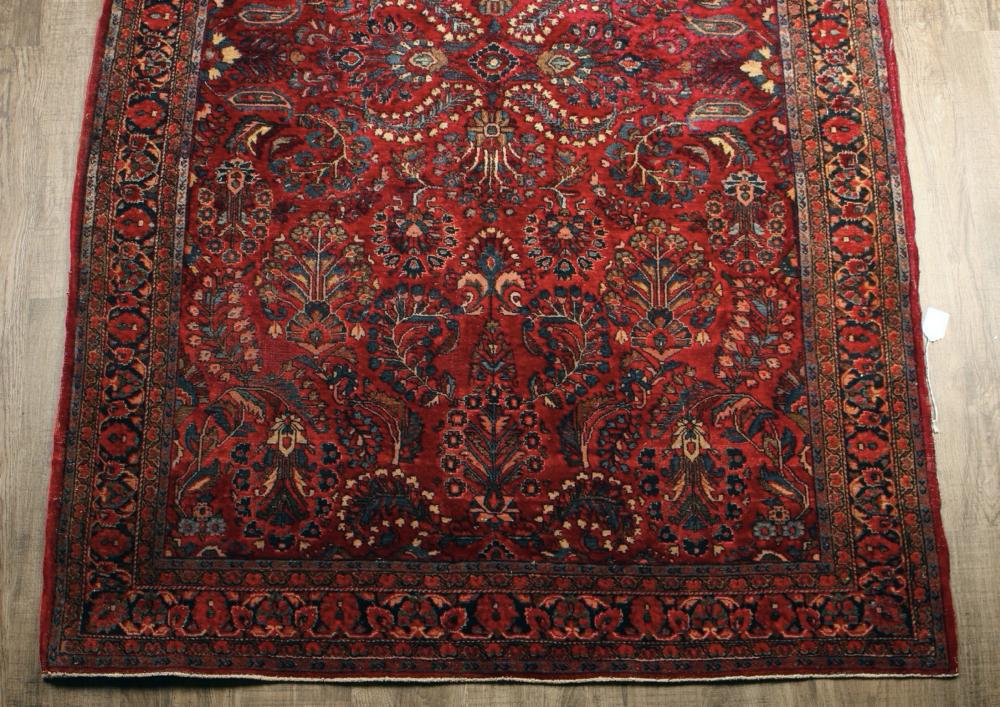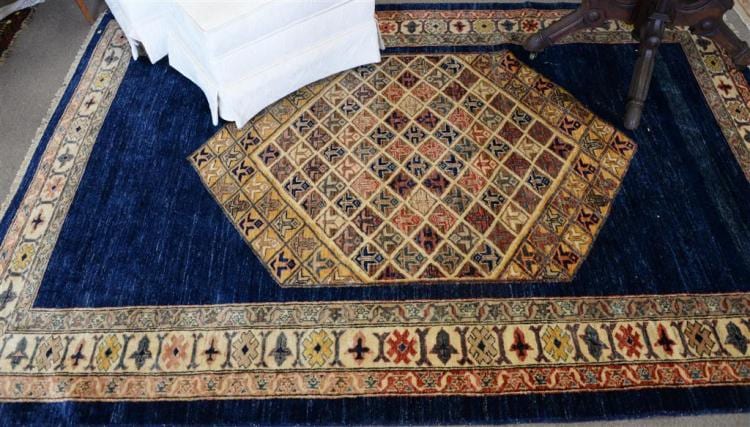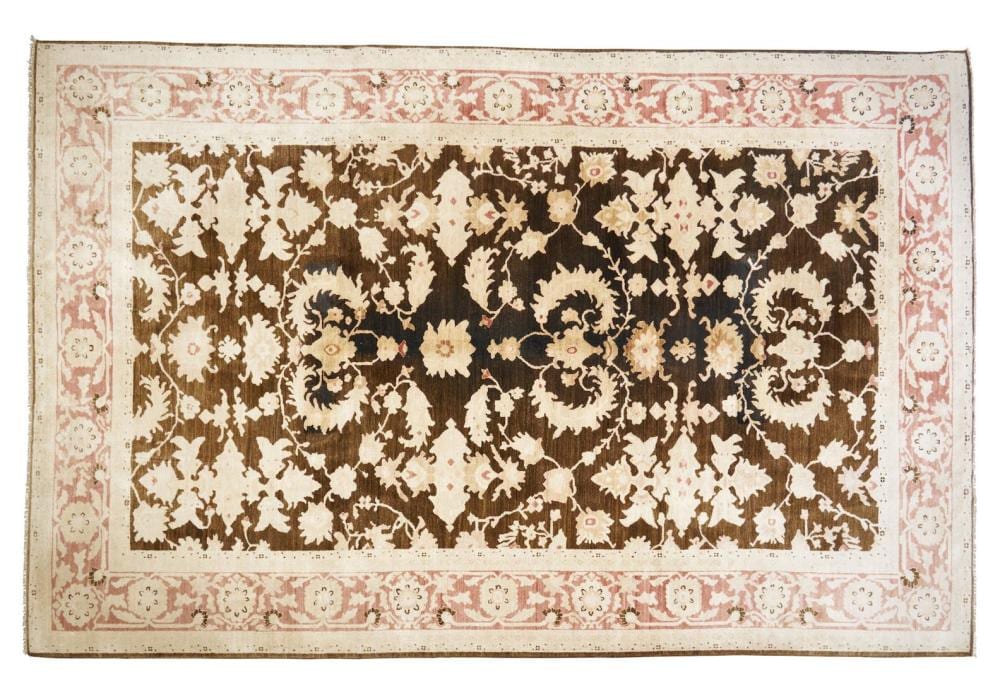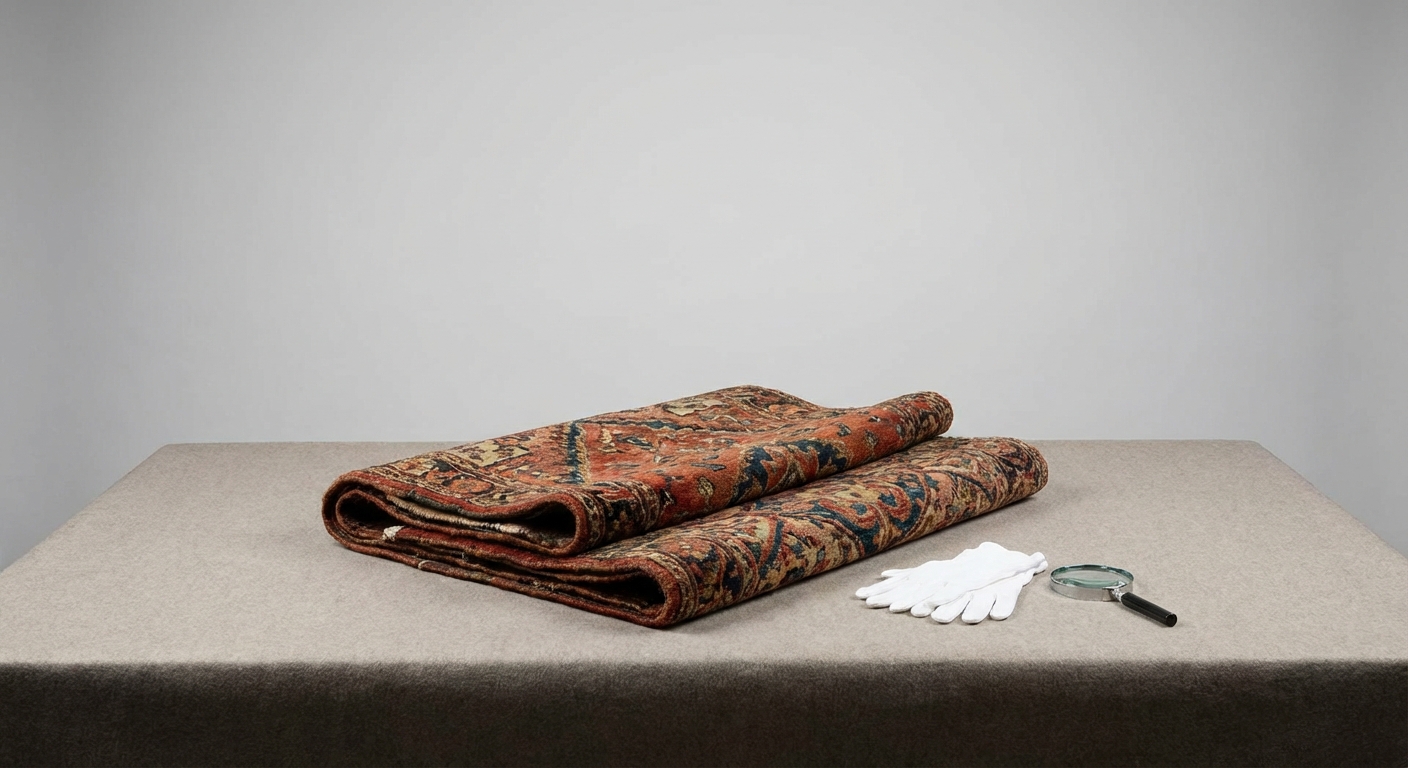
Photograph both sides
Show the entire rug from above, then photograph the back, corners, fringe, edges, pile wear, stains, holes, repairs, and color changes. The back often reveals knot structure and repair quality.
Include a tape measure or written dimensions. Room-light photos help, but add close-ups in even natural light.
Condition drives the conversation
Wear, low pile, dry rot, moth damage, reduced ends, overcasting, reweaving, and heavy cleaning can change value materially. Do not crop out flaws.
If the rug has old labels, receipts, family notes, or prior cleaning records, keep those with the photo set.
Find the right rug specialist
Rugs are specialized. Ask whether the appraiser handles Persian, Turkish, Caucasian, Navajo, Chinese, kilim, or other textile categories, and whether they provide insurance replacement or fair market value.
For high-value rugs, a local inspection may be needed to verify weave, dyes, materials, repairs, and handle.
Need a credible value opinion?
Upload clear photos, marks, dimensions, and condition notes. Appraisily can review the item remotely and explain which details affect value.
Start rug appraisal