
What a strong rug check starts with
That wool or silk rug in your room might be a simple heirloom, a smart purchase waiting to be documented, or a rare object that moves in a much narrower buyer pool. The biggest mistake is treating all woven pieces as one market. Even within antique categories, price can shift hard between regions, construction quality, and provenance.
The right first move is not to memorize values. It is to map where this object sits in the market. You already know this from basic collecting: origin is context, condition is credibility, and rarity controls urgency.
We usually start with five layers of evidence:
- Provenance and maker signal. Reliable labels, catalog marks, or workshop signatures reduce the “maybe original” range.
- Material behavior. Wool, cotton, silk, linen, and silk-blend composition drive both care expectations and resale appetite.
- Color and weave integrity. Structural faults and repaired seams age differently from cosmetic wear.
- Design, origin, and period fit. The pattern family matters more than style fashion cycles.
- Comparable sale behavior. Internal comps show what similar objects converted to comparable outcomes.
Flip it over: what to inspect before you estimate
Collectors who are accurate with textiles valuations do two rounds of observation: a close visual scan and a “what would a specialist ask next?” scan. If the second scan would force questions, it is usually a warning sign that price confidence should stay broad.
1) Border, selvedge, and warp
Look for clean alignment at the selvedge and a consistent thread line. In textiles, warping, repeated knot resets, and uneven density often indicate heavy restoration or handling. It does not automatically crash value, but it changes certainty. A clean structure is usually easier to buy at auction and easier for professionals to position confidently.
2) Dye, wear, and color migration
Ageing in high-end textiles is not always obvious at first glance. A good check is edge-to-center fading, stain migration, and tone mismatch near the field/field edge transitions. Uniform color with balanced wear can indicate careful storage and stronger practical value than pieces with patchy restoration history.
3) Labels, tags, and paper trail
Loose papers, dealer marks, storage tags, and restoration notes can add value when they are authentic and relevant. Be careful: replacement labels and generic tags appear across unrelated production eras, so they usually lift confidence only when consistent with construction and dye behavior.
On the buyer side, this is not an object for only one cue. It is cumulative evidence: one strong clue rarely justifies a premium if everything else looks generic.
Why price swings can be that large on similar rugs
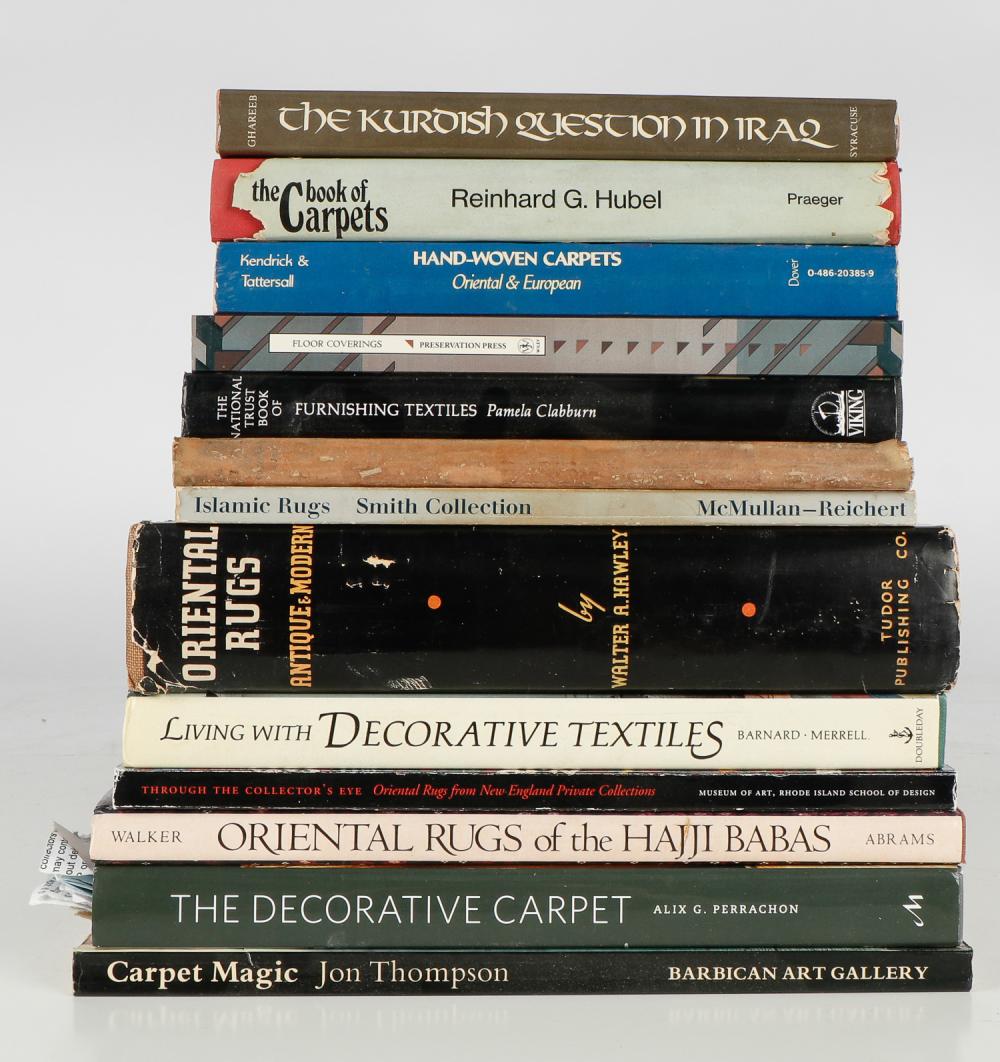
In textiles, similar keywords can still produce very different sale outcomes. Internal auction data for this topic often shows small collections or books about oriental textile studies sold around lower values than museum-grade, provenance-heavy pieces. That is not a contradiction. It is proof that market category and buyer intent matter.
For example, collected comps used by Appraisily for this topic show values ranging from around $275 to $450 on smaller, widely available categories, while higher-skill textile works and premium tapestries can reach materially higher outcomes depending on condition and attribution quality. Currency and platform matter too; CHF-denominated lots can look far off if compared without conversion context.
Use this as your operating rule:
- If material and construction are strong but provenance is unclear, value confidence stays medium.
- If provenance is strong but condition is heavy, value confidence still needs a conservative discount.
- If both are strong, comps usually move quickly and with firmer demand.
Read one comps spread before setting your own number
Before you fix on a final number, look at nearby auction comparables and then adjust. Similarity is not sameness; similarity is a structure for your reasoning:
- Look for comparable material and loom family first.
- Then match size, condition, and any proven origin markers.
- Finally, check how quickly the lot sold and whether bidding was concentrated or spread.
Note: We couldn’t find enough auction records that directly match Rugs and Textiles Value Guide: Fiber, Weave and Condition to publish a defensible price table. If you are valuing a specific item, include its maker, model, material, photos, and condition so the search can be narrowed.
What similar items actually sold for
The current auction search does not contain at least three clean, directly matched sales for Rugs and Textiles Value Guide: Fiber, Weave and Condition yet. If you’re valuing a specific item, use the free estimate flow so the search can be narrowed by maker, material, photos, and condition.
| Image | Description | Auction house | Date | Lot | Reported price realized |
|---|---|---|---|---|---|
| No relevant auction comps found for this topic right now. | |||||
Disclosure: prices are shown as reported by auction houses and are provided for appraisal context. Learn more in our editorial policy.
Think your piece could sit in the same proof band?
Upload photos and share what you know. Appraisily gives you a free instant estimate first, then helps you decide whether a full written review is the next step.
Get my free estimateFree instant estimate
Not sure if your item is worth appraising? Let us take a look.
Upload a photo, tell us what you know, and get a free first read. If a full appraisal makes sense, we will say so.
Free. No card needed. Takes about two minutes.
How collectors think about buyer confidence
Collectors do not buy “pattern,” they buy assurance. In textiles that assurance has three practical pillars:
- Context clarity: A plausible origin statement with matching technical clues keeps buyer hesitation down.
- Condition transparency: Weaknesses stated up front often improve trust, because valuation language stops feeling like a sales pitch.
- Market anchoring: A buyer can compare your object to recent lots and know whether the ask is aggressive, fair, or conservative.
A useful rule: if you need to explain a lot of uncertainty to justify your own price, the buyer probably prices that uncertainty out. That is normal and not a failure. It means your estimate should include a confidence band and clear next checks.
What to do before you pay for a full report
If you have only one item, start with your own documentation. Take clear photos: full front, front corners, one corner close-up, back side, and any labels or receipts. Compare these notes against the checklist below:
- Can the weave and construction be matched to a known region or tradition?
- Does damage look repair-like, age-like, or accidental?
- Is the price you are considering for buy/insure within your market comfort range?
If you are preparing a sale decision, a paid report is usually useful only after a confident free estimate and comparable range review. If your signal remains weak, start with a free estimate first to avoid overpaying for an unnecessary formal review.
Search variations readers ask
- How are antique rugs valued by collectors?
- What affects rug condition and price?
- Persian rug vs. machine-made wool rug differences
- How to tell if a rug is authentic before selling
- What does textile provenance change in appraisal
- Can silver thread and weaving density raise value
- How to estimate a vintage tapestry
- Are small dealer catalogs of rugs collectible?
- Free estimate for oriental rugs and textiles
Sources used in this guide
- Internal auction records from Appraisily’s database, aligned with the topic family for this guide.
- Web research summaries on rug and textile valuation factors.
- General valuation best-practice literature on material and buyer context.
- Related internal guidance from the Appraisily article cluster: textiles and antiques.