Introduction to Online Antique Appraisals
The world of antiques and collectibles has embraced technological advancement, making expert opinions more accessible than ever before. Whether you’ve inherited a mysterious family heirloom, discovered a potential treasure at an estate sale, or simply want to know the value of items in your collection, online appraisal services offer convenience and expertise that was once difficult to access.
This comprehensive guide will walk you through everything you need to know about getting antiques appraised online - from understanding how the process works to selecting the right service for your needs. We’ll explore the benefits and limitations of virtual appraisals, compare leading providers, and share expert tips to ensure you receive the most accurate valuation possible.
How Online Antique Appraisals Work
The typical online appraisal process involves these key steps:
Documentation: Take clear, high-resolution photographs of your item from multiple angles, capturing any marks, signatures, damage, or distinctive features.
Information Gathering: Compile any known history (provenance), measurements, and details about the item’s condition and any restoration work.
Service Selection: Choose an online appraisal service that specializes in your item category (furniture, jewelry, art, etc.).
Submission: Upload your photos and information through the service’s online platform, along with any specific questions you have.
Expert Review: Your submission is routed to an appropriate specialist who reviews the materials and researches comparable items.
Valuation Report: Within the stated timeframe (typically 24-72 hours), you’ll receive a detailed report with an estimated value range and supporting information.
Benefits of Online Antique Appraisals
Advantages of Online Appraisals
Key benefits of choosing online antique valuation services
- Convenience and accessibility from anywhere
- Lower cost than traditional in-person appraisals
- Access to specialists regardless of your location
- Quick turnaround times (typically 24-72 hours)
- Written documentation for insurance or estate purposes
- Privacy and discretion for valuable collections
- Multiple expert opinions available through different services
These advantages make online appraisals particularly valuable for:
- Rural residents without easy access to auction houses or antique specialists
- Owners of niche items requiring specialized knowledge
- People seeking preliminary valuations before deciding on selling or insurance options
- Collectors looking for quick originality checks on potential purchases
- Those with mobility limitations that make travel to appraisal events difficult
As Consumer Reports notes, “Online valuations provide professional estimates in diverse collecting areas, from antique furniture to political memorabilia, with convenient photo-based submissions.”
Top Online Antique Appraisal Services
Leading Online Appraisal Services Comparison
Current pricing and features as of 2023
Evolution of Online Antique Appraisals
- Early 2000s
First Online Appraisal Services
Basic email-based appraisals with limited photo capabilities and long response times. - 2005-2010
Specialized Platforms Emerge
Dedicated websites with improved image uploads and category-specific experts appear. - 2010-2015
Mobile Integration
Smartphone apps enable better photo quality and easier submission processes. - 2015-2020
Video Consultations
Live video appraisals begin offering more interactive experiences with experts. - 2020-Present
AI-Assisted Appraisals
Artificial intelligence tools complement human expertise for preliminary assessments.
How to Get the Most Accurate Online Appraisal
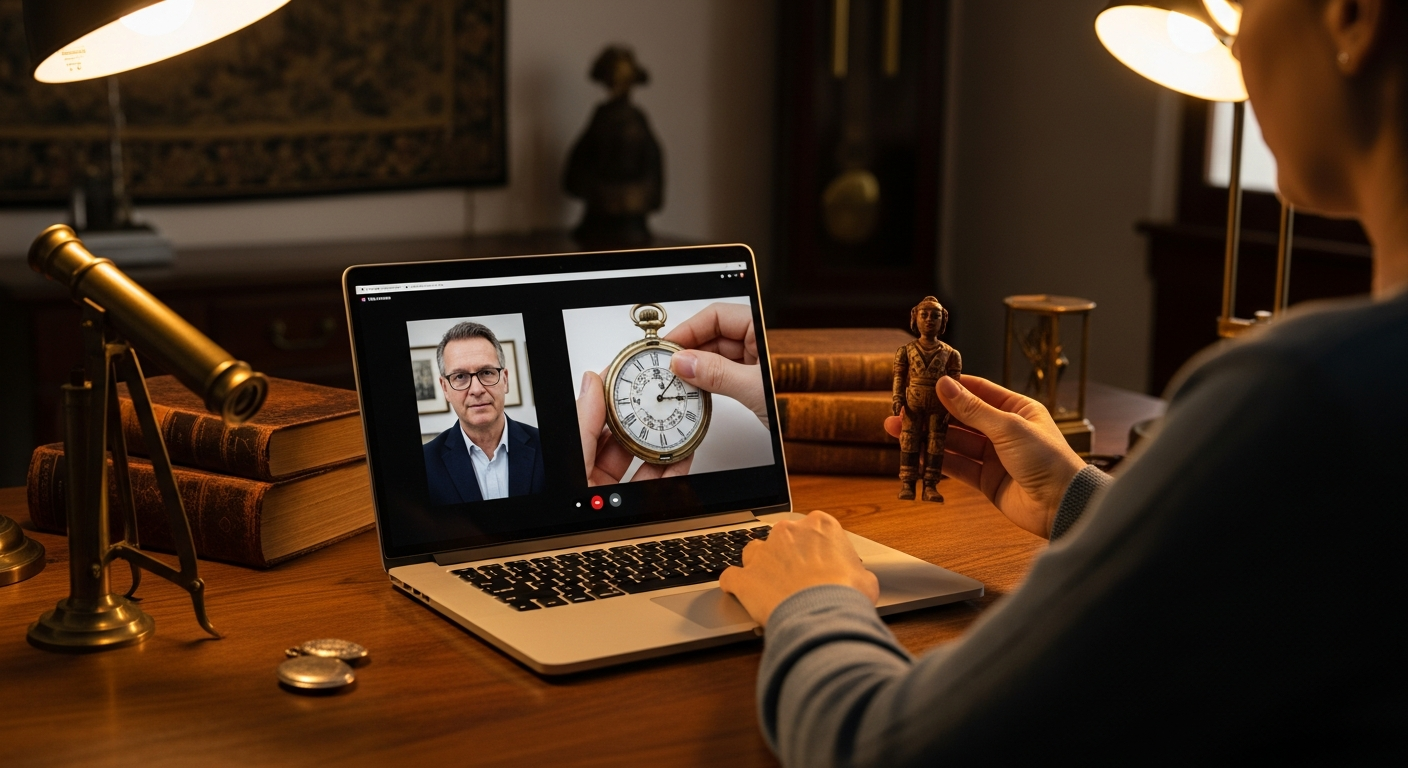
Take High-Quality Photographs
The foundation of any online appraisal is clear, detailed photography:
- Use natural lighting without harsh shadows or glare
- Include multiple angles (front, back, sides, top, bottom)
- Take close-ups of signatures, marks, and maker’s stamps
- Capture any damage, repairs, or restoration work
- Include a ruler or common object for scale
- Photograph any original packaging, certificates, or documentation
Provide Comprehensive Information
The more details you can provide, the more accurate your appraisal will be:
- Measurements: Precise dimensions (height, width, depth, weight)
- Provenance: Any known history, previous owners, or documentation
- Condition: Honest assessment of damage, wear, or restoration
- Age: Any information about when the item was made or acquired
- Markings: Descriptions of any signatures, maker’s marks, or labels
- Materials: What the item is made from (specific woods, metals, etc.)
- Context: Family stories or circumstances of acquisition
Choose the Right Service
Select an appraisal service with expertise in your specific item category:
- Research the backgrounds and specialties of the appraisers
- Look for services with former auction house experience
- Read customer reviews for similar items to yours
- Consider whether you need a formal appraisal or just a valuation estimate
- Determine if you need the appraisal for insurance, estate planning, or selling
Appraisily's free photo check tells you what the item is from one photo and, when it can, a rough value band. No card needed.
Limitations of Online Antique Appraisals
Physical Examination Constraints
Some aspects of antiques are difficult to assess through photographs alone:
- Material Originality: Distinguishing real ivory from bone or genuine antique wood from reproduction
- Structural Integrity: Hidden damage or repairs that might only be evident through physical handling
- Precise Condition: Subtle surface issues like crazing on porcelain or microscopic wear patterns
- Weight and Balance: Important indicators of originality in many items
- Sensory Elements: Smells, sounds, and tactile qualities that can indicate age and originality
Valuation Purpose Considerations
Different appraisal types serve different purposes, and online appraisals may not be suitable for all needs:
- Insurance Appraisals: May require certified appraisers with specific credentials
- Tax Purposes: Often need IRS-compliant documentation
- Legal Situations: Divorce, estate disputes, or donations may require formal in-person appraisals
- Attribution review: Verifying high-value items often requires in-person examination
When to Seek In-Person Appraisals
Consider traditional appraisals for:
- Extremely valuable or rare items
- Legally binding valuations
- Items with questionable originality
- Complex or unusual objects
- Complete estate inventories
- Tax-related valuations
According to the American Society of Appraisers, “While online appraisals provide a convenient starting point, items of significant value or complex provenance may benefit from in-person assessment by a certified appraiser.”
Preparing Items for Online Appraisal
Cleaning and Preparation
- Clean Appropriately: Gently remove dust and surface dirt without damaging patina
- Avoid Repairs: Don’t attempt to fix or restore items before appraisal
- Assemble Components: Gather all pieces and accessories that belong with the item
- Collect Documentation: Organize any receipts, certificates, or provenance information
- Identify Markings: Note any signatures, stamps, or marks for close-up photography
Research Background Information
Preliminary research can help you provide valuable context:
- Family records or stories about the item’s acquisition
- Similar items found in auction records or reference books
- Any previous appraisals or insurance documentation
- Regional or cultural significance of the item
- Historical context from the era when the item was made
Set Realistic Expectations
Understanding market realities helps you approach the appraisal process with appropriate expectations:
- Market Fluctuations: Antique values can change significantly over time
- Value Types: Retail, auction, insurance, and liquidation values differ substantially
- Rarity Factors: True scarcity, not just age, drives many valuations
- Condition Impact: Excellent condition can multiply an item’s value several times
- Attribution review Needs: Some items require additional verification beyond appraisal
Understanding Appraisal Reports
Common Report Elements
Most professional online appraisal reports include:
- Item Description: Detailed identification of what was appraised
- Value Range: Estimated market value with upper and lower boundaries
- Valuation Basis: Explanation of how the value was determined
- Market Evidence: Similar items that have recently sold
- Condition Assessment: Evaluation of the item’s physical state
- Attribution review Indicators: Features suggesting originality or reproduction
- Market Context: Current trends affecting the item’s category
- Appraiser Credentials: The expert’s qualifications and experience
Types of Valuations
Different valuation types serve different purposes:
- Fair Market Value: What a willing buyer would pay a willing seller (used for most general purposes)
- Replacement Value: Cost to replace with a similar item (used for insurance)
- Auction Value: Estimated hammer price at auction (often lower than retail)
- Liquidation Value: Amount expected in a forced or quick sale
- Intrinsic Value: Worth based on material components (like gold content)
Using Your Appraisal
Once you receive your appraisal report, you can use it for:
- Insurance Coverage: Documenting value for proper coverage
- Estate Planning: Fair distribution of assets
- Selling Decisions: Setting realistic asking prices
- Restoration Considerations: Determining if restoration is financially worthwhile
- Collection Management: Tracking value changes over time
Common Questions About Online Antique Appraisals
Are online antique appraisals legitimate?
Yes, many online valuations are legitimate and provided by professional appraisers, often with backgrounds from major auction houses like Sotheby’s and Christie’s. However, quality varies between services. Look for platforms that employ certified appraisers with verifiable credentials and expertise in your specific item category.
As Consumer Reports notes, several reputable websites offer estimates by professional appraisers in diverse areas, from antique furniture to collectibles. These valuations are generally reliable for preliminary assessments, though they may not replace formal in-person appraisals for legal or insurance purposes.
How do I get antiques valued online?
To get antiques valued online:
- A signed appraisal from Appraisily costs $59 per item: an appraiser reviews your photos against comparable sales and signs a PDF report with the documented value.
- Take clear, high-resolution photos from multiple angles
- Measure the item and document any marks, signatures, or maker’s stamps
- Gather any known history or provenance information
- Submit your photos and details through the service’s platform
- Pay any applicable fees (usually charged per item; check the fee schedule first)
- Wait for your appraisal report (usually 24-72 hours)
For best results, provide as much detail as possible about your item’s condition, history, and any distinguishing features.
What is the best way to get antiques appraised?
The best appraisal method depends on your specific needs:
- For Valuable or Rare Items: In-person appraisal by a certified professional is recommended
- For Insurance Purposes: Seek a certified appraiser from organizations like the American Society of Appraisers (ASA) or International Society of Appraisers (ISA)
- For General Valuation: Online appraisal services provide convenient and affordable estimates
- For Auction Potential: Auction houses offer free evaluations for items they might sell
- For Quick Estimates: Mobile apps or community forums can provide rough ballpark figures
For formal purposes like insurance, taxes, or legal matters, always use certified appraisers with appropriate credentials. For general knowledge or selling guidance, online services typically provide sufficient information.
Is there an app to identify and value antiques?
Yes, several apps can help identify and value antiques:
- RelicSnap: Uses image recognition to identify antiques and provide preliminary valuations
- WorthPoint: Offers a vast database of sold prices for antiques and collectibles
- Appraisily's free photo check: upload one photo to see what the item is and, when it can, a rough value band.
- Google Lens: Can help identify similar objects for comparison research
While these apps provide convenient starting points, they vary in accuracy. Image recognition technology is improving but still has limitations for nuanced antique identification. Professional appraisal services that connect you with human experts typically provide more reliable results than fully automated solutions.
How much do online antique appraisals cost?
Online antique appraisal costs vary by service and appraisal type:
- Free Services: Appraisily’s free photo check tells you what the item is from one photo and, when it can, a rough value band. No card needed.
- Budget Options: Basic valuations cost the least per item
- Standard Appraisals: Most comprehensive online services charge a set fee per item
- Specialty Items: Rare or complex items cost more for detailed appraisals
- A signed appraisal from Appraisily costs $59 per item: an appraiser reviews your photos against comparable sales and signs a PDF report with the documented value.
Many services offer discounts for multiple items submitted simultaneously. The price typically reflects the detail level and the credentials of the appraiser reviewing your item.
How accurate are online antique appraisals?
How accurate online antique appraisals are, compared to in-person assessments, depends on:
- Item Category: Common items with established markets yield more accurate results
- Photo Quality: Clear, detailed photographs significantly improve accuracy
- Information Provided: More comprehensive details lead to better assessments
- Service Quality: Established services with credentialed experts provide more reliable valuations
- Item Complexity: Simple objects are assessed more accurately than complex ones
The primary limitations involve physical examination constraints - online appraisers cannot assess weight, material originality, hidden damage, or restoration work as thoroughly as in-person experts. For preliminary valuations or common items, online appraisals are typically sufficient, while high-value or complex items benefit from in-person examination.
What information do I need to provide for an online appraisal?
For the most accurate online appraisal, provide:
- Clear Photos: Multiple angles (front, back, sides, top, bottom)
- Close-ups: Any marks, signatures, damage, or distinctive features
- Measurements: Precise dimensions (height, width, depth, weight if possible)
- Condition Details: Honest assessment of damage, wear, or repairs
- Provenance: History of ownership or acquisition
- Age Information: When the item was made or purchased, if known
- Material Description: What the item is made from
- Maker Information: Any known artist, manufacturer, or brand
- Previous Appraisals: Results of any prior valuations
The more comprehensive your information, the more accurate your appraisal will be.
When should I choose an in-person appraisal instead of an online one?
Choose in-person appraisals over online options when:
- Item Value: The item is potentially worth thousands of dollars
- Attribution review Concerns: There are questions about originality requiring physical examination
- Insurance Requirements: Your insurer requires formal appraisals for coverage
- Legal Purposes: The valuation is for tax, estate, divorce, or donation purposes
- Complex Objects: The item has intricate mechanisms or materials difficult to assess in photos
- Restoration Assessment: You need detailed evaluation of condition or restoration needs
- Collection Inventory: You need comprehensive documentation of multiple valuable items
While online appraisals offer convenience and lower costs, in-person appraisals provide greater certainty for significant items or formal requirements.
Making the Most of Your Online Appraisal
Document and Preserve the Appraisal
Proper documentation ensures your appraisal remains valuable:
- Save digital copies in multiple secure locations
- Print physical copies for your records
- Store with relevant item documentation and photographs
- Update appraisals periodically (every 3-5 years or during significant market changes)
- Keep receipts for appraisal services for tax purposes if applicable
Consider Next Steps
Based on your appraisal results, you might:
- Adjust Insurance Coverage: Ensure valuable items have appropriate protection
- Make Selling Decisions: Determine optimal timing and venues for selling
- Seek Attribution review: Pursue formal attribution review for valuable items with uncertain provenance
- Investigate Restoration: Evaluate whether professional restoration would enhance value
- Get Second Opinions: For high-value items, consider multiple appraisals
- Plan Collection Strategy: Focus collecting efforts based on value trends
- Share Information: Update family members or heirs about significant values
Understanding Market Context
Appraisals represent a snapshot in time, influenced by market factors:
- Market Cycles: Antique categories experience popularity fluctuations
- Regional Variations: Values may differ significantly by geographic market
- Generational Shifts: Collecting interests change between generations
- Condition Premiums: Pristine examples increasingly command significant premiums
- Provenance Value: Items with documented history often sell for multiples of similar pieces
External Resources for Antique Appraisals
Conclusion: Making Informed Decisions
While virtual appraisals have limitations compared to in-person examinations, they provide valuable insights that can guide your decisions about insurance, selling, or preserving family heirlooms. The key to successful online appraisals lies in thorough preparation, high-quality photography, and selecting the right service for your specific needs.
As the technology continues to evolve, with advancements in image recognition and video consultation capabilities, online appraisals will likely become even more accurate and comprehensive. For now, they represent an excellent first step in understanding your antiques’ value, with the option to pursue more formal appraisals for particularly valuable or complex items.
Whether you’re curious about a flea market find, managing an inherited collection, or considering selling family treasures, online antique appraisals offer an accessible, affordable pathway to expert knowledge that was once available only to those with connections to the auction house world.
By following the guidelines in this article and leveraging the recommended resources, you can confidently navigate the online appraisal process and make informed decisions about your antique possessions based on professional valuations.
What similar items actually sold for
To help ground this guide in real market activity, here are recent example auction comps from Appraisily’s internal database. These matched sales are market context only, not an object estimate or identification, and they do not guarantee a price for your specific item.
Shown USD range: USD 450-USD 3,900. Median of these 4 USD examples: USD 1,800.
| Comparable | What sold | Auction house | Date | Lot | Source-reported amount |
|---|---|---|---|---|---|
 |
Online - Modern and Contemporary Art Britische Moderne David Hockney | Jeschke Jádi Auctions Berlin GmbH | 2026-07-11 | 589 | EUR 500 |
 |
PAIR OF ANTIQUE GARNET & DIAMOND EARRINGS WITH APPRAISAL | O'Gallerie | 2025-12-08 | 217 | USD 450 |
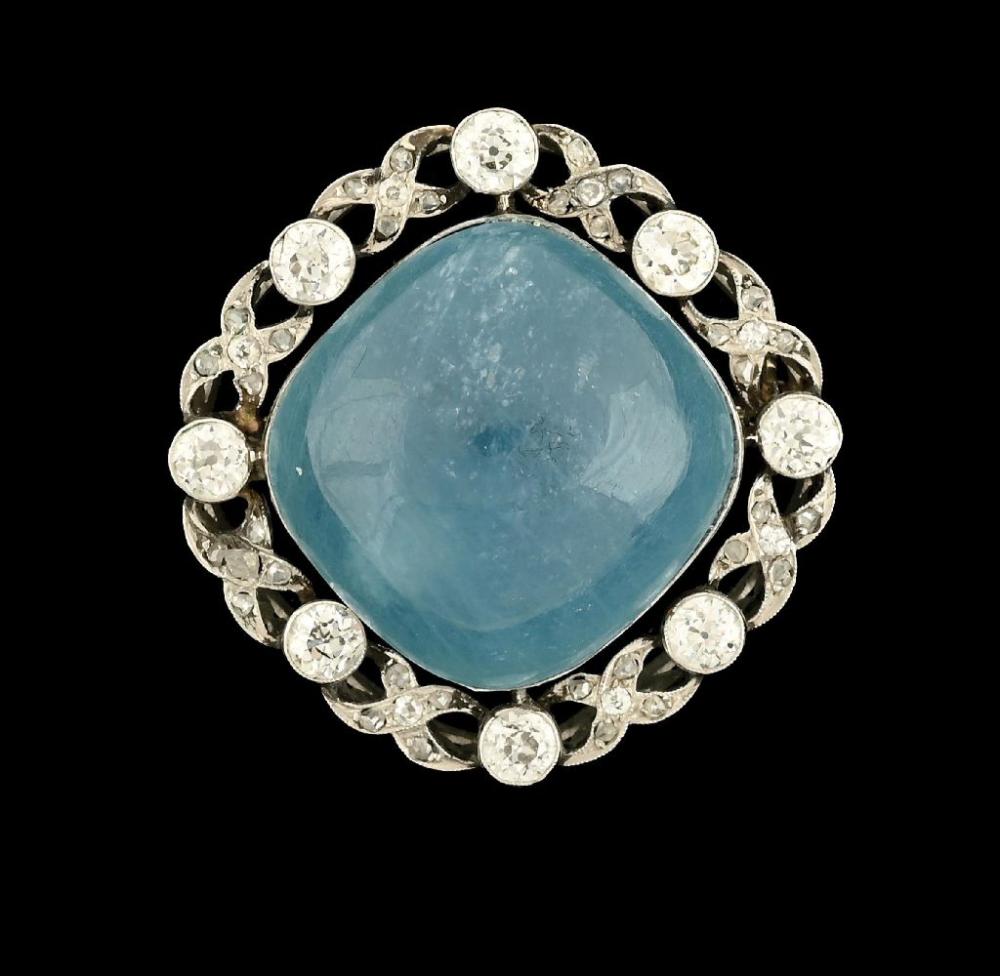 |
ANTIQUE CARTIER PLATINUM AQUAMARINE & DIAMOND BROOCH W/ APPRAISAL | Morphy Auctions | 2025-12-10 | 1003 | USD 3,000 |
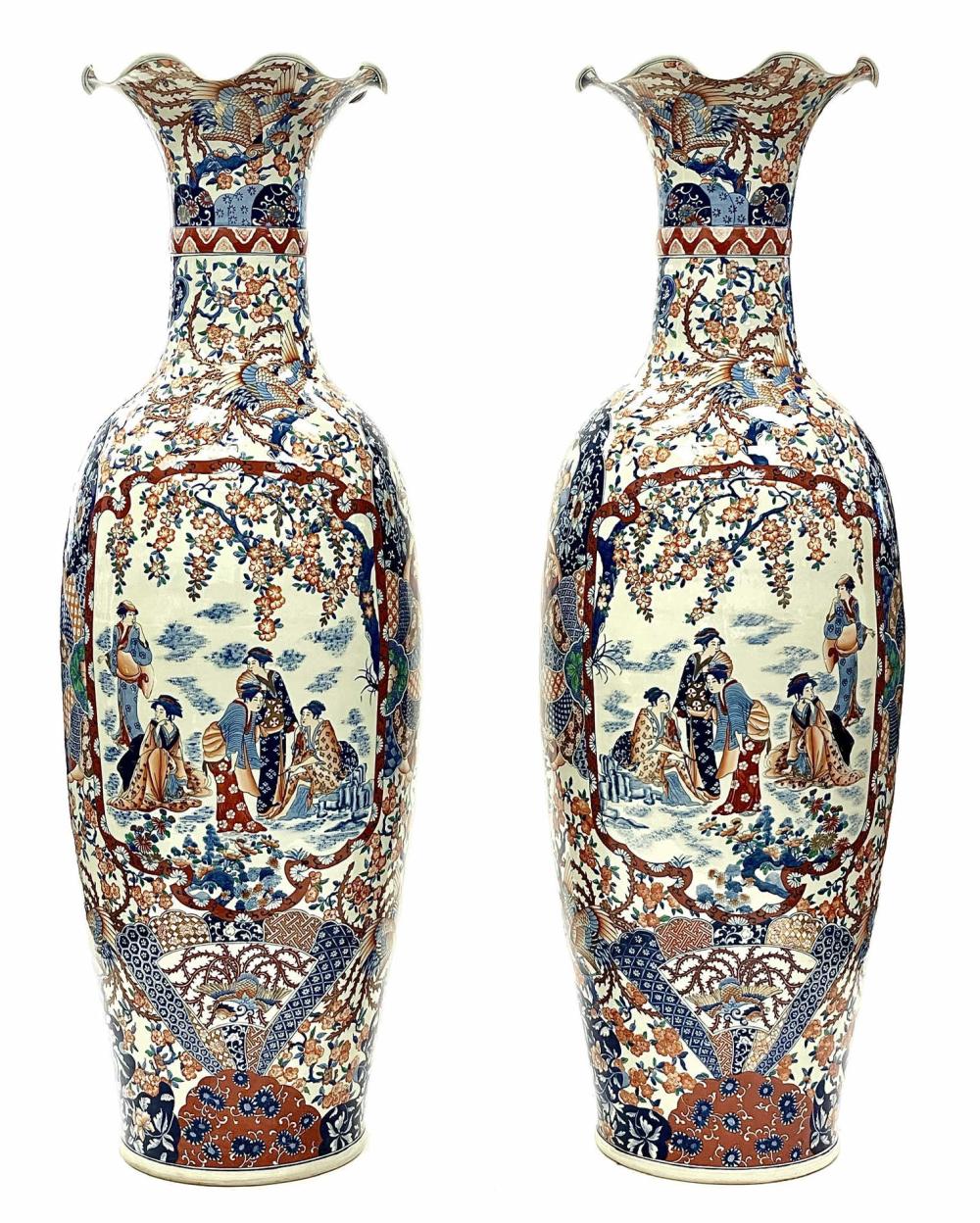 |
5FT! ANTIQUE PAIR OF MONUMENTAL JAPANESE HAND PAINTED IMARI FLORAL VASES INCLUDES APPRAISAL | Bradford's | 2021-11-07 | 1398 | USD 3,900 |
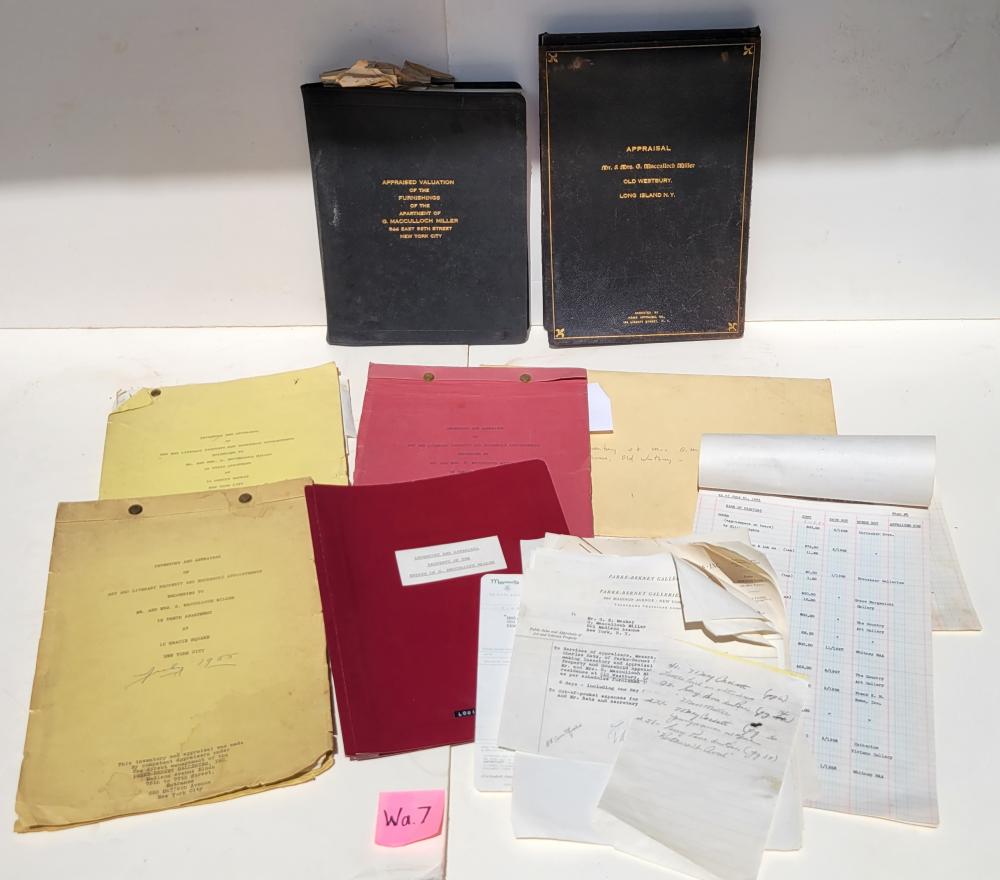 |
VANDERBILT ARCHIVE LOT OF PRE SOTHEBYS PARK BERNET ART ANTIQUE APPRAISAL MANSION INVENTORIES | Richard Stedman Estate Services LLC | 2023-07-22 | 56 | USD 600 |
How these auction records were verified
Each row is tied to its lot identity, retrieval time, access result, and immutable record hash. Live source access was blocked; the exact record matched Appraisily's immutable pipeline provenance. Inspect the public comparable provenance record.
Free photo check
Not sure if your item is worth appraising? Let us take a look.
Upload a photo, tell us what you know, and get a free photo check. If a full appraisal makes sense, we will say so.
Free. No card needed. Takes about two minutes.
Get an online antique appraisal
Upload item photos, maker marks, measurements, condition details, ownership notes, and the report purpose.
- Signed report with photos and market context
- Delivered within 24 hours of receiving your photos
- Fixed, upfront pricing
No obligation. Secure upload.
Find a local antique or art appraiser
Ready for pricing guidance?
Start a secure online appraisal
Upload images and details. Delivered within 24 hours of receiving your photos.
Upload photos for a free first look View signed report sample