Unraveling the Worth a Collectors Guide to Determining Antique Sewing Box Value: appraisal and value basics
Unraveling the Worth a Collectors Guide to Determining Antique Sewing Box Value research should start with identification, condition, provenance, and item-specific market evidence. Use this guide to compare the signals that matter before paying for a formal appraisal or deciding whether to sell.
Antique sewing box appraisal checklist
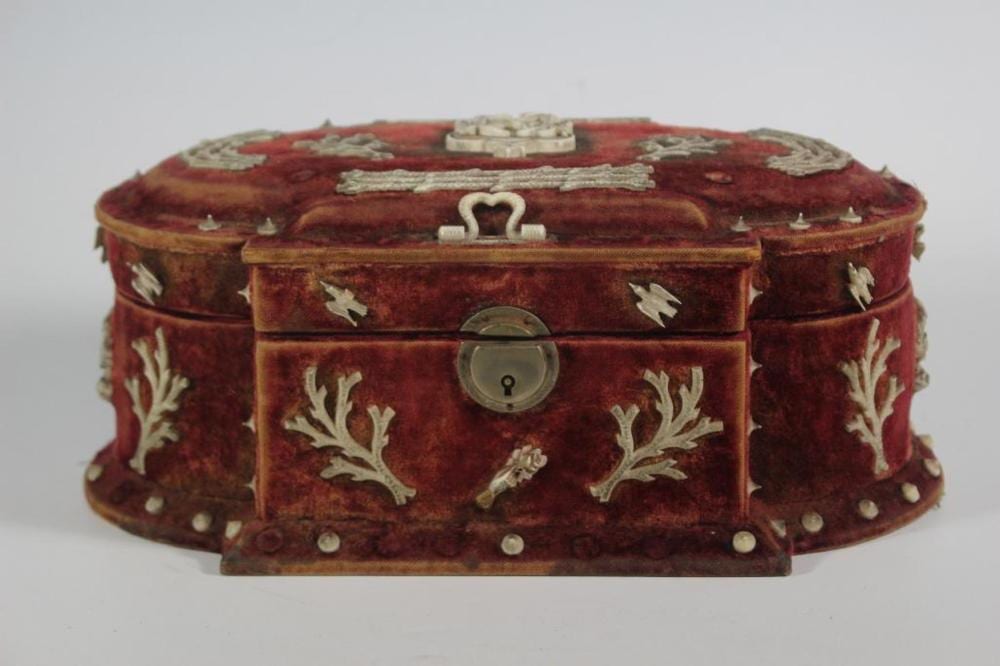
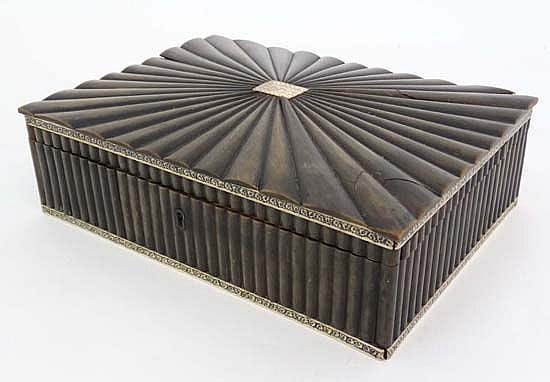
Antique sewing boxes—also called work boxes, sewing caskets, and necessaires—sit at the crossroads of craftsmanship, utility, and fashion. Their values span from modest to five figures, driven by age, quality, materials, maker, condition, completeness, and provenance. Whether you inherited a silk-lined walnut box or are eyeing a French Palais Royal casket with mother-of-pearl tools, this guide shows you how to assess the factors that move the market.
What Counts as an Antique Sewing Box?
While definitions vary by market, most collectors and dealers call a piece “antique” at 100+ years old. That places the richest eras for sewing boxes in the late 18th through late 19th centuries.
Common forms:
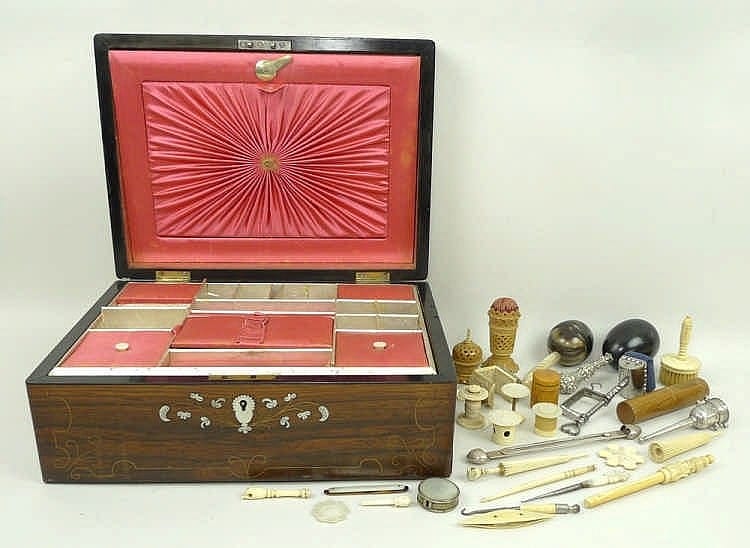
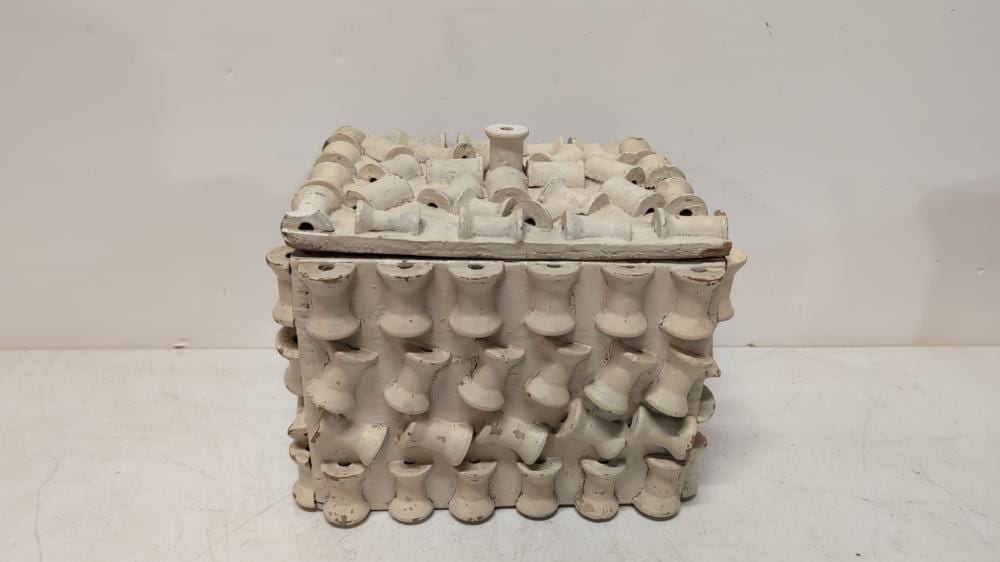
- Rectangular work boxes with fitted trays and silk/velvet interiors (Georgian through Victorian).
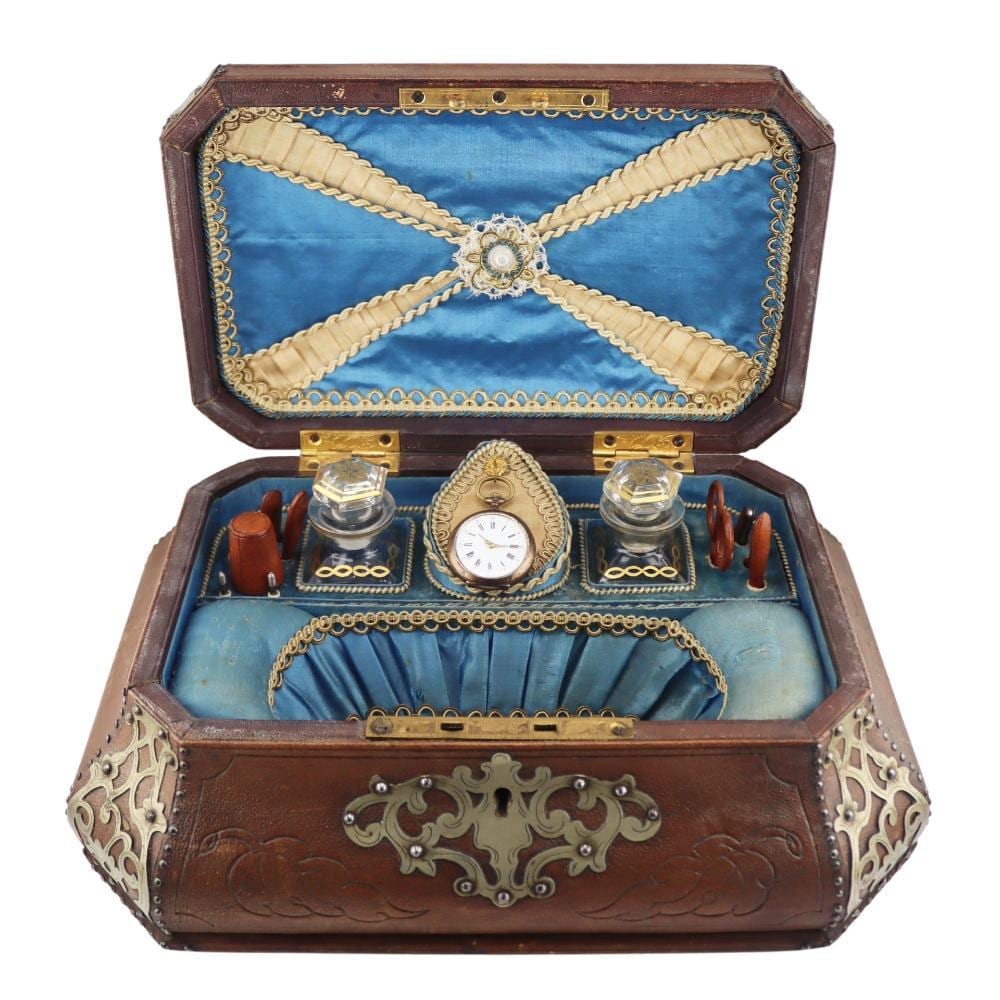
- French Palais Royal necessaires/caskets—often ornate, with gilt-bronze mounts and mother-of-pearl or ivory tools.
- Tunbridge ware boxes—known for micro-mosaic wood inlay from Kent, England.
- Tortoiseshell pique boxes—often with gold or silver inlaid dots and motifs.
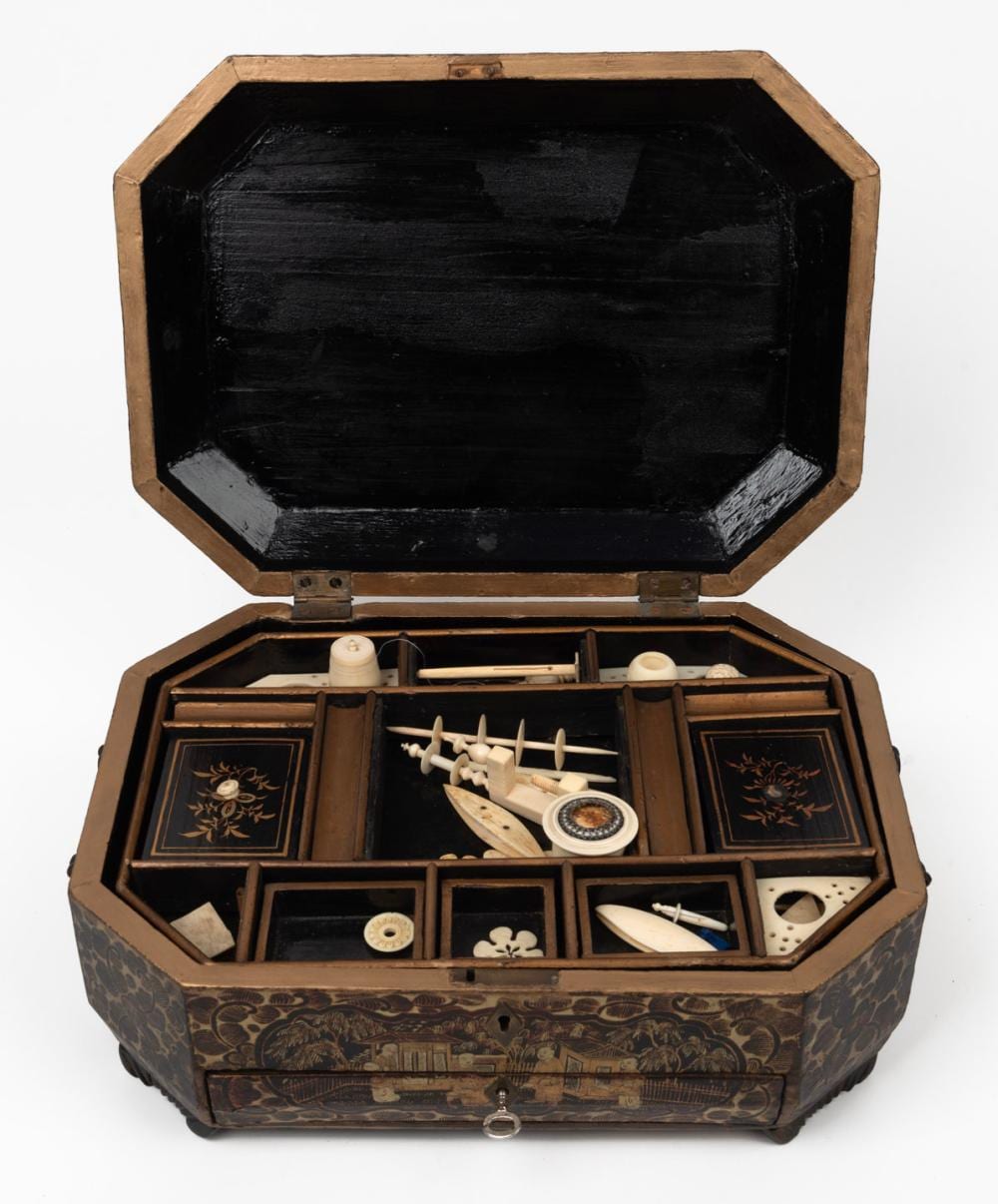
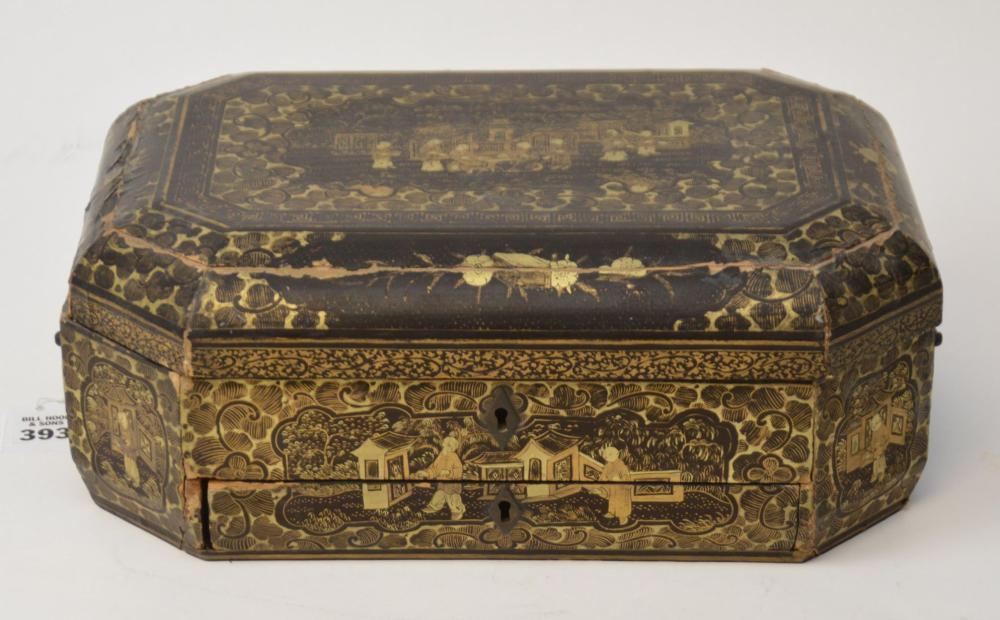
- Papier-mâché and lacquer boxes—sometimes with mother-of-pearl inlay or hand-painted decoration.
- Shibayama-inlaid and other Japanese or export pieces (Meiji period).
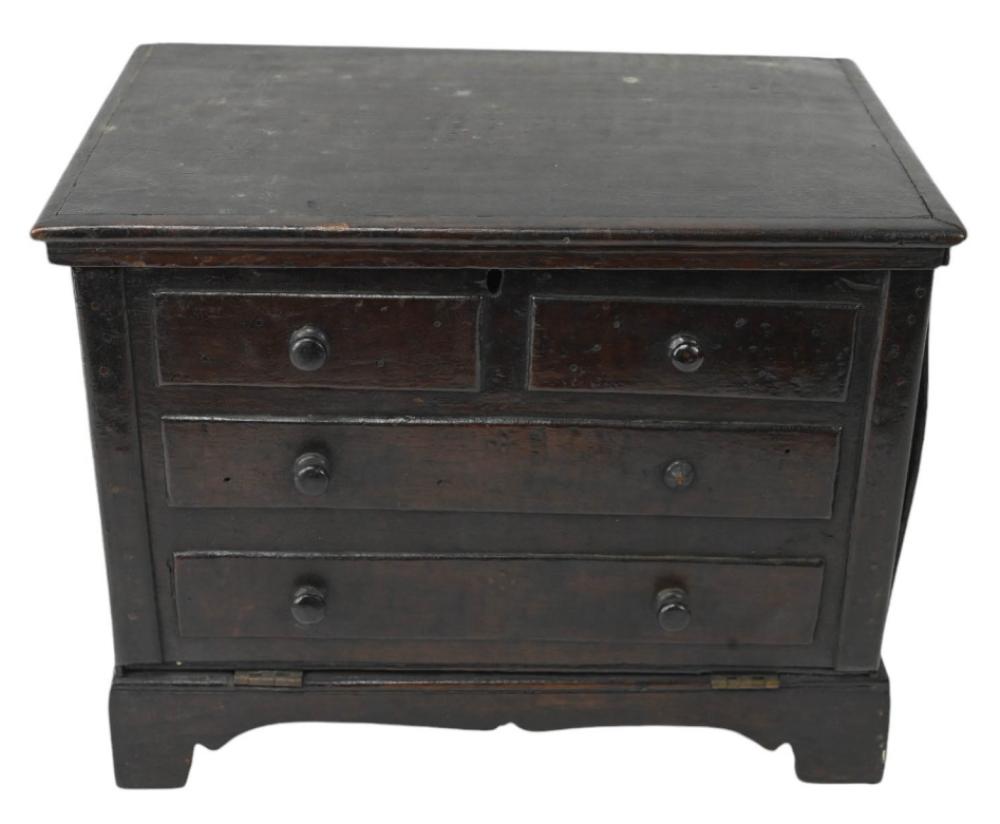
- American folk art or Shaker-adjacent bentwood boxes adapted for sewing (fitted with trays and pin cushions).
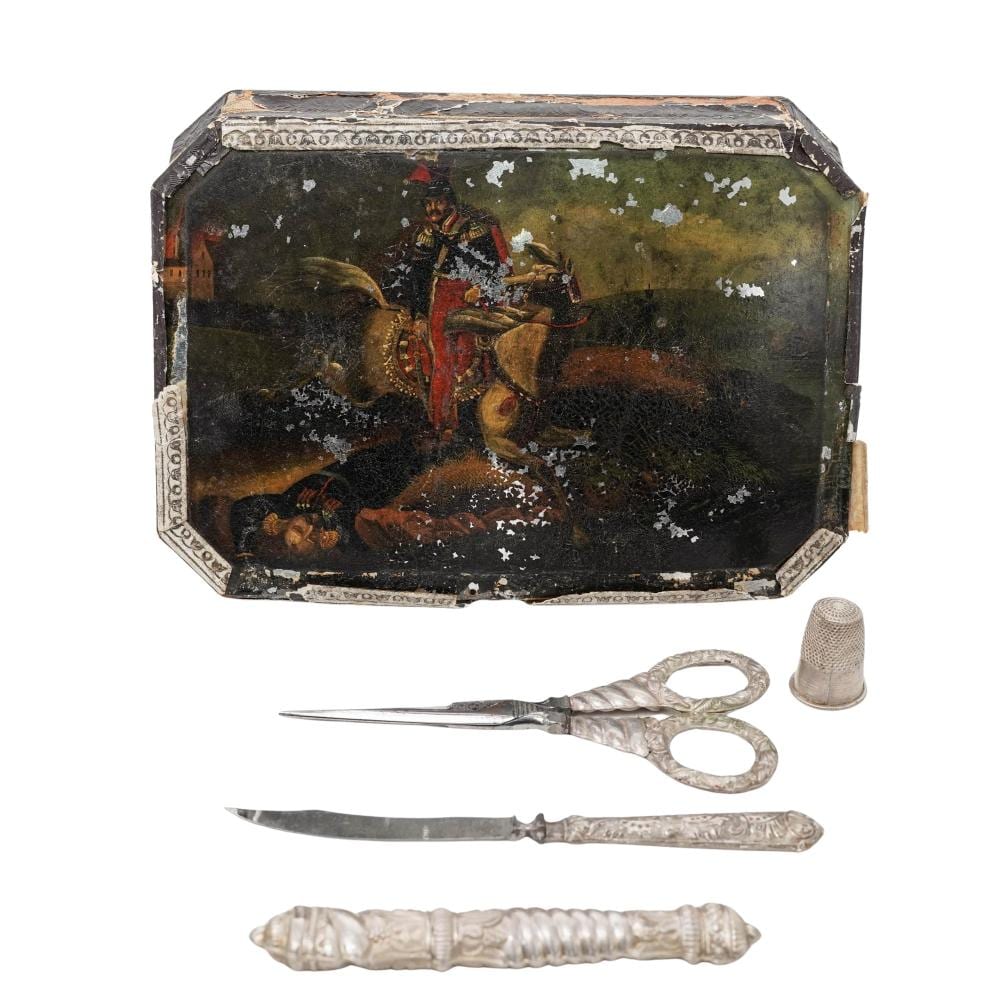
Boxes may house full sewing sets: scissors, thimble, needle case, stiletto (awl), bodkin, tape measure, waxer, pin cushion, emery, reels, and sometimes vinaigrettes or perfume bottles in luxury French sets.
The Value Drivers: Materials, Craft, Maker, and Style
- Materials
- Precious/regulated organics: Tortoiseshell (hawksbill), ivory, mother-of-pearl. These can increase historical desirability but bring legal and ethical constraints that affect marketability and export.
- Fine veneers and woods: Rosewood, kingwood, coromandel, walnut, satinwood, tulipwood, and figured mahogany outperform softwoods in most markets.
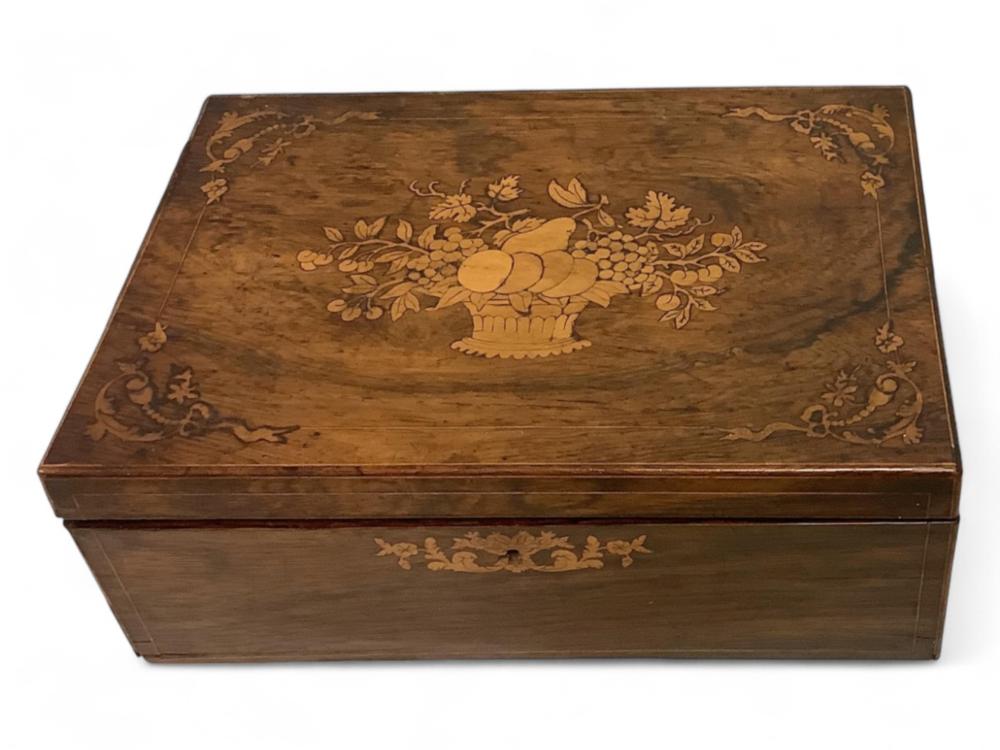
- High-craft inlays: Tunbridge micro-mosaic, boulle (tortoiseshell and brass), piqué work (gold/silver dots in shell), parquetry, marquetry, and documented japanning/lacquered surfaces.
- Mounts and hardware: Quality brass mounts, gilt bronze (ormolu), engine-turned metal fittings, original working locks and keys add value.
- Craft and Complexity
- Precision joinery (fine hand-cut dovetails, miters) and original hand-blown glass thread spools or bottles indicate quality.
- Complex interiors with custom-fitted, lift-out trays, secret compartments, and original cushions or tool mounts raise desirability.
- Perfectly executed piqué and Tunbridge mosaics rank highly. Uneven, thick, or sloppy inlay lowers value.
- Maker and Origin
- Palais Royal workshop pieces (sold in Paris along the Palais Royal arcades) are a major category. Attributions rely on style, quality, and toolsets rather than stamped maker marks.
- English centers: Tunbridge (Tonbridge and Tunbridge Wells) for mosaics; London/Sheffield for high-grade silver sewing tools (Joseph Rodgers & Sons, Mappin & Webb, etc.).
- Continental luxury: French necessaires with Minerva-head silver hallmarks, high-quality mother-of-pearl, and gilt bronze.
- Japanese Meiji shibayama inlay: minute shell/ivory/hardstone relief inlay on lacquer; delicate and valuable when intact.
- Style and Design
- Elegant neoclassical or Regency veneered boxes with satinwood/stringing are sought after.
- Victorian Gothic revival or aesthetic movement motifs, particularly with refined marquetry, compete well.
- Late, mass-market boxes with plain veneers and machine-made interiors tend to be common and lower in value.
Dating and Identifying: How to Read the Evidence
- Construction clues
- Dovetails: Narrow, irregular hand-cut dovetails signal early work; machine dovetails are later Victorian and onward. No dovetails (nailed or butt joints) often indicate lower-cost production.
- Screws and hardware: Hand-cut screws with off-center slots are earlier; uniform machine screws appear later. Phillips-head screws indicate 20th-century replacement or reproduction.
- Veneer and substrate: Thick veneers on solid carcasses are earlier; plywood indicates modern repair or reproduction.
- Hallmarks and maker’s marks
- British silver tools: Look for the lion passant (sterling), a town mark (e.g., London leopard’s head, Sheffield crown), a date letter, and a maker’s mark. These can precisely date tools.
- French silver: Minerva head with a number indicates silver fineness; paired with maker’s lozenge.
- Scissors and tools: Sheffield and Solingen marks add credibility and quality.
- Paper labels: Retailers’ or stationers’ labels help place origin and period.
- Material identification
- Ivory vs bone: Ivory shows Schreger lines (cross-hatching at 90–115 degrees) on cross-sections; bone often shows small dark pores/canals. Use a loupe; avoid destructive tests.
- Tortoiseshell: Translucent, irregular mottling with depth; under magnification you’ll see layered keratin, not homogenous plastic. Avoid heat/needle tests.
- Mother-of-pearl: Iridescent nacre with depth; modern plastic imitations lack chatoyance and show mold seams.
- Interior textiles and finishes
- Interiors were typically silk or velvet. Brilliant synthetic satins or foam padding often indicate later re-lining. Original faded silk with consistent wear is preferred to fresh replacements.
- Polishes/finish: Original shellac or French polish ages with craquelure and gentle patina; high-gloss polyurethane suggests recent refinishing.
- Regional motifs and technologies
- Tunbridge ware: Mosaic patterns made from fused wooden rods; patterns often identifiable to makers/periods by motif and palette.
- Palais Royal: Luxurious caskets with gilt bronze mounts, mirrored interiors, mother-of-pearl tools with carved or engraved embellishment.
- Shibayama: Applied inlays of shell/ivory/hardstone in high relief on lacquer ground; extremely delicate—damage affects value.
Condition, Completeness, Provenance, and Market Forces
- Condition
- Structural integrity: Warped lids, cracked cases, loose joints, and veneer losses reduce value.
- Surface: Over-polishing that blurs crisp edges or sands inlay flat lowers desirability; gentle, original patina is prized.
- Interiors: Re-lined interiors, missing trays, and replaced mirrors downgrade value. Minor, sympathetic repairs are acceptable.
- Inlays and shell: Losses and lifting are serious; clean, intact piqué or mosaic significantly boosts worth.
- Completeness of tools and fittings
- Full sets command premiums. A Palais Royal box with complete mother-of-pearl and silver tools can be worth multiples of a similar empty box.
- Mixed or incorrect tools (period but not original) are better than empty but reduce top-tier pricing.
- Key present and working lock: often a small but meaningful premium.
- Provenance and documentation
- Auction labels, estate inventories, or family histories add confidence and salability.
- Named owners of note or documented retail sources (e.g., a Parisian shop label) can materially lift value.
- Legal/ethical considerations
- Ivory and tortoiseshell are heavily regulated; laws vary by country and state. Documentation (age/provenance) may be required. Restrictions can limit export and depress or concentrate values.
- Avoid destructive tests; maintain paperwork that demonstrates pre-ban age.
- Market ranges and what drives peaks Indicative ranges vary by venue and geography, but as a working framework:
- Common Victorian veneered work boxes (walnut/mahogany, modest interiors): roughly low hundreds to mid-hundreds.
- Good Tunbridge ware with crisp micro-mosaic and minimal losses: mid-hundreds to low thousands; exceptional patterns and large, clean boxes higher.
- Tortoiseshell piqué with fine gold/silver inlay: high hundreds to several thousands depending on scale and condition.
- Palais Royal caskets with high-quality mounts and complete mother-of-pearl/silver tools: several thousands; exceptional, large, or rare variants higher.
- Papier-mâché with MOP inlay in fine condition: mid-hundreds to low thousands for outstanding examples.
- Meiji shibayama-laden sewing caskets (rare): often several thousands if intact.
Venues matter: Top-tier pieces often outperform at specialist sales; more common boxes may do better privately or in curated online venues. Fees, condition reports, and photography heavily influence outcomes.
- Restoration and its impact
- Sympathetic conservation (consolidating loose veneer, re-adhering inlay, tone-matching small fills) is generally acceptable.
- Over-restoration (full re-veneer, new shiny finishes, entirely re-lined interiors) can cut value significantly.
- Replacement tools: If labeled as such and of period quality, they can make an incomplete set more marketable, but purists will discount.
Practical Checklist
- Identify the type and period: Note style, construction, and likely origin.
- Inventory contents: List every tool, tray, key, and accessory; photograph in situ.
- Inspect materials: Confirm veneers, inlays, shell, ivory/bone, and mounts with a loupe.
- Check marks: Look for silver hallmarks, maker’s stamps, paper labels.
- Assess condition: Structural, surface, inlays, interior textiles; note any replacements.
- Evaluate completeness: Are the tools original and matching? Is the key present?
- Note provenance: Collect documents, labels, and family accounts.
- Research market evidence: Match style, materials, scale, and condition; adjust for venue.
- Consider legal aspects: Confirm what can be sold or exported in your jurisdiction.
- Decide on conservation: Prioritize reversible, minimal interventions.
- Document thoroughly: Clear photography, measurements, and written observations.
FAQ
Q: Are missing tools a deal-breaker? A: Not necessarily. A quality box with missing tools is still collectible, but the absence reduces value. Period-correct replacements can help marketability, but fully original sets command the highest prices.
Q: How can I date a sewing box without hallmarks? A: Use a combination of construction details (dovetails, screws), materials (veneer types, inlay techniques), hardware style, and interior textiles. Compare to well-dated examples from the same region and period. Sometimes the retailer’s label or key pattern offers a time window.
Q: Should I re-line a shabby interior? A: Generally, no—original textiles, even worn, are preferred. If fabric is disintegrating and risking further loss, opt for reversible, sensitively matched conservation by a professional rather than wholesale replacement.
Q: How do wildlife regulations affect value? A: Ivory and tortoiseshell can limit where and how you sell, and may require documentation proving age and origin. Restricted portability can compress the buyer pool, affecting price. Consult current local regulations before selling or shipping.
Q: What are red flags for reproductions? A: Plywood carcasses, Phillips-head screws, bright new satin interiors with foam, uniformly cast “antique” hardware, overly glossy modern finishes, and plastic “shell” or “MOP.” Inconsistent aging (pristine interior with heavily “worn” exterior) also warrants caution.
By reading the materials, construction, and completeness of a sewing box—and weighing that against current market realities—you can form a defensible estimate of value. The very best examples combine fine materials, impeccable craftsmanship, original and complete interiors, and traceable provenance. For everything else, careful observation and documentation will sharpen your appraisal and help you buy, sell, or conserve with confidence.