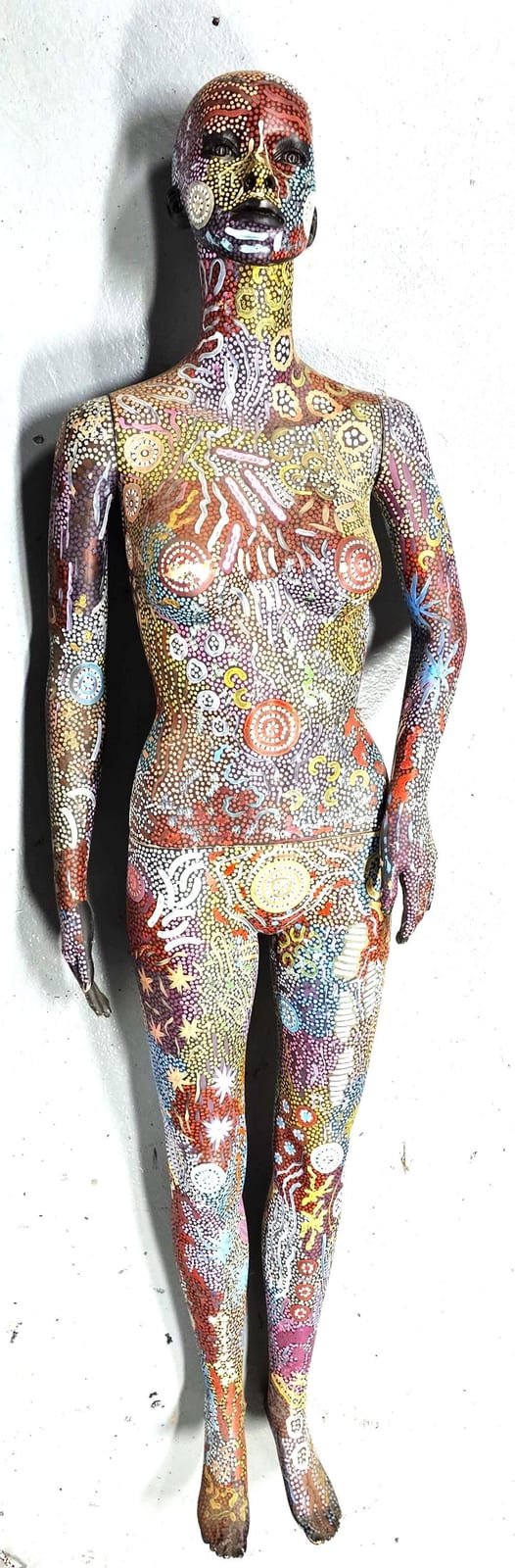
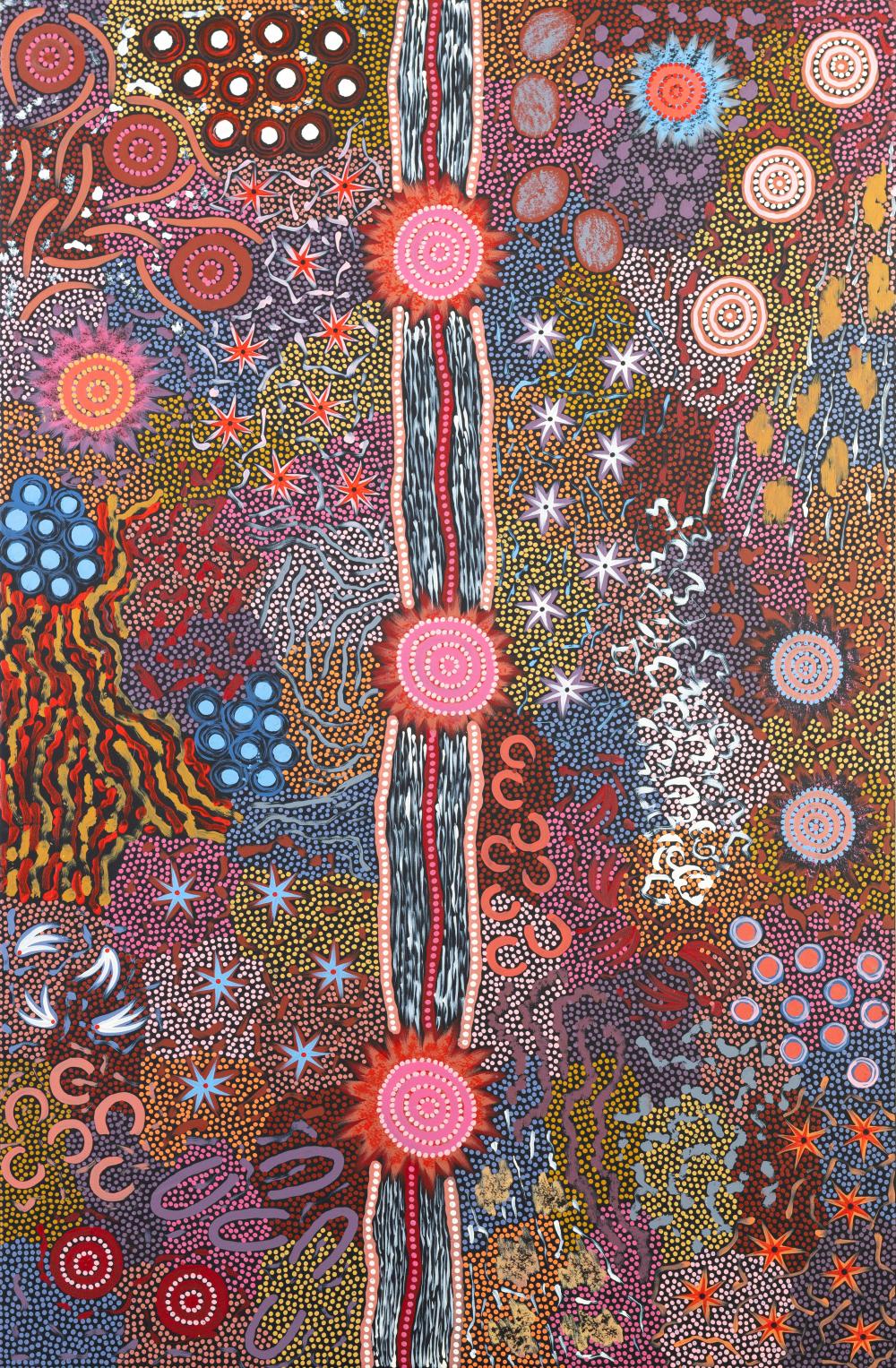
Michelle Possum Nungurrayi Original Large Painting: appraisal and value basics
Michelle Possum Nungurrayi Original Large Painting research should start with identification, condition, provenance, and item-specific market evidence. Use this guide to compare the signals that matter before paying for a formal appraisal or deciding whether to sell.
This article migrates a short WordPress “appraisal report” stub into a collector-ready guide for a large original painting attributed to Michelle Possum Nungurrayi. The focus is practical: confirm attribution indicators, understand value drivers, and prepare the right documentation for a sale, insurance, or estate.
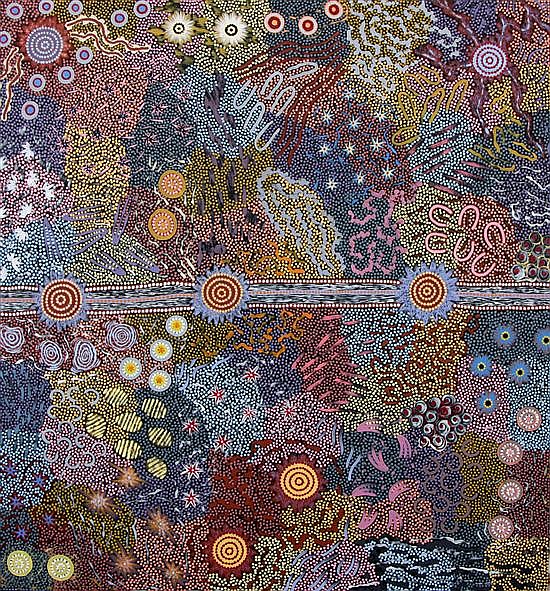
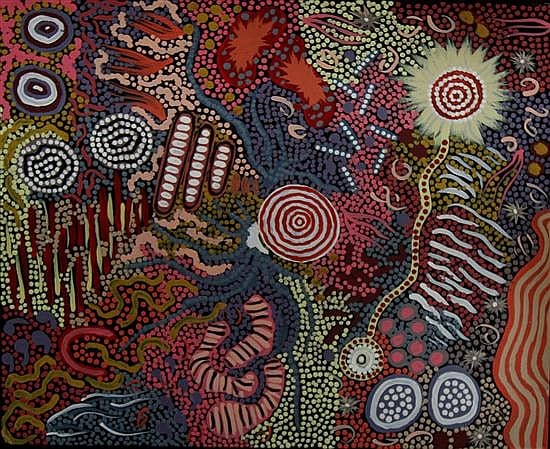
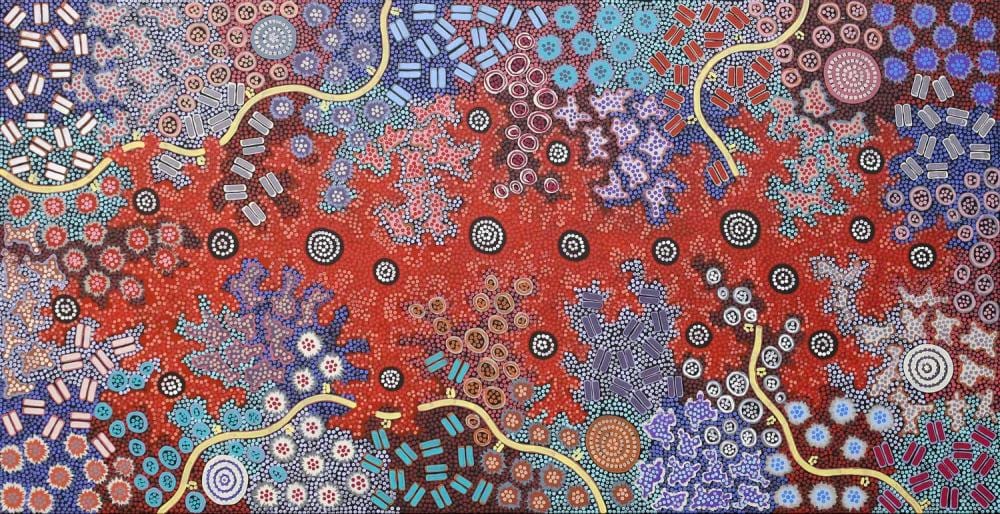
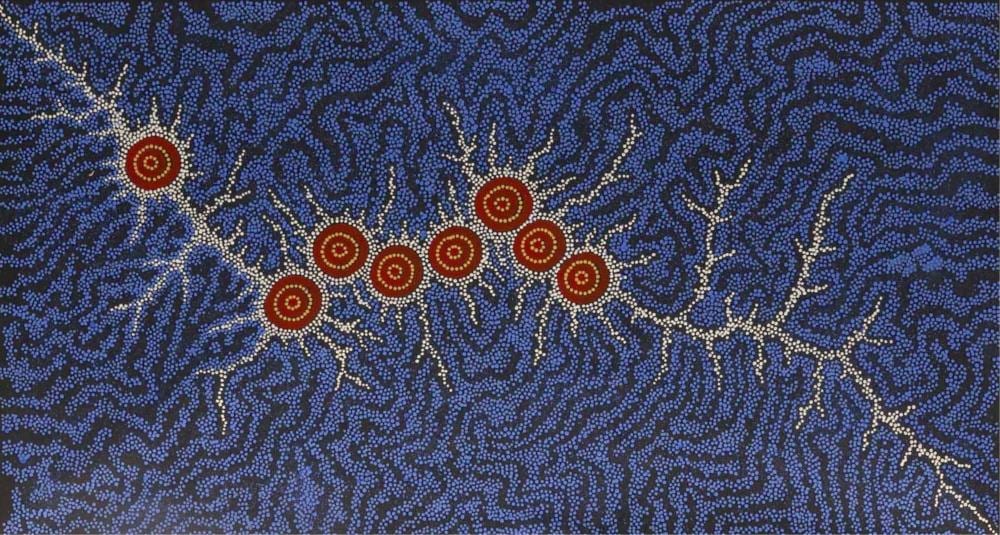
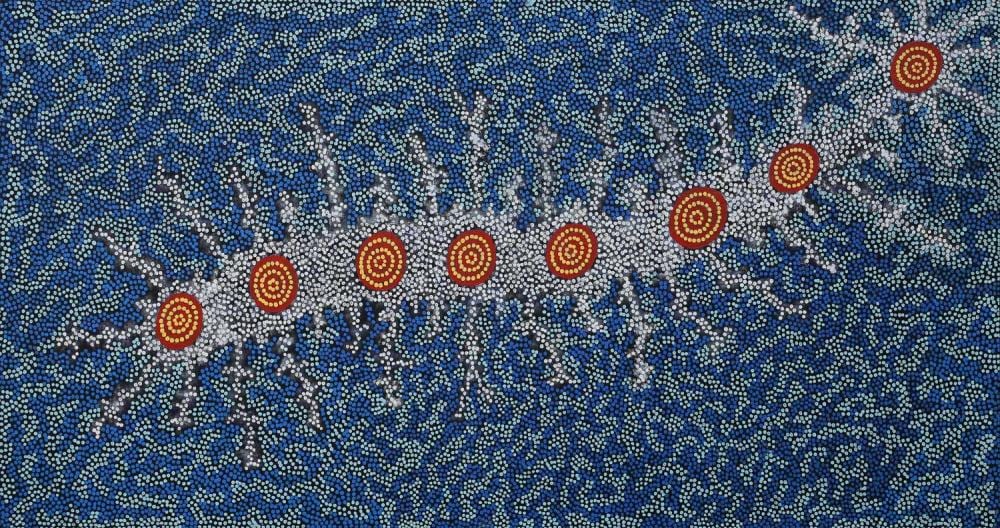
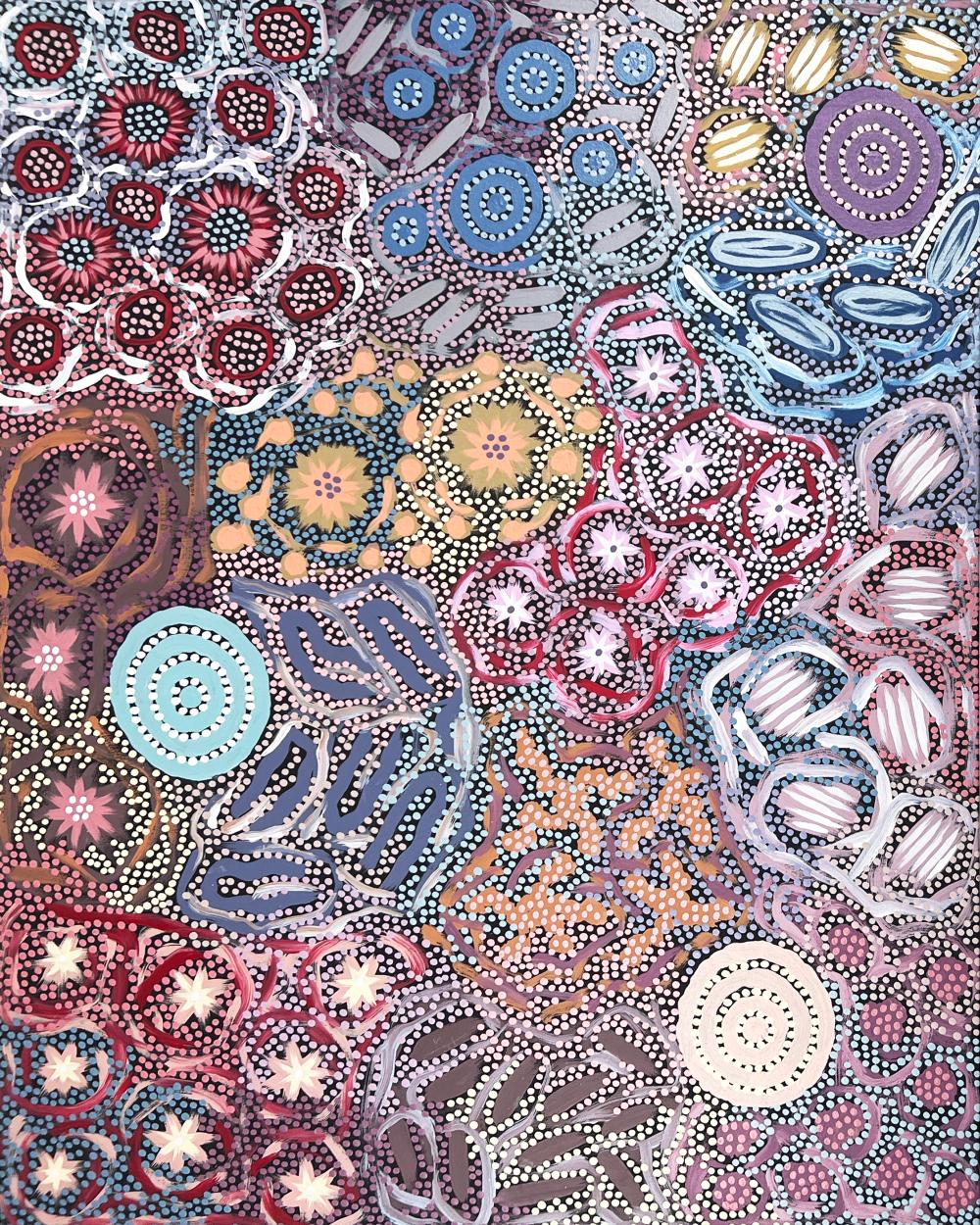
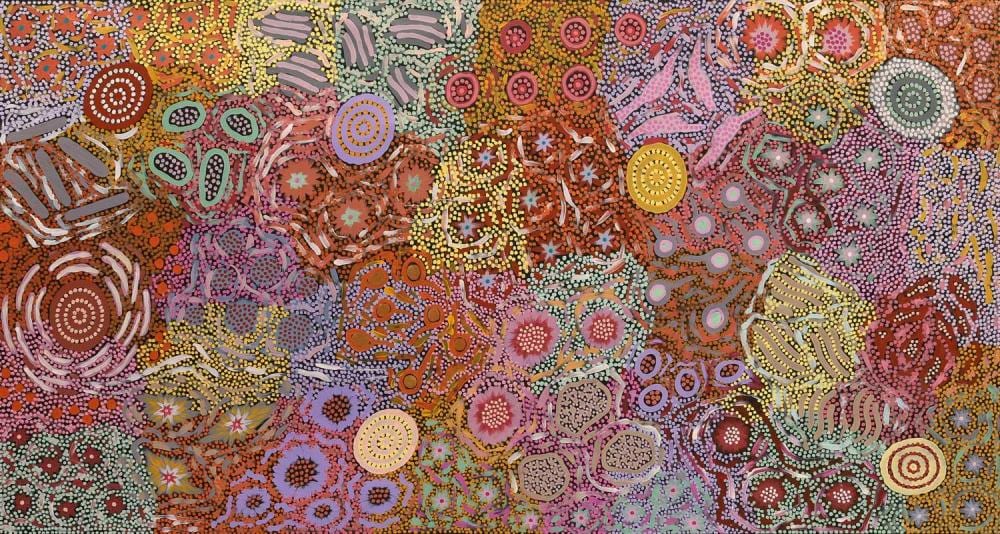
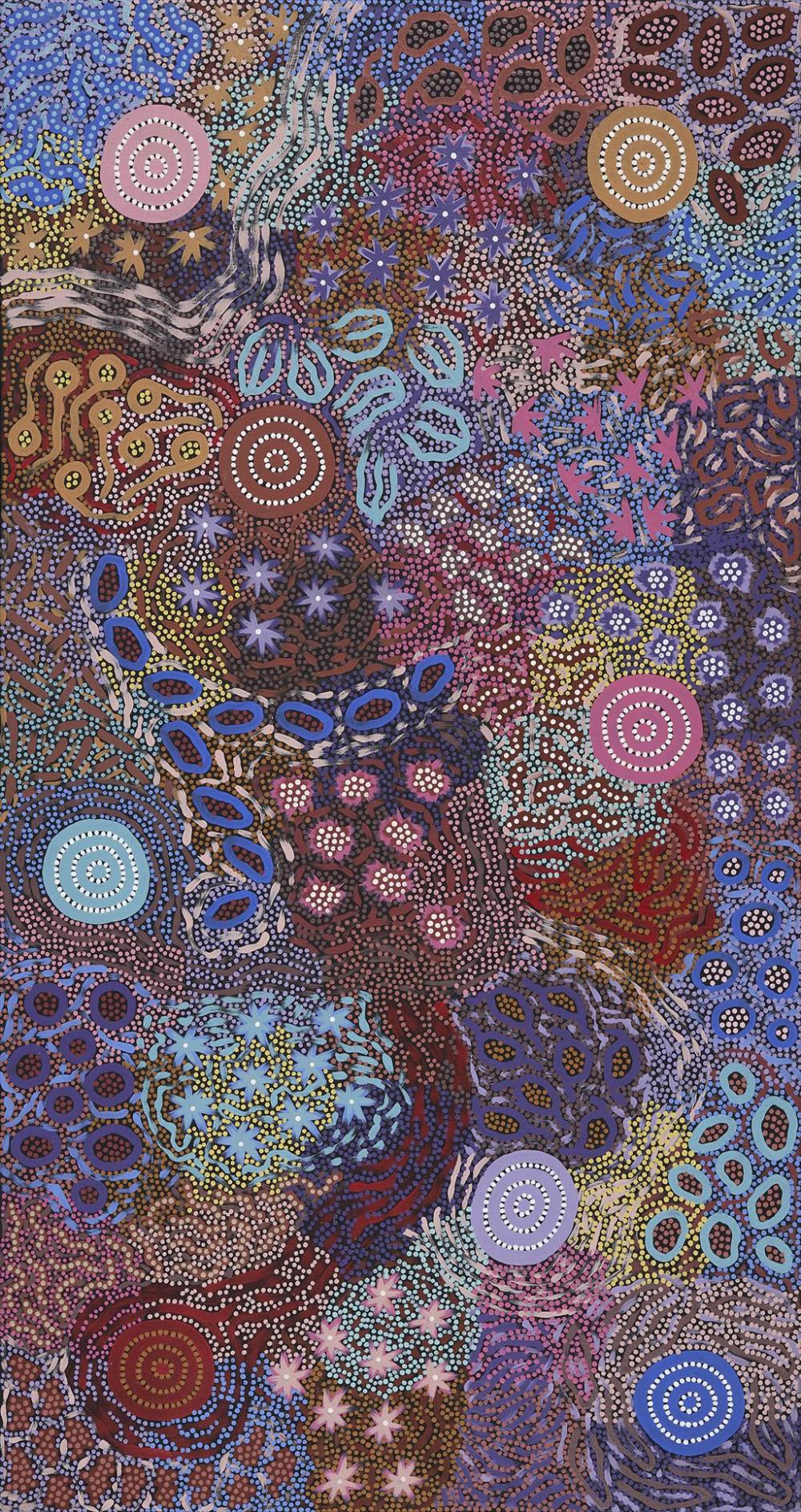
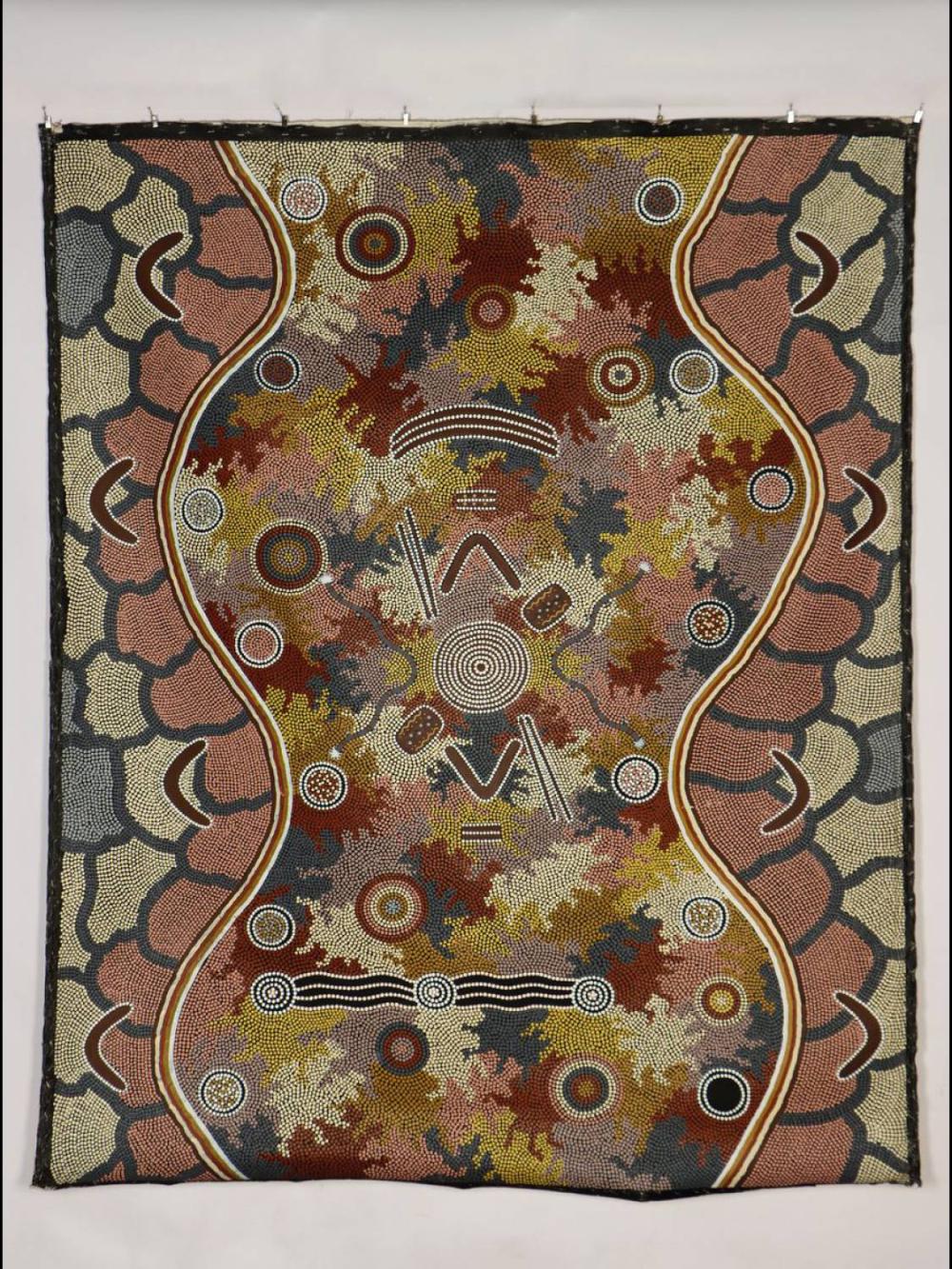
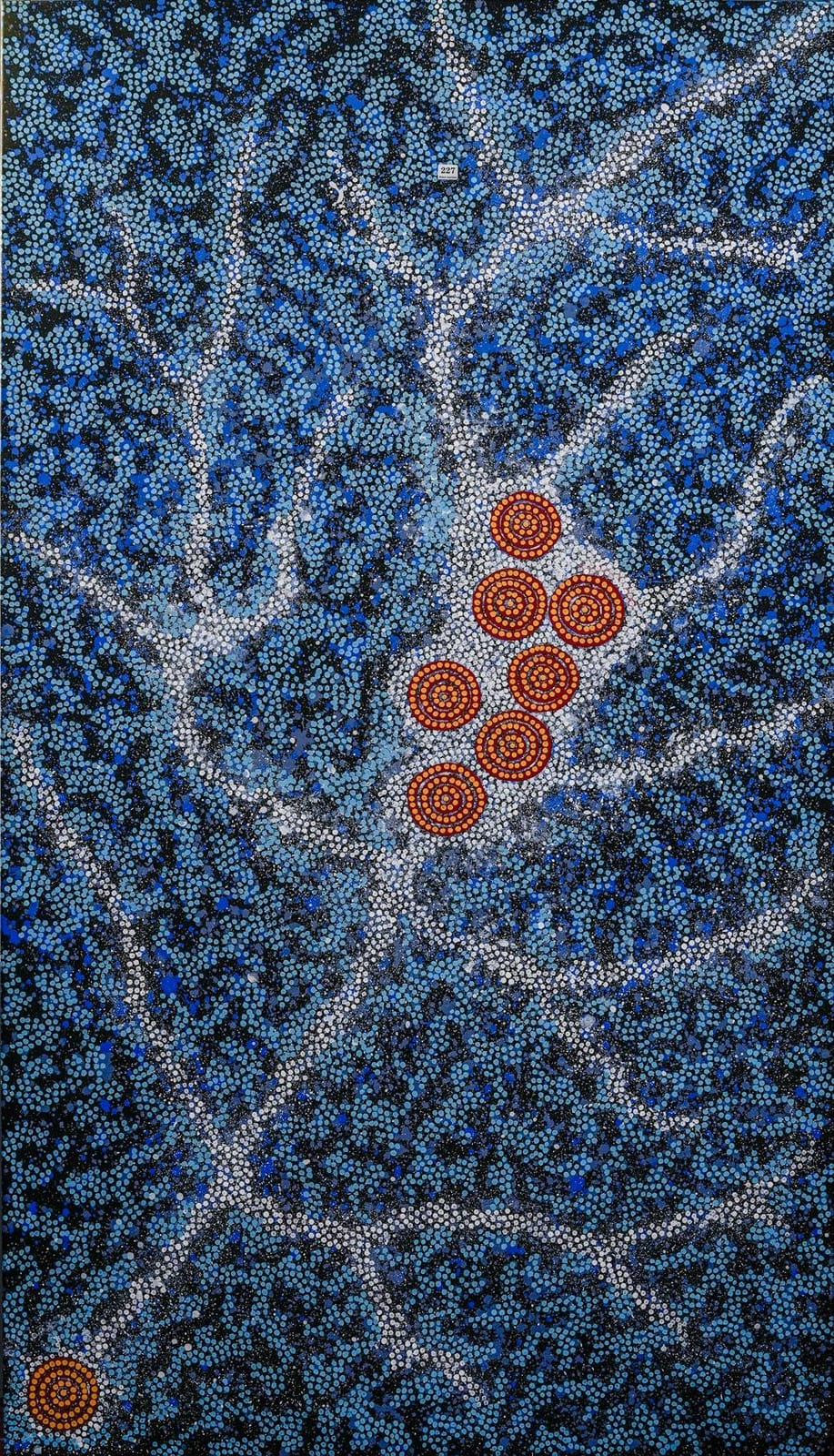
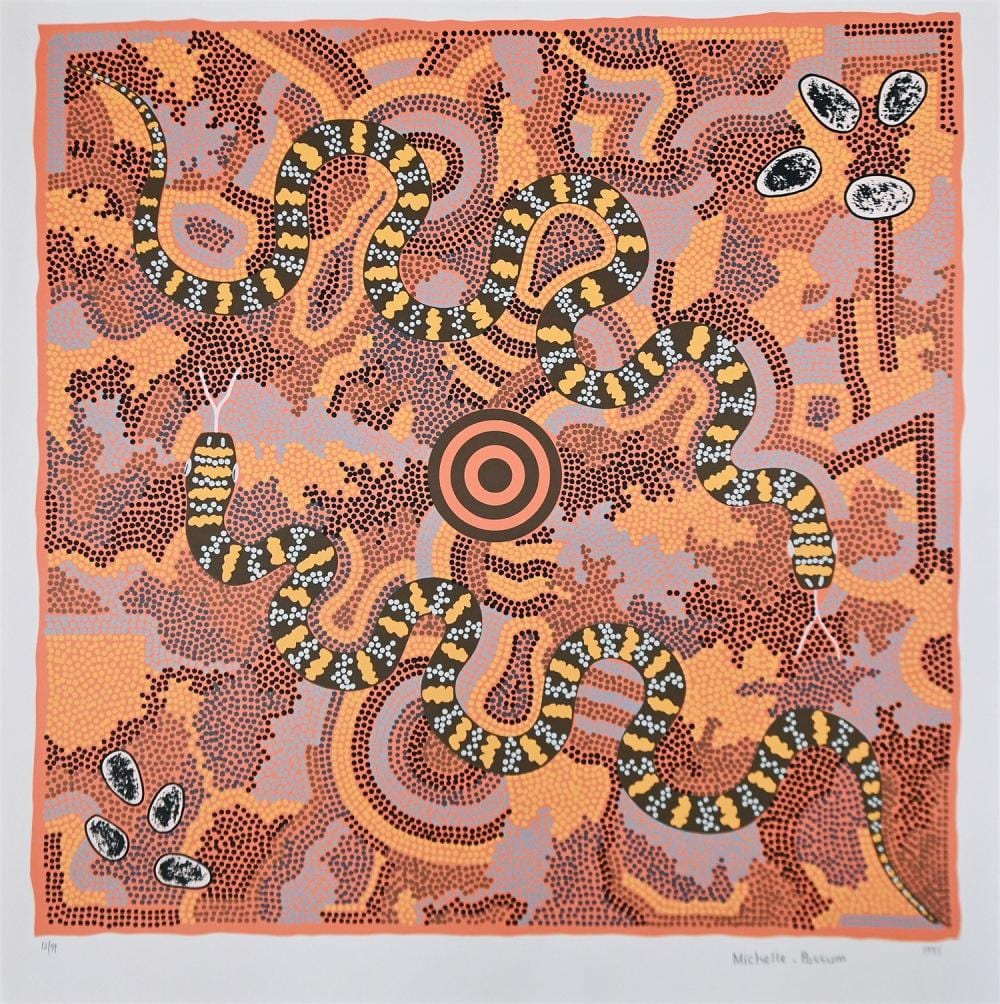
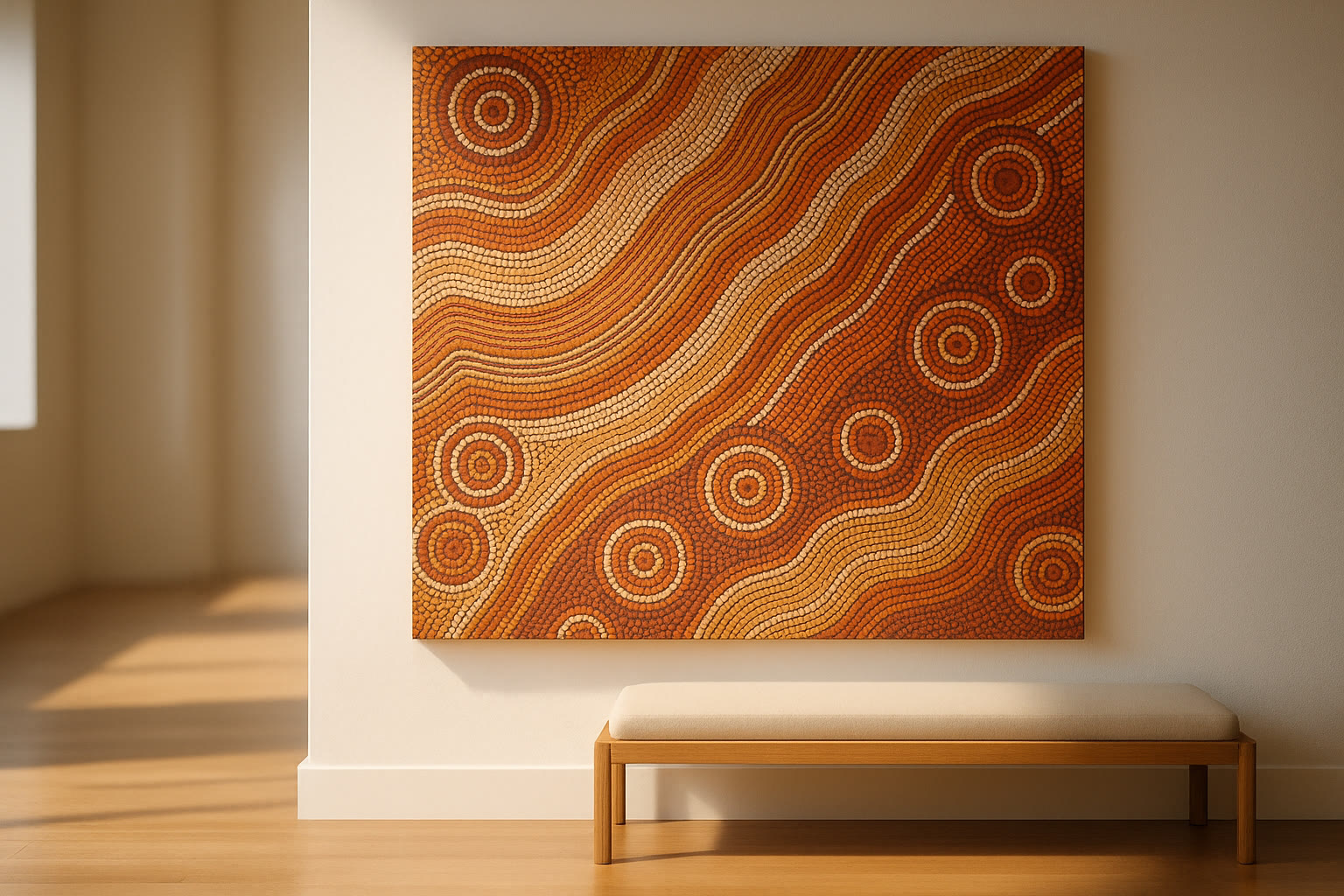
Note: this page does not reuse legacy WordPress media (resources.appraisily.com assets are unavailable from this VPS). All images shown here are newly generated and intended for educational context only.
Free instant estimate
Not sure if your painting is worth appraising? Let us take a look.
Upload a photo, tell us what you know, and get a free first read. If a full appraisal makes sense, we will say so.
Free. No card needed. Takes about two minutes.
How We Research Valuation Data
Our appraisal guides are based on auction results, dealer pricing data, and professional appraiser insights. We may earn a commission when you use our free professional appraisal service. Learn about our editorial standards.
Who is Michelle Possum Nungurrayi (collector context)
Michelle Possum Nungurrayi is commonly described in the market as a Central Desert / Utopia-region artist, with works often titled around Women’s Dreamings and Country narratives. For collectors, this context matters because Utopia-linked markets value three things highly: clear artist attribution, good documentation (labels, catalogue numbers, COAs), and evidence of a legitimate sales chain.
If your painting is being described as “Michelle Possum Nungurrayi” but has no signature, no COA, and no gallery / art centre trail, treat it as an attribution that still needs proving.
What counts as a “large” original painting?
“Large” isn’t a strict category, but for valuation it’s useful to define it. Collectors often start to treat works as “large format” once they pass roughly 120 cm on the long edge, or when they are around 150 × 100 cm and above.
- Medium: large originals are typically acrylic on canvas (sometimes linen). Prints can be large too, but pricing behaves differently.
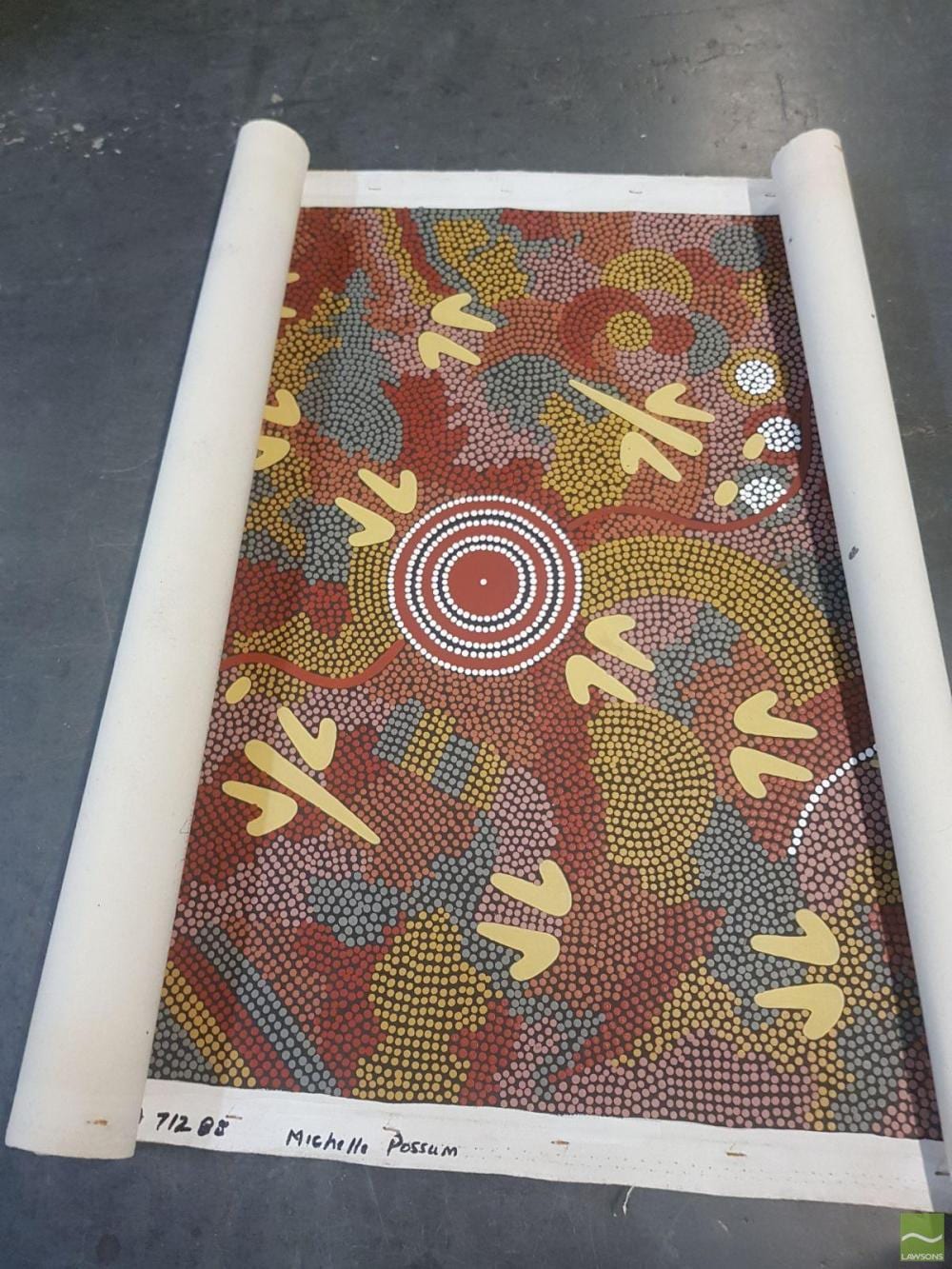
- Support: some works sell unstretched (rolled) with a holding photo; others are stretched and ready to hang.
- Documentation expectation: the larger and higher-ticket the work, the more buyers expect a paper trail.
Attribution review checklist (signature, COA, stamps)
For most contemporary Aboriginal canvases, the specialist review story lives on the back of the canvas. Before you clean, re-stretch, or reframe, photograph the verso carefully.
- Signature and inscriptions: front, verso, or both. Note whether the signature sits under varnish (typical) or appears added later.
- Certificate of Originality (COA): best from an art centre or reputable gallery; be cautious with generic templates.
- Catalogue number / inventory code: often links the work to a dealer or art centre stock system.
- Holding photo: a photo of the artist holding the finished canvas can be supportive evidence.
- Materials + dimensions: note the exact cm size and whether the canvas is stretched/unstretched.
Condition notes that move price (especially for large canvas)
Large canvases are more vulnerable to handling damage. When buyers discount a price, it’s usually because repairs are hard to hide and expensive to reverse.
- Paint stability: flaking or lifting paint along rolled edges is a major value hit.
- Creases and stretcher dents: common if stored rolled or stacked; photograph raking-light shots.
- Water/smoke exposure: can dull acrylic and discolor the ground.
- Overpainting: if areas look newer or a different hand, document it and assume a discount.
What drives value for a Michelle Possum Nungurrayi “large original”
Two paintings can look similar at a glance and still sell in very different brackets. Use these drivers as a structured checklist for your own piece.
- Provenance quality: art centre / reputable gallery documentation is the biggest de-risker.
- Size and presence: large format often brings a premium if the work is cleanly documented and display-ready.
- Composition and palette: buyers respond to clarity of iconography and strong “read” from across a room.
- Date and period: documentation helps tie a work to a timeline and series.
- Condition: stable paint + clean storage history can be the difference between “sellable now” and “needs conservation.”
- Sales channel: specialist Indigenous art channels typically outperform general marketplaces.
Value range: what a defensible estimate looks like
The legacy WP post behind this migration cited a private-appraisal range of roughly US a value that must be established from current, topic-matched sales for an unusually large, documentd painting with a COA. Treat that as a scenario-based example: the key is not the number itself, but the conditions required to support it (large format + clear attribution + documentation).
If your painting lacks paperwork, has uncertain attribution, or shows condition problems, the market typically prices it much more conservatively until those risks are resolved.
Auction benchmarks (context market evidence from the Appraisily auction dataset)
We use comparable-sale records as “anchors” for market behavior: documentation, size, and artist demand are visible in how bidders respond. Michelle Possum Nungurrayi results can be sparse in general datasets, so the examples below are market context market evidence from adjacent Central Desert / Utopia-linked artists.
| Auction house | Date & lot | Hammer | Why it matters |
|---|---|---|---|
| Leonard Joel | Nov 21, 2023 · Lot 31 | AUD a value that must be established from current, topic-matched sales | Ena Gimme Nungurrayi (1991); documented work and strong catalogue narrative supported demand. |
| Cooee Art | Nov 8, 2023 · Lot 23 | AUD a value that must be established from current, topic-matched sales | Gloria Petyarre (“Bush Medicine”, 2000); mid-market example showing how COA + known artist can keep liquidity. |
| Cooee Art | Nov 8, 2023 · Lot 29 | AUD a value that must be established from current, topic-matched sales | Emily Kame Kngwarreye (“Earth's Creation II”, 1995); trophy benchmark and a reminder of top-end ceilings. |
Practical takeaway: if your Michelle Possum Nungurrayi painting is large and well documented, you can argue a size premium. If the paper trail is thin, strengthen attribution and provenance before you optimize price.
How to sell a large Aboriginal painting (and when to pause)
Prioritize channels that can carry documentation and explain the work to buyers.
- Specialist Indigenous art auctions or galleries: best for documented works and larger canvases.
- Online marketplaces: only recommended if you can show paperwork and provide strong photos; otherwise expect discounts.
- Direct private sale: strongest when supported by a written appraisal and high-resolution condition documentation.
Pause and get expert input if the story or iconography seems restricted, if a seller can’t explain provenance, or if paperwork looks templated or inconsistent.
Care and insurance basics (large acrylic on canvas)
Keep large canvases away from direct sun, moisture, and heating vents. Avoid rolling if paint is brittle; if a work must be rolled, use a wide-diameter tube and interleave with archival materials.
For insurance, keep a single folder containing: front/back photos, close-ups of signature/labels, measured dimensions, and any COA/receipt. Those documents make claims (and resale) much easier.
Search variations collectors ask
Readers commonly search for these question-style variations while researching Michelle Possum Nungurrayi paintings:
- how to document originality a Michelle Possum Nungurrayi painting
- what does a COA mean for Aboriginal acrylic on canvas
- is a 150 x 100 cm Aboriginal painting considered large
- where is the signature on Michelle Possum Nungurrayi artworks
- how to price a large Aboriginal dot painting for sale
- can you sell Aboriginal art without a certificate or opinion
- best auction houses for Australian Indigenous paintings
- how to insure a large acrylic on canvas Aboriginal artwork
Each question is addressed above (specialist review, documentation, condition, value drivers, and selling channels).
References
- Indigenous Art Code (Australia): ethical trading guidance
- AIATSIS: Indigenous cultural and intellectual property overview
- National Gallery of Australia: Aboriginal and Torres Strait Islander art
- Example gallery listing (for style reference): Kate Owen Gallery
Wrap-up
For a large Michelle Possum Nungurrayi painting, a defensible value estimate comes from the same fundamentals: confirm it’s an original acrylic on canvas, document signature + COA + provenance, note condition clearly, and choose a sales channel that can present that evidence. If anything in the paperwork feels thin, resolve that first—buyers will discount uncertainty harder than almost anything else.