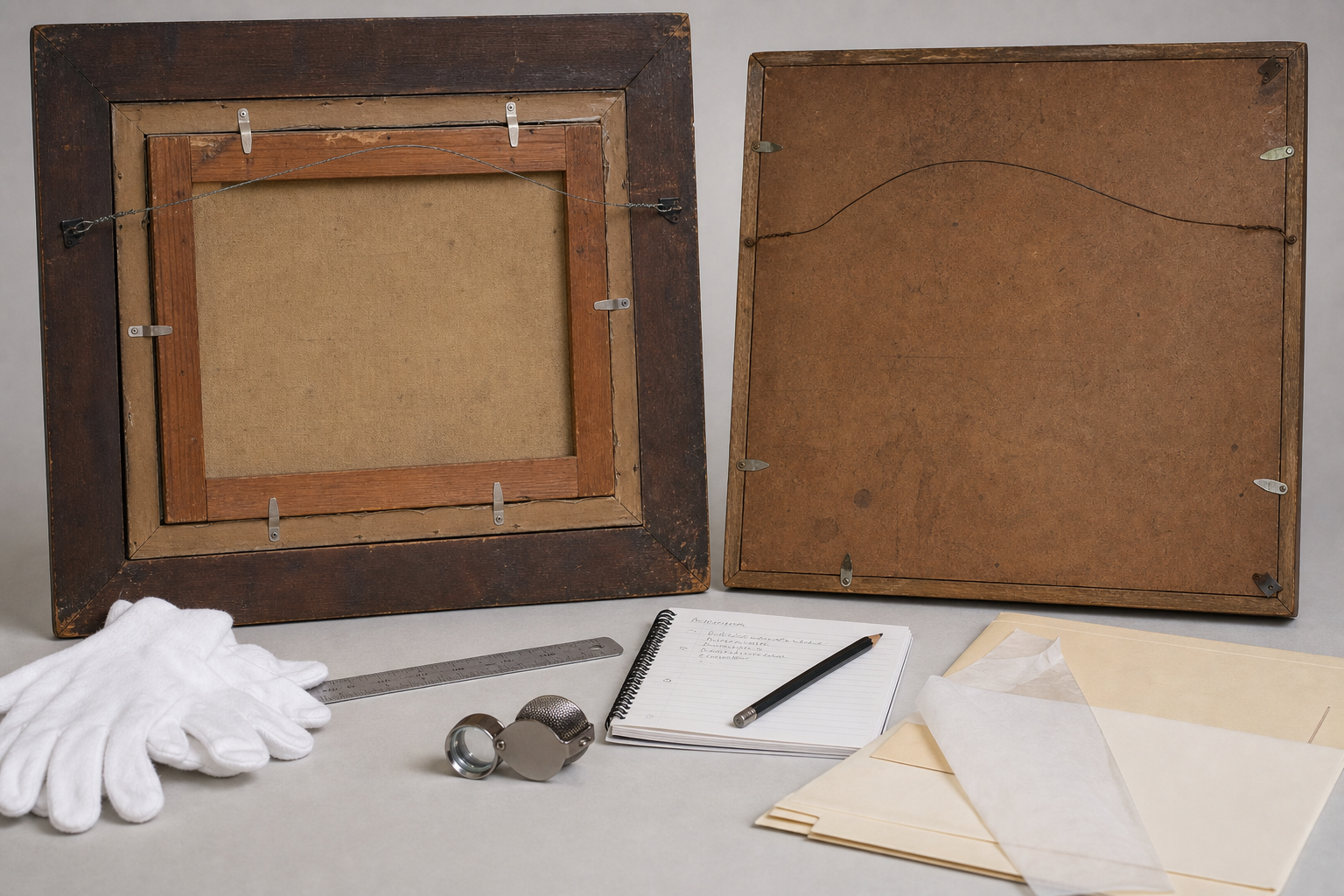
Note: We couldn’t find relevant auction comps in our database for this topic right now. If you’re valuing a specific item, try searching by maker/model/material and we’ll expand coverage over time.
What similar items actually sold for
To help ground this guide in real market activity, here are recent example auction comps from Appraisily’s internal database. These matched sales are market context only, not an object estimate or identification, and they do not guarantee a price for your specific a pair of original paintings circa mid 20th.
Shown USD range: USD 250-USD 5,500. Median of these 4 USD examples: USD 525.
| Comparable | What sold | Auction house | Date | Lot | Source-reported amount |
|---|---|---|---|---|---|
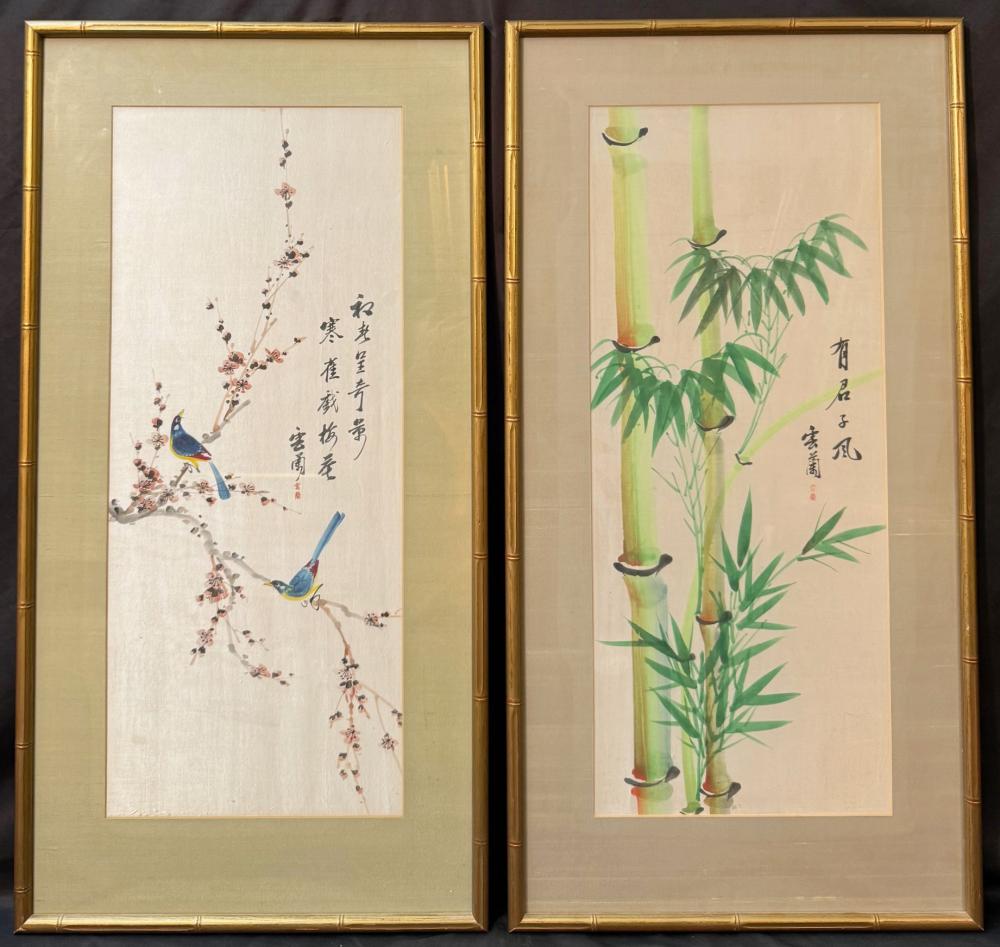 |
PAIR OF ORIGINAL JAPANESE WATERCOLOR AND INK SILK PAINTINGS BY UNRAN (20th CENTURY), 19IN x 37IN (48cm x 95cm)Source blocked; provenance matched | The Rug Life Auctions | 2025-12-10 | 200 | USD 250 (buyer’s-premium treatment unknown) |
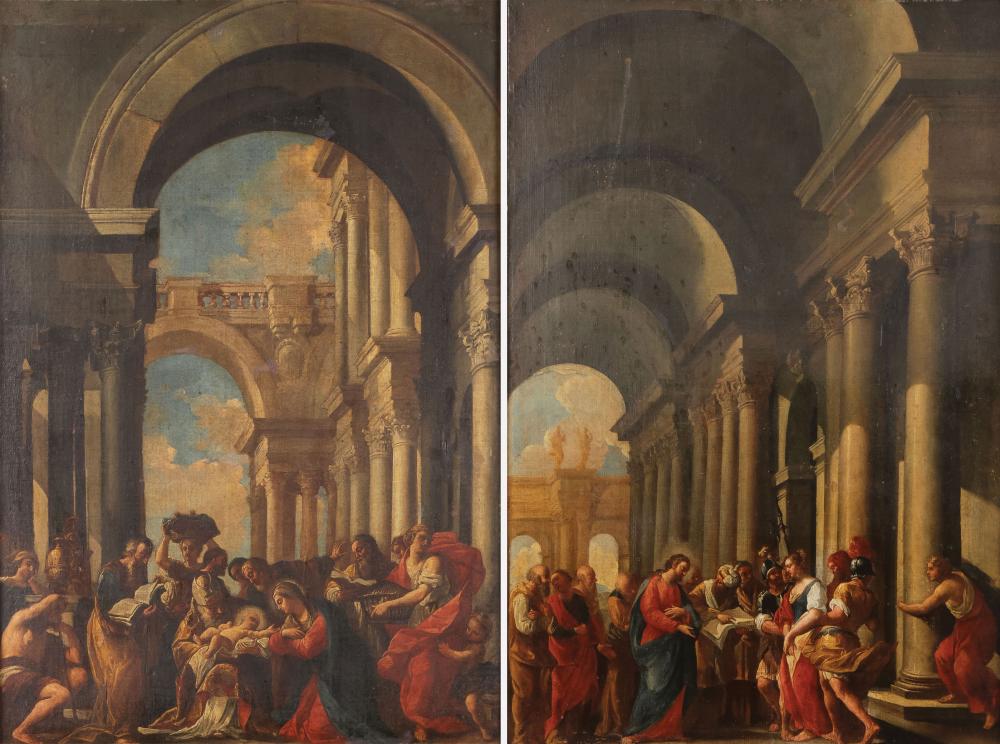 |
PAIR OF 18TH CENTURY ITALIAN OLD MASTER PAINTINGSSource blocked; provenance matched | Jackson's International | 2025-12-03 | 651 | USD 5,500 (buyer’s-premium treatment unknown) |
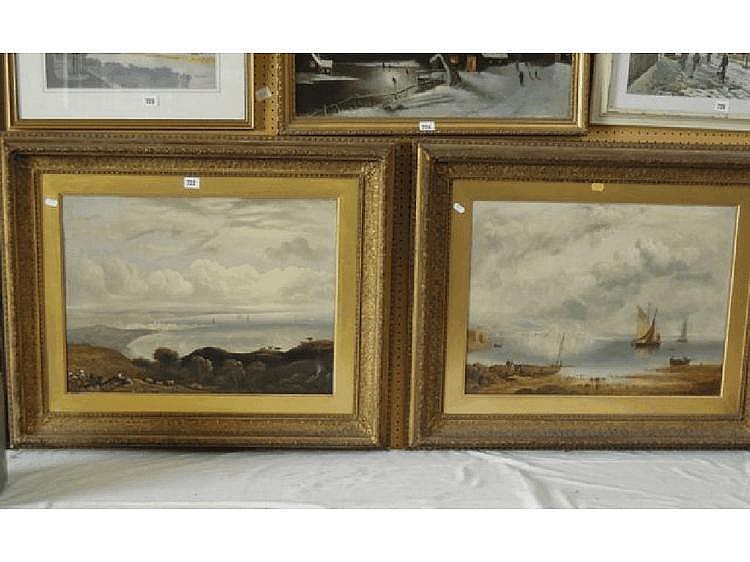 |
An interesting pair of 19th century oil paintingsSource blocked; provenance matched | Wotton Auction Rooms Ltd | 2012-06-12 | 722 | GBP 800 (buyer’s-premium treatment unknown) |
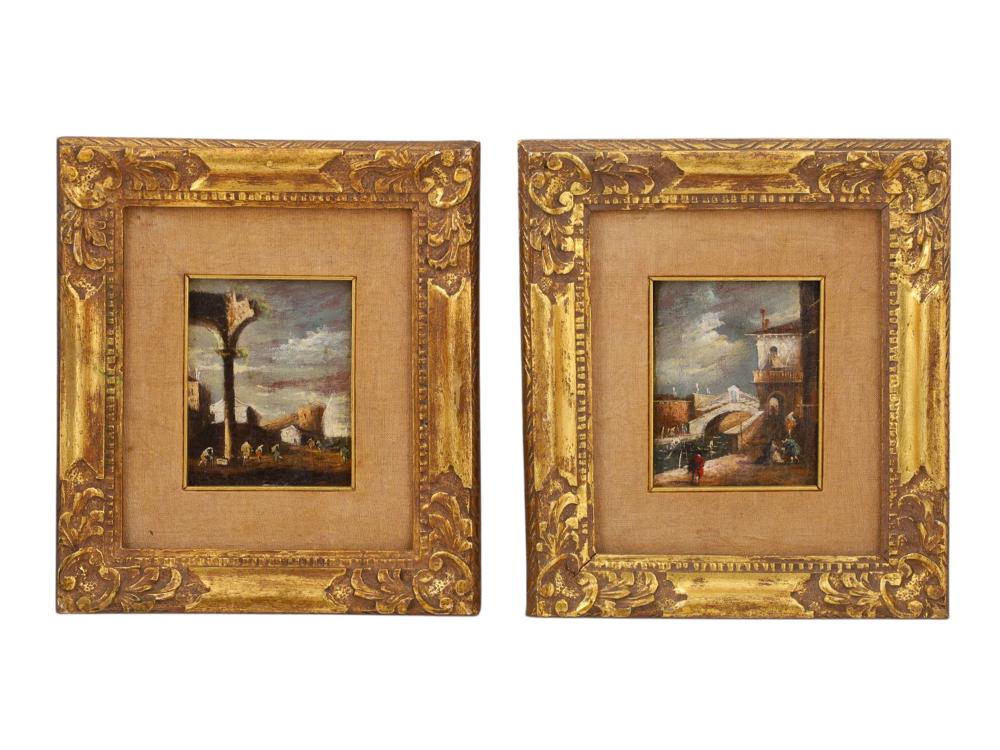 |
A PAIR OF 18TH CEN. ITALIAN VENETIAN SCHOOL OIL ON CANVAS MINIATURE PAINTINGSSource blocked; provenance matched | Helios Auctions | 2025-10-26 | 87 | USD 550 (buyer’s-premium treatment unknown) |
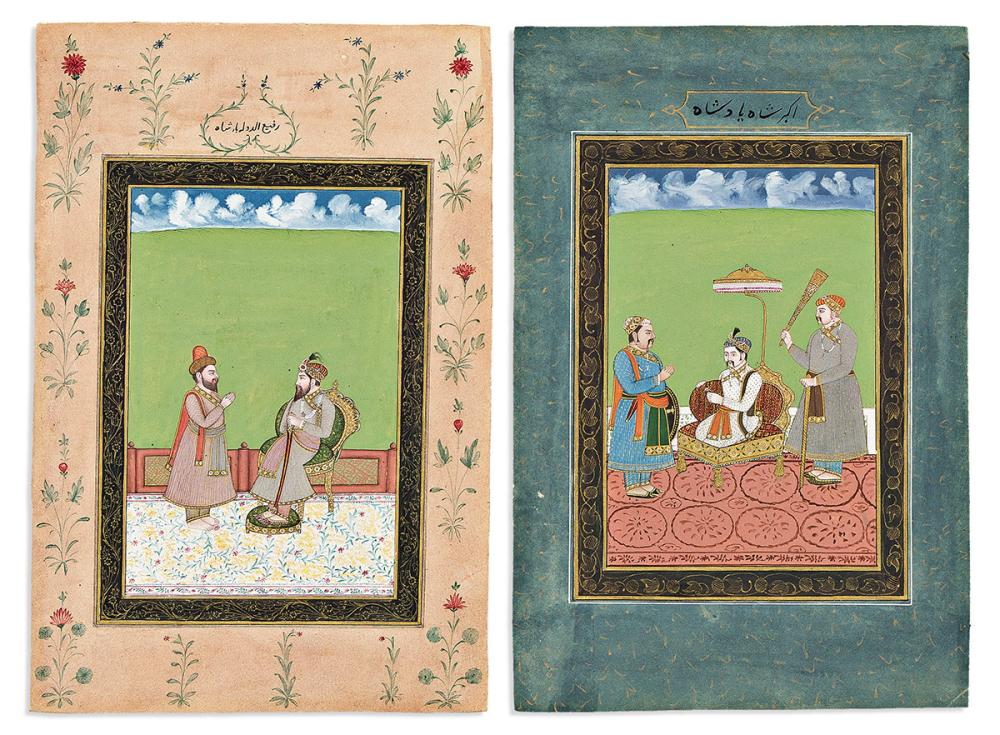 |
(MUGHAL MINIATURES.) Fine pair of Indian miniature paintings.Source blocked; provenance matched | Swann Auction Galleries | 2024-12-10 | 263 | USD 500 (buyer’s-premium treatment unknown) |
How these auction records were verified
Each row retains its exact source URL, lot identity, retrieval time, access result, and immutable record hash. Live source access was blocked; the exact record matched Appraisily's immutable pipeline provenance. Inspect the public comparable provenance record.
Disclosure: prices are shown as reported by auction houses and are provided for appraisal context. Learn more in our editorial policy.
Free instant estimate
Not sure if your painting is worth appraising? Let us take a look.
Upload a photo, tell us what you know, and get a free first read. If a full appraisal makes sense, we will say so.
Free. No card needed. Takes about two minutes.
A Pair Of Original Paintings Circa Mid 20th Century Aboriginal Art
Appraising a pair of mid-20th-century “Aboriginal” paintings can be rewarding—and challenging—because the term spans distinct traditions, materials, and markets. This guide helps you determine what you have, how to authenticate it, what condition factors matter, and how pairs are evaluated in today’s market. It also highlights common mislabeling pitfalls, since “Afrian” in the title likely meant “African,” while “Aboriginal art” typically refers to Indigenous Australian work.
Mid-20th-Century Aboriginal Art: Context and Terminology
Aboriginal art usually refers to art made by Indigenous Australian artists. By the mid-20th century (roughly 1935–1965), two saleable painting traditions predominated:
- Bark paintings from northern Australia (Arnhem Land, Yirrkala, Milingimbi, Groote Eylandt).
- Watercolours from Central Australia associated with the Hermannsburg School, pioneered by Albert Namatjira and relatives/associates.
Note on terminology and mislabeling:
- “Aboriginal” is not commonly used to describe African art. If your paintings are African, you may be dealing with mid-century modern or folk traditions (e.g., later Tingatinga in Tanzania, post-1968), not Aboriginal Australia. Clues like subject matter, materials, and signatures can help clarify.
- “Afrian” is likely a typographical error for “African.” Because the visual, material, and market profiles differ profoundly, correct regional attribution is vital before valuation.
Dating considerations:
- The “dot painting” movement is largely post-1971 (Papunya Tula). A dot-heavy acrylic work is unlikely to be genuinely mid-20th century unless it’s an early 1970s board—which is strictly speaking early 1970s, not mid-century.
- Bark paintings and Hermannsburg watercolours both have robust mid-century timelines and are frequently encountered in pairs assembled for tourist or missionary markets.
Two Likely Types for a Mid-Century Pair
- Northern Australian Bark Paintings (Ochre on Eucalyptus Bark)
- Support and construction:
- Traditionally made on sheets of flattened stringybark (Eucalyptus tetrodonta and E. miniata are common).
- Backs or edges may be reinforced with thin wooden battens tied with plant fiber or later with wire or staples.
- Pigments and binders:
- Natural ochres: red (hematite), yellow (goethite), white (kaolin), and black (charcoal or manganese). Binders include plant resins and naturally occurring gums; PVA or acrylic binders appear more often from the 1960s onward.
- Iconography:
- X-ray figures (internal organs and skeletons), ancestral beings, totemic animals (fish, kangaroo, turtle), and clan designs with rarrk (fine cross-hatching).
- Distinct local styles: e.g., fine rarrk in Arnhem Land, dotted infill on Groote Eylandt barks of the 1950s.
- Artists and centres:
- Yirrkala and Milingimbi artists include members of the Marika family, Munggurrawuy Yunupingu, and David Malangi, among others. Works often entered collections through mission stores and anthropological fieldwork.
Why they appear as pairs:
- Tourist and mission shops commonly sold them in complementary pairs—matching sizes and related subject matter—especially during the 1940s–60s. A matched pair often indicates original retail context.
- Hermannsburg School Watercolours (Central Australia)
- Support and technique:
- Watercolour on paper, typically standard drawing sizes, with light pencil inscriptions or titles such as “Mt Sonder” or “Ghost Gums.”
- Subject matter:
- Luminous desert landscapes: purple-blue ranges, ghost gums, dry riverbeds, and big skies—stylistically consistent but with individual hands discernible in brushwork and palette.
- Artists:
- Albert Namatjira is the pivotal name; also Enos and Oscar Namatjira, Otto and Edwin Pareroultja, Walter Ebatarinja, Clifford Inkamala, and others.
- Dating cues:
- Mid-century examples may show period paper stocks, period mounts, or old mission/gallery labels. Pencil titles, careful signature placement, and certain paper watermarks can be supportive, though not alone determinative.
Why they appear as pairs:
- Tourists commonly bought two complementary landscapes to hang side-by-side; dealers also framed and sold them as balanced sets.
If the Works Are Actually African
- If motifs are contemporary fauna arranged in bright enamel or gloss house-paints on board and stylistically naive, you might be looking at later mid-late 20th-century African popular painting traditions rather than mid-century Aboriginal Australian work.
- Substrate clues (canvas vs bark), language of signatures, and iconography (savannah fauna, village scenes) can quickly redirect research toward the correct region.
Authentication and Attribution: How Experts Decide
- Materials analysis
- Bark:
- Look for natural ochre granularity and matte surfaces. Under magnification, ochres appear earthy and non-plasticky; acrylics form smoother films and can fluoresce differently under UV.
- Traditional bush gum/resin binders often leave a slightly uneven sheen; later PVA can appear clearer and more uniform.
- Battens and attachments: hand-tied fiber indicates age and traditional techniques; modern wire staples suggest later handling or restoration.
- Watercolour:
- Paper quality, period watermarks, aged hinges, and browning around old mats suggest age. However, condition and framing history can obscure these cues.
- Pigment set: period watercolour palettes are consistent with artist practice; retouching with opaque whites or acrylics is a red flag.
- Stylistic and iconographic consistency
- Bark:
- Clan designs are not generic decoration; they are culturally specific. Experts cross-reference designs with documented artists/families and collection histories.
- Hermannsburg:
- Each artist’s brushwork and topographic preferences are distinctive. Comparative catalogues and stylistic handbooks are essential to specialists.
- Signatures, inscriptions, and labels
- Bark:
- Many mid-century barks were unsigned. Authenticity may rely on old mission tags, collector labels, or early exhibition notations on verso.
- Hermannsburg:
- Signatures vary but can be confidently matched to known hands. Pencil titling, mission store labels, and early dealer tags strengthen provenance.
- Provenance and documentation
- Photographs of the works in situ, contemporaneous purchase receipts, customs stamps, and early cataloguing all increase confidence.
- Collections associated with missionaries, anthropologists, or early dealers can yield secure attributions if records are intact.
- Forensic caution
- Chemical tests and UV examination can help, but interpretation belongs with conservation scientists and experienced appraisers.
- Beware “tourist copies” and later reproductions; authenticity hinges on total evidence: materials, style, provenance, and expert opinion.
- Identify the region and tradition:
- Bark on stringybark with ochres (Northern Australia) or watercolour on paper (Hermannsburg School)?
- Confirm mid-century dating:
- Materials and style consistent with 1935–1965? Beware dot-laden acrylics indicative of post-1971.
- Examine construction and materials:
- Bark battens, fiber ties, natural ochres; or period watercolour paper, pencil titling, period mounts.
- Review signatures and labels:
- Artist signatures; mission, dealer, or exhibition labels; verso notes; period framing shop stickers.
- Assess condition:
- Bark: warping, cracks, friable pigment. Watercolour: foxing, mat burn, tide lines. Avoid DIY cleaning.
- Gather provenance:
- Receipts, photos in the home, letters, customs marks. Record a chain of custody if possible.
- Compare stylistically:
- Cross-check motifs and brushwork with known artists or family styles; consider expert review.
- Evaluate the “pair”:
- Are the two works clearly matched by artist, size, palette, and subject? Or are they later assembled?
- Consider ethics and law:
- Cultural sensitivities; export permits for Australia; responsible sale practices.
- Get expert opinions:
- Combine a conservator’s condition report with a specialist appraiser’s attribution and valuation.
FAQ
Q1: How can I tell if my bark paintings are genuinely mid-20th century? A: Look for natural ochres on stringybark, traditional battens, and period wear. Mission labels or early collector tags help. Synthetic acrylic binders, stapled modern mounts, and glossy finishes can indicate later work or restoration; seek expert analysis to confirm.
Q2: My “Aboriginal” pair uses dot painting—are they mid-century? A: Probably not. Dot paintings in acrylic are predominantly post-1971. Mid-century Aboriginal works are more likely bark paintings with ochres or Hermannsburg watercolours. Early Papunya boards exist but are early 1970s and are rarely encountered as “pairs.”
Q3: Should I clean or flatten a warped bark painting? A: No. Do not attempt DIY cleaning or flattening. Ochres are fragile and the bark can crack. Consult a professional conservator experienced with Indigenous materials.
Q4: Does a matched pair double the value? A: A well-matched pair by the same artist and period can command a premium above two singles, especially with strong provenance. Assembled pairs without clear linkage may not see a significant premium.
Q5: Can I export these from Australia? A: Significant Indigenous cultural material may require an export permit under Australian law. Verify current requirements before shipping internationally and engage qualified experts to guide the process.
By focusing on correct regional attribution, material and stylistic analysis, and careful condition and provenance work, you can confidently evaluate a mid-20th-century pair. Whether bark from Arnhem Land or watercolours from Hermannsburg, the best outcomes combine specialist expertise with ethical stewardship.