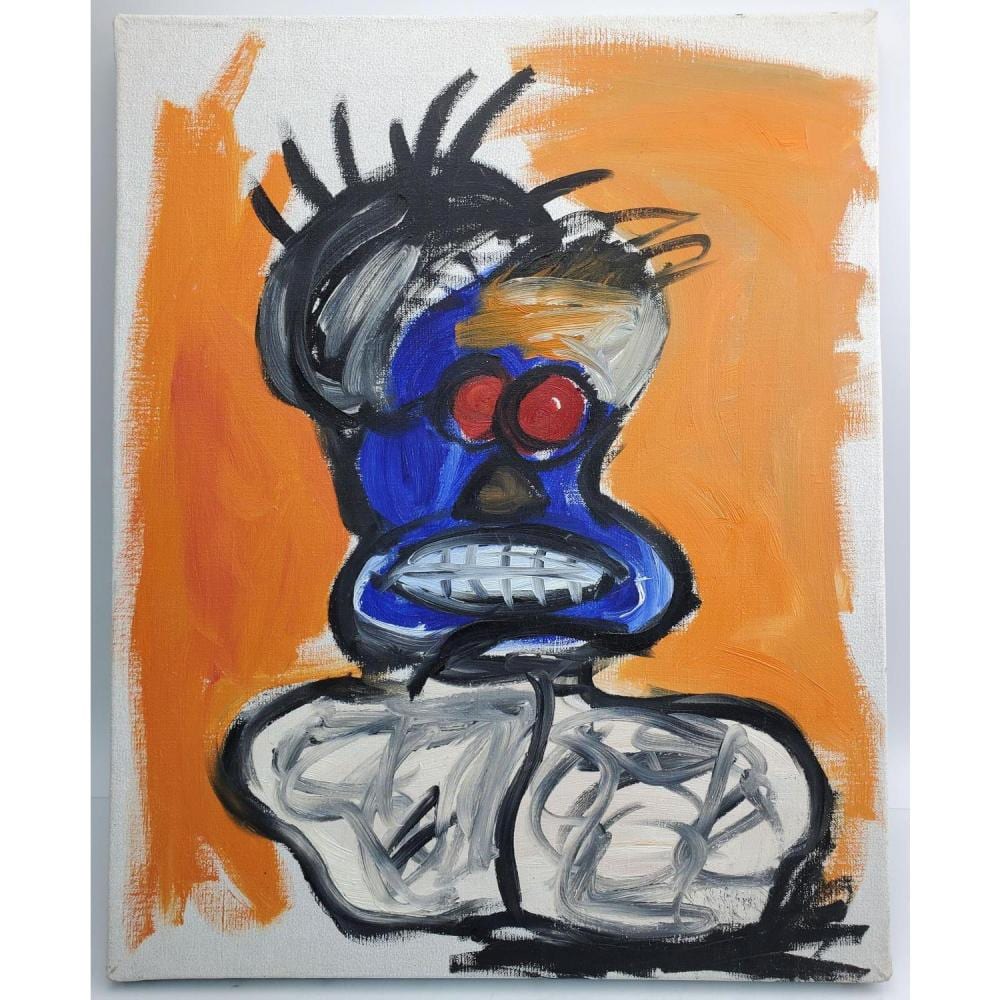
An Original Painting Attributed to Jean Dubuffet: appraisal and value basics
An Original Painting Attributed to Jean Dubuffet research should start with identification, condition, provenance, and item-specific market evidence. Use this guide to compare the signals that matter before paying for a formal appraisal or deciding whether to sell.
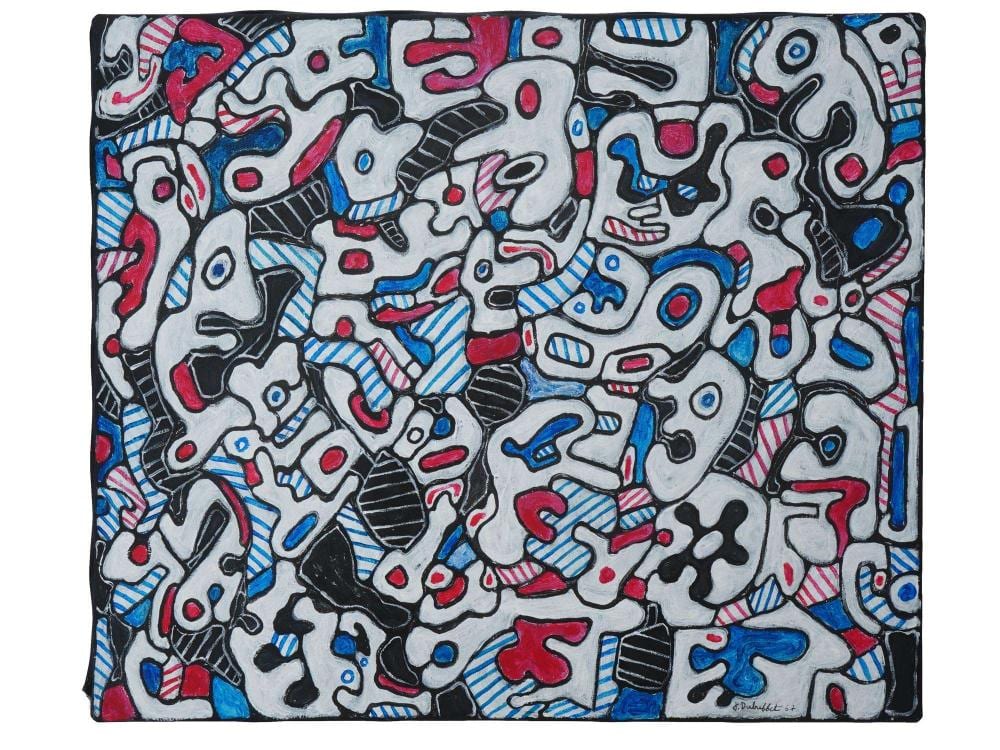
If you’ve inherited or purchased a painting that someone has labeled “Jean Dubuffet,” the word attributed matters. It signals that the work is not fully documented (yet), even if it carries a signature, a label, or a convincing look. Because Dubuffet’s market is strong and his visual language is widely imitated, the gap between “attributed to” and “by” can represent a major swing in value.
This migration replaces a legacy WordPress appraisal stub with a collector-first guide. Use it to (1) photograph the right evidence, (2) understand how attribution language works, and (3) estimate value using market evidence without over-claiming authorship.
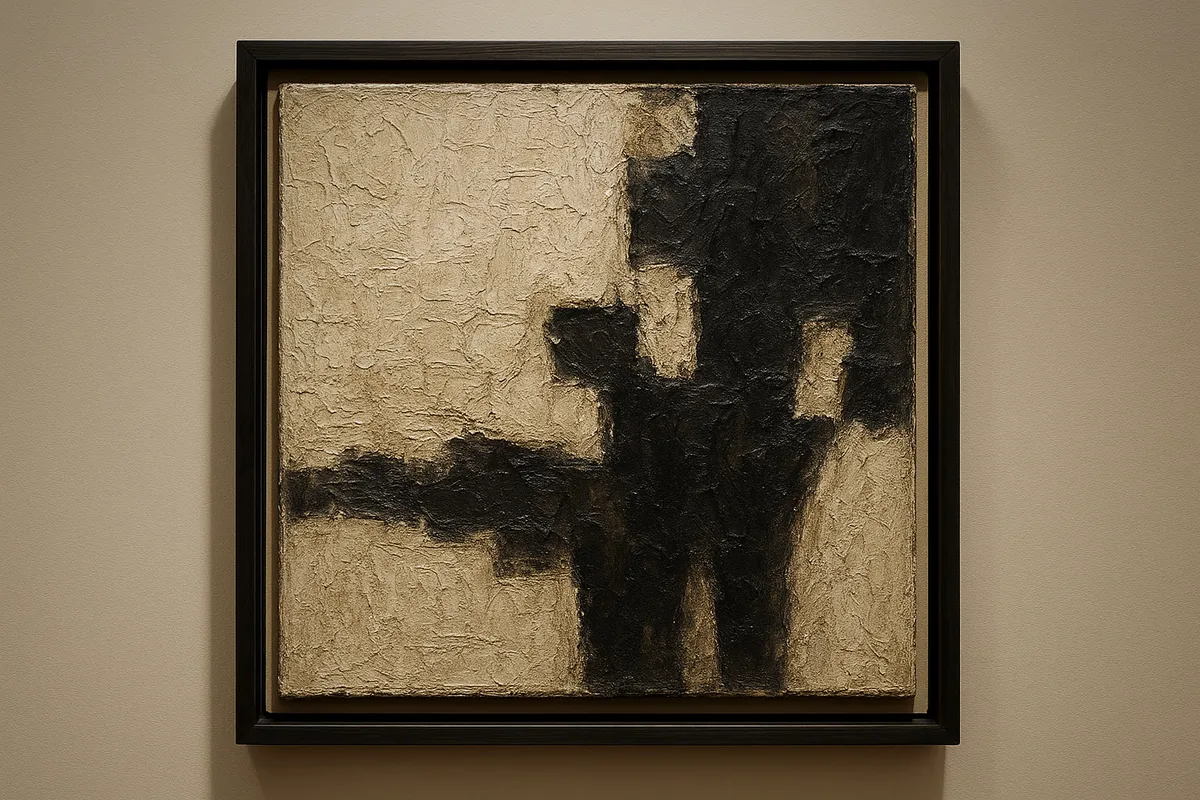
Get a specialist opinion
Want to verify and value this painting?
Share a few details and we’ll route you to the right art appraisal expert. You’ll receive a written, photo-backed valuation you can use for selling, insurance, estates, or donation.
Secure intake. Routed to the right specialist. Checkout only if you decide to proceed.
What “attributed to Jean Dubuffet” actually means
Auction houses and appraisers use attribution language as a spectrum. Before you think about numbers, clarify where the work sits, because value depends heavily on authorship certainty:
- By / Documented: a reliable authority supports authorship (documentation, expert opinion, or catalogue reference).
- Attributed to: evidence leans toward Dubuffet, but confirmation is incomplete, missing, or disputed.
- Studio / Follower / Circle: made by someone close to the artist or working in a similar context.
- After / In the manner of: later work inspired by the style (often decorative-market value).
Your goal is to raise confidence with documentation, materials analysis, and credible provenance—or to identify red flags early so you don’t spend money chasing a false lead.
Start with documentation: the photo set appraisers need
Before cleaning, reframing, or “touching up” anything, capture a complete photo dossier. It’s the fastest way to reduce uncertainty and the easiest way to preserve evidence.
- Full front (straight-on), plus raking-light shots to show texture and repairs.
- Signature and any inscriptions (close and mid-distance, with sharp focus).
- Full verso (back of canvas/panel), including stretcher corners and hardware.
- Any labels, stamps, handwritten notes, gallery invoices, or export marks.
- Frame details (front profile + back), especially if it appears period-correct.
- Exact measurements (image size and framed size), and medium notes (oil/acrylic/mixed media).
Pro tip: include a ruler or tape measure in at least one photo for scale and trustworthiness.
Quick triage: common red flags for “big-name” attributions
Collectors often focus on the front of the painting, but many attribution problems show up in the details. These red flags don’t prove the work isn’t by the artist, but they do justify caution:
- Signature looks too fresh: ink/marker sitting on top of varnish, or paint signature with different cracking and gloss than surrounding areas.
- Back tells a different story: very new stretcher hardware, suspicious “antiqued” labels, or mismatched aging between front and verso.
- Inconsistent technique: one area looks confident while other passages feel copied, hesitant, or mechanically repetitive.
- Vague provenance: “came from a famous estate” without names, dates, receipts, or a verifiable chain of custody.
If you see multiple red flags, it’s usually smarter to pause and document thoroughly rather than spend on restoration or aggressive cleaning.
Attribution review workflow (from fastest to most rigorous)
- Triage the basics: confirm dimensions, medium, and support; check whether the signature medium integrates with the paint/varnish layer; verify any labels.
- Build provenance: even a partial ownership chain can be valuable if supported by invoices, correspondence, or exhibition references.
- Compare to reliable references: compare signature characteristics and inscription style to documented examples (avoid relying on low-quality marketplace photos).
- Condition + conservation review: a conservator can identify overpaint, later varnishes, or structural interventions that affect both originality reading and value.
- Scientific testing (when warranted): pigment/binder or support analysis can help identify anachronisms and later additions. Testing is most useful when the upside justifies the cost.
Condition factors that move value (and common pitfalls)
Condition is not just “good” or “bad.” Buyers and specialists look for specific issues that change desirability and risk:
- Surface stability: active flaking, cleavage, or powdering paint is a serious concern.
- Structural issues: tears, punctures, warped panels, weak stretcher corners, or aggressive relining.
- Restoration footprint: overpaint, heavy varnish, and broad inpainting can lower confidence and value unless well documented.
- Cleaning risk: “DIY cleaning” (solvents, abrasives) can permanently alter surfaces and instantly reduce marketability.
If condition is uncertain, a conservator’s report can be a crucial supporting document in a higher-value consignment or insurance appraisal.
Market anchors: recent public market evidence connected to Jean Dubuffet
For a painting attributed to Dubuffet, market evidence do two jobs: they show what buyers pay for verified works associated with the artist, and they help you calibrate expectations when authorship certainty is lower. Below are three recent public results that can serve as market reference points (note: these are not necessarily oil paintings; medium differences matter).
How to use these market evidence responsibly: treat them as market signals, not one-to-one matches. Adjust for (1) confirmed authorship vs attribution, (2) medium (painting vs print/relief), (3) size and subject, (4) condition and provenance, and (5) venue (major auction vs regional sale).
Building a defensible value range for an attributed painting
A credible appraisal explains why the number is what it is. For attributed works, professionals often model value as scenarios:
- Scenario A (confirmed): documentation/expert opinion supports “by Dubuffet.” Value aligns with documented comparables for the relevant medium and period.
- Scenario B (attributed): evidence is suggestive but incomplete. Value is discounted for attribution risk and resale friction.
- Scenario C (manner of / later): stylistically reminiscent but unsupported. Value follows decorative-market pricing where condition, size, and aesthetics drive outcomes.
Even without lab testing, you can often move a work from Scenario C toward Scenario B by improving documentation (high-quality photos, measurements) and clarifying the ownership story.
Where to sell (or insure) depending on attribution strength
- If confidence is high: consult auction specialists or reputable dealers who handle modern European art. A pre-sale estimate and a condition report become critical.
- If it’s truly “attributed”: you may need an expert letter, stronger provenance, or a conservator’s report to secure strong consignment terms.
- If confidence is low: consider local auction houses or private sale as decorative modern art. Be honest in description—misattribution can create returns and liability.
- For insurance/estate: ensure the appraisal states the correct value type (fair market vs replacement) and the effective valuation date.
FAQ
Does a signature prove it’s by Dubuffet?
Not by itself. A signature is one data point. Appraisers weigh how the signature sits in the paint layer, whether the aging is consistent, and whether provenance supports it.
Should I restore or clean the painting before appraisal?
Usually no. Photograph it as-is, then consult an appraiser or conservator. Restoration can help in some cases, but aggressive cleaning can permanently reduce value and complicate attribution.
What if I have no provenance?
You can still build a dossier: detailed photos, material observations, any old labels or stamps, and a condition report. The appraisal can state assumptions and still provide a useful market range.
Search variations collectors ask
Readers often Google:
- how to document originality a painting attributed to Jean Dubuffet
- Jean Dubuffet signature vs fake signature (what to look for)
- what is a Dubuffet appraisal worth for insurance replacement
- where to sell a Dubuffet-attributed painting near me
- Dubuffet art brut painting valuation factors (size, medium, condition)
- does a Dubuffet painting need a catalogue raisonné reference
- how to photograph the back of a canvas for attribution review
- difference between “by” and “attributed to” in auction catalogs
Each question is answered in the valuation guide above.
References
- Fondation Dubuffet (artist foundation and archival reference): fondationdubuffet.com
- Appraisily: appraisal intake and process overview: appraisily.com/start