An Original Painting Attributed to Hua Chen 1952: appraisal and value basics
An Original Painting Attributed to Hua Chen 1952 research should start with identification, condition, provenance, and item-specific market evidence. Use this guide to compare the signals that matter before paying for a formal appraisal or deciding whether to sell.
Attributed Hua Chen Painting Value Guide
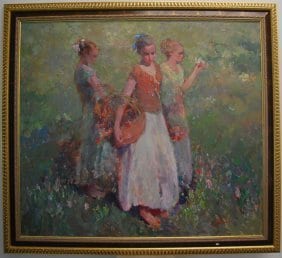
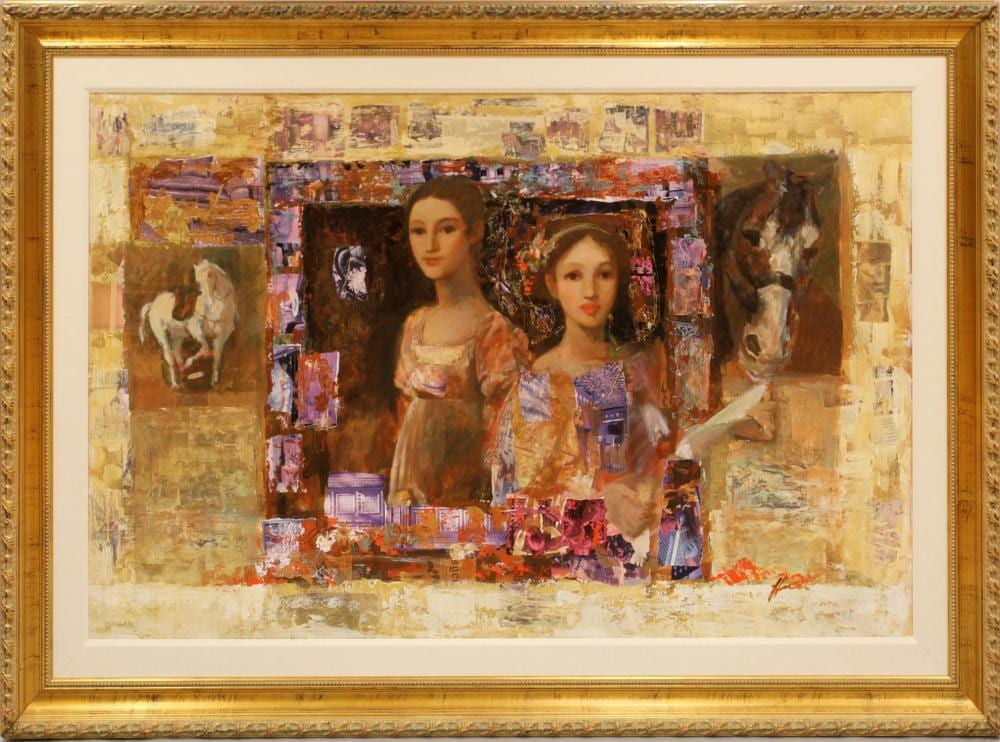
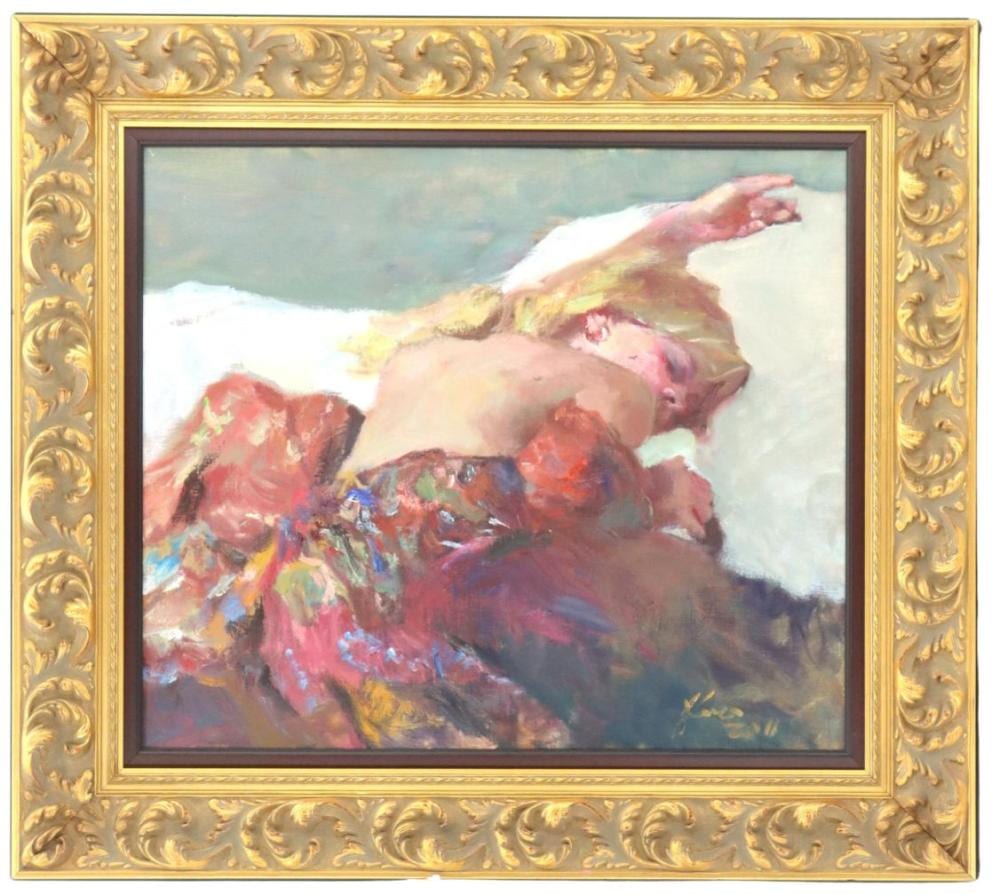
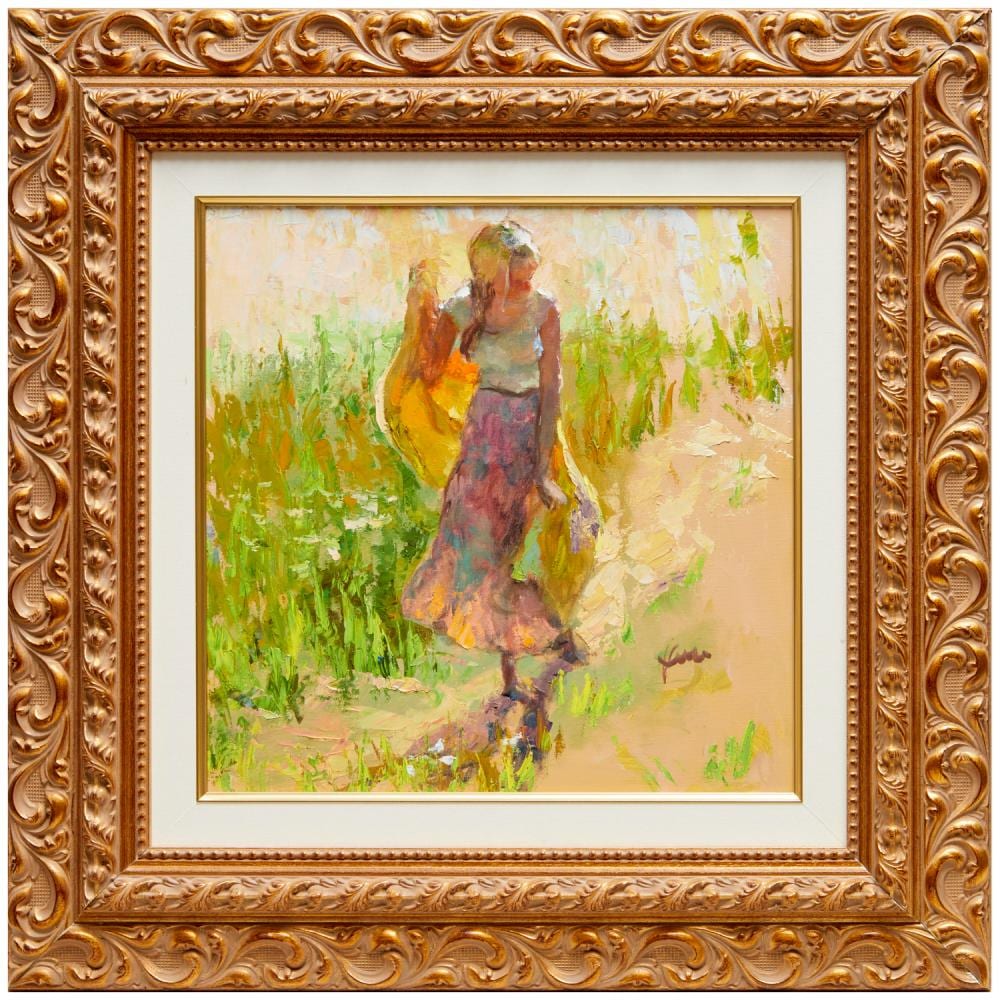
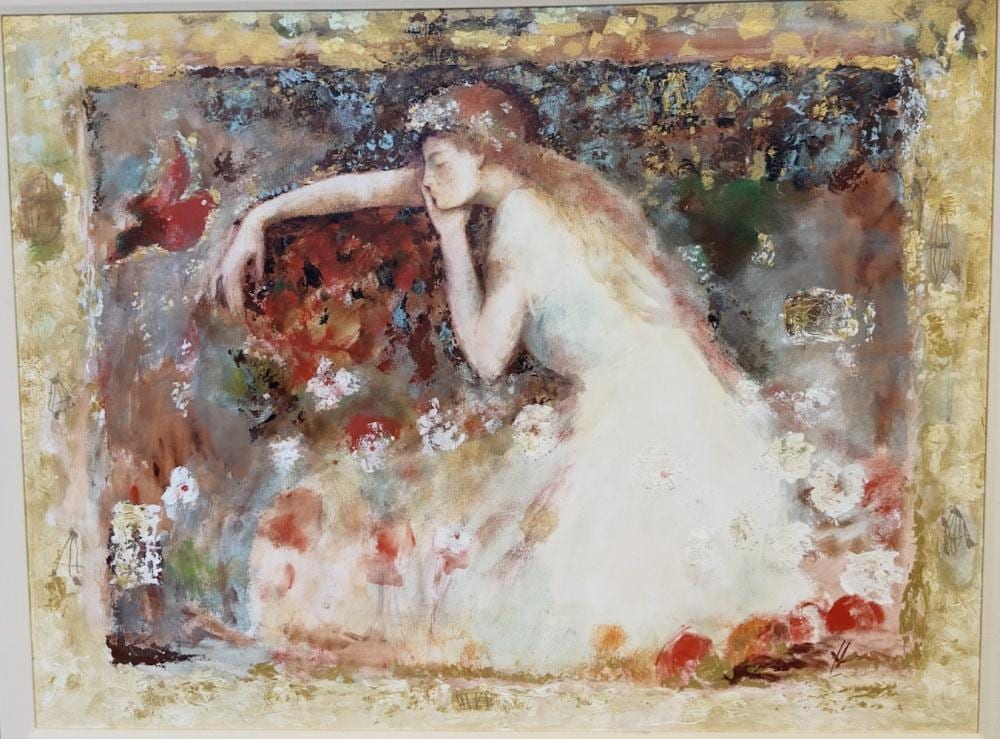
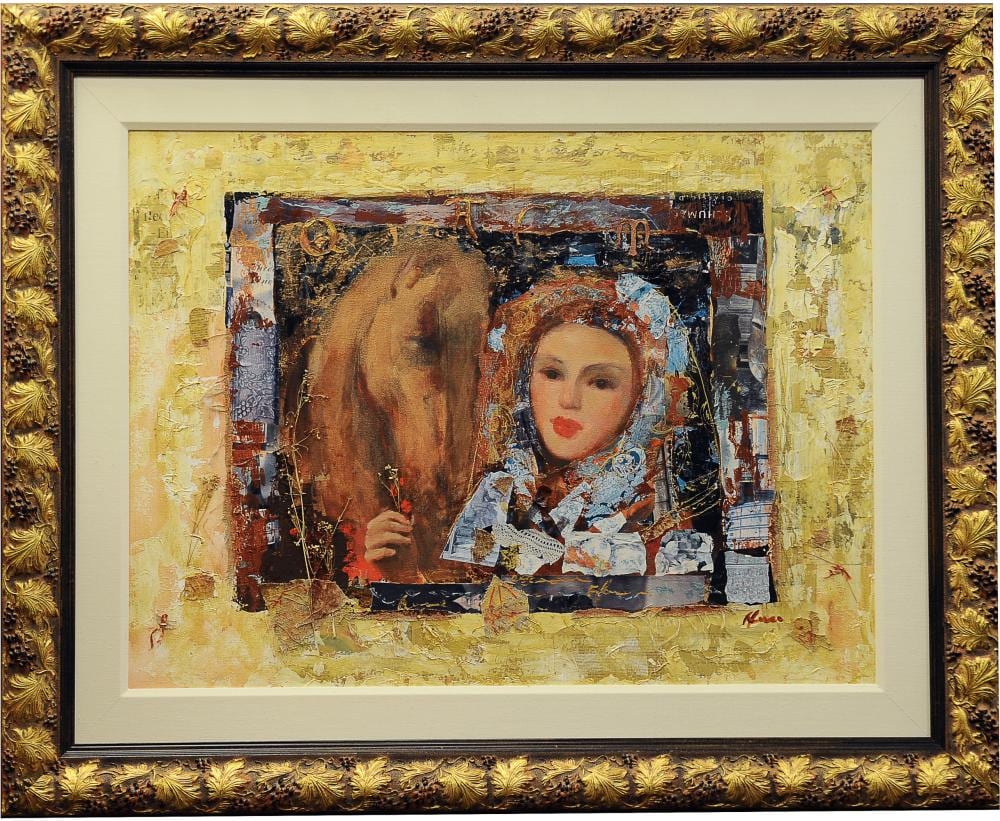
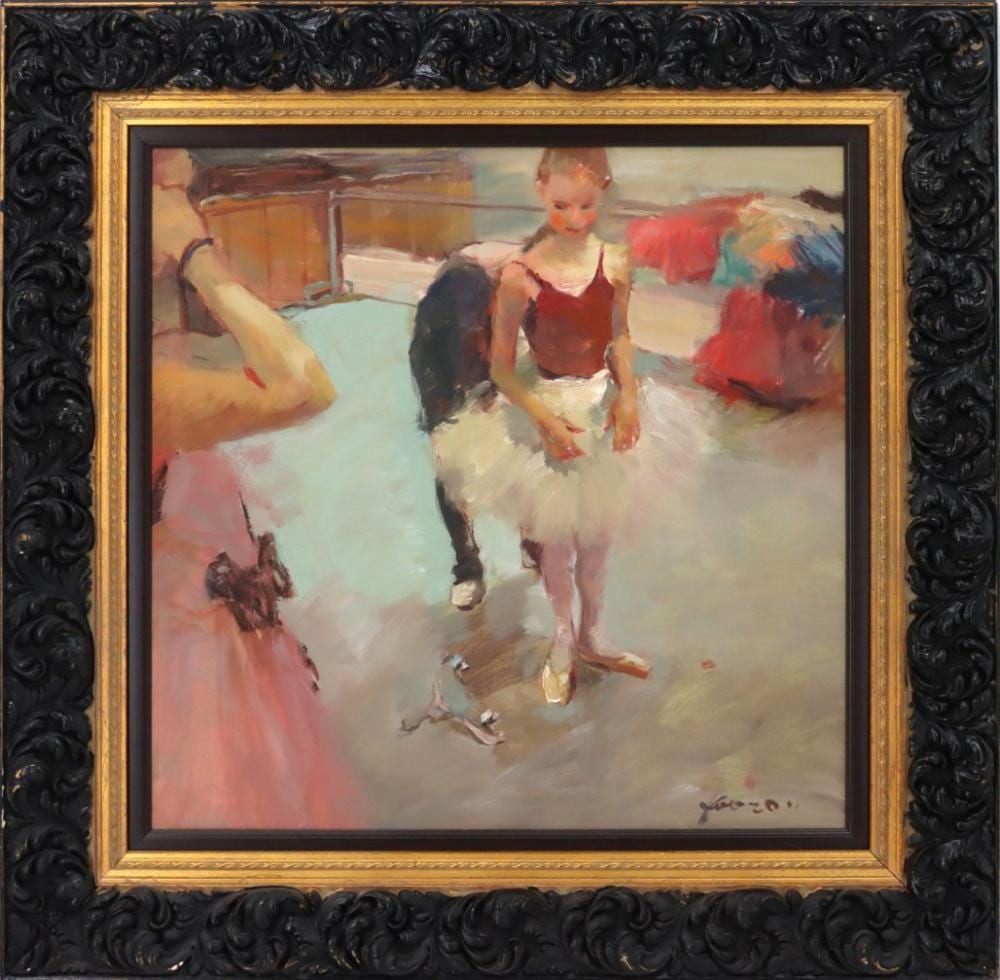
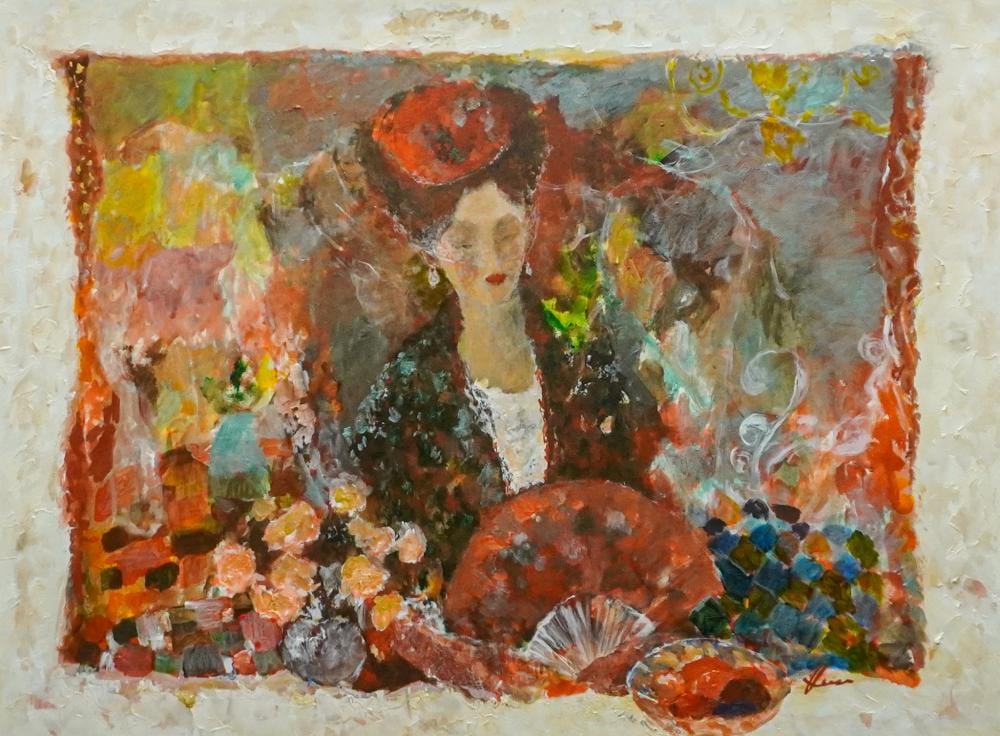
Collectors regularly encounter pieces labeled “attributed to Hua Chen (1952–)”—often lyrical female figures, dancers, and floral compositions in a soft, impressionistic style. Determining whether a work is an original painting by Hua Chen, a studio piece, or a later edition print is essential for accurate valuation. This guide explains how to assess authorship, medium, and market value so you can approach an appraisal with confidence.
Who Is Hua Chen (b. 1952)? Style and Subjects Collectors See Most Often
Hua Chen, born in 1952 in China and later active in the United States, is best known for romantic impressionism: graceful female figures, dancers, intimate interiors, and floral still lifes. He works in oil on canvas, watercolor, and pastel on paper. The hallmarks:
- Lyrical, loose brushwork with a luminous palette—creams, rose, peach, and light ochres.
- Emphasis on mood and gesture rather than strict realism.
- For oils: passages of soft impasto, especially in hair, fabric highlights, and blossoms.
- For pastels: visible chalk strokes and powdery surface bloom; atmospheric blending with sparing line work.
- Common formats: mid-size canvases (roughly 20 x 24 in. to 30 x 40 in.) and pastel or watercolor works on paper in portrait or vertical orientation.
The artist’s name appears frequently on limited-edition prints and embellished giclées sold through galleries. That commercial popularity, combined with a prolific oeuvre, makes precise identification important: originals typically command much higher values than editions.
What “Attributed To” Means for Attribution review and Value
“Attributed to” is a term of art market caution. It signals that, in the seller’s or cataloger’s opinion, the piece is likely by the named artist, but direct, conclusive evidence is lacking. It is not the same as:
- “By” or “signed”: Accepted as an documented work by the artist (though “signed” simply notes a signature’s presence).
- “Studio of” or “circle of”: Made in the artist’s workshop or by a close follower during their lifetime.
- “Manner of” or “after”: A later work done in the style of the artist, often much later.
Because “attributed to” carries uncertainty, market value is typically discounted relative to a firmly documented work. Firming up the attribution—by connecting the piece to reliable provenance, matching signature characteristics and technique, and ruling out print processes—can materially affect appraisal outcomes.
Originals vs Editions: Media, Printing Clues, and Telltale Details
Hua Chen’s name is often found on limited editions (lithographs, serigraphs, and giclées on paper or canvas), some of which are hand-embellished. Distinguishing an original painting from an edition is step one in any appraisal.
Oil on canvas, original
- Expect real brushwork with three-dimensional texture. Under raking light, raised ridges of paint should catch a glint; under magnification you’ll see layered strokes, not uniform dot patterns.
- At canvas edges or tacking margins, paint may wrap around or show incidental strokes. A printed canvas typically has a sharply terminated image at the face with uniform surface sheen.
- Varnish may be present, sometimes slightly yellowed or uneven with age.
Pastel on paper, original
- Powdery pigment sits on the paper’s surface. Under magnification, you’ll see granular pastel particles embedded in the paper tooth.
- Smudging and blending are organic; no halftone dots. A pass of a clean tissue (do not rub) may pick up loose pigment—do not do this on valuable pieces unless guided by a conservator.
Watercolor/gouache on paper, original
- Transparent washes pooling at paper texture, with deeper pigment at deckle edges of strokes.
- Pencil underdrawing sometimes visible. No mechanical dot structure.
Lithograph/offset print
- Even rosette or halftone dots across all tones (especially visible in mid-tones) under 10x magnification.
- Flat sheen; no true impasto. Edition numbers like 123/350 commonly in pencil at lower margin.
Serigraph (silkscreen)
- Solid, flat color areas with discrete edges; layered color fields. Slight “step” at color boundaries under magnification.
- Often signed and numbered in pencil.
Giclée (inkjet)
- Microscopic spray patterns; on canvas, a printed weave pattern can be deceptive. Magnification reveals ultra-fine dots without physical paint buildup.
- Many are “embellished”: hand-applied clear gel or touches of paint mimic brushwork. Probe gently with angled light—embellishment tends to sit atop a printed image and may be limited to highlights.
Other clues:
- Plate mark: An incised rectangular impression indicates an intaglio process (less common for Hua Chen).
- Edition markings: “AP,” “PP,” or “HC” denote artist proofs, printer’s proofs, or hors commerce. These are editions, not unique paintings.
- Paper margins: Originals in watercolor/pastel often have unequal margins or deckle edges; prints frequently have generous, even margins with plate title or publisher blind stamps.
When in doubt, inspect with a 10x loupe, use raking and transmitted light, and photograph details. These low-tech methods catch most editions quickly.
Signatures, Stamps, and Back-of-Canvas Clues
Signatures and inscriptions for Hua Chen typically present in the following ways:
- Signature placement: Lower right is common, in paint for oils or graphite/charcoal for works on paper. The romanized “Hua Chen” is most often used.
- Calligraphic elements: Some works include Chinese characters near the signature or on the back, and a red ink artist seal (“chop”) may be present. The seal alone is not proof of authorship.
- Date and title: Occasional date near the signature; titles more often appear on the verso (e.g., “Flowers by Window,” “Ballerina Resting”).
- Edition info: If you see a fraction such as “145/350,” it is a print, regardless of added paint.
- Verso labels: Gallery labels, stock numbers, barcodes, or COA stickers can be helpful. Cross-check that the medium listed (e.g., “oil on canvas”) matches what you observe. A label saying “serigraph” or “giclée” settles the question: it’s not an original painting.
Study the handwriting: does the formation of “Hua Chen” match known examples in breadth, slant, and pressure? Are there awkward hesitations that suggest tracing? Compare multiple documented samples if you have access to them. Look for consistency between the signature medium and the artwork medium (e.g., oil signature on an oil painting, pencil on paper works).
Market Context: Value Drivers, Price Ranges, and What Sells
Market value depends on medium, size, subject, date, condition, and the venue where the work is sold.
Medium and uniqueness
- Original oils on canvas generally command the highest prices.
- Original pastels and watercolors follow, with size and subject heavily influencing results.
- Limited-edition prints (including embellished giclées) trade substantially lower than originals.
Subject matter
- Iconic Hua Chen subjects—elegant female figures, dancers, and lush florals—are the most desirable.
- Neutral backgrounds and strong focal lighting tend to outperform more schematic compositions.
Size
- Larger works often bring higher prices, but not linearly; a strong small oil can exceed a weak, larger one.
Venue and geography
- Retail gallery pricing (insurance replacement value) is typically higher than secondary-market auction results (fair market value).
- Private sales can vary widely depending on urgency and negotiation.
Indicative ranges
- Limited-edition prints (lithograph/serigraph): commonly low hundreds to around one thousand USD, depending on edition size, condition, and demand.
- Giclée on canvas, even with hand-embellishment: often mid hundreds to low four figures.
- Original pastels/watercolors: frequently in the low to mid four figures.
- Original oils on canvas: commonly mid four figures, with standout examples higher.
These ranges are broad and indicative, not confirms. Fresh subjects in excellent condition with clear provenance tend to sit at the top of each band; compromised condition, ambiguous authorship, or overly common editions push toward the bottom.
A special note on “1952”: In listing titles, “Hua Chen 1952” almost always refers to the artist’s birth year, not the painting date. Do not ascribe higher value based on the assumption that the work dates to 1952.
From Examination to Appraisal: A Step-by-Step Path
Approach an “attributed to Hua Chen” painting systematically:
- Identify the medium conclusively. Before anything else, determine whether you are looking at an oil, watercolor/pastel, or a print/edition. Use magnification and raking light to rule out mechanical reproduction.
- Capture measurements and images. Record sight size and framed size, and take clear, high-resolution photographs of front, signature, details, edges, and verso (including labels and stretcher bars).
- Document inscriptions. Transcribe any titles, dates, edition numbers, stock codes, and handwritten notes. Keep the order and position (e.g., “lower right in paint”).
- Assess condition. Note craquelure, scuffs, tears, stains, foxing, abrasions, stretcher bar wear, varnish issues, or mat burn. For pastels, look for paper acidity and glazing quality.
- Compile provenance. Gather receipts, COAs, gallery invoices, shipping documents, and previous appraisals. A chain from a reputable gallery to current owner strengthens attribution.
- Research market evidence. Locate recent sales of similar medium, size, and subject. Adjust for condition and venue (auction vs retail).
- Seek expert confirmation when warranted. If value justifies it, consult a qualified appraiser or a conservator for technical analysis (e.g., UV, microscopy) and an opinion on authorship.
Prudent collectors avoid irreversible actions (cleaning, revarnishing, re-lining) prior to appraisal; interventions can affect value.
Practical checklist:
- Medium verified (original vs edition) with 10x loupe and raking light
- Signature and any chop seal photographed; inscriptions transcribed
- Verso inspected and all labels documented
- Measurements recorded; clear photos of front, details, and edges captured
- Condition issues listed; no cleaning attempted
- Provenance papers gathered and scanned
- Three to five relevant comparables saved with notes on medium, size, venue, and date
- Preliminary value range stated as retail (replacement) vs fair market (secondary)
Bold red flags:
- Uniform dot matrix under magnification or visible printer patterns across “painted” highlights
- Edition fraction (e.g., 245/500) despite claims of “original”
- COA from an unknown issuer with no address, no medium listed, or mismatched title/size
- Signature on a printed layer rather than in real media; “floating” signatures that do not sink into paint or paper
- Overly ornate modern frame paired with a “1952” date claim
Conservation notes:
- Oils on canvas: Display out of direct sun; avoid heat sources. If surface is dull or yellowed, consult a conservator—do not apply hardware-store varnish.
- Pastels/watercolors: Always under UV-filtering glazing with acid-free mat and backing. Avoid touching the surface; stabilize humidity and temperature.
- Frames: Keep the original frame and labels; they can be part of provenance.
Frequently, resolving the medium discrepancy (original vs embellished giclée) is the single biggest shift in value. Invest the time here.
FAQ
Q: How can I quickly tell if my Hua Chen is an original painting or an embellished giclée? A: Use a 10x loupe. If you see fine, uniformly spaced dots across all color areas—including supposed brushstrokes—it’s a print. Embellishment sits as clear or lightly tinted gel on top of a printed image and lacks the layered pigment and varied drying cracks of oil. Original oils show true impasto under raking light; pastels show granular pigment on paper tooth.
Q: The listing says “Hua Chen 1952.” Is that the date of the artwork? A: Almost certainly not. “1952” refers to Hua Chen’s birth year. Unless there is a clearly written date by the artist near the signature or on the verso, do not assume the work’s date from the title line.
Q: Does a certificate or opinion confirm my work is original? A: No. A COA documents a seller’s representation but is only as reliable as its issuer. A robust COA should include the artist, title, medium, size, edition (if any), date, issuing entity, and contact details. Weigh it alongside physical examination and provenance.
Q: What is a reasonable value range for an original Hua Chen oil? A: Values vary with size, subject, condition, and venue. As a general guide, original oils often trade in the mid four figures at auction, with stronger, larger, or particularly desirable subjects higher. Retail gallery prices (replacement value) can be significantly above auction levels.
Q: Should I clean or reframe before getting an appraisal? A: No. Present the work as-is. Cleaning or reframing can remove evidence (labels, inscriptions) or risk damage. An appraiser can advise whether conservation or reframing would add value and how to do it appropriately.
Conclusion: With careful examination of medium, signatures, and provenance—and an awareness of how “attributed to” affects value—you can confidently position an “original painting attributed to Hua Chen (1952–)” for appraisal, insurance, or sale. When the work’s quality aligns with the artist’s known style and the physical evidence supports originality, the market responds accordingly.