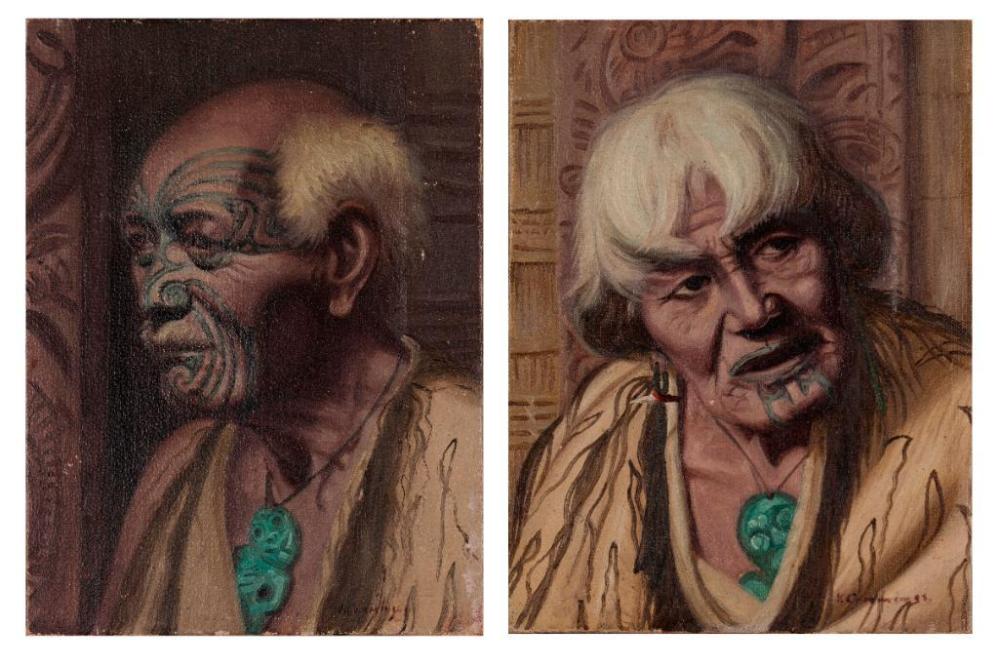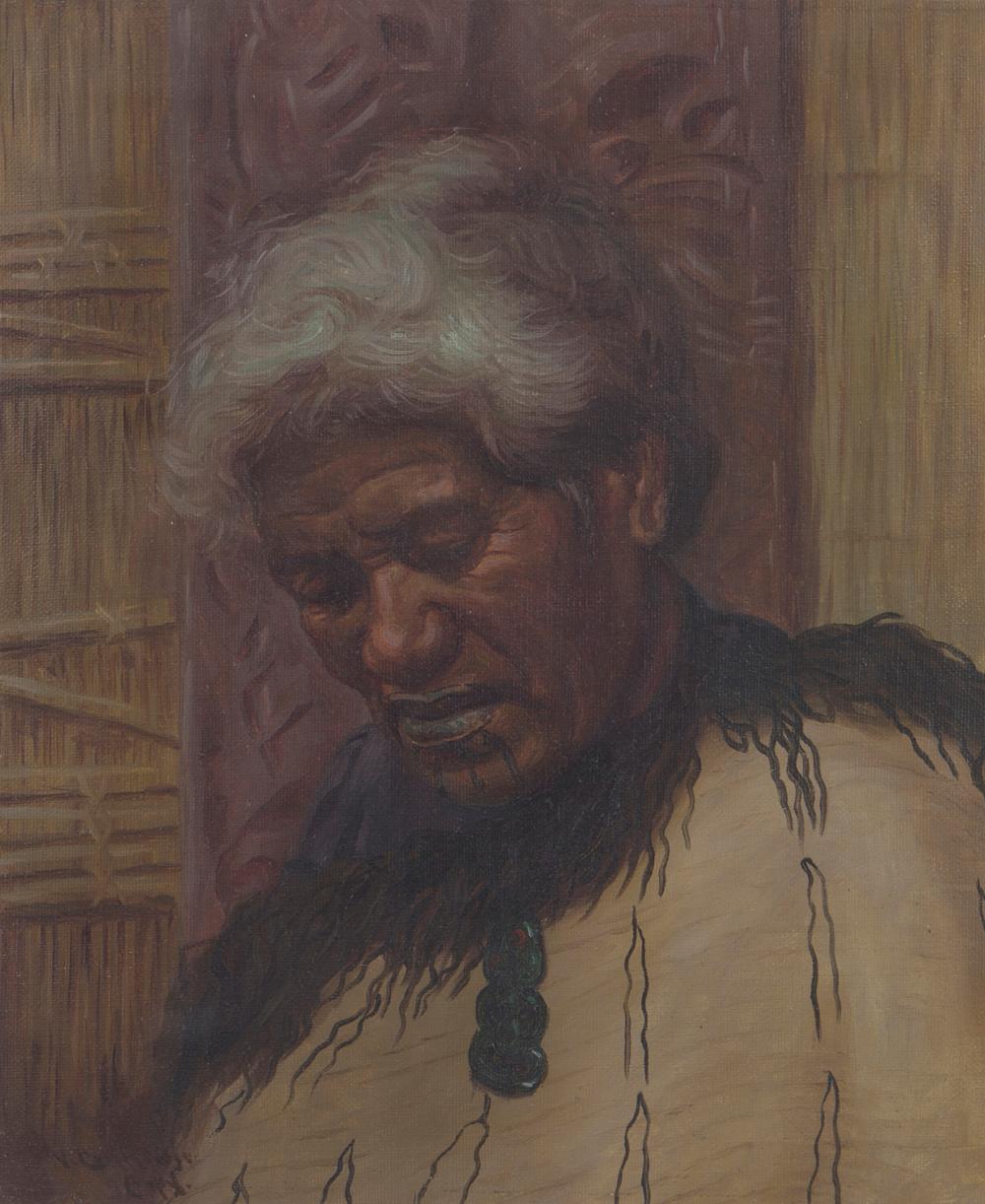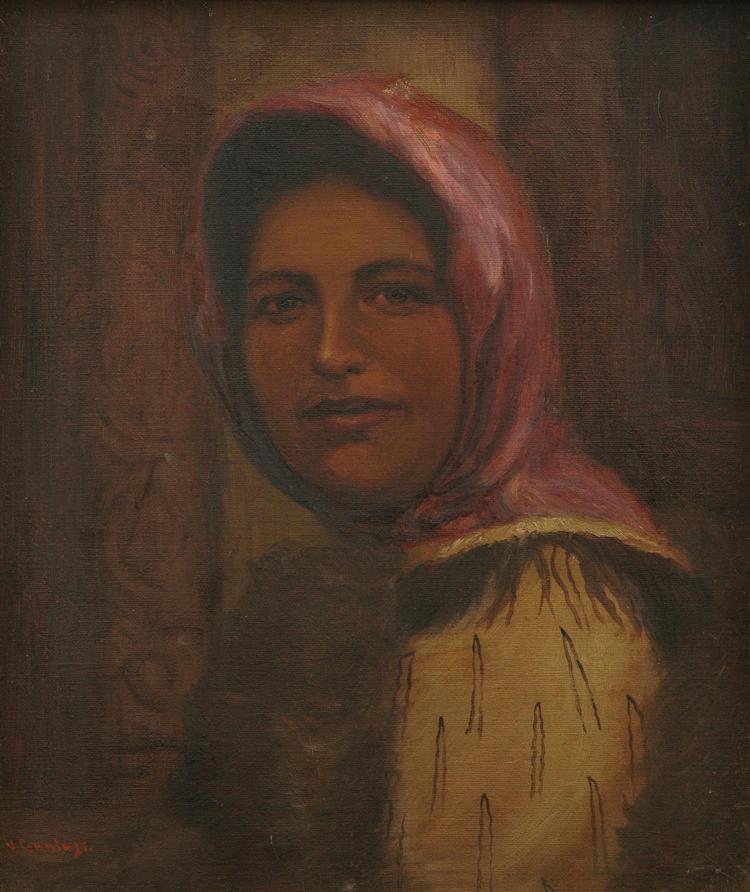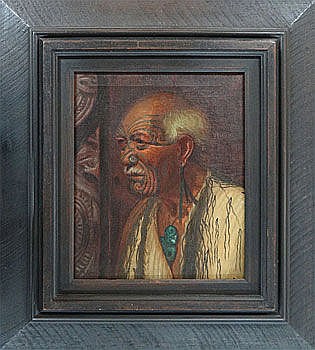
A Hand Painting by Vera Cummings 1891 1949: appraisal and value basics
A Hand Painting by Vera Cummings 1891 1949 research should start with identification, condition, provenance, and recent comparable sales. Use this guide to compare the signals that matter before paying for a formal appraisal or deciding whether to sell.
Vera Cummings Painting Value Guide
A painting signed by Vera Cummings (1891–1949) can be a compelling piece of early 20th-century American art, particularly for collectors of Southwestern subjects. Whether you’ve inherited a work, discovered one at an estate sale, or are considering a purchase, the key questions are the same: Is it a hand-painted original? What period and medium is it? How do condition and provenance affect its value? This guide provides a clear, practical framework for identifying, authenticating, and appraising a painting attributed to Vera Cummings.
Who was Vera Cummings (1891–1949)?
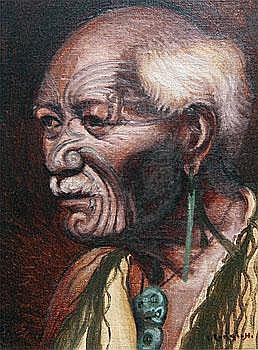
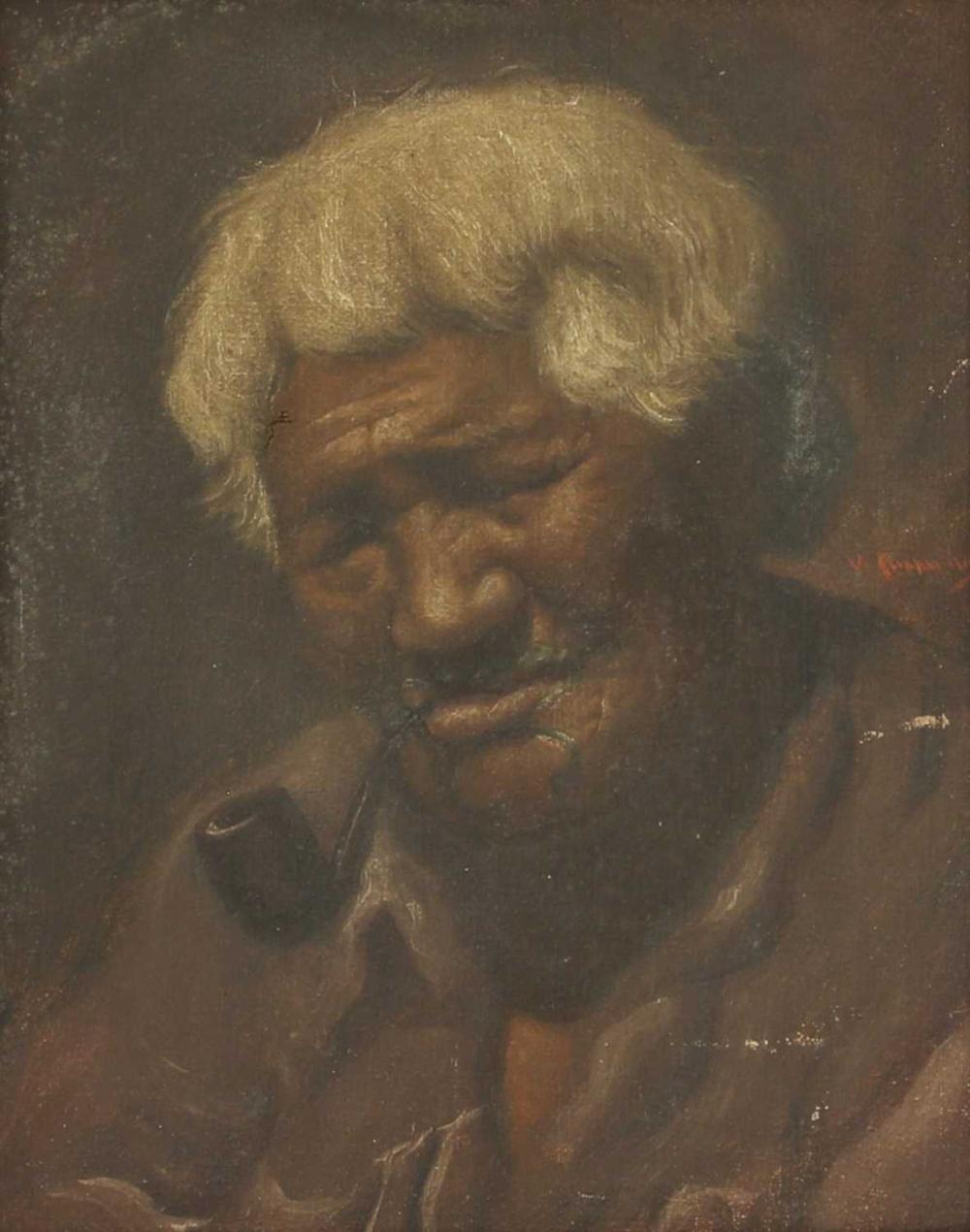
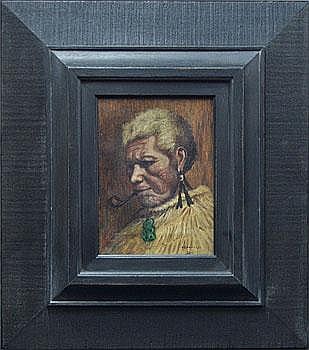
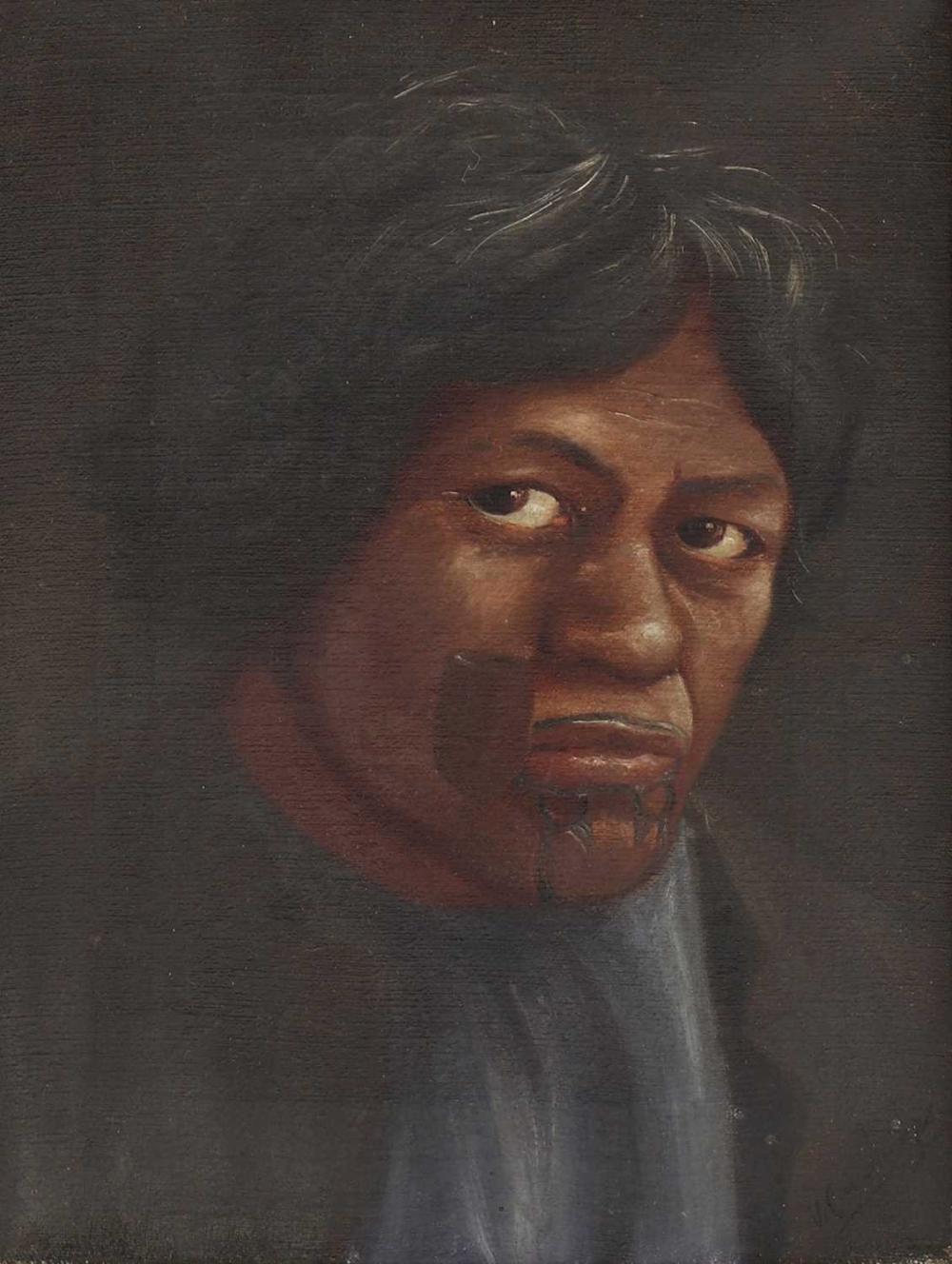
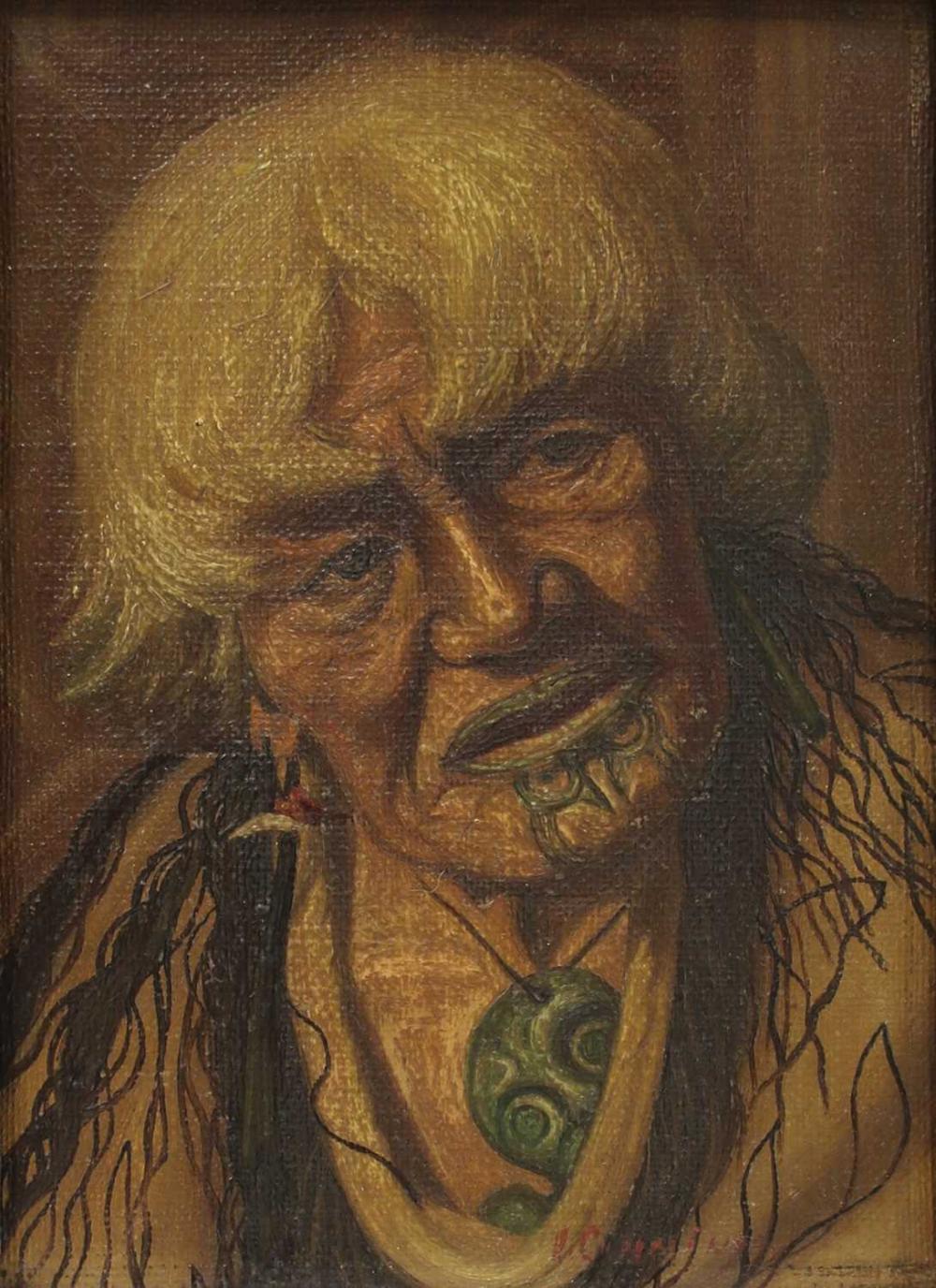
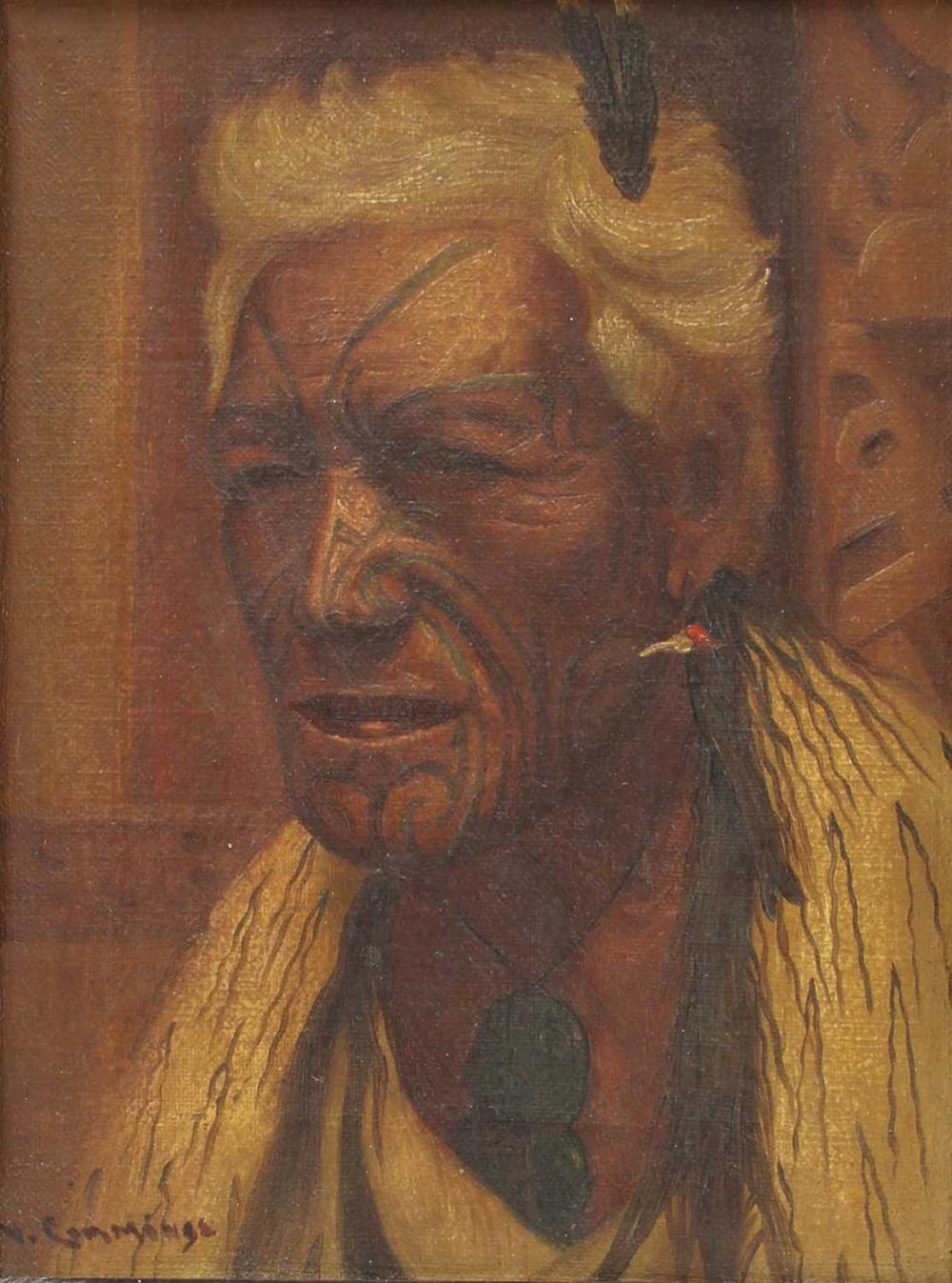
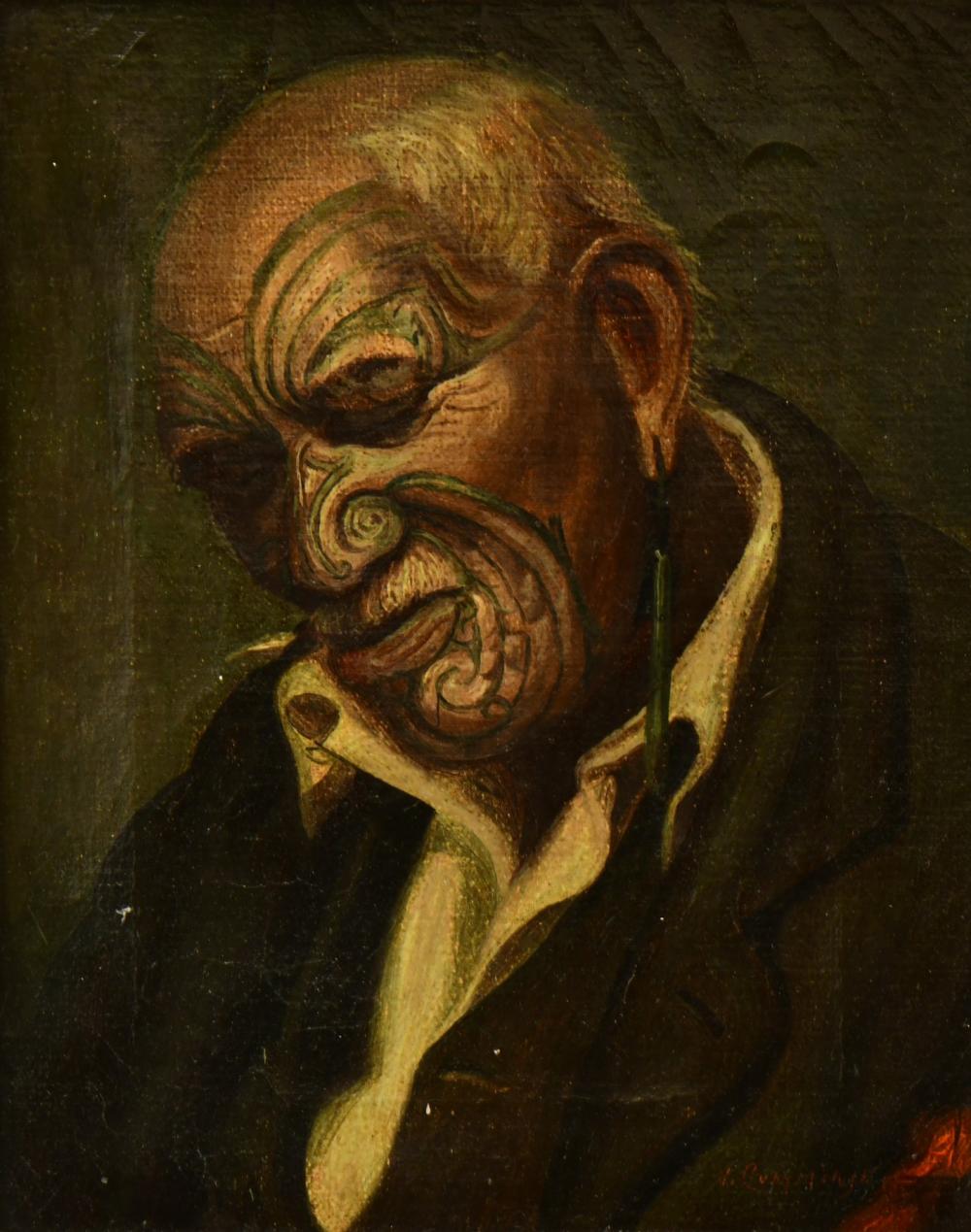
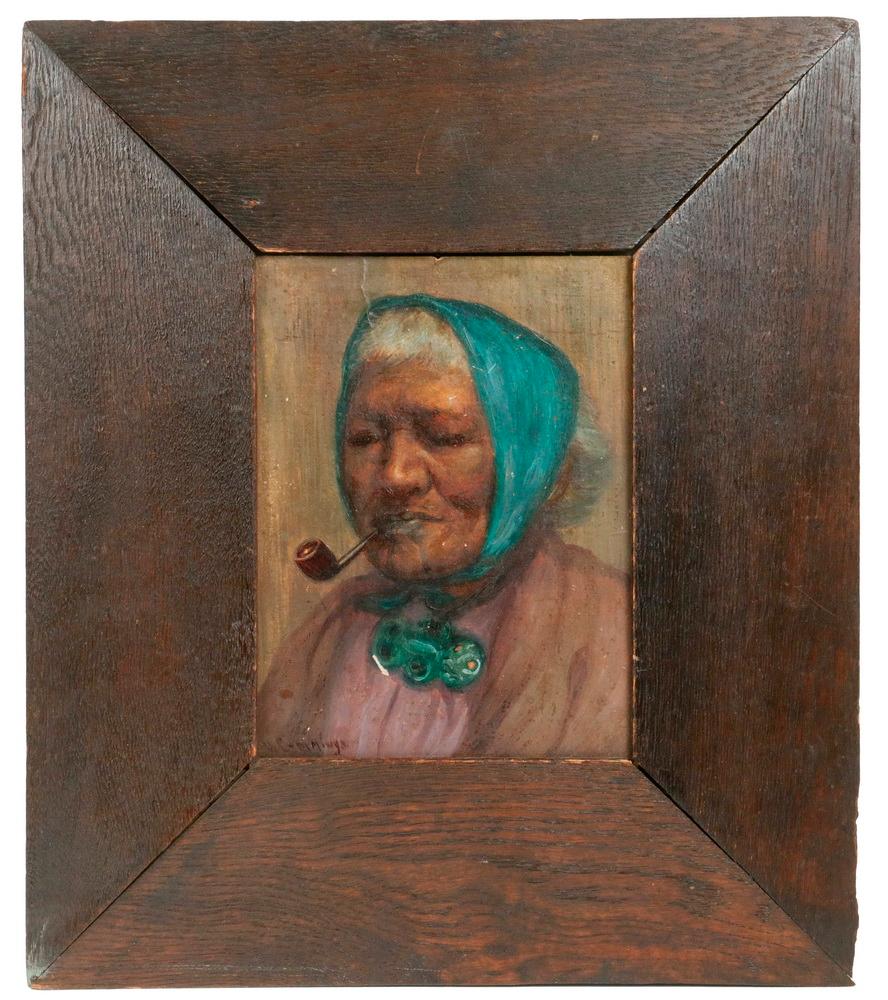
Vera Cummings is recorded in auction catalogs and dealer listings as an American painter active in the first half of the 20th century. Works attributed to her often depict Southwestern themes—portraits (including Indigenous sitters), desert landscapes, and still lifes—executed in oil or watercolor. Her life dates, 1891–1949, situate her within a formative period of American regional art, when artists traveled and settled in the American West and Southwest, producing images that still resonate with collectors.
Because period biographical documentation can be uneven, attribution relies heavily on a combination of signature study, period materials, stylistic analysis, and provenance. This makes a disciplined appraisal approach essential.
Is It Hand-Painted? Distinguishing Original Paintings from Prints
Before any valuation, establish that the work is a hand-painted original (oil, watercolor, gouache, or pastel) and not a reproduction.
- Loupe test (8x–10x): Originals show brush bristle trails, pigment granulation, and uneven edges of strokes. Offset lithographs show regular rosette dot patterns. Modern inkjet prints show sprayed micro-dots with a gentle mist-like edge.
- Raking light: Tilt the surface toward a light source. Oils generally show raised texture (impasto) and directional brushlines. Watercolors show matte, absorbed pigment with no raised gloss. Prints stay flat unless printed on textured canvas.
- Edges and margins: Watercolors on paper may have deckled or hand-trimmed edges under the mat. Reproductions sometimes have a printed signature in the image and a separate pencil signature in the margin—verify the pencil is truly pencil (look for indentations).
- Signatures: A painted or penciled signature should sit on or within the paint layer. Under magnification you’ll see overlapping paint or pigment. Printed signatures are embedded in the dot matrix and sit perfectly flush with the image.
- Plate marks: True intaglio prints (etching, engraving) have a plate impression line; watercolors do not. If you see a plate mark but the image appears watercolor-like, consider that you may be viewing a hand-colored print rather than a pure watercolor.
- Verso clues: On oils, expect an older canvas weave or panel with age-appropriate oxidation. On watercolors, older wove papers show age toning at the edges, occasional foxing, and period mounting tapes (gummed paper, not plastic). Look for handwritten notations; printed SKU labels suggest a modern reproduction.
If your work passes these tests, proceed to attribution and valuation.
Signatures, Inscriptions, and Labels
A signature anchors attribution but must be evaluated carefully.
- Placement and form: Artists commonly signed lower right or lower left, sometimes on the reverse. Works attributed to Vera Cummings are seen with “Vera Cummings” or abbreviated forms. Letterforms should be consistent in stroke confidence and period materials (oil, graphite, or ink consistent with the medium).
- Stroke analysis: Through a loupe, a genuine painted signature shows starts/stops, overlap with underlying paint, and occasional pigment clumping. Pencil signatures show slight pressure variations and paper indentations. Printed signatures do not.
- Inscriptions: Titles, sitter names, locations, or dates on the verso can be significant. Period inscriptions often use fountain pen, pencil, or early ballpoint (late 1940s). Modern felt-tip markers indicate a later hand.
- Labels and stamps: Framer labels, early gallery tags, or exhibition labels add credibility. Note addresses, typography styles, and phone formats to help date labels. Keep all framing components; even a backing board can carry useful clues.
- Life dates: “Vera Cummings (1891–1949)” appearing on a label may be a later cataloging note rather than an artist’s own inscription. Treat it as metadata, not proof of authorship.
When in doubt, compare signatures across multiple documented examples. Look for recurring features, not just general resemblance.
Mediums, Supports, and Period Techniques
Understanding the medium and support helps validate age and affects value.
- Oil on canvas/panel:
- Texture: Period oils often show moderate impasto in highlights and visible brushwork.
- Supports: Pre-1950 canvases typically have a discernible linen or cotton weave and are tacked or nailed to wooden stretchers (staples generally post-1950). Panels may be wood, Masonite, or early fiberboard.
- Ground and aging: Off-white to beige grounds; varnish may have yellowed. Natural resin varnishes develop a warm cast and can show uneven gloss.
- Watercolor/gouache:
- Paper: Wove or laid watercolor papers, sometimes with partial watermark. Edges may be deckled. Gouache appears more opaque, with scumbled highlights.
- Mounting: Older works often hinge-mounted with gummed paper or Japanese tissue; “dry-mount tissue” adhesives appear mid-century onward. Mat burn (brown line under the window mat) is common in older framings.
- Pastel and mixed media:
- Look for toothy paper, occasional fixative spots, and fragile edges. Pastel dust may accumulate inside the frame along the lower rabbet.
Period materials should show honest age—toning, minor craquelure, or varnish bloom—without the uniform flatness of a modern print.
Condition Factors That Move the Needle
Condition drives value. Note issues methodically:
- Oil paintings:
- Craquelure: Fine, stable age craquelure is expected; wide, lifting cracks, paint loss, or cupping are red flags.
- Varnish: Yellowing and grime are treatable; overcleaning, abrasion, or large repaints depress value.
- Structural: Tears, punctures, and relinings should be disclosed. Relining done sensitively can be acceptable for conservation.
- Watercolors:
- Light exposure: Fading of fugitive pigments reduces value. Compare protected margins under the mat to the exposed image.
- Paper condition: Foxing, mat burn, tears, and acidic mounts are common. Professional conservation can mitigate some issues.
- Stains and tape: Old tape residue and adhesive staining can be reversed in conservation, but risk and cost must be considered.
- Frame:
- Period frames add charm and may carry provenance, but replacement frames are acceptable if they protect the work. Do not remove labels.
Document condition with high-resolution photos in raking light and under normal illumination.
Market Snapshot and Value Drivers
While individual results vary by venue and moment, several consistent drivers influence the market for Vera Cummings-attributed works:
- Subject matter: Portraits of identifiable sitters (especially Indigenous subjects), strong Southwestern landscapes, and accomplished still lifes typically lead demand.
- Medium and size: Oils usually command more than watercolors; larger, well-composed works outperform small studies.
- Date and period: Works confidently placed within the 1920s–1940s can perform better than undated pieces, especially when style and materials align with that era.
- Provenance and exhibition history: Works with documented ownership and exhibition records trade at a premium and sell faster.
- Condition and freshness to market: Clean, original-surface paintings with minimal restoration outperform compromised examples. Fresh material attracts competitive bidding.
- Authenticity confidence: A consistent signature, period materials, and corroborating provenance together produce stronger outcomes.
Price ranges observed for comparable early- to mid-20th-century regional American painters—and for works attributed to Vera Cummings—commonly fall from a few hundred dollars for small or compromised works on paper to several thousand dollars for strong, larger oils or standout watercolors. Exceptional subject matter, pristine condition, and exemplary provenance can push results higher. Use these as directional guides rather than guarantees; precise estimates require object-specific review.
Authentication and Due Diligence
Because scholarship on regional artists can be dispersed across catalogs, archives, and private collections, build a case from multiple angles:
- Signature comparison: Assemble multiple known examples for letterform comparison. Focus on idiosyncrasies—how the “V” begins, slant angle, and terminal strokes.
- Materials congruence: Do supports, pigments, and varnishes fit a pre-1950 painting or watercolor?
- Stylistic analysis: Compare composition, palette, and handling to other works attributed to Cummings. Consistency is more persuasive than isolated similarities.
- Provenance trail: Gather bills of sale, letters, photographs, exhibition announcements, and framer labels. Even partial links help.
- Conservation forensics: UV examination can reveal later overpaint; infrared can expose underdrawing. A conservator’s short report can materially increase confidence and value.
Practical Checklist for Evaluating a Vera Cummings Painting
- Verify it’s a hand-painted original via loupe and raking light.
- Photograph the front, back, signature, edges, and any labels.
- Note medium, support, size (image and framed), and any inscriptions.
- Assess condition: craquelure, losses, stains, foxing, mat burn, tears.
- Record provenance: ownership history, receipts, exhibition notes.
- Compare the signature and style with documented examples.
- Check materials for period consistency (canvas weave, paper type, varnish).
- Obtain a conservator’s opinion for cleaning or stabilization needs.
- Seek an independent appraisal with images, measurements, and condition notes.
- Decide venue: private sale, regional auction, specialist dealer, or donation.
Care, Conservation, and Display
Proper care protects both aesthetic and monetary value:
- Environment: Keep relative humidity stable (40–55%) and temperatures moderate. Avoid attics, basements, and near HVAC vents.
- Light: Limit UV exposure. Use UV-filter glazing for works on paper and avoid direct sunlight for all media.
- Framing: For watercolors, use acid-free mounts and museum-grade glazing. For oils, ensure the frame provides adequate structural support and a protective backing board or dust cover.
- Handling: Handle with clean, dry hands or cotton gloves. Support large works from both sides; don’t lift by the frame’s top rail.
- Conservation: Cleaning and repairs should be performed by a qualified conservator. Keep treatment records with the artwork’s file.
When to Seek Professional Appraisal
Engage a certified appraiser when you need:
- Insurance coverage or a scheduled value.
- Estate planning or equitable distribution.
- Charitable donation documentation.
- Pre-sale guidance and venue selection.
Provide the appraiser with all documentation, high-resolution images, and any conservation notes. Transparency improves the quality of your appraisal.
FAQ
Q: My painting is signed “Vera Cummings” but the surface looks flat. Could it still be original? A: Possibly, if it’s watercolor or gouache on paper. Use a loupe to look for pigment granulation and pencil or brush edges. If you see a uniform dot pattern, it’s likely a print.
Q: Is an oil painting always more valuable than a watercolor? A: Not always. While oils often command higher prices, a superb watercolor with strong subject matter, excellent condition, and provenance can outpace a modest oil.
Q: How much does restoration affect value? A: Sensitive, documented conservation (surface cleaning, minor inpainting) can enhance value. Extensive overpaint, relining with loss of texture, or paper bleaching that alters color can reduce value. Buyers reward transparency and quality of treatment.
Q: I found a framer’s label on the back. Is that important? A: Yes. Period framer labels help date the work and trace provenance. Photograph and retain all backing materials; labels can support attribution and valuation.
Q: What if I can’t find any auction results for Vera Cummings? A: Use a comparative approach: look at similarly sized works, mediums, subjects, and periods by related regional artists. An appraiser can correlate these comparables and adjust for quality, condition, and provenance to produce a defensible estimate.
By combining careful observation, materials analysis, provenance research, and professional guidance, you can confidently identify and appraise a hand painting by Vera Cummings (1891–1949) and make informed decisions about care, insurance, or sale.