
Norman Laliberte Neptune signed print: appraisal and value basics
Norman Laliberte Neptune signed print research should start with identification, condition, provenance, and recent comparable sales. Use this guide to compare the signals that matter before paying for a formal appraisal or deciding whether to sell.
Norman LaLiberté's prints are collected for their bold line, symbolic imagery, and modernist color sense. But when a print shows up online described only as "hand signed limited edition"—especially with a mythic title like Neptune—the price range can swing widely depending on the edition details and condition.
This guide walks you through what to verify (signature, numbering, paper, publisher marks), what condition issues matter most for works on paper, and how to anchor a reasonable value range using recent secondary-market comps.
Quick value snapshot
Based on the legacy appraisal range for a hand-signed LaLiberté print titled Neptune and the broader market for LaLiberté works in recent auction results, a reasonable fair-market value estimate for many authentic, well-presented examples is:
- Typical fair-market range: $230–$280 USD (assuming authentic signature/edition, clean paper, and standard framing).
- If condition issues are present: expect meaningful discounts for foxing, mat burn, moisture rippling, or trimming.
- If provenance is strong: gallery documentation, publisher paperwork, or a well-documented exhibition history can increase buyer confidence and sometimes value.
Note: insurance replacement values can be higher than fair-market values because they assume retail sourcing and time-to-replace, not auction liquidation.
Free instant estimate
Not sure if your print is worth appraising? Let us take a look.
Upload a photo, tell us what you know, and get a free first read. If a full appraisal makes sense, we will say so.
Free. No card needed. Takes about two minutes.
About Norman LaLiberté (1925–2021)
Norman LaLiberté was an American artist known for vibrant modernist work across multiple media—including painting, printmaking, and large-scale public commissions. He gained international attention in the 1960s (including a role connected to the Vatican Pavilion at the 1964 New York World's Fair), and his work has been collected for its distinctive figurative symbolism.
For collectors, the key takeaway is that LaLiberté's market includes both unique works (paintings, drawings) and editioned works (prints). When you're valuing a titled print like Neptune, you want to make sure you're not mixing up: (1) a signed limited edition print, (2) a poster or open-edition reproduction, and (3) a unique work on paper.
How to authenticate a hand-signed limited edition print
Most legitimate limited edition prints share the same identifying "signals" in the margin. They are usually in pencil because graphite sits on the paper surface and is easy to tell from printed ink.

- Edition number: often written like "12/150" in the lower left. Lower edition sizes can support higher prices, all else equal.
- Title: sometimes centered under the image (pencil). Confirm it reads Neptune and matches the sellers description.
- Signature: typically lower right in pencil. Compare the flow and pressure to known examples if possible.
- Publisher mark/blind stamp: a faint embossed chop can indicate a reputable workshop or publisher.
- Paper and plate mark: many prints show a plate mark or a consistent deckle edge on fine papers. Absence doesn't mean fake, but it changes what you're looking at.
Red flags include a printed "signature" that is identical across examples, edition numbers that look machine-printed, heavy gloss paper, or margins trimmed right to the image area (which removes the most valuable authentication clues).
Condition checklist for works on paper (what moves value)
Condition drives value for prints because buyers assume they will display the piece. For an "over-the-mantel" framed print, the most common value killers are subtle and easy to miss in online photos.
- Foxing: brown speckling from moisture/age, often in the margins.
- Mat burn (toning line): a rectangular discoloration where the mat opening sat.
- Rippling/waviness: moisture exposure; may also indicate old framing without proper backing.
- Creases or handling dents: especially in the lower margin where people lift the print.
- Hinge marks: old tape or mounting residue on the reverse.
- Trimmed margins: removes signature/edition/title space and usually reduces value materially.
If the print is framed, ask for photos of the sheet out of the frame (or at least close-ups under raking light). Acidic mats and cheap backing boards can slowly discolor paper over decades.
What affects the value of a LaLiberté "Neptune" print
Even when authenticity is clear, two "same title" prints can sell at different price points. Here are the drivers that tend to matter most for LaLiberté and similar listed artists:
- Medium/technique: lithograph vs. serigraph vs. mixed technique. Collectors often pay more for editions with richer color or complex production.
- Edition size: smaller editions can be more desirable, but only when demand exists.
- Sheet size: larger compositions can command higher prices, especially if the margins remain generous.
- Presentation: archival framing with UV glazing can help sell faster; non-archival framing can hide condition issues.
- Documentation: publisher paperwork, gallery receipts, or a label on the back of the frame adds credibility.
What similar items actually sold for
To help ground this guide in real market activity, here are recent example auction comps from Appraisily’s internal database. These matched sales are market context only, not an object estimate or identification, and they do not guarantee a price for your specific norman laliberte.
Shown USD range: USD 20-USD 600. Median of these 14 USD examples: USD 200.
| Comparable | What sold | Auction house | Date | Lot | Source-reported amount |
|---|---|---|---|---|---|
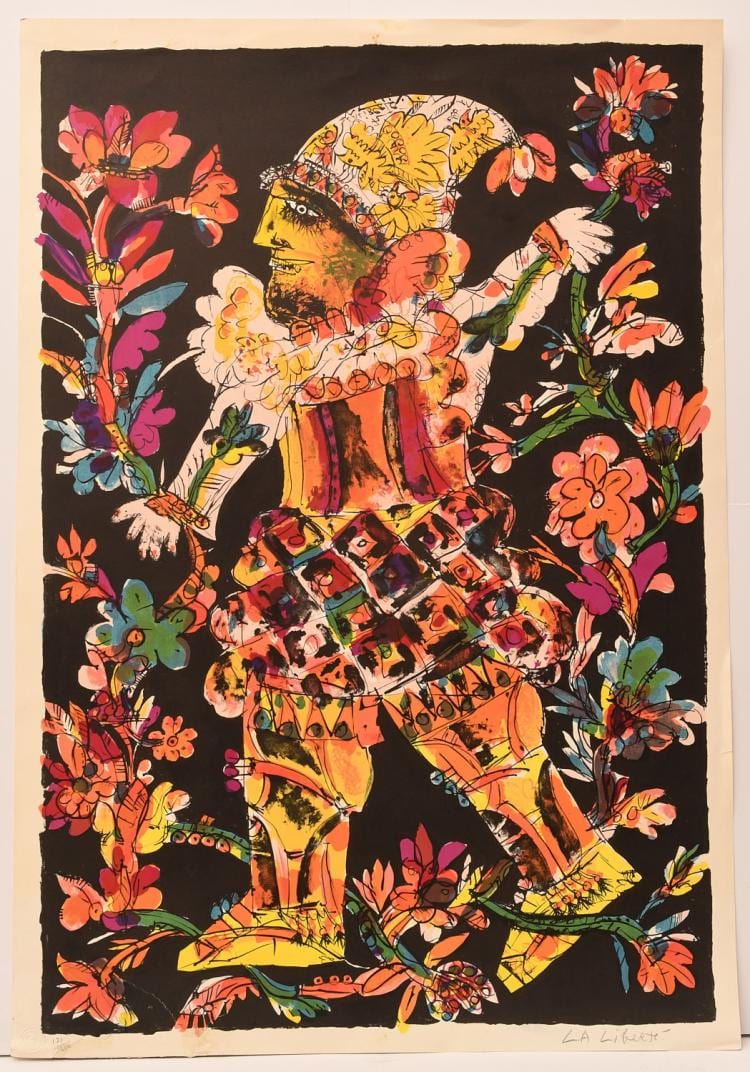 |
Norman Laliberte, lithographSource blocked; provenance matched | Millea Bros Ltd | 2018-03-14 | 2114 | USD 30 (buyer’s-premium treatment unknown) |
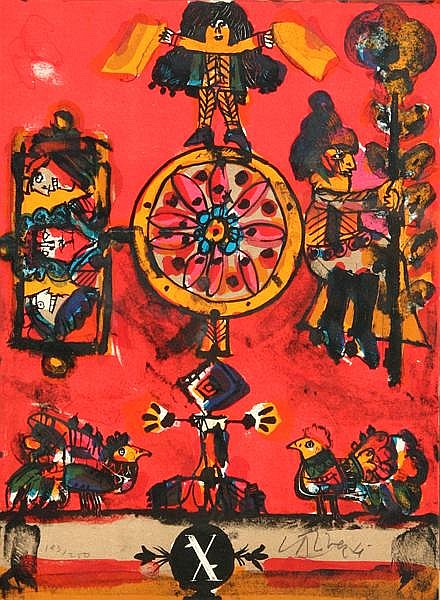 |
Norman Laliberte, X, Lithograph | RoGallery | 2010-11-11 | 276 | USD 350 (buyer’s-premium treatment unknown) |
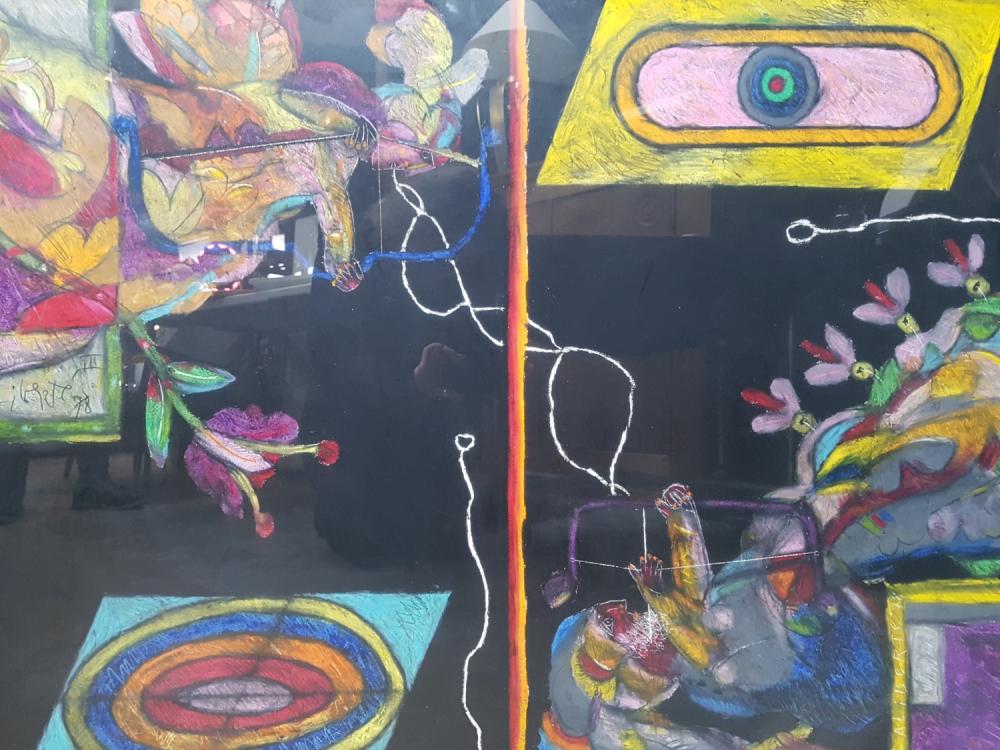 |
Norman Laliberte, Oil Pastel on CanvasSource blocked; provenance matched | Kavanagh Auctions | 2019-10-03 | 208 | CAD 1,200 (buyer’s-premium treatment unknown) |
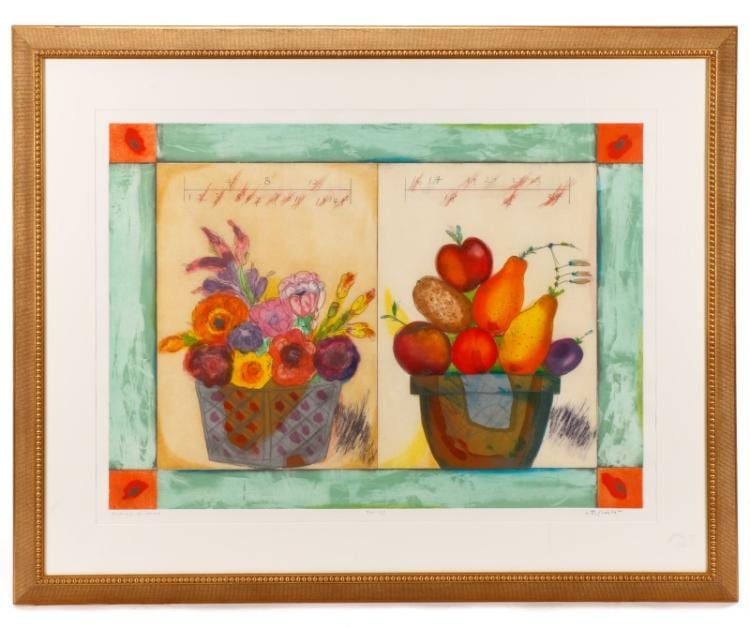 |
Large Lithograph "Pomme de Mare", Norman LaliberteSource blocked; provenance matched | Ahlers & Ogletree Inc. | 2017-12-02 | 117 | USD 100 (buyer’s-premium treatment unknown) |
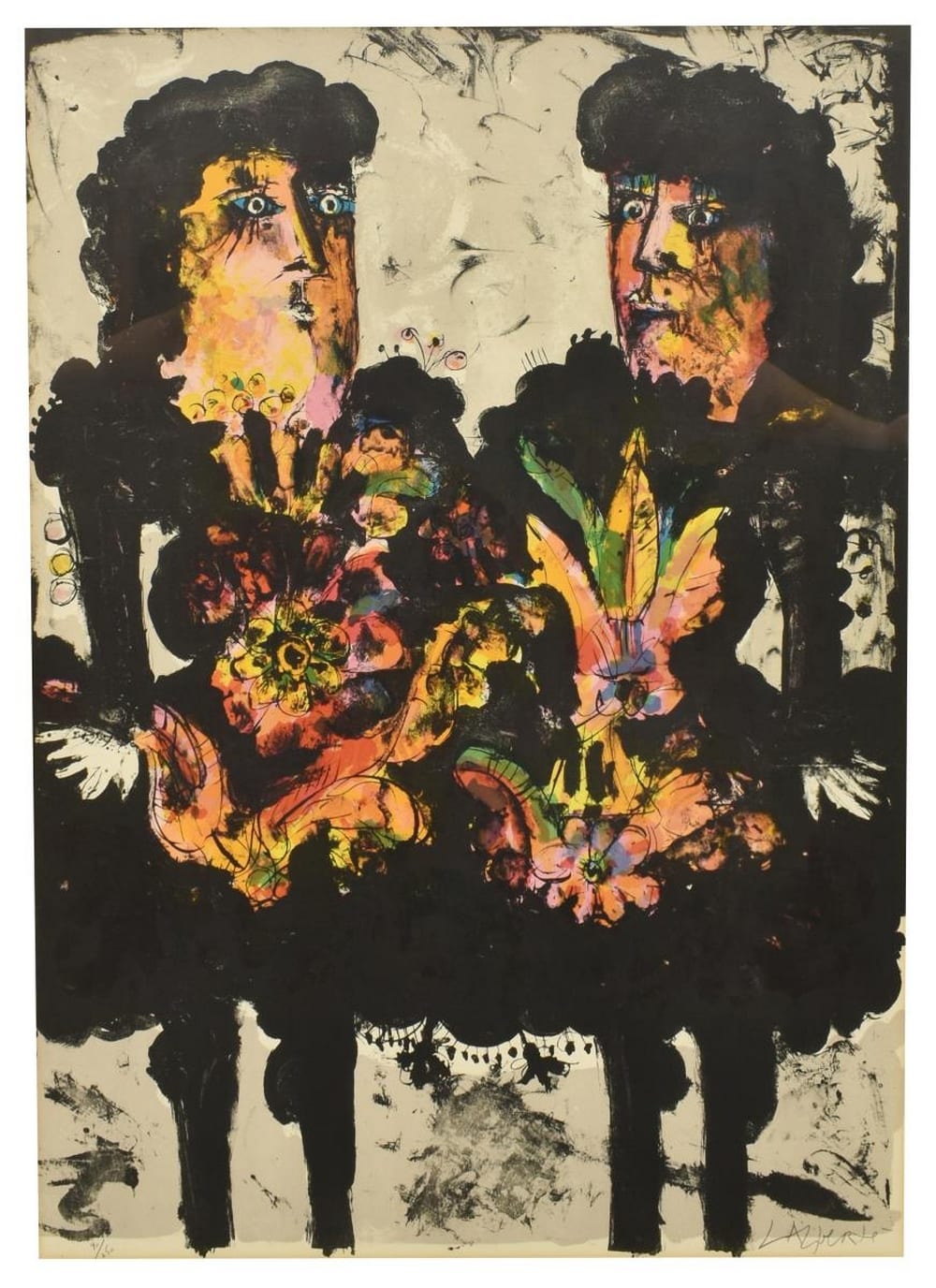 |
NORMAN LALIBERTE (B.1925) TWINS CIRCUS LITHOGRAPHSource blocked; provenance matched | Austin Auction Gallery | 2019-06-21 | 291 | USD 100 (buyer’s-premium treatment unknown) |
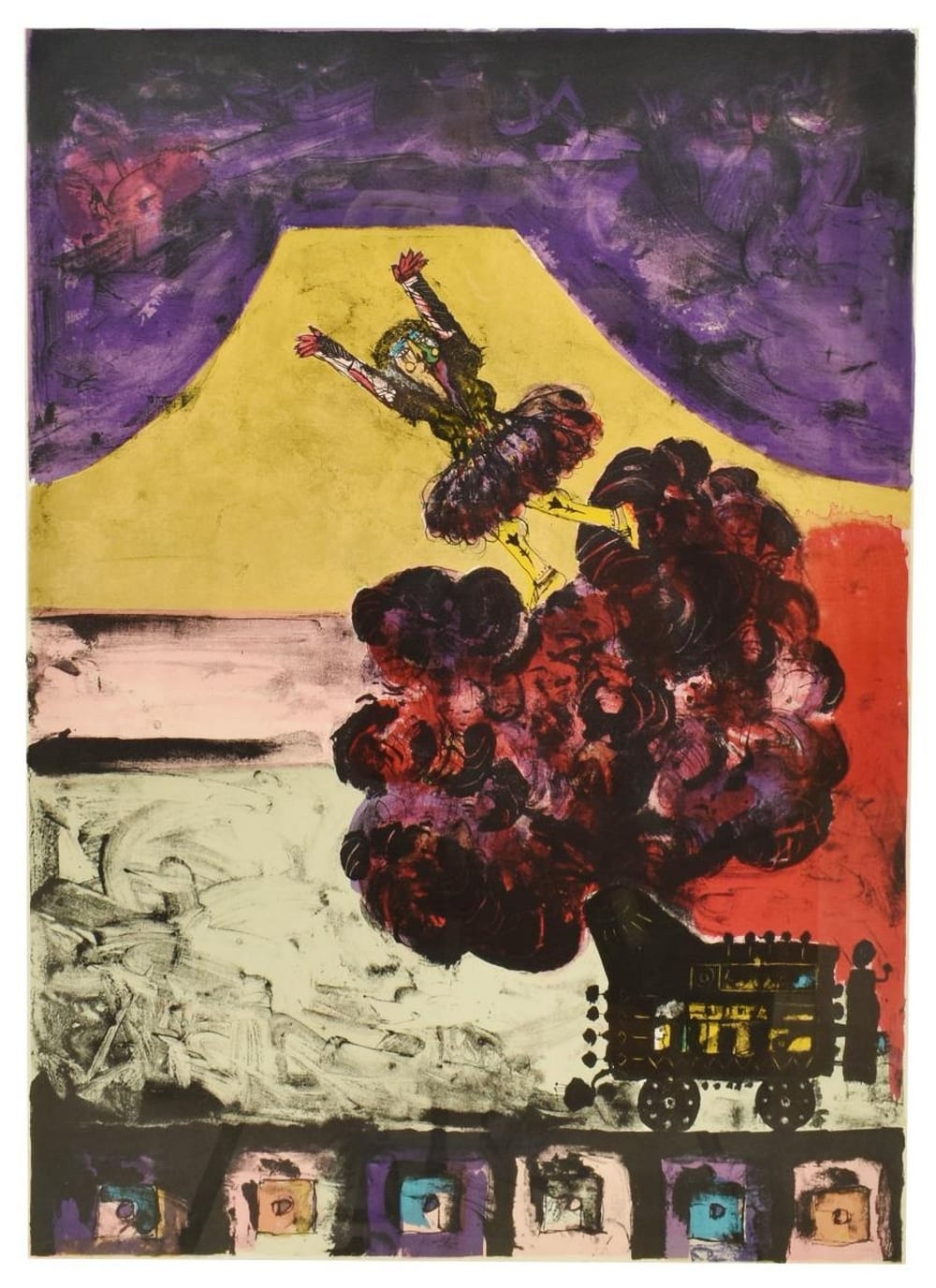 |
NORMAN LALIBERTE (B.1925) CIRCUS CANNON LITHOGRAPHSource blocked; provenance matched | Austin Auction Gallery | 2019-06-21 | 290 | USD 80 (buyer’s-premium treatment unknown) |
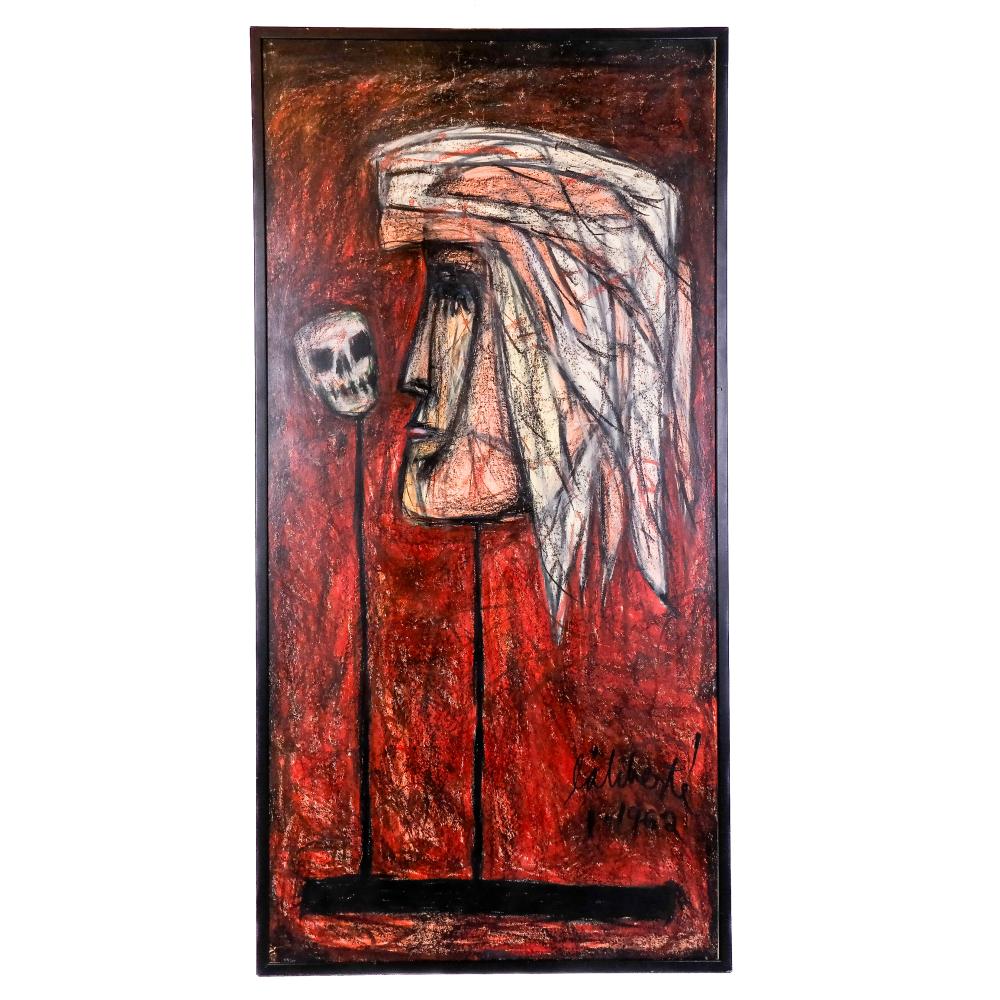 |
Norman LALIBERTE: Figure & Skull - PaintingSource blocked; provenance matched | Roland Auctions NY | 2024-04-06 | 684 | USD 300 (buyer’s-premium treatment unknown) |
![Norman Laliberte Lithograph [Modern, Clown] sold by Grant Zahajko Auctions, LLC, lot 289 — auction record photograph](https://assets.appraisily.com/comps/auction-lots/148442600/thumb/9ff378a3a75a8d9aedeb0da90115f5b6c9cc0ca70dc2218c0cea35cd7862b19d.jpg) |
Norman Laliberte Lithograph [Modern, Clown]Source blocked; provenance matched | Grant Zahajko Auctions, LLC | 2020-04-09 | 289 | USD 30 (buyer’s-premium treatment unknown) |
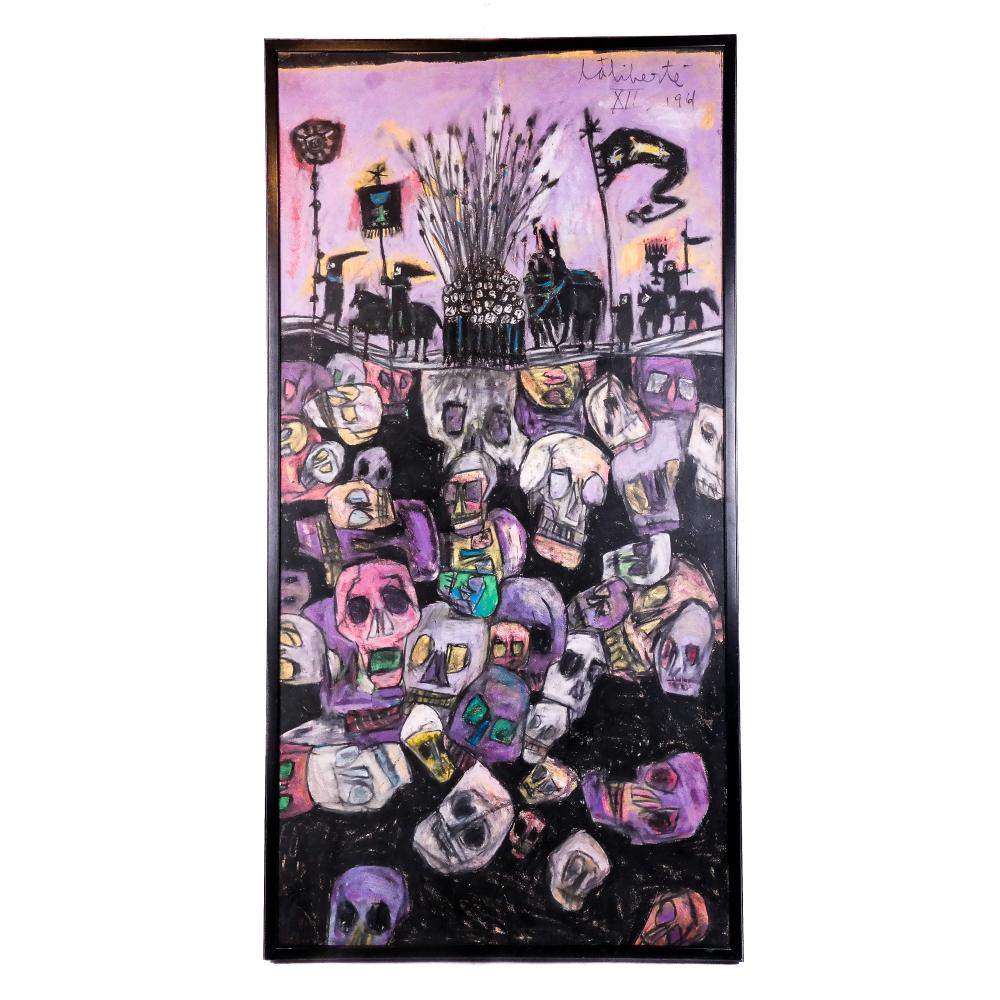 |
Norman LALIBERTE: Abstract Skulls - PaintingSource blocked; provenance matched | Roland Auctions NY | 2024-04-06 | 685 | USD 500 (buyer’s-premium treatment unknown) |
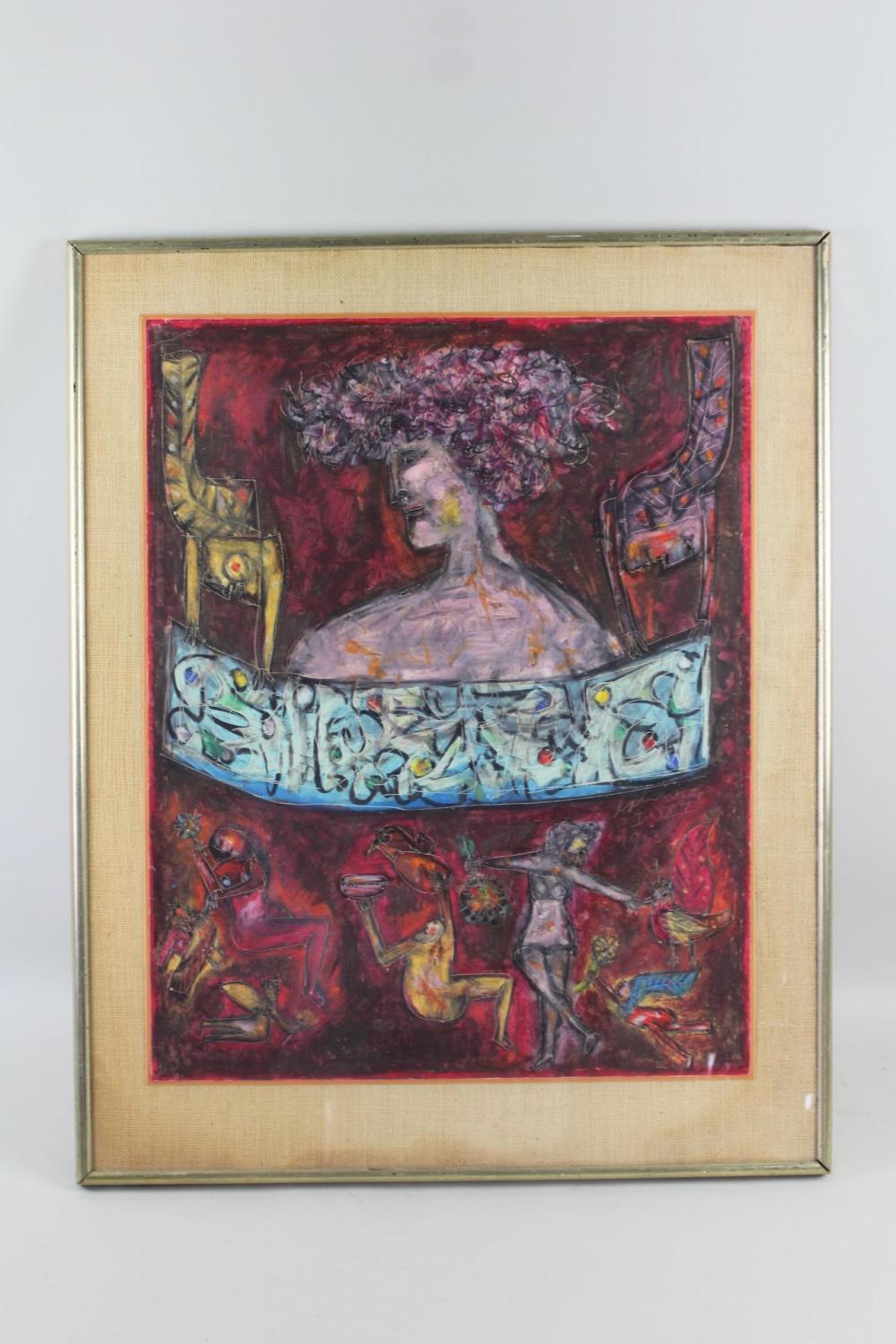 |
Norman Laliberte Figural Abstract Gouache Painting, 1963Source blocked; provenance matched | Public Sale Auction House | 2024-11-16 | 230 | USD 550 (buyer’s-premium treatment unknown) |
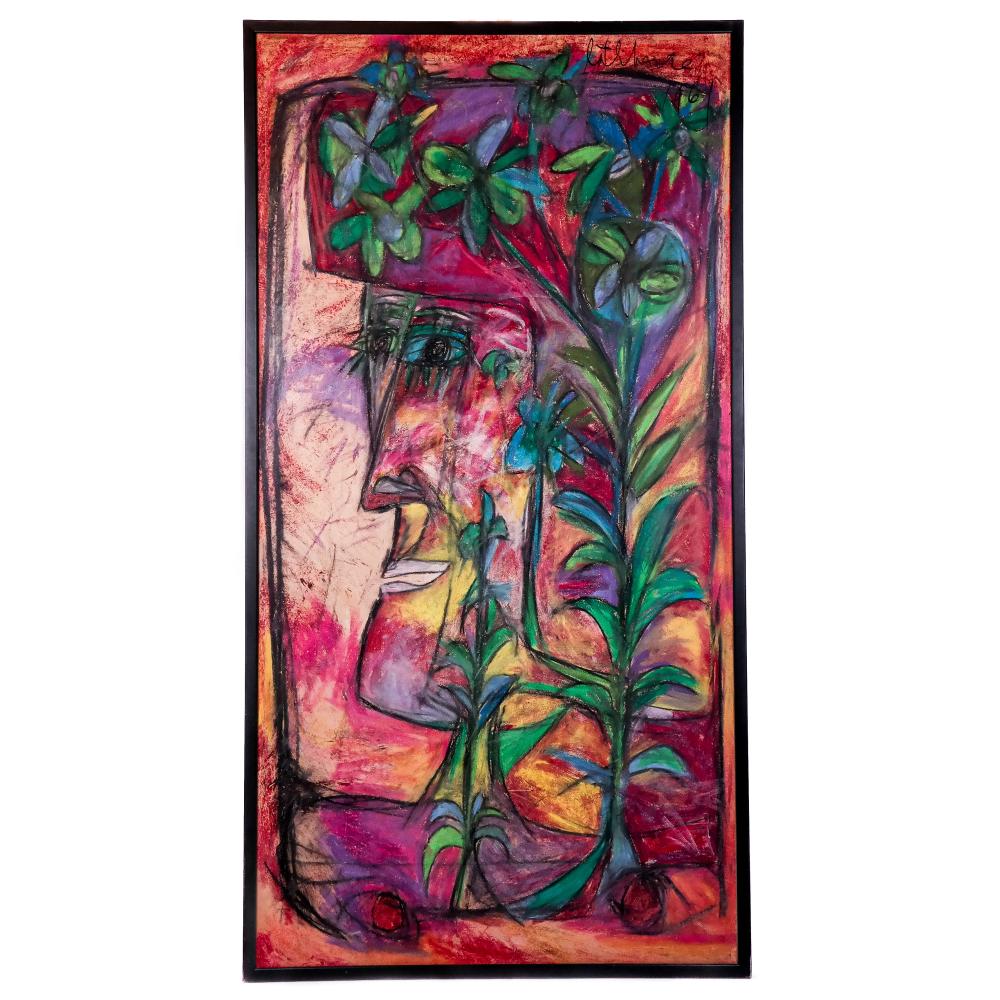 |
Norman LALIBERTE: Figural Abstract - PaintingSource blocked; provenance matched | Roland Auctions NY | 2024-04-06 | 683 | USD 600 (buyer’s-premium treatment unknown) |
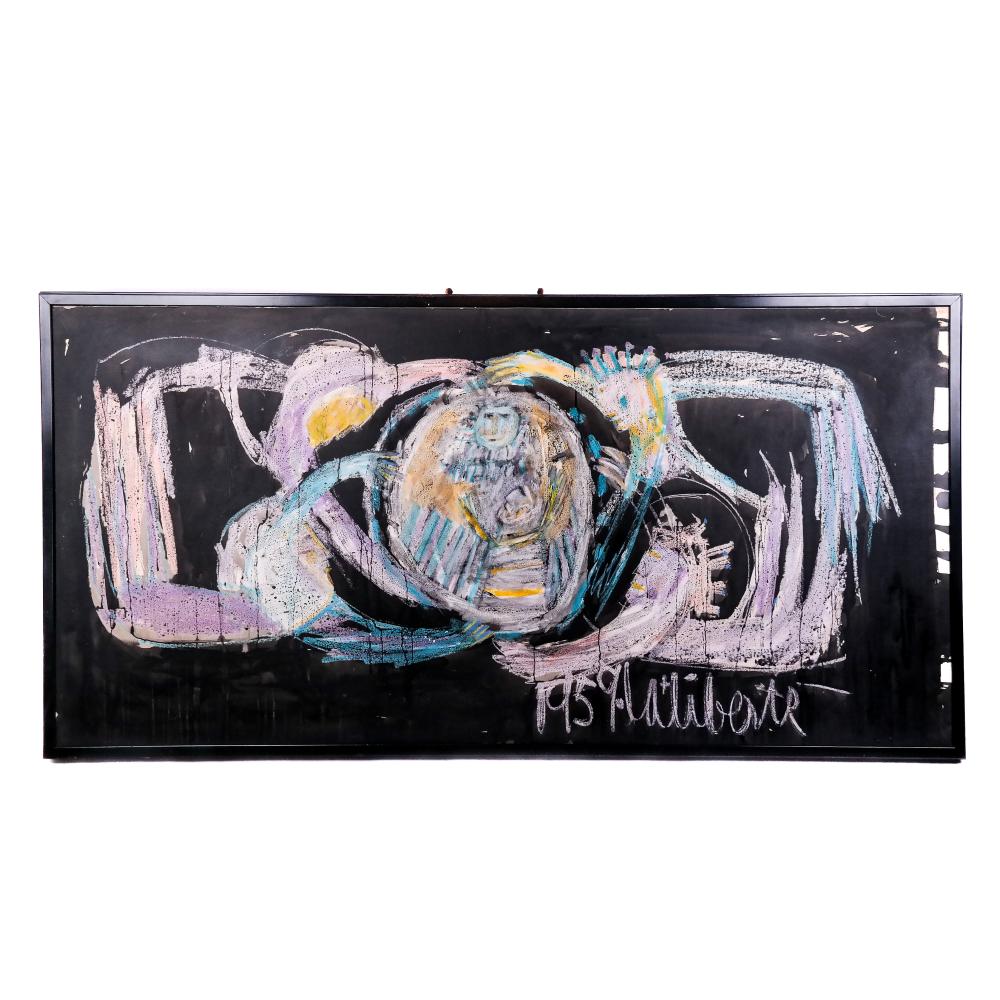 |
Norman LALIBERTE: Figural Abstract - PaintingSource blocked; provenance matched | Roland Auctions NY | 2024-04-06 | 682 | USD 475 (buyer’s-premium treatment unknown) |
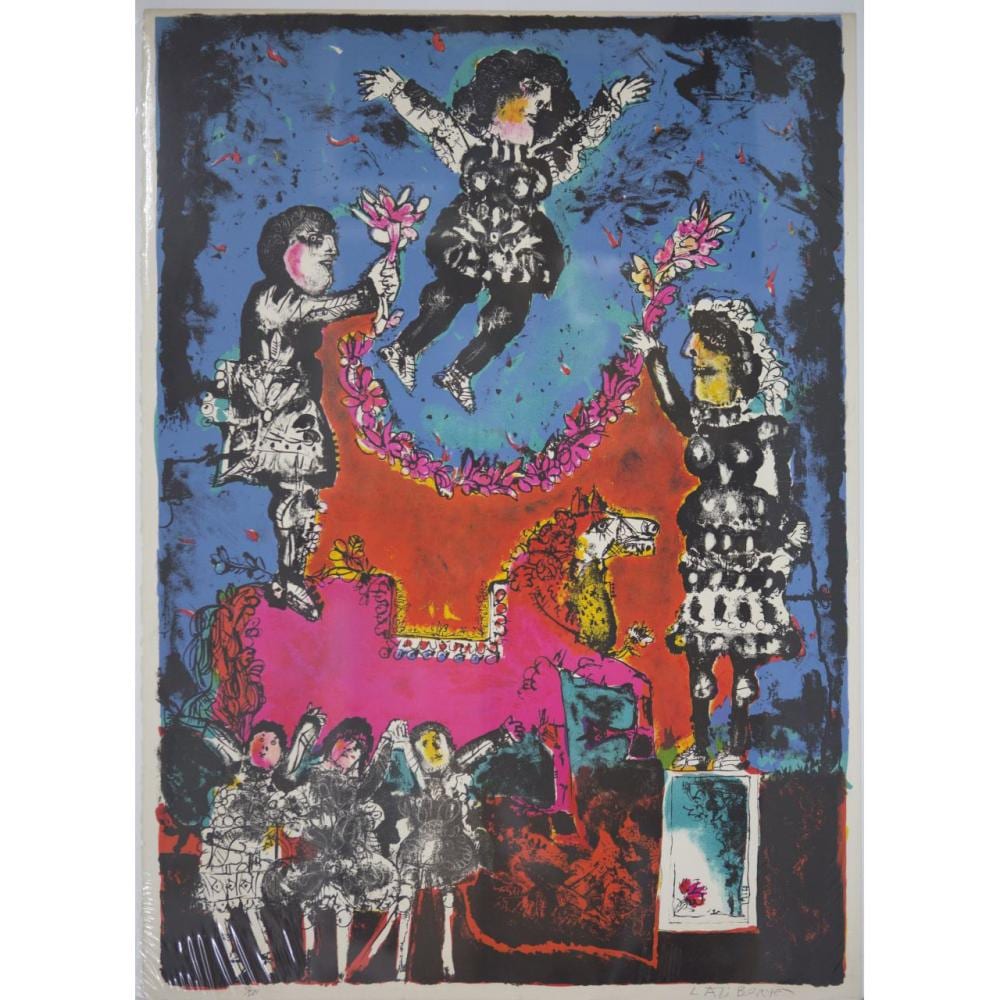 |
NORMAN LALIBERTE 'LE CIRQUE' LITHOGRAPH SIGNEDSource blocked; provenance matched | Antiques & Modern Auction Gallery | 2020-06-13 | 113 | USD 20 (buyer’s-premium treatment unknown) |
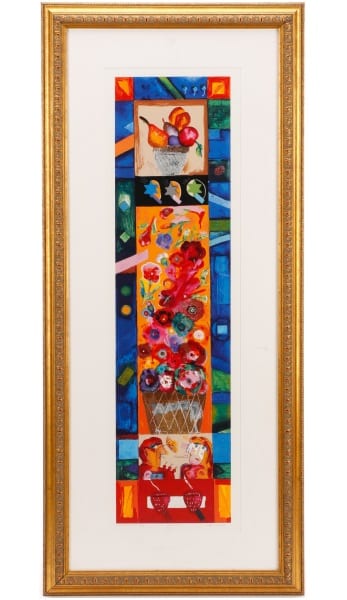 |
Norman Laliberte Lithograph, "Love At First Sight"Source blocked; provenance matched | Ahlers & Ogletree Inc. | 2016-12-04 | 350 | USD 75 (buyer’s-premium treatment unknown) |
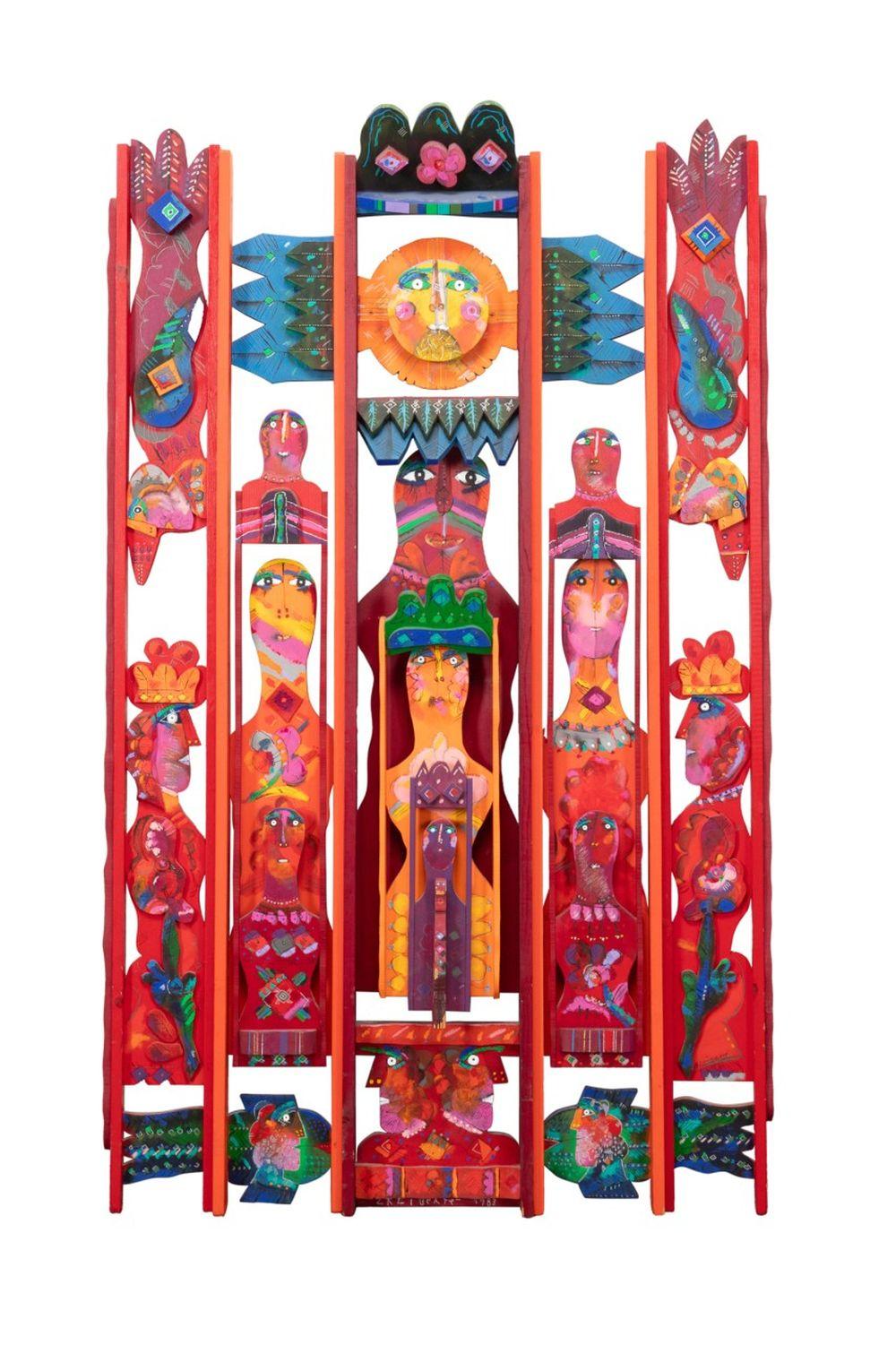 |
NORMAN LALIBERTE, LARGE FIGURAL PAINTED SCULPTURESource blocked; provenance matched | Ahlers & Ogletree Inc. | 2025-06-04 | 161 | USD 500 (buyer’s-premium treatment unknown) |
How these auction records were verified
Each row retains its exact source URL, lot identity, retrieval time, access result, and immutable record hash. Live source access was blocked; the exact record matched Appraisily's immutable pipeline provenance. Inspect the public comparable provenance record.
Disclosure: prices are shown as reported by auction houses and are provided for appraisal context. Learn more in our editorial policy.
How to sell it (without leaving money on the table)
Limited edition prints sell best when the listing makes authenticity easy to evaluate. That means photos and specifics, not just "beautiful framed art".
- Photograph the margins: show the edition number, title, and signature clearly.
- State the technique if known: lithograph/serigraph/etching; if unknown, say "editioned print" and show close-ups.
- Measure both sheet and image: buyers care about full sheet size.
- Disclose condition issues: foxing, toning, rippling, or frame damage.
- Ship flat and protected: for unframed prints, use a rigid portfolio mailer; for framed works, protect glazing and corners and consider double-boxing.
If you're pricing for a quick sale, a common approach is to list around 70–80% of fair-market and allow offers—especially if you can't provide out-of-frame photos. For insurance or estate documentation, prioritize accuracy and documentation over speed.
About the valuation method
For limited edition prints, Appraisily valuations start with identification (artist, title, medium, edition details), then condition grading, then a market check using comparable sales where available. Asking prices online are not reliable comps unless they are proven sold.
If you need a value for insurance replacement, the estimate can exceed fair-market value because it reflects gallery retail sourcing and the time required to locate a similar edition in comparable condition.
Search variations collectors ask
Readers also search for:
- Norman LaLiberté Neptune print value
- how to authenticate a hand signed limited edition print
- what does 12/150 mean on an art print
- how to tell lithograph vs serigraph
- does foxing reduce art print value
- best way to ship framed art print safely
- how to price a signed print for sale
- insurance value vs fair market value for prints
Each question is answered in the identification, condition, and comps sections above.
References
- Appraisily auction dataset pages cited in text: pastels (Curated Gallery Auctions lot 301), sculpture (EJS Auction & Appraisal lot 2197), artists/slug-9lj15d8kq4 (Old Kinderhook Auction Company lot 271).
- General print identification concepts: edition numbering, publisher chops/blind stamps, paper toning and mat burn (industry-standard practice; included here for collector guidance).