Unlocking the Secrets of Antiquity Discover the Hidden Value of Old Swords: appraisal and value basics
Unlocking the Secrets of Antiquity Discover the Hidden Value of Old Swords research should start with identification, condition, provenance, and item-specific market evidence. Use this guide to compare the signals that matter before paying for a formal appraisal or deciding whether to sell.
Old sword value checklist
Old swords sit at the intersection of art, metallurgy, and history. For appraisers and collectors, they can be illuminating case studies in craft traditions and cultural exchange—and sometimes exceptionally valuable objects. Understanding how to identify, document, and evaluate a sword can reveal hidden worth that’s easy to overlook. This guide distills what matters most: typology, construction, marks, provenance, condition, legality, and market context.
Why Old Swords Matter: History Meets Value
- Cultural artifacts: Swords encapsulate eras—feudal Japan, Renaissance Europe, Mughal India, Qing China, the Ottoman world. Their forms reflect tactics, materials, and status.
- Technical achievements: From pattern-welded cores and wootz crucible steel to differential hardening with visible hamon, swords showcase metallurgical innovation.
- Art and patronage: Engraving, gilding, damascening, and sculptural hilts link swords to court workshops and elite commissions.
- Provenance stories: Bring-back documentation, regimental associations, clan mon, or collection labels can multiply value.
Value arises when artistry, attribution evidence, condition, rarity, and provenance converge. Many swords are modest; a few are extraordinary. Knowing which is which is the core appraisal skill.
Identify What You Have: Type, Region, and Period
Start with typology. Form, dimensions, and hilt architecture often indicate region and century.
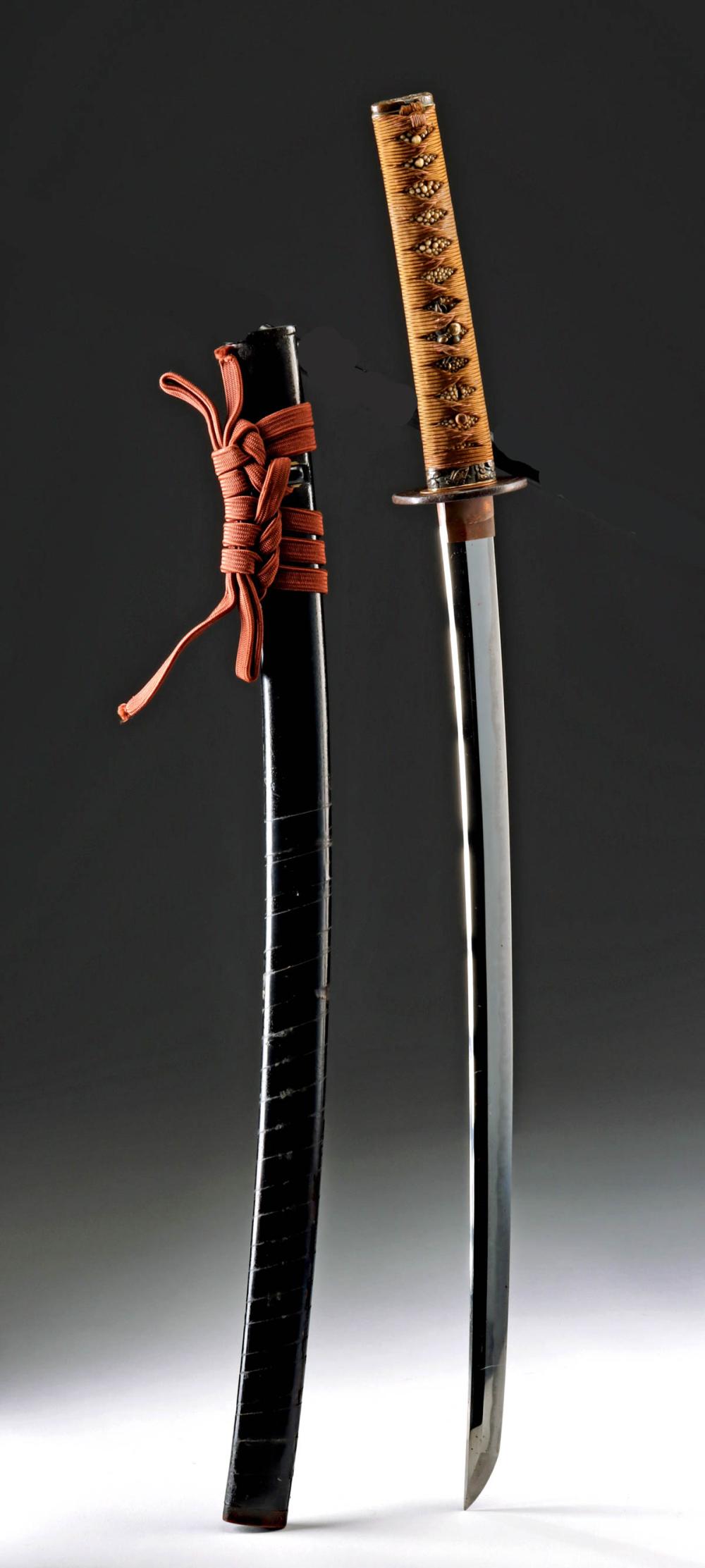
- Japanese (nihonto): tachi, katana, wakizashi, tanto. Clues include curvature (sori), kissaki (tip) shape, tang (nakago) finish and signature (mei), hamon patterns, and koshirae (mounts). WWII-era guntō (Type 98, Type 95 NCO) can be arsenal-made or older blades remounted.
- European:
- Medieval arming swords and longswords: cross-guards, wheel or scent-stopper pommels, fuller length and cross-section geometry (Oakeshott typology) inform date.
- Rapiers and smallswords: cup- or swept-hilt rapiers (16th–17th c.); smallswords with triangular blades and decorative hilts (18th c.).
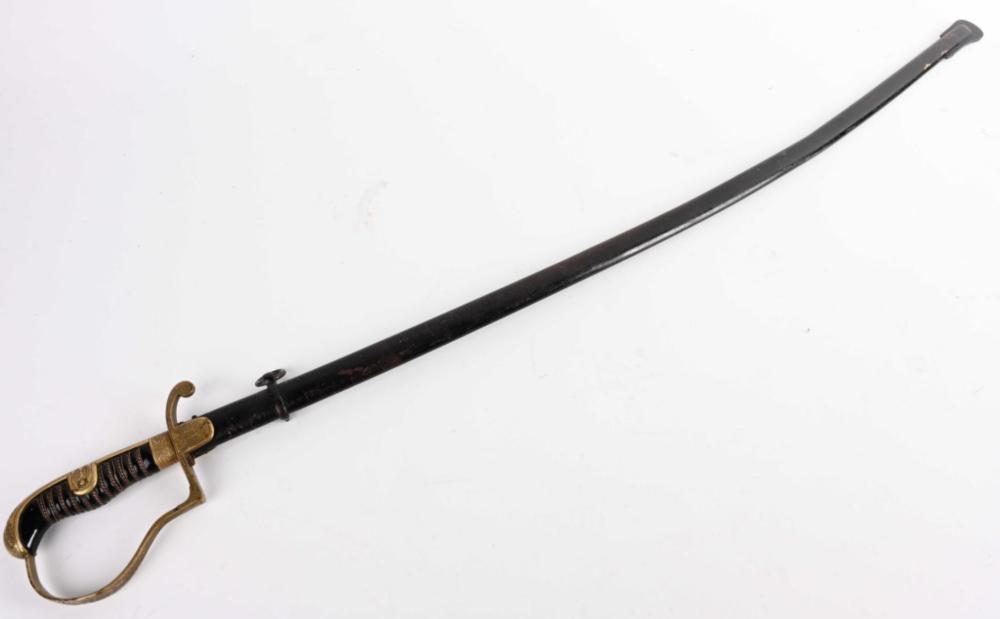
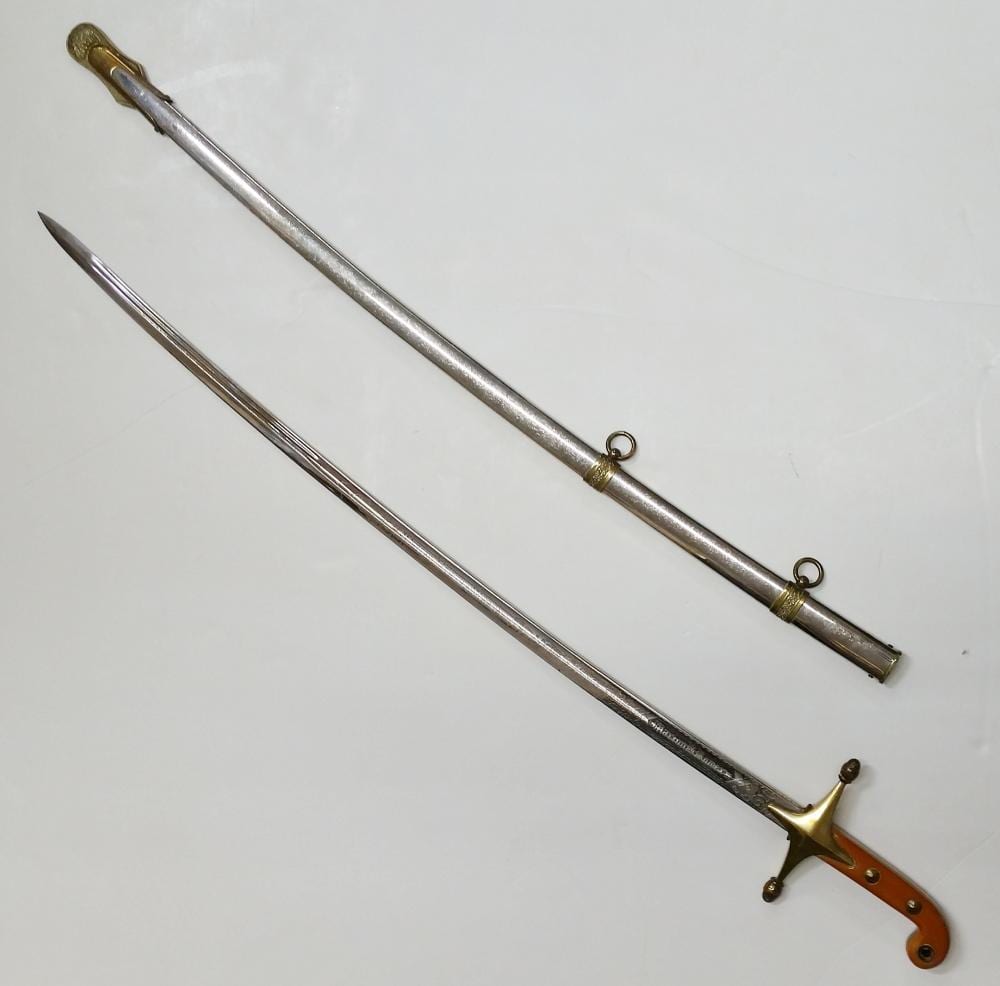
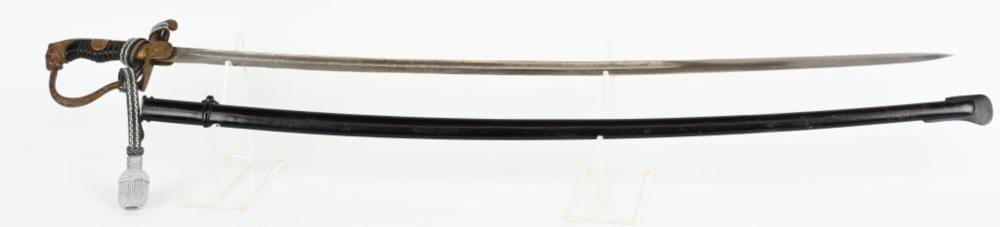
- Sabres: 18th–19th c. military patterns by nation (British 1796 light cavalry sabre, US M1860, French AN XI).
- Islamic, Persianate, and Indian: shamshir, kilij, talwar, tulwar, khanda/pata. Look for wootz patterns (true crucible steel), koftgari (gold/silver inlay), and regional hilt forms.
- Chinese: jian (double-edged) and dao (single-edged). Qing military swords often have standardized fittings; earlier pieces may show higher craftsmanship.
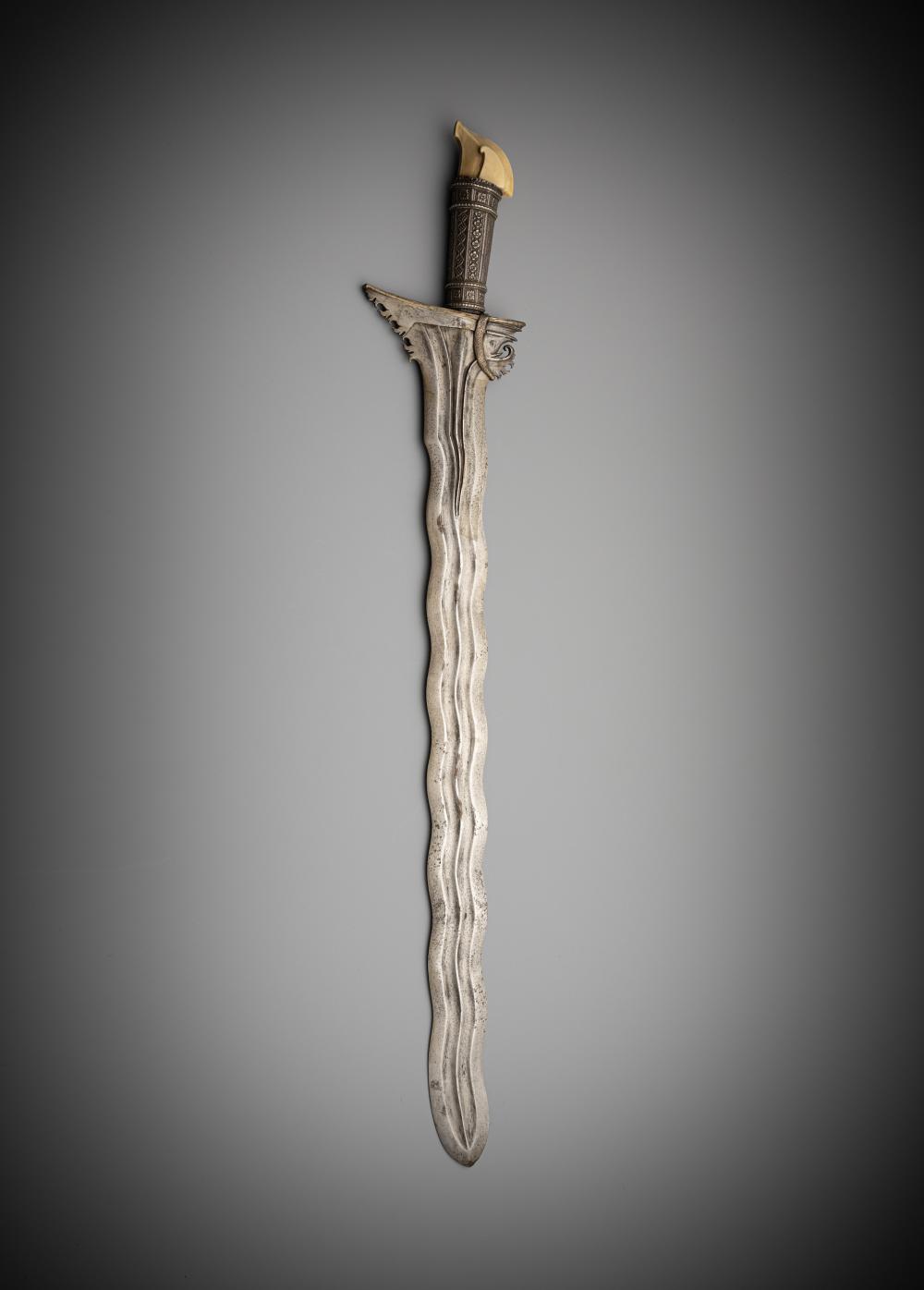
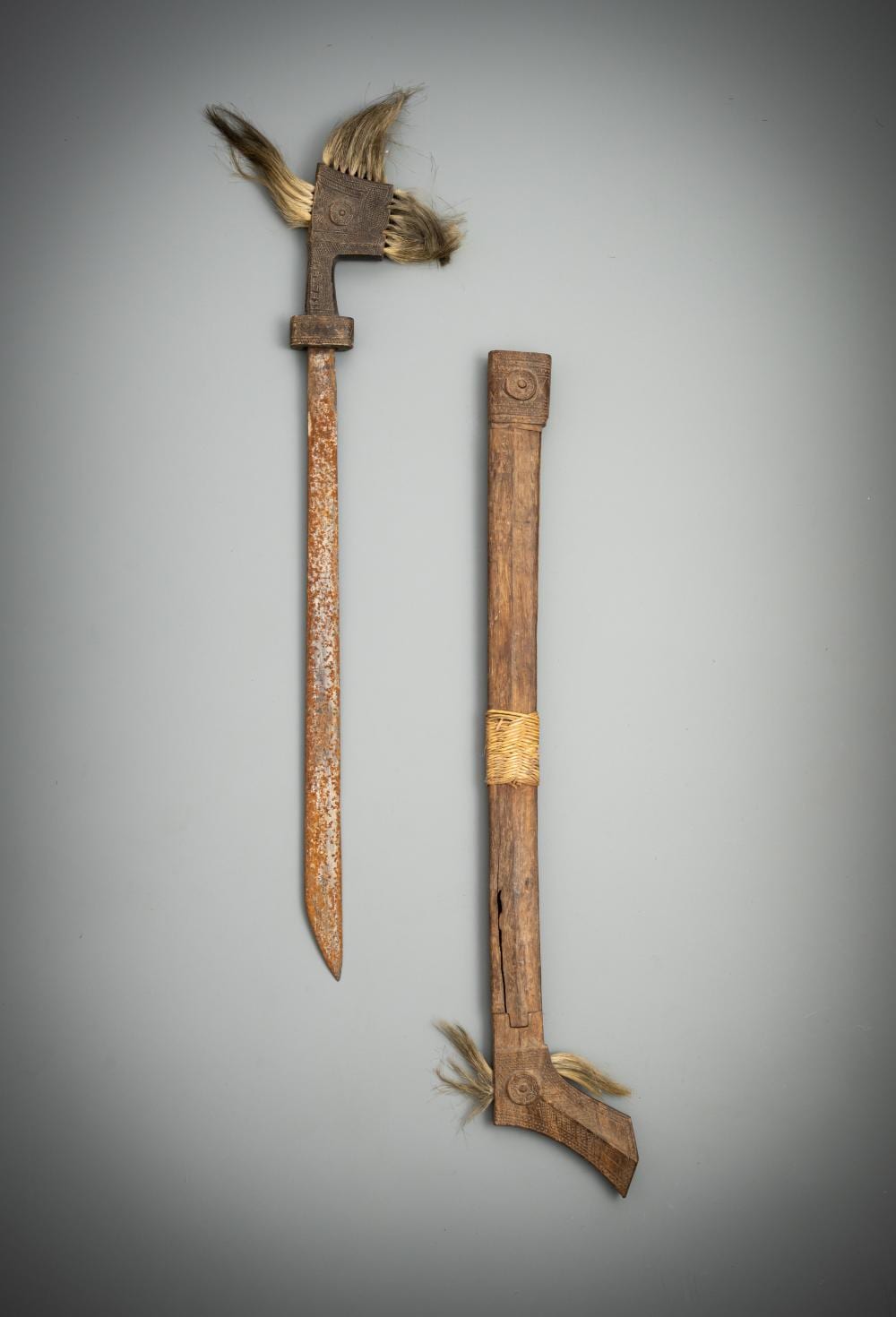
- African and Southeast Asian: examples include Sudanese kaskara, Indonesian keris (kris) with distinctive pamor patterns and regional hilts.
Measurements matter:
- Blade length and width, curvature, thickness at base and mid-blade, point of balance.
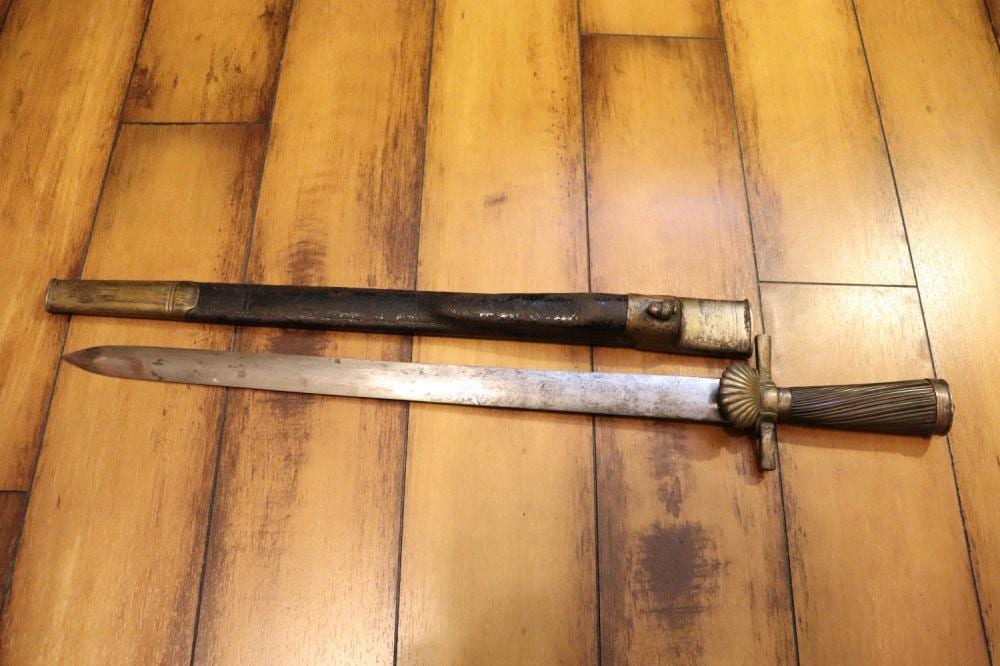
- Hilt: guard type (cross, basket, shell/cup), grip materials (ray skin, wire wrap, horn, wood), pommel shape.
- Scabbard: presence, material (leather over wood, metal mounts), fit to blade.
Period clues:
- Medieval blades: long fullers, pattern-weld evidence on early pieces, iron hilts evolving to steel.
- 16th–17th c.: complex guards, etched/inscribed blades, imported Solingen steel.
- 18th–19th c.: regulated military patterns with inspector marks, standardized forms, mass manufacture.
- 20th c.: arsenal stamps, serial numbers, standardized grips and fittings on military issue.
Key Features: Materials, Construction, and Maker’s Marks
Authenticity and quality reveal themselves in construction details. Examine closely, ideally under good light and magnification.
Materials and metallurgy:
- Pattern-welded blades: twisting and layering produce subtle longitudinal patterns; avoid mistaking acid-etched imitations for true pattern-weld.
- Wootz (crucible steel): genuine wootz shows a watery, damascene pattern in the steel matrix itself; etching brings contrast, but the pattern should persist across wear and not stop at scratches. Etched-on faux “Damascus” often looks too uniform.
- Japanese construction: laminated panels (hada) with differential hardening visible as a hamon. Real hamon follows the edge contour and continues around the kissaki; acid-etched hamon often appears milky, sits on the surface, and lacks activity (nie/nioi).
- Blade geometry: crisp ridges and consistent cross-sections suggest quality; excessive rounding may indicate heavy polishing or grinding.
Marks and inscriptions:
- Ricasso and spine marks: European blades often have maker/retailer marks near the hilt. Solingen (Germany), Toledo (Spain), Klingenthal/Châtellerault (France), and Birmingham/London (UK) are common hubs. Beware generic “Andrea Ferara” inscriptions—many are 18th–19th c. marketing marks, not a single maker.
- Proof and inspection stamps: British crowned “GR”/“VR,” French imperial eagles, US ordnance marks, regimental numbers, or unit identifiers. Match stamps to period.
- Japanese mei: signatures on the nakago (tang) with file marks (yasurime) and old, even patina. Bright-cleaned tangs and fresh-looking mei are red flags. Arsenal stamps (Seki, Showa) indicate WWII-era mass production rather than traditionally forged blades.
- Owner inscriptions and crests: mon on Japanese fittings, coats of arms on European blades, Persian cartouches. Verify style and wear.
Assembly and mounts:
- Originality: “Married” swords (blade and hilt from different periods/regions) are common. Mounts that don’t quite fit the blade (gaps, misaligned peen or tang nut) suggest later assembly.
- Peen vs screw tangs: many European swords are peened (dome over pommel); detachable pommel nuts appear later. Fresh tool marks or disrupted peens indicate disassembly or alteration.
- Scabbards: period scabbards add value. New leather, mismatched throat/chape, or poor fit may indicate later replacement.
Value Drivers: Condition, Rarity, Market, and Law
Condition and originality:
- Patina vs corrosion: stable, even patina is desirable; active red rust, deep pitting, and edge chipping lower value. Original surface is better than aggressive cleaning.
- Polish: For nihonto, professional togishi polish enhances both aesthetics and authentication; amateur polishing destroys value. For European/other swords, avoid buffing wheels that smear detail.
- Structural integrity: bends, cracks near the tang, delamination, or welded repairs reduce value and can signal forgery.
- Completeness: original scabbard, intact wire wraps, matching mounts, and surviving tassels or knots add value.
Rarity and desirability:
- Early medieval European swords and signed high-quality nihonto can command five- to six-figure prices.
- High-status pieces (court presentation swords, decorated shamshir with true wootz) are scarcer and more valuable than common military patterns.
- Military pattern swords vary: widely issued 19th-century sabres are common; elite units or early patterns can be rare.
Provenance:
- Documentary evidence (veteran bring-back papers, bills of sale, collection labels, auction lot IDs, regimental links) is a multiplier.
- Photographic evidence and published references add credibility.
- Provenance must align with material facts (e.g., a claimed medieval origin should match typology and metallurgy).
Market context:
- Prices swing with collector interest. Japanese swords with reputable papers, European swords published in scholarly works, and Islamic/Indian blades with fine wootz or inlay remain strong segments.
- Condition and paperwork explain wide price ranges: an 1860s sabre might trade at a few hundred dollars in average shape, but a pristine, regimental-identified example can be multiples.
- Beware over-reliance on asking prices; realized prices and condition-adjusted comparables are better guides.
Legal and ethical considerations:
- Export/import: Some nations restrict export of cultural property. Know local laws and obtain permits where required.
- CITES: Items with ivory, tortoiseshell, or certain woods may require CITES compliance.
- Repatriation and conflict heritage: Be vigilant about items potentially subject to claims or embargoes.
- Weapons laws: Ownership is generally legal for antiques in many jurisdictions, but local restrictions on carrying, shipping, or blade length may apply.
Quick Appraisal Checklist
- Handle safely: Wear gloves or clean dry hands; avoid touching polished blades. Check that the hilt is secure before handling.
- Document thoroughly: Photograph blade, hilt, marks, tang (if accessible), and scabbard. Record measurements and weight.
- Map the type: Identify category (e.g., katana, smallsword, talwar) and likely region/period based on form and fittings.
- Inspect construction: Look for hamon/hada, pattern-weld, or wootz patterns; assess blade geometry and guard/pommel assembly.
- Capture marks: Note maker’s marks, inspection stamps, inscriptions, arsenal stamps, and mon or crests. Sketch or transcribe accurately.
- Evaluate originality: Judge whether blade, hilt, and scabbard belong together. Check peen/tang nut and fitting alignment.
- Grade condition: Distinguish stable patina from active rust; note pitting, edge damage, rewelds, or polishing.
- Research comparables: Use pattern numbers, maker, and condition to find similar documented examples and realized prices.
- Verify provenance: Gather paperwork, family history, labels, and photographs; ensure claims match physical evidence.
- Check legality: Confirm any export/import and restricted materials requirements before listing or shipping.
- Decide on conservation: For nihonto, consult a recognized togishi; for others, limit to gentle cleaning, oiling, and microcrystalline wax. Avoid irreversible restoration.
- Plan disposition: Choose appropriate venue—specialist auction, private sale, or dealer—based on object tier and documentation.
FAQ
Q: How can I tell if a Japanese hamon is real or acid-etched? A: A real hamon follows the hardened edge and continues into the tip geometry, showing fine crystalline activity (nie/nioi) and depth under angled light. Acid-etched hamon often looks flat and “on top” of the steel, with uniform opacity and abrupt termination near the tip. Also examine the tang: a genuine traditionally made blade typically has an old, dark, uncleaned tang with clear file marks; bright-cleaned tangs and fresh signatures are red flags.
Q: Does cleaning increase a sword’s value? A: Over-cleaning almost always reduces value. Preserve original surfaces. For most swords, carefully remove active red rust with oil and soft cloth, then stabilize with a light protective coating (e.g., microcrystalline wax). Never use power buffers or abrasive papers. For Japanese blades, only a trained togishi should polish; amateur work can permanently destroy historical and monetary value.
Q: What paperwork matters most for appraisal? A: Verifiable provenance (bills of sale, bring-back papers, collection labels, photographs with the item, catalog references) and recognized certifications (e.g., established Japanese sword society papers) are highly persuasive. Ensure the documents clearly match the sword via specific features, inscriptions, or measurements.
Q: How do I spot a reproduction or “tourist” sword? A: Clues include soft or cast details on the hilt, modern stainless blades, acid-etched patterns pretending to be wootz or hamon, mismatched or ill-fitting mounts, and nonsensical inscriptions. Many reproductions use machine-made blades with heavy, uniform grinding marks and overly bright finishes. If markings don’t align with known period stamps or maker styles, be skeptical.
Q: Are there legal issues with shipping or selling old swords? A: Yes. Verify local laws on possession and shipment of bladed antiques, and check international regulations. Cultural property export permits may be required. If the sword has restricted materials (ivory, tortoiseshell, certain woods), CITES documentation may be necessary. Never ship an item that may violate embargoes or repatriation laws.
By approaching old swords with a structured method—identify the type, examine construction, decode marks, verify provenance, assess condition, and consider legal and market contexts—you uncover both historical insight and real monetary value. The best appraisals treat swords as multifaceted cultural objects, where the story and the steel are equally important.