Start with type and origin
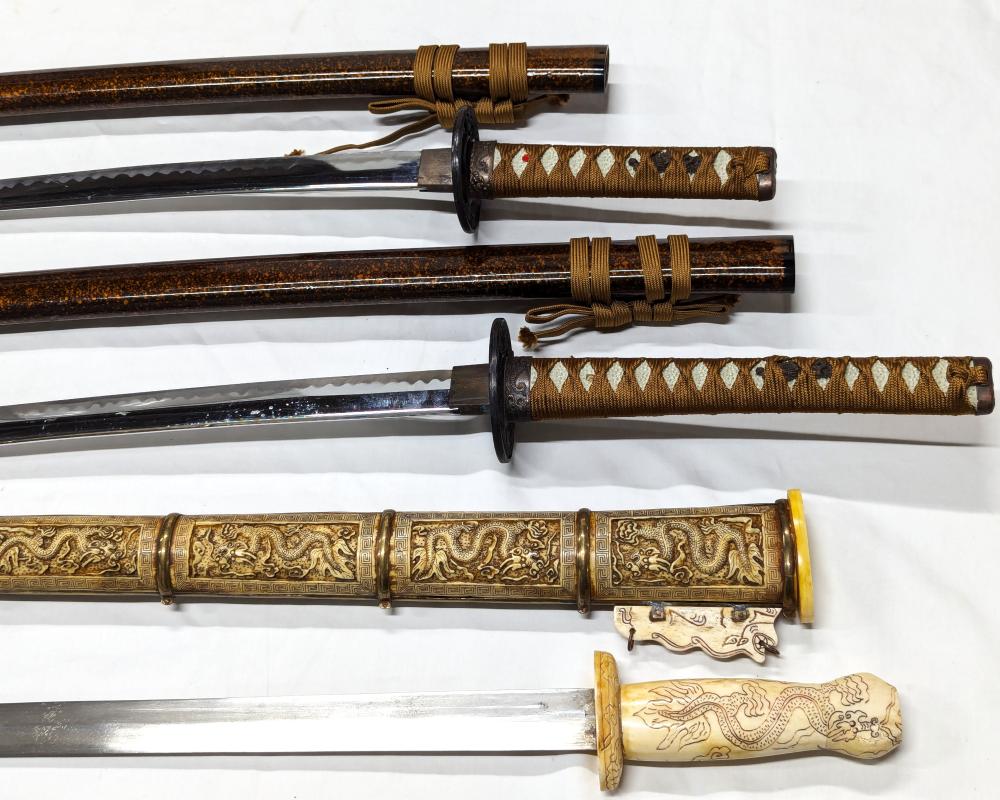
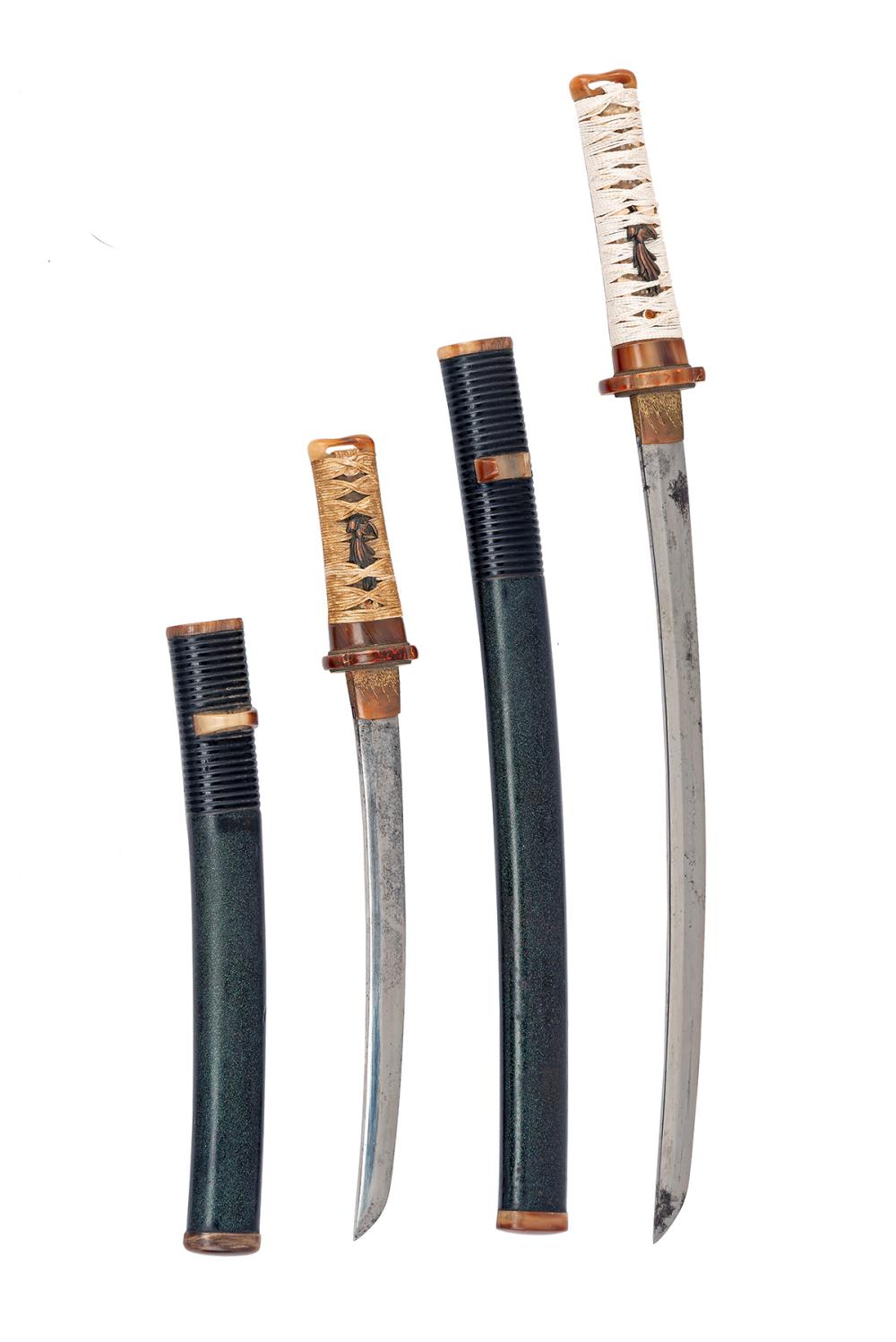
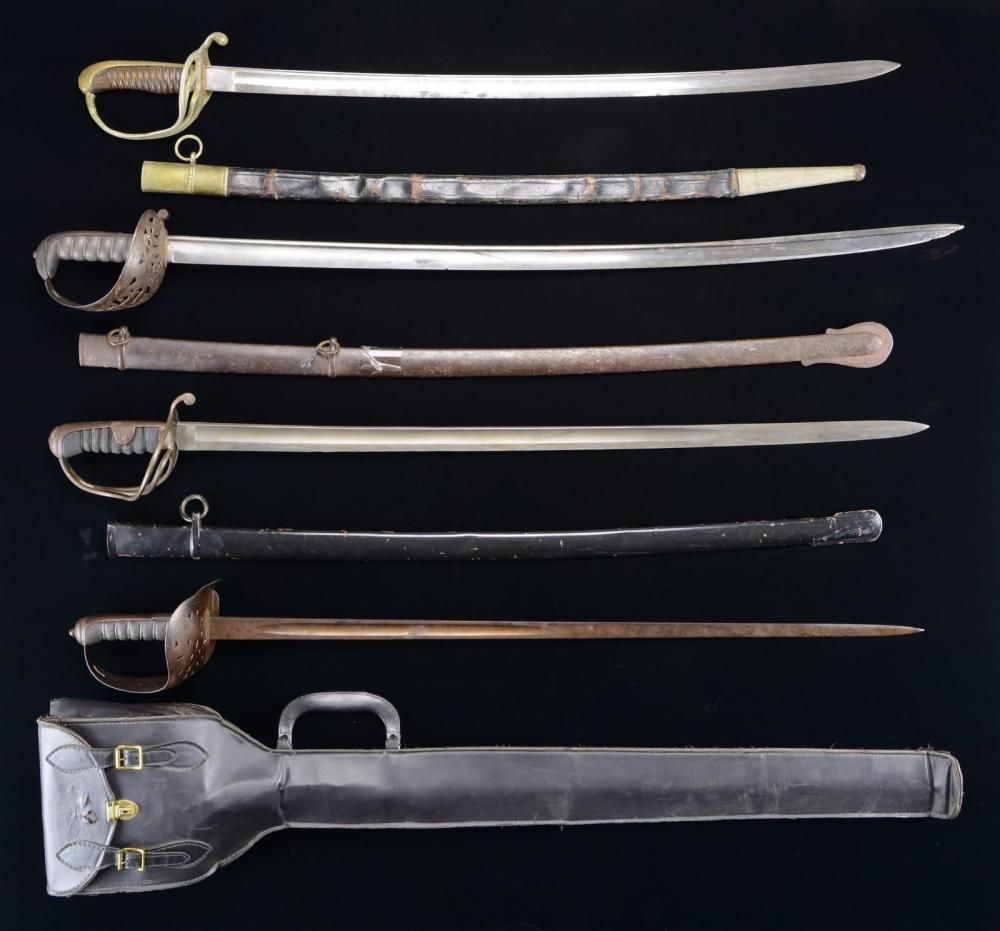
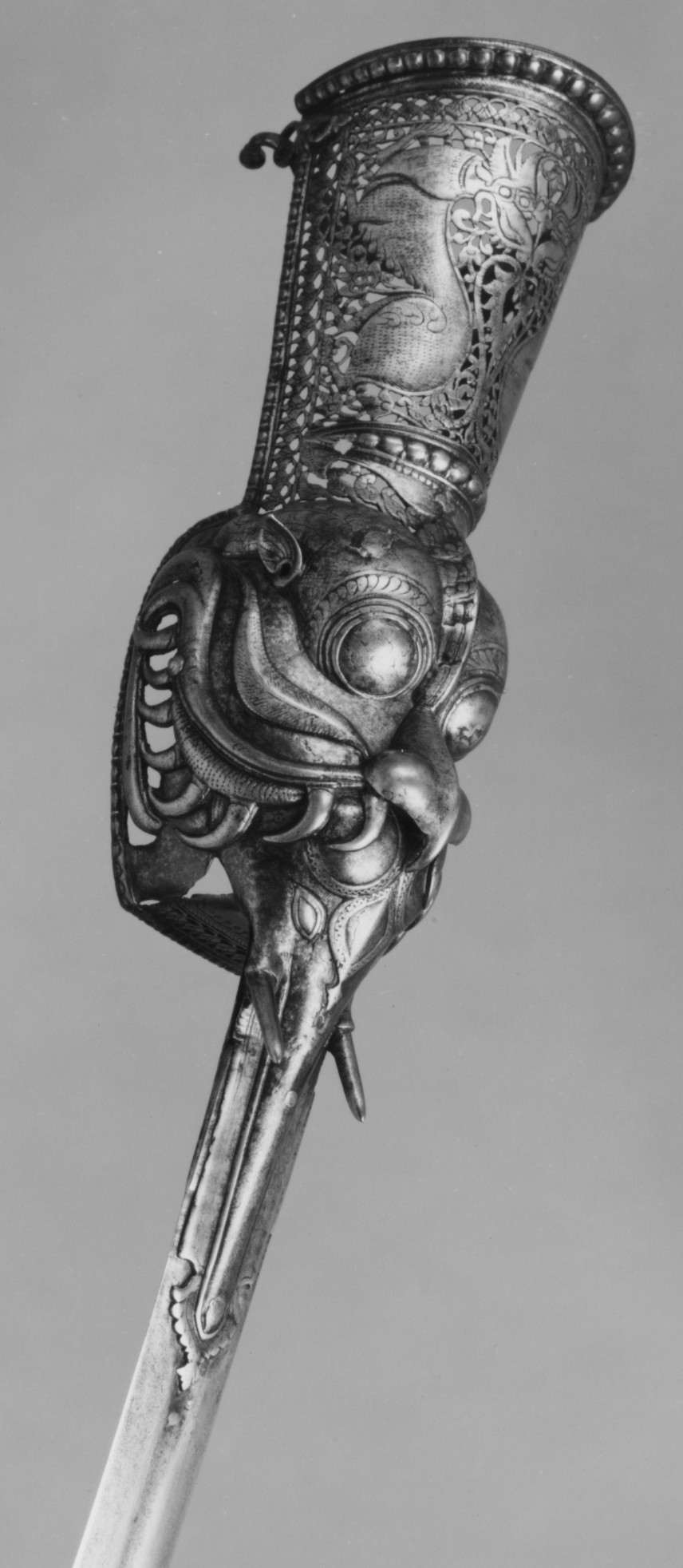
A sword must be identified by form before value can be discussed. Military sabres, court swords, presentation swords, naval swords, Japanese swords, Indian weapons, and decorative replicas each have separate markets.
- Photograph the full sword, blade, hilt, guard, pommel, scabbard, marks, etching, and any knots or belts.
- Record blade length and overall length.
- Do not polish the blade or remove patina before specialist review.
Originality and condition
Condition includes blade edge, tip, pitting, active rust, bends, sharpening, replaced grips, loose guards, missing scabbard, and cleaned or re-etched surfaces. Originality risk is high in some categories.
- Maker marks and military markings should be photographed in sharp focus.
- Scabbards and hilts should match the sword period and type.
- Provenance can help, but family stories need supporting evidence.
Legal and safety context
Sword ownership and sale can be affected by local laws, shipping rules, and platform restrictions. For appraisal, handle safely, keep the blade sheathed when possible, and do not test sharpness.
If the sword could be culturally sensitive or regulated, ask for specialist guidance before sale.
When to request a written report
Use a written appraisal for estate, insurance, donation, or high-value sale planning. The report should state intended use, value type, identification basis, condition, and comparable market evidence.
Avoid publishing value claims without a verified type, condition review, and relevant sold results.
Need a value opinion on your antique sword?
Upload clear photos, marks, dimensions, and condition notes. Appraisily can review the item remotely and tell you which details matter most.
Start antique appraisal