Discover Expert Antique Sword Appraisals Near You Top Tips And Local Finder Guide
Antique swords sit at the intersection of art, craftsmanship, and military history. Whether you’ve inherited a family piece, discovered a flea-market find, or are building a serious collection, a professional appraisal is the surest way to understand authenticity, value, and the best path forward. This guide explains what drives sword value, how to prepare for an appraisal safely, where to find trusted experts near you, what appraisal reports cost and cover, and how to care for and insure your blade after you’ve established its market standing.
What Drives Antique Sword Value
Understanding why one sword is worth a few hundred dollars and another commands six figures starts with a few core factors:
- Maker, school, and period
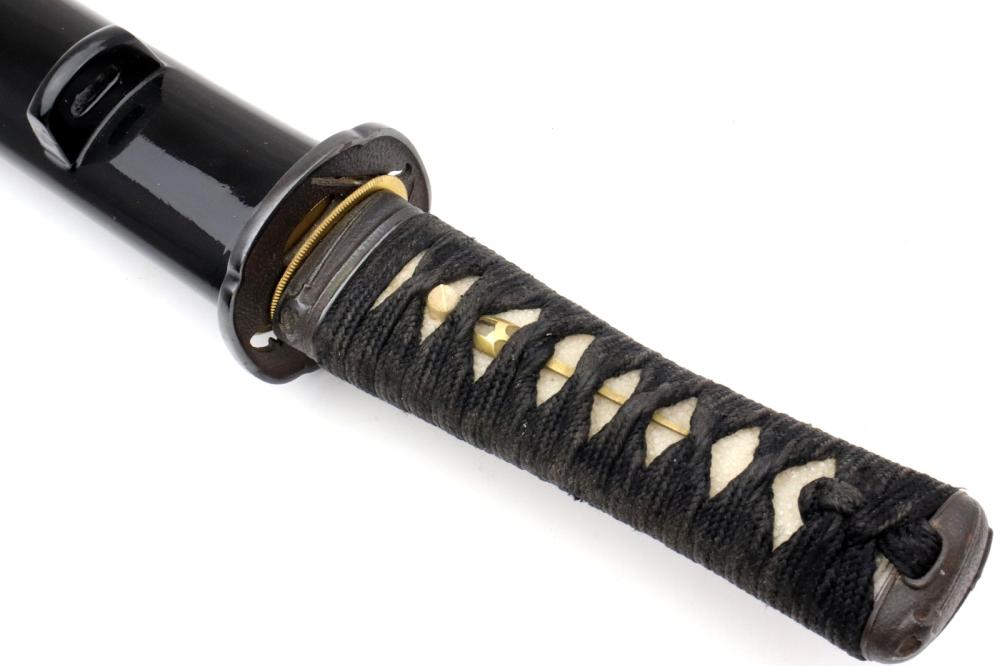
- Japanese (nihonto): Koto (pre-1600), Shinto (17th century), Shinshinto (late 18th–19th century), and 20th-century gendaito (traditional) vs showato (machine/arsenal-made). Signed blades (mei), quality hamon (temper line), visible hada (forging grain), and reputable schools or smiths strongly influence value.
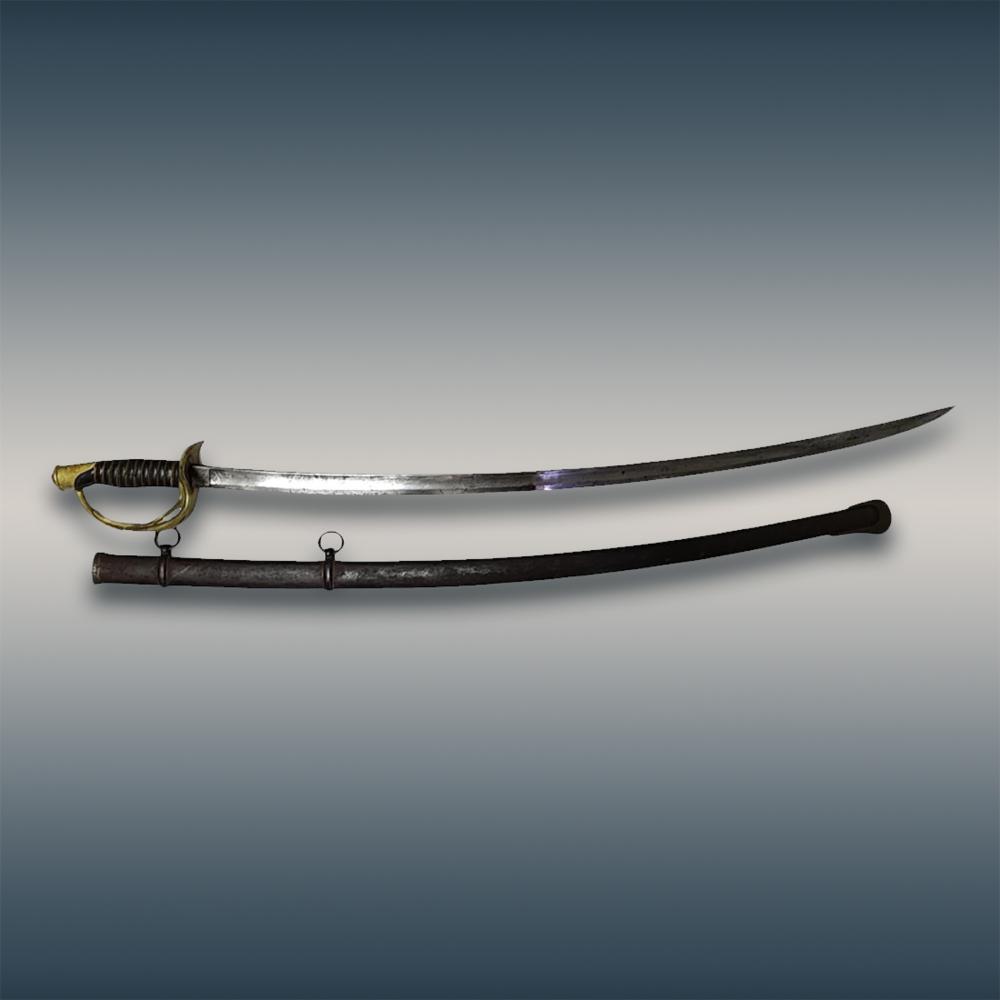
- European: Renaissance rapiers, 18th- and early-19th-century smallswords, cavalry sabres, naval cutlasses, and presentation swords. Named makers and regimental or naval associations increase desirability.
- Middle Eastern/Asian: Persian/Ottoman shamshir and kilij, Indian talwar, Burmese dha, Chinese jian and dao—quality wootz/damascus, original mounts, and inscriptions are key.
- Condition and originality
- Intact geometry, crisp fullers, and original surfaces beat over-polished steel. Healthy patina is typically good; active red rust is not.
- Matching mounts and scabbard add value. For nihonto, original koshirae (mounts) and well-executed polish (by a trained togishi) are significant value drivers.
- Provenance and documentation
- Named officer swords, unit-marked blades, battlefield pick-ups with period papers, and recognized appraisal or shinsa papers (e.g., NBTHK/NTHK for Japanese swords) can materially lift value.
- Materials and decoration
- Precious metals, fine engraving, chiseled tsuba, quality ray skin (samegawa), etched or blued panels, and gilt highlights are positives. Be aware of CITES restrictions for ivory, tortoiseshell, and certain animal products.
- Rarity and demand
- Limited-production models, short-lived patterns, or swords tied to pivotal conflicts or regions with active collector bases generally appreciate.
- Market comparables
- Current realized prices for similar swords in comparable condition and with similar documentation guide fair market value and replacement cost.
Red flags that may depress value or indicate a reproduction:
- Glossy stainless steel blades on “antique” patterns
- Acid-etched temper lines on supposed nihonto
- Casting seams on guards/fittings; modern screws or metric hardware
- Homogenous, sanded tangs (nakago) with bright metal; genuine older Japanese tangs have dark, stable patina with file marks (yasurime)
- Mismatched patina between blade and fittings
Preparing Your Sword for Appraisal (Safely)
Proper preparation protects the sword and helps your appraiser deliver a faster, more accurate opinion.
- Do no harm
- Do not sharpen, buff, sand, or polish. Do not attempt “restoration.” Overcleaning can erase value.
- Never scrub the tang (nakago) of a Japanese blade; the patina and file marks are critical for dating and authenticity.
- Safe handling
- Wear clean cotton or nitrile gloves; avoid fingerprint oils, especially on polished blades.
- Use a scabbard or edge guard. Handle over a padded surface.
- Basic stabilization (only if already being practiced)
- If a carbon-steel blade is already oiled, maintain a very light, non-acidic oil film; avoid heavy household oils. For nihonto specifically, choji oil is traditional, but if you’re unsure, leave the blade dry and stable and let the appraiser advise.
- If you see active red rust, stop. Photograph and consult—don’t attempt removal.
- Measurements and photos to bring (for pre-visit screening)
- Overall length; blade length; curvature (sori) for Japanese swords; blade width at habaki/ricasso and at mid-blade; thickness if feasible.
- Close-ups: maker’s signatures, arsenal or inspection stamps, engravings, proof marks, hamon and hada (if present), guard, pommel, grip wrapping, scabbard throat and tip, spine and tip.
- Full-length photos of both sides of the blade and scabbard in good, diffuse light.
- Documentation
- Any prior appraisals or shinsa papers, purchase receipts, family provenance, wartime capture papers, unit records, or museum correspondences.
- Transport and legal considerations
- Check local laws about carrying bladed weapons. Use a locked case. Schedule an appointment; never walk into a public venue unscheduled with an unsheathed weapon.
How to Find Trusted Appraisers Near You
Finding the right expert is half the job. Use multiple avenues and vet thoroughly.
- Where to look
- Auction houses with Arms & Armour or Militaria departments often provide valuations and formal appraisals.
- Specialist dealers in antique arms, militaria, and nihonto.
- Accredited personal property appraisers with a declared specialty in arms and armour.
- Museums with arms collections may recommend independent specialists.
- Sword shows, collector societies, and regional historical arms associations; for Japanese swords, look for shinsa events and club meetings.
- Smart search terms
- “[Your city/region] arms and armour appraiser”
- “Militaria appraisal near me”
- “Antique sword valuation [city]”
- “Nihonto appraisal” or “katana appraisal” (and regional language equivalents)
- Credentials and experience to verify
- USPAP-compliant appraisal practice; membership in appraisal organizations (e.g., ISA, ASA, AAA) or relevant professional bodies (e.g., RICS in the UK).
- Category experience: ask specifically about European smallswords, rapiers, sabres, nihonto, Indo-Persian arms, or Chinese weapons—whatever matches your piece.
- Sample reports: quality, clarity, method of value, and comparables cited.
- Conflict-of-interest policy: an appraiser should disclose if they are also a dealer. Best practice is fee-only appraisal; if a dealer appraises, ensure a clear separation from purchase offers.
- References and market knowledge
- Ask for recent comparable sales they’ve handled or tracked. Confirm they monitor current auction results and market shifts.
- Remote vs in-person
- Photo-based screening is common for preliminary estimates. Final written appraisals for high-value swords often require physical inspection.
- If shipping is necessary, confirm the appraiser’s review process, insurance, and secure packaging guidelines before you send anything.
Shortlisting approach:
- Build a list of 3–5 specialists within driving distance or that serve your region.
- Email photos and measurements for preliminary feedback.
- Compare fees, turnaround, and report scope.
- Choose the appraiser whose expertise matches the sword’s category and whose process is transparent and documented.
Costs, Report Types, and When You Need Each
Appraisals vary by purpose. Clarify your goal first.
- Verbal walk-through
- What it is: an in-person or video conversation with range-based value guidance.
- Use case: quick triage, deciding whether to pursue formal appraisal, basic selling decision.
- Typical fee: often hourly or a set consultation fee; expect roughly the cost of an hour of professional time.
- Written appraisal for insurance (replacement value)
- What it is: a formal report describing the piece, condition, methodology, and a retail replacement value suitable for scheduling on a policy.
- Use case: insuring a high-value sword; documenting for loss or theft.
- Fees: commonly hourly; per-item minimums are typical. Complex swords or large collections cost more.
- Written appraisal for fair market value (FMV)
- What it is: a documented opinion of the price between willing buyer and seller in an open market.
- Use case: estate planning, charitable donation, equitable division, or private sale planning.
- Liquidation or auction estimate
- What it is: value under constrained time or via auction.
- Use case: estate liquidation or selling via a specific auctioneer.
Turnaround time is typically 3–10 business days for single items; rush options may exist. Always ask:
- Will the report include photos, measurements, maker analysis, condition notes, and comparables?
- What standard(s) do you follow for appraisal practice?
- How are fees structured (hourly vs per item)? Are there travel charges?
Bring: all prior papers, provenance, shinsa certificates, and clear photos. The more complete the file, the stronger the appraisal.
Selling, Insurance, and Care After Appraisal
Once you know what you have, make choices that preserve value.
- Choosing a selling venue
- Auction houses: broad exposure, chance of strong results, buyer competition. Factor in seller’s commission and fees; consider reserves.
- Specialist dealers: quicker sale, curated clientele; expect a dealer margin.
- Private sale: potentially best net return if you have access to collectors and strong documentation; requires due diligence and secure transaction logistics.
- Insurance and documentation
- If insuring, schedule the sword on a valuables policy using the replacement value report. Keep digital copies of the appraisal and photos in multiple locations.
- Revisit appraisals every 3–5 years, or sooner if markets move or you significantly improve documentation.
- Conservation and storage
- Climate: cool, dry, stable humidity; avoid attics and damp basements. Use silica gel in display cases.
- Steel: prevent active rust; microcrystalline wax can be appropriate for many European blades and steel mounts once stabilized—use sparingly and avoid crevices.
- Nihonto: specialized care applies; do not polish or re-mount without expert guidance. Never oil a blade stored in a wood scabbard (shirasaya) to the point of seepage.
- Organic materials: leather scabbards, ray skin, wood grips, and wire wraps are vulnerable—avoid heavy conditioners; consult a conservator for fragile components.
- Legal and export considerations
- Some countries require export licenses for antiques over a certain age or for arms. Materials like ivory, tortoiseshell, and certain animal skins fall under CITES.
- War trophies may require documented provenance for legal sale or export. Retain all paperwork.
Practical Pre-Appraisal Checklist
- Photograph both sides of the blade, guard, grip, and scabbard in diffuse light.
- Record measurements: overall and blade length; width at base and mid-blade; curvature if applicable.
- Note any signatures, inspection marks, serials, engravings, or monograms.
- Gather paperwork: prior appraisals, shinsa certificates, receipts, capture papers, family notes.
- Do not clean, polish, or sharpen; never alter the tang on Japanese blades.
- Handle with gloves and a sheathed or edge-protected blade; use a padded surface.
- Confirm local transport laws; use a locked case and pre-book the appointment.
- Email photos to the appraiser for screening before traveling or shipping.
- Ask for fee structure, report type, and turnaround in writing.
- Clarify conflict-of-interest policy if the appraiser also deals in arms.
- If shipping: agree on packing, insurance, and signature requirements beforehand.
FAQ
Q: Are WWII officer swords valuable? A: They can be. Value depends on whether the blade is traditionally forged (gendaito) or machine/arsenal-made (showato), maker quality, condition, and documentation. Arsenal stamps and uniform machine grain suggest showato, which generally carry lower values than traditionally forged blades with visible hamon/hada and known smiths.
Q: How can I tell a reproduction from an authentic antique? A: Warning signs include stainless or chrome-like blades, cast details with seams, modern screws, “Made in” stamps on period styles, overly uniform acid-etched patterns, and mismatched patina. For Japanese swords, a bright cleaned tang or fake-looking signature is a red flag. When in doubt, get a professional inspection.
Q: Should I remove rust before an appraisal? A: No. Active red rust should be documented and then addressed by a professional conservator. Avoid sanding, wire-brushing, or chemical rust removers. For nihonto, amateur “polishing” can permanently destroy value.
Q: What does a typical appraisal cost? A: Fees vary by region and complexity. Expect roughly an hour of professional time for a verbal consult, and higher fees for formal written reports with photos and comparables. High-end swords and large collections take longer and cost more. Always request a quote and scope in advance.
Q: Is it safe to ship a sword to an appraiser? A: It can be, with proper packing and clear agreement. Use a rigid case or heavy tube, protect the tip, immobilize the blade, double-box, insure for full value, and require adult signature. Confirm the appraiser’s submission steps and carrier rules before shipping.
With a sound understanding of value drivers, careful preparation, and a methodical approach to finding the right specialist, you’ll get a reliable appraisal and a clear plan for stewardship, sale, or insurance of your antique sword.