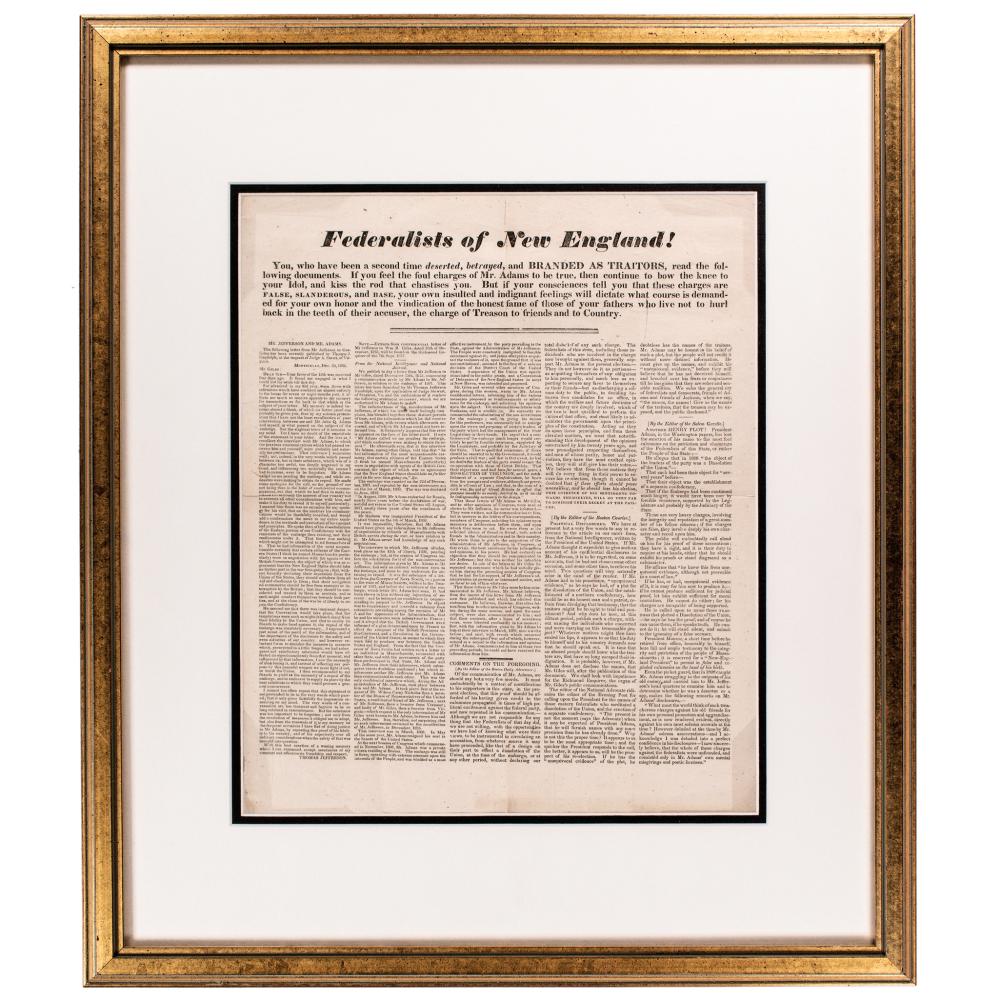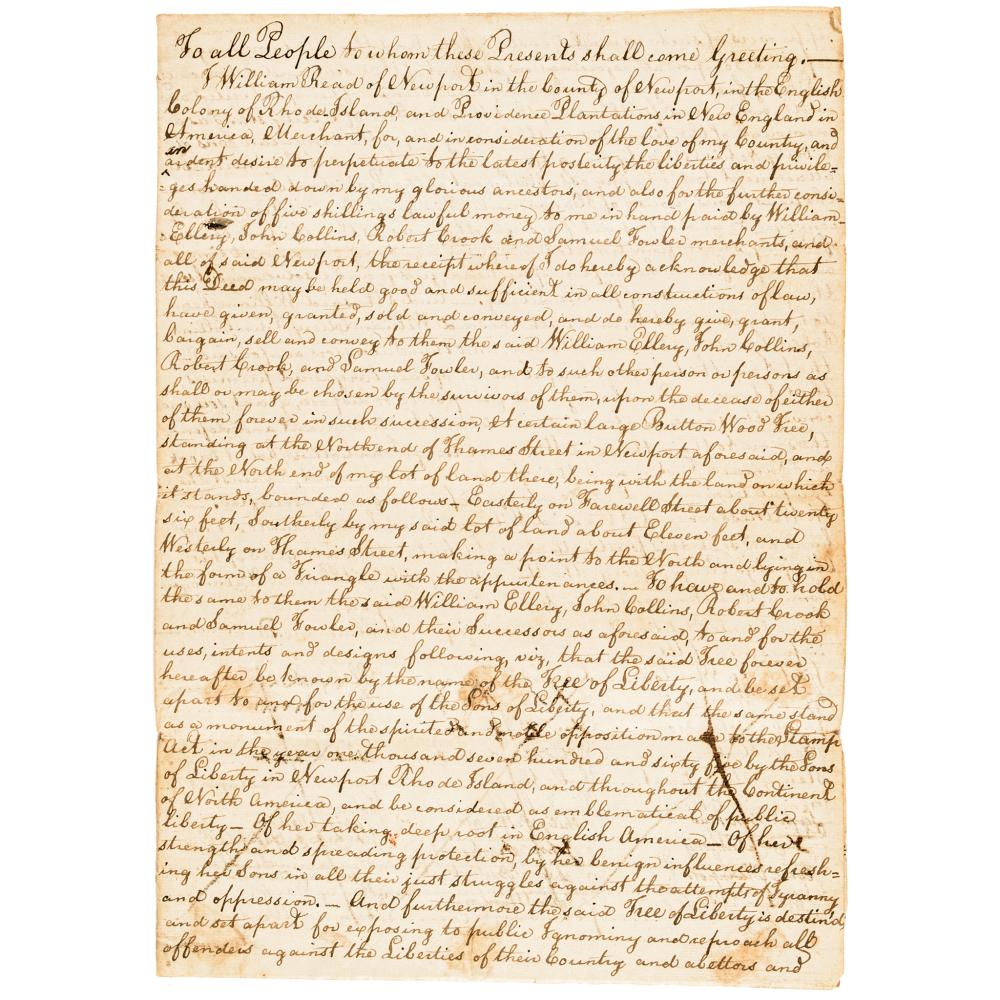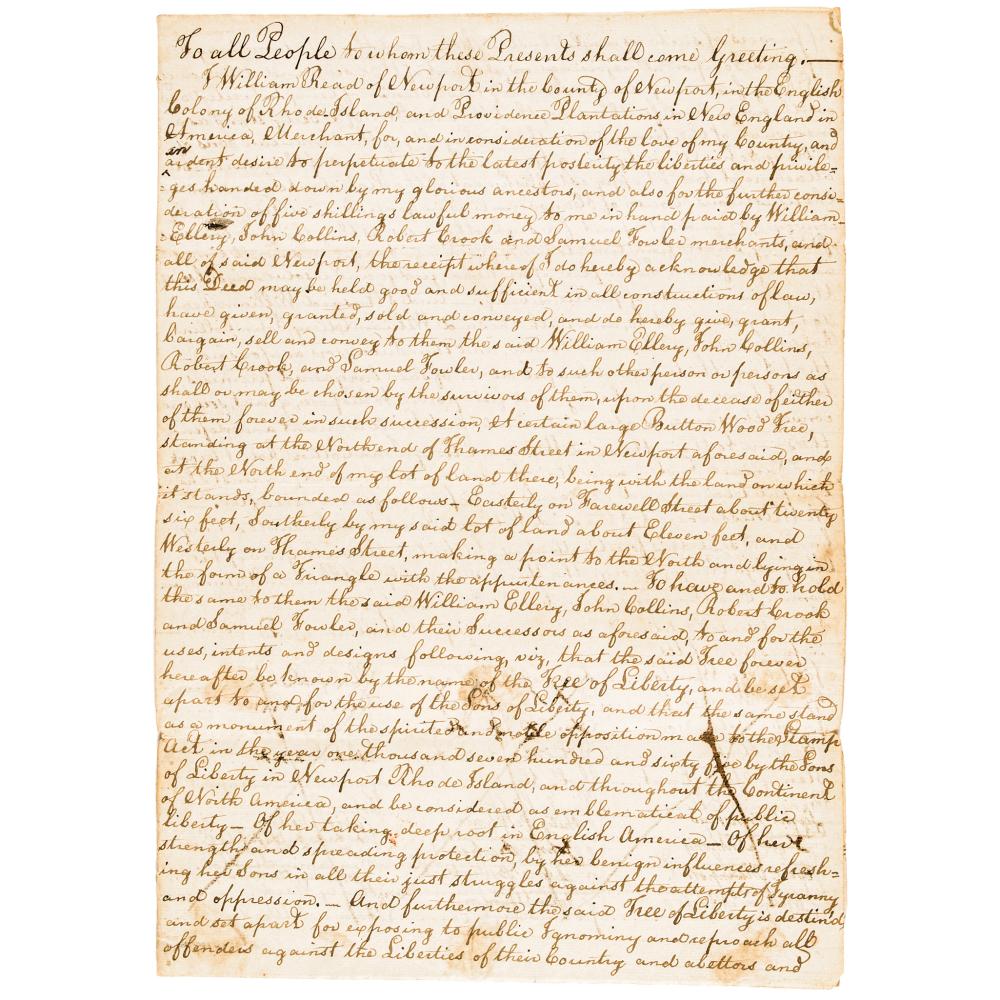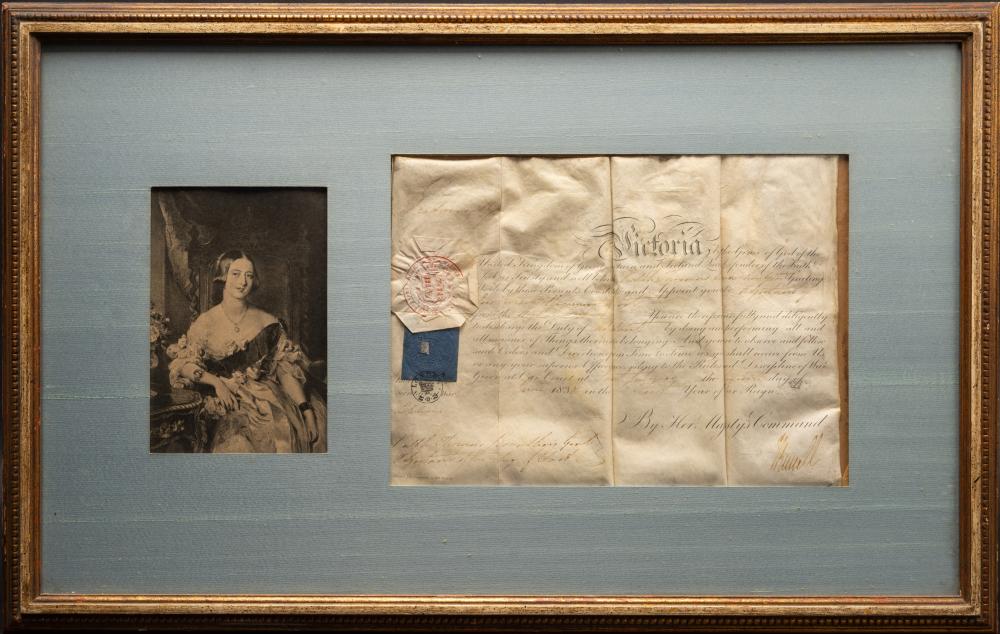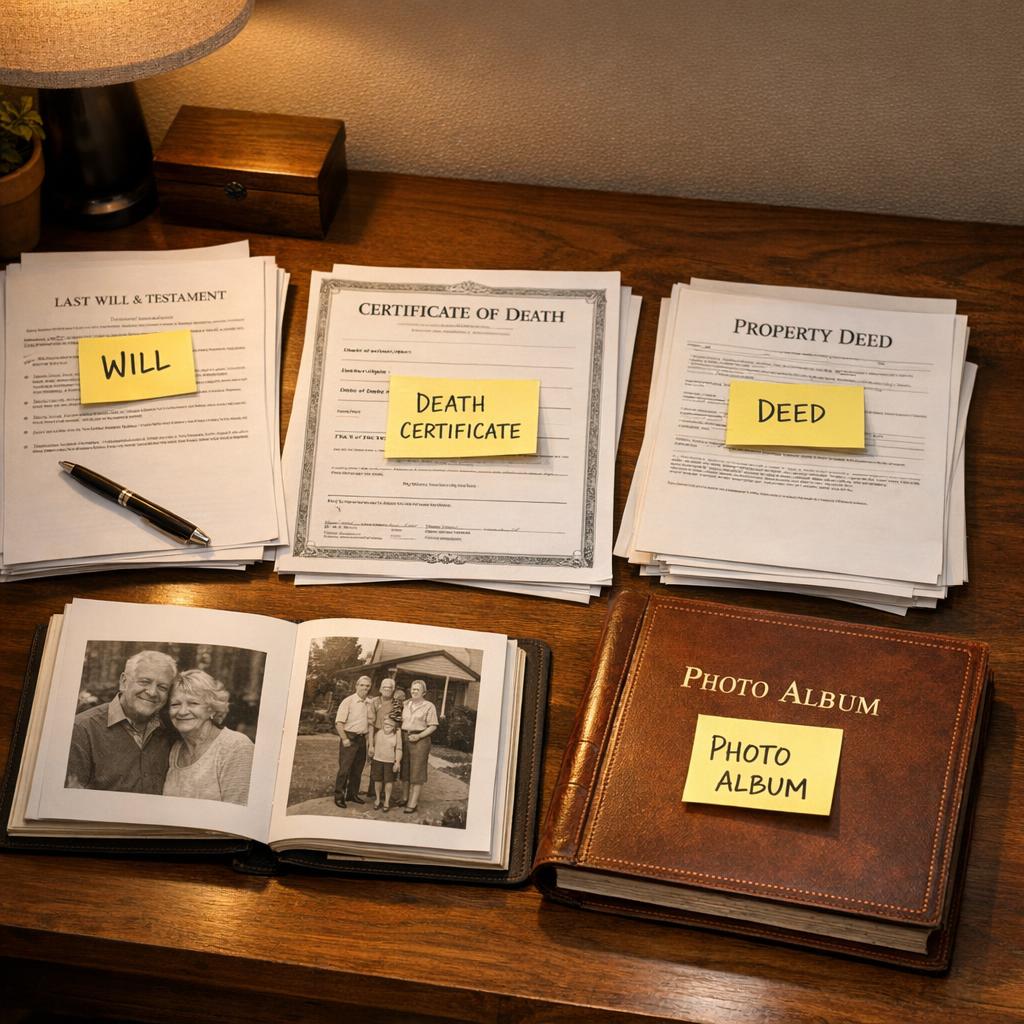
Identify what the document is
Start with document type, date, author or issuer, recipient, signature, subject, paper, watermark, ink, seals, stamps, and annotations. Content and context drive value more than age alone.
- Photograph the full front and back, signature, watermark, seal, folds, tears, and any envelope or folder.
- Do not flatten, tape, laminate, or clean a document before review.
- Keep related letters, envelopes, certificates, and family notes together.
Condition and originality
Paper acidity, fading ink, foxing, water stains, tears, tape, trimming, and prior framing can affect value. Attribution review may be needed for important signatures or historical content.
Handle documents with clean dry hands or appropriate supports, and keep them away from bright light during photography.
When appraisal is useful
A written appraisal is useful for estate, insurance, donation, sale, or institutional planning. It should state intended use, value type, identification basis, condition, and comparable market evidence.
For historically important material, preservation guidance may be as important as price.
Before contacting an appraiser
Prepare clear photos, dimensions, transcription if readable, provenance notes, and any prior purchase or auction records.
Need a value opinion on your antique document?
Upload clear photos, marks, dimensions, and condition notes. Appraisily can review the item remotely and tell you which details matter most.
Start document appraisal![[RE DI NAPOLI] - Das Lobgedicht auf Konig Robert von Anjou - Graz: Akademische Druck Verlagsanstalt, 2008. The Poem of Praise for Robert of Anjou, King of Naples between 1278 and 1343, is a valuable historical document preserved in the Au... sold by Il Ponte Auction House, lot 250 — auction record photograph](https://assets.appraisily.com/comps/auction-lots/186455540/thumb/h0611-l362134040.jpg)