
Start with the closest object type
Books, manuscripts, comics, postcards, stamps, maps, documents, and posters each use different evidence. Choose the closest guide first, then gather the details that category needs.
Condition is central
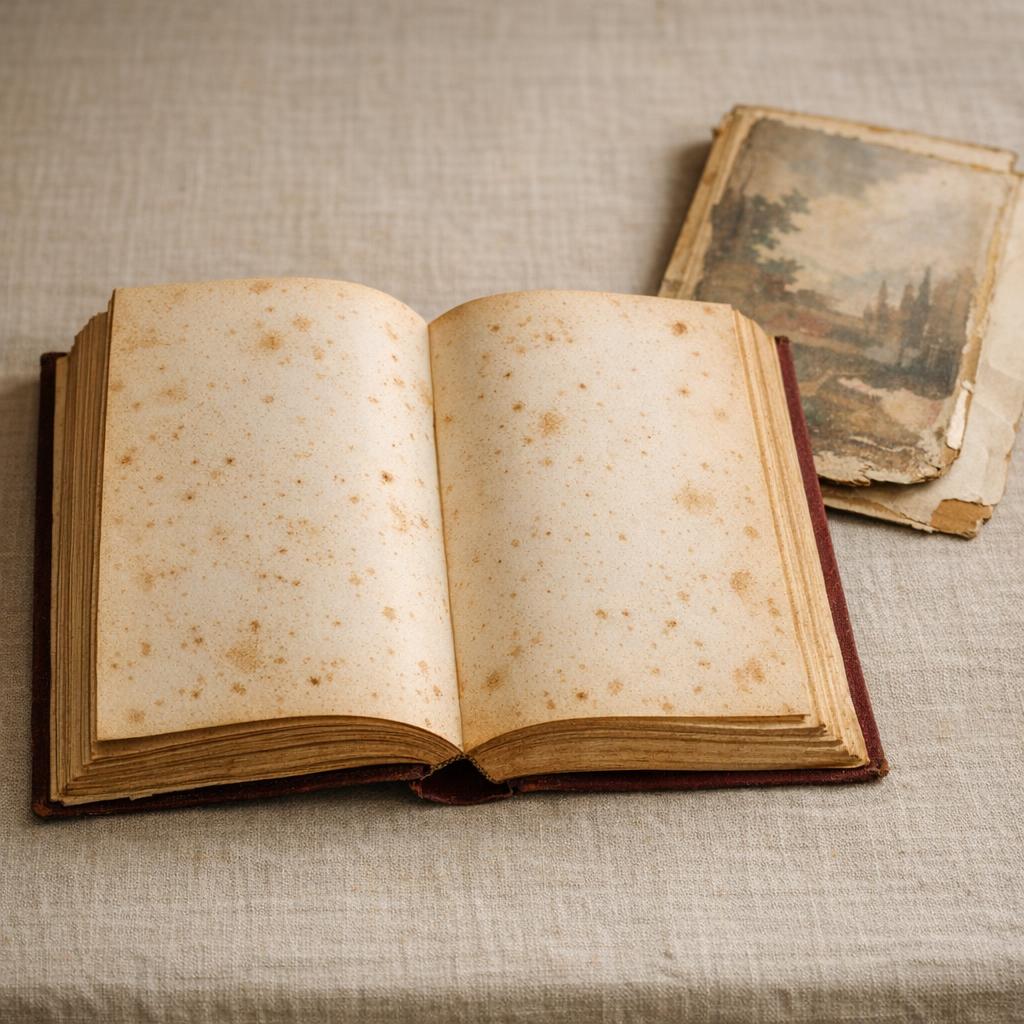
Paper condition can change value quickly. Look for tears, foxing, fading, trimmed edges, missing pages, loose bindings, restoration, annotations, water damage, and odor.
Edition and completeness
For books and comics, edition points, printings, dust jackets, inserts, signatures, and completeness matter. For stamps and paper money, issue, grade, cancellation, and originality are separate questions.
When a free guide is enough
A guide is enough when you need vocabulary, photo direction, and a first-pass sense of what to research. It is not enough for insurance, donation, estate, or high-value sale decisions.
When to get appraisal
Get a professional appraisal when the item may be rare, signed, historically important, part of a collection, or needed for insurance, estate, donation, or sale planning.
High-demand books and paper guides
These guides already have current search demand. Start with the closest guide, then use the free first look or a signed report when documentation is needed.
- Old encyclopedia set value guideReview edition, completeness, volume count, copyright pages, spines, and condition defects.
Note: We couldn’t find enough auction records that directly match Books and Paper Collectibles: Books, Manuscripts, Comics, Stamps, Postcards, Maps and Documents to publish a defensible price table. If you are valuing a specific item, include its maker, model, material, photos, and condition so the search can be narrowed.
What similar items actually sold for
The current auction search does not contain at least three clean, directly matched sales for Books and Paper Collectibles: Books, Manuscripts, Comics, Stamps, Postcards, Maps and Documents yet. If you’re valuing a specific item, use the free estimate flow so the search can be narrowed by maker, material, photos, and condition.
| Image | Description | Auction house | Date | Lot | Reported price realized |
|---|---|---|---|---|---|
| No relevant auction comps found for this topic right now. | |||||
Disclosure: prices are shown as reported by auction houses and are provided for appraisal context. Learn more in our editorial policy.
Free instant estimate
Not sure if your book is worth appraising? Let us take a look.
Upload a photo, tell us what you know, and get a free first read. If a full appraisal makes sense, we will say so.
Free. No card needed. Takes about two minutes.
Choose your next step
Use the path that matches the decision you need to make about the item.
Not sure it is worth appraising?
Start with a lower-friction screen to understand the likely category, evidence, and next step.
Upload photos for a free first lookWant proof before paying?
See how a signed report documents photos, comparable evidence, condition notes, and value conclusions.
View signed report sampleNeed a signed report?
Use this for insurance, estate, donation, resale, or documented value decisions.
Need documentation now? Start signed appraisalNeed local or specialist help?
Compare directory options when the work needs in-person review or a specialist near you.
Find local specialistsSee what the report looks like
Sample reports show how photos, comparable evidence, condition notes, and a value conclusion are documented.
Found books or paper collectibles?
Upload photos of covers, title pages, signatures, condition flaws, edition points, and any provenance so we can route the right appraisal path.
Start an appraisalUpload photos for a free first look