Vanguard Studios Paintings Value: appraisal and value basics
Vanguard Studios Paintings Value research should start with identification, condition, provenance, and item-specific market evidence. Use this guide to compare the signals that matter before paying for a formal appraisal or deciding whether to sell.
Vanguard Studios painting value checklist
Vanguard Studios paintings are everywhere—hanging in mid-century homes, stacked in thrift stores, and circulating daily through online marketplaces. They’re real paintings, often large and dramatic, and they’re frequently signed “Lee Reynolds.” Yet values can range from under a hundred dollars to several thousand, depending on what you actually have. This guide explains what Vanguard Studios is, how to identify and value its works, and how to buy or sell them smartly without overpaying or misrepresenting.
What Is Vanguard Studios?
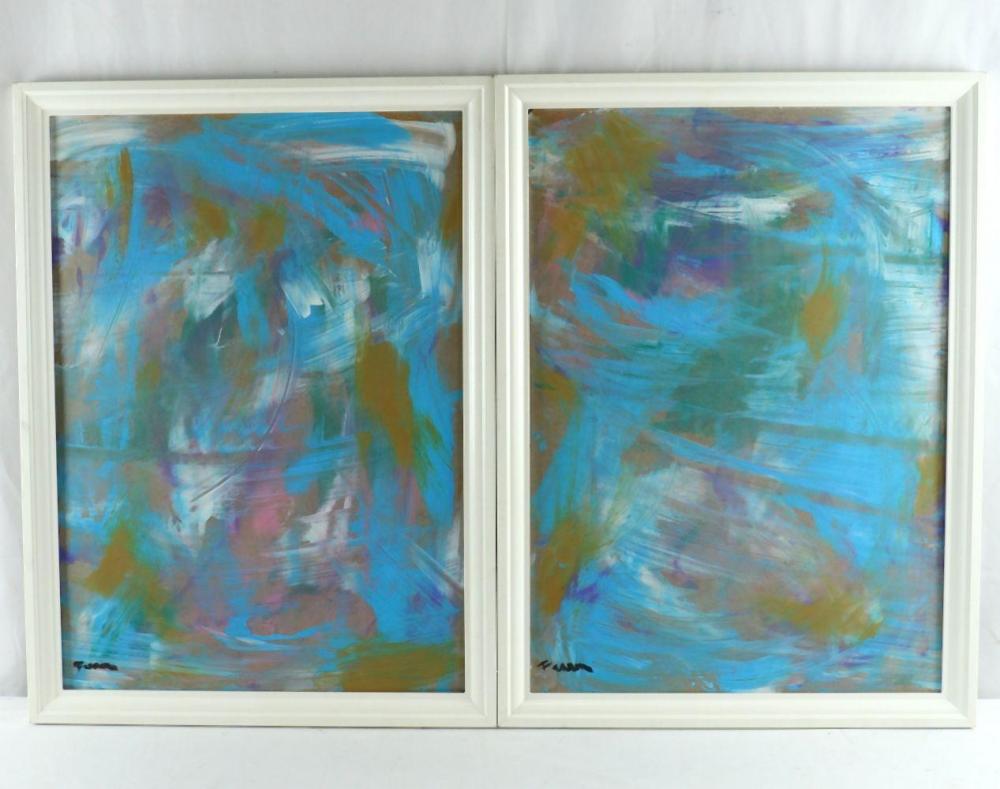
Vanguard Studios was a prolific Los Angeles–area art studio founded in the mid-1960s by Lee Reynolds Burr (often signing “Lee Reynolds”). The studio’s purpose wasn’t to produce one-of-a-kind fine art in the gallery sense; it was to create hand-painted decorative art for the booming postwar home-decor market. Think big canvases, bold palette-knife texture, metallic leaf accents, cityscapes, sailboats, florals, and abstract forms designed to harmonize with contemporary furniture.
Key points:
- Production model: Artists working under art directors (including Lee Reynolds Burr) produced original paintings in series. Compositions were designed to be repeatable and fast to execute, so you’ll see nearly identical examples with minor variation.
- Distribution: Department stores, furniture showrooms, and decorator galleries sold these works in large volumes during the 1960s–1980s.
- Signatures: Many paintings are signed “Lee Reynolds.” In the context of the studio, this signature functioned like a brand and was applied to works produced by the studio under his direction. Paintings personally executed by Lee Reynolds Burr himself are less common and are typically more valuable.
- Materials and look: Heavy acrylic or oil on canvas or board, generous impasto, metallic leaf or bronze/gold paint, and fashionable colorways (teal-golds, black-silver, umbers, oranges). Sizes tend to be large (30x40, 24x48, or triptych panels).
Vanguard Studios’ output sits squarely in the category of mid-century decorative art: hand-painted and documented, but intended for interior design rather than the fine-art market. That context helps explain value.
Identification and Attribution review
Correct identification largely determines whether a piece is a a value that must be established from current, topic-matched sales decorator canvas or a four-figure prize. Examine all of the following.
- Signature and Hand
- The “Lee Reynolds” signature often appears in a quick, stylish hand—sometimes just “Reynolds.” On studio works, it is consistent and sometimes feels “applied” as part of the production.
- Works painted personally by Lee Reynolds Burr may be signed “Lee Reynolds Burr” or later “Lee Burr,” but not always. They typically exhibit more nuanced handling, more complex composition, and greater variation than typical studio series.
- Other studio signatures exist—trade names or single-name signatures used by staff artists—but Vanguard most commonly used the Lee Reynolds brand.
- Labels, Stamps, and Numbers
- Look for paper labels or ink stamps on the stretcher or backboard noting “Vanguard Studios,” sometimes with a Los Angeles area address, model/subject numbers, or size codes.
- Grease-pencil or ink inventory numbers on the stretcher/bar can indicate production tracking.
- A title or subject descriptor (e.g., “Cityscape – Blue/Gold 30x40”) is common on the reverse for retail use.
- Construction Details
- Canvas stretched on pine stretcher bars; often factory-framed in era-appropriate frames (gilded, walnut, or metal frames). Frames are part of the look and can influence value.
- Medium is typically acrylic with texture paste and/or metallic leaf; you can often see palette-knife ridges and drips consistent with rapid execution.
- Subject and Style Cues
- Repeated compositions: sailboats with tall masts, stylized trees, skyline/harbor scenes, metallic abstracts, floral sprays, or “brutalist texture” panels.
- Colorways tailored for décor: silver/black/white, blue/gold, earth-tone copper.
- Distinguishing from Similar Studios
- The mid-century market included other studios with somewhat similar names and aesthetics. Don’t rely on sound-alike names—confirm via signature and labels. If the back only shows a frame shop label, that’s not conclusive.
- Personal Works by Lee Reynolds Burr
- Scarcer, often better executed, sometimes accompanied by gallery paperwork, personal dedication, or a provenance trail.
- If you suspect you have one, compare against documented examples, evaluate the signature carefully, and consider a targeted appraisal. Many claims of “personally painted by” are hopeful rather than proven.
Bottom line: Vanguard Studios works are hand-painted originals in a production sense. That’s good for décor value, but it limits fine-art scarcity—unless you can substantiate a direct, personally executed work by Lee Reynolds Burr.
Current Market Values and What Drives Them
Values fluctuate with décor trends, region, and condition. As of today’s market:
Typical value ranges
- Common Vanguard Studios/“Lee Reynolds” series pieces (30x40 or similar, good condition): a value that must be established from current, topic-matched sales at auction/resale; a value that must be established from current, topic-matched sales in retail settings or well-staged online listings.
- Large, visually striking metallic abstracts or impressive cityscapes: a value that must be established from current, topic-matched sales occasionally more if condition and scale are excellent.
- Triptychs and oversized canvases (e.g., 24x60, 36x48, or larger): a value that must be established from current, topic-matched sales in strong décor markets, provided condition and presentation are strong.
- Personally executed works by Lee Reynolds Burr with convincing provenance: variable, but often a value that must be established from current, topic-matched sales+, depending on quality, subject, and documentation. Truly exceptional examples can exceed that, but they are the exception.
Note: Asking prices online skew higher than realized prices. Use sold/closed sales when comping.
What moves value up or down
- Size and presence: Larger works command premiums because they anchor interiors.
- Subject and palette: Metallic abstracts, moody cityscapes, and high-contrast palettes align with current taste; weaker florals or dated colorways can lag.
- Condition: Tears, punctures, nicotine film, water damage, flaking metallic leaf, and frame losses reduce value. Clean, bright canvases with intact frames sell best.
- Signature credibility: “Lee Reynolds” is standard for studio works; it does not automatically increase value beyond décor demand. A substantiated “Lee Reynolds Burr” (or “Lee Burr”) personal painting can lift value significantly.
- Labels and numbers: Factory labels and model codes help buyers feel confident; they support pricing.
- Pairs/sets: Matching pairs or triptychs may bring a multiple of single-canvas value due to decorator demand.
- Region and logistics: Local markets with active mid-century buyers can outperform. High shipping costs suppress distant bidding; local pickup options can improve net return.
Expect variability
- The same composition may sell for a value that must be established from current, topic-matched sales in a general estate auction and a value that must be established from current, topic-matched sales in a well-marketed, mid-century-focused venue with strong staging and local pickup. Presentation and audience matter.
How to comparison your piece
- Identify subject, size, signature form, and condition level.
- Search for sold examples of similar size/subject/signature. Ignore unsold listings and “buy it now” outliers.
- Adjust for condition, frame quality, and your shipping/local pickup scenario.
Buying and Selling Tips
For sellers
- Clean presentation: Dust the surface and frame. Avoid water on metallic leaf. If there’s a stubborn film, use a dry microfiber cloth and test a tiny corner; stop if color lifts. Professional cleaning may cost more than the value for common pieces, so be pragmatic.
- Photograph well: Natural, even light; straight-on and angled views to show texture; clear shots of signature, label, and the back; a photo with furniture for scale.
- Describe accurately: Use “Vanguard Studios decorative painting signed Lee Reynolds” unless you have evidence for personal execution. Include measurements, condition notes, and shipping/local pickup details.
- Consider local sale: Large canvases are costly to ship. Offer local pickup or regional delivery; consider consignment with a mid-century dealer.
- Price realistically: Start near the midpoint of sold market evidence for your condition; allow room for offers.
For buyers
- Verify the back: Look for labels and honest age on the stretcher and frame. Recent “distressing” can be misleading.
- Assess condition in person if possible: Texture hides damage; run a flashlight across the surface to spot cracks or repairs.
- Frame value: Period frames can be appealing, but if damaged beyond economical repair, factor replacement cost.
- Match décor intent: Treat most Vanguard works as decoratively valuable, not as investments. Pay more only when the specific composition and size fit your space perfectly.
- Be skeptical of “museum-quality” claims: Studio series paintings are plentiful. Reserve premiums for exceptional examples or documented personal works.
Conservation considerations
- Avoid direct sunlight and high humidity. Metallic leaf and acrylic textures can be sensitive to moisture and abrasive cleaning.
- If there’s structural damage (tears, lifting leaf), consult a conservator before DIY fixes—missteps are often irreversible.
Quick Checklist for Owners
Identify:
- Signature reads “Lee Reynolds” (studio) or possibly “Lee Reynolds Burr”/“Lee Burr” (personal).
- Back shows Vanguard Studios label/stamp or inventory numbers.
- Note subject, palette, and exact size.
Condition:
- Inspect for tears, punctures, flaking, water stains, and smoke film.
- Check frame integrity; note chips, separations, or missing corners.
Provenance:
- Photograph labels, signatures, and any receipts/price tags.
- Keep all paperwork and gallery stickers.
Market evidence:
- Find sold examples matching size/subject/signature.
- Adjust for condition and presence of a desirable frame.
Strategy:
- Decide on local sale vs. shipping.
- Price in the typical range for similar sold pieces; avoid assuming a premium without documentation.
FAQ
Q: Are Vanguard Studios paintings “originals” or “prints”? A: They are generally hand-painted originals, not prints, but produced in series by studio artists following a model composition. Multiple “originals” of the same scene exist, each slightly different.
Q: How can I tell if my “Lee Reynolds” is by Lee Reynolds Burr himself? A: Look for stronger, more nuanced execution; possible signatures like “Lee Reynolds Burr” or “Lee Burr”; and supporting provenance (gallery documentation, exhibition records). Most “Lee Reynolds” signatures on the market are studio-brand signatures, not personal works. When in doubt, seek a targeted appraisal.
Q: Do frames matter to value? A: Yes. Period frames that complement the style improve visual impact and saleability. A damaged or inappropriate frame can drag down price; replacing it may make financial sense for higher-value pieces.
Q: What is a realistic price for a common 30x40 “Lee Reynolds” cityscape in good condition? A: Expect roughly a value that must be established from current, topic-matched sales in today’s retail/resale environment, with regional variation. Exceptional examples, especially with striking metallics or superior composition, can break four figures; weaker, worn, or smaller pieces may land in the low hundreds.
Q: Is professional conservation worth it for these works? A: For common studio-series pieces, the cost of conservation can exceed market value. Consider it only when the piece is high-value (large, exceptional, or documented personal work) or of strong personal significance.