
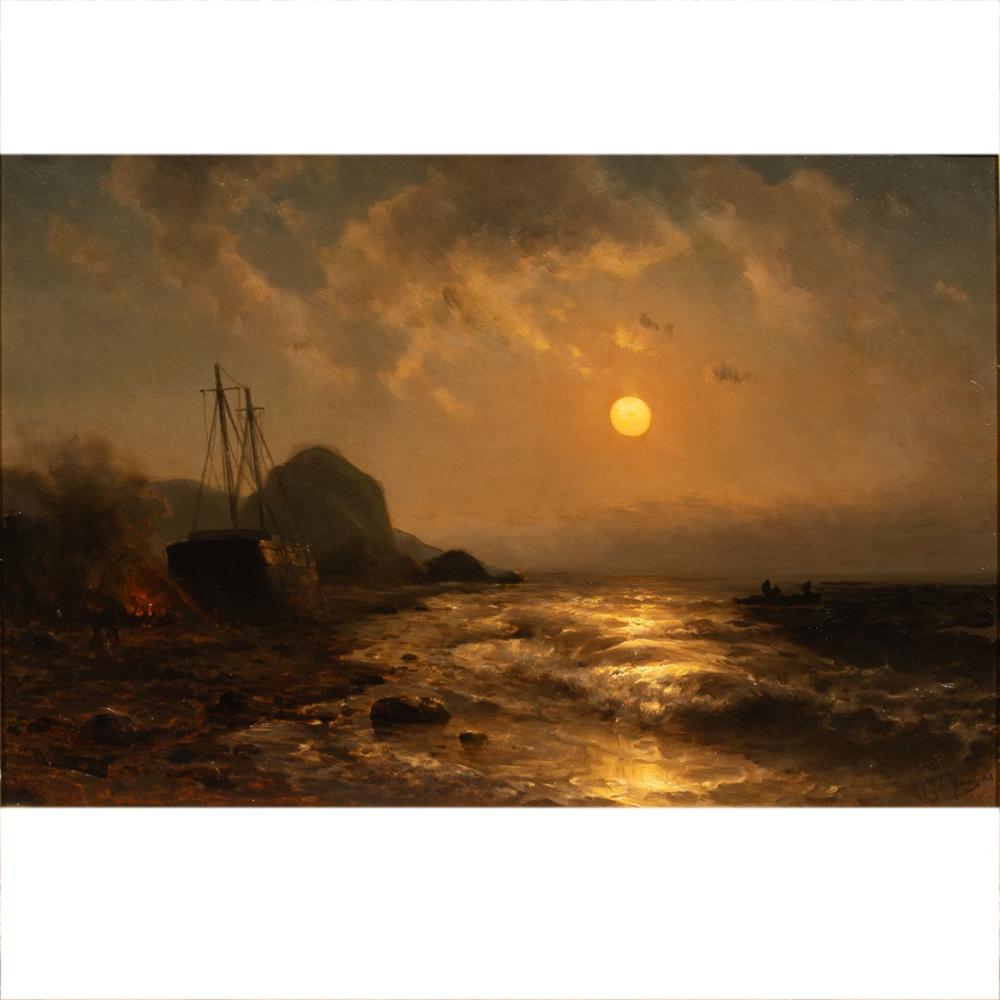
A free painting appraisal app is best used as a triage tool. It can help identify whether you have an oil, acrylic, watercolor, decorative painting, print-like object, or a work that may connect to a listed artist.
It should not promise a final value from one photo. Painting value depends on artist attribution, originality, medium, size, condition, provenance, subject, and current buyer demand.
What a free painting app can usually identify
- Likely medium, including oil, acrylic, watercolor, gouache, pastel, or mixed media.
- Signature, monogram, date, title, gallery label, inventory number, or stretcher stamp.
- Surface clues that separate an original painting from a print or reproduction.
- Condition issues such as craquelure, flaking, tears, stains, overpainting, fading, and frame damage.
- Whether the painting deserves a professional appraisal before sale, insurance, or estate decisions.
Quick value checklist before you upload
- Signature: photograph the signature straight-on and close enough to read.
- Medium: include surface texture and side-angle photos to show brushwork or print dots.
- Back: show labels, old writing, stretcher bars, canvas stamps, and framer marks.
- Size: measure the image and the framed work separately.
- Condition: show any tears, paint loss, yellowed varnish, repairs, or water damage.
When the free screener is enough
Use the free screener when you need a first read on whether the painting is original, whether the signature is worth closer review, or whether the object is more likely decorative than collectible.
When to get a professional painting appraisal
Get a professional appraisal when the painting may be insured, sold, donated, divided in an estate, or tied to a listed artist. Use /art for the art appraisal path, /start when you are ready to upload, or review the professional sample report.
Photo checklist for painting appraisal
- Full front photo in even light, without glare.
- Full back photo, including frame, stretcher, labels, and stamps.
- Close-up of signature, date, title, or inscription.
- Close-up of brushwork, paper, canvas, or board surface.
- Damage photos: tears, flakes, stains, overpaint, water marks, or loose canvas.
- Any receipts, gallery labels, certificates, prior appraisals, or family provenance notes.
Note: We couldn’t find enough auction records that directly match Free Painting Appraisal App Guide: Signature, Medium, Size, Condition, Labels and Provenance to publish a defensible price table. If you are valuing a specific item, include its maker, model, material, photos, and condition so the search can be narrowed.
What similar items actually sold for
The current auction search does not contain at least three clean, directly matched sales for Free Painting Appraisal App Guide: Signature, Medium, Size, Condition, Labels and Provenance yet. If you’re valuing a specific item, use the free estimate flow so the search can be narrowed by maker, material, photos, and condition.
| Image | Description | Auction house | Date | Lot | Reported price realized |
|---|---|---|---|---|---|
| No relevant auction comps found for this topic right now. | |||||
Disclosure: prices are shown as reported by auction houses and are provided for appraisal context. Learn more in our editorial policy.
Free instant estimate
Not sure if your painting is worth appraising? Let us take a look.
Upload a photo, tell us what you know, and get a free first read. If a full appraisal makes sense, we will say so.
Free. No card needed. Takes about two minutes.
Choose your next step
Use the path that matches the decision you need to make about the item.
Not sure it is worth appraising?
Start with a lower-friction screen to understand the likely category, evidence, and next step.
Upload photos for a free first lookWant proof before paying?
See how a signed report documents photos, comparable evidence, condition notes, and value conclusions.
View signed report sampleNeed a signed report?
Use this for insurance, estate, donation, resale, or documented value decisions.
Need documentation now? Start signed appraisalNeed local or specialist help?
Compare directory options when the work needs in-person review or a specialist near you.
Find local art specialistsSee what the report looks like
Sample reports show how photos, comparable evidence, condition notes, and a value conclusion are documented.
We identify the painting, check real sales where available, and tell you whether a free screen or signed appraisal makes sense.
Try the free screenerMarket evidence note
A free screen can organize visible clues and next steps, but it is not a final appraisal. Sale records and catalog examples must be matched to the exact item, condition, originality, provenance, and current demand.
FAQ
Can a free painting appraisal app give an exact value?
No. It can help identify the work and market clues. Final value depends on originality, attribution, condition, size, medium, provenance, and market evidence.
Can photos show whether a painting is original?
Good photos can show brushwork, surface texture, labels, and print patterns. They may not be enough to prove originality or rule out later copies.
Should I clean a painting before appraisal?
No. Cleaning or varnish removal can damage a painting. Photograph it as found and let a reviewer assess condition first.