
Renoir giclee print: appraisal and value basics
Renoir giclee print research should start with edition evidence, signature type, certificate quality, paper, condition, frame, provenance, and item-specific market evidence. Use this guide to compare the signals that matter before paying for a formal appraisal or deciding whether to sell.
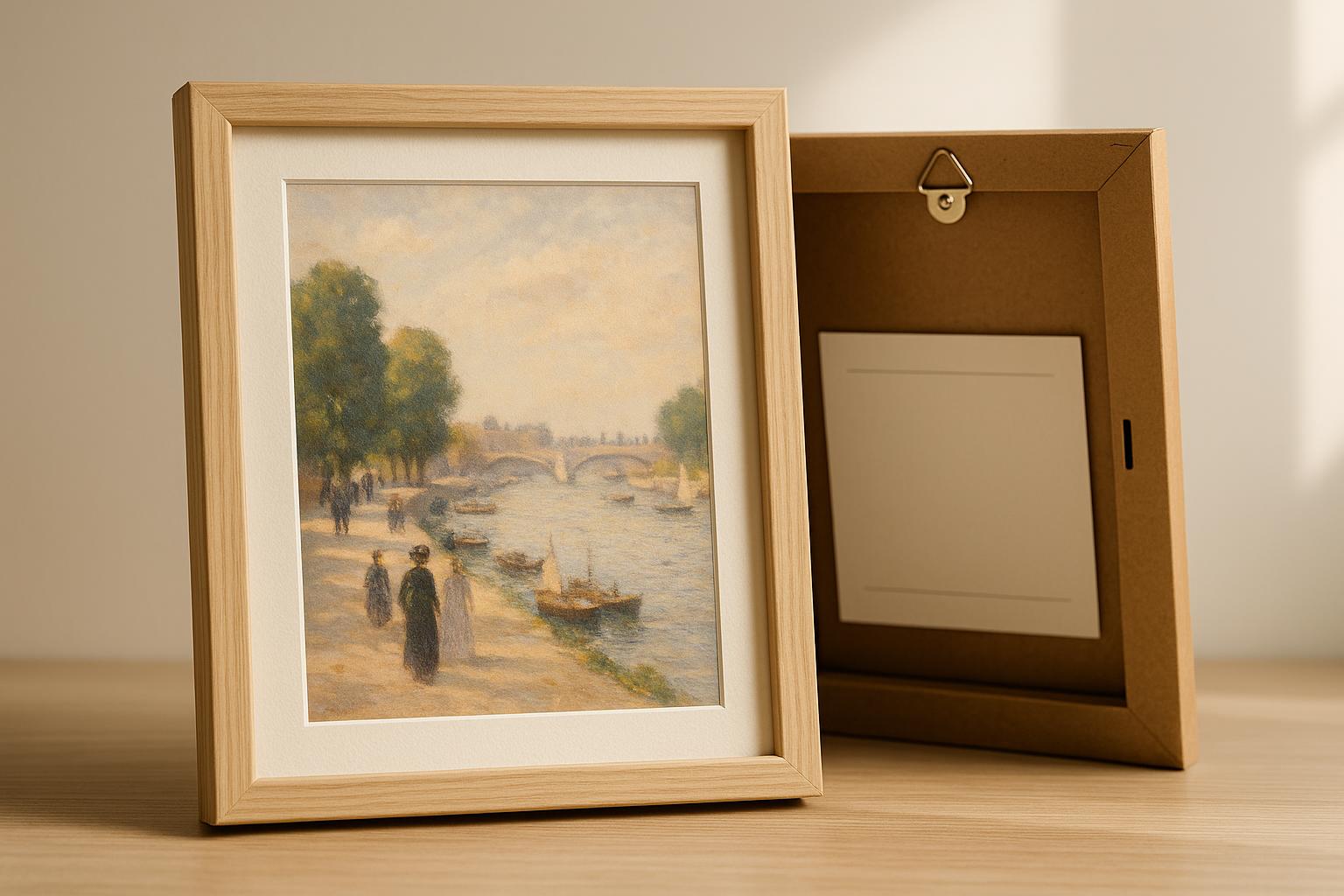
Listings like “Pierre-Auguste Renoir BATHING IN THE SEINE Estate Signed Small Giclée Art Limited Edition” usually refer to a modern, authorized decorative edition (often from the 1990s–2000s) that reproduces a Renoir image using high-end inkjet printing. These prints can be attractive and well-made, but they are not original works by Renoir and they do not trade in the same market as documented Renoir paintings, drawings, or period prints.
The most important practical point: on many “estate signed” Renoir giclées, the visible signature is a reproduction of Renoir’s signature (printed in the image), while the “estate” or publisher may have added other attribution review elements (a stamp, blind emboss, numbered edition, or a certificate or opinion). Your value depends on which of those elements are present and how convincingly they match the edition’s stated provenance.
Free first read
Check the edition before paying for a report
Upload the edition number, signature area, estate seal, COA, frame back, and full print. Start with a free screener read so we can flag whether it is an ordinary decorative giclee or a stronger publisher/estate edition.
What “estate signed” usually means for Renoir giclées
Renoir died in 1919, so no modern giclée can be personally signed by him. When sellers say “estate signed,” they typically mean one of these scenarios:
- Printed signature in the image: The “Renoir” signature is part of the reproduction. Under magnification it resolves into inkjet dot patterns, just like the rest of the image.
- Publisher/estate stamp or blind emboss: Some editions (often described as “Collection Domaine Renoir”) have an embossed or ink stamp that acts as an attribution review mark for the publisher/estate program.
- Certificate of originality (COA): A COA can be helpful, but only when it identifies a publisher, edition size, and a specific title/image with matching serial/edition numbers.
Bottom line: estate programs can be legitimate, but they are still a form of decorative licensed reproduction. Values are typically driven by size, presentation, and buyer demand—not by fine-art scarcity.
Quick attribution review checklist (what to photograph)
If you only do one thing before listing, do this: take clear, well-lit photos of the edition information and the back of the frame. Buyers and appraisers rely on those details far more than the front image alone.
1) Edition number and total edition size
Look for a format like 42/250 in pencil or pen near the lower margin (often below the image or mat window). A true limited edition should clearly state both the individual number and the edition size. If it only says “Limited Edition” without a fraction, treat it as an open edition for valuation purposes.
2) Estate seal or blind emboss
Many “Domaine Renoir” editions use an embossed seal (a raised stamp you can feel) or an ink stamp. Photograph it with raking light (a lamp held low) so the relief is visible.
3) Signature: hand-signed vs printed
Use a loupe or your phone’s macro mode on the signature area. A printed signature shows dot patterns that match the rest of the image. A hand-applied signature (by a publisher representative, not Renoir) may sit on top of the print surface with different sheen and pressure.
4) Paper, inks, and surface clues for giclées
Giclées are high-resolution inkjet prints. Under magnification you’ll often see micro-dots and smooth gradients rather than the raised paint texture of an original painting. A perfectly flat, uniform surface is normal for a giclée.
5) COA quality (the biggest red flag area)
A COA that only says “Renoir” and a title (with no publisher, no edition size, and no matching number) adds little value. Stronger COAs typically include a publisher name, address, edition size, and a serial or edition number that matches the print.
Appraisal value range for a small Renoir estate giclee
For most small framed estate or publisher giclees after Renoir, including Bathing in the Seine variants, the realistic market is decorative-print resale rather than fine-art investment. Auction comps for after-artist giclees commonly land around AUD 280 to AUD 350, with stronger framed limited editions sometimes higher; ordinary retail decor prints can be much lower when unframed or open edition.
- $20 to $75 is common for an unframed or open-edition Renoir reproduction with no meaningful edition evidence.
- $75 to $250 fits many small framed estate/publisher giclees with clean condition, a COA, and presentable framing.
- $250 to $500+ needs clear edition numbering, matching paperwork, strong frame/presentation, and buyer confidence that it is a legitimate publisher edition.
A printed Renoir signature does not make the print hand-signed. Price it as after Pierre-Auguste Renoir unless you have independent documentation for a specific authorized edition.
What similar items actually sold for
To help ground this guide in real market activity, here are recent example auction comps from Appraisily’s internal database. These matched sales are market context only, not an object estimate or identification, and they do not guarantee a price for your specific pierre auguste renoir.
Shown USD range: USD 20-USD 190,000. Median of these 11 USD examples: USD 225.
| Comparable | What sold | Auction house | Date | Lot | Source-reported amount |
|---|---|---|---|---|---|
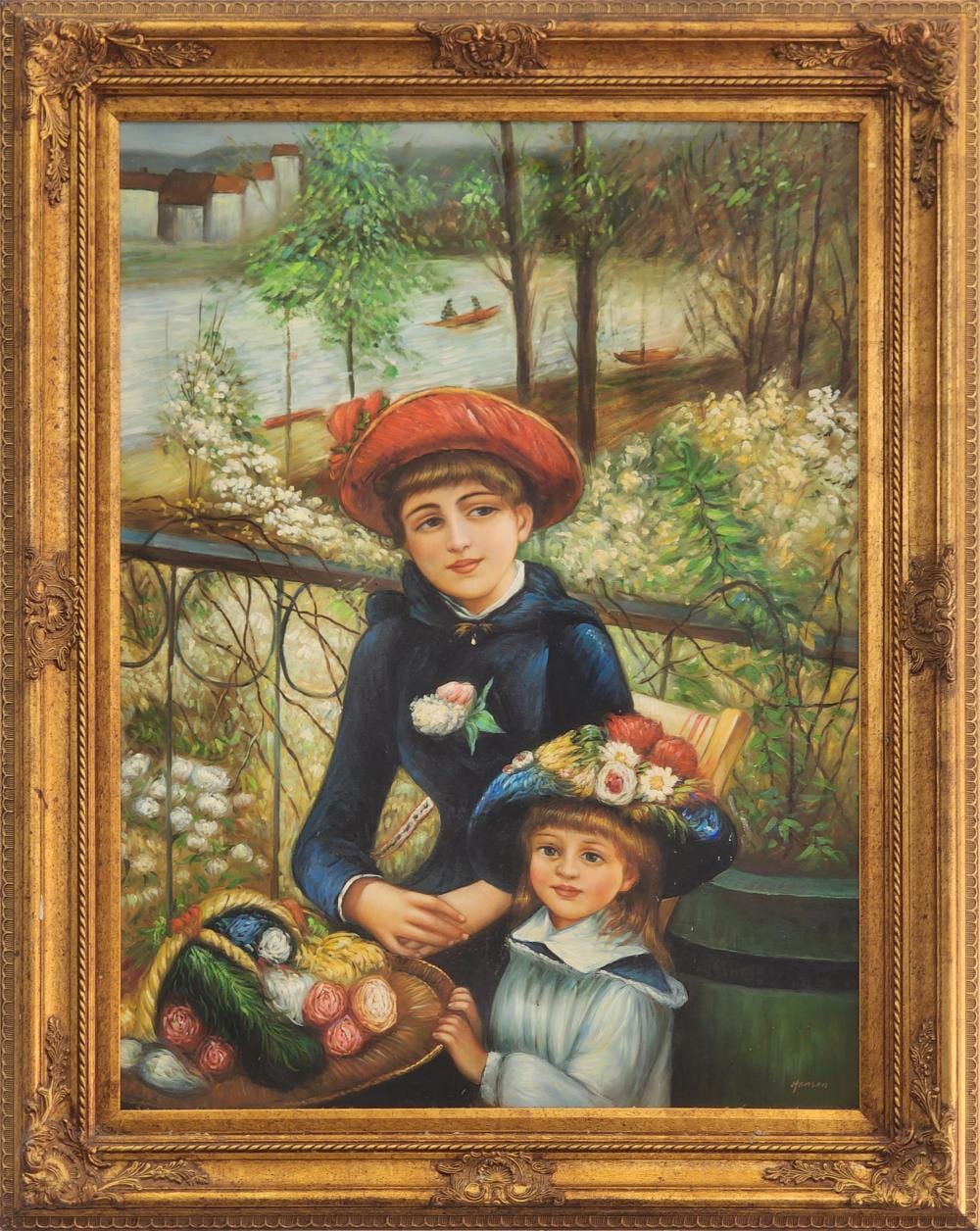 |
Painting after Pierre-Auguste Renoir 'Two Sisters' on canvas (126 x 100cm)Source blocked; provenance matched | Lawsons | 2024-12-19 | 1094 | AUD 100 (buyer’s-premium treatment unknown) |
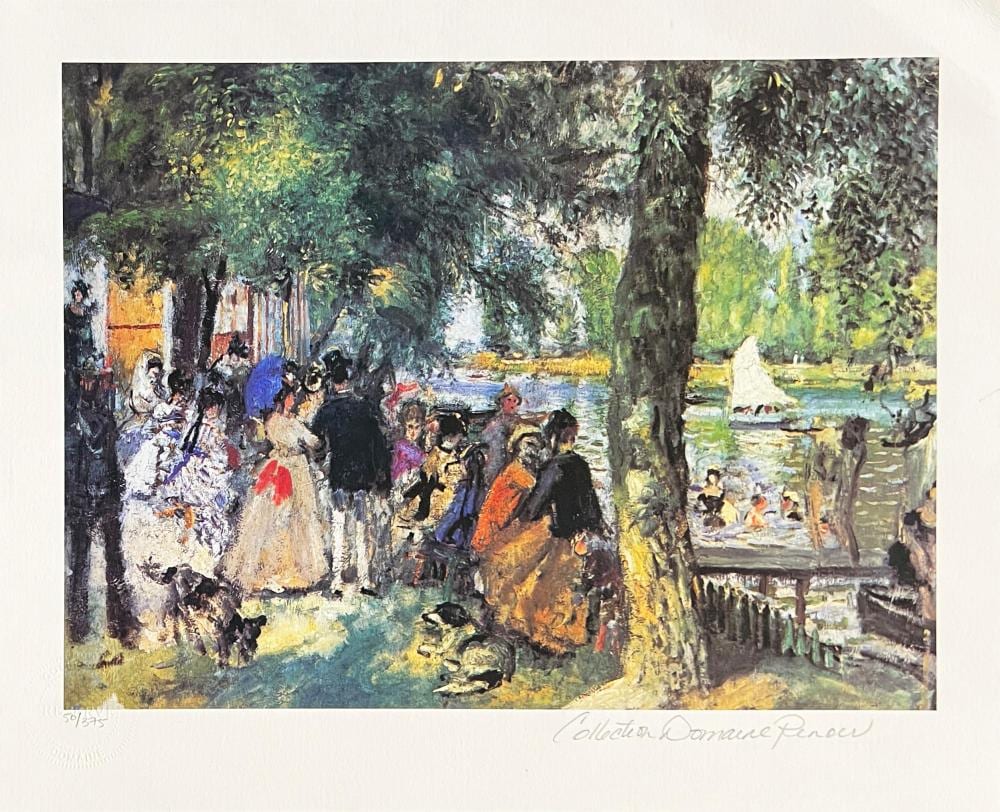 |
Signed & Stamped Limited Edition BATHING ON THE SEINE After Pierre Auguste RenoirSource blocked; provenance matched | Worthington Galleries | 2024-12-08 | 598 | USD 30 (buyer’s-premium treatment unknown) |
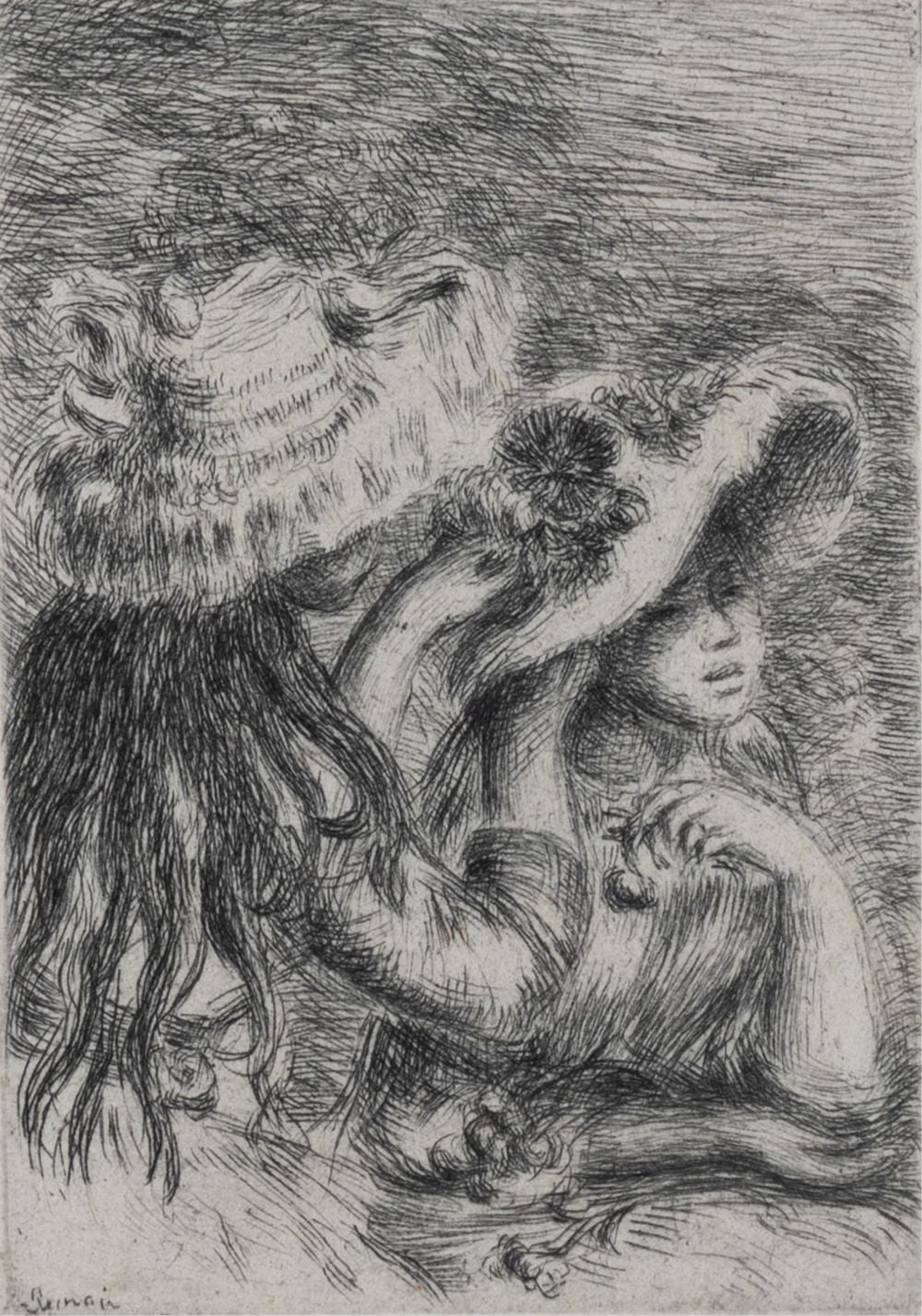 |
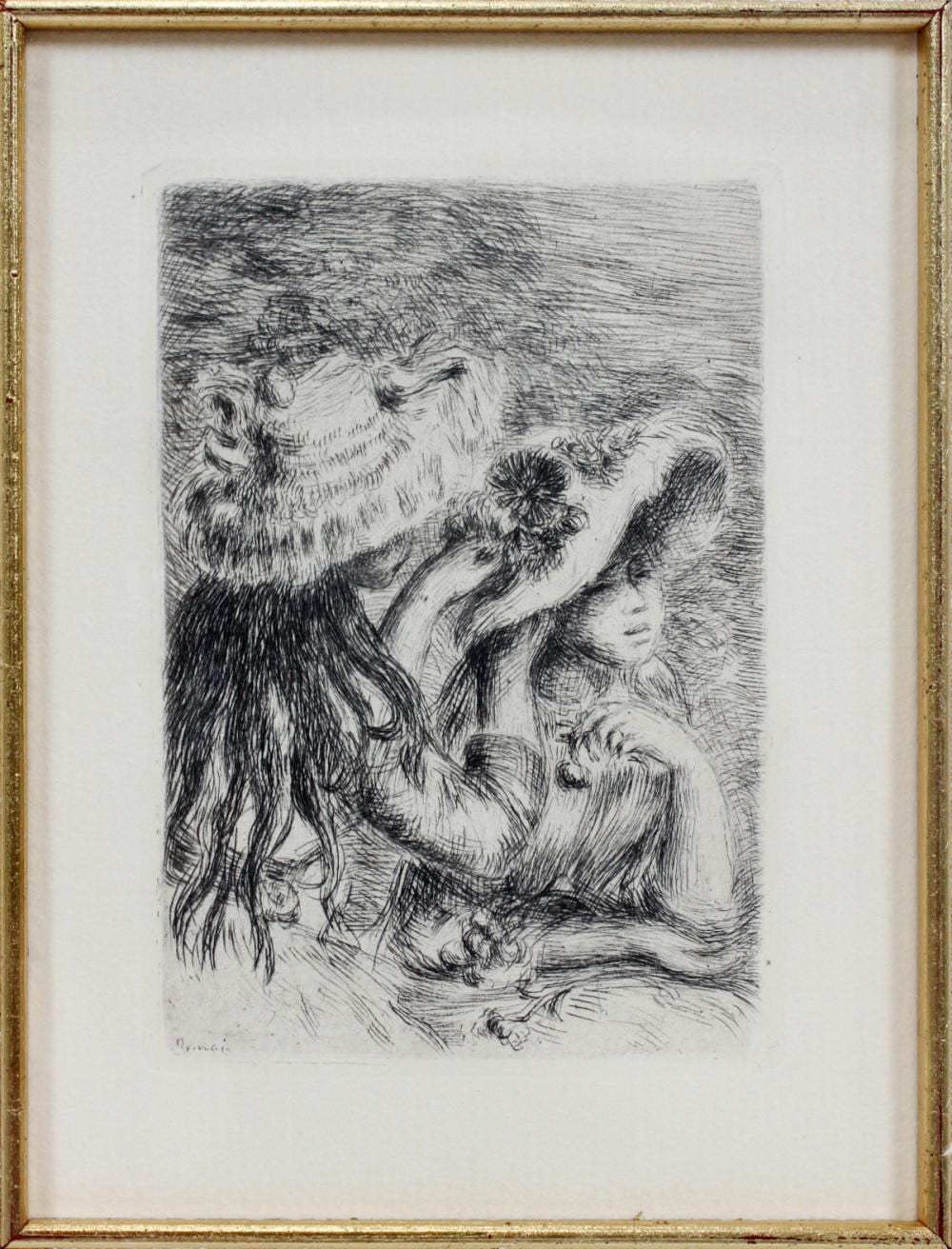
PIERRE AUGUSTE RENOIR, Le Chapeau Épinglé (Pinning the Hat)Source blocked; provenance matched | Gibson's | 2025-11-19 | 249 | AUD 400 (buyer’s-premium treatment unknown) |
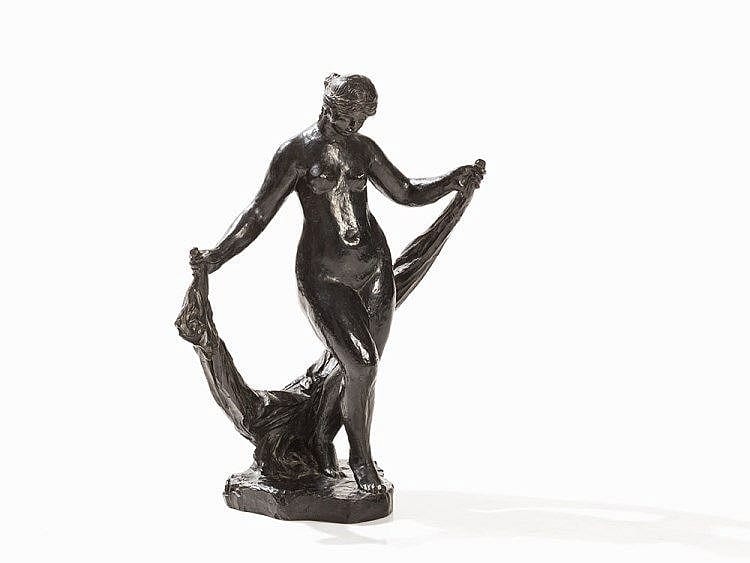 |
Pierre-Auguste Renoir, La Danseuse au Voile, Bronze, 1913/64 | Auctionata Paddle8 AG | 2015-03-25 | 10 | EUR 23,141 (buyer’s-premium treatment unknown) |
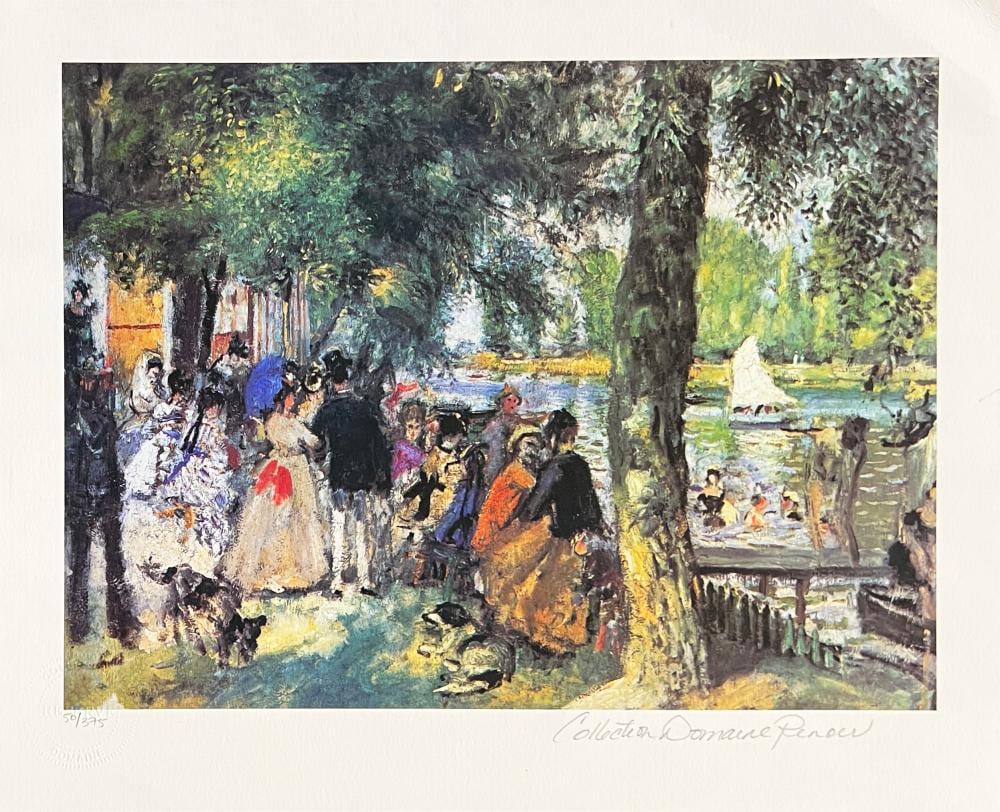 |
Signed & Stamped Limited Edition BATHING ON THE SEINE After Pierre Auguste RenoirSource blocked; provenance matched | Worthington Galleries | 2024-10-27 | 598 | USD 20 (buyer’s-premium treatment unknown) |
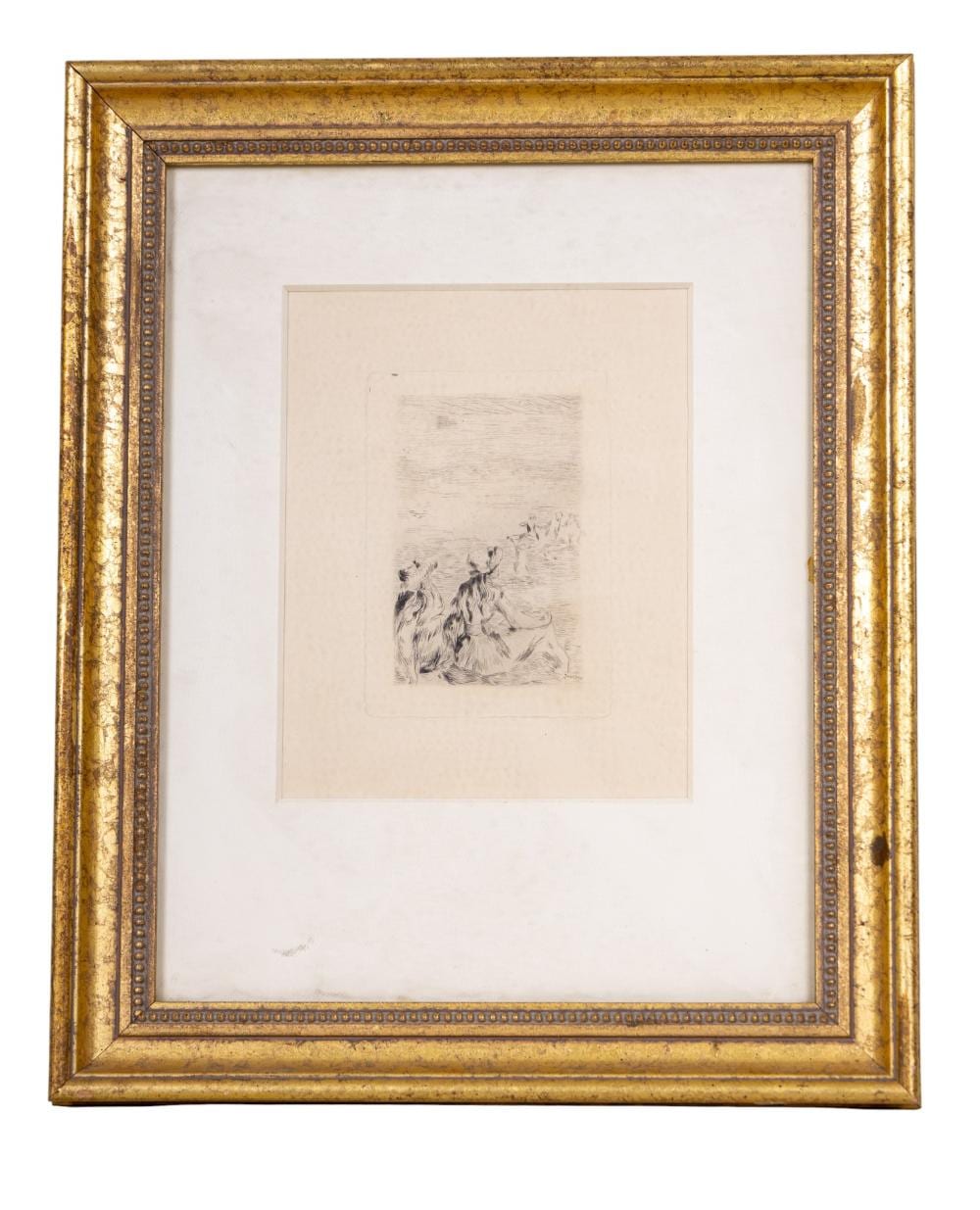 |
Pierre-Auguste Renoir EtchingSource blocked; provenance matched | Keystone Auctions LLC | 2026-01-11 | 428 | USD 100 (buyer’s-premium treatment unknown) |
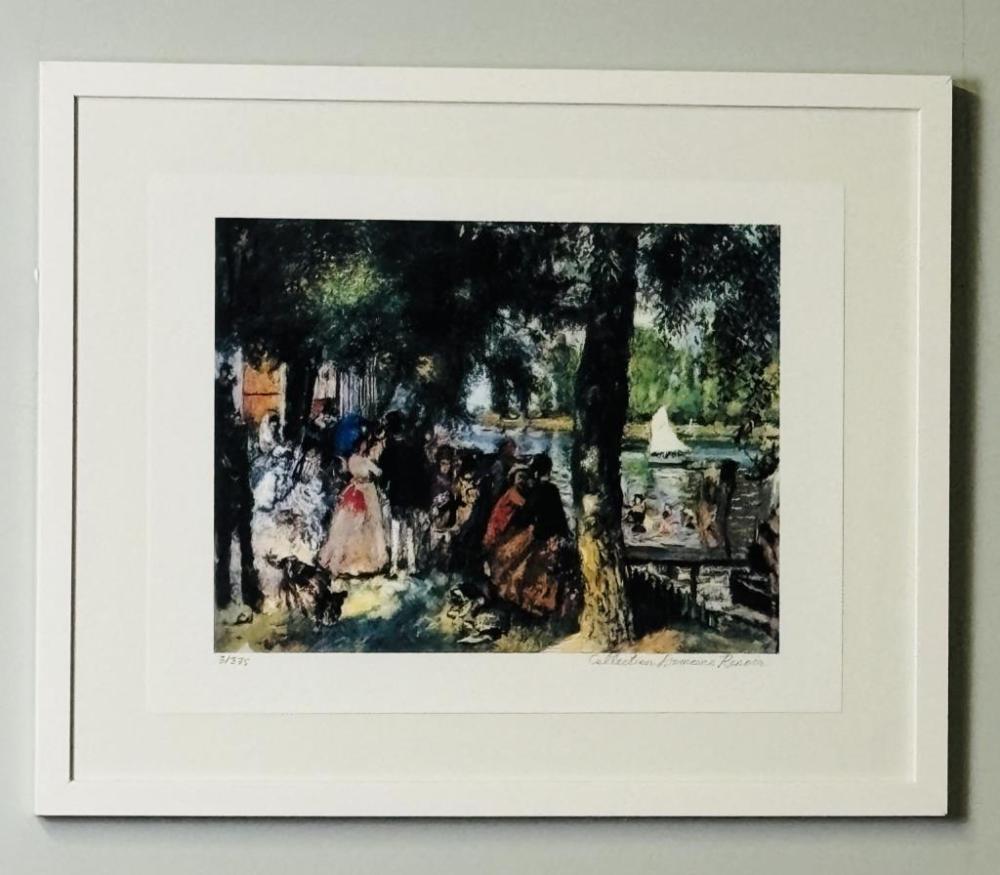 |
Pierre Auguste Renoir - Bathing in the Seine. Limited Edition Giclee 3/375. Signed in the Plate Lower Right. Comes With Certificate Of Authenticity. Exclusively Commissioned For The Collection Domaine Renoir. Image Me...Source blocked; provenance matched | Pottle Auctions | 2025-03-02 | 416 | AUD 325 (buyer’s-premium treatment unknown) |
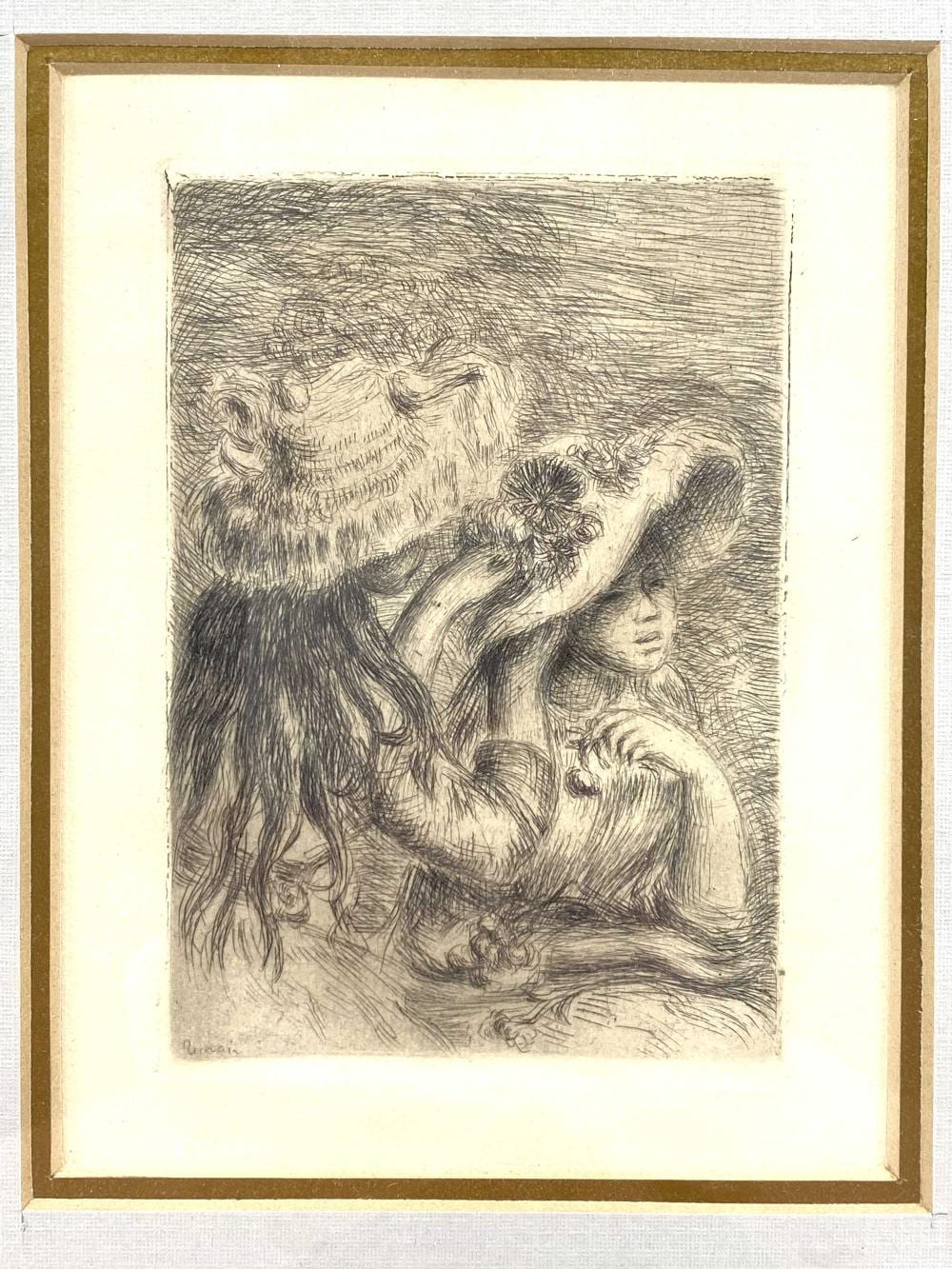 |
PIERRE-AUGUSTE RENOIR "LE CHAPEAU EPINGLE" ETCHINGSource blocked; provenance matched | Bradford's | 2021-02-21 | 1004 | USD 5,600 (buyer’s-premium treatment unknown) |
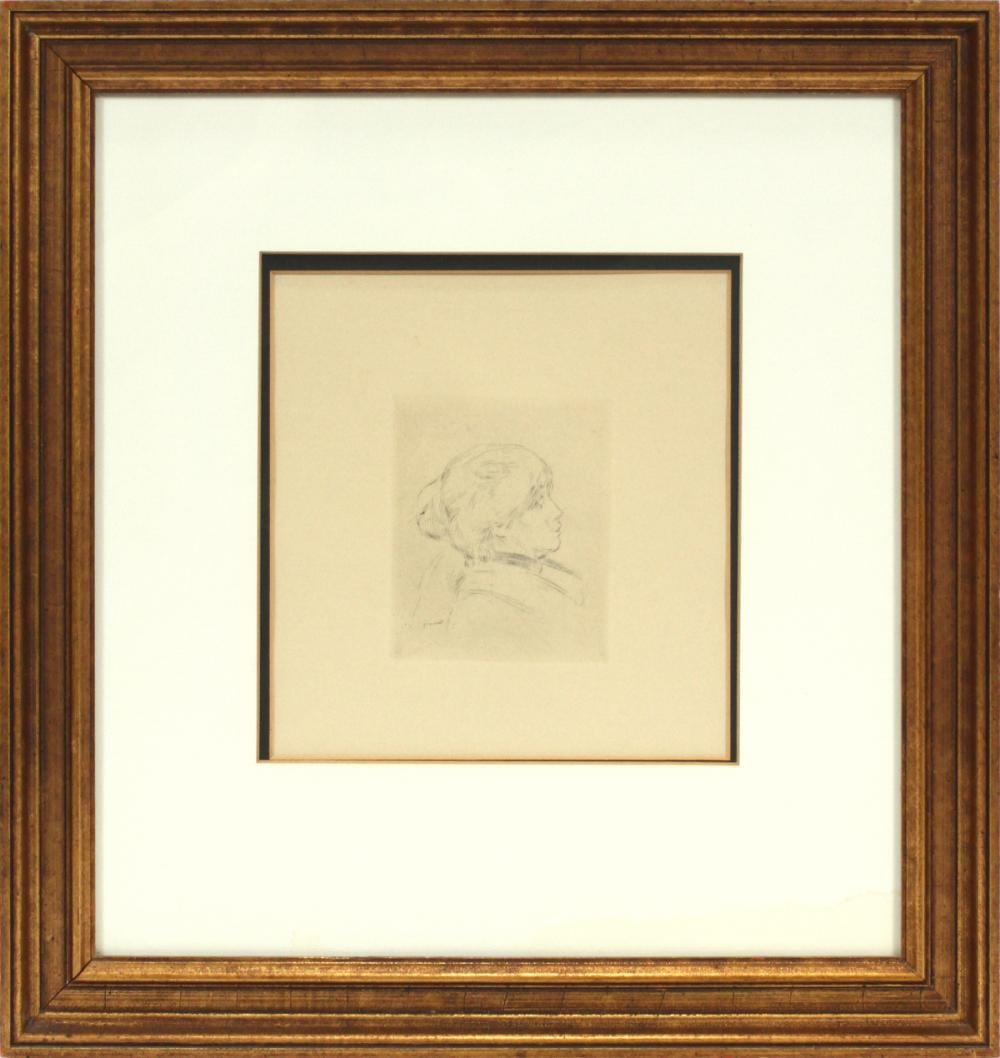 |
PIERRE-AUGUSTE RENOIR ETCHING PORTRAITSource blocked; provenance matched | DuMouchelles | 2019-10-20 | 2328 | USD 70 (buyer’s-premium treatment unknown) |
 |
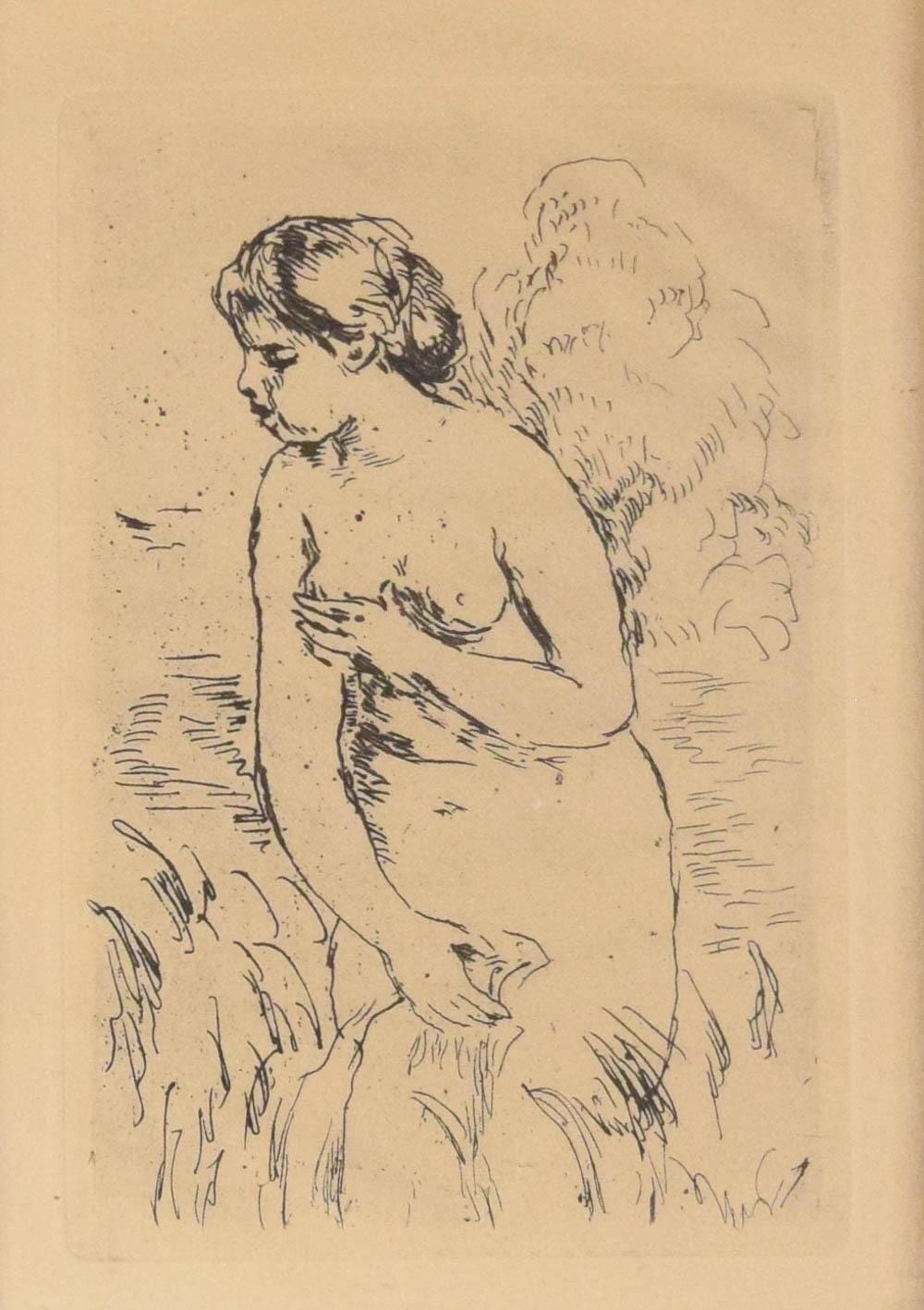
PIERRE-AUGUSTE RENOIR ETCHING, C. 1894Source blocked; provenance matched | DuMouchelles | 2019-07-21 | 2415 | USD 500 (buyer’s-premium treatment unknown) |
 |
Pierre-Auguste Renoir Etching Le BaigneuseSource blocked; provenance matched | Willow Auction House | 2025-01-09 | 11 | USD 150 (buyer’s-premium treatment unknown) |
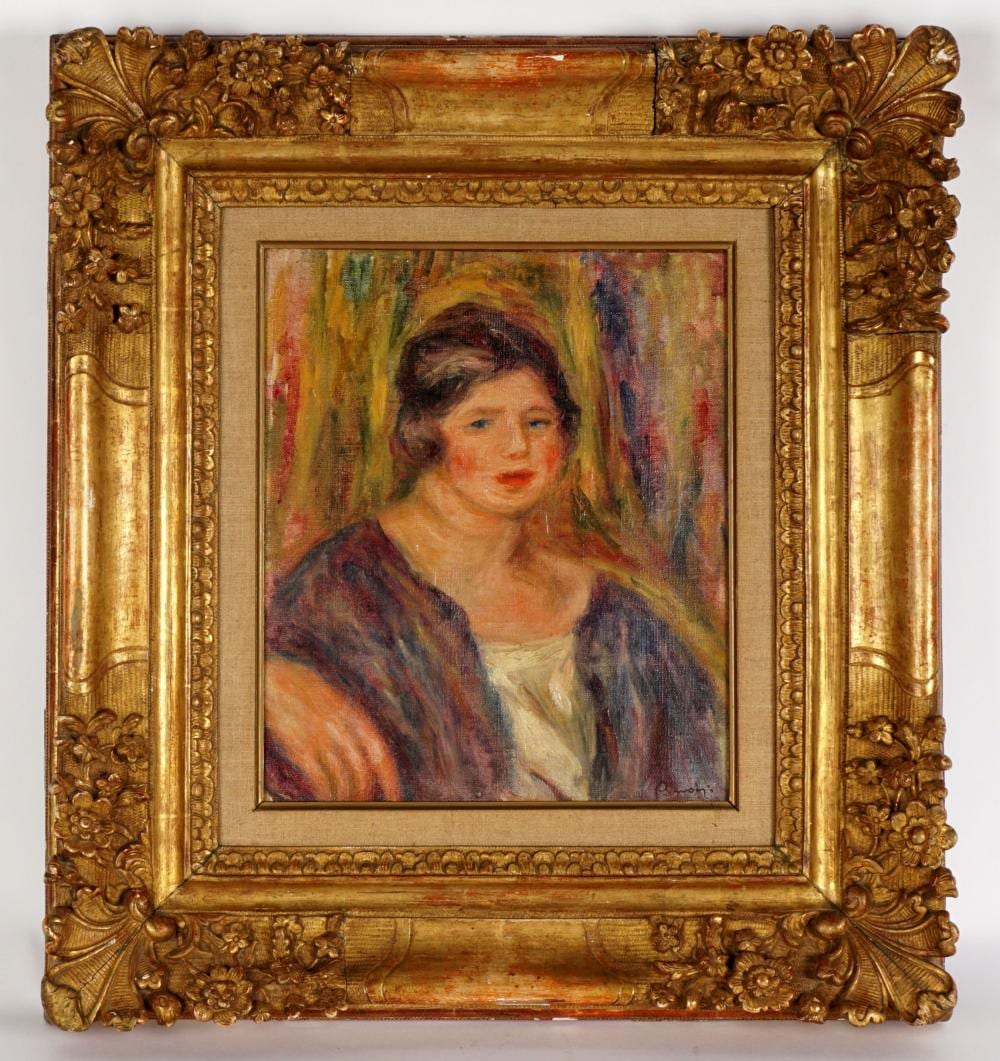 |
Pierre-Auguste Renoir Original Portrait Oil/CanvasSource blocked; provenance matched | Amero Auctions | 2019-10-06 | 25 | USD 190,000 (buyer’s-premium treatment unknown) |
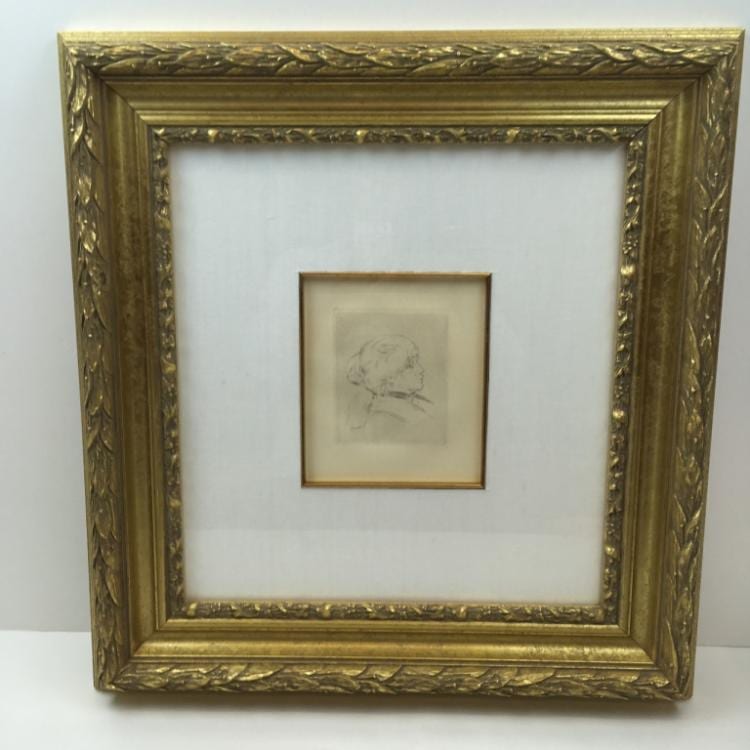 |
PIERRE-AUGUSTE RENOIR ETCHING OF BERTHE MORISOTSource blocked; provenance matched | Hampton House Auctions | 2018-04-21 | 96 | USD 230 (buyer’s-premium treatment unknown) |
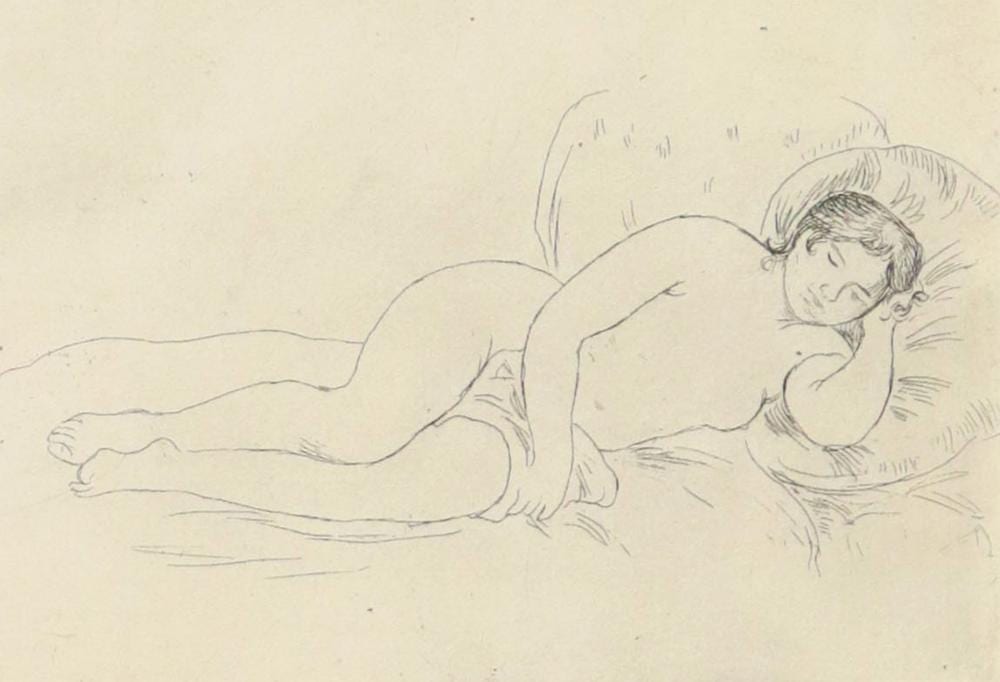 |
AFTER PIERRE-AUGUSTE RENOIR ETCHING, FEMME COUCHEESource blocked; provenance matched | Austin Auction Gallery | 2023-03-31 | 396 | USD 225 (buyer’s-premium treatment unknown) |
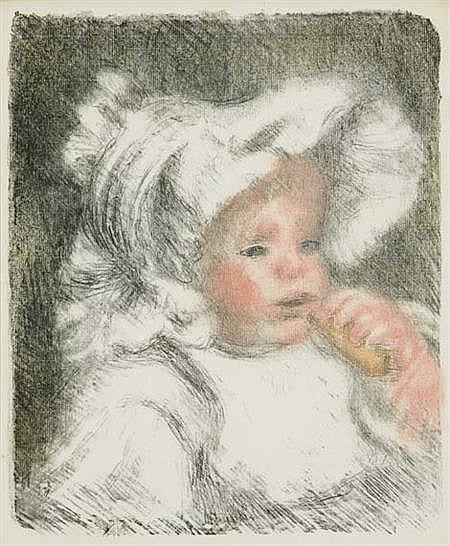 |
Pierre-Auguste Renoir L'ENFANT AU BISCUIT Color lithographSource blocked; provenance matched | Doyle New York | 2007-11-06 | 2355 | USD 8,500 (buyer’s-premium treatment unknown) |
How these auction records were verified
Each row retains its exact source URL, lot identity, retrieval time, access result, and immutable record hash. Live source access was blocked; the exact record matched Appraisily's immutable pipeline provenance. Inspect the public comparable provenance record.
Disclosure: prices are shown as reported by auction houses and are provided for appraisal context. Learn more in our editorial policy.
How to sell it (and avoid returns)
These prints sell best when listed honestly and photographed well. Returns happen when a buyer expected a hand-signed fine-art print but receives a modern giclée.
Best places to list
- eBay: largest buyer pool for décor prints; price to sell and allow best offers.
- Etsy: works when framed/presented as wall décor; be careful with language about originality.
- Facebook Marketplace: good for local pickup (frames are costly to ship).
Listing title tips
Use accurate phrases like “after Pierre-Auguste Renoir,” “giclée reproduction,” and “estate/publisher edition.” If your COA explicitly states “Collection Domaine Renoir,” include that exact phrase and photograph the document.
Photo checklist for listings
- Front full shot (straight-on, no glare)
- Close-up of the signature area
- Close-up of the edition number (if present)
- Back of frame showing labels/COA/emboss
- Any condition issues (foxing, stains, frame chips) to reduce disputes
Care and display (to protect resale value)
Modern giclées can fade if hung in direct sun. If you want to preserve the look (and any future resale value), consider UV-filtering glazing and avoid high-humidity areas. Keep the COA and any receipts together in a folder—even if they don’t add huge monetary value, they reduce buyer skepticism.
Related searches and long-tail questions
- How can I tell if my Renoir print is a giclée or an original?
- What does “Collection Domaine Renoir” mean on a certificate?
- Is an “estate signed” Renoir print actually signed by Renoir?
- What is a fair price for a small numbered Renoir giclée?
- How do I photograph an embossed estate seal on a print?
- Does a COA increase the value of a Renoir reproduction?
- Where is the best place to sell a framed Renoir giclée?
- What are common red flags in “limited edition” art print listings?
Each question maps to the inspection steps and valuation guidance above.
How We Research Valuation Data
Our appraisal guides are based on auction results, dealer pricing data, and professional appraiser insights. We may earn a commission when you use our free professional appraisal service . Learn about our editorial standards .
References
- Pierre-Auguste Renoir biographical overview and dates (public domain references).
- General printing terminology for giclée (archival inkjet) and edition practices.
- Auction dataset records for “after Renoir” prints and documented Renoir works (internal market evidence feed).