

Quick answer: a personal property estate appraisal concerns movable contents such as paintings, furniture, jewelry, silver, ceramics, books, collectibles, and household goods. It does not estimate the home or land. Begin with room photographs, then make object-level records for items that may need individual research. Before asking for a number, identify the purpose, effective date, and type of value the estate actually needs.
- Scope: contents and collections, not real estate.
- First pass: room overview, then the items that may matter.
- Assignment: purpose, effective date, value type, intended users.
- Evidence: identity, maker, material, dimensions, condition, provenance, and relevant markets.
Start with contents, not the house
The phrase “estate appraisal online” often leads to home-value estimators. That is the wrong tool here. A home-value model can estimate real estate from location and property data; it cannot identify a painting, separate sterling from plated silver, evaluate a diamond ring, or tell whether a chair has a specialist market.
Personal property estate work begins by defining what is inside the assignment. Some estates need a complete household inventory. Others need individual reports only for selected art, jewelry, antiques, silver, collections, or unusually valuable furniture. The practical question is not whether every old item deserves research. It is which items could change the estate decision if they were misidentified or grouped too quickly.
Triage the contents in three groups
- Record as a group
- Ordinary household goods with similar use, modest individual value, and no clear maker or specialist signal.
- Research individually
- Signed or marked pieces, precious materials, original art, jewelry, scarce designs, complete services, documented collections, and items with strong provenance.
- Hold for inspection
- Items whose material, construction, damage, authenticity, dimensions, or safe handling cannot be resolved from photographs.
If you are still sorting the property, use the keep, research, or scrap worksheet before disposing of anything. It gives the family one shared language without pretending every object already has a defensible value.
Photograph each room, then the items that may matter
Start wide. Photograph each room from two corners before objects are moved. Those views preserve location, grouping, and completeness: a set of dining chairs, a cabinet with its contents, or a silver service that could otherwise be separated during cleanout.
Then move close on the items flagged for individual research. Take the front, back, underside, construction details, labels or marks, visible repairs, damage, and an image with a ruler where scale is not obvious. Record dimensions, quantity, and the room or box number in a simple inventory. Photograph related receipts, certificates, prior appraisals, artist correspondence, and family records separately; a document is a lead that still has to match the item.
- Room overview: two wide views before moving anything.
- Inventory ID: one stable number shared by photos and notes.
- Object views: front, back, base, sides, and relevant details.
- Scale: dimensions plus a ruler when a photograph can mislead.
- Condition: repairs, losses, dents, cracks, fading, and replaced parts.
- Sets: photograph every piece and note what is missing.
- Documents: connect each record to the inventory ID.

The estate cleanout photo guide expands this sequence. The important part is order: room context first, object evidence second. That is faster than trying to appraise from a bag of disconnected close-ups.
Free first look
Not sure which item deserves individual research?
Upload one clear photo before deciding whether you need a signed report. Results usually appear within a few minutes; complex items can take longer.
Upload a photo for a free first lookFree. No card needed. The photo upload usually takes about two minutes.
Set the date and value question before comparing prices
“What is it worth?” is incomplete. An appraisal assignment needs a stated use, intended users, effective date, and value definition. Probate, equitable distribution, insurance scheduling, tax reporting, and sale planning can ask different questions about the same item. A current resale discussion is not automatically a date-of-death opinion, and an insurance replacement figure is not automatically fair market value.
For inherited property, the IRS explains that basis is generally tied to fair market value at the date of death, subject to exceptions and elections. That federal tax context does not settle every probate or distribution requirement, which depends on the jurisdiction and the estate. Confirm the required date and value type with the attorney, accountant, executor, insurer, or other intended user before research begins. See IRS Publication 559 (2025) and current USPAP information from The Appraisal Foundation.
A defensible brief can be one sentence: “Estimate fair market value of the listed personal property as of the date of death for estate administration.” If the actual decision is insurance, family division, or sale, change that sentence before anyone starts selecting comparables. This article is general information, not legal or tax advice.
What similar items actually sold for
To help ground this guide in real market activity, here are recent example auction comps from Appraisily’s internal database. These matched sales are market context only, not an object estimate or identification, and they do not guarantee a price for your specific item.
Shown USD range: USD 40-USD 1,400. Median of these 5 USD examples: USD 600.
| Comparable | What sold | Auction house | Date | Lot | Source-reported amount |
|---|---|---|---|---|---|
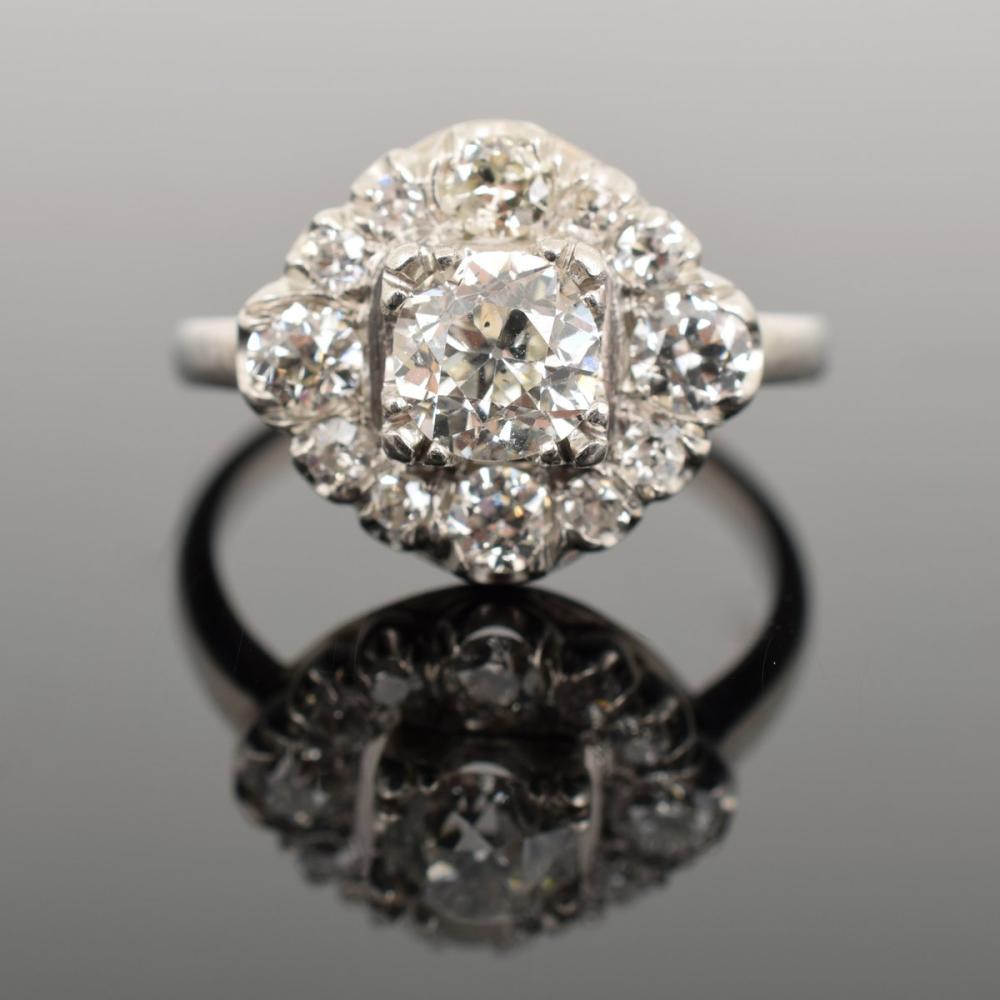 |
Platinum & Diamond Estate Ring | Palm Beach Modern Auctions | 2021-01-28 | 118 | USD 1,400 (buyer’s-premium treatment unknown) |
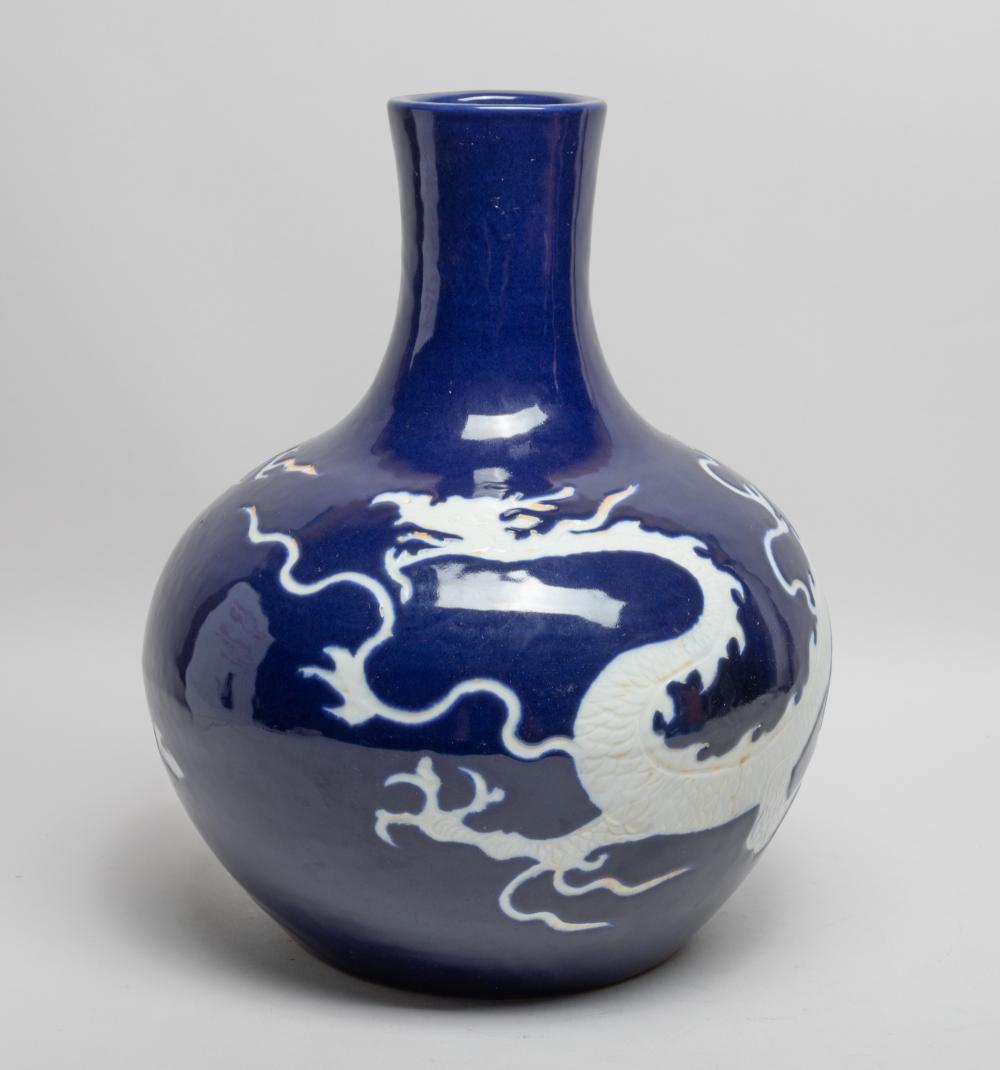 |
Estate Chinese Export Porcelain Vase | Wealthier Art & Auction | 2025-04-19 | 2718 | USD 600 (buyer’s-premium treatment unknown) |
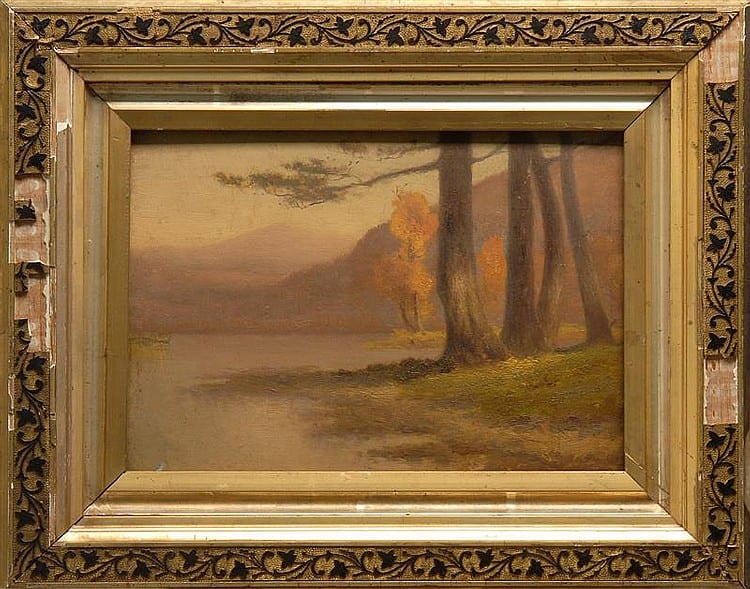 |
FRAMED PAINTING: BRYANT CHAPIN (American, 1859-1927). Autumn lake landscape with hills in the distance. Unsigned. Stamped "Estate of... | Eldred's | 2015-03-14 | 168 | USD 90 (buyer’s-premium treatment unknown) |
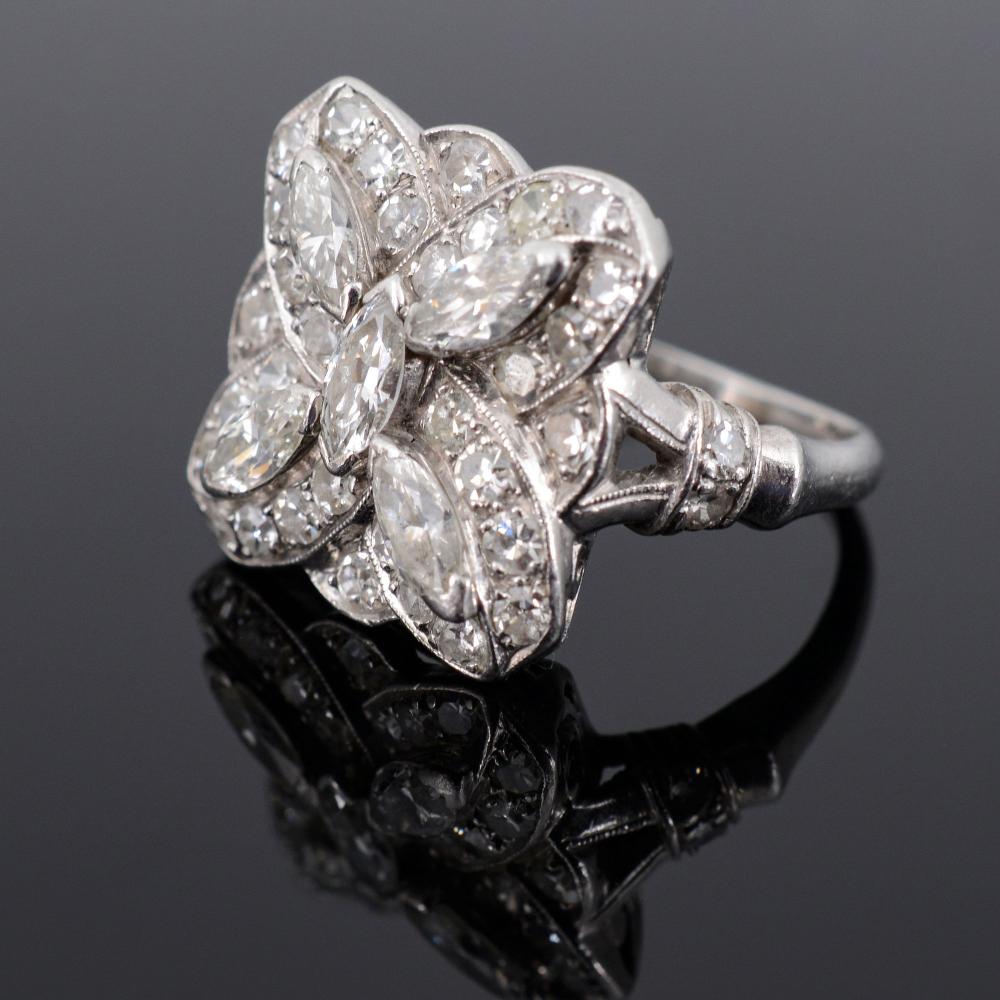 |
Platinum & Diamond Estate Ring | Palm Beach Modern Auctions | 2025-01-25 | 247 | USD 1,400 (buyer’s-premium treatment unknown) |
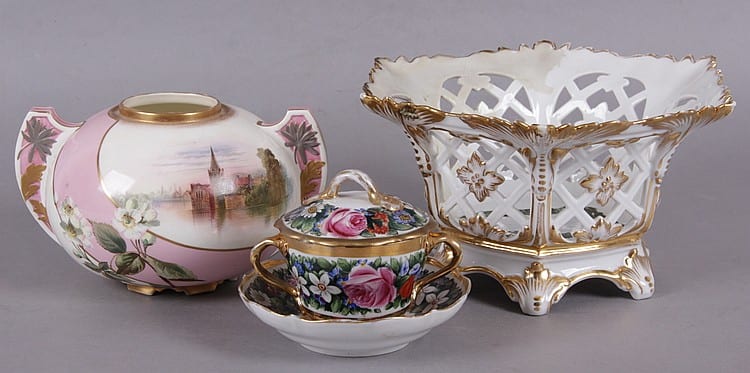 |
Three Pieces of Estate Porcelain Including Georges Jones | Locati LLC | 2015-02-16 | 215147 | USD 40 (buyer’s-premium treatment unknown) |
How these auction records were verified
Each row retains its exact source URL, lot identity, retrieval time, access result, and immutable record hash. Inspect the public comparable provenance record.
Disclosure: prices are shown as reported by auction houses and are provided for appraisal context. Learn more in our editorial policy.
Choose a proportionate next step for the estate
An online review can be efficient when the item is photographable, its important details are visible, and the market can be researched without physical testing. It is less suitable when material, construction, condition, scale, or authenticity depends on handling, or when local rules and intended users require an in-person inspection.
Do not pay for individual reports on ordinary household contents just because they are old. Do pause when a maker, material, complete set, provenance record, specialist category, or unusually strong market signal could change the outcome. The estate jewelry value guide shows how quickly value drivers become category-specific.
Need estate or qualified-appraisal documentation?
Estate and qualified-appraisal support starts at $399 for one item. Property-specific scope is confirmed before purchase.
Review qualified-appraisal scopeIs the decision specifically for insurance?
An insurance appraisal is $99 and follows the insurance value-basis process.
Review insurance appraisal scopeDelivery timing is confirmed after the required item information is received.
Personal property estate appraisal FAQ
What does a personal property estate appraiser do?
The appraiser defines the assignment, identifies and describes relevant estate contents, researches appropriate markets, analyzes comparable evidence, and reports a value conclusion for the stated use and effective date.
Can a personal property estate appraisal be done online?
Many items can be researched from clear photographs, dimensions, marks, condition views, and supporting documents. An appraiser may still require an in-person inspection when material, construction, scale, condition, or authenticity cannot be resolved remotely.
How much does a personal property estate appraisal cost?
Cost depends on the number and complexity of items, the purpose of the report, the effective date, research needs, and whether inspection or specialist work is required. Estate and qualified-appraisal support through Appraisily starts at $399 for one item, with property-specific scope confirmed before purchase.
Should inherited property be appraised before it is sold?
Research or appraisal is useful before sale when an item may have a meaningful maker, material, provenance, or specialist market, or when the estate needs a documented value. Common household goods may only need an inventory or grouped estimate, depending on the assignment.
Search variations this guide answers
- personal property estate appraisal near me
- personal property estate appraisal cost
- online appraisal for probate contents
- how to value inherited personal belongings
- what does a personal property appraiser do
- should inherited property be appraised before sale
- estate contents appraisal for equitable distribution
- date-of-death appraisal for household contents
Sources and review note
- IRS Publication 559 (2025), Survivors, Executors, and Administrators
- The Appraisal Foundation: current USPAP information
- Appraisily editorial and auction-evidence policy
Source review: August 23, 2026. Next scheduled review: January 15, 2027. Current USPAP is the 2024 edition without a stated end date; the companion Guidance and Reference Manual is the 2026 edition. Local probate rules and intended-user requirements must be confirmed for the assignment.