Estate Cleanout Photo Guide: What to Photograph Before You Sell, Donate, or Throw It Away

Estate Cleanout Photo Guide Before You Sell Donate or Throw It Away: photo checklist for estate cleanouts. What angles, marks & details to capture before you sell,...

Auction comps in this guide are for appraisal context, not guaranteed prices. See our editorial policy.

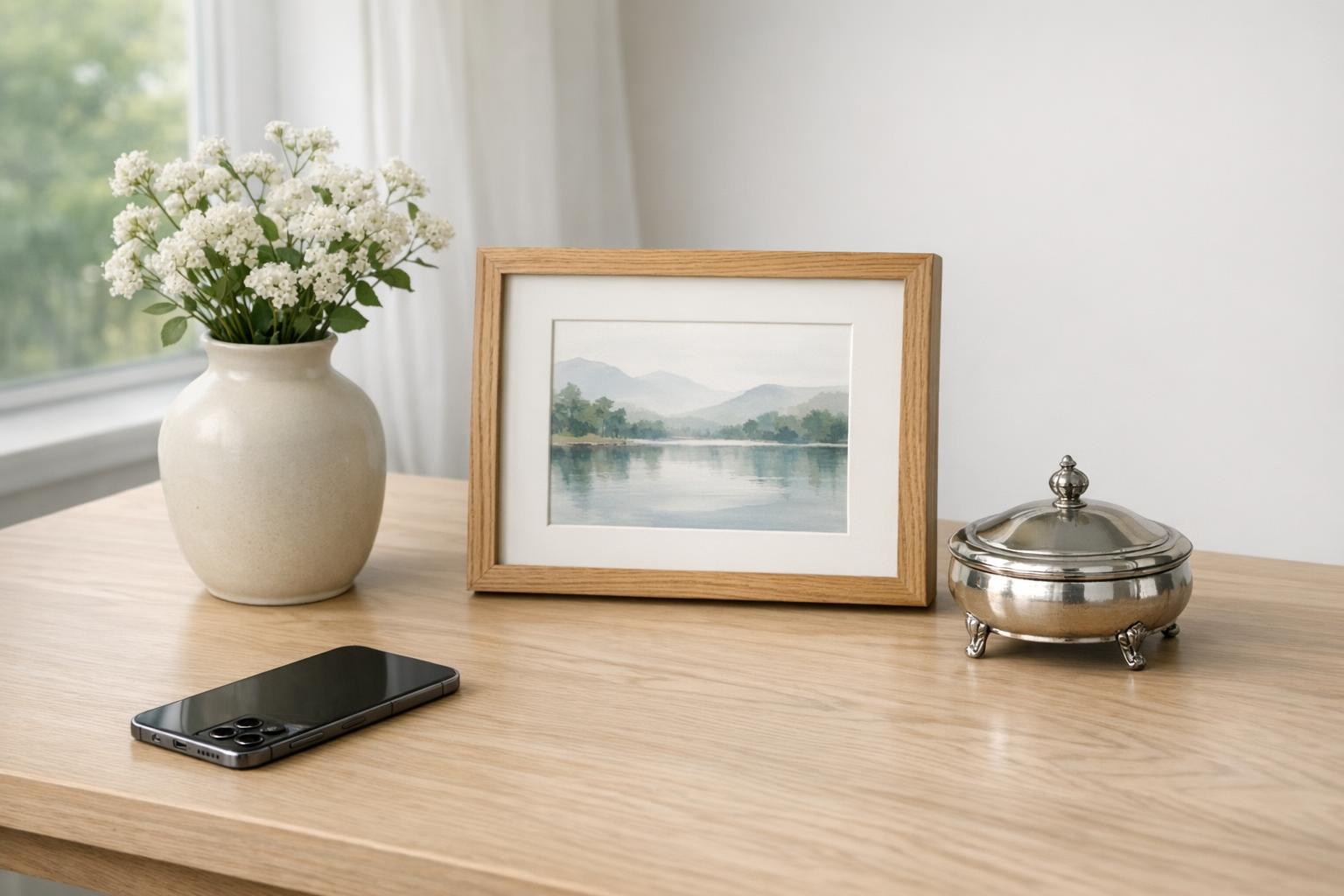
Estate Cleanout Photo Guide Before You Sell Donate or Throw It Away example: A well-lit room with household items arranged on a neutral table for estate documentation photography, including a ceramic vase, framed artwork, and silver piece with natural window light

Estate Cleanout Photo Guide Before You Sell Donate or Throw It Away: appraisal and value basics

Estate Cleanout Photo Guide Before You Sell Donate or Throw It Away research should start with identification, condition, provenance, and recent comparable sales. Use this guide to compare the signals that matter before paying for a formal appraisal or deciding whether to sell.

Why Photos Matter in Estate Cleanouts

Clearing out a home after a death, downsizing move, or relocation means making hundreds of decisions in a short window. The most common regret executors and families report is not the item they kept — it is the item they let go without documenting what it was.

A systematic photo approach takes under two minutes per item and creates three kinds of protection:

  • Value preservation. Items with documented maker marks, signatures, or provenance clues routinely sell for 30% to several hundred percent more at auction than identical pieces sold as "unattributed." A Stickley bookshelf without a visible manufacturer decal may price at $200 in a bulk lot; the same piece with a photographed Gustav Stickley label and proper attribution can clear $800 to $1,500.
  • Tax and donation compliance. The IRS requires photographic documentation for charitable deductions over $500, and any single item valued above $5,000 demands a qualified written appraisal. Your photos are the first line of defense if the return is ever reviewed.
  • Family memory and dispute resolution. When siblings disagree about who got what, a dated photo archive with item descriptions eliminates the argument before it starts.

Online auction data consistently shows that lots with five or more quality photographs realize 15% to 40% higher prices than single-image listings. The market rewards documentation.

In this guide
  1. Why photos matter in estate cleanouts
  2. The pre-cleanout photo checklist
  3. How to photograph each item
  4. What to capture before you decide
  5. Category-specific photo guides
  6. Documentation for tax and donation
  7. Storing and organizing your photo archive
  8. When to call a professional appraiser

The Pre-Cleanout Photo Checklist

Before any item enters a donation bag, an auction staging area, or a trash bin, run it through this shot list. Each category has a minimum set of photographs that together form a complete identification and valuation record.

Category Minimum Shots Key Details to Capture
Furniture 6-8 photos Full piece (front angle), full piece (back), underside/bottom, any maker labels or stamps, drawer interiors, hardware close-up, visible damage or repairs
Silver & metalware 5-7 photos Full piece, hallmark/stamp (use macro), monogram or engraving, base/bottom, any dents or wear patterns, weight if scale is available
Ceramics & glass 5-6 photos Full piece, maker mark on base, any cracks or chips (use raking light), pattern or decoration detail, underside wear pattern
Art & prints 5-8 photos Full front (straight-on, no glare), signature/corner detail, verso/back labels or stamps, frame detail, any condition issues, certificate of authenticity if available
Jewelry 4-6 photos Full piece on neutral background, any hallmarks/stamps inside band or clasp, stone setting close-up, clasp/mechanism, any damage or wear
Books & paper 4-5 photos Front cover, spine, title page, any dust jacket, inscriptions or signatures, condition issues (foxing, tears, loose binding)
Textiles & rugs 4-6 photos Full piece laid flat, label or maker tag, weave or pattern detail, any stains or damage, fringe or edge finish
Ephemera & collectibles 3-5 photos Full item, any labels or printing detail, condition notes, packaging if present, scale reference (ruler or coin)

Print this table and keep it on a clipboard during the cleanout. Tick off each item as you photograph it. Two minutes per piece means 30 items takes about an hour — and that hour can protect thousands of dollars in value.

How to Photograph Each Item

Good estate documentation photography does not require professional equipment. A modern smartphone camera, a clean surface, and natural light are enough. The difference between a useful photo and a wasted one is almost always technique.

1. Use natural window light, not flash

Position the item near a window with indirect daylight. Flash flattens detail, creates harsh reflections on metal and glass, and obscures the subtle texture differences that identify makers and periods. If the room is dark, open a curtain and wait for a bright moment rather than switching on the phone's LED.

A ceramic vase photographed with side raking light revealing surface texture and maker marks not visible under direct flash
Raking side light reveals surface texture, glaze patterns, and maker marks that direct flash obscures.

2. Shoot against a neutral background

A plain wall, a sheet of white poster board, or a clean hardwood floor works. The goal is contrast between the item and its surroundings so the viewer's eye goes straight to the object — not to a busy background pattern.

3. Capture every angle — front, back, sides, top, bottom

Most identification clues live where people do not usually look: the underside of a chair, the back of a frame, the bottom of a vase. Photograph all six faces plus the piece in context.

Diagram showing six camera positions around a furniture piece — front, back, left, right, top, and bottom — for complete estate documentation
Six positions around any object: front, back, left, right, above, below. Together they form a complete documentation record.

4. Macro shots of maker marks, signatures, and stamps

Switch your phone to macro mode (or tap to focus close) and fill the frame with any stamp, hallmark, signature, or label. These marks are the single most important identification clue — and the most commonly missed photo. Silver hallmarks, furniture manufacturer decals, pottery backstamps, and artist signatures all require a tight, well-focused close-up.

Macro close-up of a stamped hallmark on a silver piece showing crisp letter and symbol detail for identification
A crisp hallmark photograph can be the difference between "scrap silver weight" and a maker-attributed piece worth several hundred dollars.

5. Document condition honestly

Photograph every crack, chip, repair, scratch, and wear pattern. Place a coin or ruler next to the damage for scale. Buyers, appraisers, and insurers all need to see condition issues upfront — and hiding them delays every downstream process.

A crack in a ceramic piece photographed with a ruler beside it for scale, showing proper condition documentation technique
Condition damage photographed with a scale reference. Appraisers and buyers expect honest disclosure.

6. Group like items together

When you have a set — silverware service, a collection of pottery, matching bookend pairs — photograph them together first, then individually. Group shots communicate completeness and provenance; individual shots handle identification.

A set of silverware pieces grouped together on a neutral backdrop for estate documentation showing completeness
Group shots establish completeness. Follow with individual piece photos for identification detail.

7. Include a scale reference when size matters

A standard US quarter (24.3 mm), a ruler, or a small tape measure placed beside the item gives viewers immediate size context. This is especially useful for jewelry, small ceramics, and ephemera where dimensions drive value.

8. Date-stamp or use EXIF metadata

Ensure your phone's camera records date and time in EXIF data. For IRS and legal documentation, the date the photo was taken matters. Most smartphones do this automatically — just verify your settings before you start.

What to Capture Before You Decide: The Decision Flow

Not every item needs the full eight-photo treatment. Use this decision flow to triage efficiently:

Decision tree flowchart for estate items: photograph first, then identify, then branch to appraise, sell, donate, or discard
The estate cleanout decision tree: photograph every significant item first, then branch based on what you find.

Step 1 — Photograph first. Before you sort anything into keep, sell, donate, or discard piles, take at least three photos: full front, a maker mark area, and any condition note. This is your insurance policy. Even if you misidentify the item now, the photos let an expert correct the record later.

Step 2 — Identify what you can. Use the photos to search online databases, share with estate sale companies, or post to appraisal services. Look for maker names, dates, materials clues (solid brass vs. plated, hardwood vs. particle board), and any accompanying documentation (receipts, certificates, original boxes).

Step 3 — Choose your path:

  • Appraise: Items that appear valuable but resist identification, or anything that might exceed $5,000. Send your photos to a qualified appraiser. Documented maker attribution on furniture and silver regularly surfaces 30% to several hundred percent gaps between "unknown" and "attributed" auction prices.
  • Sell: Items you can identify and price with reasonable confidence. Use your full-angle photos for auction listings — five or more photos per lot typically drive 15-40% higher realized prices.
  • Donate: Items in good condition with modest market value. Your photos serve as IRS documentation for charitable deductions over $500.
  • Discard: Items with no market value, significant damage, and no sentimental or historical interest. Even here, a quick photo record protects you if someone later questions the decision.

The single most important rule: never toss something you could not identify without photographing it first. Executors almost never regret taking the photo. They frequently regret not taking it.

Category-Specific Photo Guides

Furniture

Start with a full three-quarter angle shot that shows the piece in proportion. Then photograph the back, the underside, and every drawer or door interior. Maker labels on American furniture from the 19th and 20th centuries often live on the back panel, the bottom of a drawer, or the underside of a tabletop — places you would not normally look. Document any repairs, replaced hardware, or structural modifications. Solid wood construction, dovetail joints, and hand-cut tool marks are all identification clues worth close-up photos.

Silver & Metalware

The hallmark is everything. British silver carries a full set of date letters, assay office marks, and maker initials. American silver may carry a manufacturer stamp (Tiffany, Gorham, Reed & Barton) and a pattern name. Photograph each mark individually with macro focus. Also capture the full piece, the base, any monogram, and areas of wear or plate loss. A properly photographed hallmark can reveal a difference between the scrap value of the metal weight and a maker-attributed piece worth $200 to $2,000 or more.

Ceramics & Glass

Turn the piece over and photograph the backstamp first — this is where factory marks, pattern numbers, and artist signatures live. Then shoot the full piece with raking light (light coming from the side) to reveal glaze texture, craze lines, and surface decoration. Close-ups of any chips, cracks, or restoration work are essential. European porcelain from Meissen, Sèvres, and Royal Copenhagen carries distinctive marks that are easily photographed with a phone in good light.

Art & Prints

Photograph the full artwork straight-on with no glare — position yourself perpendicular to the surface and use natural indirect light. Then zoom into the signature area (usually a lower corner). Flip the piece and photograph any labels, gallery stamps, or exhibition stickers on the verso. These labels often trace provenance and can multiply value. Frame condition and any canvas damage get their own shots.

Jewelry

Lay the piece flat on a neutral surface. Photograph the full item, then use macro mode for any stamps inside a ring band, on a clasp, or on the back of a pendant. Stone settings, prong condition, and any wear on chains or clasps all need individual photos. Hallmarks such as "14K," "925," "PT," or maker logos (Tiffany, Cartier, David Yurman) should each get their own tight shot.

Books & Paper

Photograph the front cover, the spine, and the title page (the page after the cover with publisher information). First editions, signed copies, and books with original dust jackets carry significant premiums — all three need clear photos. Note any foxing (brown spots), tears, loose bindings, or writing in margins. Signed books or documents require a macro shot of the signature area.

Textiles & Rugs

Lay the piece flat and photograph the full item from above. Then photograph any maker labels, the weave or knot density detail (turn the piece over to show the back of a rug), stains or damage, and the fringe or edge finish. Oriental rugs, Navajo weavings, and branded textile pieces all benefit from documentation of both the pattern face and the structural back.

Ephemera & Collectibles

Photograph the full item with a scale reference (a coin or ruler). Capture any printed labels, dates, manufacturer names, or packaging. Vintage advertising signs, postcards, currency, and stamp collections all carry value that depends on legible text and condition — both of which need crisp photos.

Documentation for Tax & Donation

If you plan to donate items from an estate, the IRS has specific documentation requirements that photographs directly support:

  • Donations over $500: You must file Form 8283 and include a description of each item. While a written description is the minimum, photographic evidence strengthens your position significantly if the return is reviewed.
  • Donations over $5,000 per item or group: A qualified written appraisal from a USPAP-compliant appraiser is required. Your pre-donation photos help the appraiser work efficiently and provide a dated record of the item's condition at the time of donation.
  • Good-faith estimate requirement: The donation receipt from the charity must include a description of items received (not necessarily a value). Your photos, paired with the receipt, create a defensible record.

The practical rule: photograph every item you intend to donate before it leaves the house. Date-stamped photos, a written description, and the charity receipt together form a documentation package that satisfies IRS scrutiny. Without the photos, you are relying on memory and a written list — both of which weaken under audit.

Before and after donation documentation showing an item photographed before donation alongside a charity receipt with photo reference
Before: the photographed item. After: the charity receipt with matching description. Together they satisfy IRS documentation requirements.

Storing and Organizing Your Estate Photo Archive

Taking the photos is only half the job. An unorganized folder of 500 images is nearly as useless as no photos at all. Use this simple system:

Folder structure

Estate-[LastName]-[Year]/
├── 01-Furniture/
├── 02-Silver/
├── 03-Ceramics-Glass/
├── 04-Art-Prints/
├── 05-Jewelry/
├── 06-Books-Paper/
├── 07-Textiles/
├── 08-Ephemera/
└── 09-Sold-Donated-Discarded/

Naming convention

Name each file with a consistent pattern so sorting and searching work later:

[Category]-[SequentialNumber]-[BriefDescription].jpg
Example: Furniture-001-Oak-Drop-Leaf-Table.jpg
Example: Silver-003-Gorham-Candlestick-Pair.jpg

Backup strategy

Store the folder in at least two places: the phone or camera that took the photos, and a cloud drive (Google Drive, iCloud, Dropbox). Share access with the estate executor and any co-beneficiaries. A shared cloud folder also gives appraisers and estate sale companies remote access to review items before visiting in person.

A laptop screen showing an organized estate photo archive with clearly named category folders and sequential file naming
A consistent folder structure and naming convention make the photo archive useful for executors, appraisers, and family members.

When to Call a Professional Appraiser

Photography is the first step, not the last. There are clear signals that your photos should go to a qualified appraiser rather than directly to a donation center or online listing:

  • You found a maker mark or signature you cannot identify. Do not guess. Send the macro photo to a specialist.
  • The item appears to be fine art, antique furniture, or precious metal and you have no recent comparable sales data.
  • You suspect the item may exceed $5,000 in value. The IRS requires a qualified written appraisal for charitable deductions above this threshold.
  • Family members disagree about value. An independent appraiser resolves the dispute with documented evidence.
  • You are preparing an estate for sale or auction and need lot-level pricing guidance across many categories.

Appraisily connects you with a USPAP-compliant appraiser who can review your photos, provide a written valuation, and document the item for insurance, donation, or sale purposes. Start your appraisal and share your estate photos directly with a specialist.

Got items you are not sure about?

Share your photos with a documented appraisal specialist. Get a written quote, market context, and next steps — usually within 24 hours.

  • USPAP-compliant appraisers
  • Written reports for insurance, donation, or sale
  • Secure photo upload from your phone
Start your appraisal

No obligation. Upload photos and describe your items to get started.

Two-step intake

Share your your item details with an expert today

Share the basics and we’ll route you to the right specialist with a written quote and next steps.

Step 1 of 2

Secure intake. Routed to the right specialist. Checkout only if you decide to proceed.

Related Guides

Note: We found 5 relevant comps in our database for this topic right now. We’ll continue to expand coverage over time.

What similar items actually sold for

To help ground this guide in real market activity, here are recent example auction comps from Appraisily’s internal database. These are educational comparables (not a guarantee of price for your specific item).

Image Description Auction house Date Lot Reported price realized
Auction comp thumbnail for WW2 British S.O.E. ‘throw away’ 3rd pattern Fairbairn and Sykes fighting knife/dagger by A. Wright and Son of Sheffield (JB Military Antiques, Lot 395) WW2 British S.O.E. ‘throw away’ 3rd pattern Fairbairn and Sykes fighting knife/dagger by A. Wright and Son of Sheffield JB Military Antiques 2024-09-15 395 AUD 700
Auction comp thumbnail for ANNE YEATS (1919-2001) Dish Cloth Thrown Away oil (Morgan O'Driscoll, Lot 22) ANNE YEATS (1919-2001) Dish Cloth Thrown Away oil Morgan O'Driscoll 2007-11-19 22 EUR 750
Auction comp thumbnail for CAST AWAY (2000) - Chuck Noland's (Tom Hanks) Carvings with Continuity Photo and Parking Placard (Propstore Los Angeles, Lot 554) CAST AWAY (2000) - Chuck Noland's (Tom Hanks) Carvings with Continuity Photo and Parking Placard Propstore Los Angeles 2025-09-05 554 USD 15,000
Auction comp thumbnail for Marcel Dzama: What ever you do, don't throw me into the void or the king off the nobodies (Van Ham Kunstauktionen, Lot 1134) Marcel Dzama: What ever you do, don't throw me into the void or the king off the nobodies Van Ham Kunstauktionen 2021-06-23 1134 EUR 1,300
Auction comp thumbnail for Escher, M.C. (1898-1972). 'Bezint nooit eer gij begint' (Never Think Before You Act). Woodcut, 1921, (Bubb > Kuyper: Auctioneers of Books, Fine Arts & Manuscripts, Lot 3923) Escher, M.C. (1898-1972). 'Bezint nooit eer gij begint' (Never Think Before You Act). Woodcut, 1921, Bubb > Kuyper: Auctioneers of Books, Fine Arts & Manuscripts 2020-05-28 3923 EUR 4,000

Disclosure: prices are shown as reported by auction houses and are provided for appraisal context. Learn more in our editorial policy.

Search variations readers ask

Readers often Google these questions — each one is addressed in the guide above:

  • What photos to take before an estate cleanout
  • How to document estate items for IRS donation deduction
  • Estate sale photography checklist for beginners
  • What maker marks to photograph on antique furniture
  • How to photograph silver hallmarks for identification
  • Estate cleanout checklist printable PDF
  • Should I photograph items before donating from an estate
  • How many photos per item for online auction listings
  • What to do with unknown valuables found during estate cleanout

Each question is answered in the valuation guide above.

References & Editorial Policy

  • IRS Publication 561 — Determining the Value of Donated Property (irs.gov)
  • IRS Form 8283 — Noncash Charitable Contributions (irs.gov)
  • Uniform Standards of Professional Appraisal Practice (USPAP) — The Appraisal Foundation
  • EstateSales.org — How to Take Good Estate Sale Photos (estatesales.org)
  • Auctioneer Software — Auction Photography Tips for Online Auctions (auctioneersoftware.com)

Appraisily articles are reviewed by USPAP-compliant appraisers before publication. Auction market observations are drawn from Appraisily's own valuation database and public auction records. This article is educational guidance and does not constitute a formal appraisal. For a documented valuation of your specific items, start your appraisal.

Machine-readable summaries

Use these machine-friendly references for AI and crawler discovery of Appraisily content.