
Your first win at an estate sale is deciding what not to do. The buyer who leaves with only the right items often does better than the buyer who buys first and researches later. This worksheet gives you a fast triage path before you pay, bid, or carry a lot home.
This page is not a single-value promise. It is a disciplined filter: keep the item in your active research queue, push it to a deeper check, or choose to scrap/reduce-cost handling. If you only want one rule, use this: if the item has visible identity + plausible provenance + recoverable condition, it usually deserves research first.
Use the decision worksheet before you make a move
Go through each item once. Stop when the item fails a section, not after endless debate.
-
1) Immediate safety and legal flags
- If unsafe or contraband risk: do not buy, do not transport, research only externally.
- If not your lot: remove from your stack and keep a note only.
- If clearly modern replacement: either keep if emotionally useful, or move toward scrap.
Even excellent-looking household material can become expensive to resell when legal provenance and legal transport rules are unclear. Fast risk control reduces future cost.
-
2) Identity signals (what makes this more than decor)
- Hallmarks, maker marks, signatures, serials, labels, or casting data.
- Category clues: furniture joinery, metalwork tooling, frame construction, glass paint signatures, military stamps, age-specific finishes.
- Regional/material consistency (for example, glaze style, tool marks, wear language).
If the object can be described with specific identification details, set it to Research. If identity is absent and the item is broadly generic, mark it as Scrap/No-follow unless condition is unusual.
-
3) Condition stress test
- Check for repaired joints, structural cracks, rewaxed metal, or replaced parts.
- Check for missing marks/parts that reduce buyer trust.
- If restoration is required beyond a quick clean, downgrade one tier unless authenticity is clear.
Condition is where many buyers lose money. A clean signal is useful, but clean-looking problems are not enough. Confirm the damage pattern is realistic for the claimed age and use.
-
4) Market context
Before you act, ask: do similar items have recent comparable sold examples in a real market?
- High-value clue: recent comps across multiple sellers, documented as sold results.
- Moderate clue: a credible title/caption, clear category, visible condition photographs, and at least one comparable sale window.
- Weak clue: no comparable market path yet and limited documentation.
If there is no market path visible, put it into a light Research queue and revisit with photos, size, and origin notes.
Typical scenario: one room, sixty minutes, twelve finds
Imagine a weekend walk-through where you spot twelve items. Your first impulses are usually similar: “That looks expensive,” “That is just decorative,” “This one has to be real.” Instead, use a three-column split:
| If this happens | Action | Why it helps |
|---|---|---|
| Clear identity + fair condition | Research | Protects you from emotional skips by requiring one evidence packet before purchase. |
| Strong details + strong comps mention | Keep | Moves into active estimate and shortlist workflow before it leaves the room. |
| Unclear identity + heavy wear + weak market path | Scrap/No-follow | Stops deadweight carry and storage decisions quickly. |
This structure beats “decide by glance.” It also makes your list easier to audit. If you can defend each decision with a short reason, you reduce buyer remorse without becoming hesitant.
Use market proof as your guardrail, not decoration
Internal auction data is especially useful because it shows how category, condition, and context move final realized values:
- M1 Garand example: a recently observed lot sold around USD 3,500 under military collector demand, showing high category pull can amplify price if identity is clear.
- Engine and mechanical lot example: another comparable hit USD 161,000, a reminder that some categories are exceptionally category-sensitive and can outperform general heuristics.
- Art and ephemera examples: sales in the few-hundred-to-low-thousands range are common, especially when condition and documentation are weaker.
That spread matters. A similar-looking object is not enough reason to pay immediately; the same category can perform very differently with repair level, provenance, and documentation quality.
Comps are not guarantees. They are evidence windows. Treat a strong comp as an invitation to research, not as a license to overpay.
Decision matrix you can use in real time
Use this exact three-state rule as a physical rule card:
- Keep: clear identity + repairable condition + credible market path + documented photos.
- Research: high upside category but identity gaps, condition ambiguity, or missing source trail.
- Scrap/No-follow: generic design + unclear category + weak/contradictory condition + no comparable path.
Never force a decision at the front of the room. Put unresolved items in research, photograph them, and return once you have a batch. Most avoidable mistakes come from single-item adrenaline, not from bad eyesight.
How to move from worksheet to execution in 20 minutes
- Circle every item first pass with one of three verbs: keep, research, scrap.
- For research items only, take three photos: full view, maker/mark close-up, and one defect detail.
- Store one note per item: source room, visible clues, and your confidence score (low/medium/high).
- At end of sale, review research items in order of confidence, starting with those with market hints.
- For anything still uncertain, run a free estimate before a paid appraisal. This keeps your stack honest.
Keep your workflow binary enough to run, but not rigid enough to miss edge items. A lot of useful antiques survive because someone took notes and came back with clearer context.
Free instant estimate
Not sure if your item is worth appraising? Let us take a look.
Upload a photo, tell us what you know, and get a free first read. If a full appraisal makes sense, we will say so.
Free. No card needed. Takes about two minutes.
Note: We couldn’t find enough auction records that directly match Estate Sale Keep, Research, or Scrap Worksheet to publish a defensible price table. If you are valuing a specific item, include its maker, model, material, photos, and condition so the search can be narrowed.
What similar items actually sold for
To help ground this guide in real market activity, here are recent example auction comps from Appraisily’s internal database. These matched sales are market context only, not an object estimate or identification, and they do not guarantee a price for your specific estate sale keep research or scrap worksheet.
Shown USD range: USD 1,100-USD 55,000. Median of these 3 USD examples: USD 2,100.
| Comparable | What sold | Auction house | Date | Lot | Source-reported amount |
|---|---|---|---|---|---|
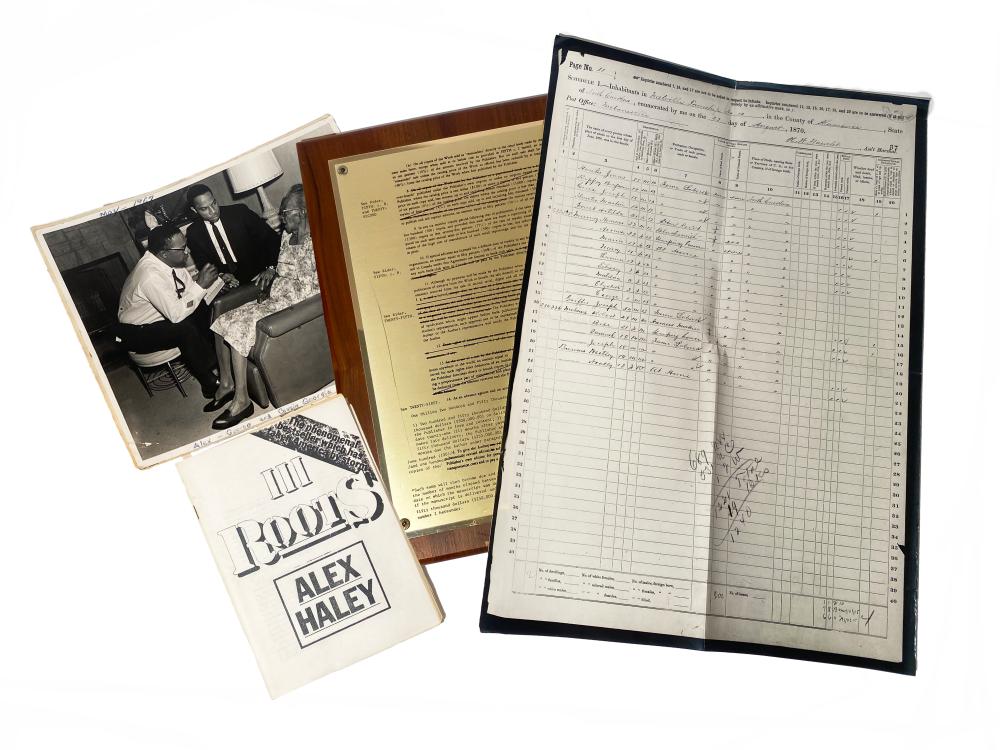 |
Alex Haley's Roots Plaque & Research Materials | Guernsey's | 2022-09-21 | 20 | USD 1,100 (buyer’s-premium treatment unknown) |
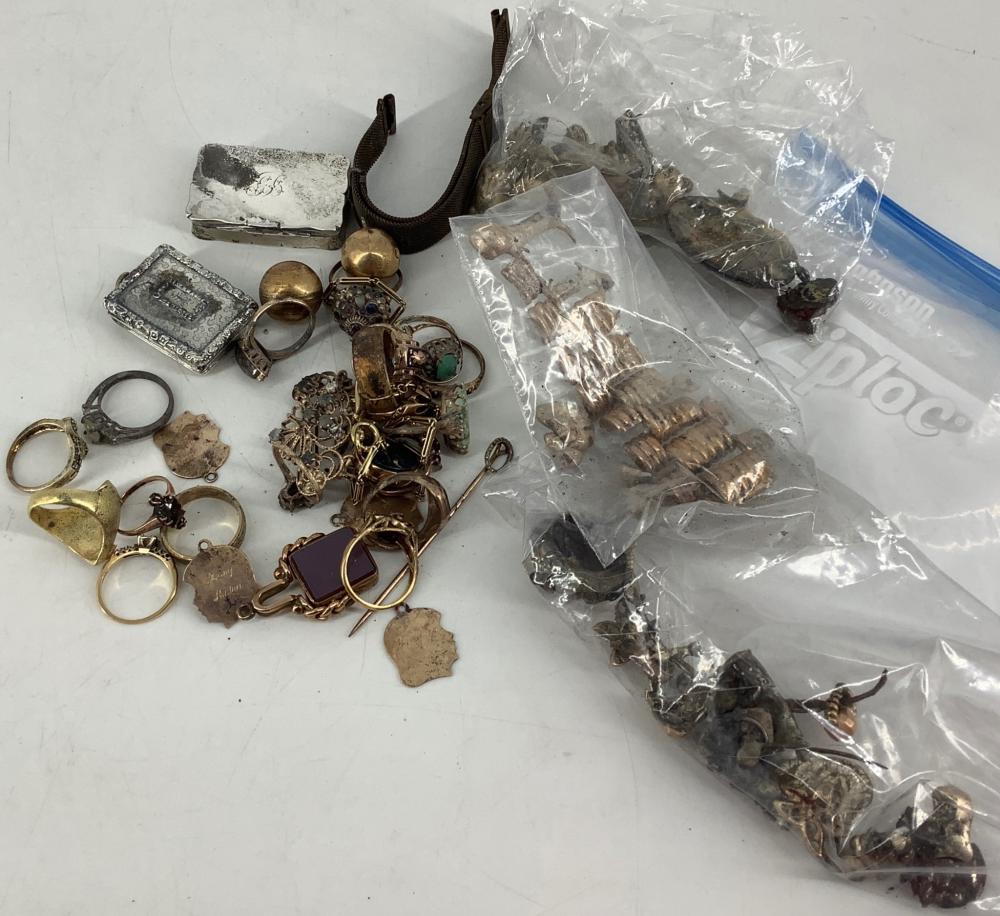 |
Scrap Lot - Badly Fire Damaged | Apple Tree Auction Center | 2022-06-08 | 2189 | USD 2,100 (buyer’s-premium treatment unknown) |
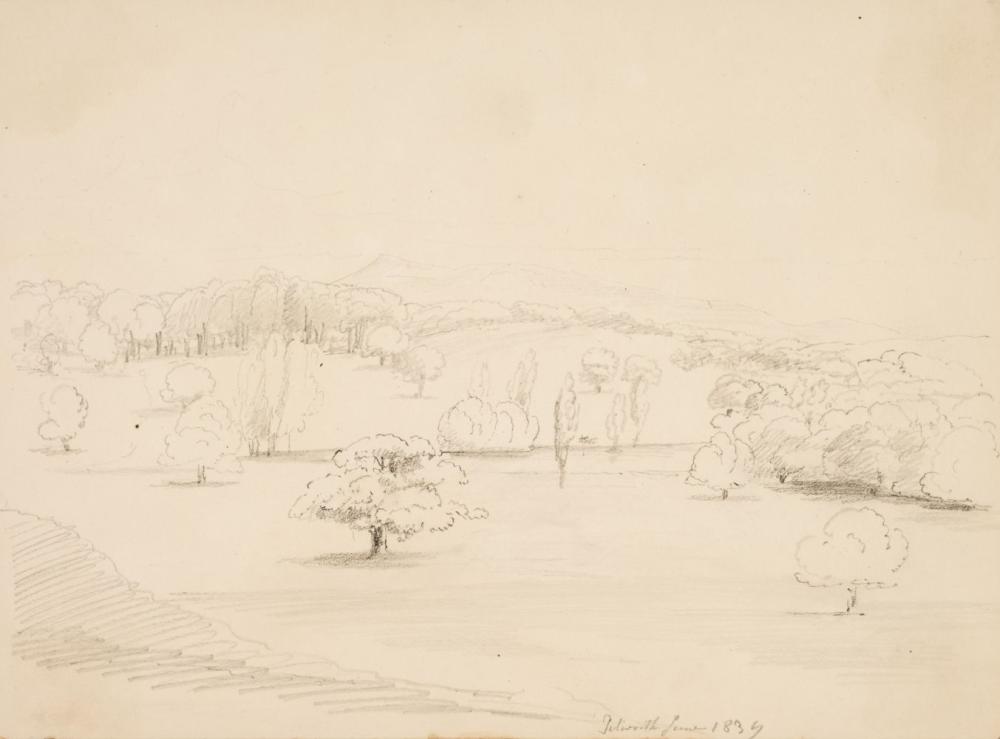 |
Wyndham (Charles, 1796-1866, of Petworth). Scrap album of verse, letters, drawings and sketches | Dominic Winter Auctions | 2023-10-18 | 96 | GBP 380 (buyer’s-premium treatment unknown) |
 |
Richard Diebenkorn, (1922-1993, American), Untitled, circa 1951, Welded scrap iron, 20.5” H x 41” W x 29” D | John Moran Auctioneers | 2022-06-21 | 86 | USD 55,000 (buyer’s-premium treatment unknown) |
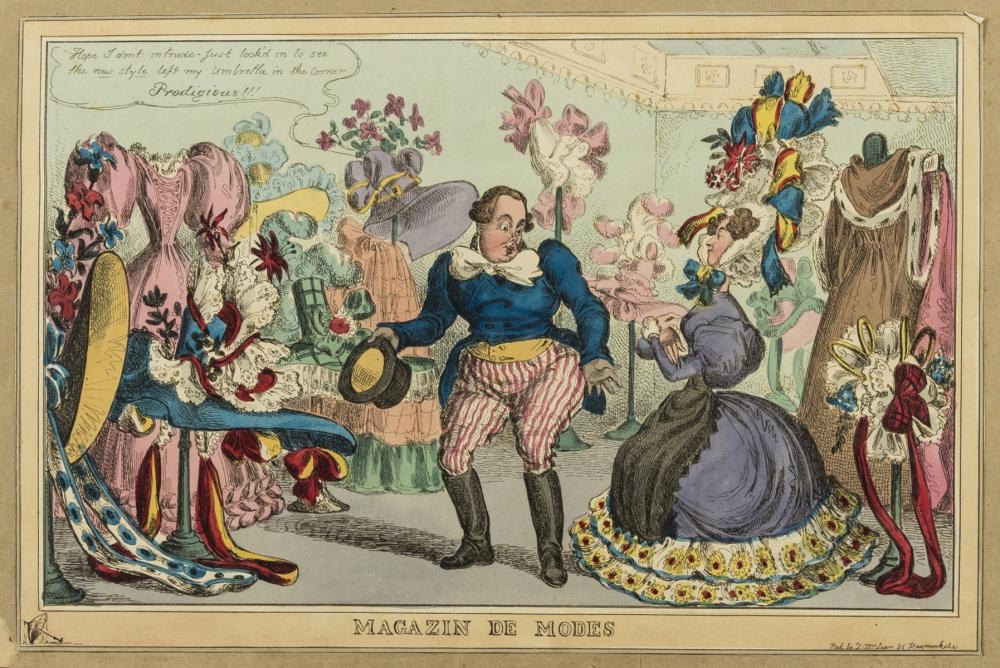 |
Georgian satire.- Heath (William, 1794-1840) and others. Fine scrap album compiled circa 1829 with over 60 caricatures, including 26 by William Heath, c. 1829. | Forum Auctions - UK | 2022-10-20 | 94 | GBP 5,500 (buyer’s-premium treatment unknown) |
How these auction records were verified
Each row retains its exact source URL, lot identity, retrieval time, access result, and immutable record hash. Inspect the public comparable provenance record.
Disclosure: prices are shown as reported by auction houses and are provided for appraisal context. Learn more in our editorial policy.
Search variations this article helps with
- Estate sale keep research or scrap checklist
- How to decide if an estate sale item is worth keeping
- Estate sale item looks valuable but no clues what to do
- Research checklist before buying estate-sale antiques
- What to do with low-confidence estate finds
- Can I scrap this or does it need research first?
- Estate sale triage: keep, research, or discard list
- Free estate sale estimate before you buy or bid
- How to evaluate estate sale item condition quickly
Reference reads and related planning guides
- Estate sale planning primer (rules, pace, and documentation)
- Appraisily free screener
- Appraisily editorial policy
Keep in mind that all comparable sale examples are educational. They are useful context and not a guarantee of future outcomes for your specific item.