How to value antiques and art with evidence
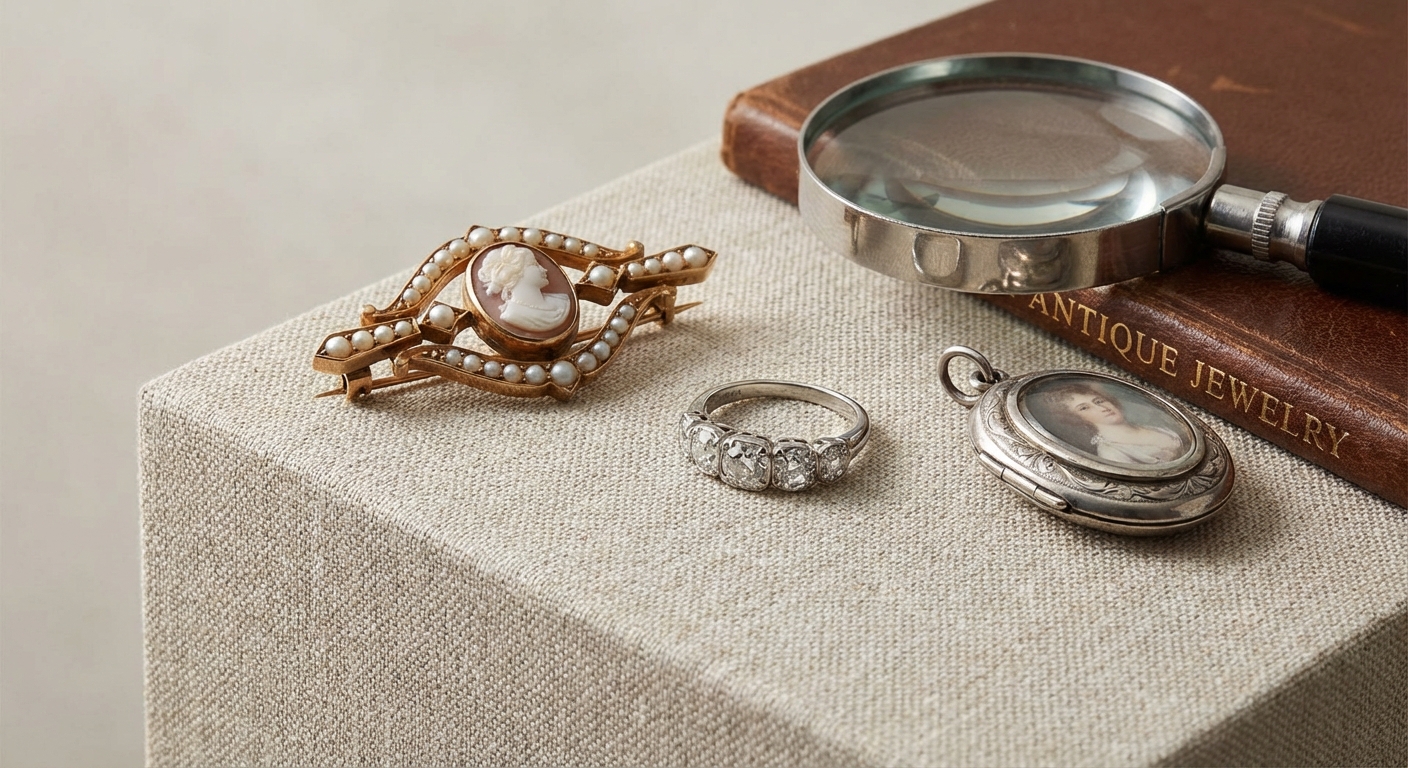
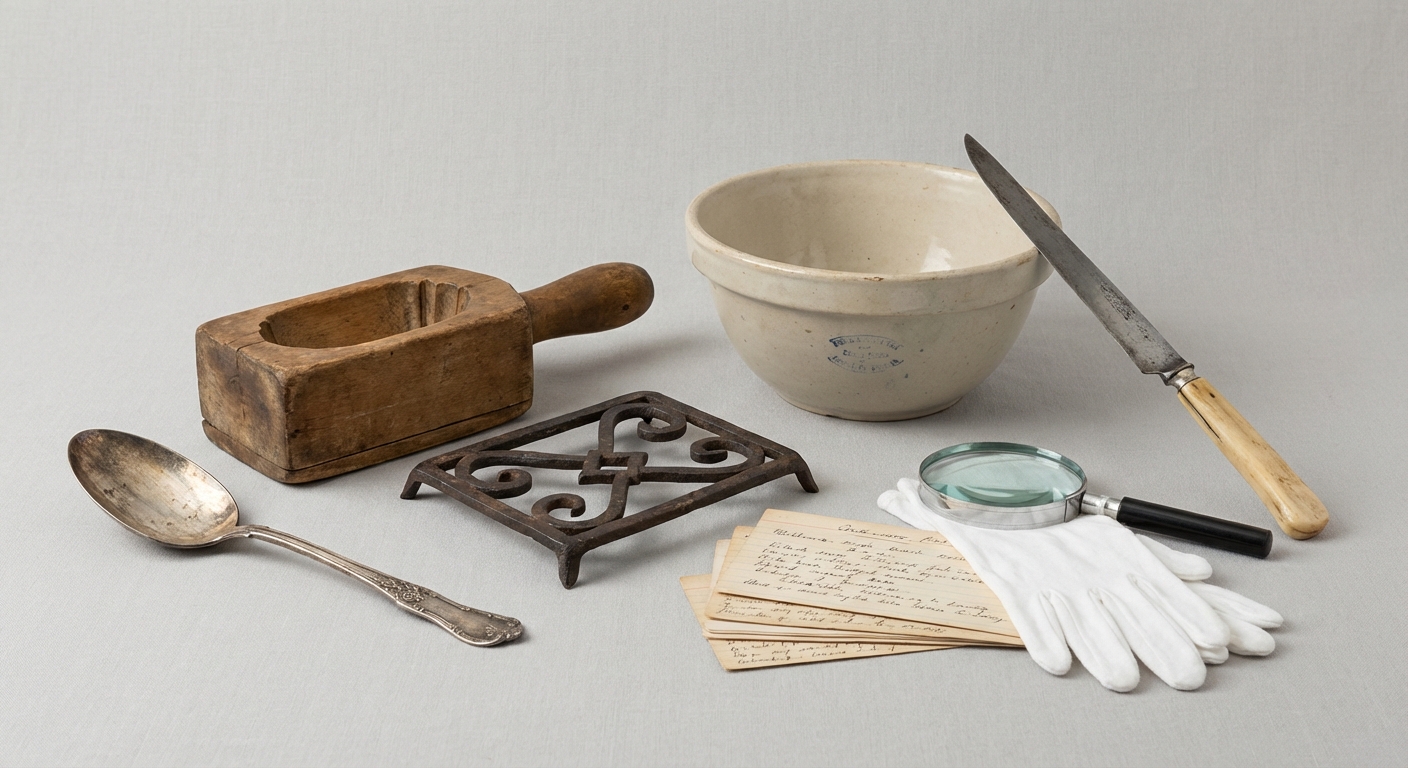
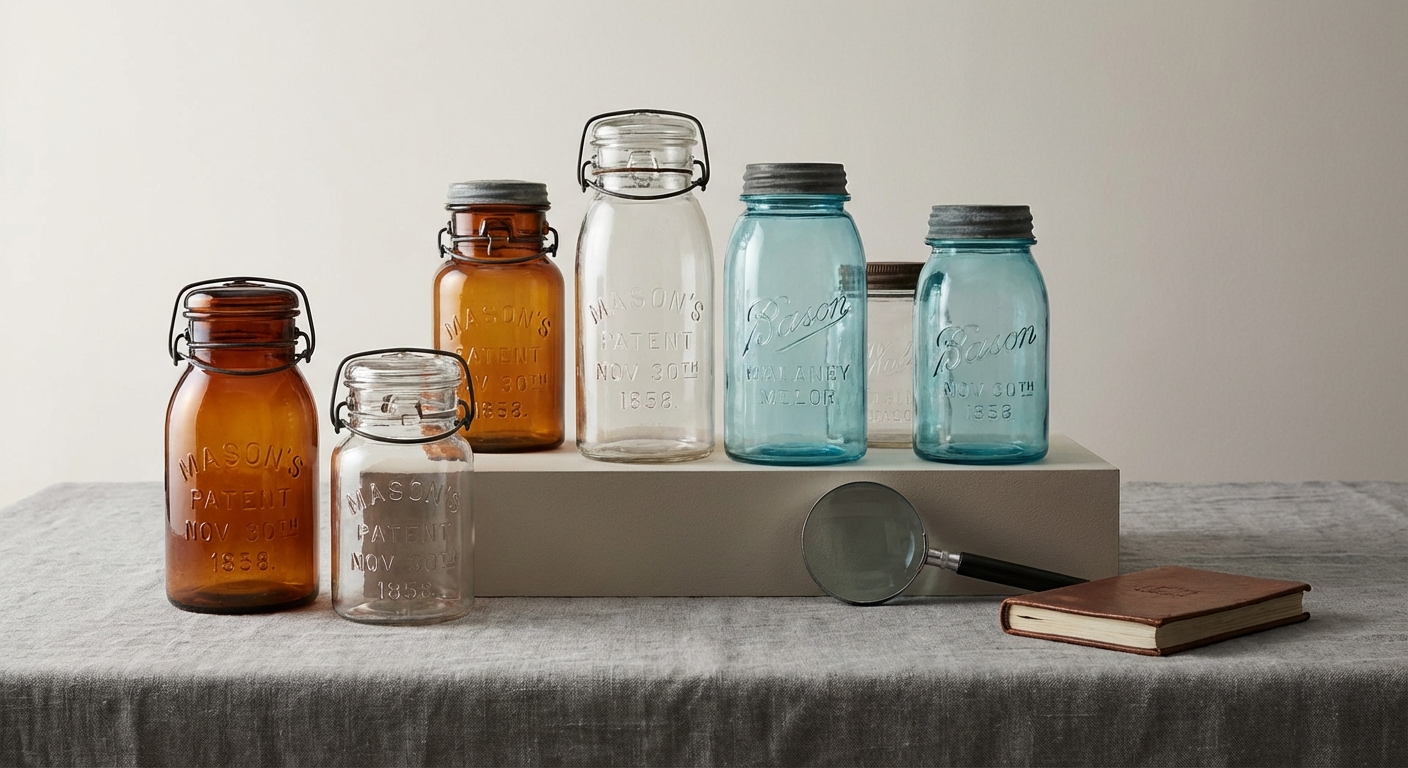
Antique and art value is not a single lookup number. A defensible value starts with the purpose of the appraisal, the object's identity, condition, provenance, authentication support, materials, and recent comparable sales in the right market.
Use this evidence guide before selling, insuring, donating, settling an estate, or ordering a signed appraisal report. The goal is to separate market evidence from wishful comparisons and unsupported family lore.
Free first read
Check the evidence behind the value before ordering a report
Upload full-object photos, marks, dimensions, condition issues, documents, and your intended use. The free screener can flag the evidence that matters most.
Start with a free screener. Use a signed report when you need insurance, estate, donation, resale, or formal documentation.
How We Research Valuation Data
Our appraisal guides are based on auction results, dealer pricing data, and professional appraiser insights. We may earn a commission when you use our free screener. Learn about our editorial standards.
1. Match the value type to the decision

- Fair market value: commonly used for estate, donation, and equitable distribution contexts; usually anchored to secondary-market evidence.
- Retail replacement value: commonly used for insurance; often higher because it reflects replacement from retail or specialist sources.
- Liquidation value: used when timing or selling pressure matters; usually lower because market exposure is limited.
- Dealer or wholesale value: useful for trade decisions but not the same as a retail or fair-market conclusion.
Note: We couldn’t find relevant auction comps in our database for this topic right now. If you’re valuing a specific item, try searching by maker/model/material and we’ll expand coverage over time.
What similar items actually sold for
To help ground this guide in real market activity, here are recent example auction comps from Appraisily’s internal database. These are educational comparables (not a guarantee of price for your specific item).
| Image | Description | Auction house | Date | Lot | Reported price realized |
|---|---|---|---|---|---|
| No relevant auction comps found for this topic right now. | |||||
Disclosure: prices are shown as reported by auction houses and are provided for appraisal context. Learn more in our editorial policy.
2. Treat condition as market evidence
Condition affects value because it changes buyer risk and market tier. Document structural damage, surface wear, restoration, replaced parts, fading, cracks, corrosion, relining, over-cleaning, missing parts, and whether issues are stable or active.
3. Corroborate provenance and authentication
Signatures and stories are not enough by themselves. Compare marks, materials, construction, style, documents, labels, and ownership history. Use technical testing only when it is proportionate and likely to affect attribution or value.
4. Choose comparable sales that truly compare
Strong comps match the object in maker, period, medium, scale, quality, condition, provenance, and venue. Record buyer premium, currency, sale date, estimate, result, and why each comp was included or rejected.
Search variations people ask
Collectors often search these value questions:
- how to value antiques and art
- antique value evidence guide
- art appraisal fair market value vs replacement value
- how condition affects antique value
- provenance authentication comparable sales appraisal
- what documents help value antiques
- online antique appraisal evidence checklist
- how to compare auction sales for art appraisal
Each question maps to the evidence framework above.
References
Wrap-up
To value antiques and art, define the purpose first, then build evidence around identity, condition, provenance, authentication, materials, and comparable sales. The best value conclusion is the one a reader can trace back through the file.