Antique and art appraisal workflow basics
A reliable antique or art appraisal follows a simple order: gather, inspect, compare, decide. Skipping ahead to a price before the object is identified, measured, photographed, and checked for condition usually leads to weak comps and unreliable value ranges.
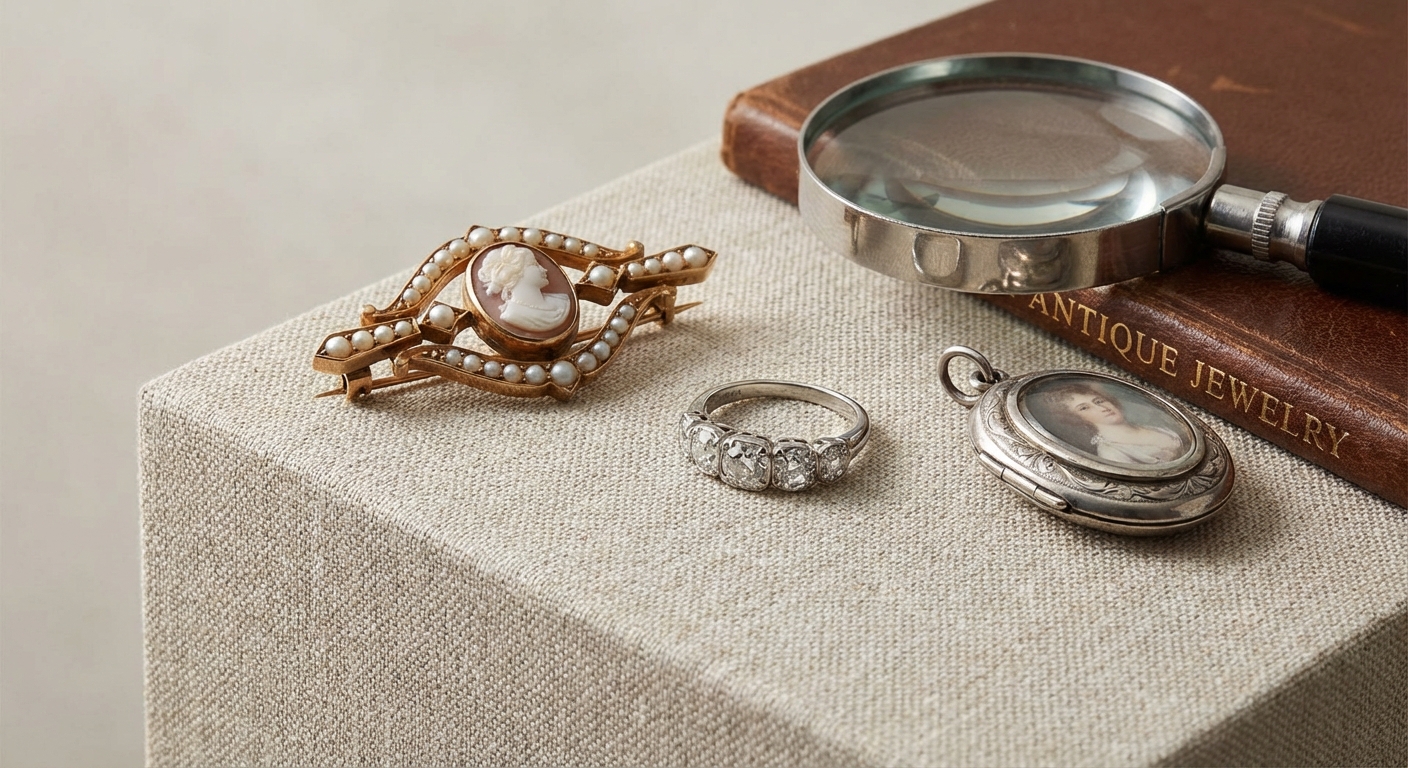
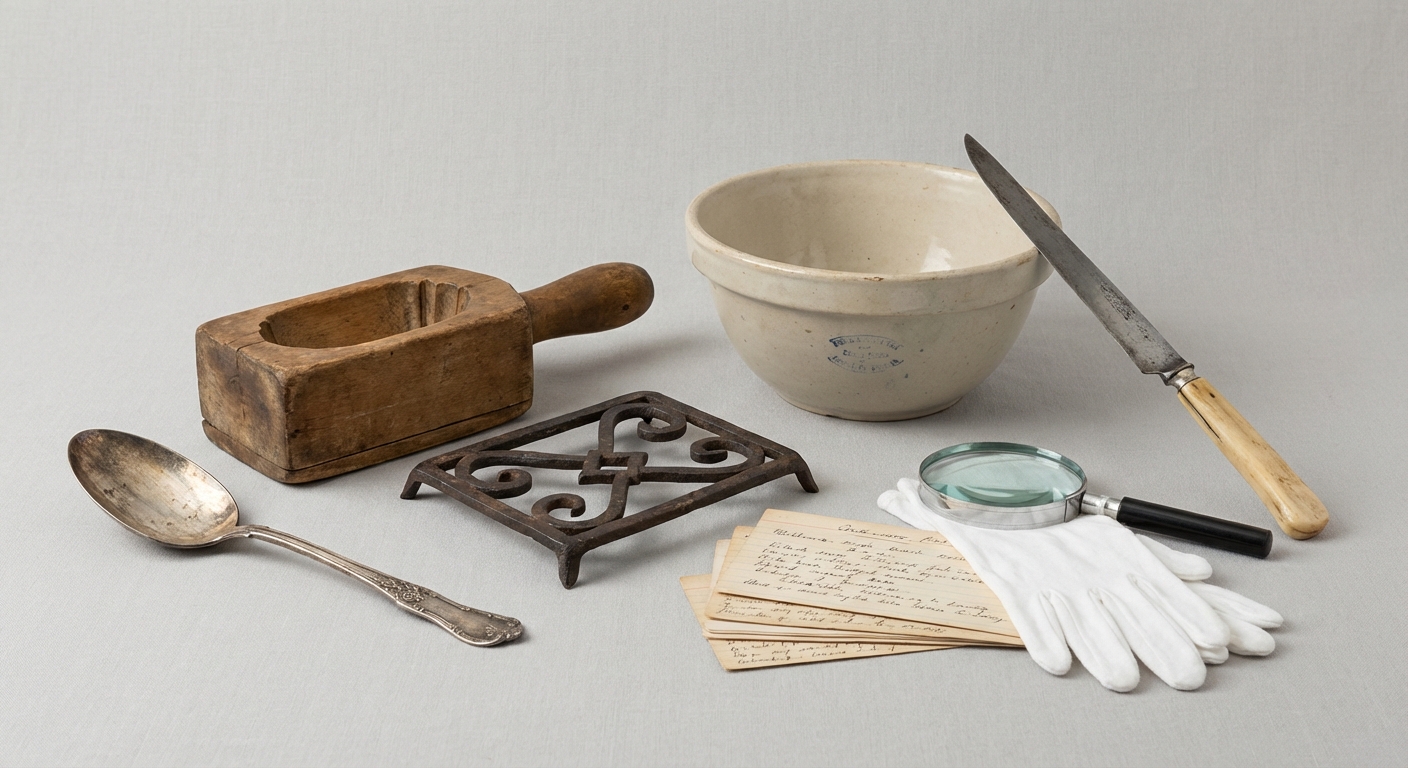
Use this workflow for paintings, prints, furniture, silver, ceramics, jewelry, watches, textiles, and mixed estate items. The category changes the inspection details, but the appraisal logic stays the same: build an evidence file, test the object, choose relevant market data, and state the value conclusion with its assumptions.
Free first read
Start with photos, condition, provenance, and purpose
Upload the full object, detail images, measurements, signatures or labels, condition issues, and the decision you need to make. The free screener can identify the next step before you pay for a signed report.
Start with a free screener. Use a signed report when you need insurance, estate, donation, resale, or formal documentation.
How We Research Valuation Data
Our appraisal guides are based on auction results, dealer pricing data, and professional appraiser insights. We may earn a commission when you use our free screener. Learn about our editorial standards.
Step 1: Gather object facts and documents
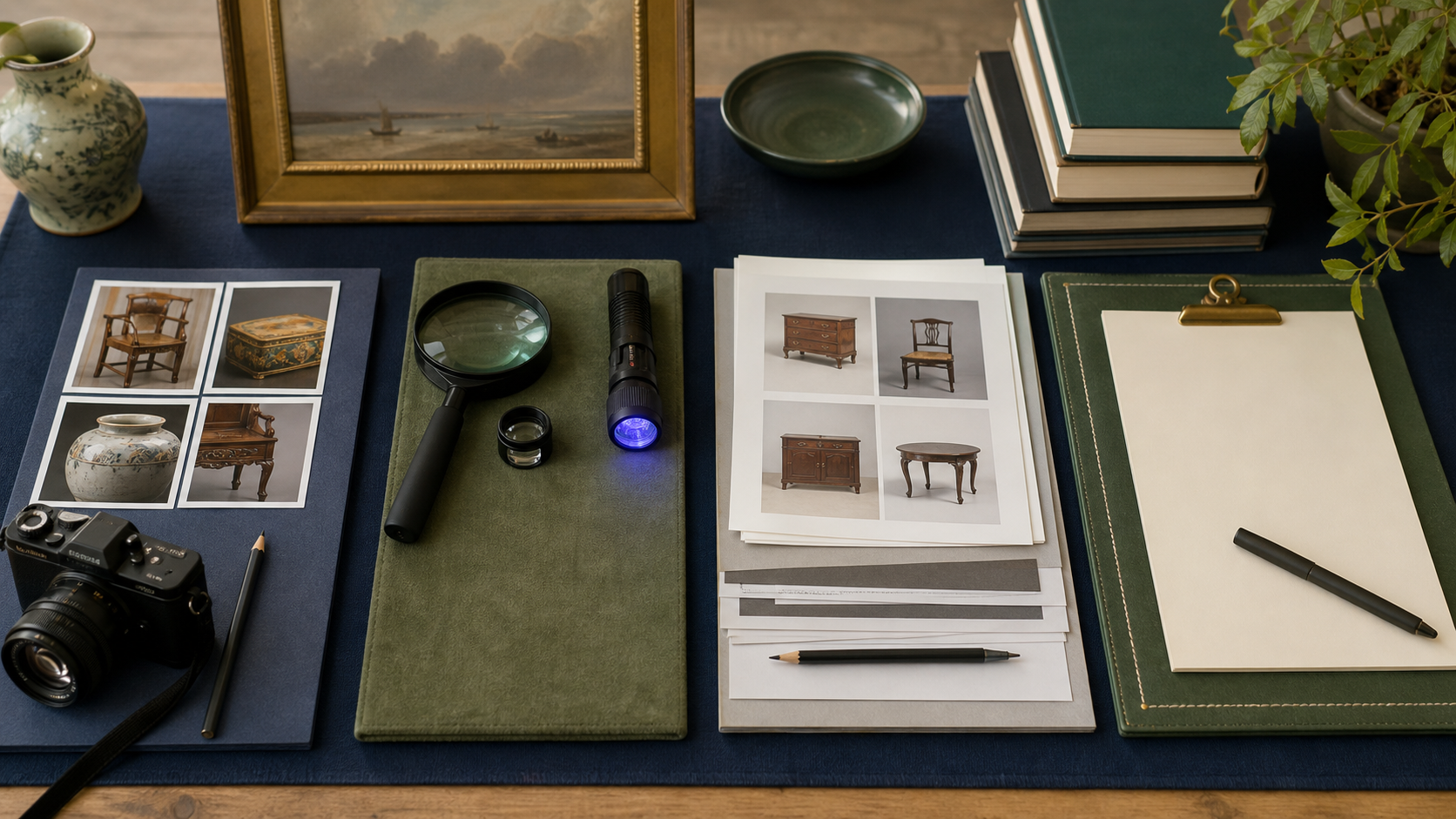
Start with the basics: category, maker or artist, title or subject, materials, dimensions, marks, inscriptions, labels, provenance, ownership history, and intended use. Photograph the whole object, all sides, signatures, labels, damage, repairs, and any paperwork.
Step 2: Inspect materials, construction, and condition
Inspection turns a broad identification into a specific market object. For paintings, look at support, surface, signature, frame, repairs, and UV clues. For furniture, check woods, joinery, hardware, surface, and replaced parts. For silver and jewelry, document marks, metal content, fabrication, stones, wear, and repairs.
Condition is not a side note. Cracks, relining, overcleaning, fading, chips, restoration, missing parts, dry mounting, and replaced hardware all change which comps are useful.
Step 3: Compare against the right market evidence
Comparable sales should match the maker, object type, date, medium, size, condition, quality, subject, provenance, and market level as closely as possible. Retail asking prices, auction estimates, hammer prices, and private-sale reports are not interchangeable. Record the sale venue, date, lot, price, fees if relevant, and why the comp is similar or different.
Note: We couldn’t find relevant auction comps in our database for this topic right now. If you’re valuing a specific item, try searching by maker/model/material and we’ll expand coverage over time.
What similar items actually sold for
To help ground this guide in real market activity, here are recent example auction comps from Appraisily’s internal database. These are educational comparables (not a guarantee of price for your specific item).
| Image | Description | Auction house | Date | Lot | Reported price realized |
|---|---|---|---|---|---|
| No relevant auction comps found for this topic right now. | |||||
Disclosure: prices are shown as reported by auction houses and are provided for appraisal context. Learn more in our editorial policy.
Step 4: Decide the value type and next action
The same object can require different values depending on use. Insurance often asks for replacement value. Estate, donation, and equitable distribution work often need fair market value. A quick resale decision may use a practical auction or private-sale range. State the value type before reconciling the comps.
Workflow red flags
- Pricing from one unsourced online listing.
- Using retail asking prices as auction realized prices.
- Ignoring condition differences between the item and comps.
- Assuming a signature is authentic without material support.
- Choosing comps before confirming size, medium, and date.
- Using an insurance value for a fast-sale decision.
Search variations people ask
Collectors often search these appraisal workflow questions:
- antique appraisal process step by step
- art appraisal workflow photos condition comps
- how appraisers choose comparable sales
- what documents are needed for an art appraisal
- how condition affects antique value
- fair market value vs replacement value appraisal
- how to prepare for an online antique appraisal
- what makes an appraisal report defensible
Each question maps to the gather, inspect, compare, and decide workflow above.
References
Wrap-up
A four-step appraisal workflow keeps the value conclusion tied to evidence. Gather the file, inspect the object, compare it to the right market, then decide the value type and next action. The better the workfile, the less guesswork in the appraisal.