Five-phase antique and art appraisal framework basics
A defensible appraisal does not start with a price. It starts with a structured file: identify the object, inspect condition and authenticity risk, document provenance, analyze the right market, then report the conclusion with clear assumptions and records.
This framework works for fine art, prints, furniture, silver, ceramics, jewelry, watches, textiles, and mixed estate property. The details change by category, but the sequence prevents common mistakes such as using weak comps, overstating a signature, or ignoring restoration.
Free first read
Check which phase your item is missing
Upload the full object, detail photos, measurements, signatures or labels, condition issues, and any documents. The free screener can flag whether the next step is identification, condition review, provenance, comps, or a signed report.
Start with a free screener. Use a signed report when you need insurance, estate, donation, resale, or formal documentation.
How We Research Valuation Data
Our appraisal guides are based on auction results, dealer pricing data, and professional appraiser insights. We may earn a commission when you use our free screener. Learn about our editorial standards.
Phase 1: Identification and classification
Define what the object is before choosing comps: artist or maker, title or subject, materials, dimensions, date, category, marks, edition, construction, and whether attribution is firm or conditional. Vague identification creates vague value.

Phase 2: Condition, authenticity, and integrity
Condition changes market tier. Record repairs, losses, fading, relining, dry mounting, replaced parts, overcleaning, cracks, dents, regilding, chips, or alterations. For authenticity risk, separate observed evidence from assumptions and recommend specialist testing only when it would materially affect value.
Phase 3: Provenance and documentary evidence
Provenance can increase confidence, salability, and sometimes value. Build a timeline from labels, invoices, auction stickers, estate inventories, exhibition history, ownership notes, and prior appraisals. If a document cannot be tied to the object, describe it as unverified rather than proof.
Phase 4: Market analysis and valuation method
Choose comps from the correct market: auction, retail replacement, dealer resale, private sale, or liquidation context. The value type matters. Fair market value, replacement value, and fast-sale guidance can point to different numbers for the same object.
Note: We couldn’t find relevant auction comps in our database for this topic right now. If you’re valuing a specific item, try searching by maker/model/material and we’ll expand coverage over time.
What similar items actually sold for
To help ground this guide in real market activity, here are recent example auction comps from Appraisily’s internal database. These matched sales are market context only, not an object estimate or identification, and they do not guarantee a price for your specific five phase antique art appraisal framework.
Shown GBP range: GBP 300-GBP 300. Median of these 3 GBP examples: GBP 300.
| Comparable | What sold | Auction house | Date | Lot | Source-reported amount |
|---|---|---|---|---|---|
 |
DESOUTTER LONDON, YELLOW GOLD FIVE-MINUTE REPEATING, MOON PHASE, DATE AND R | Christie's | 2021-12-14 | 41 | CHF 16,250 (buyer’s-premium treatment unknown) |
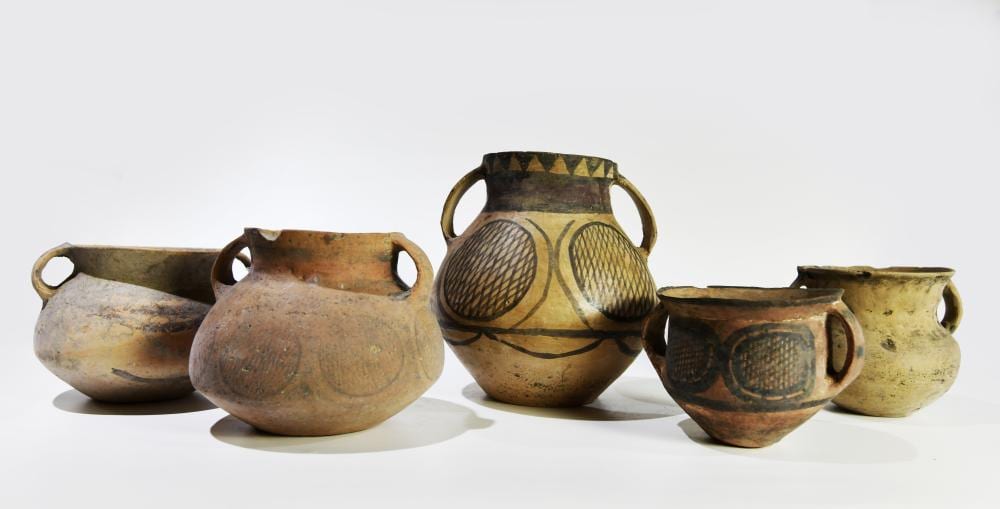 |
Five Painted Pottery Handled Jars, Majiayao Culture, Machang Phase | Bennett & Dykes Ltd | 2025-11-29 | 147 | GBP 300 (buyer’s-premium treatment unknown) |
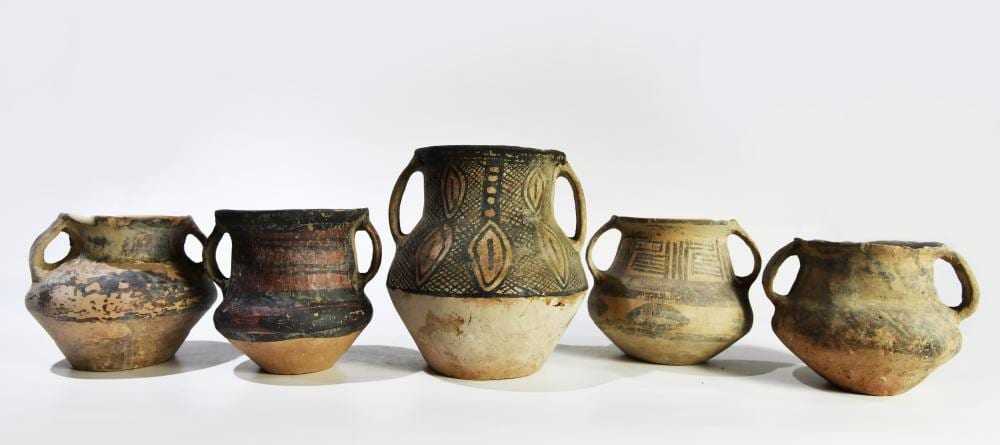 |
Five Painted Pottery Handled Jars, Majiayao Culture, Machang Phase | Bennett & Dykes Ltd | 2025-11-29 | 145 | GBP 300 (buyer’s-premium treatment unknown) |
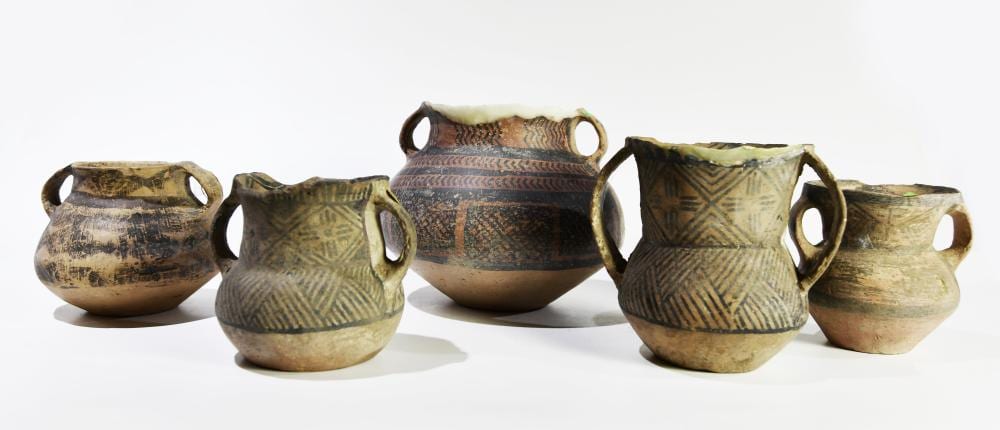 |
Five Painted Pottery Handled Jars, Majiayao Culture, Machang Phase | Bennett & Dykes Ltd | 2025-11-29 | 143 | GBP 300 (buyer’s-premium treatment unknown) |
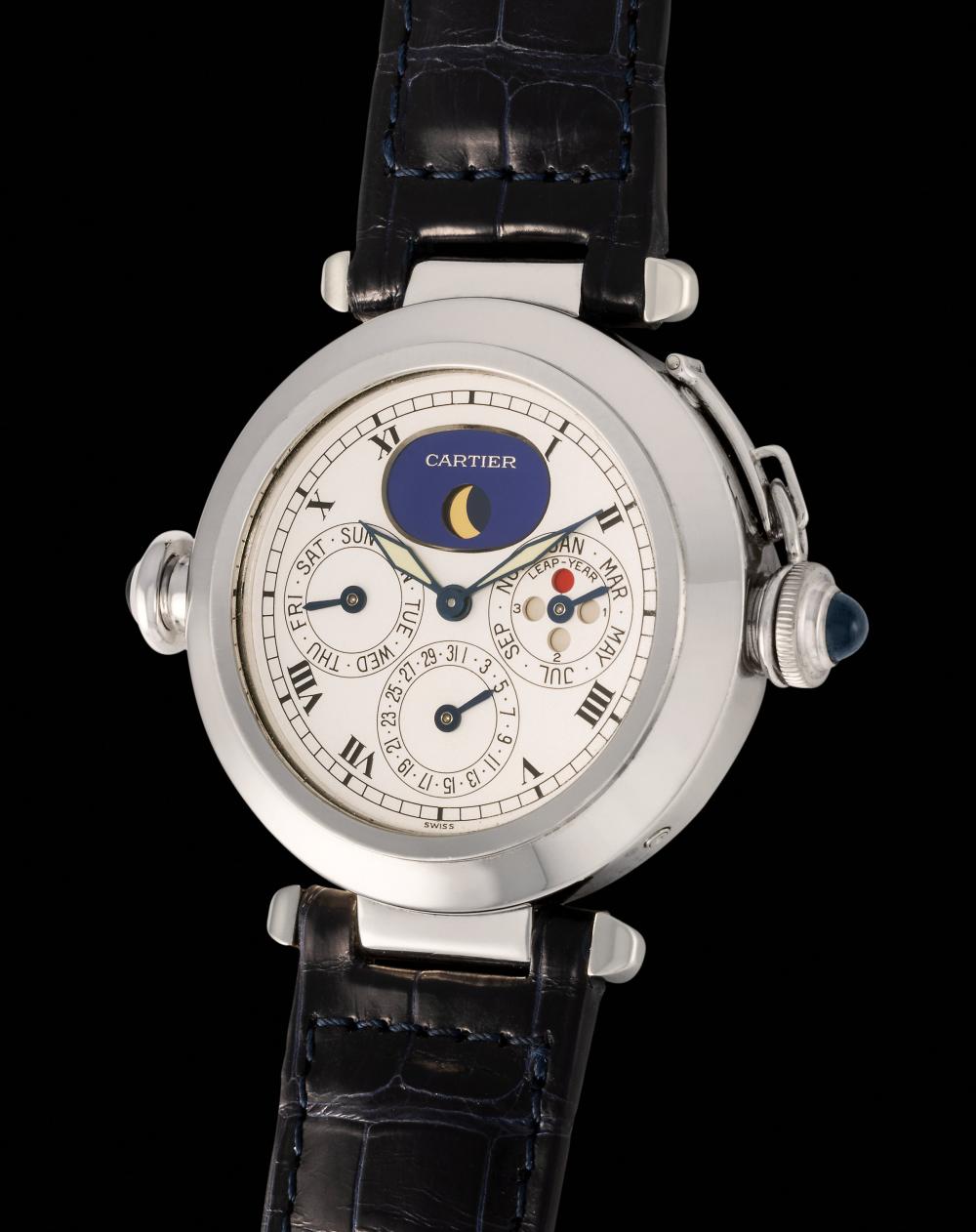 |
Cartier. An extremely rare, important and iconic, Pasha, perpetual calendar, moon phase, minute repeater, automatic wristwatch in platinum, possibly only five examples manufactured, published in Osvaldo Patrizzi's book 'White Cartier Bianco.' | Monaco Legend Group | 2025-04-26 | 63 | EUR 150,000 (buyer’s-premium treatment unknown) |
How these auction records were verified
Each row retains its exact source URL, lot identity, retrieval time, access result, and immutable record hash. Inspect the public comparable provenance record.
Disclosure: prices are shown as reported by auction houses and are provided for appraisal context. Learn more in our editorial policy.
Phase 5: Reporting, ethics, and record management
A report should state intended use, intended users, effective date, value type, inspection limits, assumptions, comparable-sales reasoning, and final value conclusion. Keep the supporting workfile: photos, notes, documents, comp records, and correspondence.
Framework red flags
- Attribution claims without matching material evidence.
- Condition notes that omit repairs, losses, or replacements.
- Provenance documents that cannot be tied to the object.
- Comps from a different market level or value type.
- Reports that give a number without explaining assumptions.
- Using a fast-sale estimate as an insurance replacement value.
Search variations people ask
Collectors often search these appraisal framework questions:
- five phase antique appraisal framework
- art appraisal process identification condition provenance
- how appraisers analyze comparable sales
- what evidence is needed for an appraisal report
- how provenance affects art value
- replacement value vs fair market value art appraisal
- how to prepare antique photos for appraisal
- what should an appraisal workfile include
Each question maps to the five appraisal phases above.
References
Wrap-up
The five-phase framework keeps appraisal work disciplined: identify the object, inspect condition, document provenance, analyze the market, and preserve the report workfile. It is especially useful when a value decision needs to be explained later.