Antique and art appraisal checklist basics
A strong appraisal starts in the field, not at the final value line. Identify the object, document condition, test the story against records, choose the right value definition, and then compare the item to market evidence that actually matches.
This checklist is built for collectors, estates, insurance files, sellers, and anyone preparing photos or documents for a formal antique or art appraisal. Use it to avoid the common mistake of chasing a price before the object has been properly described.
Free first read
Check the evidence before paying for a full appraisal
Upload full-object photos, marks, measurements, condition issues, documents, and your intended use. The free screener can flag what evidence is missing.
Start with a free screener. Use a signed report when you need insurance, estate, donation, resale, or formal documentation.
How We Research Valuation Data
Our appraisal guides are based on auction results, dealer pricing data, and professional appraiser insights. We may earn a commission when you use our free screener. Learn about our editorial standards.
1. Record the object before researching value
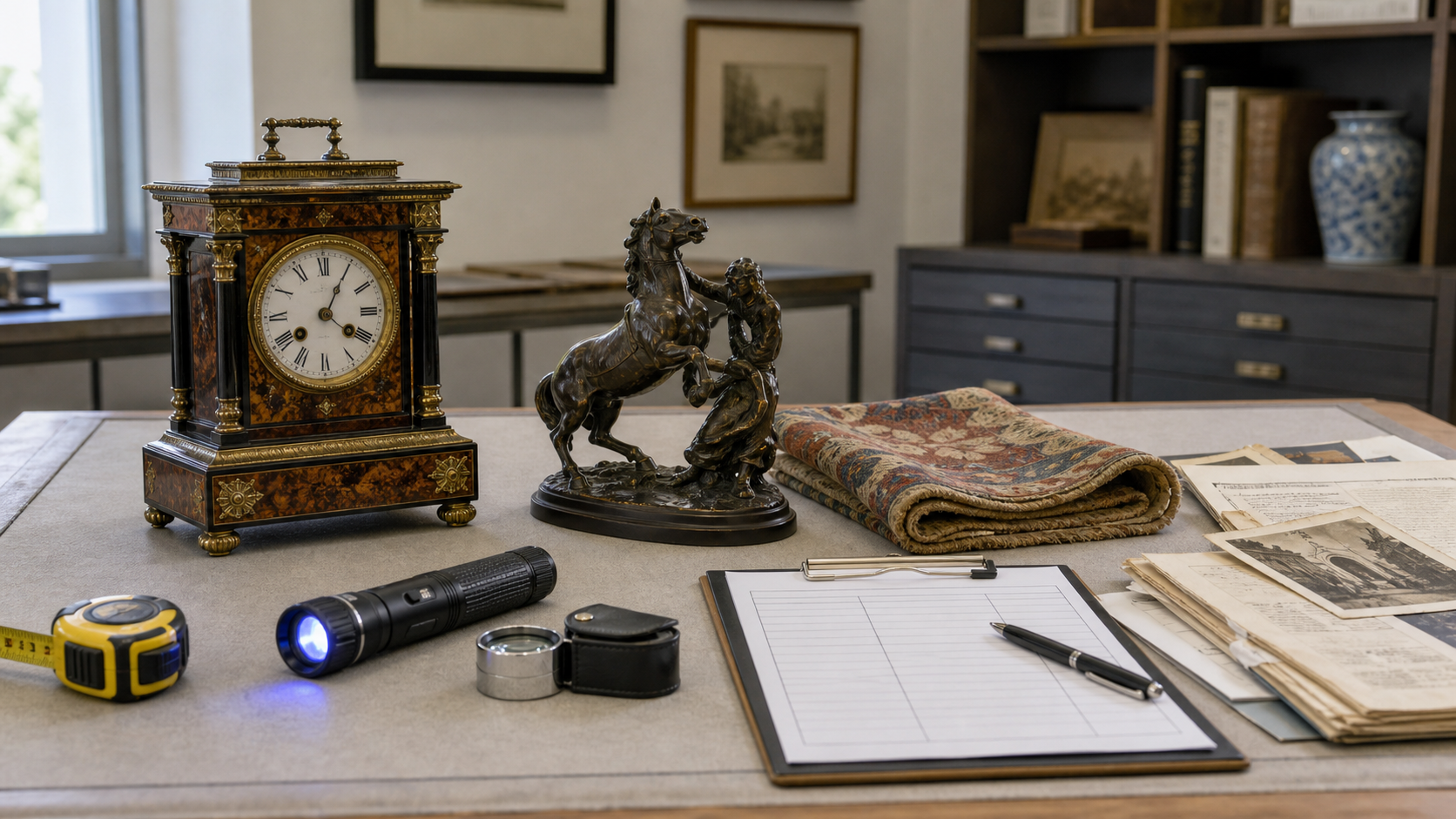
- Identity: object type, artist or maker, title or form, period, origin, materials, technique, dimensions, weight, and edition or serial information.
- Marks: signatures, hallmarks, foundry stamps, labels, inventory numbers, inscriptions, and any marks that appear added or inconsistent.
- Images: front, back, sides, underside, scale view, marks, labels, damage, repairs, frame, mounts, and any paperwork.
- Limits: note whether the review is photo-based, in-person, lab-supported, or dependent on owner-provided documents.
2. Separate condition from age
Age alone does not prove value. Original surface, stable construction, untouched patina, and well-documented conservation can support value; structural loss, heavy restoration, replacement parts, fading, staining, and over-cleaning can narrow the market.
- Fine art: inspect canvas tension, panel warping, craquelure, varnish, inpainting, tears, relining, stretcher marks, frame fit, and UV fluorescence when available.
- Furniture and decorative arts: check joinery, veneers, screws, finish, upholstery, hardware, replaced elements, warping, pest damage, and signs of later assembly.
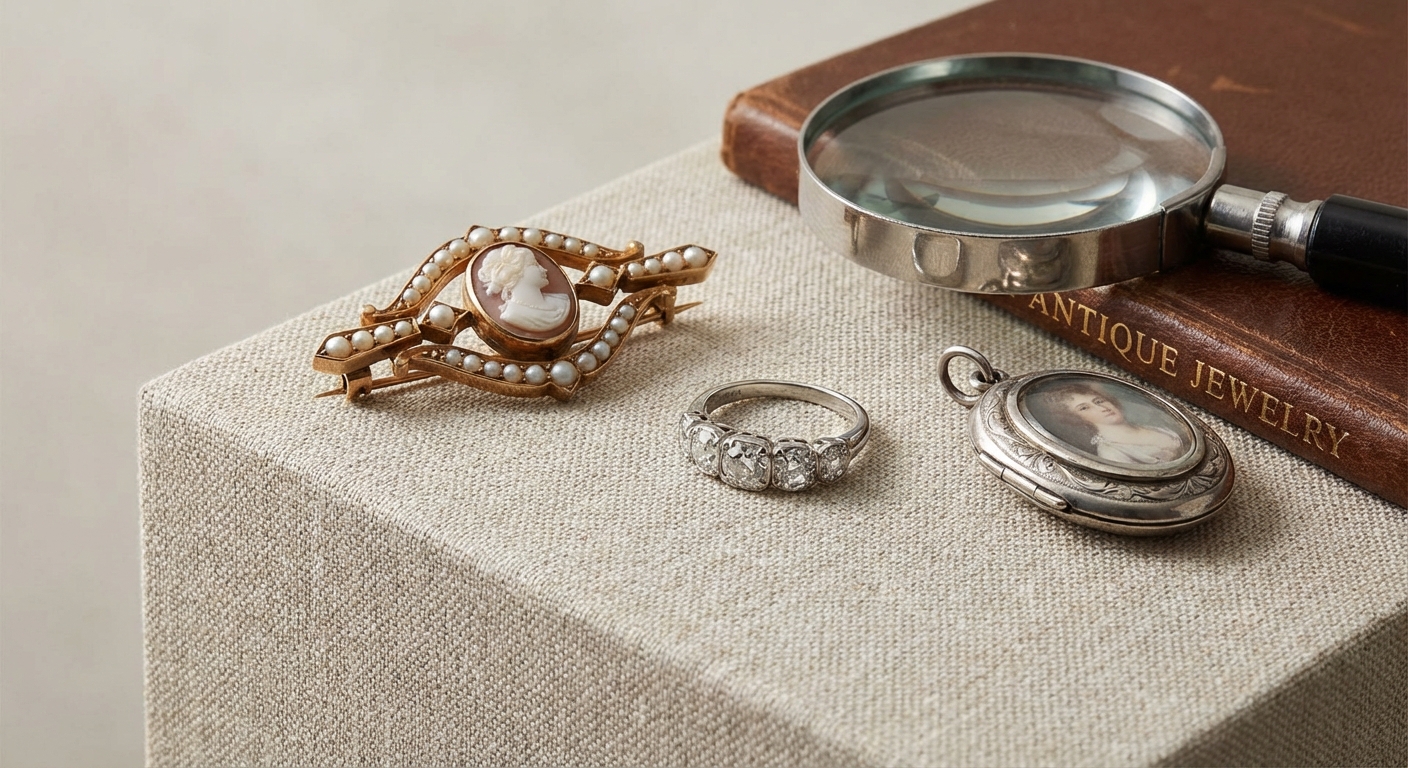
- Silver, jewelry, and metalwork: note metal content, marks, wear, repairs, dents, polishing loss, missing stones, solder, and weight where relevant.
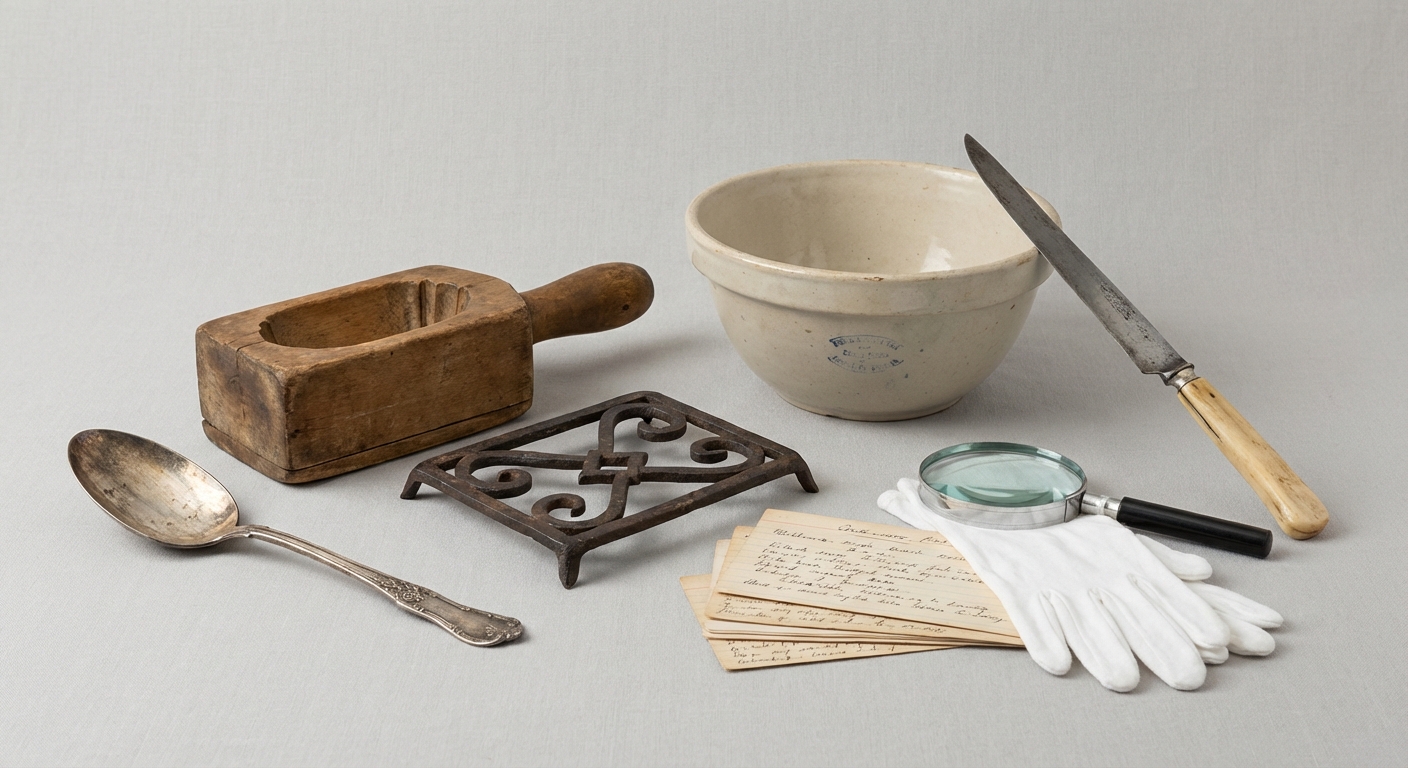
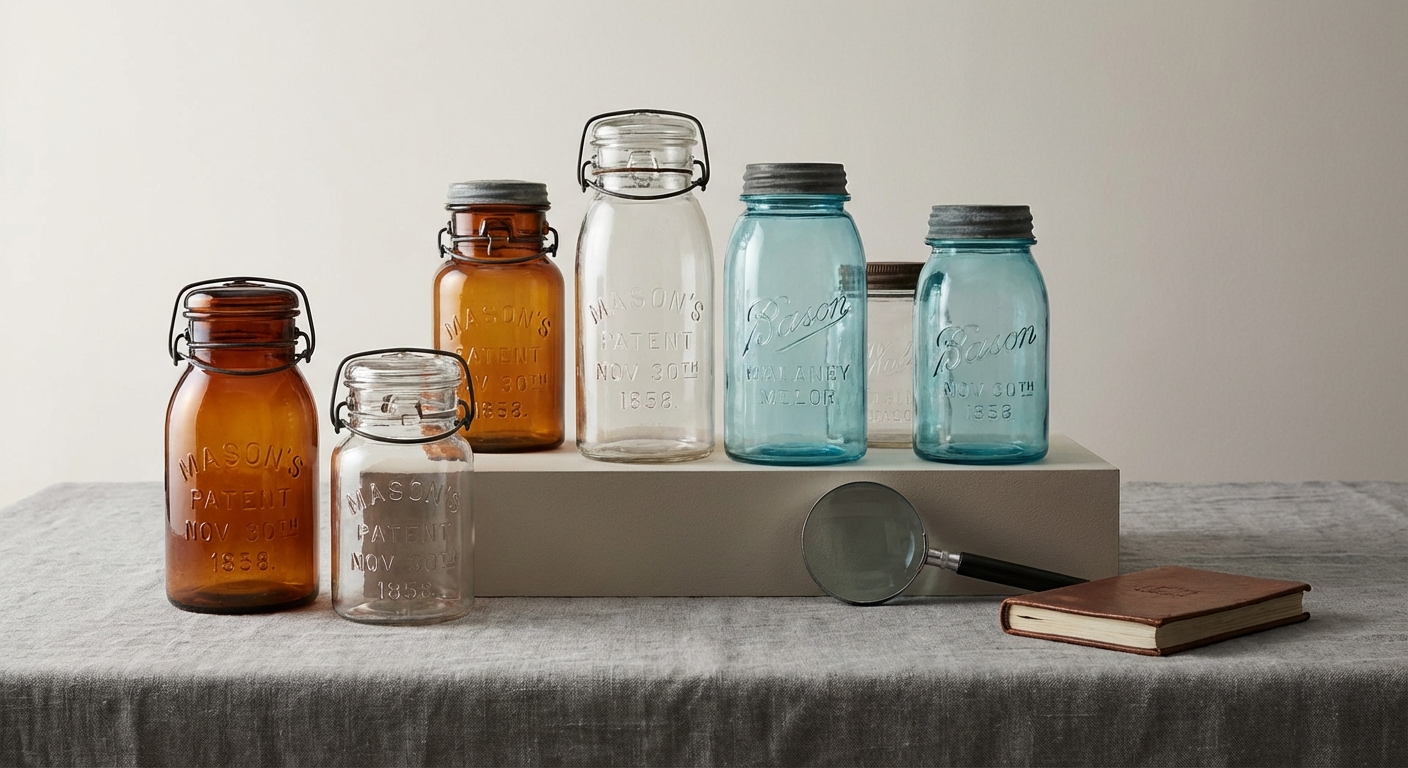
- Ceramics and glass: inspect chips, cracks, crazing, glaze loss, firing flaws, restoration, drilled bases, and soundness.
3. Test provenance as evidence
Provenance can strengthen attribution, ownership history, and market confidence, but it must be documented. Family stories, old notes, and gallery labels are useful starting points; invoices, catalog entries, exhibition records, estate inventories, conservation reports, and dated photographs carry more weight.
Flag gaps, contradictions, and documents that may not fit their claimed date. Provenance should be weighed alongside physical evidence and comparable sales, not treated as a substitute for either.
Note: We couldn’t find relevant auction comps in our database for this topic right now. If you’re valuing a specific item, try searching by maker/model/material and we’ll expand coverage over time.
What similar items actually sold for
To help ground this guide in real market activity, here are recent example auction comps from Appraisily’s internal database. These matched sales are market context only, not an object estimate or identification, and they do not guarantee a price for your specific field tested antique art appraisal checklist.
| Comparable | What sold | Auction house | Date | Lot | Source-reported amount |
|---|---|---|---|---|---|
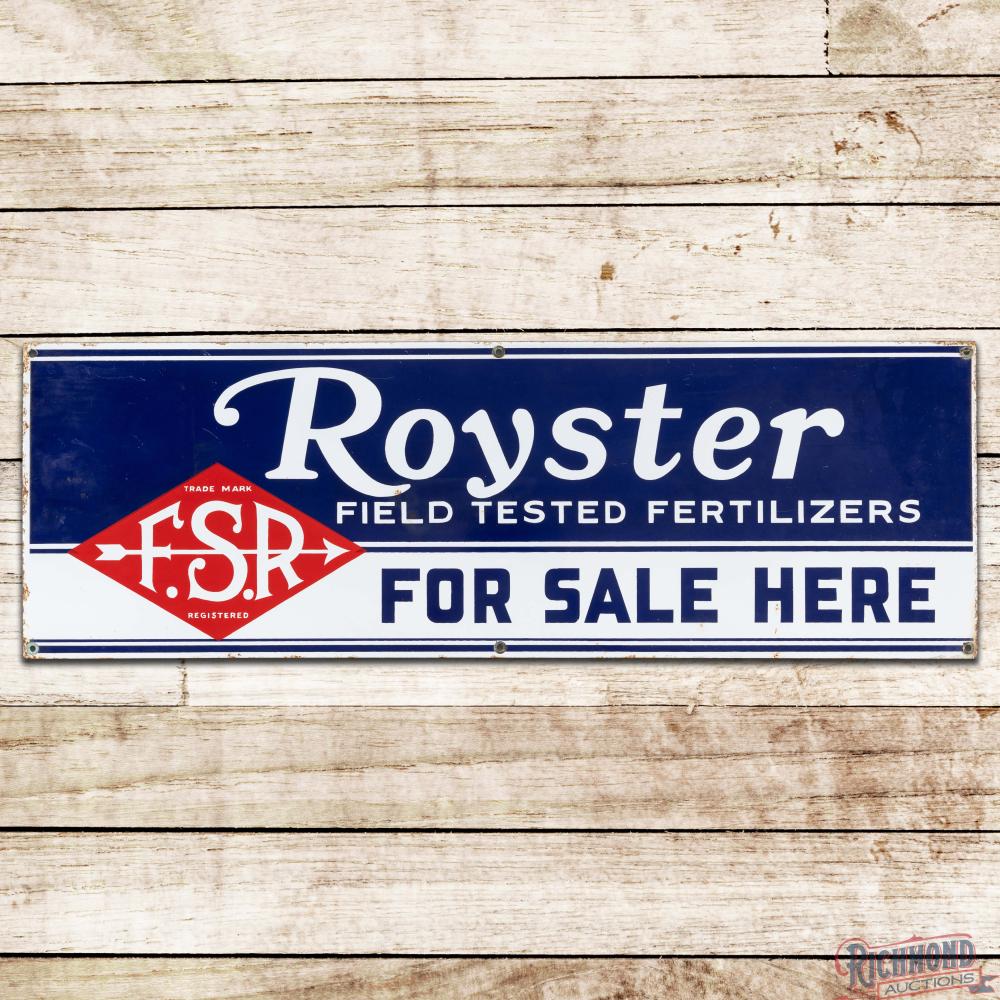 |
Royster Field Tested Fertilizer For Sale Here 36" Single Sided Porcelain SignSource blocked; provenance matched | Richmond Auctions | 2026-06-18 | 535 | USD 600 (buyer’s-premium treatment unknown) |
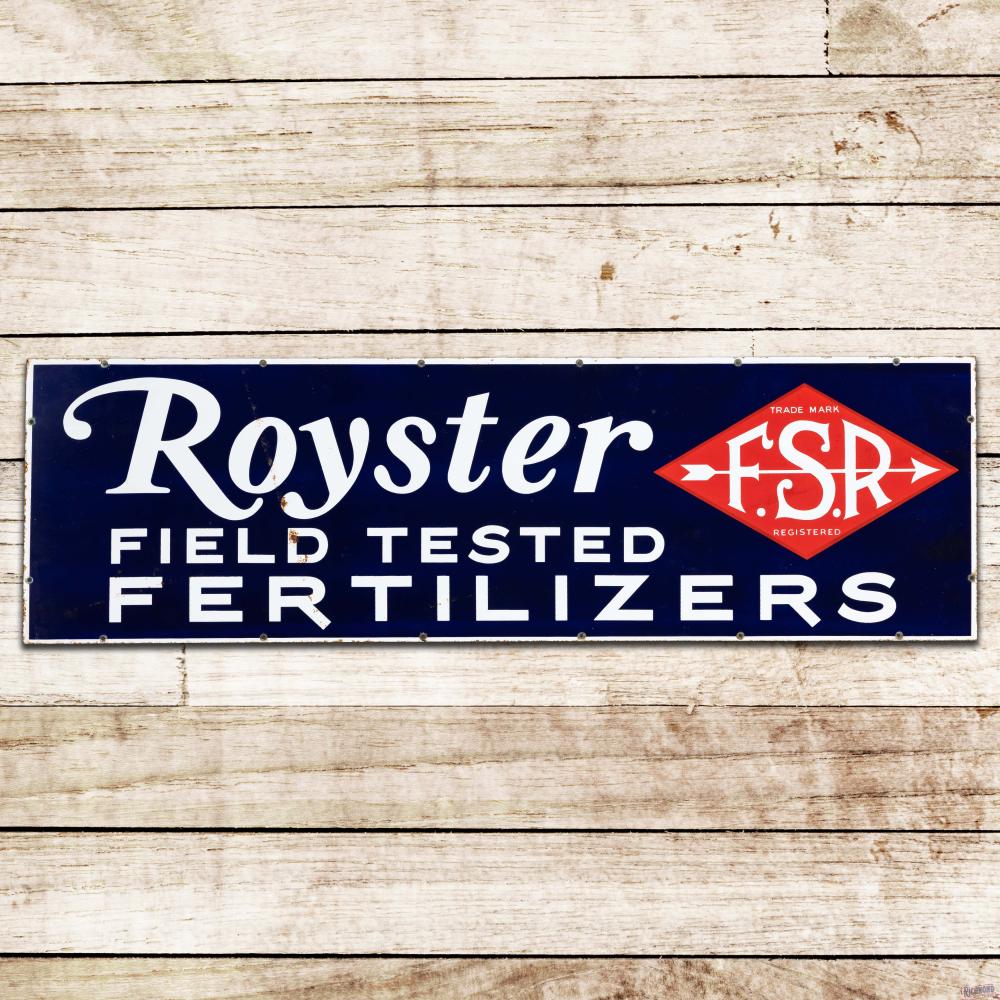 |
Royster Field Tested Fertilizer 5' Single Sided Porcelain Sign w/ LogoSource blocked; provenance matched | Richmond Auctions | 2026-06-18 | 422 | USD 950 (buyer’s-premium treatment unknown) |
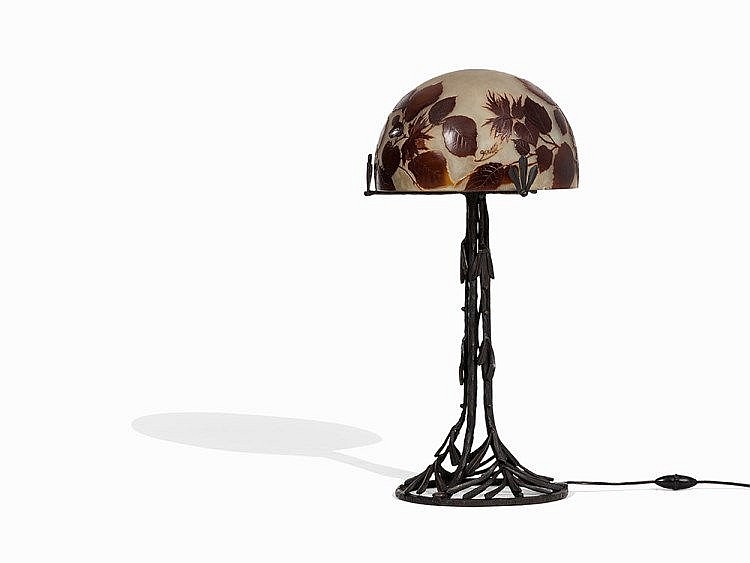 |
Émile Gallé, Art Nouveau Table Lamp, Georges de Feure, c. 1900Source blocked; provenance matched | Auctionata Paddle8 AG | 2015-11-25 | 24 | EUR 3,000 (buyer’s-premium treatment unknown) |
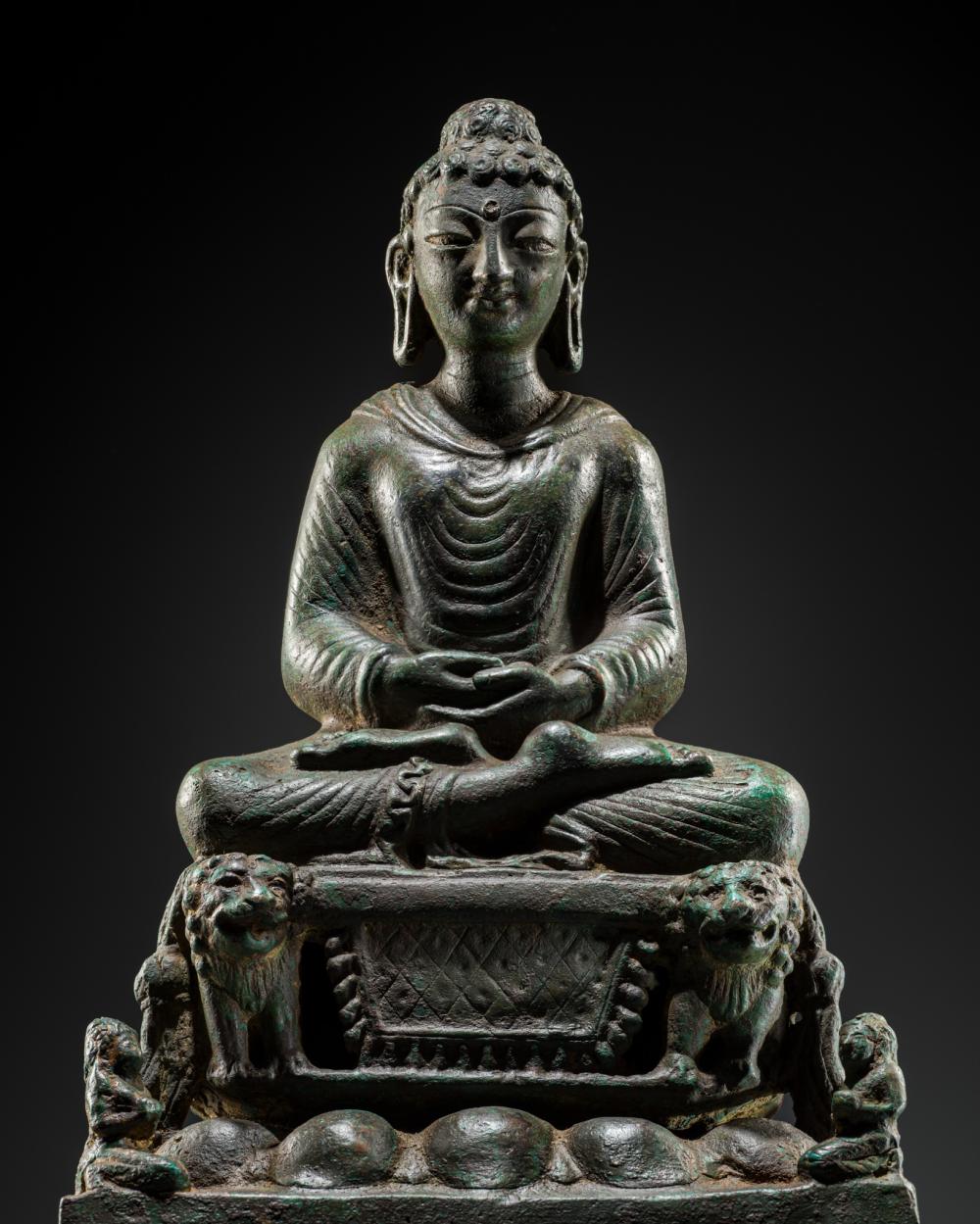 |
† AN EXCEPTIONALLY LARGE BRONZE FIGURE OF BUDDHA ON THE LION THRONE, SWAT VALLEY, 7TH-8TH CENTURY, TL TESTED | Galerie Zacke | 2026-04-16 | 249 | EUR 22,000 (buyer’s-premium treatment unknown) |
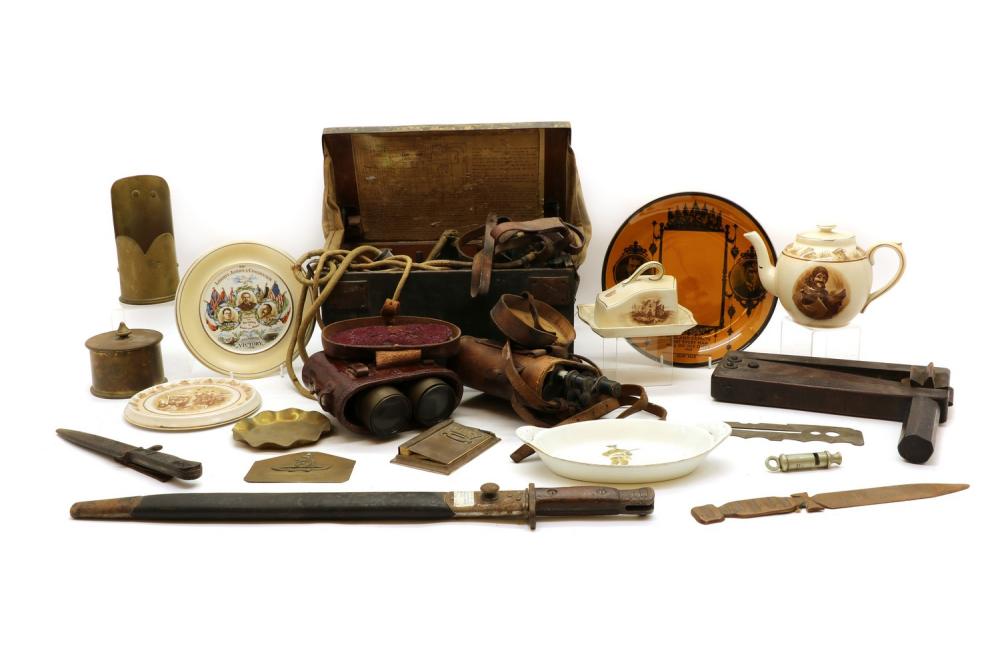 |
A group of WWI memorabilia, equipment and trench artSource blocked; provenance matched | Sworders | 2023-09-12 | 123A | GBP 260 (buyer’s-premium treatment unknown) |
How these auction records were verified
Each row retains its exact source URL, lot identity, retrieval time, access result, and immutable record hash. Live source access was blocked; the exact record matched Appraisily's immutable pipeline provenance. Inspect the public comparable provenance record.
Disclosure: prices are shown as reported by auction houses and are provided for appraisal context. Learn more in our editorial policy.
4. Choose comparable sales that match the assignment
Relevant comps match the subject in maker, period, medium, size, quality, condition, provenance, and venue. Auction results are useful for observed market behavior, but retail replacement value, insurance value, and donation fair market value may require different market assumptions.
Record the sale date, venue, lot description, dimensions, condition notes, estimate, hammer, buyer premium, and whether the lot sold, passed, or was withdrawn. Broader comps can explain context, but they should not carry the conclusion when stronger matches exist.
5. Reconcile the value and keep the workfile
State the intended use, intended users, value definition, effective date, inspection method, assumptions, limiting conditions, and reasoning. A credible report explains why some evidence was weighted heavily and why other evidence was discounted.
For donation, estate, insurance, dispute, or formal planning contexts, preserve the workfile: photos, notes, documents, sources, comparable sales, communications, and any specialist or lab input.
Search variations people ask
Collectors often search these appraisal checklist questions:
- antique appraisal checklist for collectors
- art appraisal checklist condition provenance comparables
- how to prepare photos for an online appraisal
- fair market value vs replacement value antiques
- what documents help an art appraisal
- how comparable sales affect antique value
- appraisal workfile evidence checklist
- USPAP personal property appraisal report basics
Each question maps to the field checklist above.
References
Wrap-up
Do the checklist before the price search: identify the item, document condition, test provenance, choose the value type, select matching comps, and preserve the reasoning. That sequence is what turns an estimate into a usable appraisal opinion.