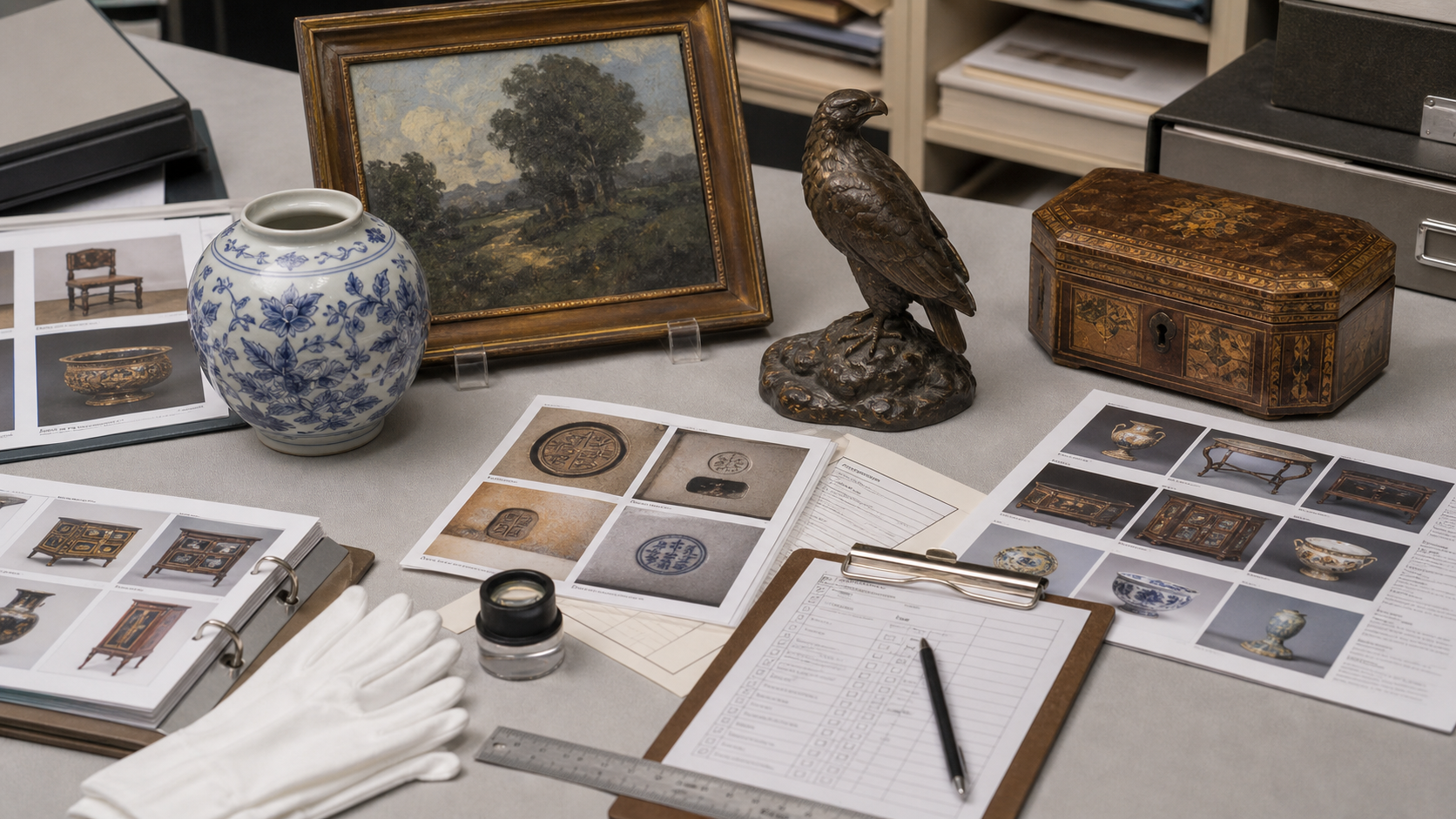
Identifying and valuing antiques: field basics
Use this field guide to move from object evidence to a defensible value range. The sequence is simple: define the value purpose, identify materials and marks, document condition, build provenance, select comparable sales, and explain how the evidence affects value.
Free first read
Check whether your antique has enough evidence
Upload overall photos, marks, labels, damage, dimensions, and documents. The free screener can flag what is missing before you pay for a signed appraisal.
Start with a free screener. Use a signed report when you need insurance, estate, donation, resale, or formal documentation.
1. Define the value purpose first
Fair market value, insurance replacement value, resale estimate, and liquidation value can point to different markets. State the intended use, effective date, value definition, and market level before collecting comparable sales.
For resale or estate screening, recent auction results may be central. For insurance, retail replacement evidence can matter more. For donation, estate, or legal contexts, formal appraisal standards and jurisdiction-specific rules may apply.
2. Identify materials, construction, and marks
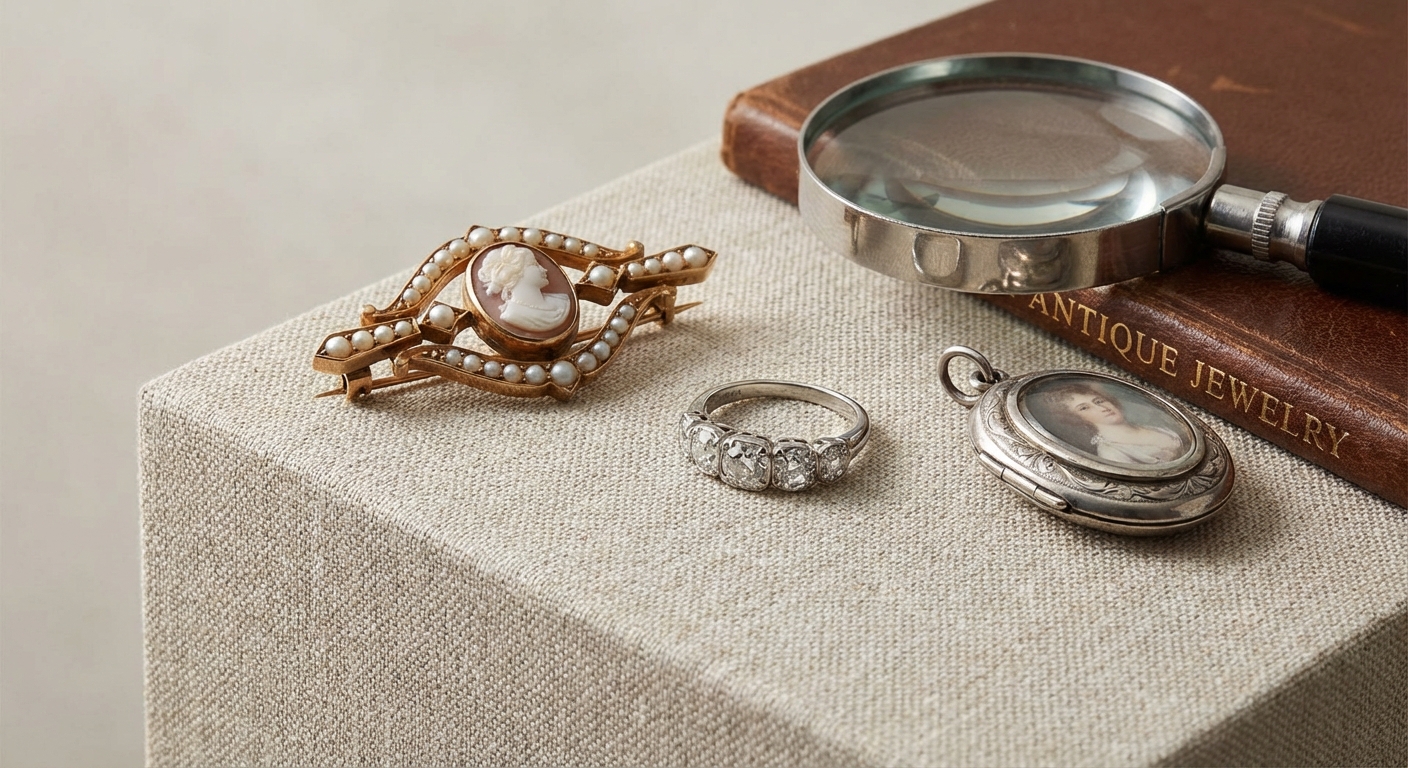
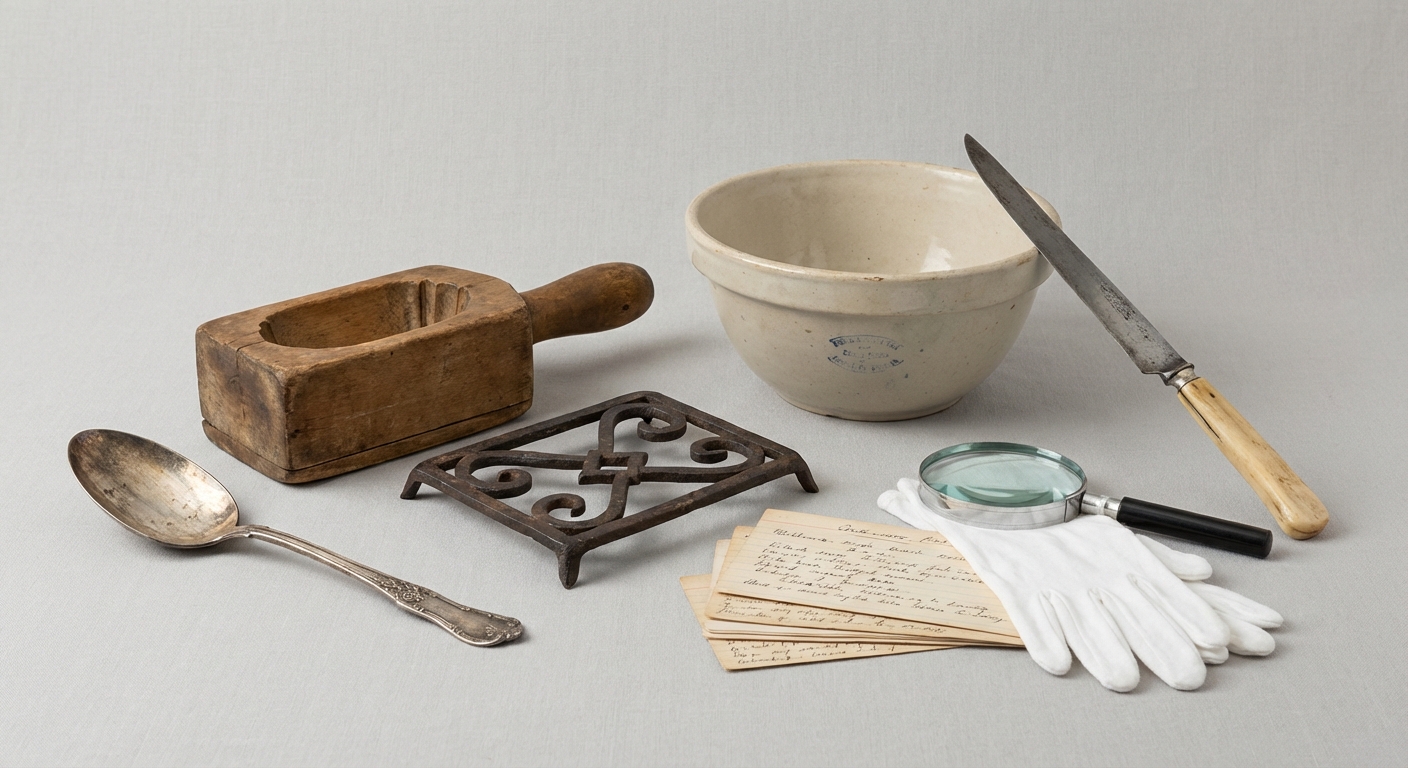
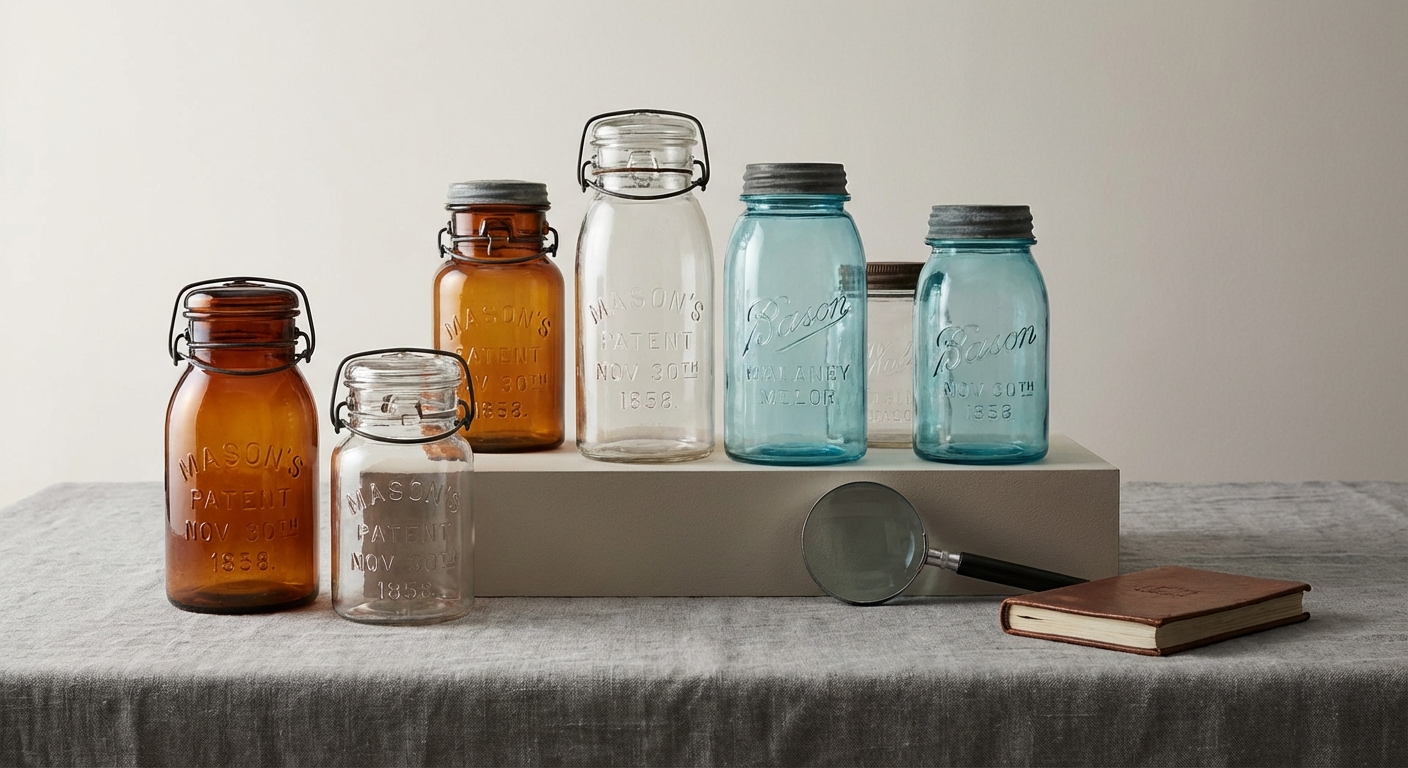
Record the object type, maker or attribution, period, medium, materials, dimensions, weight, edition or serial numbers, and all marks. Photograph the underside, back, interior, hardware, footrings, labels, signatures, seams, and construction details.
Materials and construction clues often narrow date and market category: hand-cut versus machine dovetails, silver hallmarks versus silverplate marks, hard-paste versus soft-paste porcelain, hand-knotted rugs versus machine-made textiles, original surfaces versus refinishing, and printmaking technique versus reproduction.
Note: We couldn’t find relevant auction comps in our database for this topic right now. If you’re valuing a specific item, try searching by maker/model/material and we’ll expand coverage over time.
What similar items actually sold for
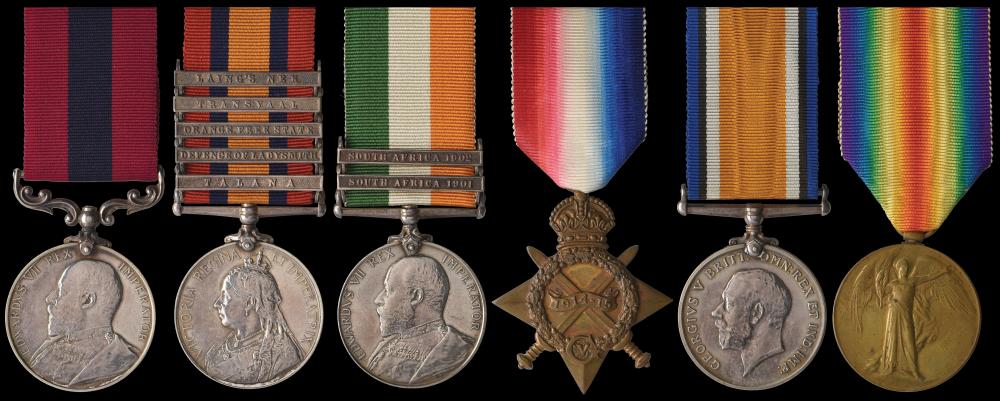
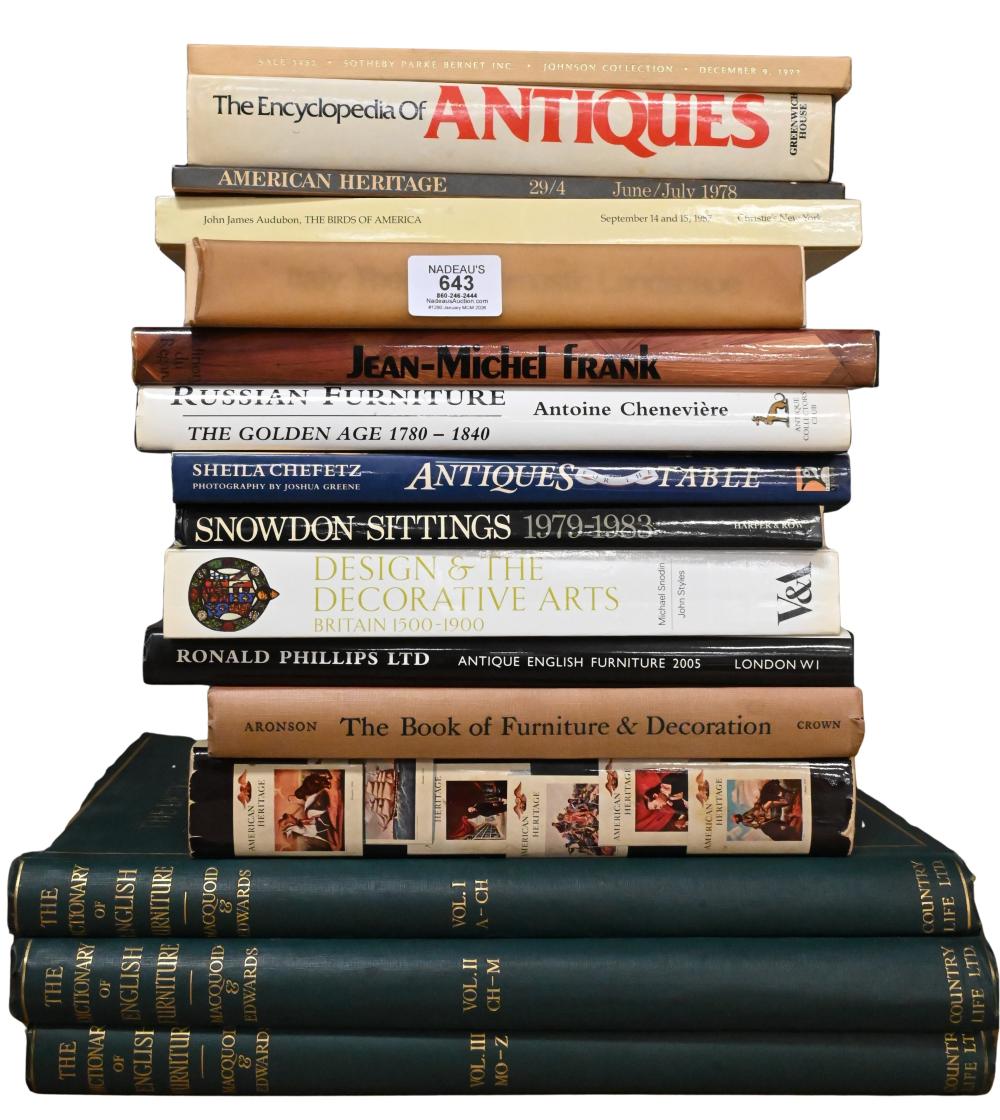
To help ground this guide in real market activity, here are recent example auction comps from Appraisily’s internal database. These matched sales are market context only, not an object estimate or identification, and they do not guarantee a price for your specific field guide identifying valuing antiques.
Shown USD range: USD 375-USD 425. Median of these 3 USD examples: USD 400.
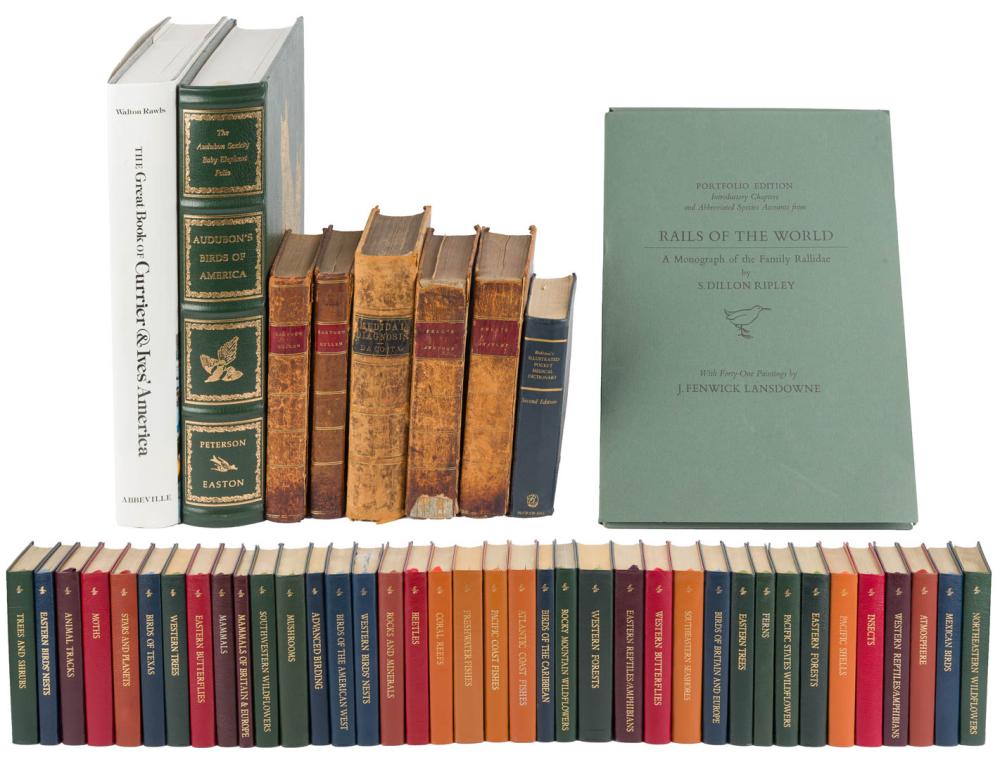
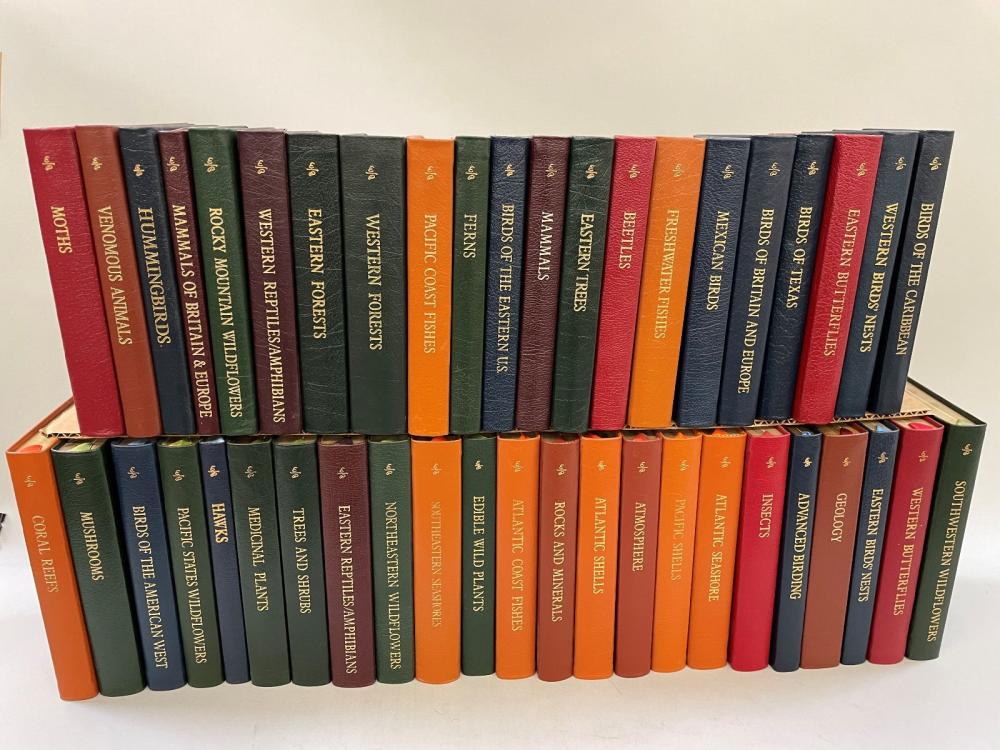
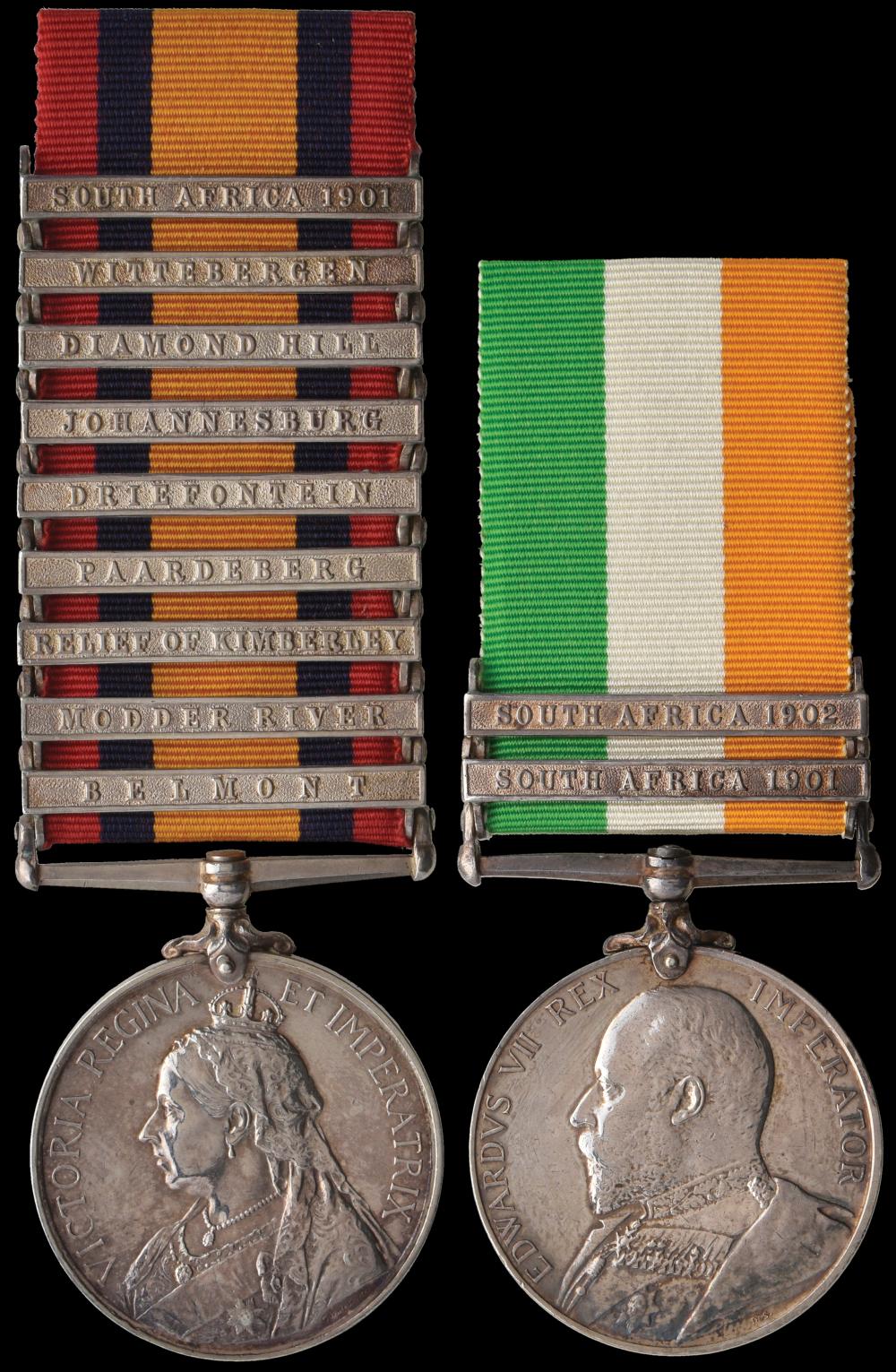
How these auction records were verified
Each row retains its exact source URL, lot identity, retrieval time, access result, and immutable record hash. Inspect the public comparable provenance record.
Disclosure: prices are shown as reported by auction houses and are provided for appraisal context. Learn more in our editorial policy.
3. Describe condition in market terms
Condition affects value through originality, completeness, stability, display quality, and buyer risk. A tight old repair may be acceptable in one category, while over-polishing, over-cleaning, missing parts, relining, overpaint, cracks, fading, or replaced hardware can move another object into a lower tier.
4. Build provenance and legal context
Keep invoices, labels, exhibition history, estate records, photographs in situ, prior appraisals, and correspondence together. For art, antiquities, wildlife materials, and culturally sensitive objects, provenance and legal due diligence can be as important as market demand.
5. Select comparable sales carefully
Comparable sales should match maker or attribution level, period, material, size, subject, condition, provenance, date, and market venue as closely as possible. Explain whether prices include buyer premium and why any older, broader, or retail evidence was used.
6. Preserve the workfile
Retain photos, notes, sources, rejected comps, assumptions, calculations, and correspondence. A value opinion is stronger when another reviewer can see how the evidence led to the conclusion.
FAQ
What is the first step in valuing an antique?
Start with identification and purpose. Record what the object is, how it is made, its condition, and whether the value is for resale, insurance, estate, donation, or a general market screen.
Is fair market value the same as insurance replacement value?
No. Fair market value usually reflects a transaction between informed parties in the relevant market. Insurance replacement value reflects the cost to replace a comparable item in an appropriate retail market and is often higher.
How important is condition when valuing antiques?
Condition can move an object into a different market tier. Original surfaces, completeness, stable structure, and well-documented conservation can support value, while heavy restoration, losses, or over-cleaning often reduce it.
Search variations people ask
Collectors often search for how to value antiques, identify antique marks, antique appraisal checklist, fair market value vs replacement value, antique condition report, and comparable sales for antiques.
References
Wrap-up
Identifying and valuing antiques is a disciplined evidence process. Define the value purpose, document the object, describe condition, preserve provenance, choose relevant comparables, and keep the reasoning visible.