Collector appraisal preparation basics
Accurate art and antique appraisals depend on the evidence a collector provides. Better photos, dimensions, condition notes, provenance records, and a clear value purpose help the appraiser choose the right market and avoid broad guesses.
Use this guide before you upload an item, call an appraiser, insure a collection, settle an estate, or prepare to sell. The goal is to turn scattered ownership knowledge into a clean appraisal workfile.
Free first read
Find the missing appraisal evidence before ordering a report
Upload photos, marks, measurements, condition notes, documents, and the decision you need to make. The free screener can identify the next evidence gap.
Start with a free screener. Use a signed report when you need insurance, estate, donation, resale, or formal documentation.
How We Research Valuation Data
Our appraisal guides are based on auction results, dealer pricing data, and professional appraiser insights. We may earn a commission when you use our free screener. Learn about our editorial standards.
1. Define the value purpose first
The same object can have different conclusions depending on use. Insurance work often asks for replacement value. Estates and charitable contributions often require fair market value. Rapid-sale planning may need a liquidation or marketable cash value view.
Tell the appraiser the decision you need to make, the effective date, who will rely on the report, and whether the item must be appraised from photos or inspected in person.
2. Photograph the item like evidence
- Overall views: front, back, sides, underside, scale, and installation context.
- Identification details: signatures, hallmarks, labels, maker stamps, edition numbers, inscriptions, inventory labels, and frame or mount marks.
- Condition details: cracks, tears, stains, repairs, replacements, fading, chips, relining, restoration, missing parts, and areas under normal light and raking light when possible.
- Documents: invoices, auction records, gallery labels, estate inventories, insurance schedules, conservation reports, and prior appraisals.
Note: We couldn’t find relevant auction comps in our database for this topic right now. If you’re valuing a specific item, try searching by maker/model/material and we’ll expand coverage over time.
What similar items actually sold for
To help ground this guide in real market activity, here are recent example auction comps from Appraisily’s internal database. These matched sales are market context only, not an object estimate or identification, and they do not guarantee a price for your specific collector art antique appraisal preparation.
Shown USD range: USD 750-USD 13,000. Median of these 4 USD examples: USD 3,125.
| Comparable | What sold | Auction house | Date | Lot | Source-reported amount |
|---|---|---|---|---|---|
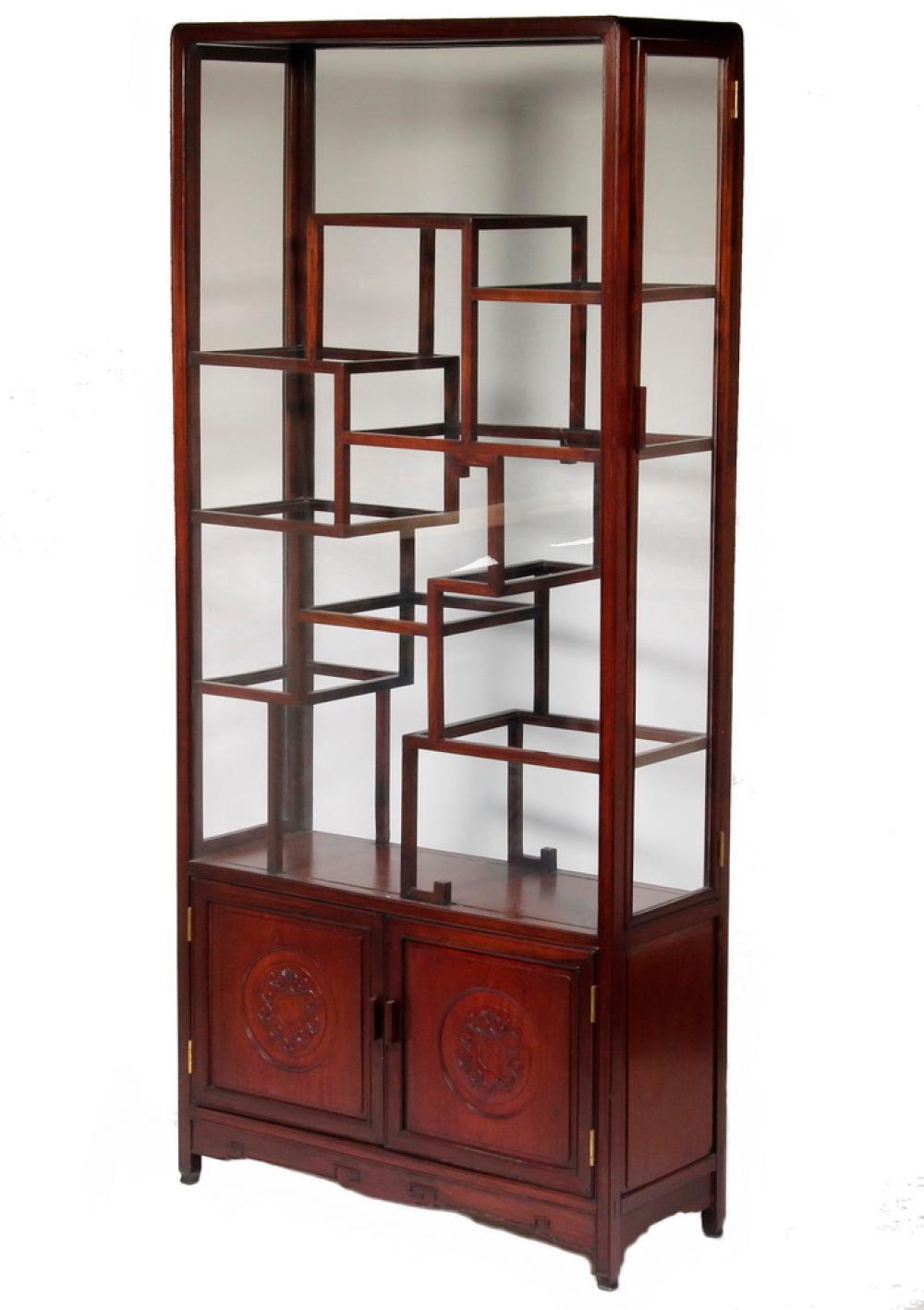 |
CHINESE ART DECO COLLECTOR'S CABINET | Thomaston Place Auction Galleries | 2019-06-02 | 3457 | USD 750 (buyer’s-premium treatment unknown) |
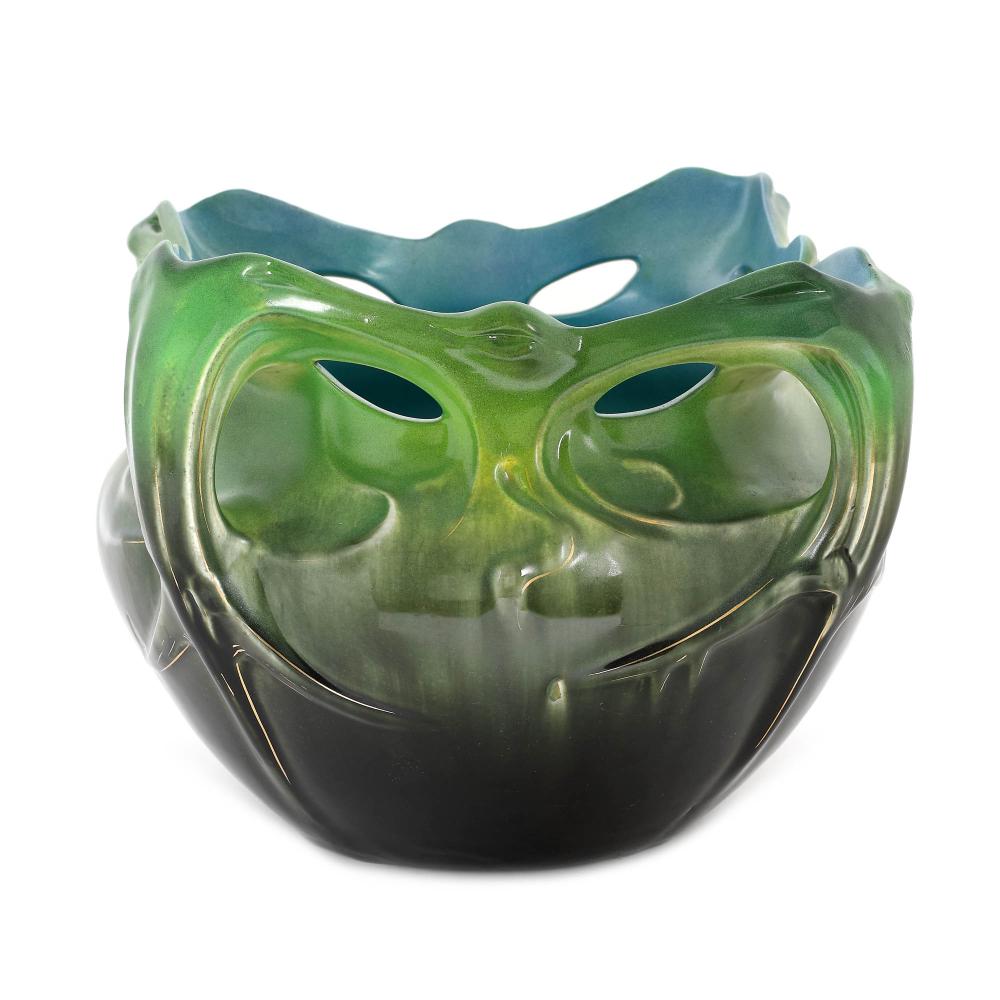 |
Cache-pot Hector Guimard, Art Nouveau, made in Fives-Lille manufacture, approx. 1900, collector's item | A10 by Artmark | 2021-02-24 | 67 | EUR 1,400 (buyer’s-premium treatment unknown) |
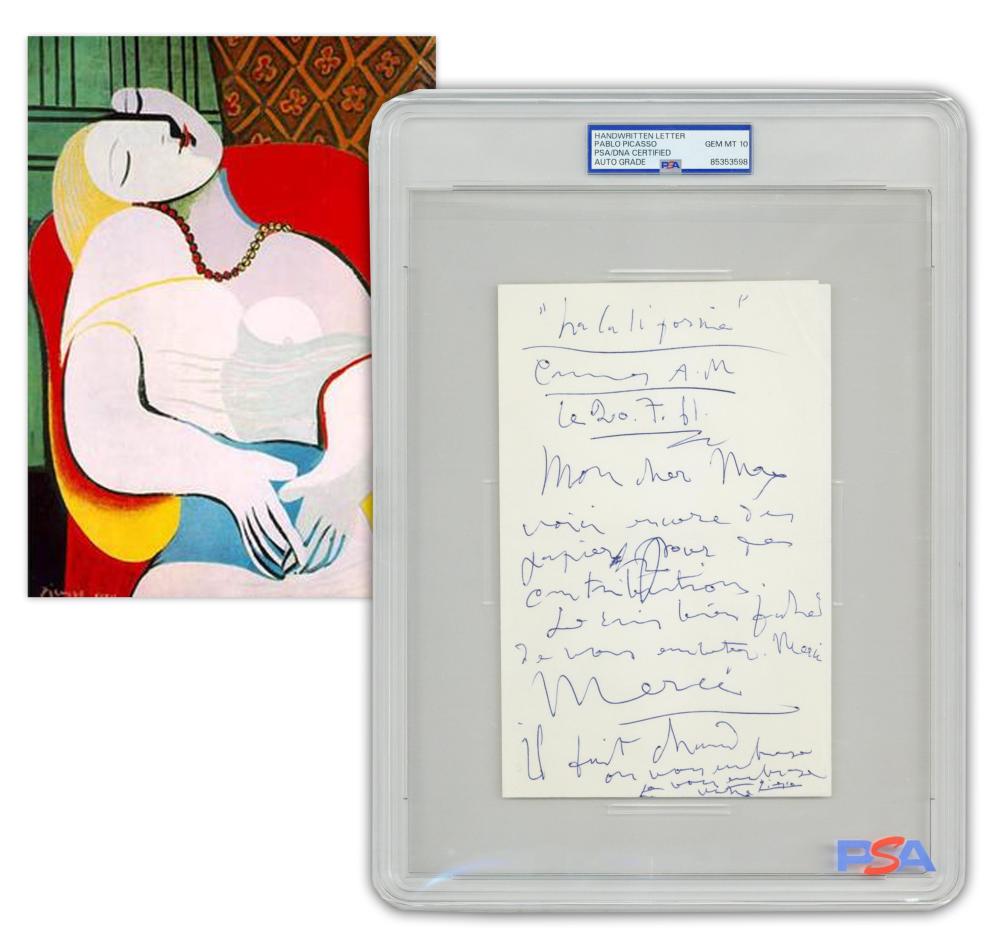 |
Pablo Picasso PSA GEM MT 10 Rare ALS Addressed to Art Collector, Patron & Financial Advisor | University Archives | 2025-06-04 | 128 | USD 5,500 (buyer’s-premium treatment unknown) |
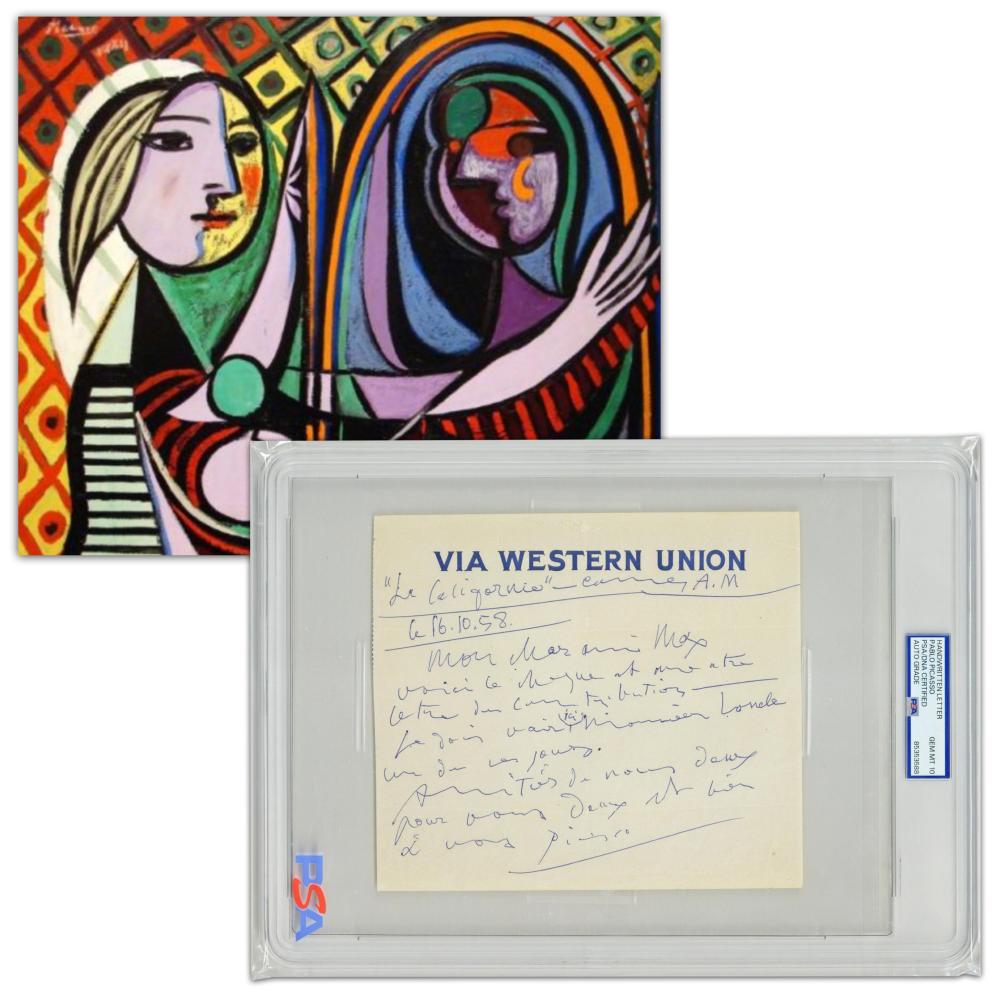 |
Pablo Picasso PSA GEM MT 10 Rare ALS Addressed to Art Collector, Discussing Another One! | University Archives | 2024-12-11 | 176 | USD 13,000 (buyer’s-premium treatment unknown) |
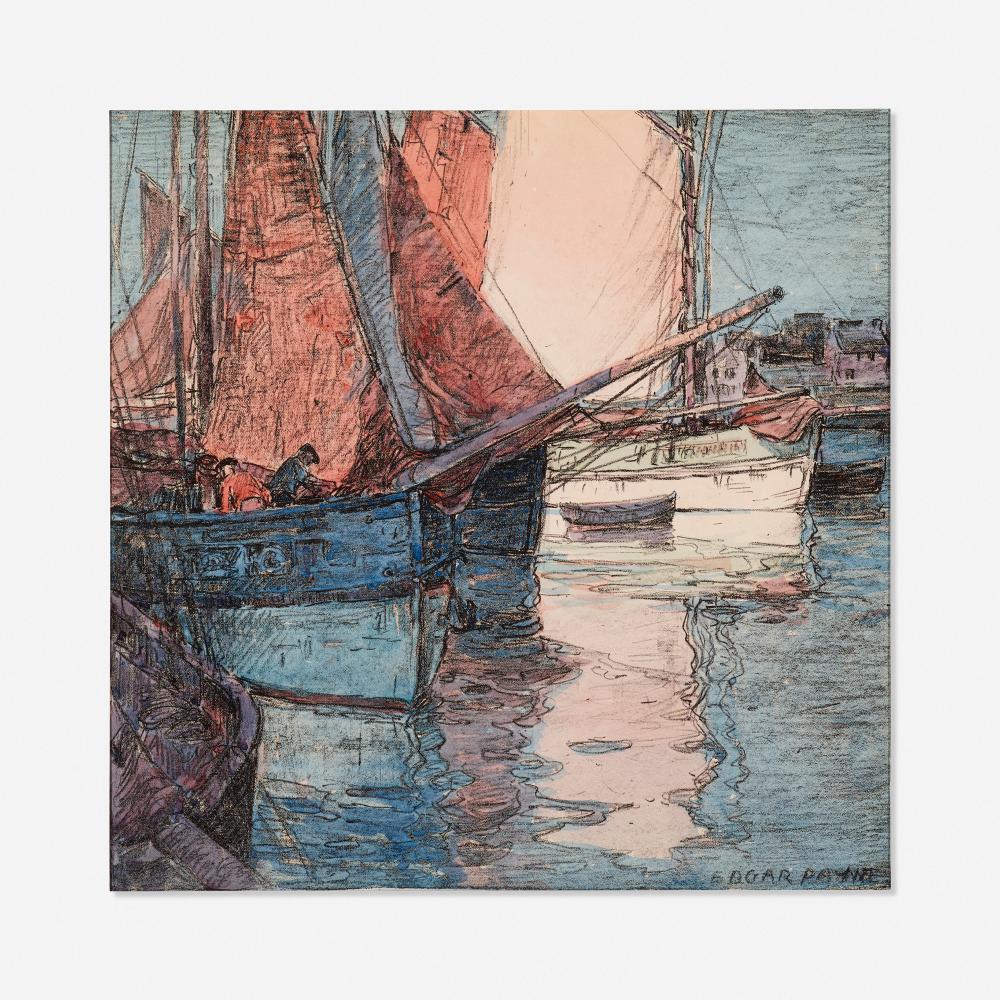 |
Edgar Alwin Payne, A Day's Preparation | Rago Arts and Auction Center | 2020-09-24 | 617 | USD 750 (buyer’s-premium treatment unknown) |
How these auction records were verified
Each row retains its exact source URL, lot identity, retrieval time, access result, and immutable record hash. Inspect the public comparable provenance record.
Disclosure: prices are shown as reported by auction houses and are provided for appraisal context. Learn more in our editorial policy.
3. Do not hide condition problems
Condition is not just damage; it is evidence about age, originality, care, and market desirability. Disclose restoration, replacement parts, surface wear, over-cleaning, relining, chips, dents, cracks, fading, and anything that would affect a buyer's confidence.
Do not restore before asking. Treatment can be sensible when it stabilizes an item, but irreversible cleaning, refinishing, replacement, or retouching can reduce value and make attribution harder to assess.
4. Bring context, not cherry-picked prices
Collectors often find the highest sale and assume it applies. Better context includes several relevant sales and the reasons they match or do not match: maker, period, medium, dimensions, quality, condition, provenance, venue, sale date, currency, and buyer premium.
Ask whether each comp reflects the same market level. Dealer replacement pricing, auction fair-market evidence, and quick-sale liquidation evidence should not be mixed without explanation.
Search variations people ask
Collectors often search these preparation questions:
- how to prepare for an art appraisal
- what photos do appraisers need for antiques
- antique appraisal documents provenance checklist
- condition notes for art appraisal
- fair market value vs replacement value art antiques
- should I restore before appraisal
- online art appraisal photo checklist
- collector appraisal workfile preparation
Each question maps to the preparation workflow above.
References
Wrap-up
Collectors cannot control every market variable, but they can control the evidence file. Clear photos, honest condition notes, provenance documents, value purpose, and relevant comparable context make the appraisal more accurate and easier to defend.