Antiques and art appraisal field manual basics
A field manual turns appraisal work into a repeatable checklist. Use it to define the assignment, document the object, separate provenance from attribution, test materials and condition, choose comparables, and write a report that can be reviewed later.
Free first read
Check whether your appraisal file is complete
Upload object photos, marks, condition issues, provenance documents, dimensions, and intended use. The free screener can flag missing evidence before a signed report.
Start with a free screener. Use a signed report when you need insurance, estate, donation, resale, or formal documentation.
1. Use the four field pillars
Provenance, rarity, condition, and demand drive most antique and art value conclusions. Provenance supports ownership and authenticity. Rarity only matters inside a desirable market. Condition controls risk and buyer confidence. Demand is confirmed through recent, relevant sales rather than anecdotes.
2. Build the object biography
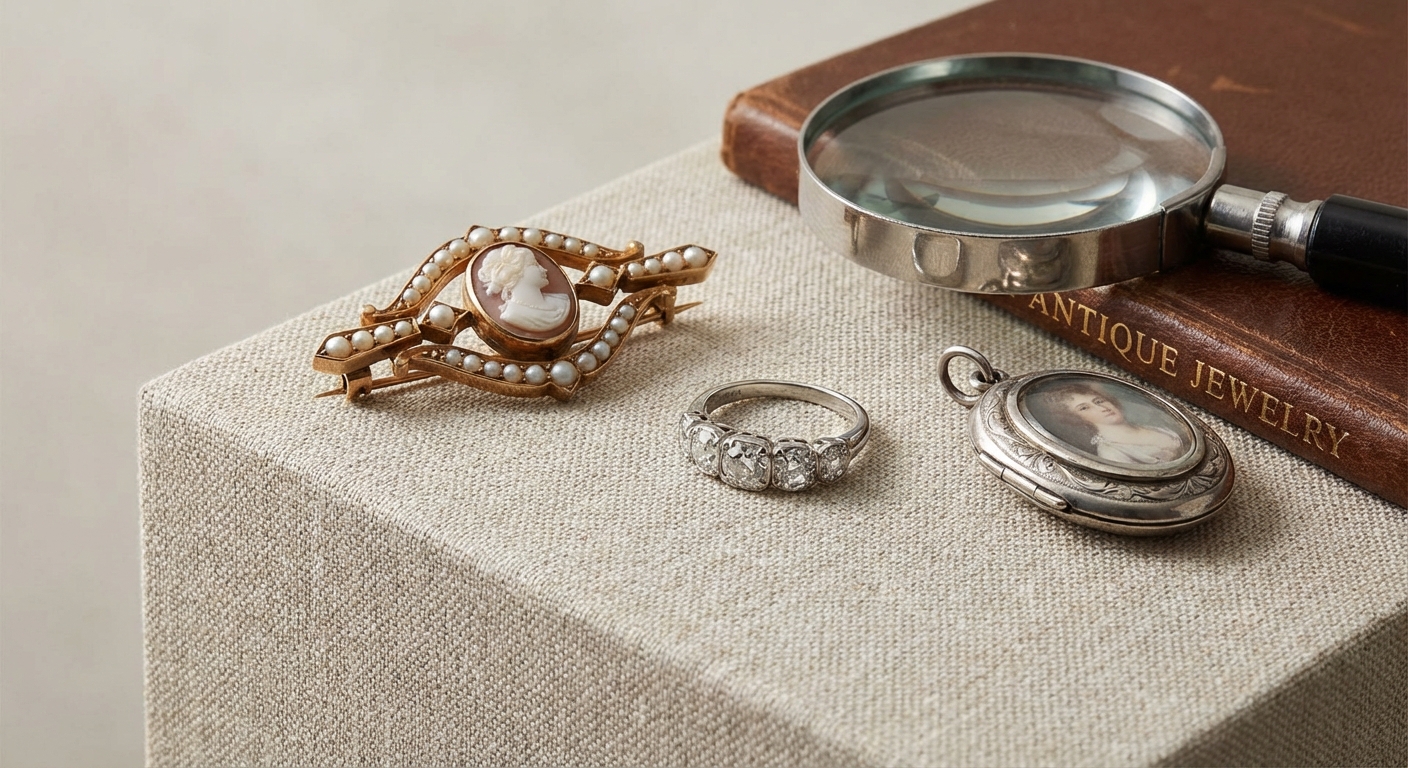
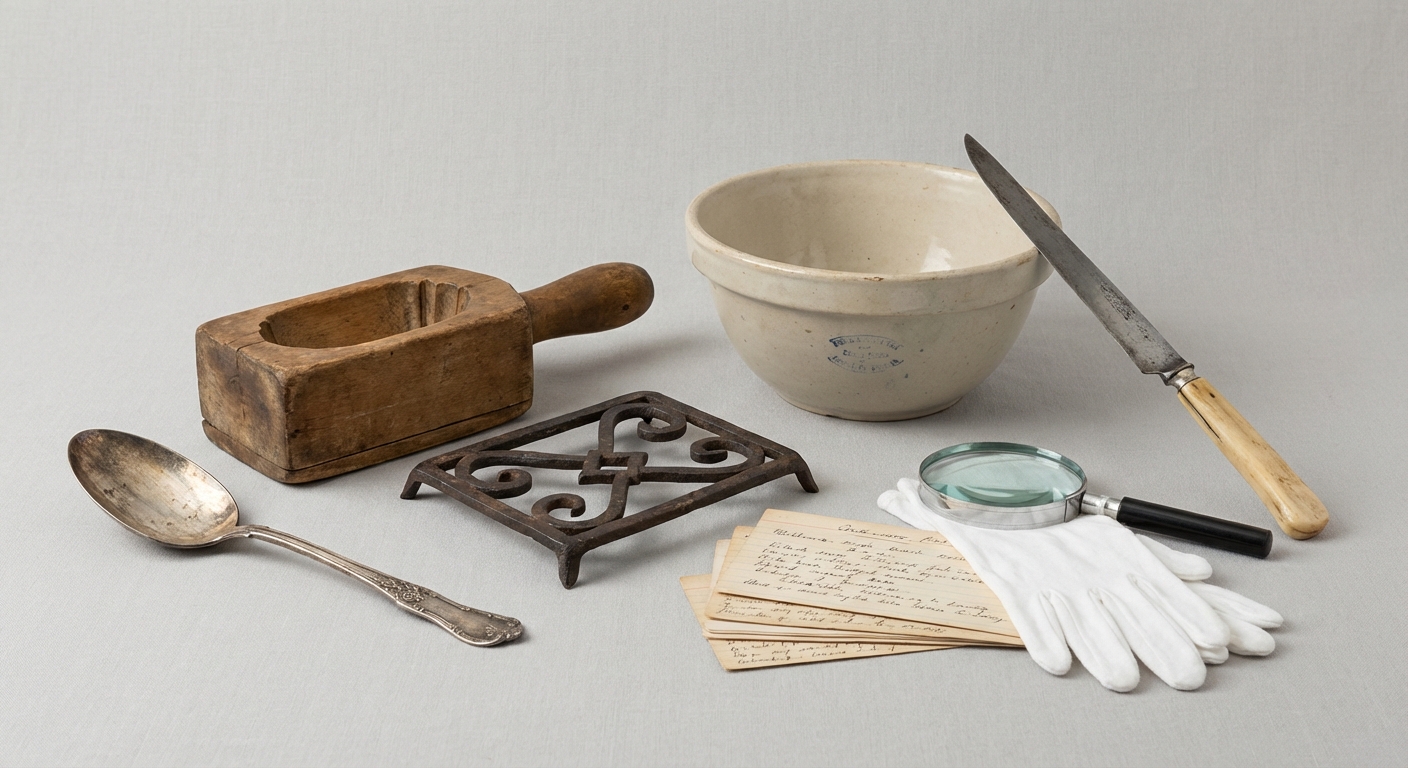
Document maker marks, retailer labels, inscriptions, exhibition tags, restoration invoices, old photographs, bills of sale, and family records. Separate documented provenance from reported history, and state gaps clearly.
3. Combine connoisseurship with targeted testing
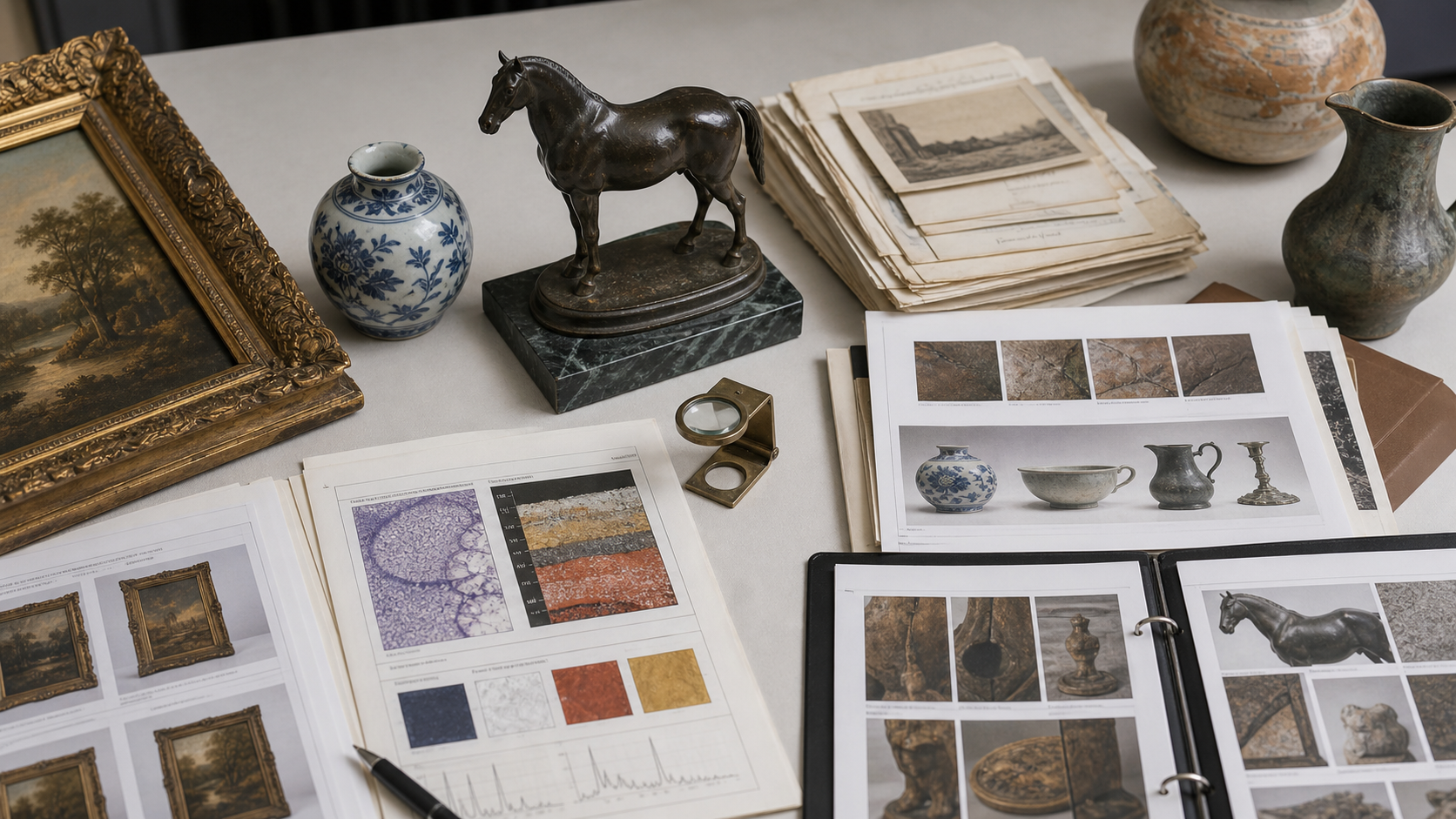
Start with visual inspection: wood species, joinery, tool marks, metal seams, ceramics footrings, glaze wear, canvas supports, paper watermarks, and signature behavior. Add testing only when it answers a value-bearing question.
Note: We couldn’t find relevant auction comps in our database for this topic right now. If you’re valuing a specific item, try searching by maker/model/material and we’ll expand coverage over time.
What similar items actually sold for
To help ground this guide in real market activity, here are recent example auction comps from Appraisily’s internal database. These are educational comparables (not a guarantee of price for your specific item).
| Image | Description | Auction house | Date | Lot | Reported price realized |
|---|---|---|---|---|---|
| No relevant auction comps found for this topic right now. | |||||
Disclosure: prices are shown as reported by auction houses and are provided for appraisal context. Learn more in our editorial policy.
4. Build comparable sales deliberately
Use comparables that match maker or attribution, period, medium, size, subject, condition, provenance, sale venue, date, and market geography. Normalize buyer premium, currency, and timing, and explain why outliers were accepted or rejected.
5. Treat restoration as market evidence
Conservation can stabilize and preserve value, but over-restoration, refinishing, overcleaning, replacement parts, and concealed repairs often reduce market confidence. Document what changed, who performed the work, and whether treatment is stable and reversible.
6. Write notes that withstand review
A report should state object identification, condition, provenance, methodology, comparables, assumptions, limiting conditions, value conclusion, effective date, and image support. Preserve the workfile so the conclusion can be updated when new evidence appears.
FAQ
What should an appraisal field manual include?
It should include intake scope, object identification, provenance, condition, materials analysis, comparable market evidence, value definition, assumptions, limitations, and report-writing notes.
When should scientific testing be used?
Use testing when it answers a specific value-bearing question that visual review cannot settle, such as material age, pigment consistency, metal composition, hidden structure, or ceramic firing date.
How should restoration be handled in an appraisal?
Describe the restoration specifically, note whether it is stable and reversible, and explain how it affects marketability, originality, risk, and comparable selection.
Search variations people ask
Collectors often search for antiques appraisal field manual, art appraisal checklist, provenance and condition in appraisal, comparable sales appraisal method, restoration effect on antique value, and appraisal report workfile.
References
Wrap-up
A strong antiques and art appraisal field manual keeps the work practical and defensible. Define scope, record evidence, use appropriate testing, select relevant comparables, and preserve the reasoning behind the value conclusion.