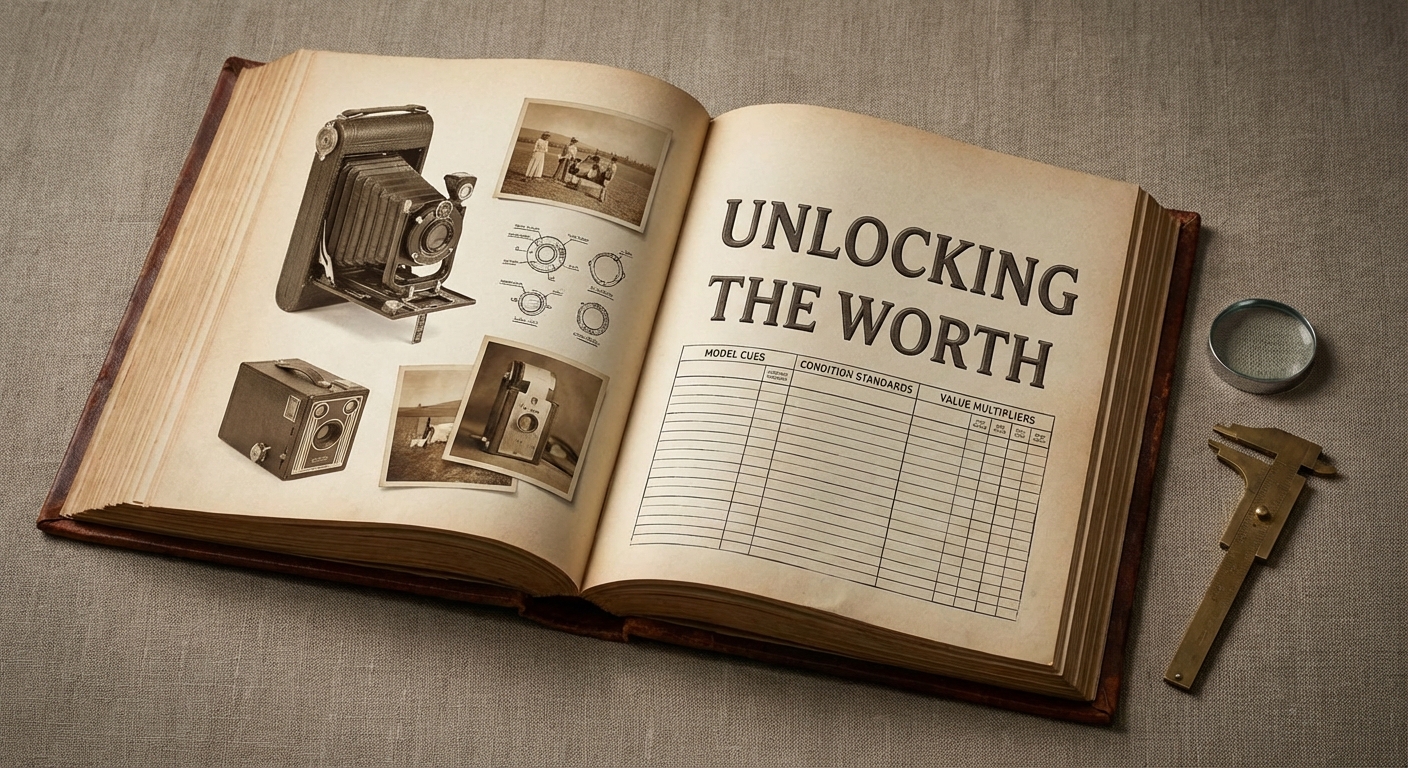
Antique and Art Appraisal Case-File Framework

Use a defensible case-file framework for antique and art appraisals: scope, provenance, condition, comparables, value, and reporting.

Antique appraisal evidence with object details, signature reference, condition notes, and valuation context
A defensible appraisal case file keeps scope, object evidence, condition, provenance, market data, assumptions, and reporting support together.

Turn this research into action

Get an evidence-ready appraisal for your item

Answer three quick questions and we route you to the right specialist. Certified reports delivered in 24 hours on average.

  • 15k+collectors served
  • 24havg delivery
  • A+BBB rating

Secure Stripe checkout · Full refund if we can’t help

Skip questions — start appraisal now

How We Research Valuation Data

Our appraisal guides are based on auction results, dealer pricing data, and professional appraiser insights. We may earn a commission when you use our free professional appraisal service. Learn about our editorial standards.

Turn a case file into a report

Upload object photos, scope, condition details, provenance, and comps for a clearer appraisal path.

  • Expert report with photos and comps
  • Fast turnaround
  • Fixed, upfront pricing
Start appraisal

No obligation. Secure upload.

Antique and art appraisal case-file basics

A strong appraisal case file turns scattered object facts into a reviewable value opinion. It connects scope, intended use, photos, condition, provenance, attribution, comparable sales, value definition, assumptions, and reporting support.

Use this framework for antiques, art, decorative objects, furniture, prints, sculpture, and collections where the value conclusion must be explained or updated later.

Free first read

Check whether your appraisal file has enough support

Upload object photos, marks, condition notes, documents, and your intended use. The free screener can flag missing evidence before you order a signed report.

Step 1 of 2

Start with a free screener. Use a signed report when you need insurance, estate, donation, resale, or formal documentation.

How We Research Valuation Data

Our appraisal guides are based on auction results, dealer pricing data, and professional appraiser insights. We may earn a commission when you use our free screener. Learn about our editorial standards.

1. Start with scope and intended use

Appraisal case file with object photos, condition notes, provenance documents, and comparable sales
The case file should make clear what problem the appraisal is solving and which evidence was reviewed.

State the intended use, intended users, value definition, effective date, inspection method, and assignment limits before selecting comparable sales. Insurance, estate, donation, resale, and screening assignments do not always require the same scope.

Appraisal case-file evidence table

This is not a price-comp table. Use it to confirm that the workfile supports the final value conclusion.

PhotoEvidenceDateRecordValue impactWhat to retainSource
ScopeAssignment scopeEffective dateEngagement fileDetermines research depth and value definition.Intended use, users, value type, inspection limits, assumptions, and report format.Client/report file
ObjectIdentificationInspection dateObject recordDefines the comparable pool.Type, maker, period, materials, dimensions, marks, attribution level, and images.Object photos / appraiser notes
ConditionCondition reportInspection dateCondition fileControls discounts, risk, and market tier.Damage, restoration, completeness, stability, prior treatment, and limits.Detail photos / conservator notes
DocsProvenance and legal contextRecord datesOwnership chainCan raise confidence or reveal risk.Invoices, labels, catalog entries, exhibition history, restrictions, and gaps.Owner/archive records
MarketComparable salesSale datesComp setAnchors the value conclusion.Venue, lot, price basis, buyer premium, condition, size, attribution, and adjustments.Auction/dealer records
ReportReconciliation and certificationReport dateFinal reportMakes the conclusion usable and reviewable.Assumptions, limiting conditions, rejected comps, reasoning, certifications, and retained workfile.Signed report / workfile

Takeaway: the case file should show how each value claim connects to evidence.

Need a case file reviewed?

Upload the evidence before relying on a value.

The free screener can flag whether your photos, documents, condition notes, and intended use are enough for a next-step appraisal decision.

Use the free screener

2. Separate provenance from attribution

Provenance documents where an object has been; attribution states who made it and with what confidence. Keep both in the file, but do not let an interesting ownership story replace material, stylistic, and market evidence.

3. Let condition shape the comparable set

Condition is a market fact. Heavy restoration, missing parts, over-cleaning, relining, cracks, fading, or structural weakness can move an object into a different value tier even when the maker or subject is desirable.

4. Reconcile value and preserve the workfile

Record accepted and rejected comps, price basis, adjustments, assumptions, and limitations. A future reviewer should be able to understand why the conclusion followed from the case file.

Search variations people ask

Collectors often search these case-file questions:

  • antique appraisal case file framework
  • art appraisal workfile checklist
  • USPAP appraisal scope intended use personal property
  • appraisal report provenance condition comparables
  • how to organize appraisal evidence
  • fair market value replacement value case file
  • appraisal workfile for antiques and art
  • comparable sales support in appraisal reports

Each question maps to the case-file workflow above.

References

Wrap-up

A case-file framework makes appraisal work easier to inspect, update, and defend. Start with scope, preserve evidence, choose relevant comps, and keep the reasoning visible.
Choose your next step

Use the path that matches the decision you need to make about the item.

Need a signed report?

Use this for insurance, estate, donation, resale, or documented value decisions.

Start a signed report

Not sure it is worth appraising?

Start with a lower-friction screen to understand the likely category, evidence, and next step.

Use the free screener

Need local or specialist help?

Compare directory options when the work needs in-person review or a specialist near you.

Find art appraisers

See what the report looks like

Sample reports show how photos, comparable evidence, condition notes, and a value conclusion are documented.

Turn a case file into a report

Upload object photos, scope, condition details, provenance, and comps for a clearer appraisal path.

  • Expert report with photos and comps
  • Fast turnaround
  • Fixed, upfront pricing
Start appraisal

No obligation. Secure upload.

Continue your valuation journey

Choose the next best step after reading this guide

Our directories connect thousands of readers with the right appraiser every month. Pick the experience that fits your item.

Antique specialists

Browse the Antique Appraiser Directory

Search 300+ vetted experts by location, specialty, and response time. Perfect for heirlooms, Americana, and estate items.

Browse antique experts

Modern & fine art

Browse the Art Appraisers Directory

Compare fine art, contemporary, and design appraisers by city and specialty in our public directory.

Browse art experts

Machine-readable summaries

Use these machine-friendly references for AI and crawler discovery of Appraisily content.

Ready for pricing guidance?

Start a secure online appraisal

Upload images and details. Certified specialists respond within 24 hours.

Start my appraisal