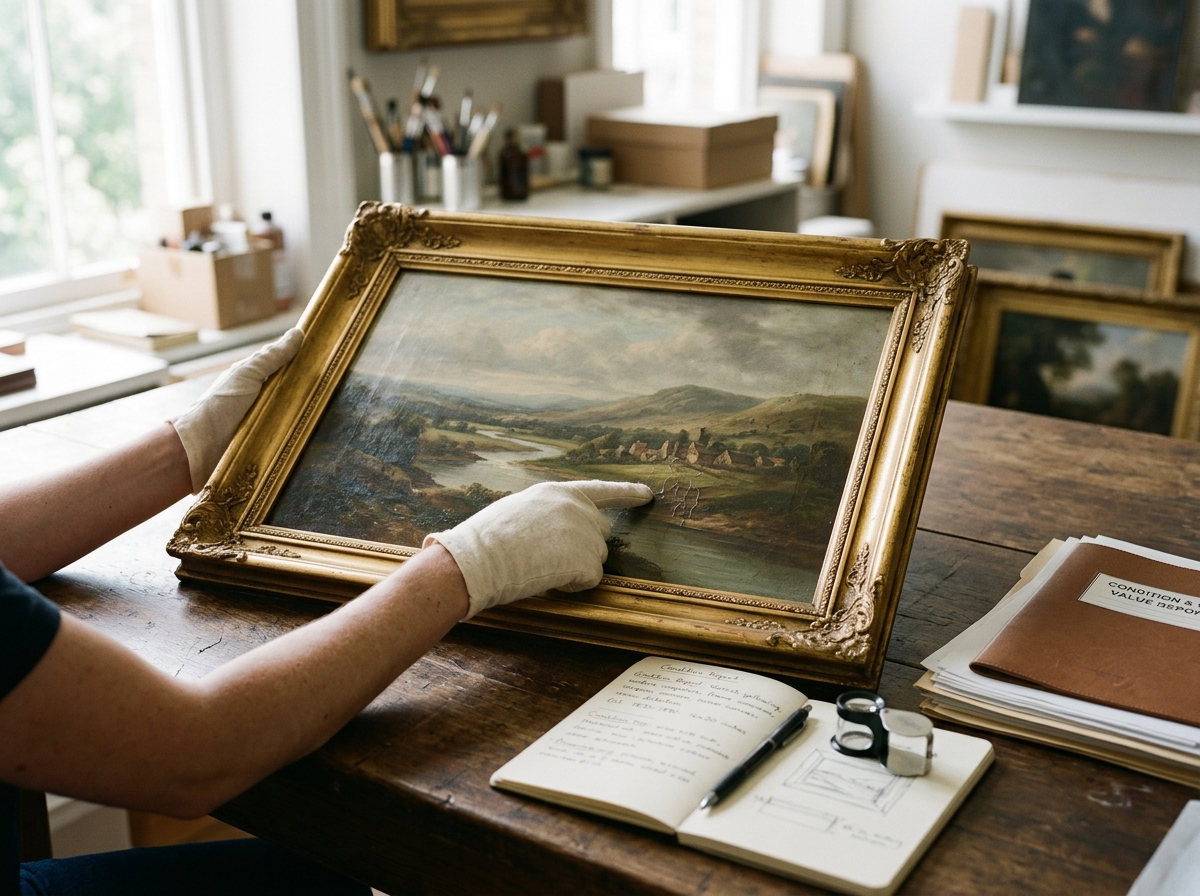
Allon Cook painting appraisal: value and evidence basics
An Allon Cook original painting appraisal should start with medium, signature, subject, dimensions, condition, provenance, and item-specific market evidence. Use this guide to document the work before paying for a formal appraisal or deciding whether to sell.
Allon Cook Original Painting Appraisal Guide
Whether you’re commissioning an Allon Cook appraisal or simply getting ready to have an original painting evaluated by any qualified professional, knowing what constitutes a reliable, defensible appraisal will save you time and prevent costly missteps. This guide explains the process, the evidence appraisers look for, how market forces shape value, and the deliverables you should expect—plus a concise checklist to help you prepare.
Note: The information here is educational and intended to help you work effectively with any independent, formal appraiser.
What An Appraisal Is—and Isn’t
- Purpose-driven opinion of value: An appraisal is a researched opinion of value for a specific purpose and date. Common purposes include insurance (retail replacement value), estate and tax (fair market value), equitable distribution, and resale planning.
- Definitions matter:
- Fair Market Value (FMV): The price between willing buyer and seller, both knowledgeable, neither under compulsion, usually in the relevant secondary market.
- Retail Replacement Value (RRV): The cost to replace the item with a like kind and quality painting in the retail market; often higher than FMV, used for insurance.
- Marketable Cash Value (MCV): FMV minus typical costs of sale.
- Liquidation values: Orderly or forced, used in time-constrained dispositions.
- Not attribution review: Appraisers do not certify authorship unless they are recognized specialists for that artist. They rely on evidence and scholarly sources. When authorship is uncertain, value may be bracketed or qualified.
- Not a confirm of sale: An appraisal does not promise that the work will sell for the stated figure. It documents a supportable value opinion as of a certain date, within a defined market level and scope of work.
Preparing Your Original Painting
The quality of your documentation and the condition of the painting can meaningfully influence both the value and the confidence level of the report.
- Don’t clean or restore before appraisal: Cleaning, varnish removal, or inpainting can change value—sometimes up, sometimes down. Let the appraiser evaluate the need and refer you to a conservator if appropriate.
- Gather provenance: Purchase invoices, bills of sale, receipts, dealer or gallery correspondence, auction catalogs, exhibition checklists, museum loan agreements, import/export paperwork, and any loan or insurance schedules. Chain-of-title strengthens attribution and value.
- Assemble literature: Mentions in catalogues raisonnés, exhibition catalogs, scholarly articles, monographs, or period reviews. A documented presence in the literature elevates market standing.
- Photograph methodically: Clear, color-corrected images of the front, back (verso), close-ups of the signature, inscriptions, labels or stamps, and areas of damage or retouching. Include a ruler for scale.
- Measure accurately: Record image size (sight), canvas or panel size, and framed dimensions. Noting units and orientation is critical for comparables.
- Note any interventions: Relining, patching, overpainting, revarnishing, replaced stretchers, or frames of special historical importance.
- Prepare access: If in a frame, plan for safe removal so the appraiser can examine tacking edges, stretcher bars, and verso labels when necessary.
Valuation Methodology A Qualified Appraiser Will Use
A defensible appraisal follows a transparent, replicable process and adheres to professional standards such as USPAP (Uniform Standards of Professional Appraisal Practice).
- Identification and description:
- Artist attribution: Name, nationality, life dates, and attribution status (signed, inscribed, stamped, studio of, circle of, follower of, manner of).
- Title and date: As inscribed or ascribed; estimated date range if undated.
- Medium and support: Oil, acrylic, watercolor, gouache; canvas, panel, paper; ground and varnish when identifiable.
- Dimensions: In centimeters and inches, unframed and framed.
- Markings: Signatures, inscriptions, labels (gallery, exhibition, shipping), stamps, inventory numbers, and frame plaques.
- Condition analysis:
- Surface: Craquelure, abrasion, accretions, blanching, past cleaning, yellowed varnish.
- Structural: Canvas tension, tears, punctures, relining, panel splits, worming, prior repairs.
- Stability: Risks that could affect longevity or displayability.
- Conservation notes: May include ultraviolet examination, raking light photos, or referral for technical imaging if material to value.
- Research and comparables:
- Comparable selection: Recent, arm’s-length sales of works by the same artist (or directly comparable market peers when necessary), closely matched for medium, size, date/period, subject, quality, and market tier.
- Market hierarchy: Distinguish retail gallery prices, private dealer transactions, and auction results; adjust for buyer’s premium and currency.
- Adjustments: Provenance strength, literature/exhibition history, condition, rarity, and overall aesthetic quality within the artist’s oeuvre.
- Market context: Trends, liquidity, demand cycles, and any relevant economic factors as of the effective date.
- Value reconciliation:
- Range and conclusion: Present a supportable value range and a reasoned single-point conclusion aligned with the appraisal’s purpose.
- Limiting conditions: State assumptions, any attribution or condition uncertainties, and boundaries of the scope of work.
- Reporting standards:
- USPAP compliance: Include purpose, intended use, intended users, effective date, scope of work, definitions of value, description, analysis, comparables, reconciliation, and signed certification.
- Independence: Fee structure should not be contingent on value concluded or a subsequent sale.
Market Factors That Drive Value
Beyond the artist’s name, these factors often have the greatest impact on an original painting’s value:
- Quality within the oeuvre: Buyers pay premiums for works that represent peak periods, signature subjects, and strong compositions with confident brushwork.
- Date and period: A seminal period or early landmark years can command higher prices than late or transitional work.
- Medium and scale: Oils typically lead the market, followed by acrylics and watercolors; larger works often command more, though not linearly.
- Subject matter: Universally appealing subjects (iconic motifs, portraits of noted sitters, sought-after landscapes) can outperform neutral or atypical subjects for the artist.
- Condition and stability: Original surfaces with attractive, not overly yellowed varnish, minimal restoration, and no structural compromises outperform compromised examples.
- Provenance and exhibition/literature: Museum exhibitions, prestigious gallery labels, and inclusion in a catalogue raisonné create trust and desirability.
- Rarity and supply: Scarce series, limited periods, or small lifetime output can push prices higher; conversely, plentiful supply can cap values.
- Market venue and timing: Major auction houses and blue-chip galleries often achieve top prices. Seasonality, sales pairings, and competing consignments affect results.
- Geographic demand and currency: Works by regionally significant artists may sell best in specific markets; currency strength can influence international bidding.
Fees, Timelines, And Vetting The Appraiser
- Fee structures:
- Hourly or flat fees are standard. Avoid contingency or value-contingent fees for appraisals, which can compromise independence.
- Expect additional charges for travel, on-site inspections, archival research, and rush delivery when applicable.
- Timelines:
- Desktop valuation (limited-scope) for common artists and straightforward comparables: several days to two weeks.
- Full inspection with complex research, technical questions, or attribution review referrals: two to six weeks, sometimes longer.
- Deliverables:
- Written, signed report, typically as a PDF with photographs, description, condition findings, comparables with citations, analysis, reconciliation, and the appraiser’s certification.
- For insurance, a schedule listing each work with retail replacement value. For estates, a report adhering to fair market value definitions as of the decedent’s date of death.
- Update cadence: Revisit values every 2–5 years, or sooner during volatile market periods.
- Vetting any appraiser (including an Allon Cook appraisal):
- Credentials and standards: Confirm USPAP compliance and membership in recognized appraisal organizations. Ask about specialty focus (fine art vs. general antiques).
- Transparency: The appraiser should explain market selection, comparable choice, and adjustment logic. Beware reports with a single comparison or none at all.
- Independence: Clarify conflicts of interest—e.g., whether the appraiser seeks to buy or sell the work. Independence is essential for credibility.
- Scope clarity: Ensure the report states intended use, intended users, and effective date; misalignment here is a common reason appraisals get rejected by insurers or tax authorities.
- Limitations: If attribution is uncertain, the report should state how that uncertainty affects value and what evidence could resolve it.
Practical Checklist
Use this concise list to prepare efficiently for an Allon Cook appraisal of an original painting—or any comparable professional valuation.
- Identify purpose and date: Insurance, estate/tax, resale, donation; confirm the effective date needed.
- Compile provenance: Invoices, correspondence, prior appraisals, auction listings, exhibition/loan paperwork, customs documentation.
- Gather literature: Catalogue raisonné references, scholarly articles, gallery or museum catalog mentions.
- Photograph thoroughly: Front, back, signature/inscriptions, labels, details of condition; include measurements.
- Measure precisely: Sight size, canvas/panel, and framed dimensions in centimeters and inches; note orientation.
- Note condition and interventions: Cleaning, relining, inpainting, varnish changes, frame originality.
- Prepare access: Safe space, tools for frame removal if needed, and any crating or transport arrangements.
- Clarify restrictions: Ownership, export/import limitations, or cultural property considerations.
- Ask key questions: Standards used (USPAP), market level for comparables, fee structure, turnaround time, and whether the report will include full citations and images.
- Plan next steps: Conservation referrals if advised, insurance scheduling, or sale strategy aligned with the concluded value and appropriate venue.
What similar items actually sold for
To help ground this guide in real market activity, here are recent example auction comps from Appraisily’s internal database. These matched sales are market context only, not an object estimate or identification, and they do not guarantee a price for your specific allon cook.
Shown AUD range: AUD 60-AUD 1,300. Median of these 14 AUD examples: AUD 425.
| Comparable | What sold | Auction house | Date | Lot | Source-reported amount |
|---|---|---|---|---|---|
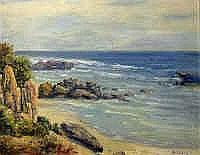 |
Allon Cook (1907-1971) Coastal Scene Oil on canvasSource blocked; provenance matched | McKenzies Auctioneers | 2010-11-23 | 20 | AUD 400 (buyer’s-premium treatment unknown) |
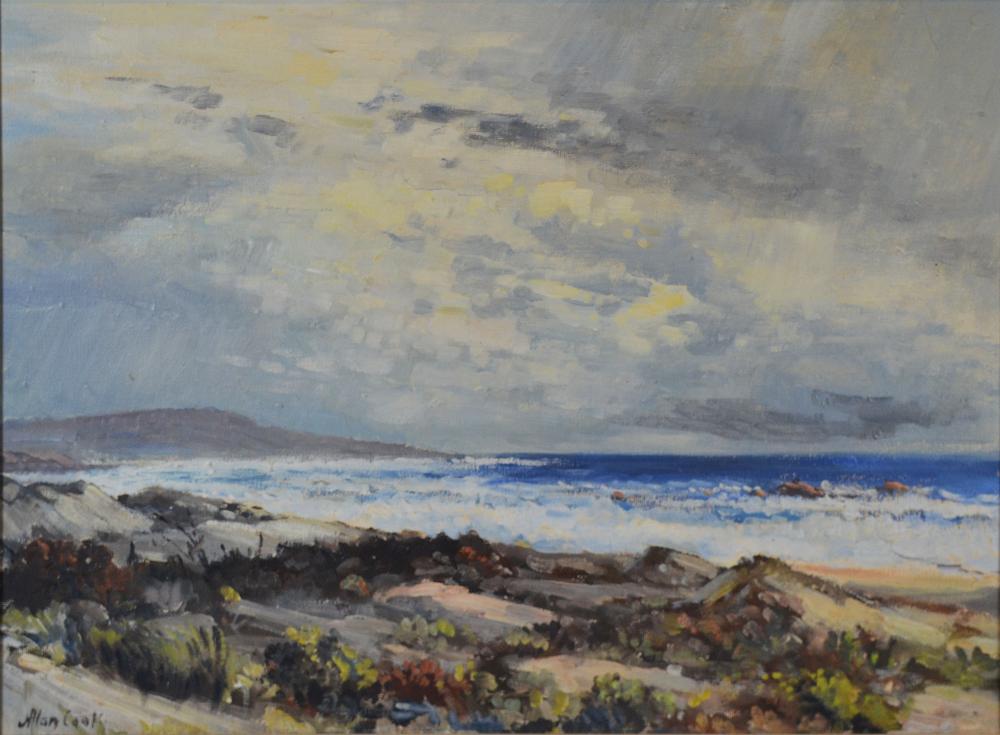 |
Allon Cook 1907--71Source blocked; provenance matched | McKenzies Auctioneers | 2022-08-09 | 16 | AUD 700 (buyer’s-premium treatment unknown) |
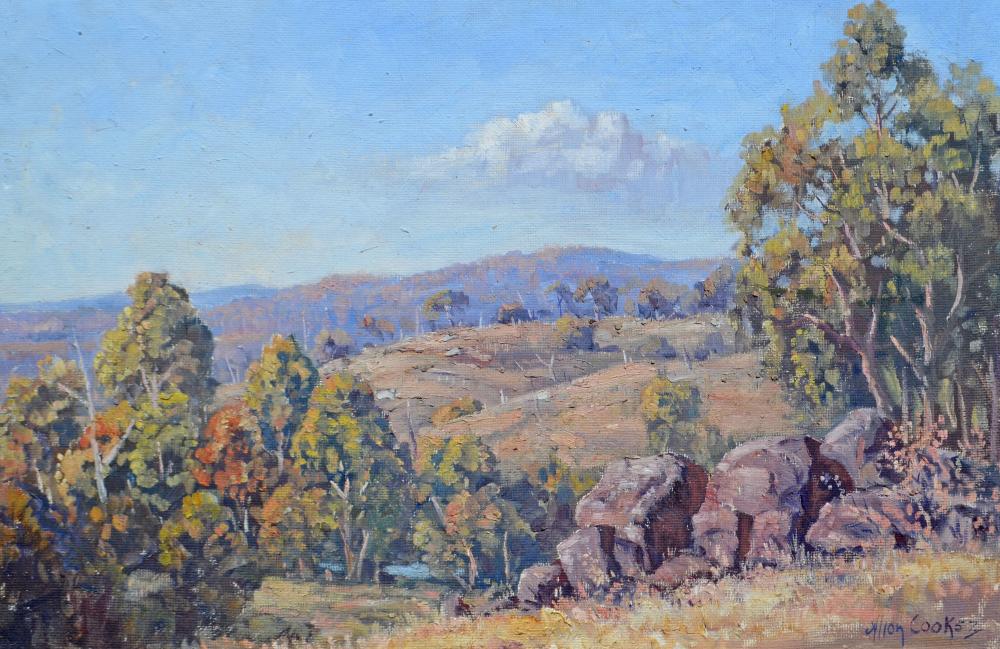 |
Allon Cook 1907 - 1971Source blocked; provenance matched | McKenzies Auctioneers | 2021-05-18 | 78 | AUD 750 (buyer’s-premium treatment unknown) |
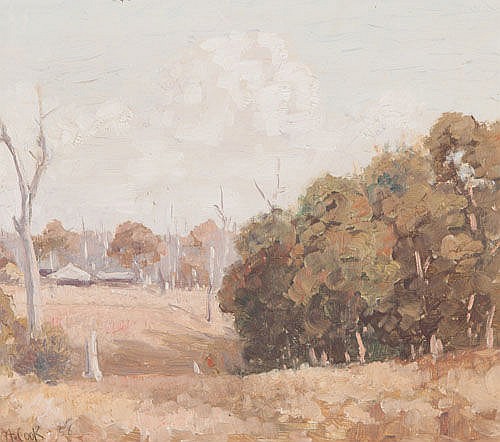 |
ALLON COOK (1907-1971)Source blocked; provenance matched | GFL Fine Art | 2014-11-26 | 206 | AUD 220 (buyer’s-premium treatment unknown) |
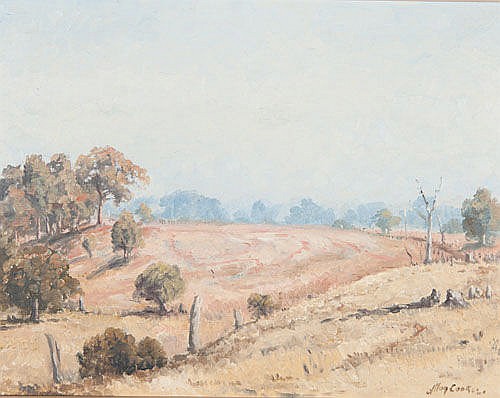 |
ALLON COOK (1907-1971)Source blocked; provenance matched | GFL Fine Art | 2014-11-26 | 170 | AUD 300 (buyer’s-premium treatment unknown) |
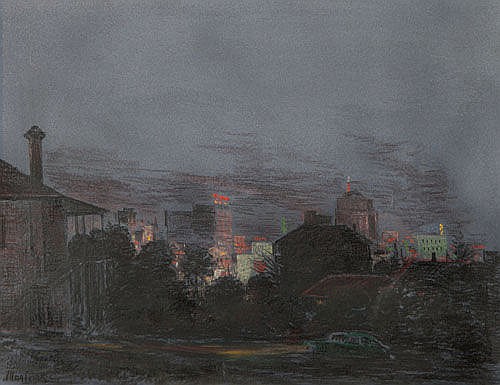 |
ALLON COOK (1907-1971)Source blocked; provenance matched | GFL Fine Art | 2014-11-25 | 52 | AUD 900 (buyer’s-premium treatment unknown) |
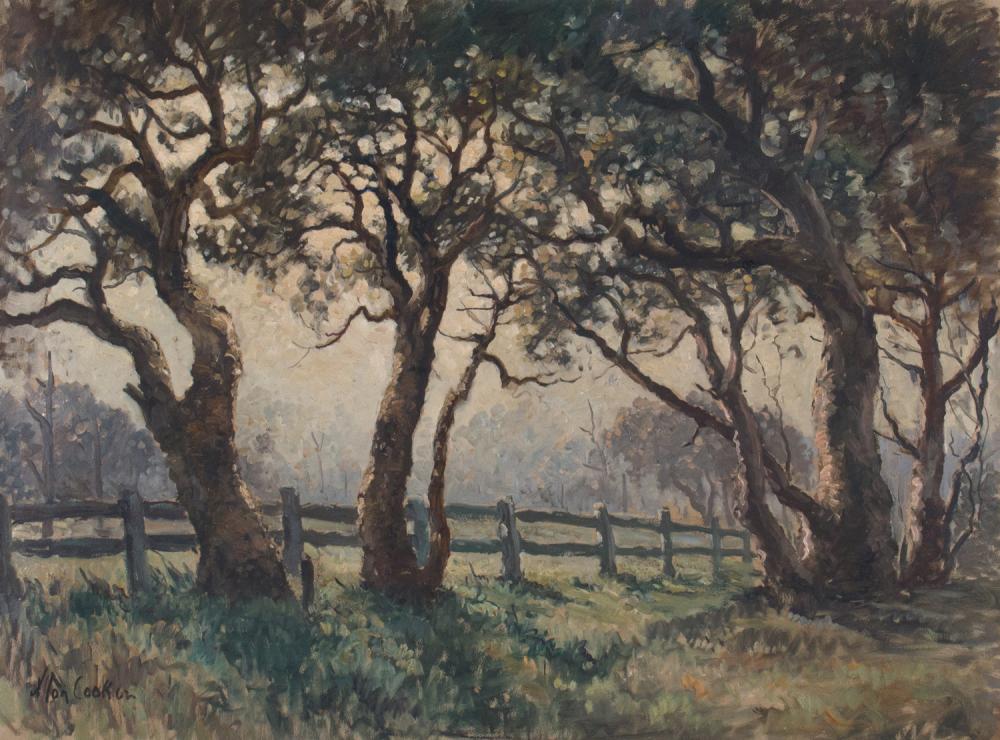 |
ALLON COOK - LANDSCAPESource blocked; provenance matched | GFL Fine Art | 2021-08-22 | 26 | AUD 1,200 (buyer’s-premium treatment unknown) |
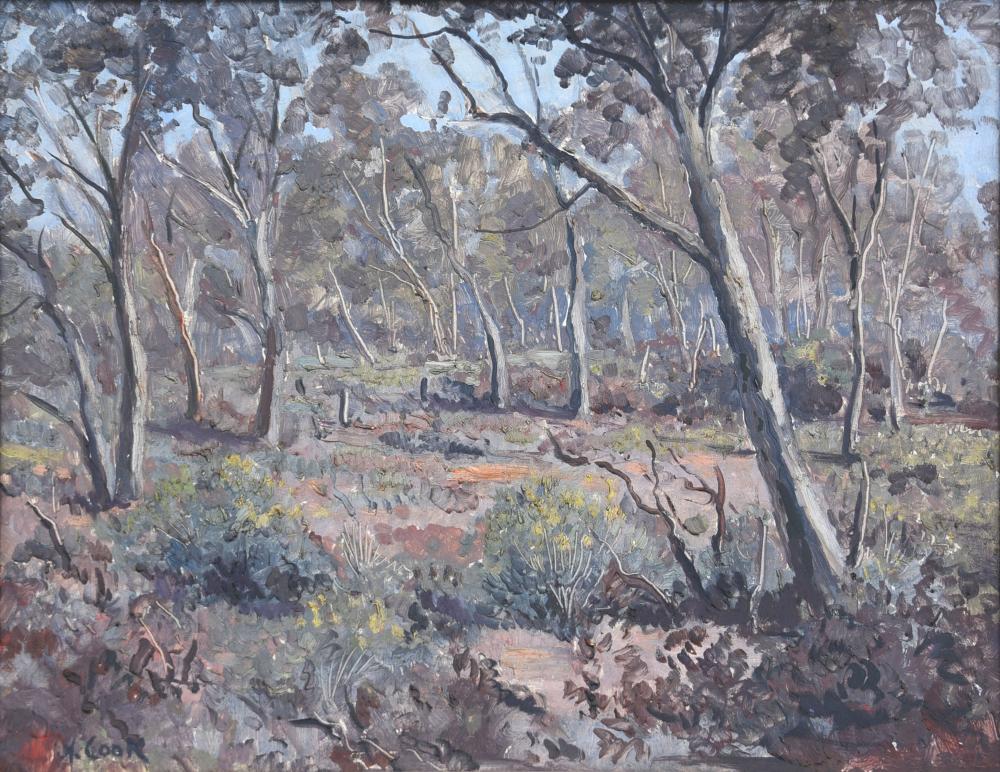 |
ALLON COOK 1907-1971Source blocked; provenance matched | McKenzies Auctioneers | 2023-05-23 | 34 | AUD 300 (buyer’s-premium treatment unknown) |
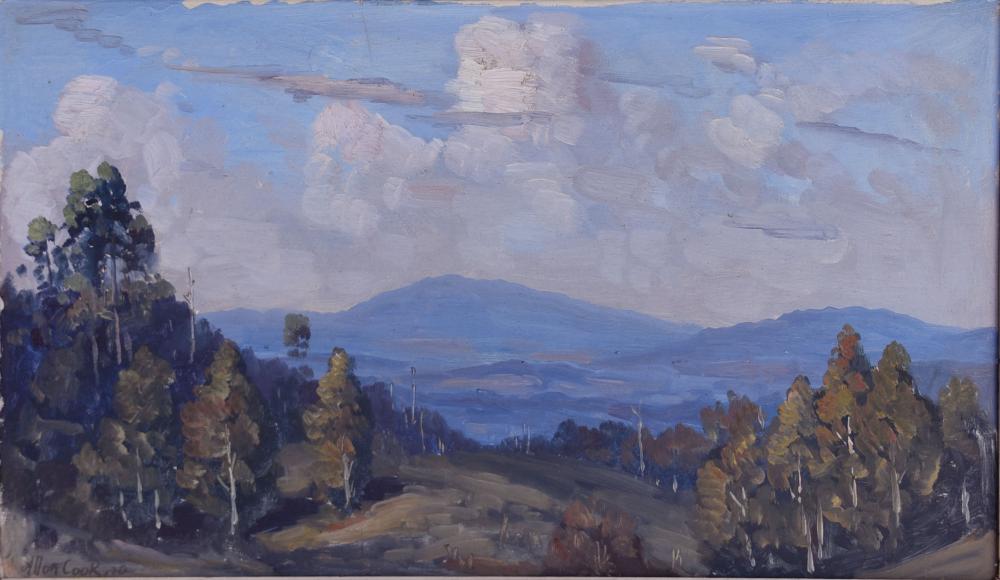 |
ALLON COOK 1907-1971Source blocked; provenance matched | McKenzies Auctioneers | 2023-05-23 | 33 | AUD 550 (buyer’s-premium treatment unknown) |
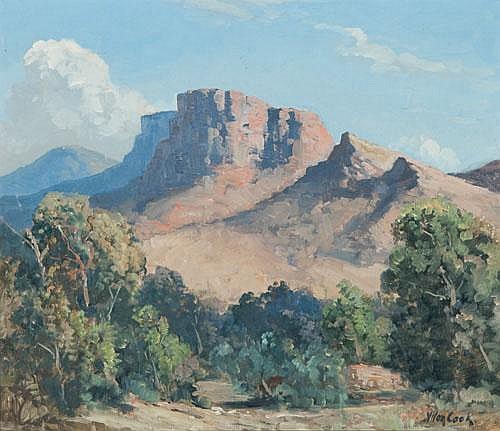 |
ALLON COOK (1907-1971) BLUFF KNOLLSource blocked; provenance matched | GFL Fine Art | 2011-11-22 | 93 | AUD 1,300 (buyer’s-premium treatment unknown) |
 |
Allon Cook (Australian, 1907-1971) 'Evening in the terrace', 12 x 15in.Source blocked; provenance matched | Gorringes | 2013-03-28 | 1957 | GBP 3,400 (buyer’s-premium treatment unknown) |
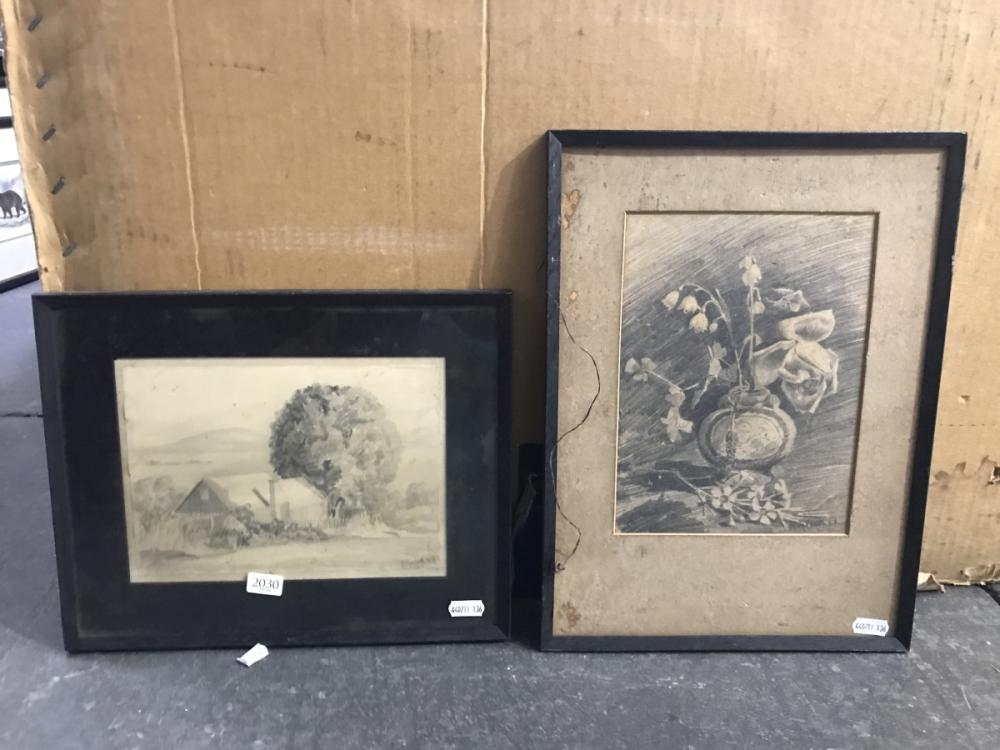 |
Allon Cook (1907 - 1971) (2 works) "Still Life, 1932 & Country Cottage, 1933" graphite on paper, 37 x 27cm;25.5 x 32cm, each signed.Source blocked; provenance matched | Lawsons | 2020-06-18 | 2030 | AUD 60 (buyer’s-premium treatment unknown) |
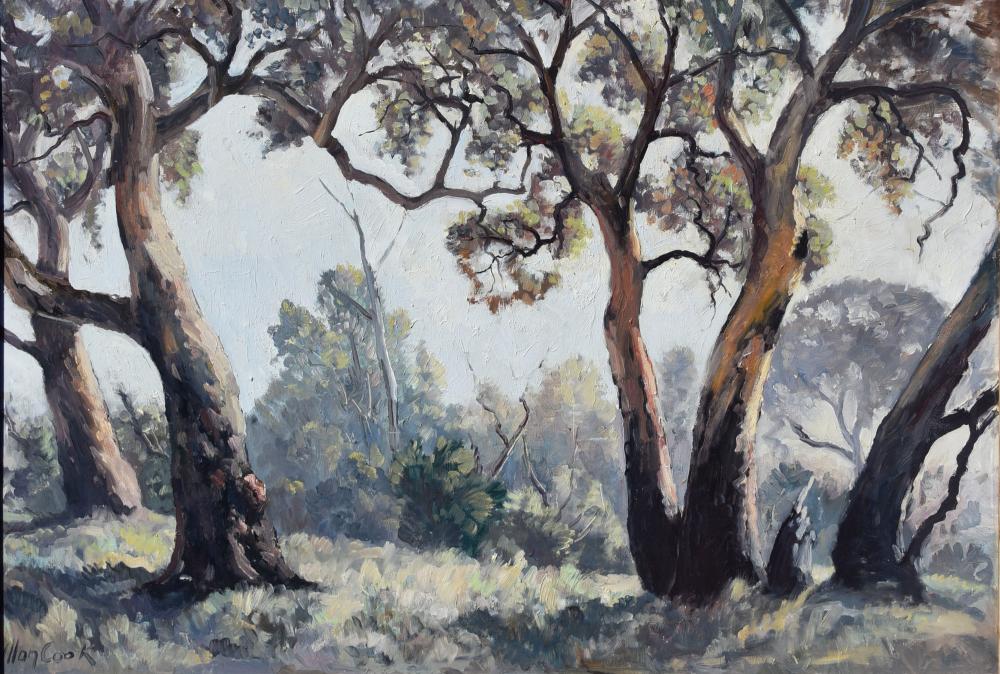 |
ALLON COOK 1907-1971Source blocked; provenance matched | McKenzies Auctioneers | 2023-05-23 | 32 | AUD 400 (buyer’s-premium treatment unknown) |
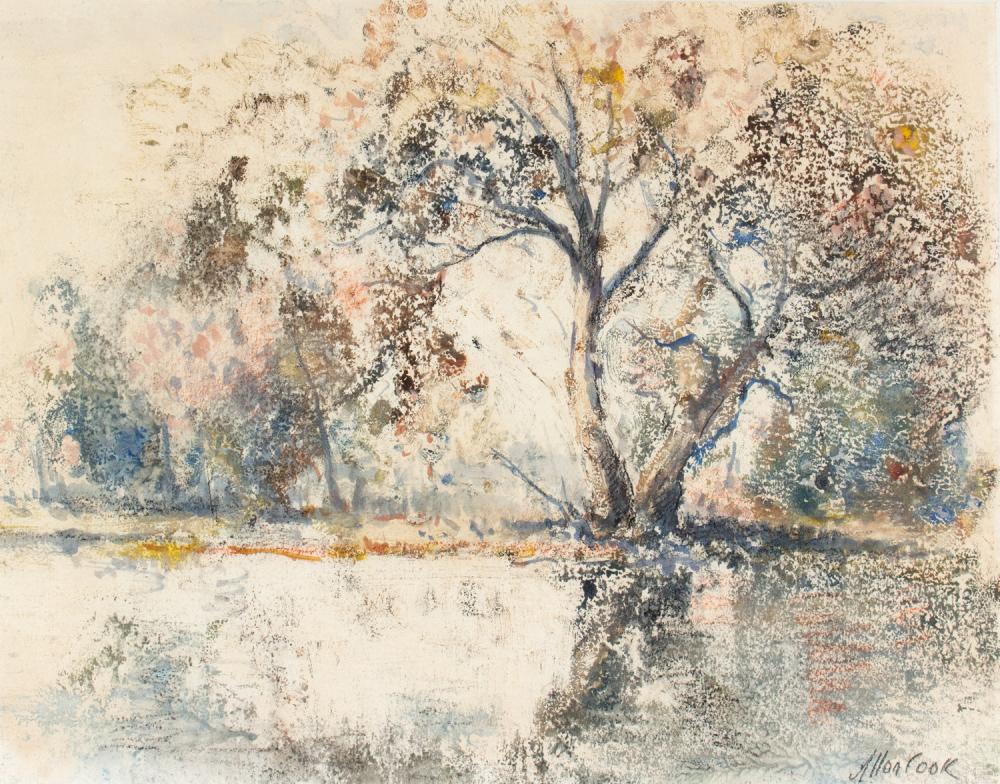 |
ALLON COOK - LAKE SCENE - MonoprintSource blocked; provenance matched | GFL Fine Art | 2023-04-27 | 167 | AUD 120 (buyer’s-premium treatment unknown) |
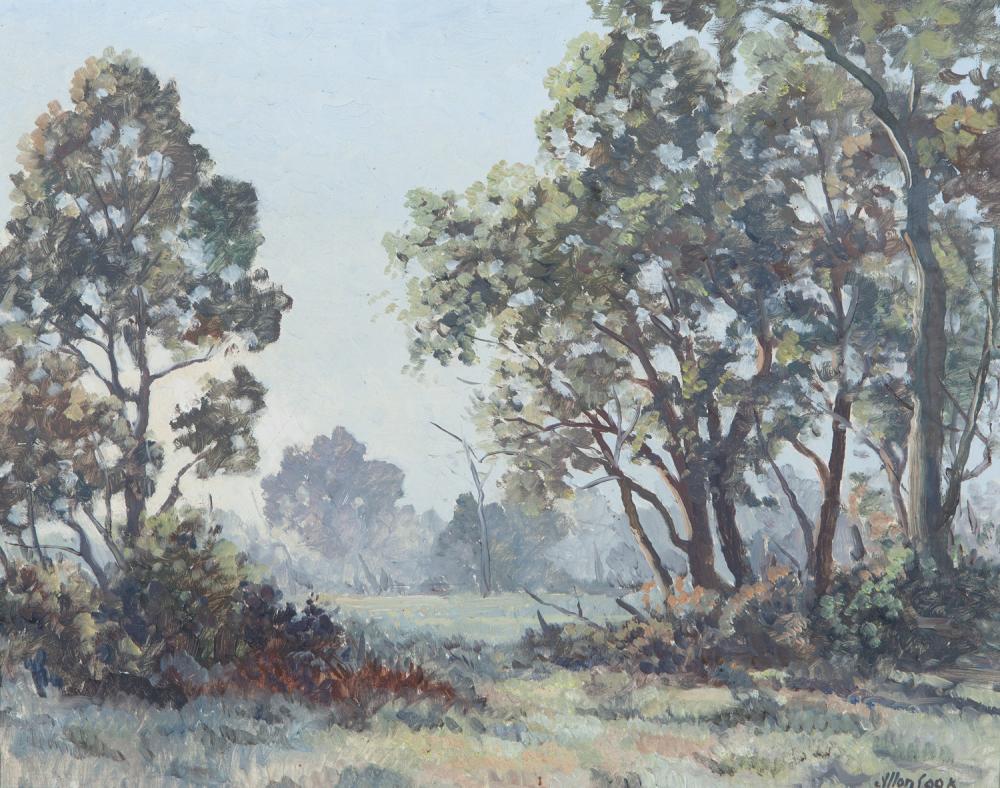 |
ALLON COOK - THE CLEARING - OIL ON BOARDSource blocked; provenance matched | GFL Fine Art | 2025-05-20 | 96 | AUD 450 (buyer’s-premium treatment unknown) |
How these auction records were verified
Each row retains its exact source URL, lot identity, retrieval time, access result, and immutable record hash. Live source access was blocked; the exact record matched Appraisily's immutable pipeline provenance. Inspect the public comparable provenance record.
Comparable images are shown at thumbnail scale with source links. Request image review or removal.
Disclosure: prices are shown as reported by auction houses and are provided for appraisal context. Learn more in our editorial policy.
Free instant estimate
Not sure if your painting is worth appraising? Let us take a look.
Upload a photo, tell us what you know, and get a free first read. If a full appraisal makes sense, we will say so.
Free. No card needed. Takes about two minutes.