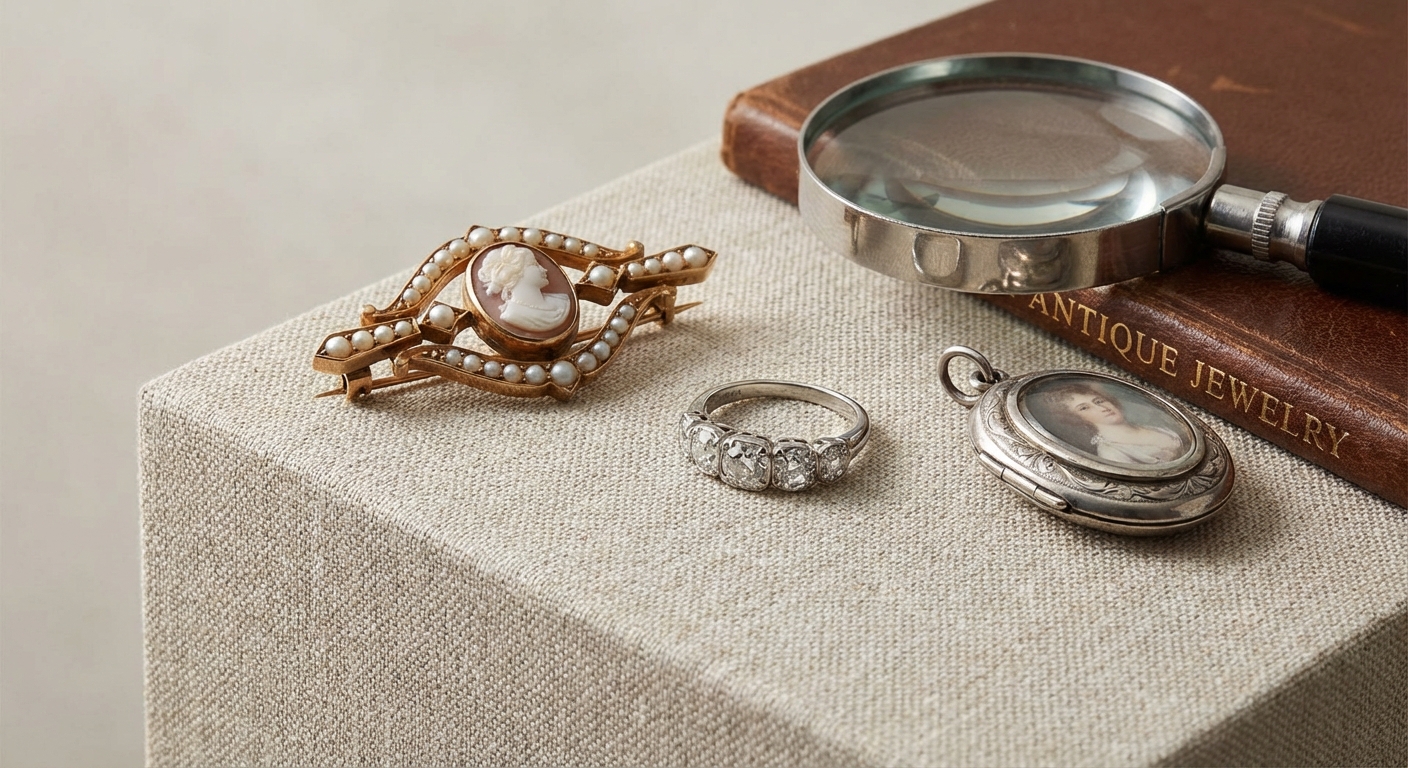
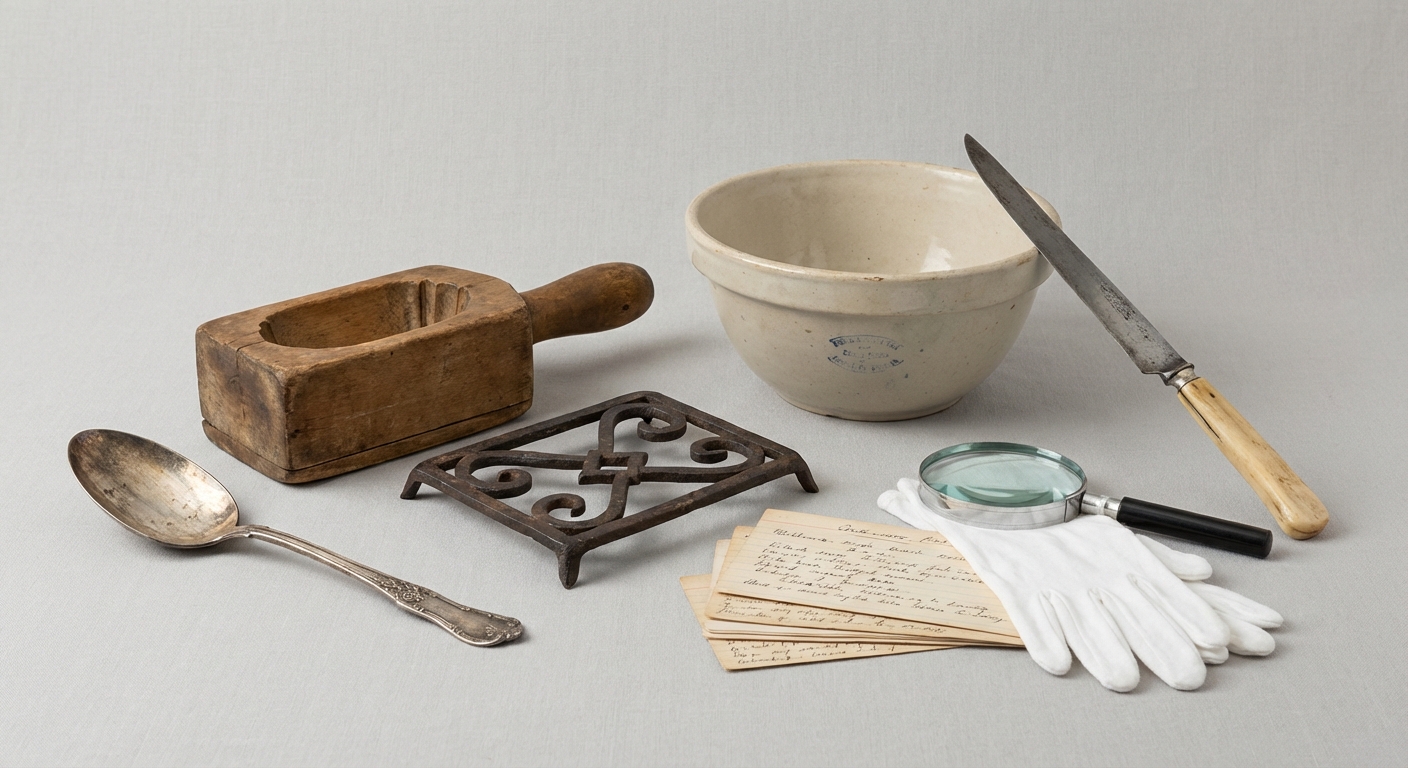
Advanced art and antique appraisal basics
Advanced appraisal work combines scholarship, material inspection, provenance research, market analysis, and reporting discipline. The goal is not just a number; it is a value conclusion that can be explained, reviewed, and relied on.
Use this framework for higher-risk objects, insurance files, estate work, donation decisions, disputed attribution, and collection planning. The more consequential the decision, the more important it is to document each assumption and source.
Free first read
Check attribution, condition, provenance, and comps before ordering a report
Upload full-object photos, detail images, marks, condition issues, measurements, provenance, and the decision you need to make. The free screener can identify the next evidence gap.
Start with a free screener. Use a signed report when you need insurance, estate, donation, resale, or formal documentation.
How We Research Valuation Data
Our appraisal guides are based on auction results, dealer pricing data, and professional appraiser insights. We may earn a commission when you use our free screener. Learn about our editorial standards.
Six pillars of a defensible appraisal
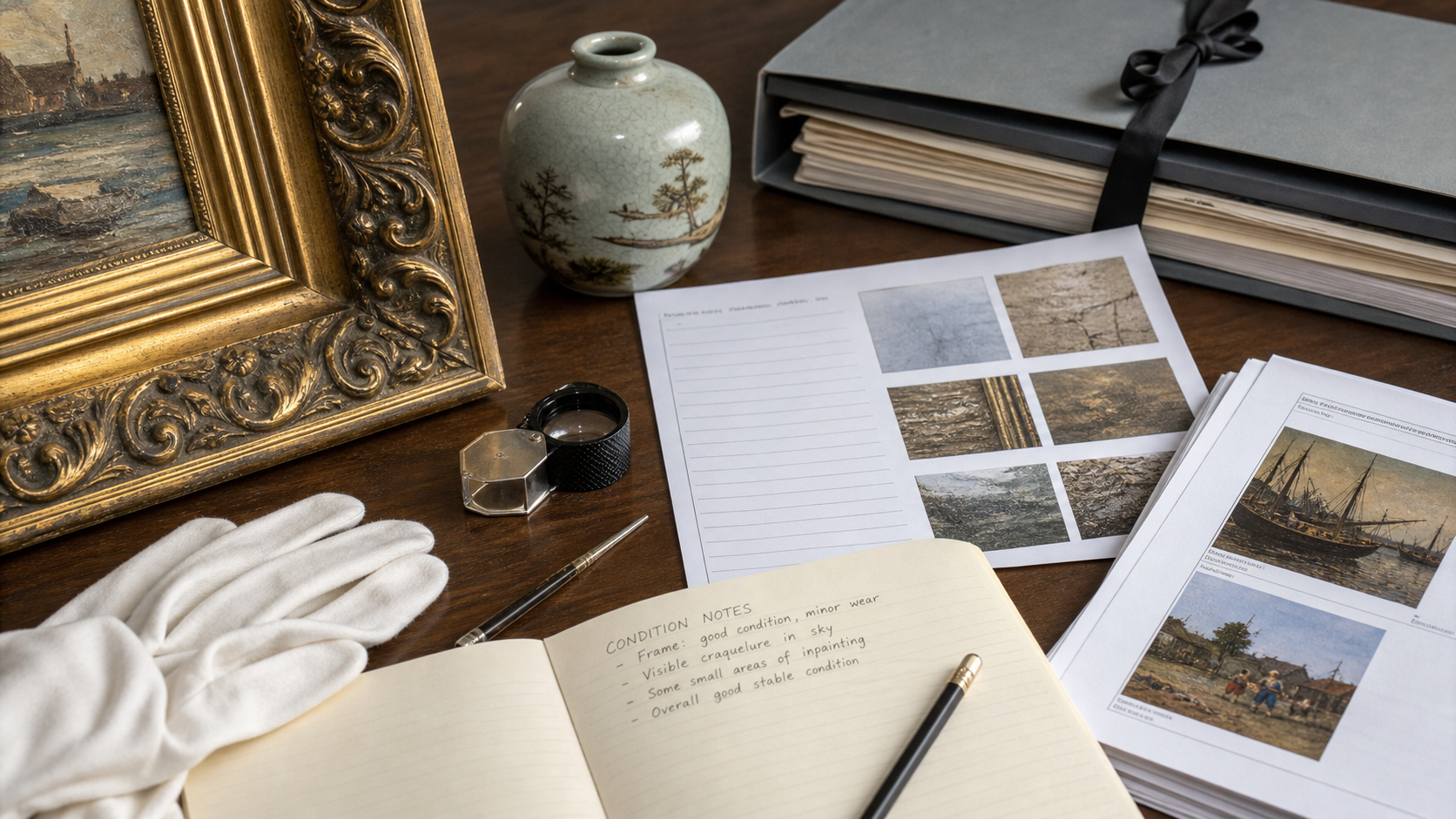
- Identification: category, maker or artist, materials, dimensions, date, marks, and attribution level.
- Authentication: material consistency, stylistic fit, expert opinions, and proportionate testing.
- Condition: damage, restoration, repairs, completeness, stability, and inspection limits.
- Provenance: ownership chain, invoices, labels, prior sales, exhibitions, and title concerns.
- Market analysis: comparable sales, value type, market level, adjustments, and timing.
- Reporting: scope, intended use, intended users, assumptions, limiting conditions, and workfile support.
Note: We couldn’t find relevant auction comps in our database for this topic right now. If you’re valuing a specific item, try searching by maker/model/material and we’ll expand coverage over time.
What similar items actually sold for
To help ground this guide in real market activity, here are recent example auction comps from Appraisily’s internal database. These matched sales are market context only, not an object estimate or identification, and they do not guarantee a price for your specific advanced art antique.

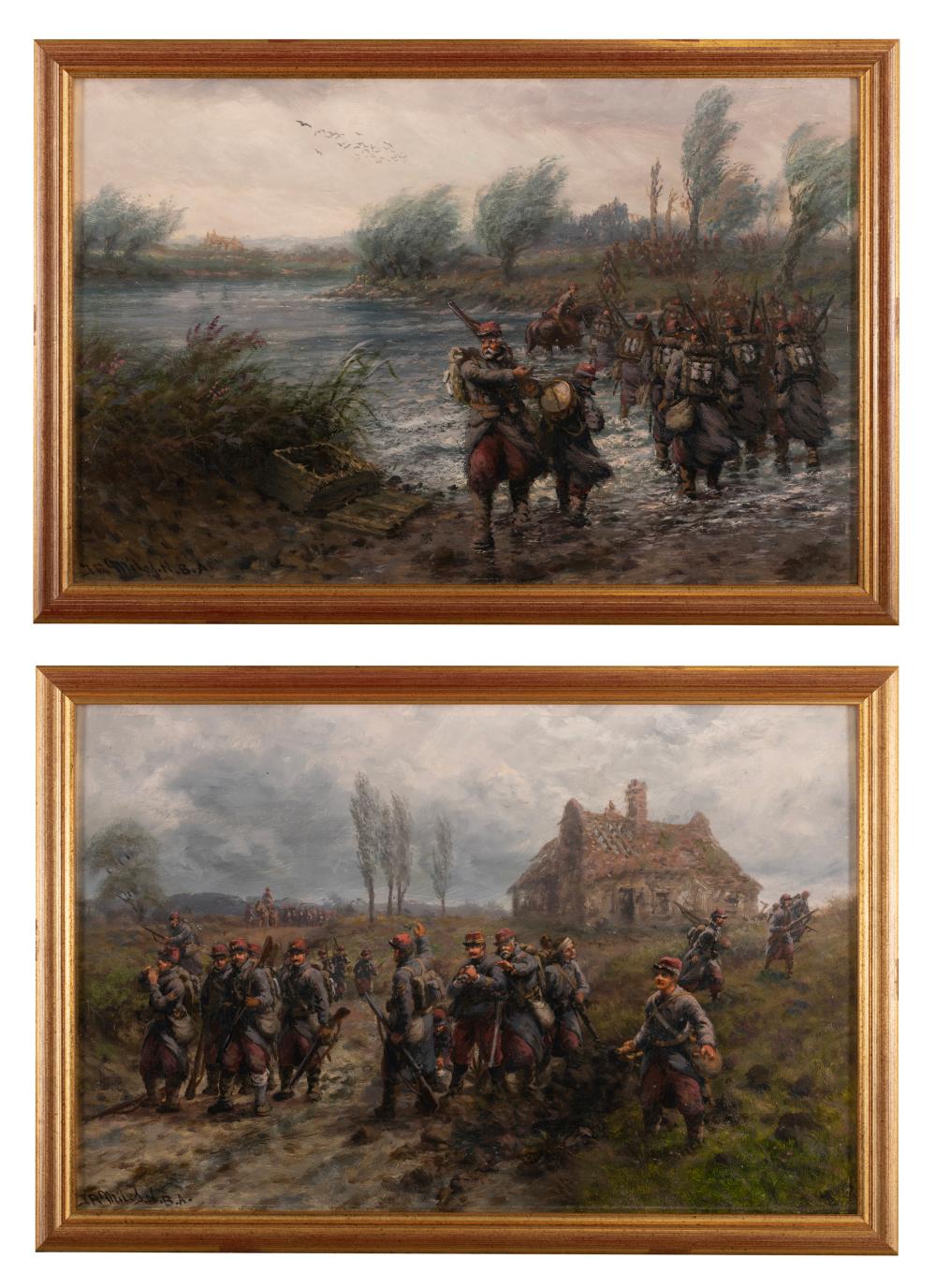

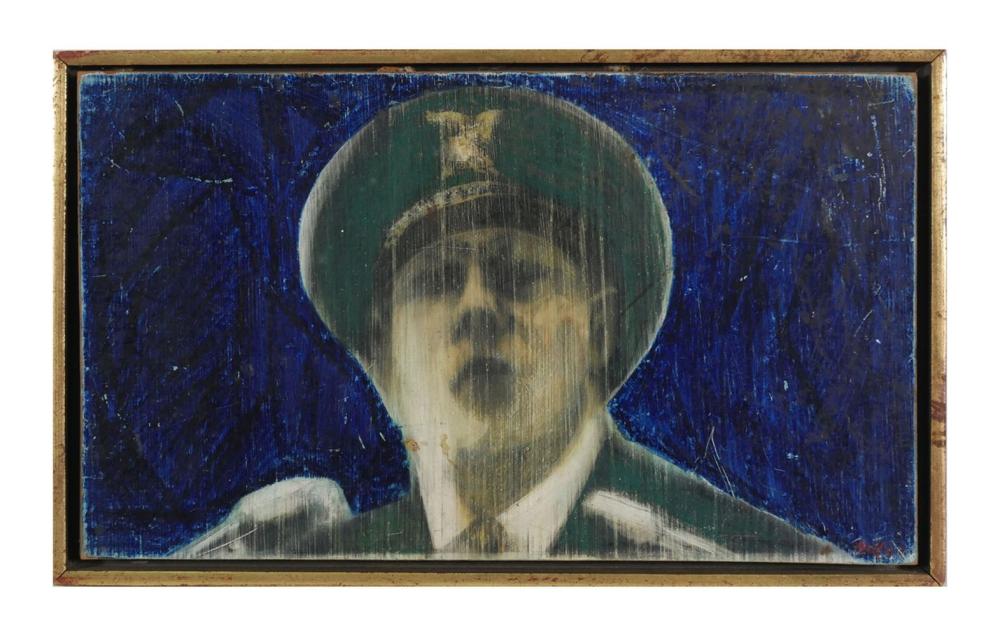
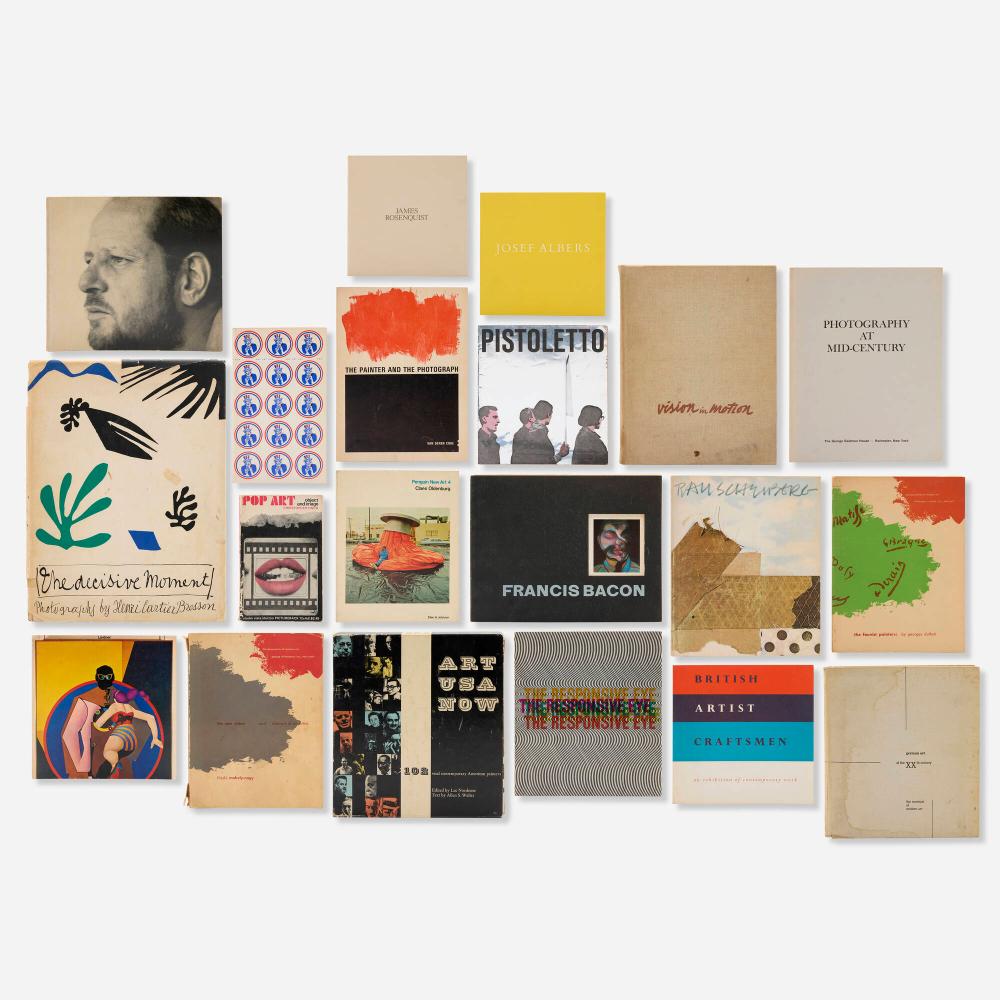
How these auction records were verified
Each row retains its exact source URL, lot identity, retrieval time, access result, and immutable record hash. Inspect the public comparable provenance record.
Disclosure: prices are shown as reported by auction houses and are provided for appraisal context. Learn more in our editorial policy.
Market analysis and value definitions
Choose the value type before choosing comps. Fair market value, retail replacement value, auction estimate, and orderly liquidation value describe different markets and assumptions. Explain why each comp is relevant and how condition, provenance, quality, and venue change its weight.
Ethics, standards, and reporting
Advanced reports should state competency, independence, intended use, intended users, effective date, inspection limits, assumptions, and certification. Keep the workfile: photos, notes, documents, comparable sales, correspondence, and testing records.
Search variations people ask
Collectors often search these advanced appraisal questions:
- advanced art appraisal guide authentication provenance
- antique appraisal comparable sales condition report
- what makes an appraisal defensible
- USPAP art appraisal report requirements
- how provenance affects antique value
- scientific testing for art authentication appraisal
- fair market value vs replacement value antiques
- appraisal workfile evidence checklist
Each question maps to the appraisal framework above.
References
Wrap-up
Advanced appraisal work is strongest when every claim can be traced to evidence: object facts, material analysis, condition, provenance, comparable sales, value definitions, and reporting standards. Build the file first; let the value conclusion follow.