Mid-20th-Century Impressionist Paris Painting Appraisal: appraisal and value basics
Mid-20th-Century Impressionist Paris Painting Appraisal research should start with identification, condition, provenance, and recent comparable sales. Use this guide to compare the signals that matter before paying for a formal appraisal or deciding whether to sell.
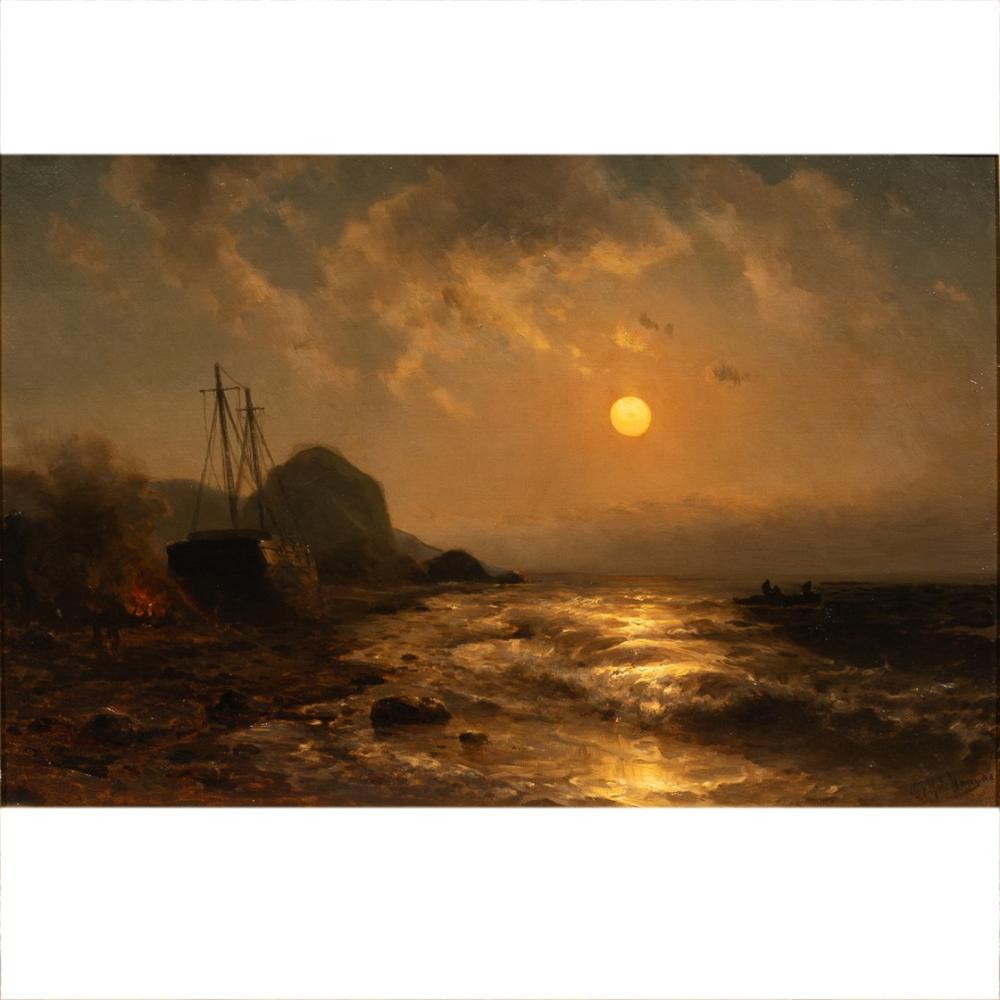
A Circa Mid 20th Century Impressionist Paris Street Scene Painting
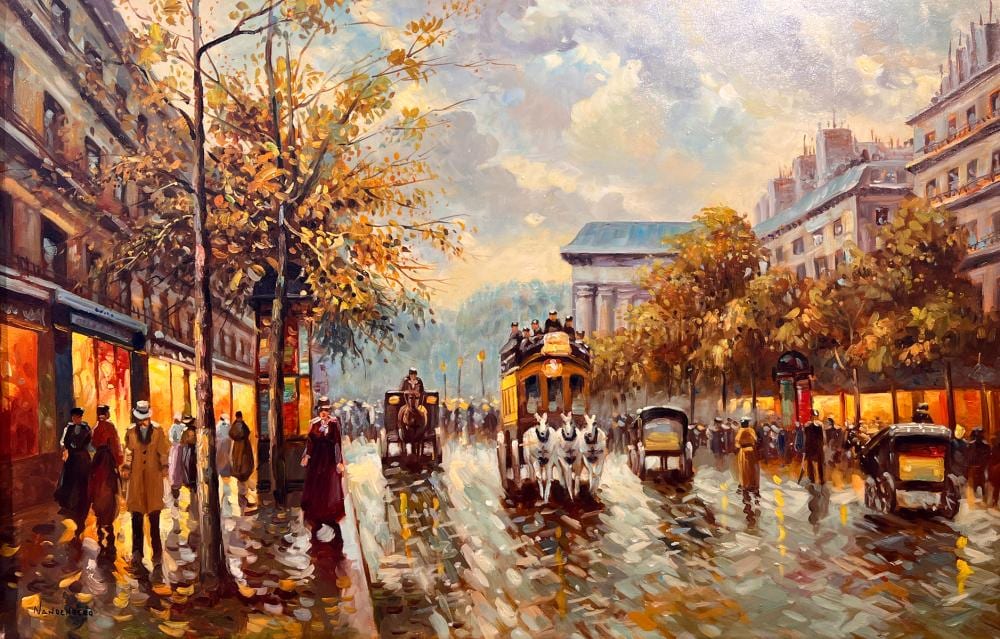
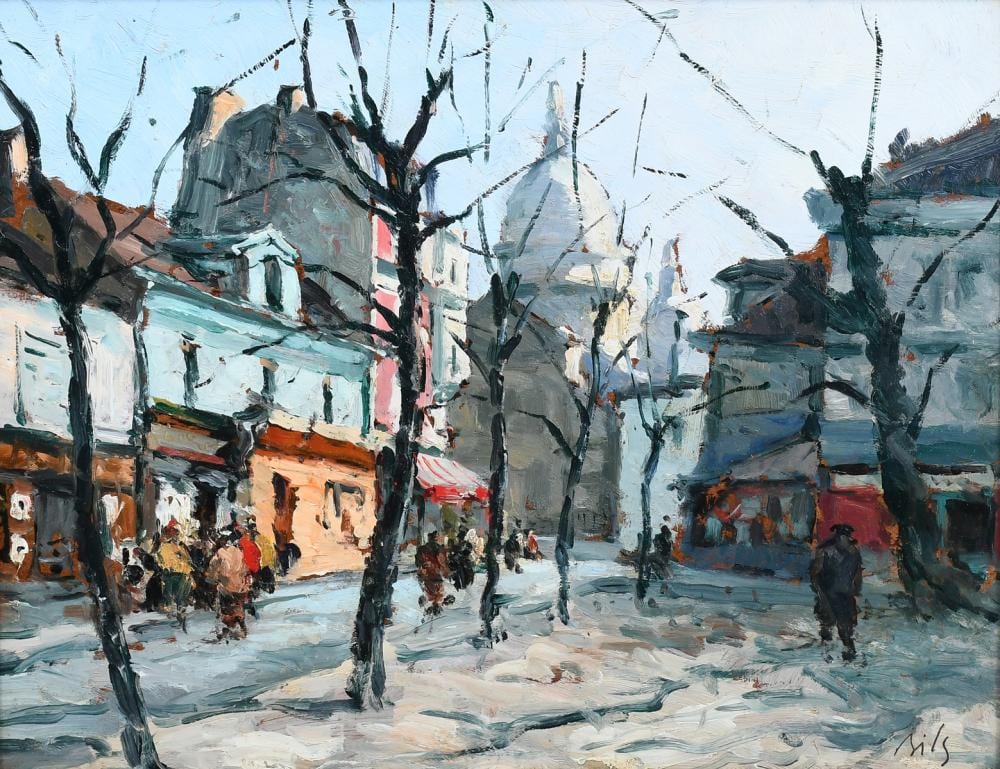
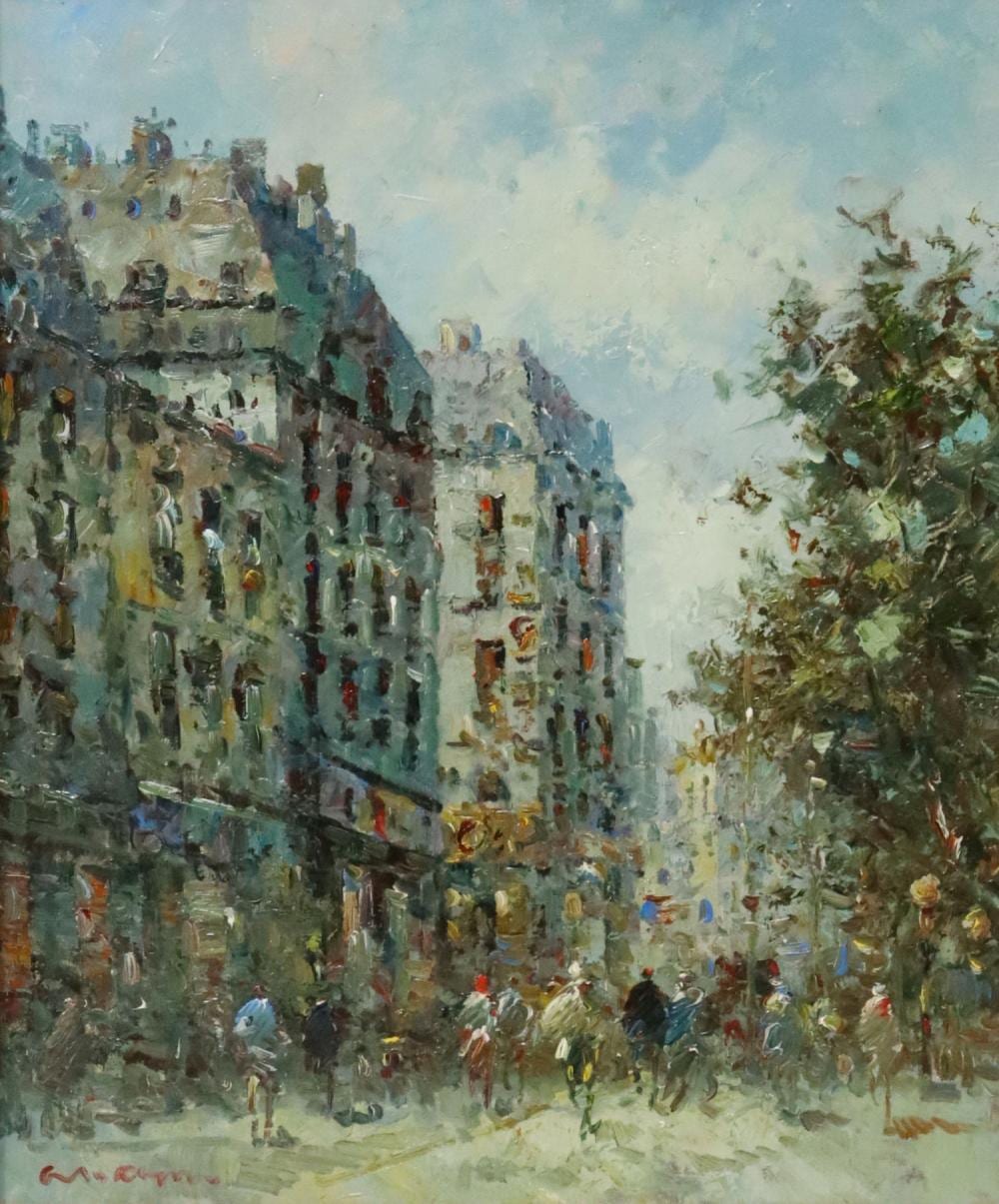
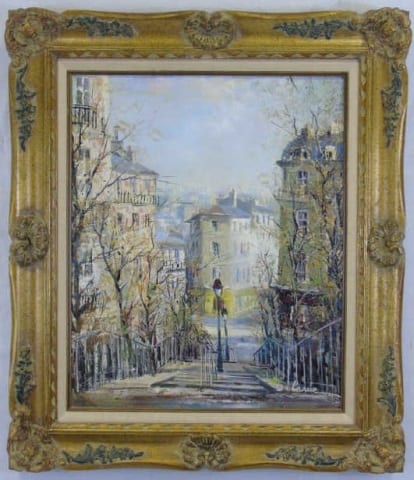
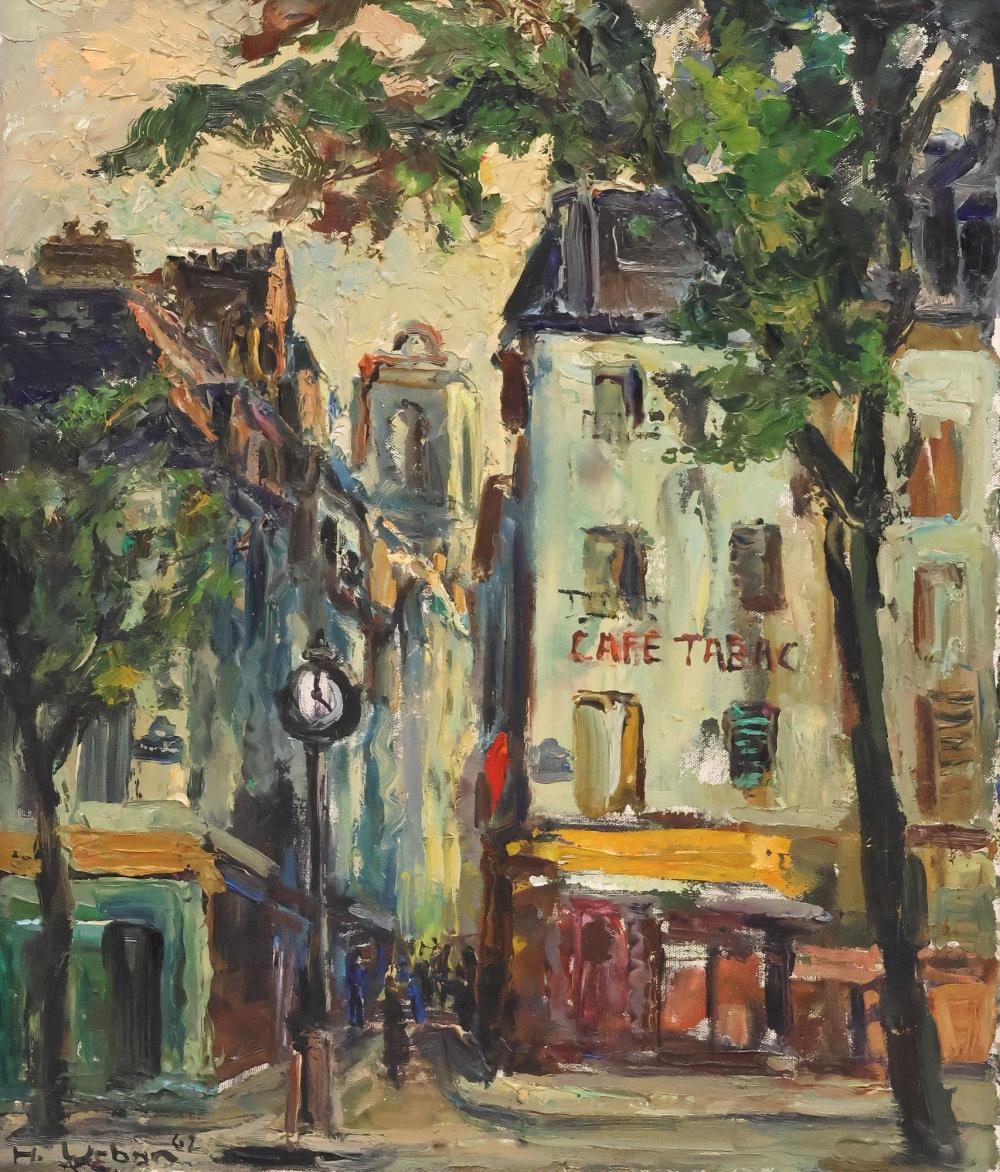
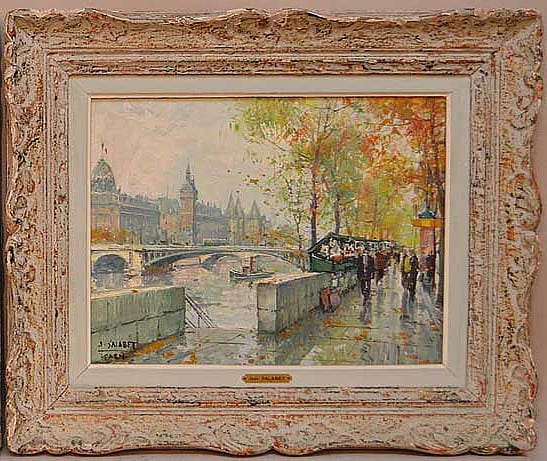
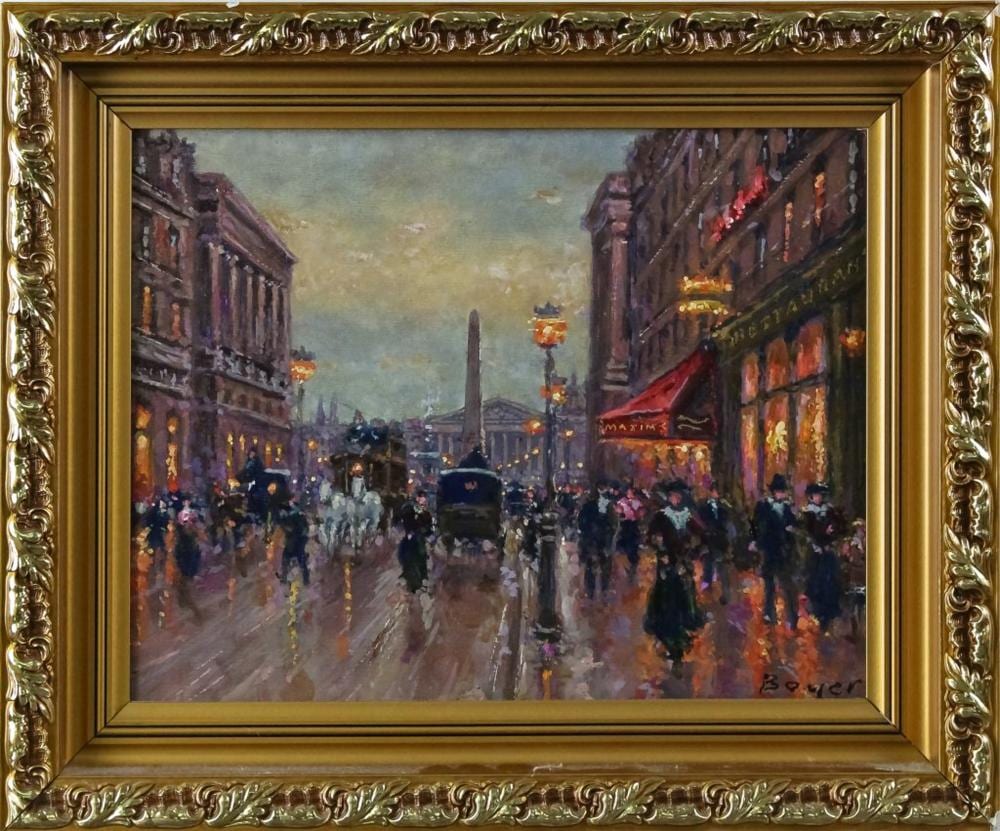
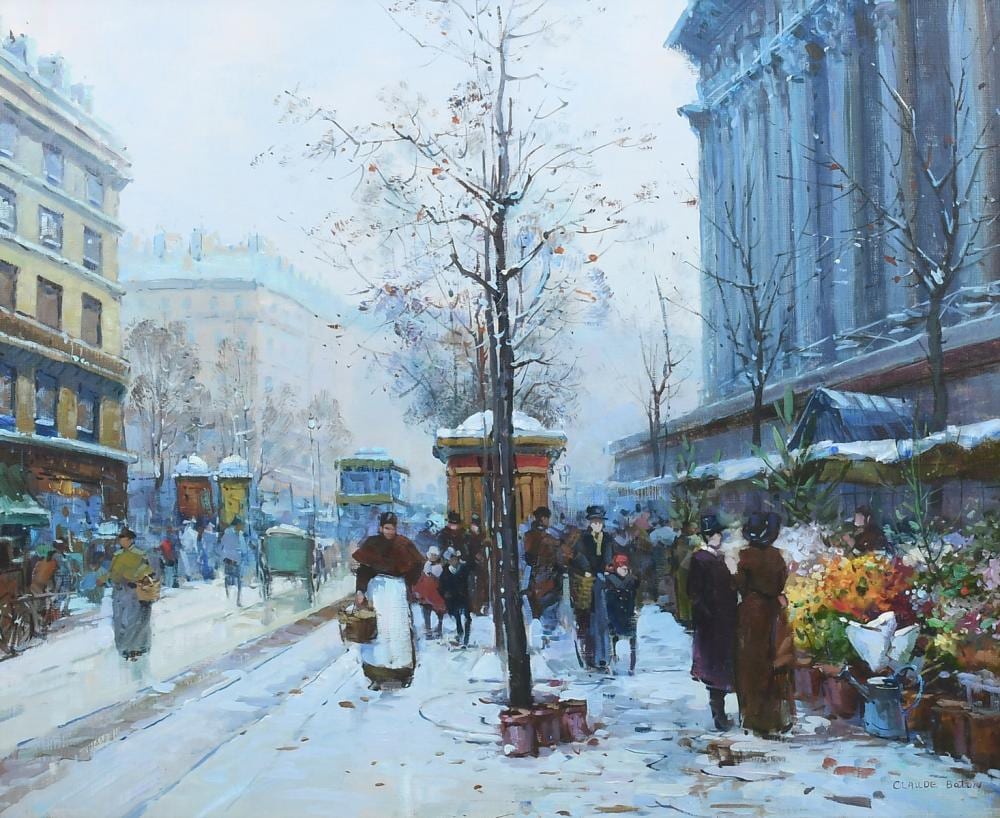
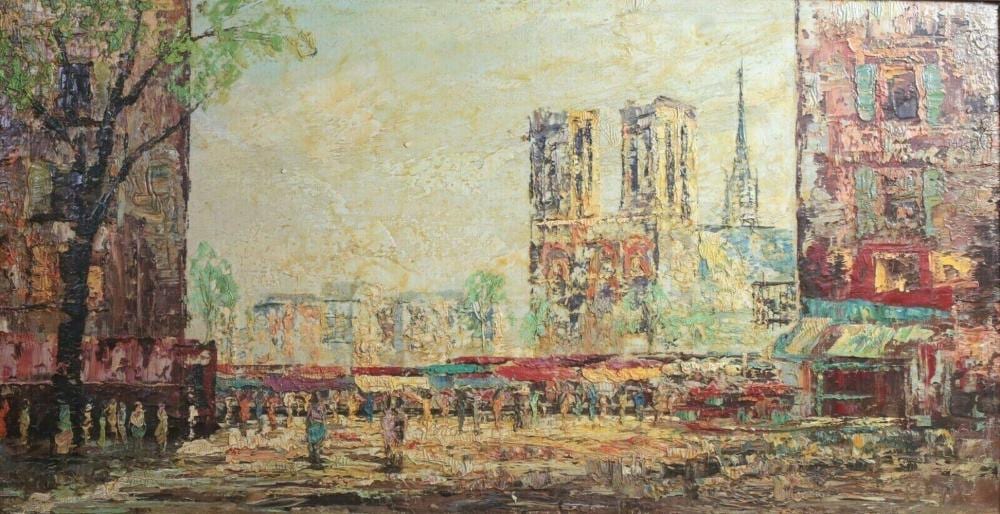
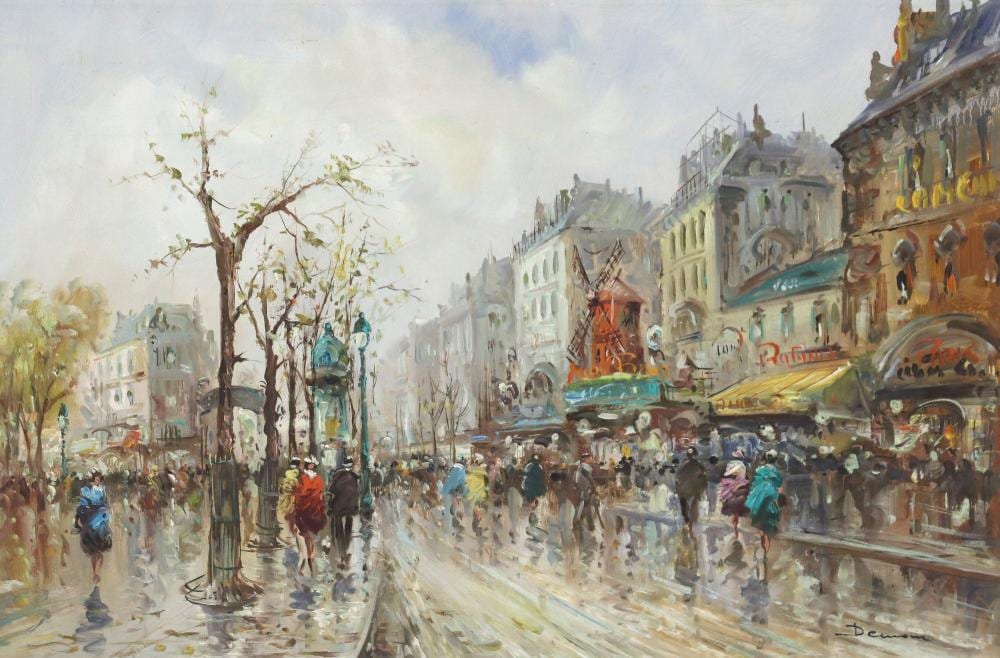
Mid-20th-century Impressionist views of Paris—rain-dappled boulevards, glowing shopfronts, elegant figures under umbrellas—remain a perennial collecting category. They straddle décor and investment, from Place du Tertre souvenir oils to serious works by listed artists who built on the legacy of the École de Paris. This guide walks appraisal-minded readers through what to look for: subject and style, dating clues, materials and construction, condition nuances, attribution pitfalls, and realistic market tiers.
What “mid-20th-century Impressionist Paris street scene” usually means
- Subject matter: Urban Parisian motifs—Boulevard des Capucines, Place de l’Opéra, Place Vendôme, Avenue de l’Opéra, Pont Neuf, Notre-Dame, Sacré-Cœur/Montmartre, flower markets, café terraces, and rainy evening streets with reflections. Horse-drawn carriages sometimes appear anachronistically, added for charm.
- Period: Approximately 1940s–1970s. Earlier scenes (1890s–1930s) inspired these works, and many mid-century painters worked in consciously “belle époque” modes.
- Style: Painterly handling influenced by late Impressionism and Post-Impressionism—loose brushwork or palette-knife impasto, atmospheric haze, warm lamplight, and wet pavement highlights. Color palettes often feature umbers and ochres offset by cobalt/ultramarine greys and cadmium reds/yellows.
- Typical formats: Oil on canvas or oil on panel (plywood, masonite); sizes from cabinet pictures (8 x 10 in) to mantelpieces (20 x 24 in), with panoramic streetscapes around 15 x 22 in common.
Commonly encountered names
- Listed and sought-after: Edouard Cortes (1882–1969), Antoine Blanchard (pseudonym of Marcel Masson, 1910–1988), and earlier Eugene Galien-Laloue (1854–1941; often gouache). Maurice Utrillo’s Montmartre views are a separate, more naïf lineage.
- Followers and workshop/school: Jean Salabet, Andre Gisson, Constantin Kluge (a bit later), and numerous single-name signers (e.g., “J. Pierre,” “Joly,” “Dupre”) producing export/souvenir works.
- Market reality: A large percentage of paintings in this category are decorative, competent, and unsigned or signed with lesser-known names. A smaller percentage are by listed artists with established auction records.
Materials and construction clues that help date and assess
Supports and maker stamps
- Canvas: French prepared linens often bear faint purple/blue ink stamps on the reverse—terms like “Toile de Lin,” “Pur Lin,” “Extra-Fin,” “Lefranc & Bourgeois,” “Sennelier,” “Blockx.” Mid-century stamps are useful but not definitive; stamps can be obscured by lining or grime.
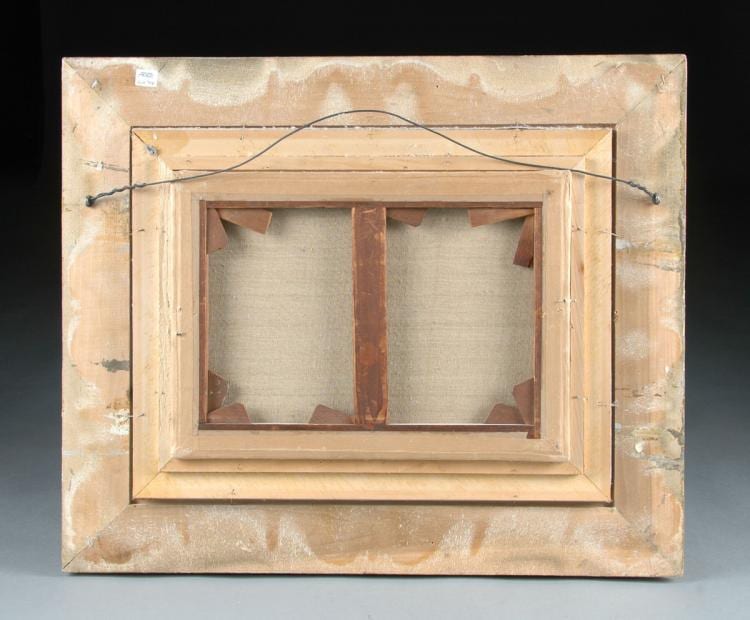
- Stretcher: “Châssis à clés” (keyed stretchers) with four corner mortises and small wooden wedges are typical. Beveled inner edges reduce canvas abrasion. Factory chamfers and modern metric sizing suggest later 20th century; hand-cut, irregular stretchers lean earlier.
- Panels: Masonite/hardboard edges oxidize dark brown; plywood reveals plies. French mill stamps or retailer labels on the back can help place and date.
- Nails/tacks: Mid-century canvases more often use staples or machine-cut tacks; square forged tacks suggest pre-1900.
Grounds and paint
- Ground: Off-white to warm-toned oil or acrylic-primed grounds. Acrylic-primed canvases become more prevalent in the 1960s–70s.
- Handling: Palette-knife ridges (distinct, sharp peaks) vs. brush impasto (rounded). Many Paris street scenes exhibit knife-laid highlights in puddles and lamplight, with brisk brush for figures and carriages.
- Varnish: Natural dammar/yellowing, sometimes with faint crackle and “bloom” (whitish haze), appears on mid-century pieces. Synthetic varnishes (post-1960s) may remain clearer and fluoresce differently under UV.
Frames and labels
- Frames: French Montparnasse frames (carved gessoed wood with stylized leaf/rosette motifs) were popular between the 1920s–40s but were reused later; mid-century also embraced simple gilt composition frames and narrow parcel-gilt profiles. Export-market paintings may have lighter, machine-made frames.
- Labels: Look for gallery or salon labels in French (Salon d’Automne, Salon des Indépendants) or numeric inventory stickers. These can anchor provenance.
Inscribed details
- Titles and notations: Pencil or ink inscriptions on the stretcher—“Boulevard des Capucines,” “Place du Tertre,” or “Paris, soir de pluie”—feel authentic when aged and in French. Fresh felt-tip writing is a red flag for later additions.
Attribution: distinguishing a listed artist from the “school of”
Signatures and handwriting habits
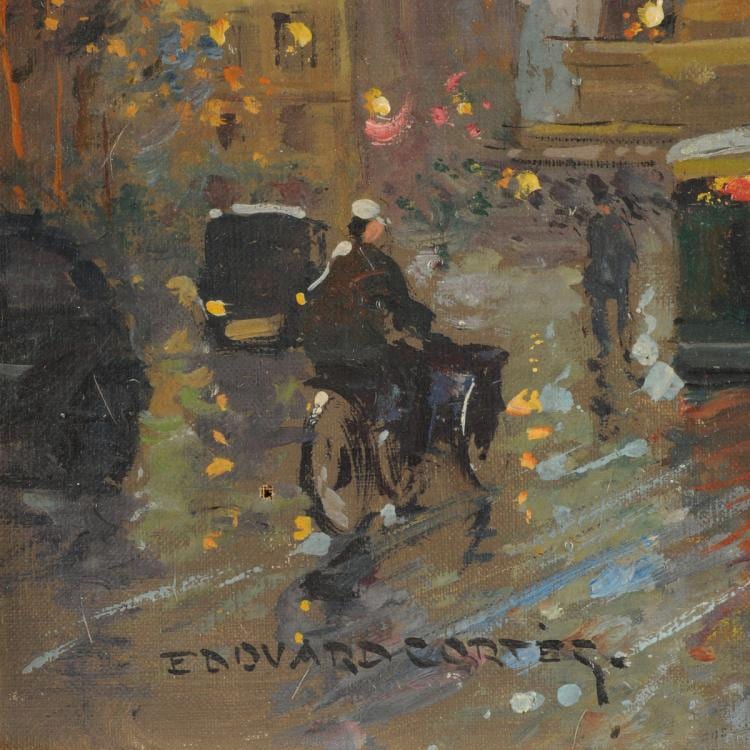
- Edouard Cortes: Usually “E. Cortes” at lower right/left, measured hand with a firm, slightly angular script; lighting reflections and umbrella-bearing figures are hallmarks. He produced variants of key views across decades.
- Antoine Blanchard: Signed “Antoine Blanchard,” sometimes with a modest flourish. He painted bustling Haussmann boulevards with strong evening glow and crisp knife work in lighted shopfronts. Workshop and imitators abound.
- Galien-Laloue: Most often gouache on card; numerous pseudonyms (e.g., “L. Dupuy”). If you see an “oil on canvas Galien-Laloue,” scrutinize carefully—it may be a later attribution or homage.
Comparing touch and construction
- Consistency: Review architectural drawing, figure proportions, and traffic of light reflections—listed artists repeat idiosyncrasies. For example, Cortes’s wet pavement highlights are meticulously structured; Blanchard’s lamplights pop against cooler dusk planes.
- Scale and quality: Top-tier examples show compositional depth and atmospheric recession, not just busy foreground activity. Lesser workshop pieces can feel crowded and shallow.
- Materials coherence: A claimed 1940s Cortes should not sit on synthetic primed canvas with a 1970s retail sticker; incongruities can signal misattribution.
When to seek expert confirmation
- Works with high-value signatures (Cortes, Blanchard, Utrillo) merit authentication. Comparative signature analysis, period photo archives, and known dealer inventories help. Auction house specialists and artist foundations (where extant) provide the most reliable opinions.
Condition: typical issues and how they affect value
Paint film and varnish
- Craquelure: Even, age-appropriate craquelure is normal; wide, lifting cracks, cupping, or active flake loss are condition liabilities.
- Bloom/blanching: Whitish haze in varnish from humidity diminishes color saturation but can often be reversed in conservation.
- Overpaint: UV light reveals retouching; broad, milky fluorescing areas indicate larger restorations. Discreet, well-matched inpainting is acceptable; heavy overpaint lowers desirability.
Support and structural concerns
- Lining: Mid-century canvases may have been lined (glued to new fabric). Professional linings are not fatal to value; invasive heat linings with texture loss are.
- Deformations: Sagging canvases, stretcher bar marks, or corner tears reduce value and complicate display.
- Frames: Original or period-appropriate frames, especially Montparnasse types, positively impact presentation and often resale.
Surface cleanliness
- Deposits: Nicotine film and urban grime veil chroma; improper cleaning can burnish impasto. Leave solvent work to conservators; dry dusting with a soft brush is safe.
Condition’s effect on value
- Top-flight, listed works tolerate routine aging but suffer for major structural repairs. Decorative pieces drop sharply with condition problems because buyers have ample alternatives.
Market signals and realistic value tiers
As a category, Paris street scenes span from entry-level décor to serious collecting. Pricing fluctuates by artist, size, composition quality, condition, and provenance.
Typical ranges encountered at regional auctions and reputable dealers (guidance only)
- Decorative/souvenir oils (unsigned or lesser-known names, 1950s–1970s): Small to medium works often range from a few hundred to around a thousand, with especially charming compositions occasionally higher.
- School of Blanchard/Cortes (competent followers, attractive scenes, decent size): Commonly in the low four figures, sometimes mid-four figures for standout examples with good frames and condition.
- Antoine Blanchard (authentic): Frequently from a few thousand into the high four figures; larger, more elaborate boulevard scenes in excellent condition can exceed that.
- Edouard Cortes (authentic): A wide band—from several thousand into the mid-five figures for prime compositions with exhibition-quality lighting and movement.
- Galien-Laloue (mostly gouache): Typically mid-to-high four figures for fine gouaches; oils attributed to him require extra diligence.
Signals for stronger prices
- Recognizable landmarks rendered with compelling atmosphere (dusk/rain scenes with reflections).
- Larger formats, balanced compositions with depth, and lively yet controlled figure work.
- Clean surfaces, original or high-quality period frames, coherent provenance (old gallery labels, invoices).
Signals that suppress prices
- Static, schematic compositions lacking spatial recession.
- Harsh cleaning, heavy overpaint, or structural repairs.
- Overly generic titling or modern additions to the reverse that feel manufactured.
Red flags and reproduction pitfalls
- Textured “impasto” prints: Offset lithographs with gel or resin overlays mimic brush texture. Under magnification, look for dot patterns and uniform “impasto” that ignores true piling of pigment at stroke termini.
- Canvas transfers: Mechanical reproductions on fabric sometimes have a plasticky sheen and uniform sheen across “raised” areas.
- Suspicious signatures: Fresh, glossy signatures over a dull varnish; signatures that float above craquelure; or handwriting that doesn’t integrate with the paint layer.
- Artificial aging: Uniform brown glaze to fake patina, contrived craquelure lines, or incongruous wear patterns (heavy on the frame, pristine canvas reverse).
- Anachronistic materials: Bright-white acrylic gesso with a stated 1940s date; modern staples on a stretcher claimed as pre-war with no other aging markers.
If in doubt, consult a conservator or specialist before purchasing or cleaning.
Documentation and good practice for appraisal
- Provenance: Old invoices, gallery labels, and exhibition stickers add credibility. Even a chain of ownership letter, if specific and dated, helps.
- Photography for review: Capture the front straight-on, all four edges, signature area, reverse with any stamps/labels, and close-ups under raking light to show texture. Include dimensions without frame and with frame.
- UV examination: A simple UV torch can reveal retouching; note any fluorescence pattern in your records.
- Measurements and materials: Record support type, stretcher details, frame type, and any reverse inscriptions verbatim.
Quick appraisal checklist
- Identify subject and landmark; note time of day/weather depicted.
- Inspect signature under magnification; compare letterforms to known examples.
- Examine the reverse: canvas/panel type, maker stamps, stretcher keys, labels.
- Check varnish and paint under UV for retouching and overpaint.
- Assess condition: craquelure type, impasto integrity, deformations, frame quality.
- Confirm materials coherency with the stated era (1940s–1970s).
- Rate composition quality: depth, atmosphere, figure handling, and light effects.
- Document everything: measurements, photos, inscriptions, and any provenance.
- If attribution suggests a listed artist, seek expert opinion before valuing.
FAQ
Q: How can I quickly tell if a Paris street scene is by Antoine Blanchard or a follower? A: Start with the signature—“Antoine Blanchard” in a practiced, modest cursive—then study the lighting and knife work. Authentic Blanchards balance warm lamplight against cool dusk planes with crisp palette-knife highlights and lively but proportional figures. Compare the handwriting and handling to catalogued examples; if it seems right, consult a specialist for confirmation.
Q: Do Montparnasse frames prove a painting is earlier? A: Not by themselves. These frames were popular earlier in the century and were reused well into mid-century and later. A period frame supports, but does not prove, an earlier date. Always cross-check with canvas stamps, stretcher construction, and paint/varnish.
Q: Is a lined canvas a dealbreaker? A: Not necessarily. Professional linings are common in European paintings and often stabilize the work. Value impact depends on the quality of the lining, whether impasto was flattened, and the overall condition. Poor, heat-pressed linings that crush texture are more concerning.
Q: Are rainy night scenes worth more than daylight scenes? A: Often, yes. Collectors prize the iconic Paris “soir de pluie” effect with reflective pavements and glowing windows, especially in larger formats with lively crowds. But quality of execution and condition matter more than motif alone.
Q: What’s the best first step if I suspect a Cortes? A: Assemble thorough documentation—front and back photos, signature close-ups, measurements, and any labels or invoices—then contact a reputable auction house or dealer experienced in Cortes. Avoid cleaning or varnish removal until after expert review.
With a careful eye for materials, construction, and painterly touch—and a realistic view of the market—you can separate charming souvenirs from serious mid-century Parisian works worthy of conservation, attribution, and confident appraisal.