An Edgar Degas Painting: appraisal and value basics
An Edgar Degas Painting research should start with identification, condition, provenance, and recent comparable sales. Use this guide to compare the signals that matter before paying for a formal appraisal or deciding whether to sell.
Edgar Degas Painting Appraisal and Value Guide
Edgar Degas occupies a rare place in the market: museum-level demand, a large yet nuanced body of work, and a history of technical experimentation that complicates authentication. For appraisers and collectors, distinguishing a genuine Degas painting (and, crucially, his pastels and monotypes) from works merely “in the manner of” requires a methodical approach. This guide synthesizes connoisseurship cues, technical markers, documentation expectations, and condition-aware valuation insights.
What Counts as a “Degas Painting”?
The term “Degas painting” is often used loosely. In practice, Degas worked across several mediums:
- Oil painting on canvas or panel, often with a matte surface due to turpentine-rich “essence” techniques.
- Pastel on paper—arguably his signature medium from the 1880s onward—sometimes combined with gouache or charcoal and mounted to board.
- Monotypes (ink printed from a metal plate) frequently reworked with pastel, blurring lines between print and painting.
Because his late output is dominated by pastel, a “Degas painting” in a collection might be an oil, a pastel painting, or a monotype enhanced with color. Each has different authentication pathways, condition risks, and market tiers.
Subjects most associated with Degas include ballet dancers, bathers, racehorses and jockeys, milliners, laundresses, café-concert scenes, portraits, and intimate interiors. He often used daring croppings and asymmetrical compositions influenced by photography and Japanese prints.
A key market distinction: Degas had no workshop and did not train pupils to produce works under his supervision. Auction descriptors such as “studio of” or “school of” are inappropriate; “circle of,” “follower of,” or “after Degas” are more accurate for non-autograph works.
Materials and Techniques to Recognize
Understanding how Degas built his images can help you spot both genuine features and anachronisms.
Supports:
- Oil: fine to medium plain-woven linen canvas on French stretchers; occasional panel; also oil or mixed media on paper laid down to board.
- Pastel: wove papers of varying textures, tracing papers, and Ingres-type laid papers; often mounted to millboard or cardboard by the artist or later by a framer.
- Monotype: thin papers with a plate mark from the press; “first pulls” are rich in ink, “cognates” (second pulls) are lighter; Degas frequently overpainted both with pastel.
Grounds and surfaces:
- In oils he often favored lean, matte surfaces with thinned paint and scumbling rather than glossy varnish. Heavy, glossy varnish can be a red flag of later intervention.
- Pastels show layered, directional hatching, cross-hatching, and stumping; he used fixatives intermittently to set layers and continue building color. Expect complex layering and saturated hues rather than a single, powdery pass.
Pigments and color:
- A 19th-century palette including natural and synthetic ultramarine, cobalt blue, vermilion, earth pigments, chrome colors, lead and zinc white. Sennelier soft pastels, developed in the late 1880s in dialogue with artists such as Degas, appear in many mature works.
- Look for subtle, broken color in flesh tones and dynamic complements (acidic greens, oranges, blues) in late pastels.
Mark-making and composition:
- Selective focus: crisply articulated contours against areas of sketch-like economy.
- Cropped figures entering or exiting the frame; views from high or oblique vantage points (e.g., orchestra pit perspectives on dancers).
- Repetition: multiple versions of a motif across media, often with compositional adjustments.
Signatures:
- Many authentic works are unsigned. When present, signatures typically read “Degas,” placed unobtrusively in a corner in paint, graphite, charcoal, or pastel.
- Over-large, flamboyant signatures or signatures that sit atop obvious surface grime can indicate later addition.
Authentication: Evidence That Matters
No single “magic bullet” establishes a Degas. Aim to assemble a concordant set of evidence across documentation, connoisseurship, and technical analysis.
Literature and catalogues:
- Inclusion in Paul-André Lemoisne’s multi-volume catalogue of Degas’s works remains a major reference point. Other reputable scholarly publications, exhibition catalogues, and museum checklists contribute weight.
- Cross-reference titles: Degas’s works often circulated under variant French titles; later English titles can mask earlier provenance.
Provenance:
- A continuous chain from the 19th or early 20th century (artist to early collectors, dealers such as Durand-Ruel or Ambroise Vollard, or exhibitions of the Impressionists) is strong.
- Gaps during 1933–1945 warrant enhanced due diligence due to Nazi-era spoliation risk. Look for sale labels, stock numbers, and archival references to substantiate ownership movements.
Exhibition and dealer history:
- Participation in Impressionist exhibitions (Degas showed in seven of the eight between 1874 and 1886) is significant for canonical works.
- Dealer stock books and labels can be definitive. Durand-Ruel and others kept detailed records; matching dates, sizes, and titles is key.
Technical examination:
- Infrared reflectography can reveal underdrawing or earlier states; X-radiography may show compositional modifications or canvas joins.
- Cross-sections can identify period-consistent pigments and binding media. Anachronistic synthetics or modern optical brighteners in paper can undermine attribution.
- For monotypes, confirm the plate mark, wiping patterns, and characteristic reworking in pastel.
Comparative connoisseurship:
- Compare anatomy, hands and feet, dancer tutus, equestrian musculature, or the turn of a bather’s head with securely attributed works. Degas’s foreshortening and sense of weight and balance are distinctive.
Be especially cautious with works that mimic subject matter without matching technique: ballet dancers with timid pastel handling, “oils” with thick modern varnish, or monotypes lacking a plate mark but presented as “unique prints by Degas.”
Condition, Conservation, and Risk Factors
A correct condition reading is crucial for both attribution and valuation.
Pastels:
- Extremely sensitive to vibration and touch; powder loss is common. Historic fixatives may have darkened passages, especially blues and violets.
- Acidity from mounting boards causes discoloration and embrittlement; edges may show tidelines. Conservation typically involves rehousing, not aggressive surface intervention.
Oils and mixed media:
- Matte surfaces are typical. Later varnishes can misrepresent the intended finish and saturate colors unnaturally.
- Relinings, overcleaning, and discolored restorations can flatten Degas’s subtle surface dynamics.
Monotypes:
- Paper fragility, plate ink sinking, and abrasion to pastel reworking are typical. Plate mark flattening from poor framing can occur.
Light sensitivity:
- Limit exposure for pastels and monotypes. Ultraviolet filtering and stable humidity/temperature help preserve friable and hygroscopic materials.
Framing:
- Glazing with spacers for pastels and monotypes; avoid static-charged plastics against the surface. Supportive, acid-free mounts reduce strain and migration.
Condition anomalies that fight the artist’s aesthetic—glossy, sticky varnish on what should read as a dry, matte oil; pastel that looks sprayed and homogenized; paper so bright white it suggests modern replacement—should be flagged for review.
Valuation: What Drives Price for Degas
Degas’s market is stratified and sensitive to quality, period, subject, and documentation.
- Medium:
- Major oils and fully realized pastels carry top-tier prices. Important monotypes with rich pastel reworking can exceed many oils. Simple charcoal studies and unembellished monotypes sit lower.
- Subject:
- Ballet and bather compositions typically command premiums. Iconic racing scenes and millinery interiors also rank highly. Portraits vary widely by sitter and finish.
- Date and quality:
- Mature-period works (roughly 1874–1895) with strong color and vigorous handling tend to outperform. Detailed, exhibition-related works outpace cursory sketches.
- Size:
- Larger, resolved works are more valuable than small studies, but with Degas, intensity and finish trump scale.
- Provenance and literature:
- Museum exhibition history, inclusion in key catalogues, and distinguished collections (e.g., early American collectors associated with Mary Cassatt) add significant weight.
- Condition:
- Losses in pastel, heavy restorations in oil, discoloration from poor mounting, and compromised surfaces diminish value disproportionately because they suppress Degas’s hallmark subtlety.
Expect a range from six figures for modest, authenticated works on paper to eight figures for exceptional pastels and oils. Works merely “attributed to,” “circle of,” or “after” Degas trade at a fraction of autograph examples, even when visually appealing.
Red Flags and Due Diligence
- Over-signed or conspicuously signed works; inconsistent signature styles across comparable periods.
- English-only titles and invented backstories that sidestep provenance gaps.
- Papers with modern optical brighteners in alleged 19th-century pastels.
- “Found in attic” oils with uniform glossy varnish masking thin, essence-based technique.
- Monotypes without plate marks presented as unique prints by Degas.
- Unsourced dealer labels or stamps that do not reconcile with known archival formats.
Ethical and legal issues:
- Conduct spoliation checks for the 1933–1945 period.
- Verify export permits when crossing borders; France and other countries regulate the movement of culturally significant works.
- There is no single official “Degas committee.” Seek multiple independent opinions from recognized scholars, conservators, and institutions; consensus matters.
Practical Checklist: First Steps for Owners and Appraisers
- Identify the medium:
- Oil on canvas/panel, pastel on paper/board, monotype with or without pastel.
- Record physical details:
- Dimensions (sight and with frame), support type, inscriptions, stamps, labels, watermarks, plate mark (if any).
- Photograph systematically:
- Front, back, details (signature, edges, damages, labels), raking light for surface texture.
- Assemble paperwork:
- Bills of sale, exhibition catalog pages, prior appraisals, conservation reports, scholarly correspondence.
- Compare to literature:
- Check for inclusion in recognized catalogues and publications; note any variant titles.
- Commission technical exam as needed:
- Non-invasive imaging; pigment and fiber analysis; condition report from a qualified conservator.
- Evaluate provenance:
- Map ownership chain; scrutinize 1933–1945; corroborate dealer/exhibition claims with archives.
- Avoid premature cleaning or varnishing:
- Any treatment should follow specialist review; surface changes can jeopardize attribution and value.
- Seek tiered opinions:
- Connoisseurship from recognized specialists plus a conservator’s technical assessment.
- Document everything:
- Maintain a dossier to accompany any future sale, insurance, or loan.
What similar items actually sold for
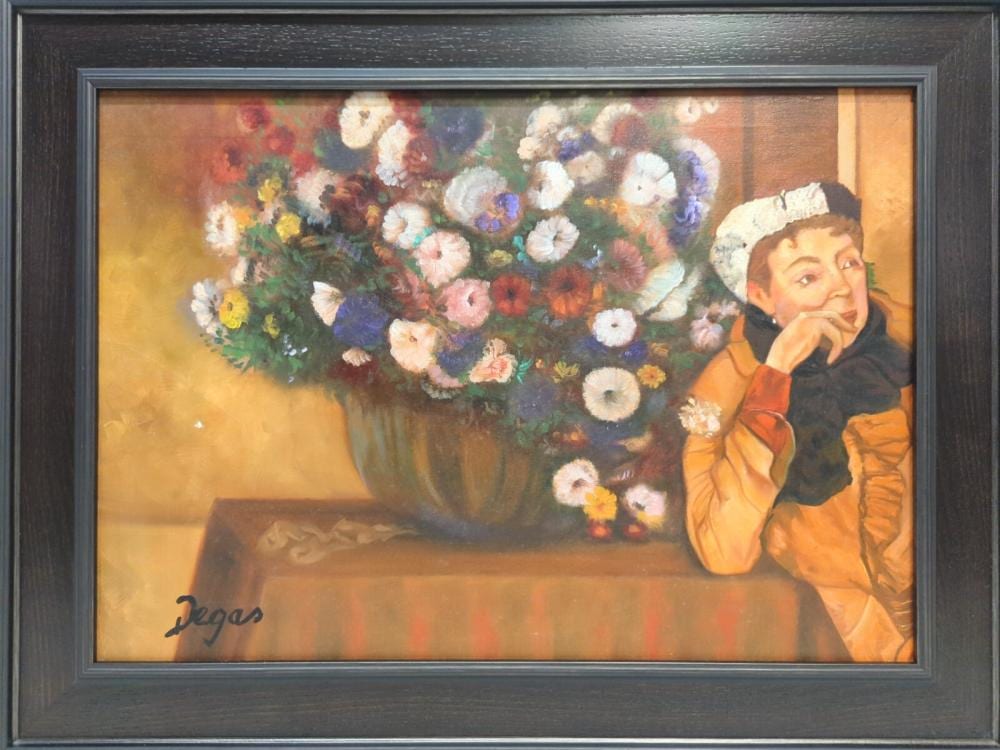
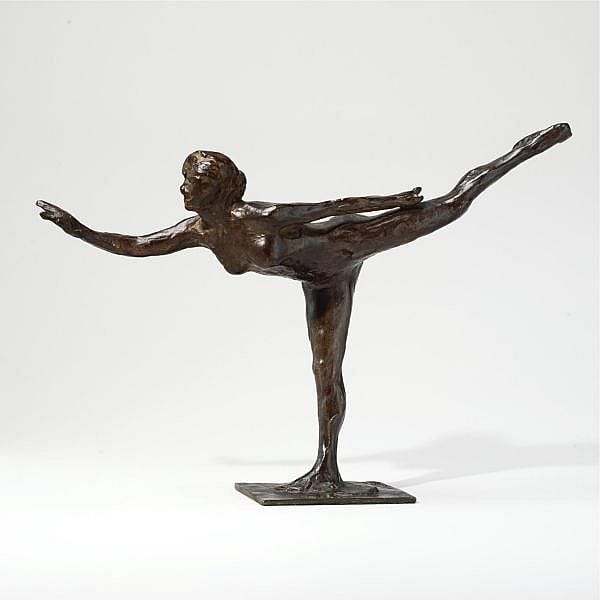
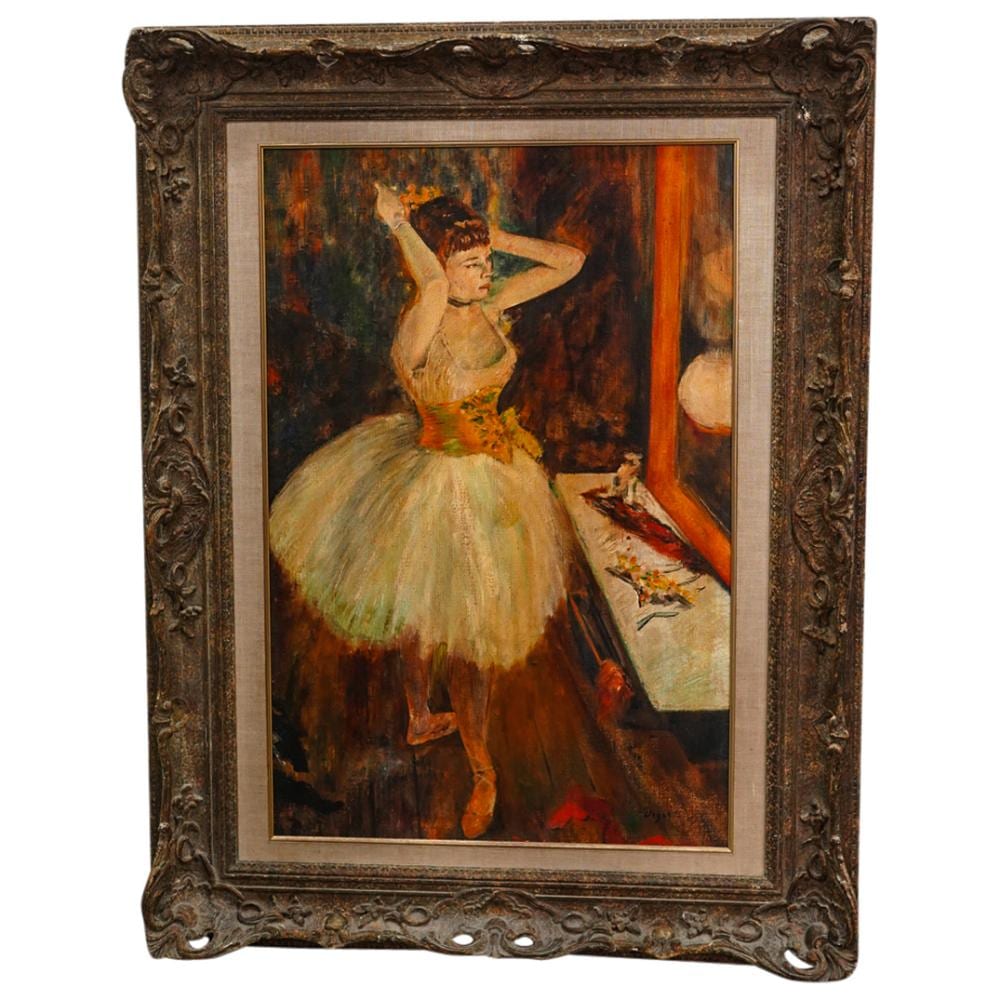
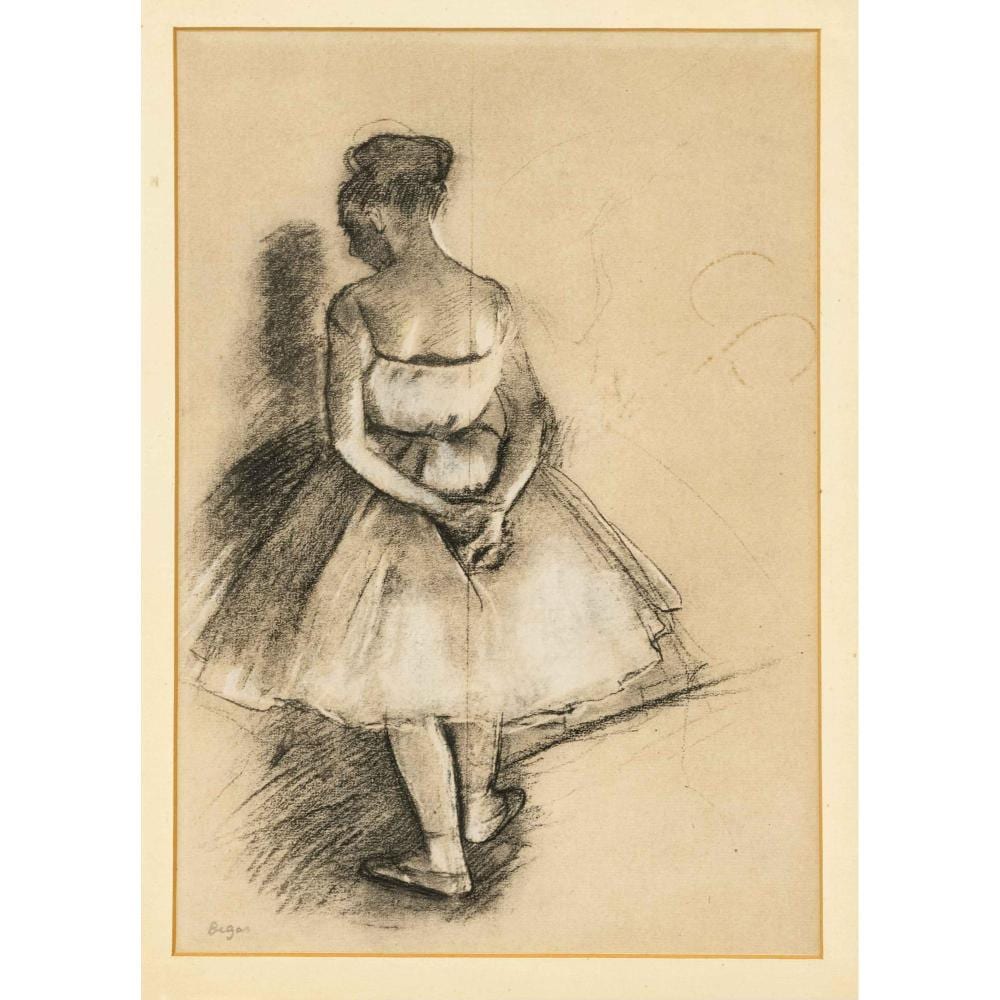
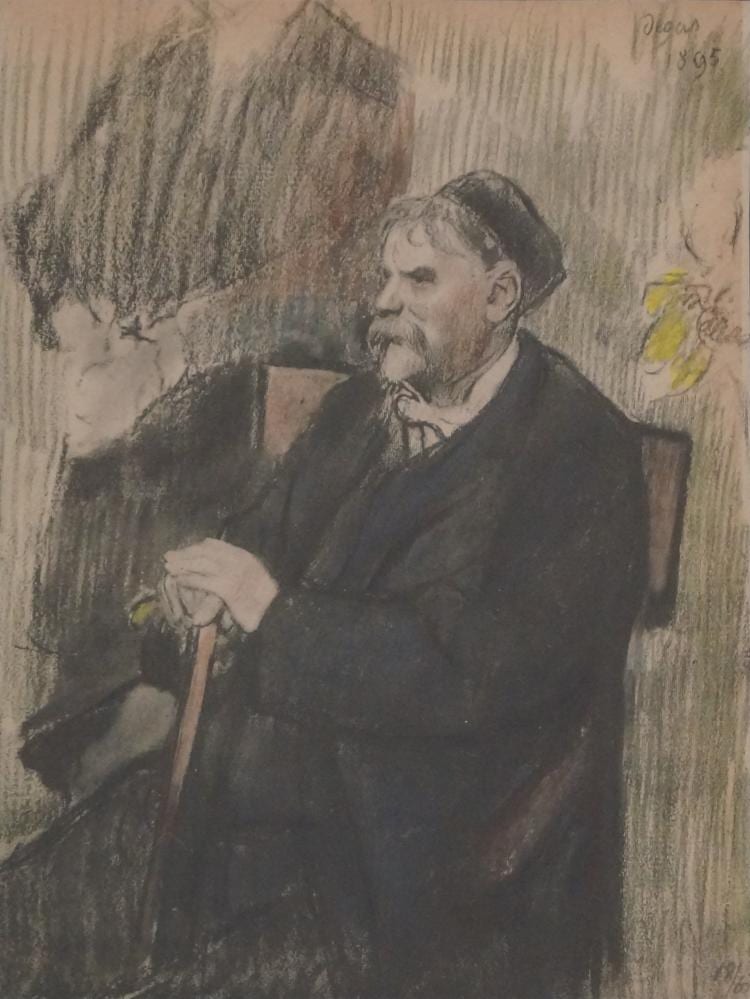
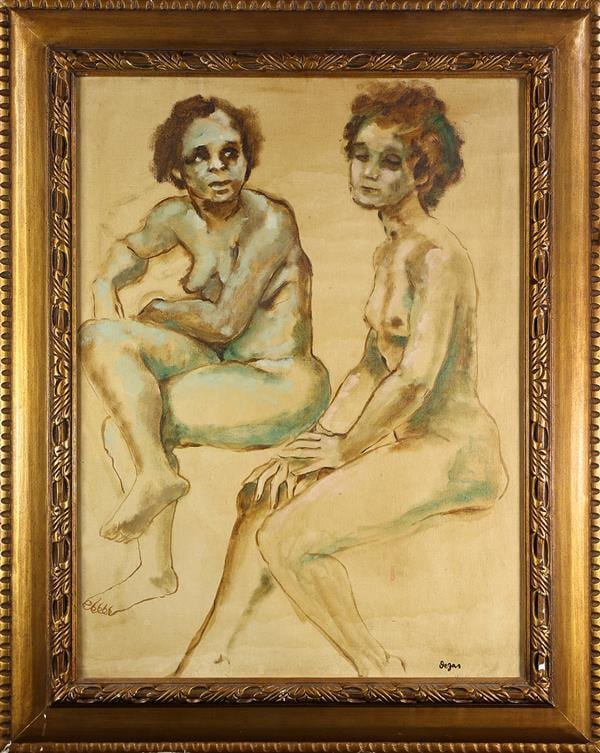
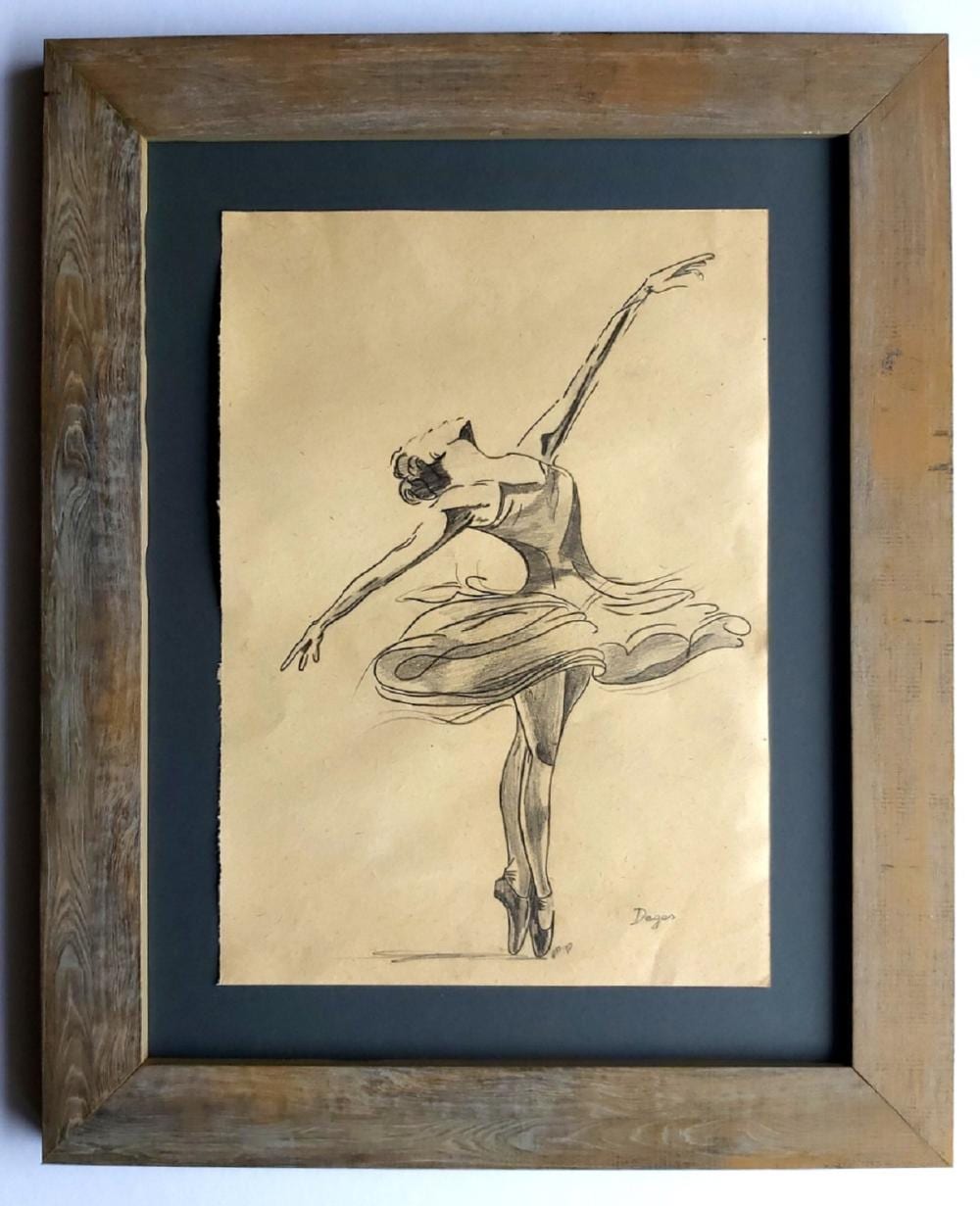
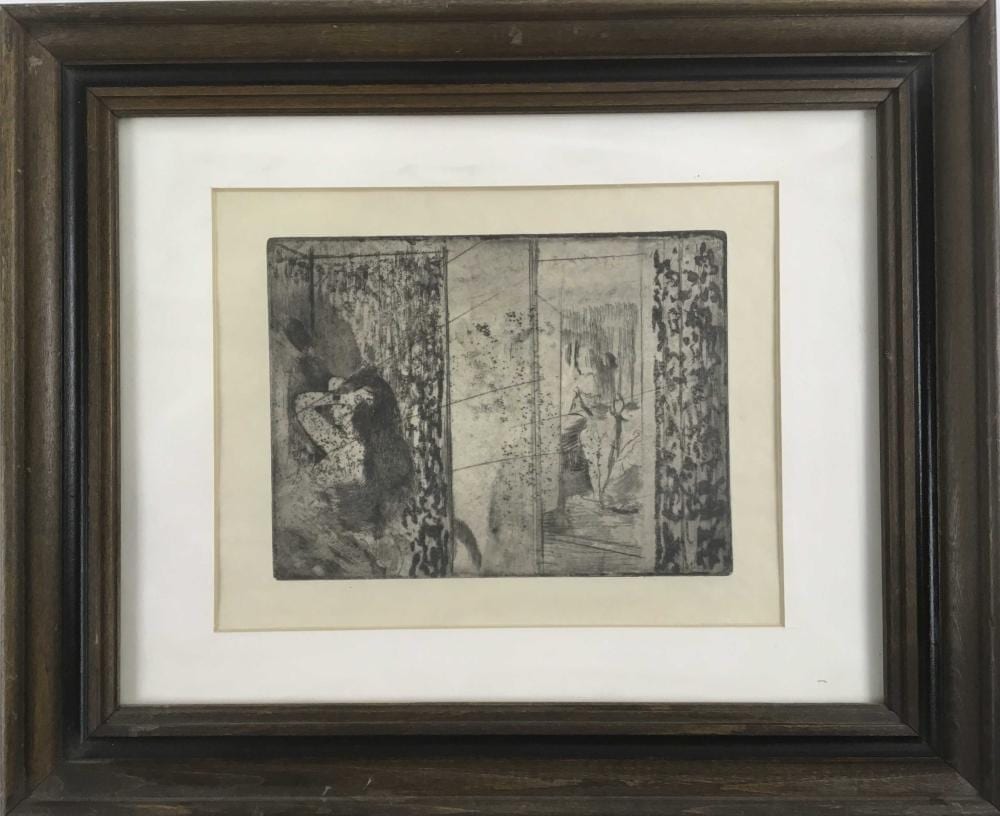
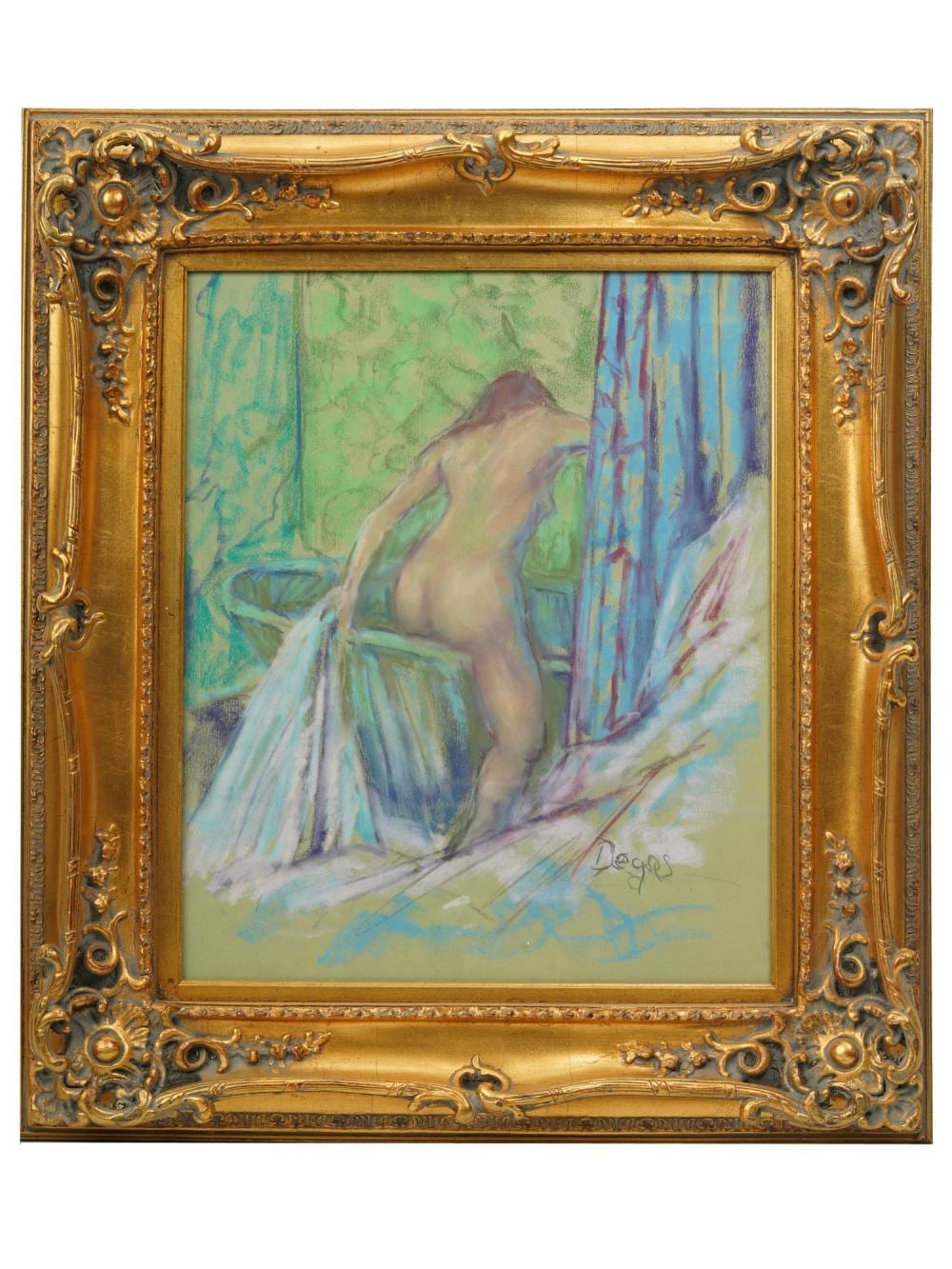
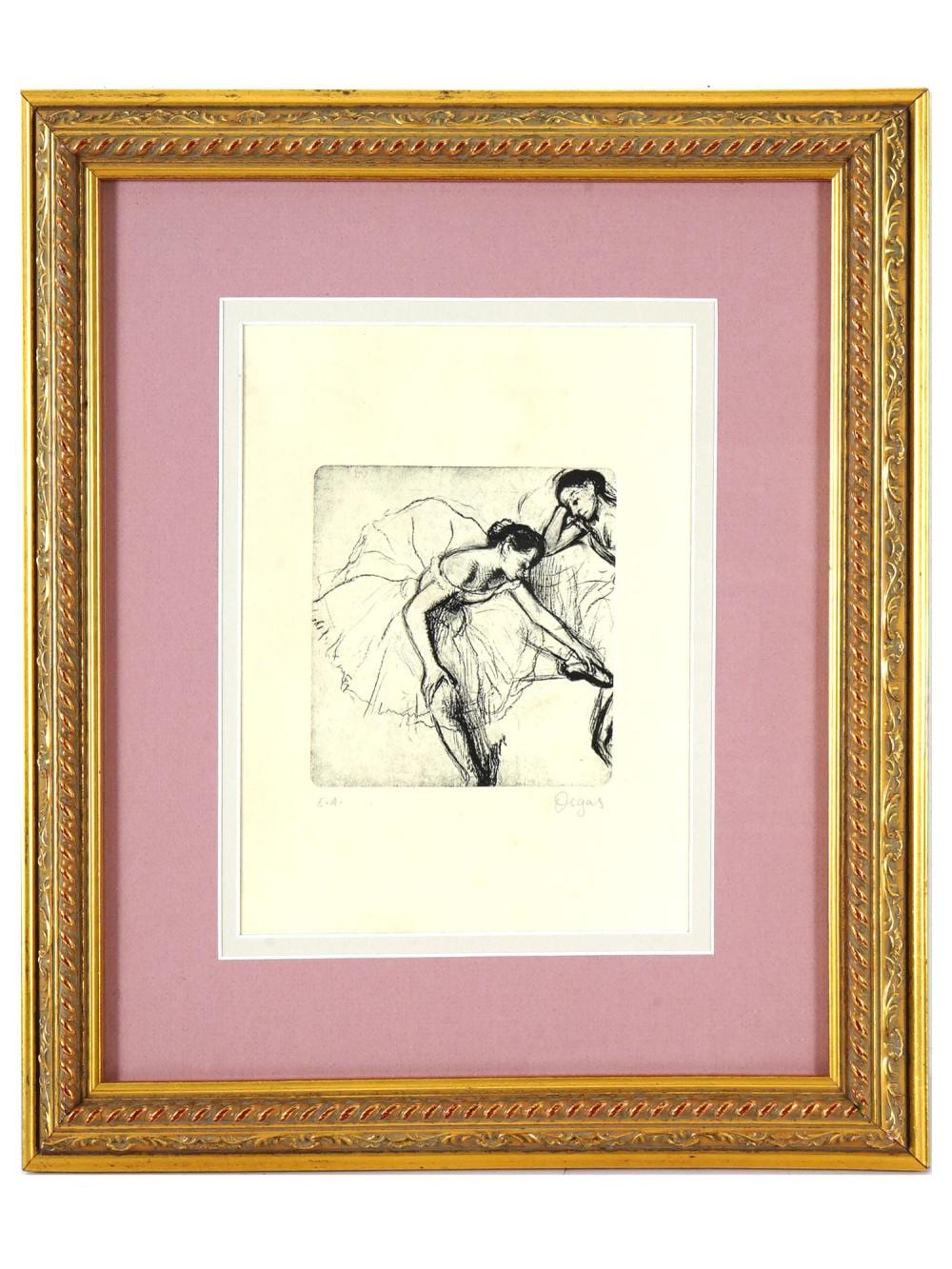
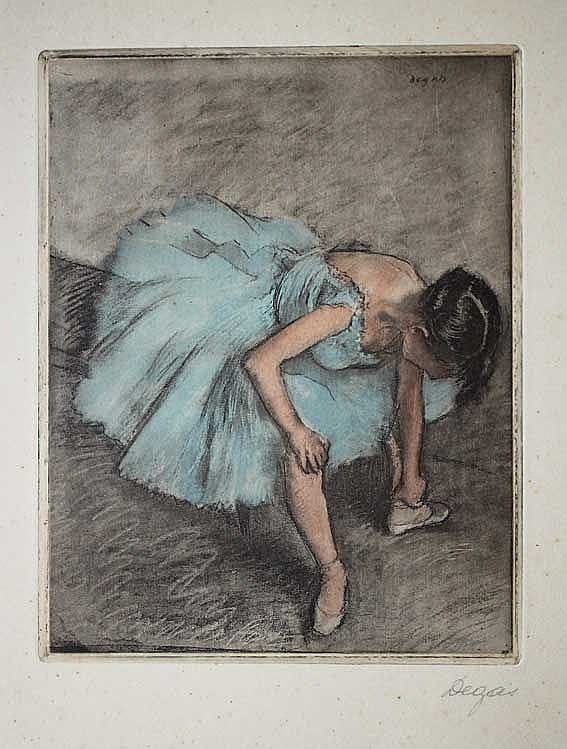
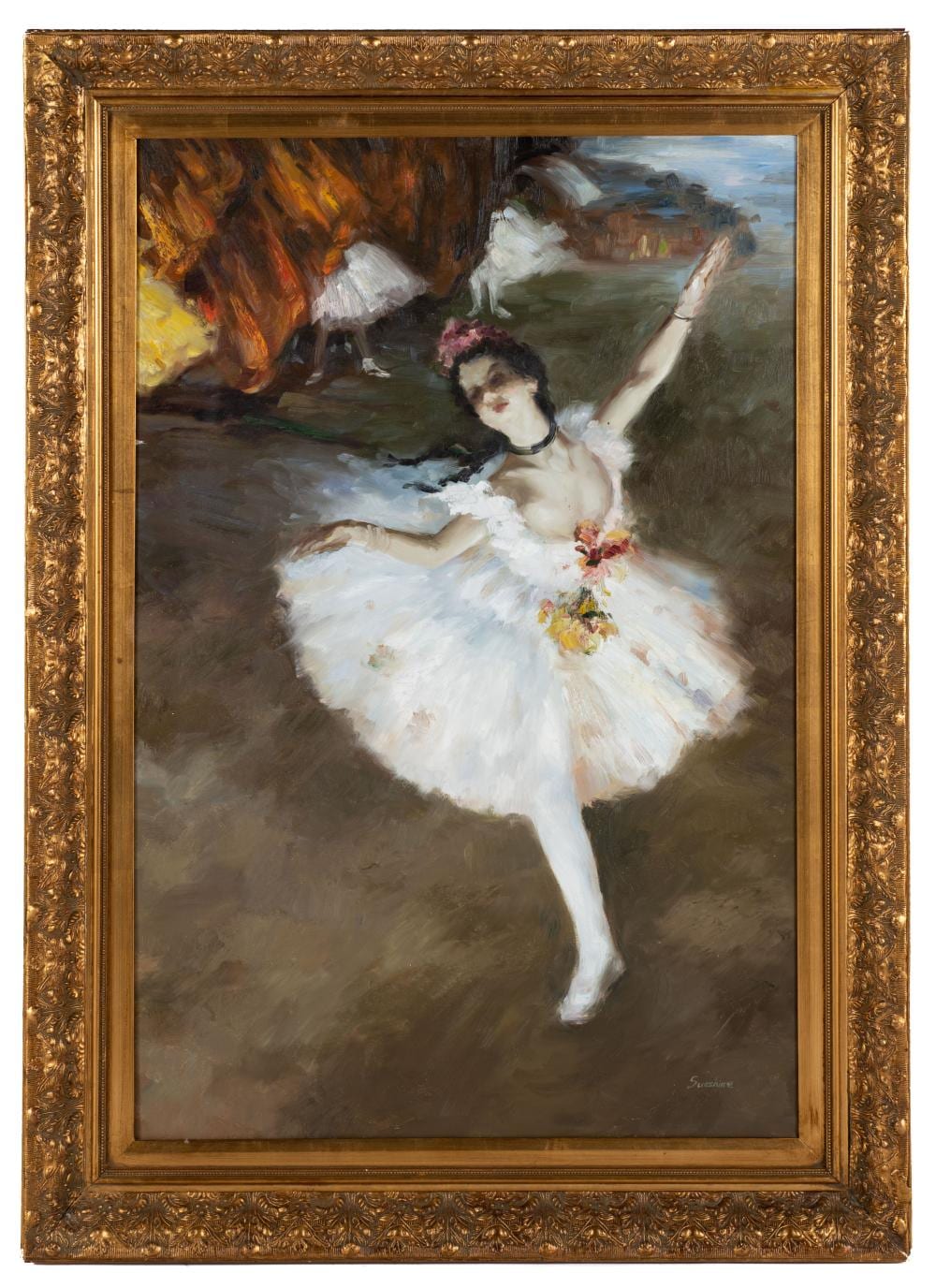
To help ground this guide in real market activity, here are recent example auction comps from Appraisily’s internal database. These matched sales are market context only, not an object estimate or identification, and they do not guarantee a price for your specific edgar degas.
Shown USD range: USD 40-USD 517,000. Median of these 12 USD examples: USD 275.

How these auction records were verified
Each row is tied to its lot identity, retrieval time, access result, and immutable record hash. Live source access was blocked; the exact record matched Appraisily's immutable pipeline provenance. Inspect the public comparable provenance record.
Free photo check
Not sure if your painting is worth appraising? Let us take a look.
Upload a photo, tell us what you know, and get a free photo check. If a full appraisal makes sense, we will say so.
Free. No card needed. Takes about two minutes.
FAQ
Q: My Degas is unsigned. Does that doom its chances? A: Not at all. Many genuine Degas works are unsigned. Attribution rests on a matrix of factors—provenance, literature, technical evidence, and stylistic analysis—not signature alone.
Q: How can I tell a pastel from chalk or colored pencil? A: Degas’s pastels typically show layered, velvety deposits with directional hatching and occasional stumped transitions. Under magnification, you’ll see particulate pastel rather than waxy sheen. Colored pencil leaves linear, waxy strokes; chalk is drier and less saturated.
Q: Are monotypes “prints” or “paintings” for appraisal purposes? A: Degas’s monotypes are unique impressions from a plate, often substantially reworked with pastel. Market practice values richly reworked monotypes closer to paintings on paper, while unembellished impressions are treated more like works on paper prints.
Q: Should a Degas oil be varnished? A: Many Degas oils were intended to read matte due to his lean, turpentine-rich technique. Later glossy varnishes can misrepresent the surface and impair value. Any consideration of varnish removal or application should be made with a specialist conservator.
Q: What’s the quickest way to add credibility to a potential Degas? A: Correlate three pillars: a documented provenance that reaches into the early 20th century, a scholarly literature mention or catalogue entry, and a clean technical report showing period-consistent materials and methods. Even one strong pillar can justify deeper research, but all three together make a compelling case.
A methodical, evidence-led approach is your best ally with Degas. His art rewards close looking—and so does the market.