A Limited Edition Hand Signed Print Norman Laliberte Patricia Blue: appraisal and value basics
A Limited Edition Hand Signed Print Norman Laliberte Patricia Blue research should start with identification, condition, provenance, and recent comparable sales. Use this guide to compare the signals that matter before paying for a formal appraisal or deciding whether to sell.
A Limited Edition Hand Signed Print Norman Laliberte Patricia Blue
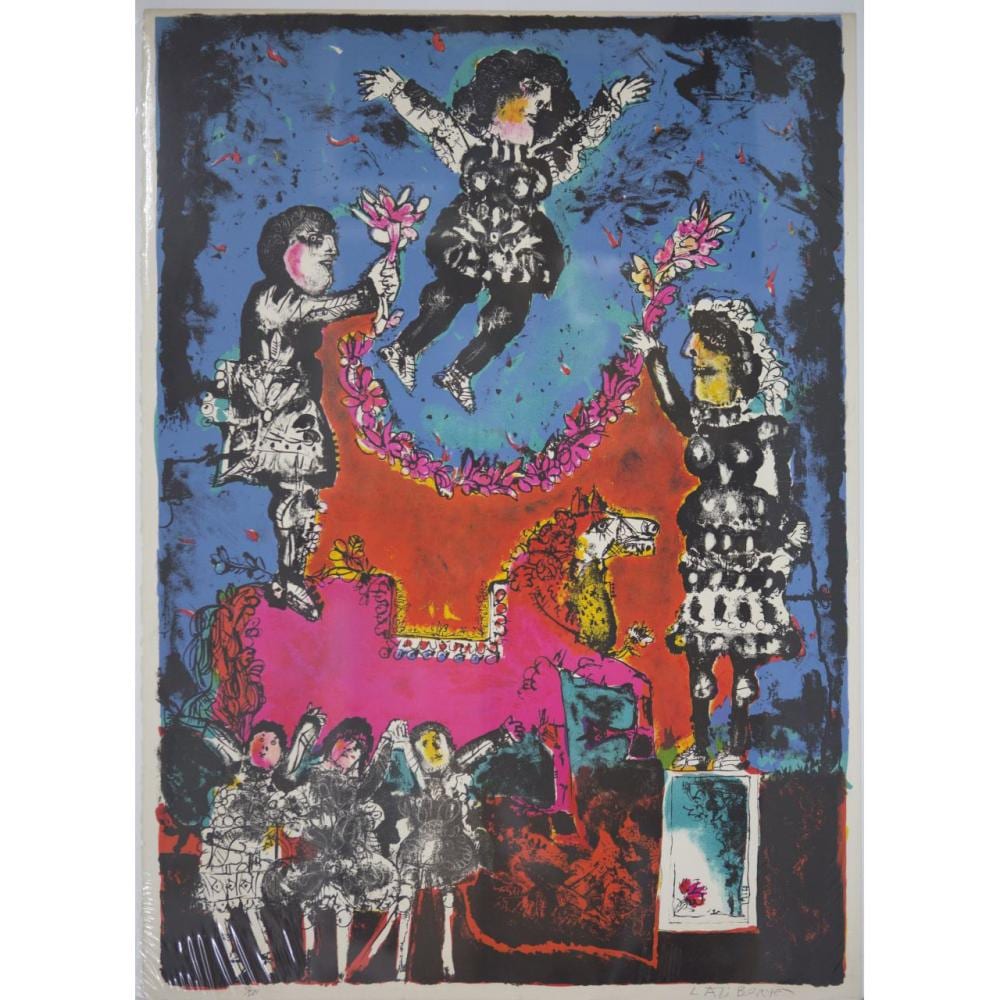
A hand-signed limited edition print by Norman Laliberté titled “Patricia Blue” sits at the crossroads of mid-century design and contemporary collecting. For owners and appraisers, understanding what it is, how to authenticate it, and what drives value can make a measurable difference in both care and market outcomes. This guide focuses on identification, condition, valuation, and selling strategy for this specific subject and closely related Laliberté prints.
The artist and the print at a glance
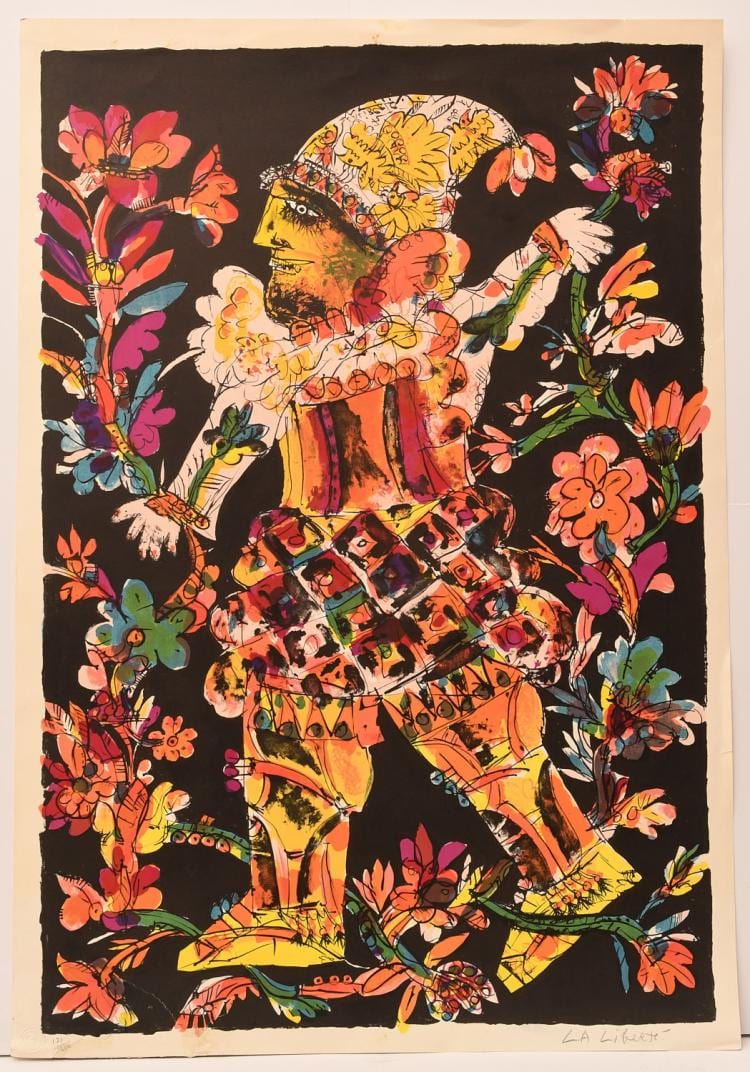
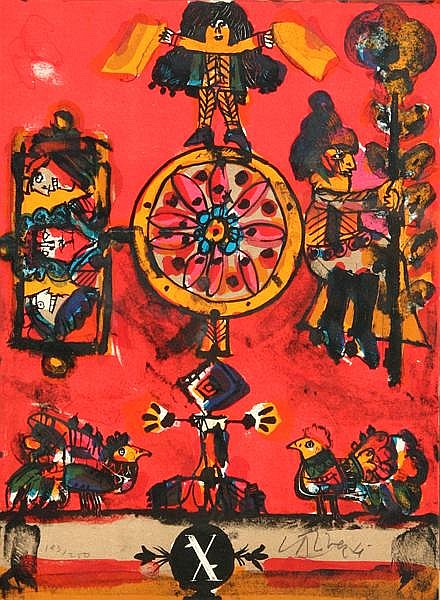
Norman Laliberté (1925–2019) was a Canadian-American artist celebrated for bold color fields, stylized figuration, and emblematic motifs. He emerged prominently in the 1960s, contributing to large-scale projects like Expo 67 and developing a studio practice that spanned painting, collage, banners, and, importantly for collectors, limited edition prints. His work often reads like folk-modern symbolism—vibrant, graphic, and instantly recognizable across interiors and institutional collections.
“Patricia Blue” is commonly encountered as a limited edition, hand-signed print, often executed as a serigraph (screenprint) or lithograph on paper. The subject typically features a stylized female portrait rendered in a blue-dominant palette—clean shapes and layered color that align with Laliberté’s mid-century sensibilities. As with other Laliberté editions, individual examples can differ in paper, margins, and framing history, so precise identification is key before any value conversation.
Key high-level characteristics:
- Limited edition notation in pencil (e.g., “34/150”)
- Hand signature in pencil, generally lower right
- Title either written in pencil, printed in the matrix, or noted verso
- Flat, opaque color fields consistent with serigraphy, or smooth lithographic areas with characteristic ink texture
- Possible printer’s or publisher’s blind stamp or chop
Identifying and authenticating “Patricia Blue”
For prints, authentication is a step-by-step, evidence-driven process. With Laliberté, several consistent markers help.
- Signature and inscriptions
- Signature location: Typically lower right margin, in graphite pencil. You may see “Laliberte,” occasionally with an accent in other contexts (Laliberté), though pencil inscriptions on prints often appear without diacritics.
- Numbering: Lower left, in pencil (e.g., 23/200). Proof designations may include AP (Artist’s Proof), EA (Épreuve d’Artiste), PP (Printer’s Proof), or HC (Hors Commerce).
- Title: May be handwritten in the lower center margin, printed in the image, or written on the verso by the artist, publisher, or a gallery hand.
Red flags for signatures:
- Plate-signed or printed signatures (not in pencil) on an “edition” piece
- Mechanically uniform numbers or signatures lacking pressure variation
- Shiny ink-like signatures or identical signatures matched across copies
- Printing method: serigraph, lithograph, or reproduction?
- Serigraph/screenprint: Dense, flat color fields; sometimes slight ink relief at color edges; crisp overlaps; no halftone dots under magnification.
- Lithograph: Smooth tonal areas, greasier ink look in places; subtle grain; still no rosette halftone pattern typical of offset posters.
- Offset reproduction/poster: Halftone dot or rosette pattern visible under a loupe; printed numbering and signature; often thinner, commercial paper.
- Paper, margins, and chop marks
- Paper: Quality printmaking papers are heavier, sometimes with deckle edges on one or more sides (not guaranteed). Look for watermarks when held to light.
- Margins: Expect adequate white margins around the image. Overly tight margins may indicate trimming.
- Chops: A blind stamp from the printer or publisher may appear in a margin. Record the location and take a crisp raking-light photo for your files.
- Back-of-frame clues
- Labels: Old gallery or framer’s labels can corroborate date, title, and medium.
- Penciled verso notes: Printers sometimes pencil edition info on the back. Photograph before any conservation work.
- Never peel, steam, or cut mounts yourself. If the print is sealed, consult a paper conservator to avoid tearing or staining.
- Compare to known examples
- Cross-check signature style, edition font/hand, and color layout against documented examples. Seek consistency in palette, scale, and margin layout. Differences can occur between printings, but broad inconsistencies are caution signs.
Condition assessment and conservation priorities
Print condition drives value. A careful, structured inspection will help you price accurately and plan conservation if needed.
- Light and color
- Fading: Prolonged UV exposure diminishes saturation. Compare protected margin areas under the mat to exposed areas—differences indicate fading.
- Staining: “Mat burn” presents as a brown line along the window mat opening. Even if faint, it detracts from value.
- Blue pigments: Generally more light-stable than some reds/yellows, but still vulnerable. Don’t assume immunity to fading.
- Paper integrity
- Foxing: Brown, fungal spots from humidity and acidity. Treatable by a conservator.
- Cockling/waviness: Moisture exposure or inadequate hinging; may be improved through professional flattening.
- Tears, creases, and losses: Note length, location (image vs margin), and whether they break the paper fibers.
- Tape and adhesives: Pressure-sensitive tape can stain over time. Hinges should ideally be with Japanese tissue and wheat starch paste.
- Surface and ink
- Abrasions: Scuffs can disturb ink layers in serigraphs.
- Offsetting/transference: Inks touching glazing or backing may offset. Improper framing exacerbates this.
- Smudges: Graphite inscriptions can smear; handle with clean cotton or nitrile gloves.
- Framing and glazing
- Use UV-filtering glazing (acrylic or glass).
- Acid-free, lignin-free matting and hinging.
- Ensure an air gap between print surface and glazing, especially for screenprints with ink relief.
- Documentation
- Photograph front, back, signature, numbering, margins, and any labels in diffuse, raking, and detail views.
- Measure both image and sheet sizes to the millimeter.
Professional conservation can often reverse mat burn, reduce foxing, and flatten cockling, which may enhance both appeal and marketability. Always request written treatment proposals and cost estimates first.
Factors that drive value
- Artist market and demand
- Norman Laliberté remains collected for his distinctive visual language and mid-century appeal. Demand varies by region and season, and by how closely a work aligns with his most sought-after styles.
- Edition size and proof status
- Lower edition numbers do not inherently bring premiums, but smaller edition sizes often do.
- AP/EA, PP, and HC proofs can command modest premiums if they are scarce and documented.
- Medium and image quality
- Serigraphs with strong, saturated color and crisp registration are more desirable than offset reproductions.
- Large formats and standout compositions tend to outperform.
- Condition and presentation
- Unfaded color, clean margins, and professional archival framing improve desirability.
- Significant foxing, stains, tears into the image area, or trimmed margins reduce value.
- Provenance and documentation
- Receipts, gallery labels, and exhibition or publication mentions add confidence.
- A known chain of ownership can help during appraisal and insurance underwriting.
- Subject and interior relevance
- Blue-dominant palettes integrate well with contemporary interiors, expanding buyer pools.
- If “Patricia Blue” has variants in other colorways, complete color sets may attract set-collectors. Note: only represent a “set” if documented.
Market context (general guidance):
- Hand-signed, limited edition Laliberté serigraphs and lithographs frequently transact in the low-to-mid hundreds of dollars at auction when in good condition, with larger or scarcer proofs trending higher. Retail gallery pricing and insurance replacement values are typically above auction realizations. Actual results depend on the precise example, timing, and venue.
Appraisal approach and selling strategy
- Define the value type you need
- Fair Market Value (FMV): What a willing buyer and seller agree upon under ordinary conditions (often for estate or donation).
- Retail/Replacement Value: The cost to replace from a gallery or dealer (used for insurance).
- Liquidation or wholesale values: Lower, associated with rapid sale.
- Build a robust dossier
- High-resolution photos: full front, full back, signature, edition number, any chops/labels.
- Measurements: sheet size and image size.
- Medium: note serigraph/screenprint vs lithograph; record evidence (texture, layering, lack of halftone dots).
- Condition report: itemized issues and any conservation history.
- Provenance: purchase receipts, gallery labels, prior auction lots if known.
- Research comparable sales
- Look for matches by artist, title (“Patricia Blue”), medium, size, edition, and condition.
- Weigh the venue: auction house results versus dealer asks; consider dates and regions.
- Normalize for framing (auction prices often reflect framed vs unframed differently).
- Decide where to sell
- Auctions (regional or online): Transparent results and broad reach; consider seller’s commission, photography, reserves, and shipping risks.
- Dealers/galleries: Potentially higher retail but may take longer or be selective.
- Private sale or curated marketplaces: Requires marketing effort; control over pricing and timing.
- Prepare the work
- If framing is non-archival, consider re-framing to improve appeal and prevent future damage.
- Minor, professionally treated issues (surface cleaning, hinge correction) can yield a positive return, but obtain quotes first.
- Always disclose condition accurately; undisclosed defects erode buyer confidence.
- Logistics and risk
- Use professional art shippers or rigid, corner-protected flat packaging with moisture barriers for transit.
- Insure shipments for replacement value.
- Keep copies of all documentation and correspondence.
Quick checklist for owners
- Verify medium: serigraph/lithograph versus offset reproduction under a 10x loupe.
- Confirm hand signature and pencil numbering; note any proof designation.
- Record sheet and image measurements; photograph front, back, and details.
- Inspect for fading, mat burn, foxing, creases, tears, and tape stains.
- Note any chops, watermarks, or gallery/framer labels.
- Decide on value type needed (FMV vs replacement) and gather comparable sales.
- Use archival framing with UV glazing and proper hinging; avoid DIY repairs.
- Obtain a written estimate before any conservation treatment.
- Choose a selling venue aligned with your timeline, risk tolerance, and price goals.
- Keep all receipts and notes together for provenance.
FAQ
Q: How can I tell if my “Patricia Blue” is an original print or just a poster? A: Examine the surface with a 10x loupe. Original serigraphs and lithographs will not display the rosette halftone pattern typical of offset posters. Look for hand-applied pencil signature and numbering in the margins. Plate-signed or printed signatures and mechanically uniform numbering are red flags.
Q: What is a typical market range for hand-signed Laliberté prints? A: Markets fluctuate, but many signed, limited edition Laliberté serigraphs and lithographs in good condition often sell in the low-to-mid hundreds of dollars at auction, with larger, scarce, or exceptional proofs achieving more. Retail and insurance replacement figures are generally higher. Condition, edition, and venue strongly influence outcomes.
Q: Should I remove old matting or backing myself? A: No. Old adhesives and brittle boards can tear paper or release stains. A qualified paper conservator should open frames, remove acidic materials, and provide archival re-mounting if needed.
Q: Does framing add value? A: Archival, well-executed framing supports preservation and buyer confidence but is not a direct dollar-for-dollar value add. However, clean presentation, UV glazing, and documented conservation can help the work sell faster and at stronger prices compared to neglected examples.
By carefully identifying the print’s medium, inscriptions, and edition, evaluating condition with a conservator’s eye, and aligning your valuation and selling strategy with market realities, you can position a hand-signed Norman Laliberté “Patricia Blue” to stand out—both as a preserved artwork and a well-understood collectible.
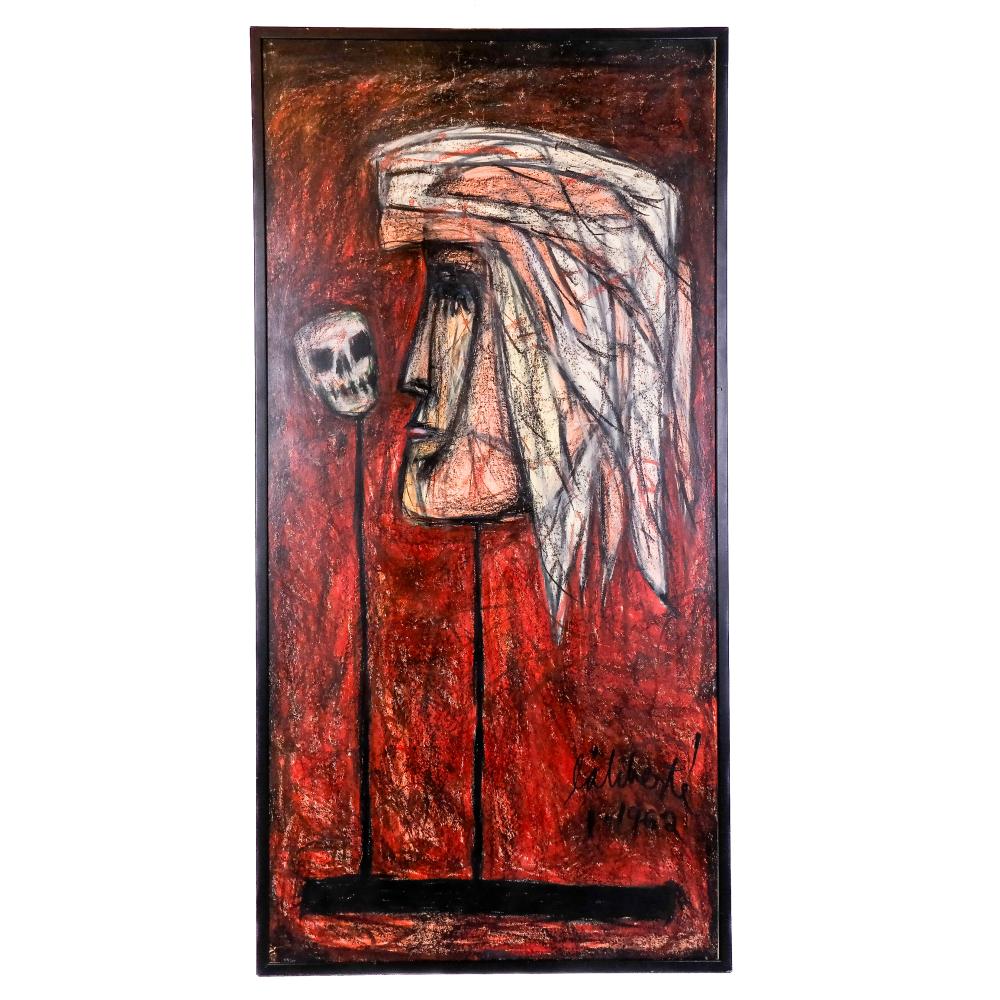
![Norman Laliberte Lithograph [Modern, Clown] sold by Grant Zahajko Auctions, LLC, lot 289 — auction record photograph](https://assets.appraisily.com/comps/auction-lots/148442600/thumb/9ff378a3a75a8d9aedeb0da90115f5b6c9cc0ca70dc2218c0cea35cd7862b19d.jpg)