Keith Haring signed Dancing Dogs print: appraisal and value basics
Keith Haring signed Dancing Dogs print research should start with identification, condition, provenance, and recent comparable sales. Use this guide to compare the signals that matter before paying for a formal appraisal or deciding whether to sell.
A Keith Haring Limited Edition Hand Signed Dancing Dogs
Keith Haring’s barking and dancing dogs are among the most recognizable icons in late 20th-century art. They appear across paintings, subway drawings, murals, and, crucially for collectors, editions on paper. For appraisers and collectors, the phrase “a Keith Haring limited edition hand signed Dancing Dogs” typically points to a screenprint or lithograph issued during the artist’s lifetime (1982–1990), signed in graphite by Haring and numbered in an edition. Distinguishing these lifetime, limited editions from open-edition posters or posthumous material is the key to both authenticity and value.
Below is a focused guide to identifying, appraising, and caring for a genuine hand-signed, limited edition “Dancing Dogs” work by Haring, including what features to look for, how printing and paper details influence value, and what documentation best supports an appraisal.
What Collectors Mean by “Dancing Dogs”
Haring’s dog imagery encompasses several closely related motifs:
- Barking Dog: A profile canine with radiating lines, mouth open.
- Dancing Dogs: Multiple simplified canines in rhythmic, choreographed poses.
- Variations with dancing figures and dogs intertwined.
“Dancing Dogs” isn’t a single title but shorthand collectors use for Haring works featuring one or more canines in animated motion. Legitimate limited editions with dancing dogs exist in several formats, most often as:
- Screenprints (silkscreens) in strong, flat colors.
- Lithographs, less common than screenprints for this motif but present in the oeuvre.
- Occasional signed and numbered posters produced by or for the artist’s Pop Shop.
Because the same imagery also appears on mass-produced posters, postcards, and merchandise, precise identification of the printing method, editioning marks, and signatures is crucial. A hand-signed, limited edition will have distinct characteristics in the margins and on the paper that commercial posters lack.
Identifying a Genuine Limited Edition
Focus on these core identifiers, working under good light with a 10x loupe if possible:
- Edition numbering in graphite: Look to the lower left or lower margin for a fraction (e.g., 45/200). Authentic numbering is done by hand in pencil. Some lifetime editions were in ranges typically between about 75 and 250, though exact sizes vary by specific work. Artist’s proofs (A.P. or E.A.), printer’s proofs (P.P.), hors commerce (H.C.), trial proofs (T.P.), and the bon à tirer (B.A.T.) exist in small numbers.
- Hand signature and date: Haring generally signed in graphite at lower right, often “K. Haring” or “Keith Haring,” sometimes with a date (e.g., ’89). The signature should be on the paper, not printed within the image. Pressure and natural variation in pencil strokes should be evident under magnification.
- Paper quality and margins: Limited editions are usually on high-quality wove papers such as Arches, Rives, Lenox, or similar. Expect a substantial sheet with clean margins and, in some cases, a deckle edge. Watermarks may be present when held to light. Posters are frequently on thinner, commercial stock without deckled edges.
- Printer’s/publisher’s chops or blindstamps: Some lifetime prints bear a blindstamp in the lower margin from the printer or publisher. While not universal, it’s a strong indicator when present.
- Ink characteristics: Screenprints show solid fields of color with crisp edges and a slight, even ink deposit you can feel or see in raking light. Lithographs have uniform tone without halftone dots. Offset posters show rosette-like halftone dot patterns under magnification.
- Image-to-paper relationship: Genuine editions often have a well-proportioned margin around the image. Posters may be trimmed close or have printed text (titles, credits) in the margin—though note that Haring did sign some posters; those are collectible but not the same as limited edition fine art prints.
- Lifetime vs. posthumous: Haring died in 1990. Hand-signed works must be from his lifetime. Posthumous impressions authorized by the estate are not hand-signed by Haring; they may bear estate stamps or facsimile signatures and should be described accurately as such.
Quick Appraisal Checklist
- Confirm medium under 10x loupe: screenprint/lithograph vs offset poster.
- Locate and evaluate graphite signature, date, and edition number.
- Inspect paper: weight, watermark, deckle, blindstamps/chops.
- Measure sheet and image sizes; compare with documented references.
- Assess condition under daylight and raking light; note creases, stains, fading.
- Review provenance: invoices, Pop Shop or gallery receipts, prior appraisals.
- Cross-check edition details against authoritative catalogue raisonnés.
- Photograph recto/verso unframed (if safe) for records and expert review.
Printing Methods, Paper, and Marks
Understanding production helps avoid costly mistakes.
- Screenprint (silkscreen): The predominant method for Haring’s dancing and barking dogs prints. Expect bold, flat fields of color and sharply defined linework. Colors are generally laid in discrete layers; at some overlaps, you may see slight ridge lines.
- Lithograph: Less common for this motif but present in his editions. Lithography will have smooth tonal areas without the raised ink feel of screenprint. Under magnification, litho toner looks continuous rather than dot-based.
- Offset lithographic poster: Commercial posters show halftone dots arranged in rosettes. The ink sits thinly on the surface. If you see an integral caption or publisher’s credit printed within the image or margin, treat it as a poster unless editioning and hand signing confirm otherwise.
Paper clues:
- Watermarks: Arches 88, Rives BFK, and comparable fine art papers sometimes show watermarks in a sheet corner or edge. A watermark is a good sign but is not alone proof of authenticity.
- Chops and blindstamps: Look for an impressed, un-inked seal from the printer/publisher in the lower margin. Some Haring editions also bear a Pop Shop or publisher stamp on the verso. Not all legitimate prints have these marks, but when present they aid authentication.
- Sheet size and margins: Measure both sheet and image to the millimeter. Many Haring screenprints fall in the roughly 56 x 76 cm (22 x 30 in) sheet range, but sizes vary. Posters often run larger (e.g., 24 x 36 in), yet size alone is never determinative.
Common marks and notations:
- Edition fraction: e.g., 23/100. Fractions should be in the same hand and era-appropriate pencil.
- Proof designations: A.P. (Artist’s Proof), E.A. (Épreuve d’artiste), P.P., H.C., T.P., B.A.T. These are usually fewer in number and can carry premiums, though condition and demand still dominate value.
- Cataloguing notations: Some sheets carry pencil annotations by printers or registrars; they can be legitimate but should align with known examples.
Signatures, Dates, and Editioning Conventions
Haring’s signature evolved but remained brisk and confident:
- Placement: Typically lower right margin in graphite; edition number lower left. Dates often accompany the signature (e.g., ’85, ’89, ’90).
- Form: “K. Haring” is very common on prints, sometimes “Keith Haring.” He rarely added lengthy inscriptions on editioned prints. The line should exhibit natural starts/stops and pressure changes.
- Consistency: Compare with verified exemplars. Be wary of neat, oddly hesitant pencil lines, incongruous dates, or signatures that float implausibly far from the image window.
- Posthumous/estate: Any “hand-signed” work dated after February 1990 warrants intense scrutiny; the artist was no longer alive to sign. Estate-authorized signatures are by stamp or printed, not pencil-autographed by Haring.
- Numbering style: Lifetime numbering tends to be consistent in graphite with the signature. Mismatched pencil tone or style between the edition fraction and signature can be a red flag.
Documentation to seek:
- Publisher/Printer confirmation: Many editions were produced with reputable print shops and galleries during Haring’s lifetime. A matching invoice, publisher COA, or contemporary gallery label is strong support when combined with physical evidence.
- Catalogue raisonné reference: The Haring Foundation and established print references list known editions. Align title, year, medium, size, and edition size with a recognized entry.
Condition, Conservation, and Framing
Condition materially affects value. Typical issues for Haring prints include:
- Handling creases and soft dents: Often visible in raking light; minor examples are common but still influence price.
- Paper toning and mat burn: Exposure to acidic mats and sunlight causes browning at the edges. Correctable to a degree through professional conservation.
- Scuffs and ink loss: Particularly on high-saturation screenprint areas; even small scuffs can be visible in flat fields.
- Stains and foxing: Brown spots from moisture or acidic storage; heavy foxing is a major detraction.
- Fading: Fluorescent colors are sensitive to light; compare covered vs. exposed areas to assess.
- Hinges and residues: Old pressure-sensitive tapes can stain and weaken paper; removal should be done by a paper conservator.
Best practices:
- Framing: Use UV-filtering glazing, 100% cotton rag mats, and reversible Japanese paper hinges with wheat starch paste. Never dry-mount.
- Storage: Flat, in archival folders, away from light, heat, and humidity swings. Interleave with acid-free, lignin-free materials.
- Conservation: Engage a qualified paper conservator for cleaning, deacidification, and hinge removal. Document any treatments for appraisal files.
Market Value Drivers and Appraisal Approach
Value rests on a few core pillars:
- Authenticity and lifetime signature: A verified, hand-signed lifetime edition commands a significant premium over unsigned, posthumous, or open-edition material.
- Edition specifics: Lower edition sizes and desirable proof states (A.P., B.A.T.) can enhance value, but condition and subject are equally important.
- Iconicity of the image: The dancing/barking dog motif is among Haring’s most sought-after subjects, often more liquid than lesser-known images.
- Condition: Fresh color, clean margins, and minimal handling marks are rewarded. Even excellent conservation cannot always erase the market penalty of prior damage.
- Scale and colorway: Larger, vividly colored screenprints typically outperform smaller or subdued works, all else equal.
- Provenance: Continuous ownership history from reputable sources (e.g., artist’s Pop Shop, primary galleries, respected dealers) builds confidence and price.
- Timing: Haring’s market is active, but cycles occur. Insurance appraisals may cite replacement value; fair market value should rely on recent, relevant auction and dealer comparables for the exact edition and state.
Appraisal actions:
- Identify the exact work: Title (or descriptive title), year, medium, sheet and image size, edition size, and number.
- Compare to documented references: Confirm edition details and imagery match recognized entries.
- Establish condition grade: Record all issues with photos under normal and raking light; note verso.
- Gather provenance: Invoices, labels, COAs, emails, and shipment records.
- Assemble comparables: Use sales of the same edition in comparable condition within the last 12–36 months; adjust for edition number only minimally unless early/late numbering is specifically valued by the market segment.
- State approach and assumptions: Transparent methodology strengthens the appraisal’s credibility.
What similar items actually sold for
To help ground this guide in real market activity, here are recent example auction comps from Appraisily’s internal database. These matched sales are market context only, not an object estimate or identification, and they do not guarantee a price for your specific keith haring.
Shown USD range: USD 35-USD 950. Median of these 10 USD examples: USD 300.
| Comparable | What sold | Auction house | Date | Lot | Source-reported amount |
|---|---|---|---|---|---|
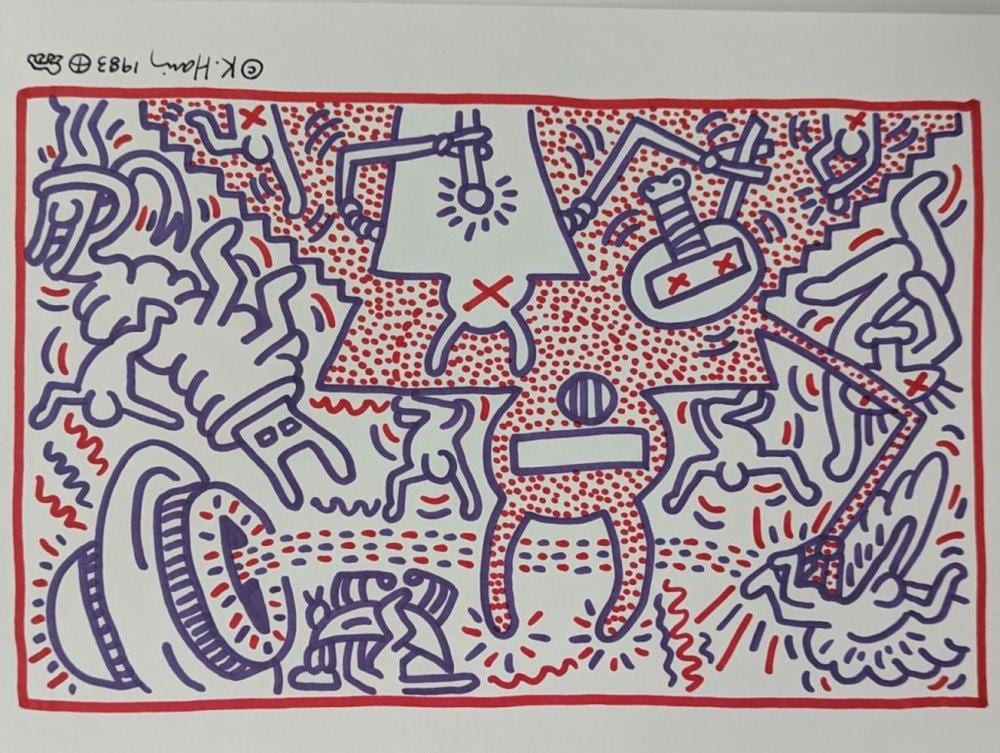 |
Keith Haring Limited Edition LithographSource blocked; provenance matched | Four Seasons Auction Gallery | 2024-01-07 | 18 | USD 500 (buyer’s-premium treatment unknown) |
 |
KEITH HARING | Koller Auctions | 2018-06-30 | 3684 | CHF 44,000 (buyer’s-premium treatment unknown) |
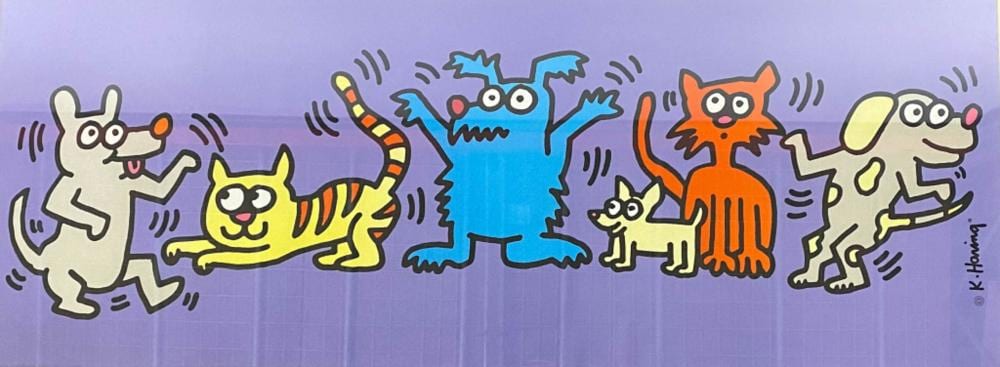 |
Keith Haring Lithograph Dogs & Cat DancingSource blocked; provenance matched | Willow Auction House | 2021-05-06 | 135 | USD 500 (buyer’s-premium treatment unknown) |
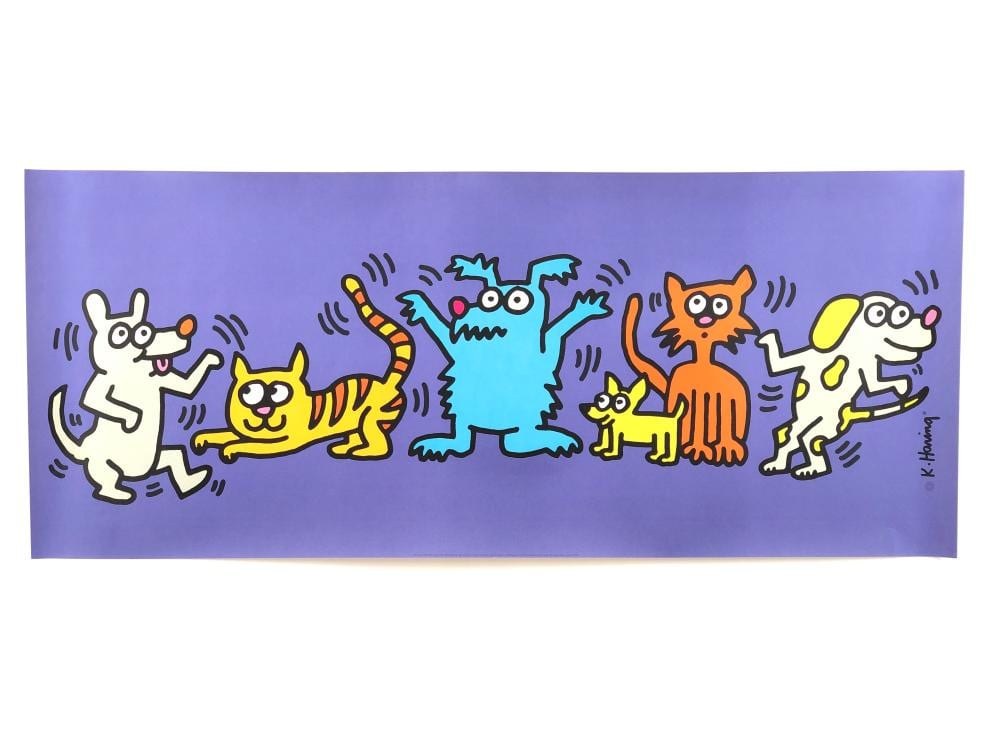 |
Keith Haring Dancing Dogs Cats LithographSource blocked; provenance matched | Bradford's | 2020-07-19 | 1196 | USD 440 (buyer’s-premium treatment unknown) |
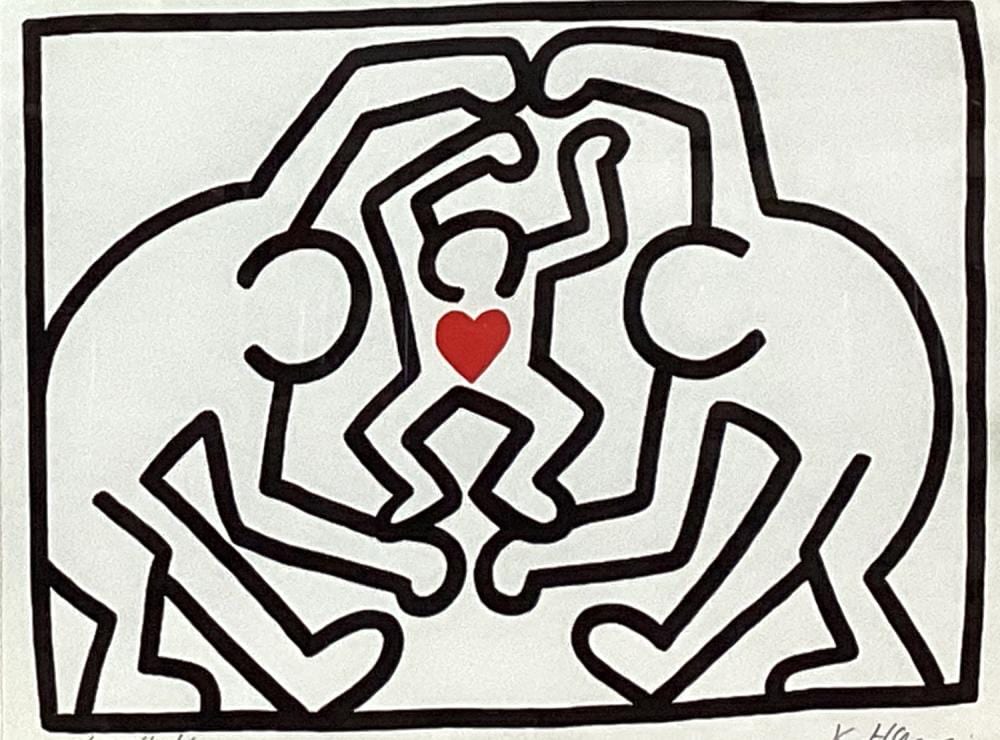 |
Keith Haring Limited Edition Family PrintSource blocked; provenance matched | EJ'S Auction & Appraisal | 2026-03-07 | 4053 | USD 950 (buyer’s-premium treatment unknown) |
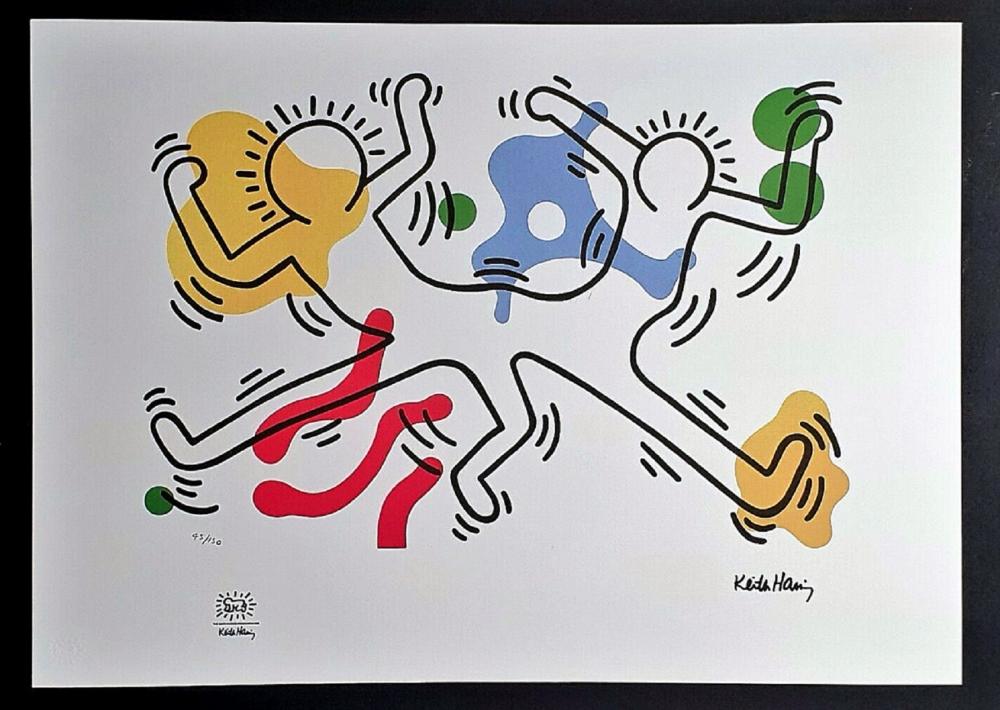 |
Keith Haring - Lithographie 50 x 70 cm, certificate of authenticity | Novartia | 2021-09-19 | 51 | EUR 250 (buyer’s-premium treatment unknown) |
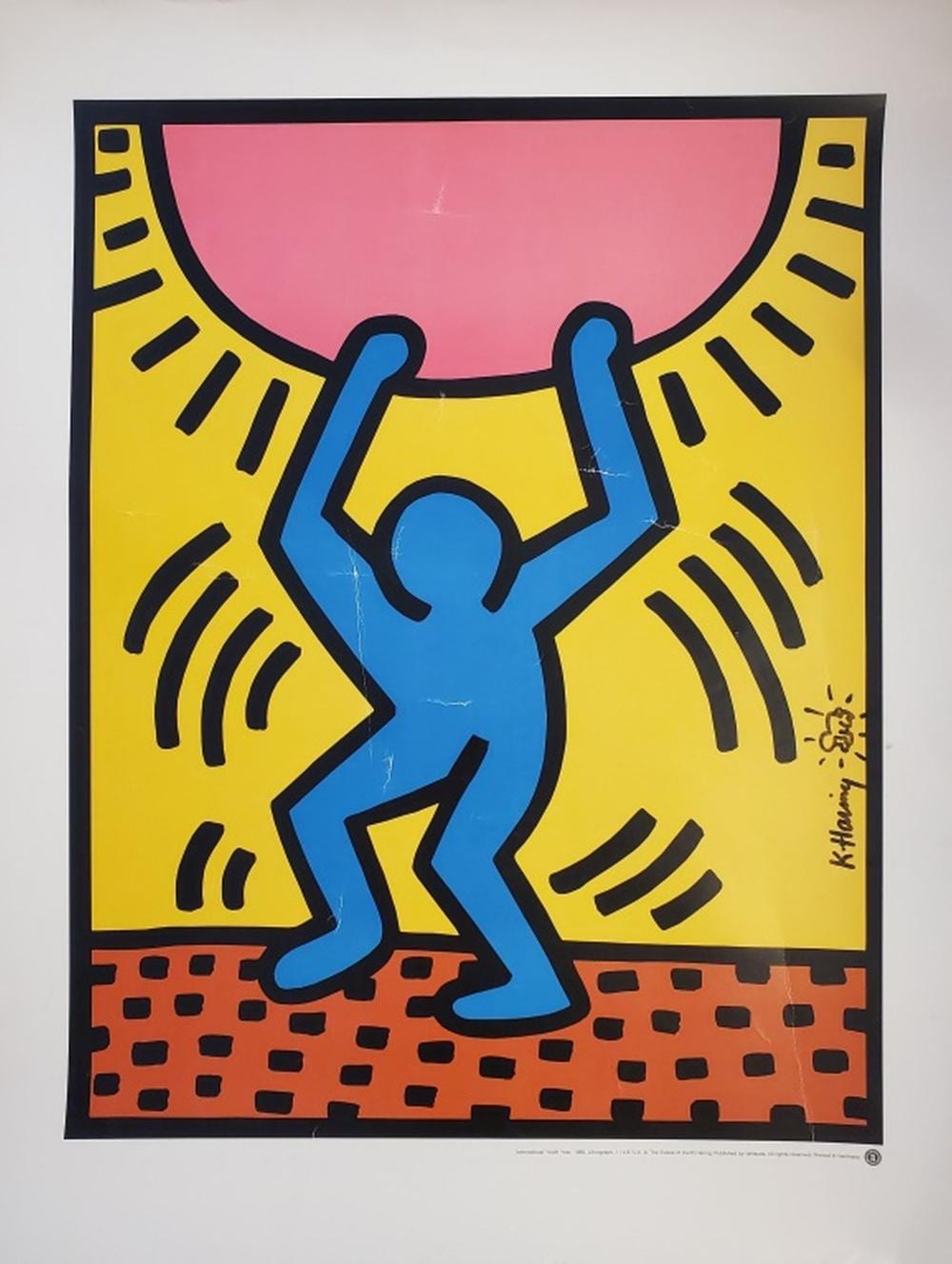 |
Hand Signed Litho by Keith Haring 31 x 23.75 | Four Seasons Auction Gallery | 2022-06-26 | 13 | USD 170 (buyer’s-premium treatment unknown) |
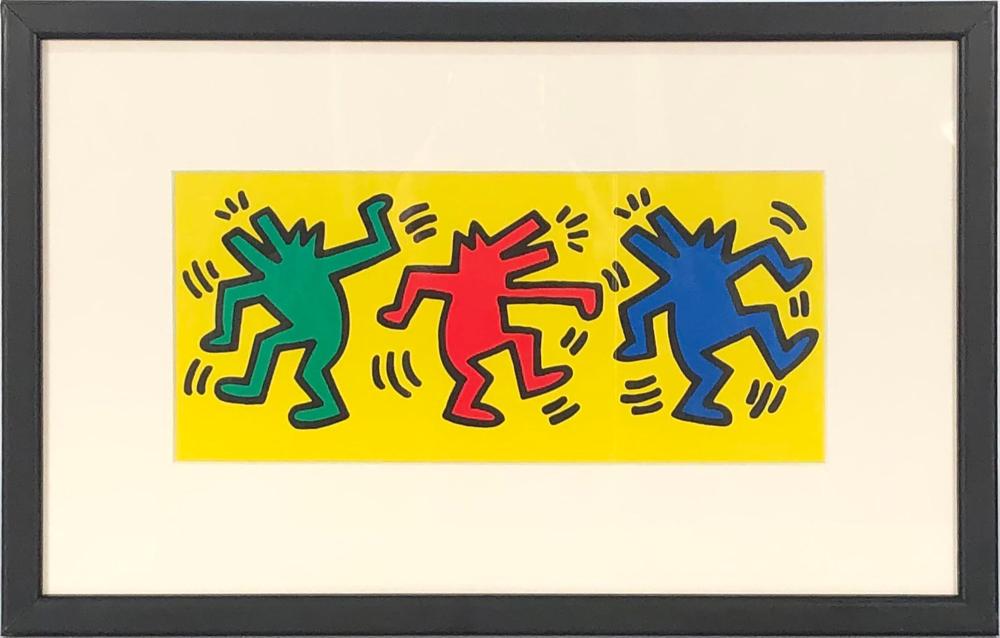 |
Keith Haring - Dance - 1998 Offset Lithograph 9.75" x 14.75"Source blocked; provenance matched | DUMBO Auctions | 2024-11-19 | 102 | USD 100 (buyer’s-premium treatment unknown) |
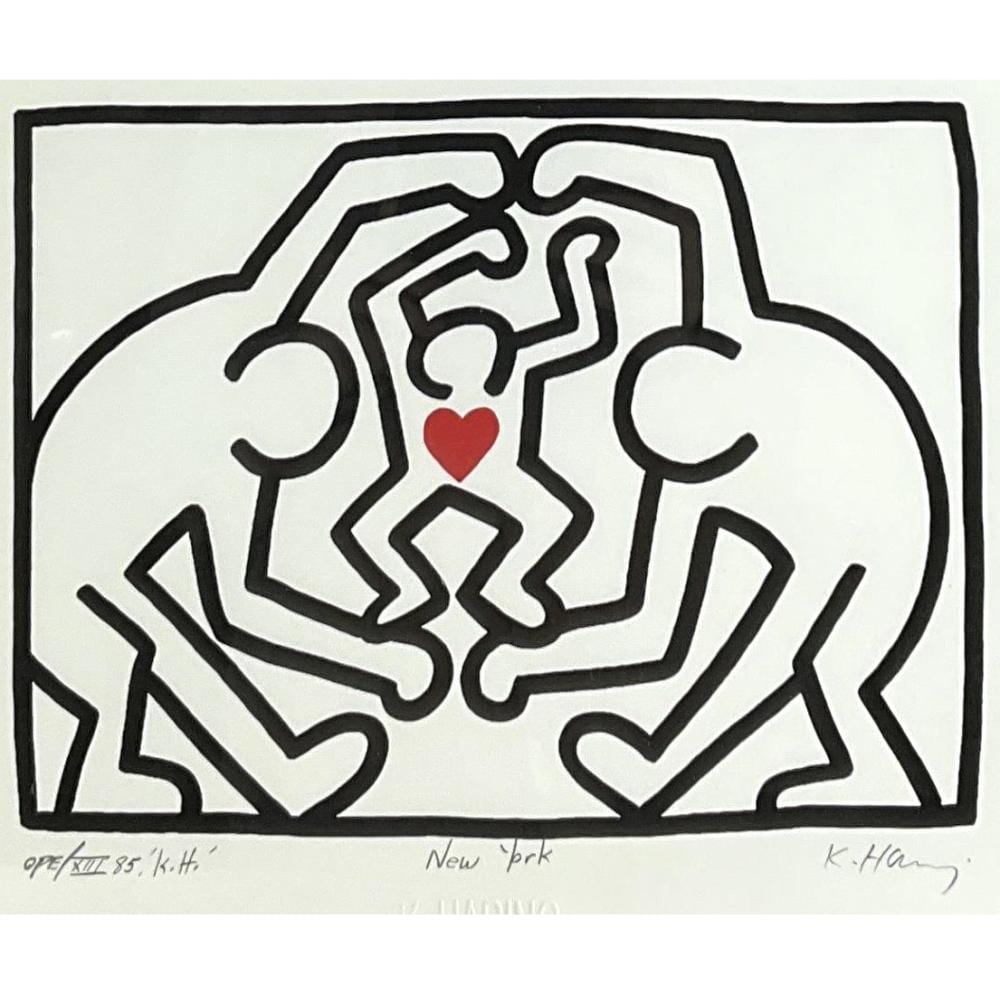 |
Keith Haring Limited Edition Print Signed In PlateSource blocked; provenance matched | EJ'S Auction & Appraisal | 2022-12-31 | 1584 | USD 300 (buyer’s-premium treatment unknown) |
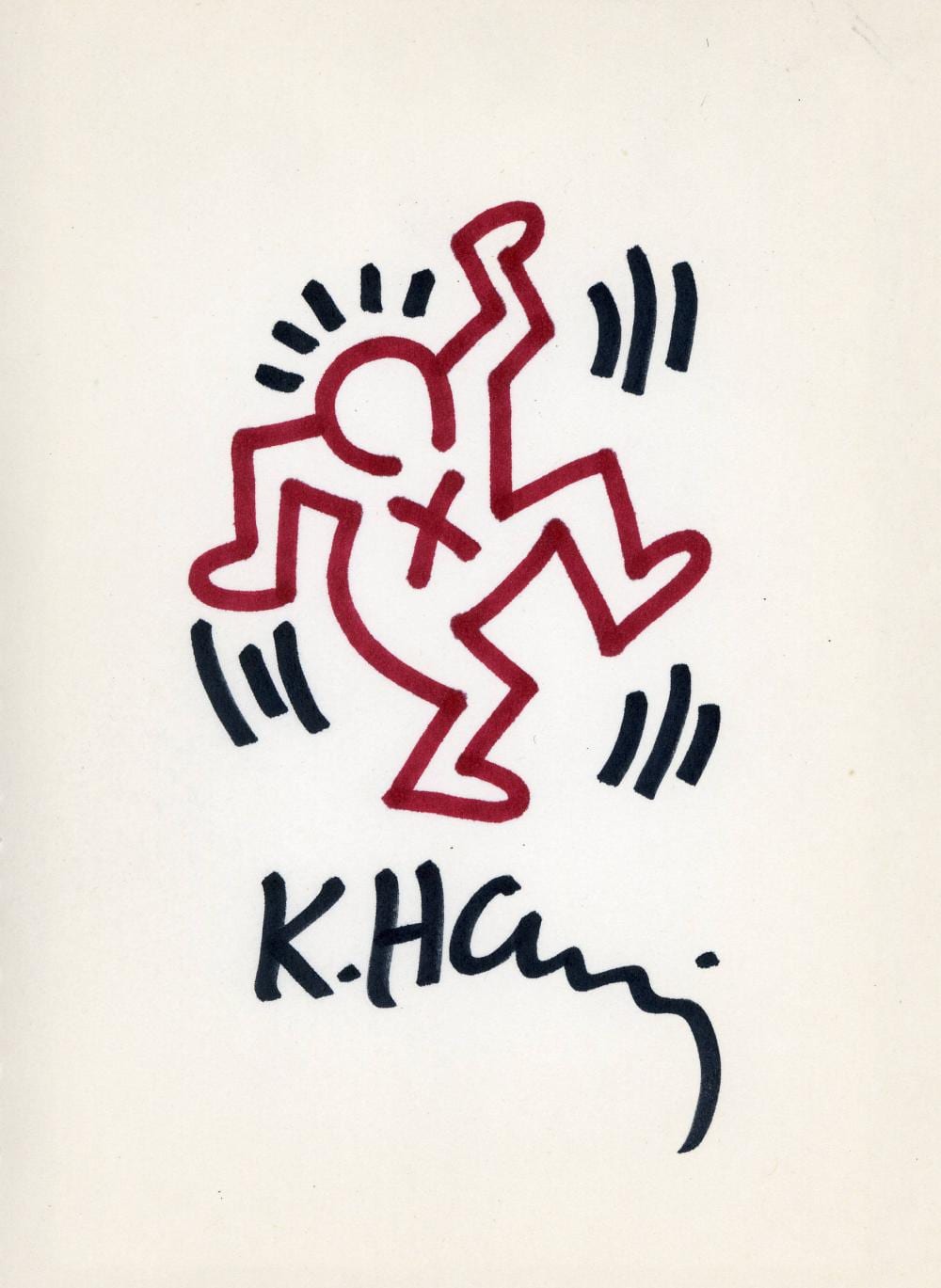 |
Keith HARINGSource blocked; provenance matched | Artcurial | 2025-11-26 | 50 | EUR 20,000 (buyer’s-premium treatment unknown) |
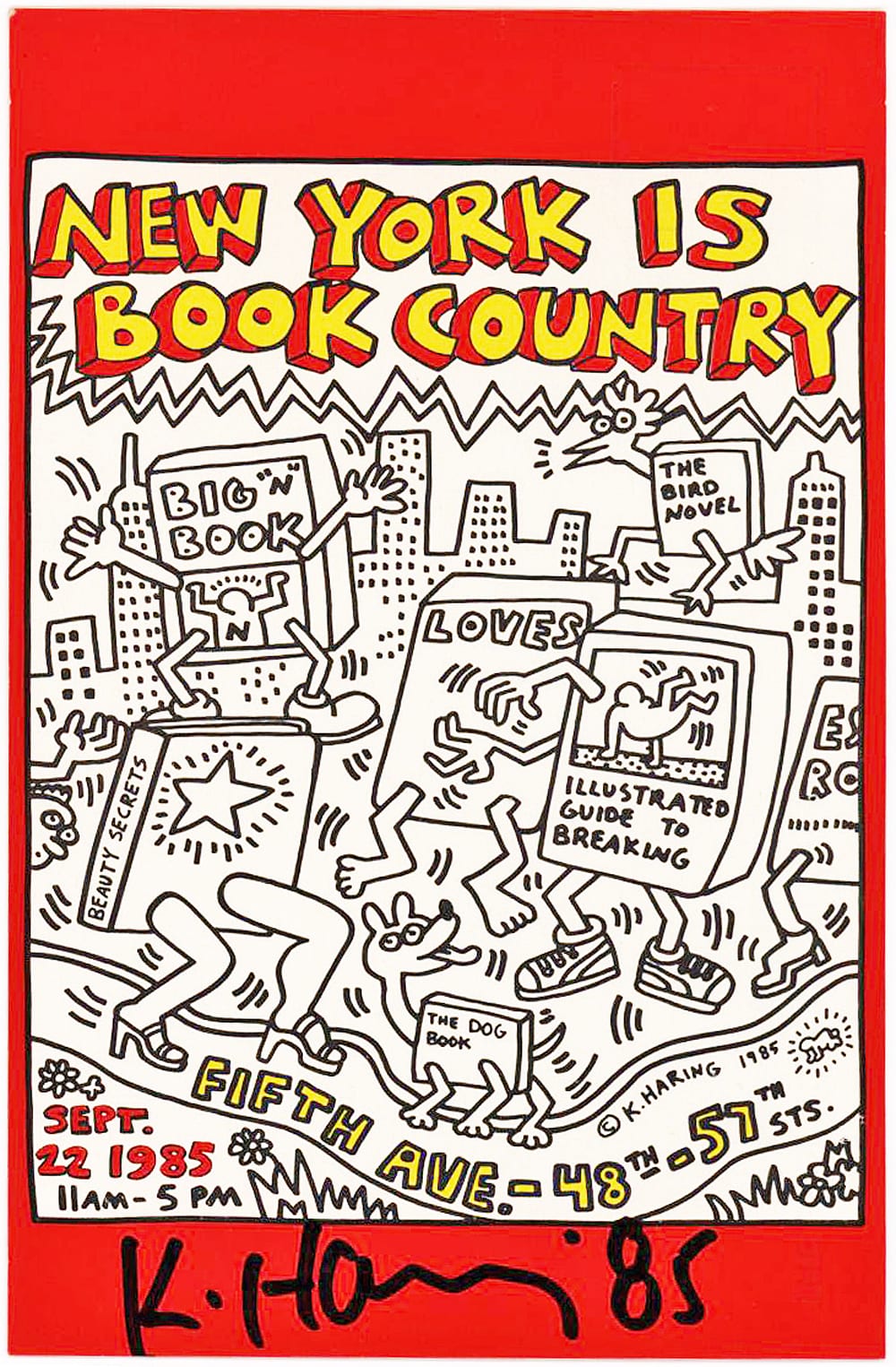 |
Keith Haring Signed Postcard Depicting his “New York is Book Country” PosterSource blocked; provenance matched | Lion Heart Autographs | 2018-11-14 | 80 | USD 300 (buyer’s-premium treatment unknown) |
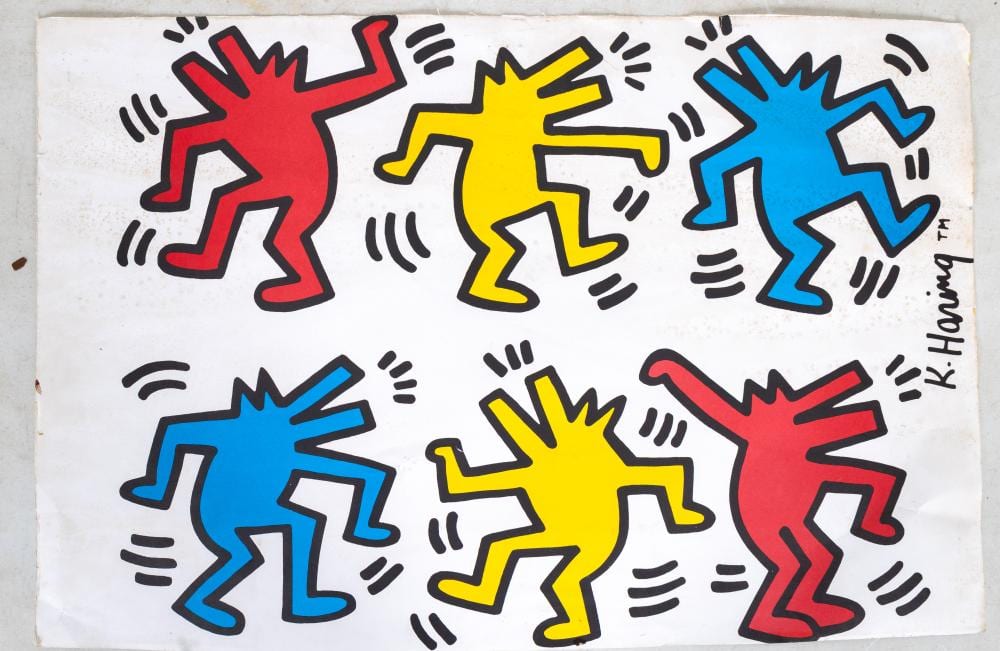 |
Keith Haring PrintSource blocked; provenance matched | Keystone Auctions LLC | 2025-03-22 | 238A | USD 35 (buyer’s-premium treatment unknown) |
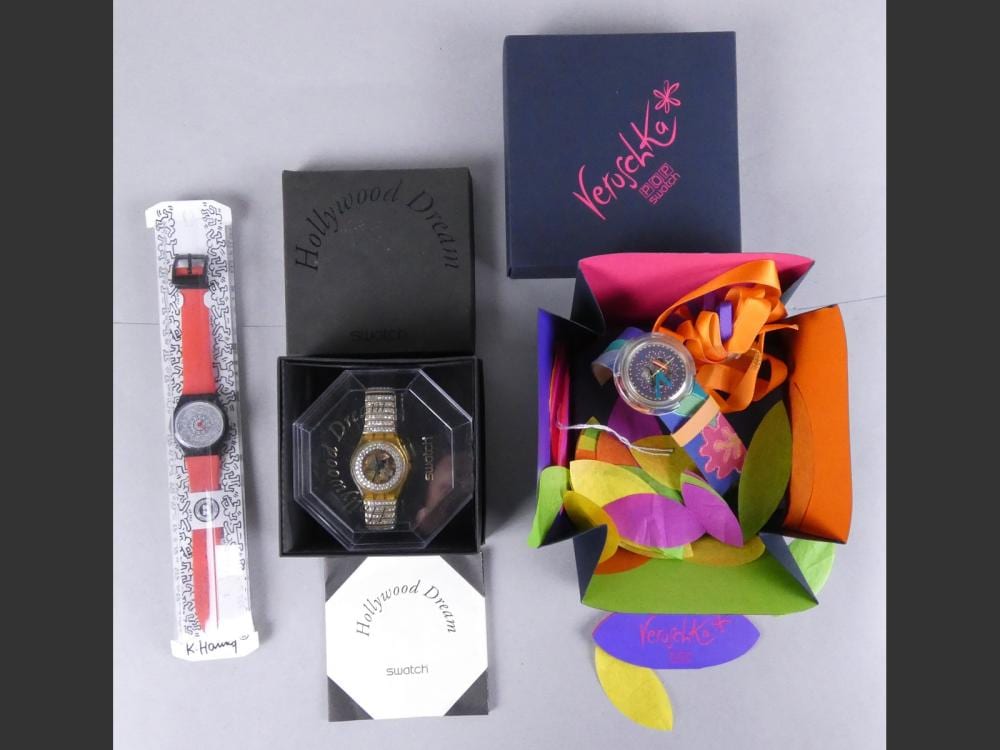 |
Jewel: SWATCH watches (3 pcs) (functionality not verified): Hollywood Dreem + Keith Haring limited edition 1000 + VeruschkaSource blocked; provenance matched | Monsantic.com | 2025-10-19 | 464 | EUR 50 (buyer’s-premium treatment unknown) |
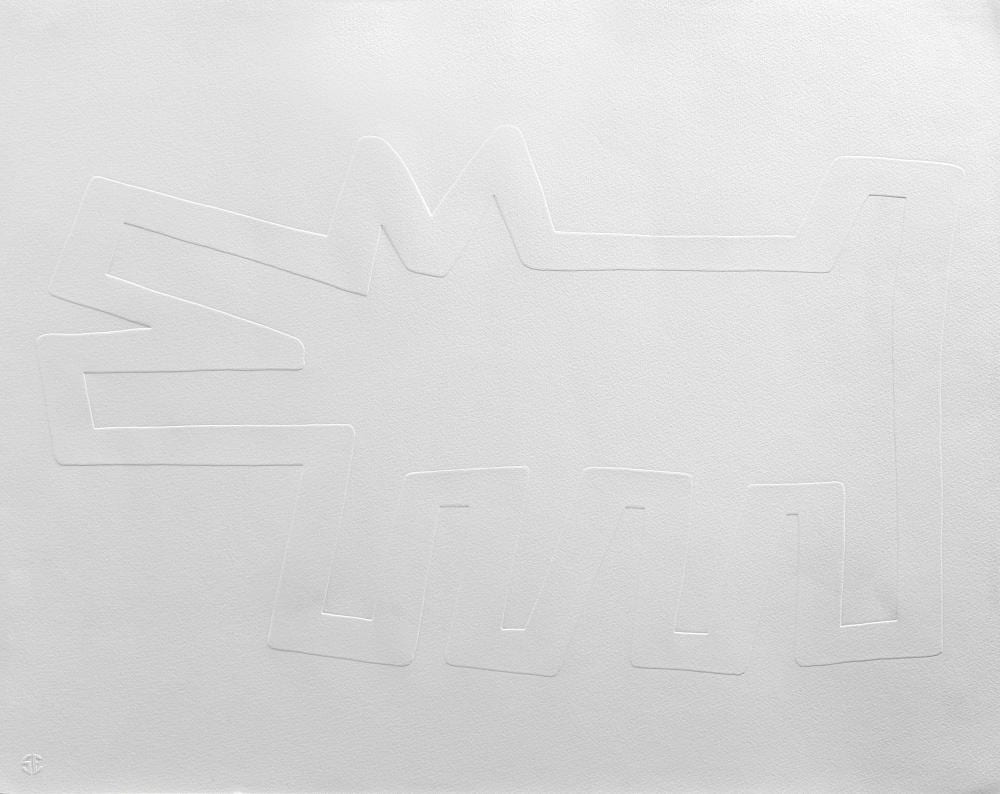 |
Keith HARINGSource blocked; provenance matched | Artcurial | 2025-12-03 | 106 | EUR 5,000 (buyer’s-premium treatment unknown) |
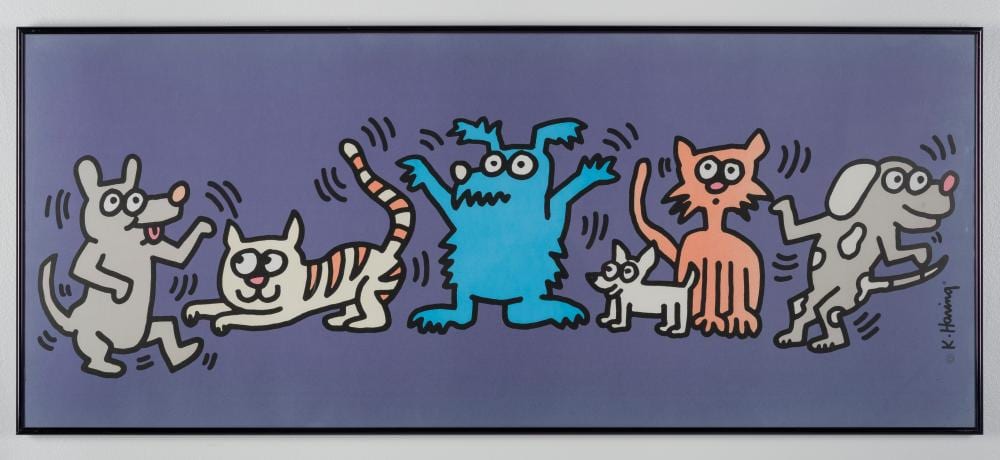 |
Keith Haring (American, 1958-1990)Source blocked; provenance matched | Cordier Auctions & Appraisals | 2021-11-20 | 341 | USD 275 (buyer’s-premium treatment unknown) |
How these auction records were verified
Each row retains its exact source URL, lot identity, retrieval time, access result, and immutable record hash. Live source access was blocked; the exact record matched Appraisily's immutable pipeline provenance. Inspect the public comparable provenance record.
Disclosure: prices are shown as reported by auction houses and are provided for appraisal context. Learn more in our editorial policy.
Free instant estimate
Not sure if your print is worth appraising? Let us take a look.
Upload a photo, tell us what you know, and get a free first read. If a full appraisal makes sense, we will say so.
Free. No card needed. Takes about two minutes.
FAQ
Q: How do I tell a limited edition print from a poster if both are signed? A: Use a loupe. Limited edition screenprints show solid, layered color with crisp edges and no halftone rosettes; posters display dot patterns. Look for graphite edition numbers, high-quality wove paper, possible watermarks or blindstamps, and generous margins. A hand signature on a poster increases collectibility but does not convert it into a limited edition fine art print.
Q: Did Haring’s estate produce hand-signed Dancing Dogs after 1990? A: No. After Haring’s death in 1990, legitimate posthumous editions and reproductions are estate-authorized but not hand-signed by the artist. They may bear estate stamps or printed signatures. Any claim of a hand-signed post-1990 work warrants scrutiny.
Q: What edition sizes are typical for Haring’s dancing dog prints? A: Edition sizes vary by specific work, commonly ranging roughly from 75 to 250 for lifetime prints, plus a small number of proofs. Always verify the exact size and state for the particular piece against recognized references.
Q: Where should the signature and numbering appear? A: Typically, the edition fraction is in graphite at lower left and the signature (often with a date) at lower right, both in the margin. If the “signature” is integrated into the image in ink, it’s likely a printed signature, not a hand autograph.
Q: Does a COA guarantee authenticity and value? A: A COA helps but is not definitive. Prioritize physical evidence (printing method, paper, marks, signature), provenance from reputable sources, and alignment with catalogue raisonné entries. A strong appraisal synthesizes all these elements, not a single document.
By approaching a purported “Keith Haring limited edition hand signed Dancing Dogs” with disciplined attention to printing, paper, editioning, condition, and provenance, appraisers and collectors can separate lifetime fine art prints from look-alike posters and reproductions—and support confident conclusions about authenticity and value.