Valuable Old Stamps: appraisal and value basics
Valuable Old Stamps research should start with identification, condition, provenance, and item-specific market evidence. Use this guide to compare the signals that matter before paying for a formal appraisal or deciding whether to sell.
Introduction to Old Stamp Values
The world of philately (stamp collecting) is filled with fascinating stories and remarkable treasures. Whether you’ve inherited a collection or are actively building one, understanding stamp values is essential. According to experts, approximately a category-dependent amount of stamps are worth only their face value or slightly more, but the remaining a category-dependent amount can be quite valuable, with the rarest examples selling for millions at auction.
Understanding the Value of Old Stamps
The value of a stamp is determined by several key factors, including rarity, condition, age, and historical significance. Unlike many other collectibles, size and appearance aren’t always indicative of value. Some of the most valuable stamps in existence are quite ordinary in appearance but extremely rare due to printing errors or limited production runs.
Factors Affecting Stamp Value
Rarity: The scarcity of a stamp dramatically impacts its value. Limited print runs, printing errors, and stamps that were recalled or destroyed contribute to rarity.
Condition: Mint (unused) stamps generally command higher prices than used ones. Look for stamps with:
- No tears or creases
- Original gum (adhesive) intact
- Good centering of the design
- Vibrant, unfaded colors
Age: While older stamps tend to be more valuable, age alone doesn’t confirm value. A common stamp from the 1800s might be worth less than a rare stamp from the 1950s.
Historical Significance: Stamps commemorating important historical events or featuring printing errors often have higher values.
Demand: Collector interest in certain themes, countries, or periods affects market values.
Stamp Condition Assessment
Check applicable items to assess your stamp's condition
- Original gum intact (for unused stamps)
- No tears, creases, or folds
- Strong, unfaded colors
- Good centering (design centered within margins)
- No thinning or paper loss
- Perforations intact and undamaged
- No stains, discoloration, or foxing
Rare U.S. Stamps Price List
The United States has produced numerous valuable stamps throughout its postal history. Here’s a current price list for some of the most sought-after U.S. stamps:
Valuable U.S. Stamps Price Ranges
Current market values (2024-2025)
World's Most Valuable Stamps
Legendary Stamp Auction Records
- 2014
British Guiana 1c Magenta (1856)
Sold for a value that must be established from current, topic-matched sales million at Sotheby's, making it the most expensive stamp ever sold. This one-of-a-kind stamp was created as an emergency issue when an expected shipment of stamps from England didn't arrive.
- 2014
Treskilling Yellow (1855)
A Swedish color error stamp that sold for approximately a value that must be established from current, topic-matched sales million. It should have been printed in blue-green but was mistakenly printed in yellow.
- 2018
1918 Inverted Jenny Block of Four
Sold for a value that must be established from current, topic-matched sales million, this is the most valuable U.S. stamp item. It features an upside-down Curtiss JN-4 airplane due to a printing error.
- 2019
The Mauritius 'Post Office' Issues (1847)
A pair of these ultra-rare stamps (the 1d and 2d values) sold together for a value that must be established from current, topic-matched sales million. Only 27 examples are known to exist.
Great Britain’s Most Valuable Stamps
Great Britain, the originator of the adhesive postage stamp with the Penny Black in 1840, has produced numerous valuable stamps throughout its postal history.
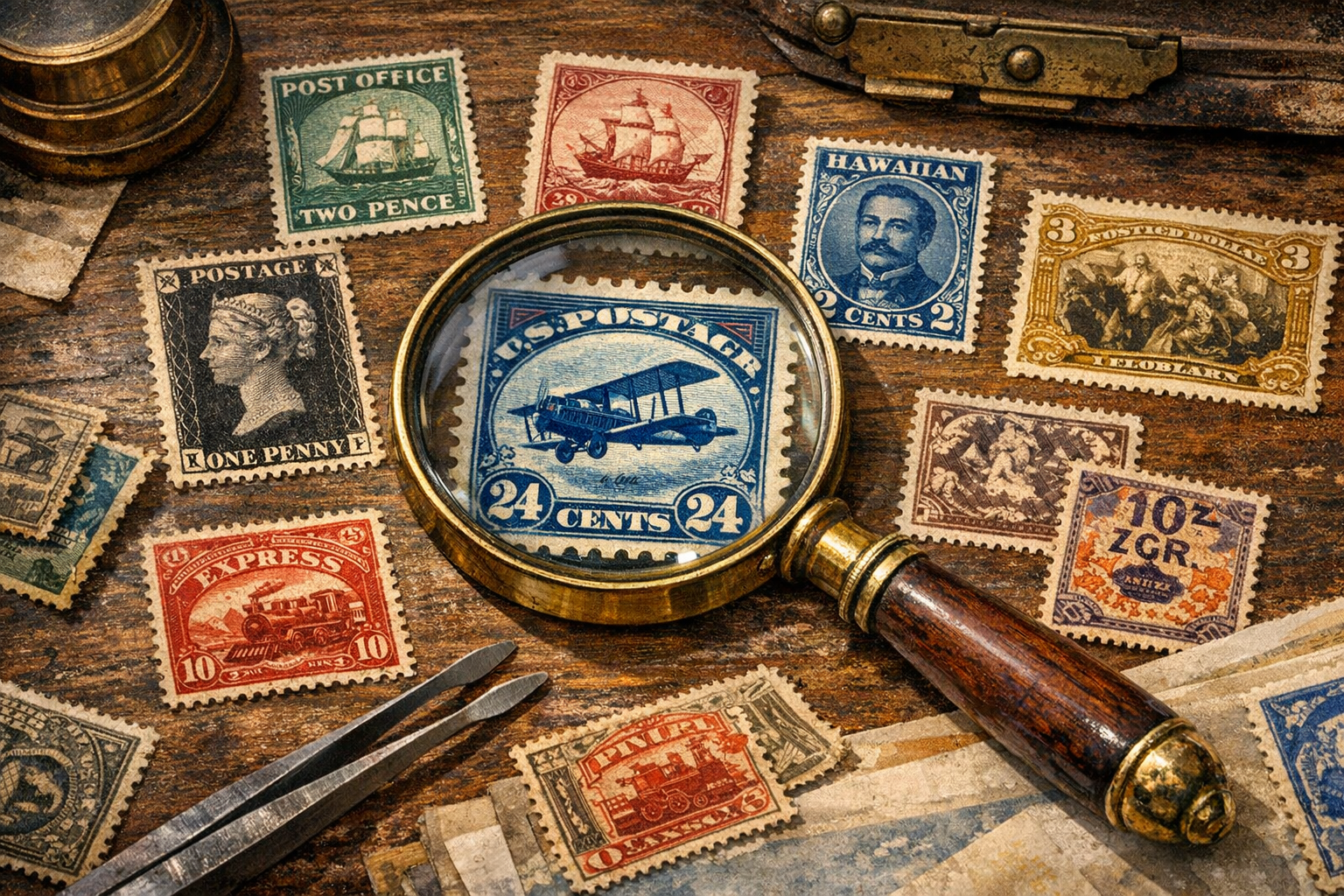
Valuable British Stamps
Current market values for rare Great Britain stamps
| Category | Price | Notes |
|---|---|---|
| 1857 1c Franklin, blue, type III | a value that must be established from current, topic-matched sales | Condition-dependent, higher values for mint examples |
| 1857-61 1c Franklin, perf 15 | a value that must be established from current, topic-matched sales | Extremely rare, especially in mint condition |
| 1866 15c Lincoln | a value that must be established from current, topic-matched sales | Higher value for mint condition |
| 1918 24c Inverted Jenny | a value that must be established from current, topic-matched sales | Famous printing error with upside-down airplane |
| 1903 1c Ben Franklin (Green) | a value that must be established from current, topic-matched sales | Common stamp in most conditions |
| 1898 a value that must be established from current, topic-matched sales Cattle In Storm (Black) | a value that must be established from current, topic-matched sales | Trans-Mississippi Exposition issue |
| 1895 a value that must be established from current, topic-matched sales John Marshall | a value that must be established from current, topic-matched sales | High value from Bureau issue |
</tbody> </table>
How to Identify Valuable Stamps in Your Collection
If you’re wondering about the value of stamps in your possession, follow these steps to identify potentially valuable items:
Stamp Identification Guidelines
Check for rarity indicators:
- Printing errors or “inverts” (upside-down elements)
- Unusual colors or paper types
- Limited edition commemorative issues
- Early stamps (pre-1900) from any country
Examine condition carefully:
- Mint condition (unused) stamps generally have higher value
- Check perforations for completeness
- Look for original gum on unused stamps
- Examine for fading, thinning, or damage
Research catalog numbers:
- Scott Catalogue numbers (for worldwide stamps)
- Stanley Gibbons (for British Commonwealth)
- Michel Catalog (popular in Europe)
Use online resources:
- Stamp identification websites like Find Your Stamps Value
- Specialized auction listings
- Philatelic society resources
Consider professional appraisal:
- For collections with potentially rare items
- For insurance or estate purposes
- When considering selling valuable items
Common Valuable Stamps to Look For
U.S. Stamps to Watch For:
- Columbian Exposition Issues (1893) - The first U.S. commemorative stamps, especially the higher denominations (a value that must be established from current, topic-matched sales)
- Early Airmail Issues (1918-1923) - Including the C1-C3 “Jenny” stamps
- Washington-Franklin Issues (1908-1922) - Particularly those with scarce perforations or watermarks
- Confederate States Issues - Especially those on original envelopes
- Early 20th Century Errors - Color variations, inverts, or printing mistakes
International Stamps of Value:
- Early British Commonwealth - Queen Victoria issues, especially from smaller colonial territories
- Chinese Imperial and Republic Periods - Particularly clean examples
- Early European Issues - First issues from any European country typically hold good value
- 19th Century Canada - Especially the “Pence” and “Cents” issues
- Australian States - Pre-federation issues from New South Wales, Victoria, etc.
Selling Your Valuable Stamps
If you’ve identified valuable stamps in your collection and are considering selling, here are options to consider:
Stamp Dealers - Professional dealers can offer immediate payment, though typically at wholesale prices (a condition-specific range of retail value)
Auction Houses - For rare stamps worth over a value that must be established from current, topic-matched sales specialized philatelic auctions may yield the highest prices but charge seller commissions (a condition-specific range)
Online Marketplaces - eBay and specialized stamp sites allow direct sales to collectors, but require knowledge of proper listing techniques
Stamp Clubs and Societies - Local clubs often have trading days or sales where you can connect with interested buyers
Consignment to Catalog Publishers - Major stamp catalog publishers sometimes accept consignments of rare items
Getting Professional Stamp Valuation
For stamps that might be particularly valuable (over a value that must be established from current, topic-matched sales), consider these professional valuation options:
- Philatelic Appraisers - Professional stamp appraisers can provide written valuations for insurance or estate purposes
- Certification Services - Organizations like the Philatelic Foundation or American Philatelic Society’s expertizing service can document rare stamps
- Auction House Evaluations - Major auction houses offer free evaluations for stamps they might accept for auction
Common Questions About Stamp Values
What share of stamps are actually valuable?
How can I tell if my old stamps are valuable?
1. Look for rarity indicators like printing errors, unusual colors, or limited editions
2. Check condition - mint/unused stamps with original gum, no damage, and good centering
3. Research catalog numbers using references like the Scott Catalog
4. Look for early stamps (pre-1900) from any country
5. Check for stamps from historical periods or commemorating significant events

For potentially valuable finds, consider professional appraisal from a certified philatelist.
Are stamps from the 1950s-1980s worth anything?
1. Printing errors or varieties
2. Unissued designs
3. Limited regional issues
4. Certain commemorative series
5. Specialty items like first-day covers of significant events

The value also depends significantly on condition, with mint (unused) stamps in perfect condition commanding the highest prices.
What is the most valuable stamp in the world?
Is it better to sell stamps individually or as a collection?
**Sell individually if:**
- You have identified high-value single stamps
- You have the time and expertise to properly list and market each stamp
- You want to maximize total return and don't mind a longer selling process

**Sell as a collection if:**
- The collection has a cohesive theme that adds value (complete sets, specific era/country)
- You want a quicker sale with less effort
- The individual stamps are of modest value but have collective appeal
- The historical organization/presentation adds value

For mixed collections with both valuable and common stamps, a hybrid approach often works best—selling rare items individually and the remainder as lots.
Do canceled/used stamps have any value?
1. Rarity - Some stamps are actually rarer in used condition
2. Historical postmarks - Clear postmarks from significant dates or places
3. Cancellation types - Fancy or unusual cancellations can add value
4. Condition - Clean, undamaged stamps with light cancellations are preferred
5. Age - Very old used stamps, especially from the 19th century, can be quite valuable

For example, a used 1918 Inverted Jenny (if one existed) would still be worth a fortune despite being used. Even common 19th-century stamps with interesting cancellations can command premium prices from specialized collectors.
External Resources for Stamp Valuation
Find Your Stamps Value
Upload photos of your stamps to help identify them and get estimated values. Features a comprehensive database of worldwide stamps with identification guides.
Mystic Stamp Company Rare Stamps Guide
Extensive listings of rare U.S. stamps with current market values, historical information, and detailed descriptions of valuable issues.
Hobbizine United States Stamp Value Guide
Free reference providing market prices for U.S. stamps in both mint and used condition, with regular value updates.
Jay Smith & Associates Price Lists
Downloadable PDF price lists for U.S., Scandinavian, and worldwide stamps with detailed valuations from a respected dealer.
StampWorld Valuation Guide
Comprehensive guide to understanding stamp values with explanations of the factors that affect pricing in the current market.
American Philatelic Society
The largest nonprofit stamp collecting organization in the world offers expertizing services, education, and resources for stamp collectors.
Conclusion: Understanding the Value of Your Stamp Collection
Determining the value of old stamps requires knowledge, research, and sometimes professional assistance. While many stamps are worth only their face value, those rare specimens with historical significance, printing errors, or exceptional condition can be worth substantial sums.
Whether you’re a dedicated philatelist or have inherited a collection, taking the time to properly identify and evaluate your stamps can be rewarding both intellectually and financially. Use the resources provided in this guide to begin your journey into stamp valuation, and consider seeking expert opinions for items that appear potentially valuable.
Remember that stamp collecting is not just about monetary value—it’s a window into world history, art, culture, and communication. Even stamps of modest financial worth can hold fascinating stories and historical significance worth preserving for future generations.
Note: We couldn’t find enough auction records that directly match Valuable Old Stamps Price Guide: Country, Issue, Gum, Watermark and Condition to publish a defensible price table. If you are valuing a specific item, include its maker, model, material, photos, and condition so the search can be narrowed.
What similar items actually sold for
To help ground this guide in real market activity, here are recent example auction comps from Appraisily’s internal database. These matched sales are market context only, not an object estimate or identification, and they do not guarantee a price for your specific value old stamps price list.
Shown USD range: USD 675-USD 1,100. Median of these 3 USD examples: USD 1,080.
| Comparable | What sold | Auction house | Date | Lot | Source-reported amount |
|---|---|---|---|---|---|
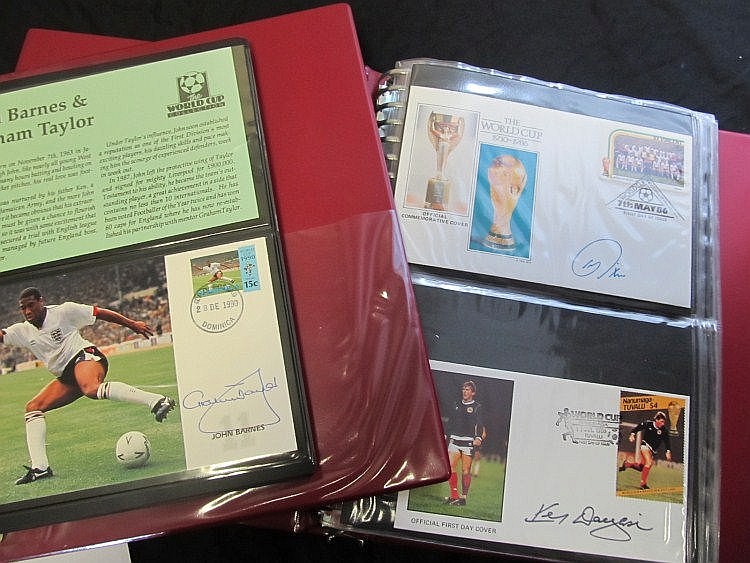 |
Philatelic - Stamps : Football - The World Cup | Lockdale Coins Ltd | 2013-07-14 | 2006 | GBP 320 (buyer’s-premium treatment unknown) |
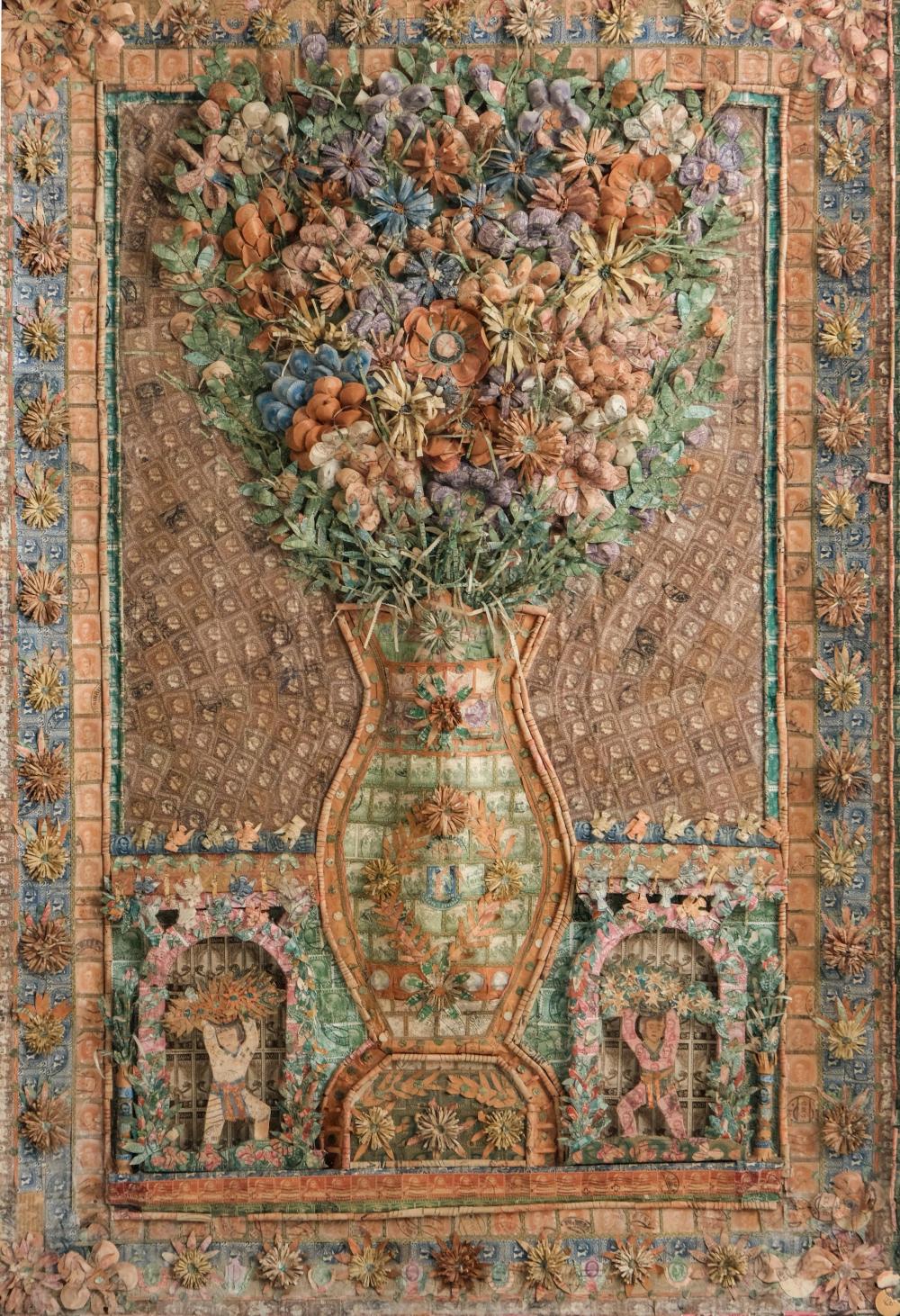 |
Postage Stamp Antique Collage Artwork Intricately Layered and Sculpted Philatelic Floral Relief Antique | Collective Hudson, LLC | 2025-09-21 | 387 | USD 1,100 (buyer’s-premium treatment unknown) |
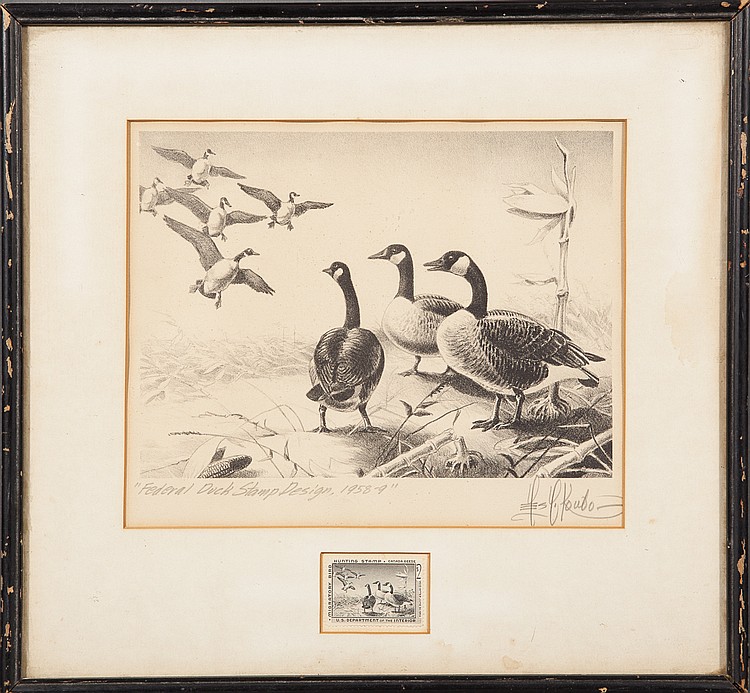 |
Eight Federal Duck Stamp Prints and Stamps | Copley Fine Art Auctions | 2014-07-26 | 548 | USD 1,080 (buyer’s-premium treatment unknown) |
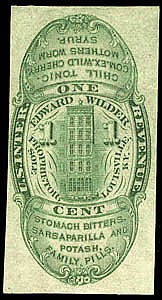 |
United States Postage Stamps : Wilder, Edward, 1¢ | Rumsey Auctions | 2013-04-27 | 2276 | USD 675 (buyer’s-premium treatment unknown) |
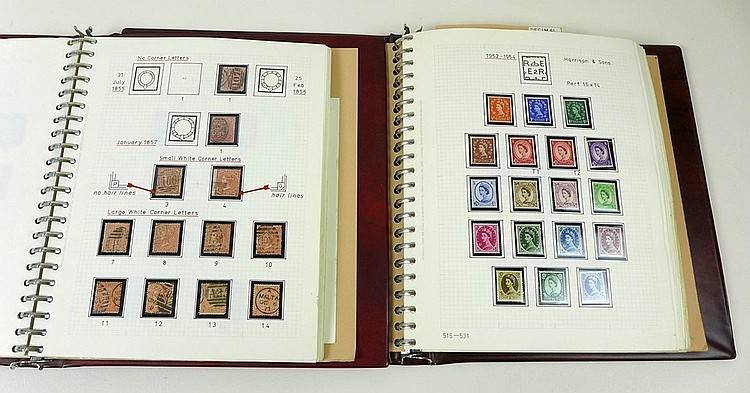 |
A collection of Victorian and later stamps in two burgundy stamp albums, fi | Batemans Auctioneers & Valuers | 2018-07-07 | 658 | GBP 820 (buyer’s-premium treatment unknown) |
How these auction records were verified
Each row retains its exact source URL, lot identity, retrieval time, access result, and immutable record hash. Inspect the public comparable provenance record.
Disclosure: prices are shown as reported by auction houses and are provided for appraisal context. Learn more in our editorial policy.
Free instant estimate
Not sure if your item is worth appraising? Let us take a look.
Upload a photo, tell us what you know, and get a free first read. If a full appraisal makes sense, we will say so.
Free. No card needed. Takes about two minutes.
Choose your next step
Use the path that matches the decision you need to make about the item.
Not sure it is worth appraising?
Start with a lower-friction screen to understand the likely category, evidence, and next step.
Upload photos for a free first lookWant proof before paying?
See how a signed report documents photos, comparable evidence, condition notes, and value conclusions.
View signed report sampleNeed a signed report?
Use this for insurance, estate, donation, resale, or documented value decisions.
Need documentation now? Start signed appraisalNeed local or specialist help?
Compare directory options when the work needs in-person review or a specialist near you.
Find local specialistsSee what the report looks like
Sample reports show how photos, comparable evidence, condition notes, and a value conclusion are documented.
Get old stamps appraised
Upload photos of fronts, backs, gum, cancellations, watermarks, perforations, album pages, covers, and condition notes.
- Expert report with photos and market context
- Fast turnaround
- Fixed, upfront pricing
No obligation. Secure upload.
Continue your valuation journey
Find the right local specialist
Compare antique and art appraisers by location and specialty in one directory.
Antique & art specialists
Browse the Antique & Art Appraisers Directory
Choose a local specialist when the assignment needs in-person inspection or a specific credential.
Machine-readable summaries
Use these machine-friendly references for AI and crawler discovery of Appraisily content.
Ready for pricing guidance?
Start a secure online appraisal
Upload images and details. Certified specialists respond within 24 hours.
Upload photos for a free first look View signed report sample