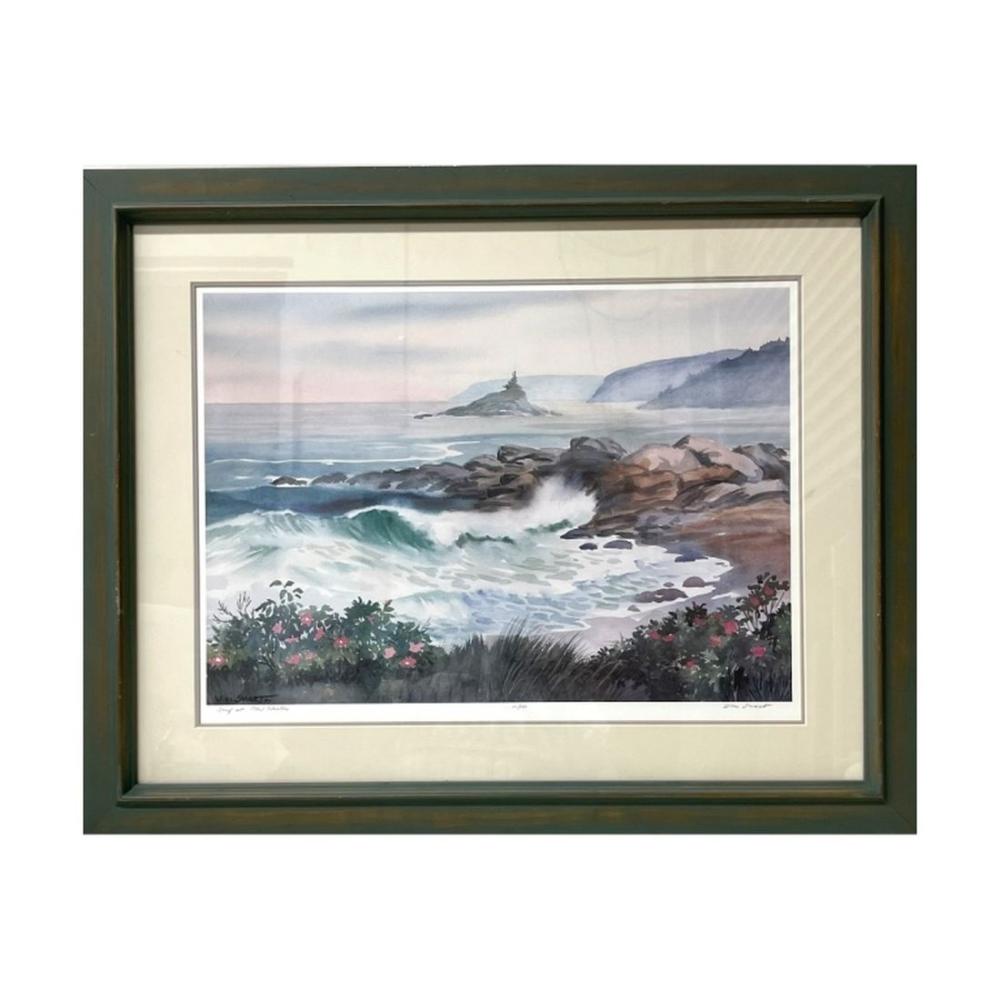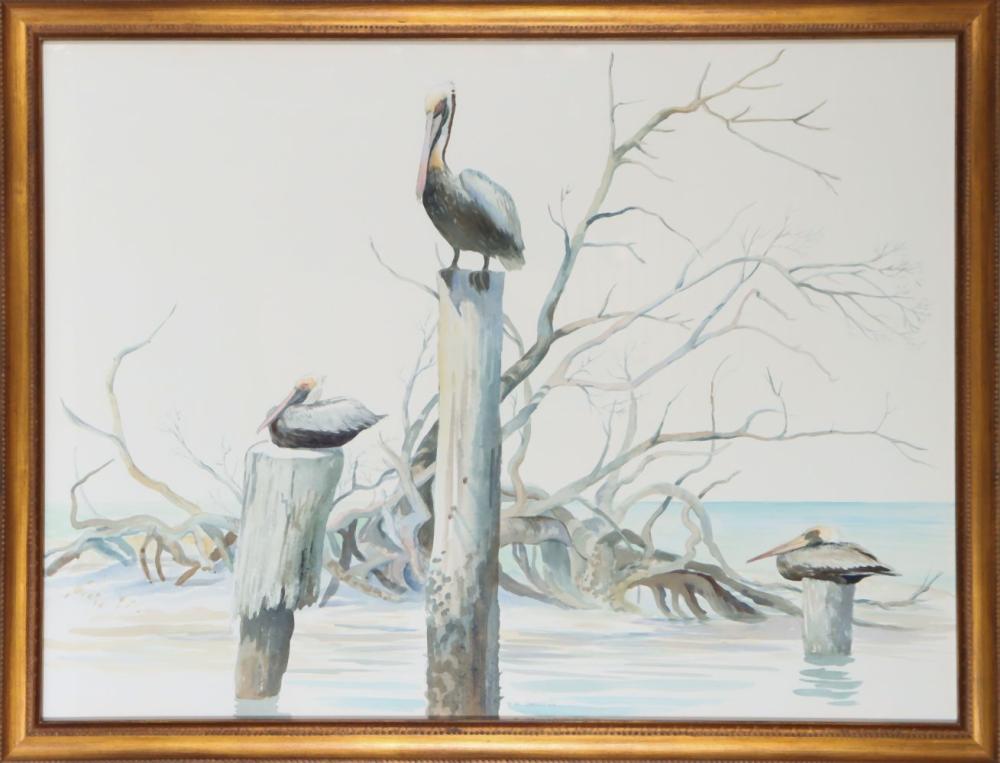
Wini Smart B 1932 American Original Painting: appraisal and value basics
Wini Smart B 1932 American Original Painting research should start with identification, condition, provenance, and item-specific market evidence. Use this guide to compare the signals that matter before paying for a formal appraisal or deciding whether to sell.
Wini Smart painting checklist
Collectors and appraisers sometimes encounter works described as “Wini Smart B 1932 American Original Painting.” That phrase can mean two very different things: either a painting by the American artist Wini Smart, who was born in 1932, or a painting actually dated 1932. Understanding the difference is essential to accurate attribution and valuation.
This guide explains how to interpret the inscription, verify originality, assess originality, evaluate condition, and arrive at a realistic market estimate.
What “B 1932” Likely Means
When you see “Wini Smart b. 1932,” the lower-case “b.” usually stands for “born.” This is a common cataloging shorthand used by dealers, auction houses, and reference books. It indicates the artist’s birth year, not the year the work was created.
Key implications:
- If the piece is labeled “Wini Smart, b. 1932,” it was almost certainly painted later in the 20th century, not in 1932.
- If a painting appears signed “Wini Smart” and dated “1932” on the image, that is a red flag—Wini Smart was born in 1932, making a 1932 date inconsistent with her authorship. Re-examine the inscription to ensure the date is read correctly. Curly scripts can make “1992” or “’82” look like “1932.”
- Catalog entries and provenance documents often include parentheses like “(American, b. 1932)” after the artist’s name. If this context was truncated, it could be misread as part of the signature.
Practical check:
- Compare the alleged “1932” with other numerals written by the same hand in the inscription. Do the 1s, 3s, and 2s match stylistically? Are there other date references on labels or verso notes that clarify the date?
Artist Overview and Typical Subjects
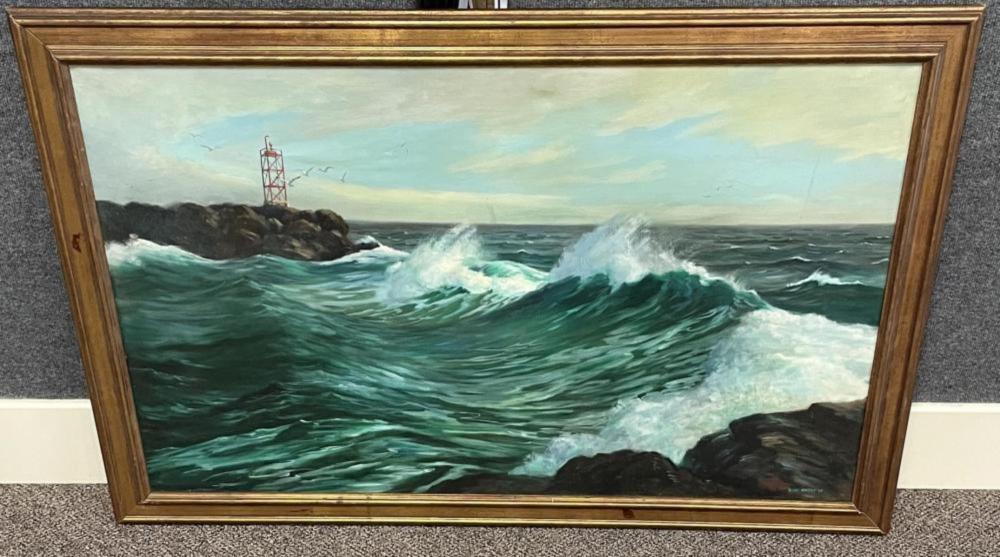
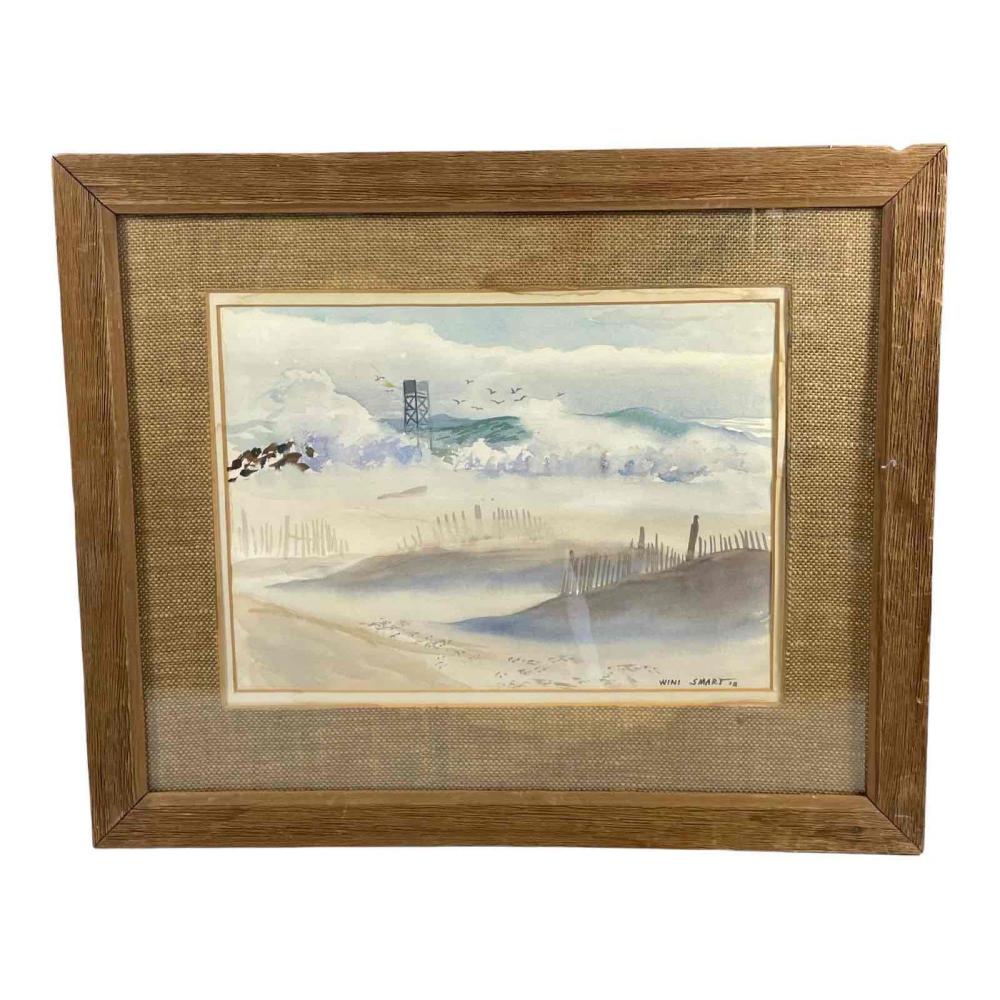
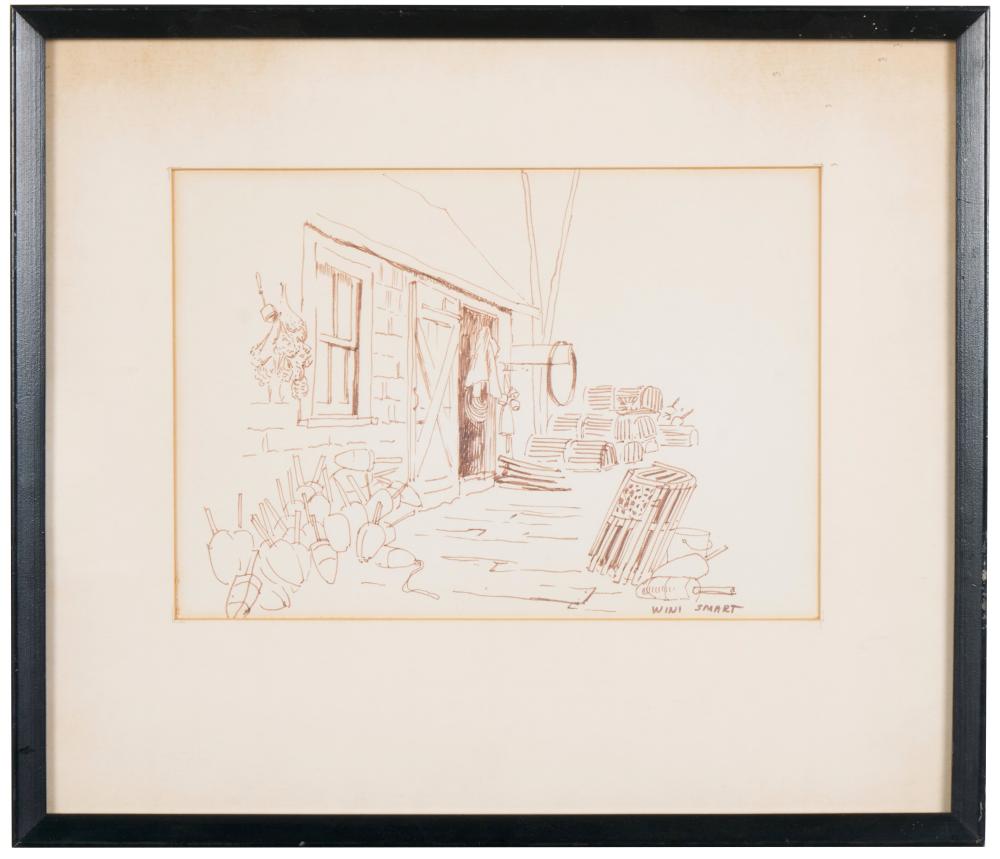
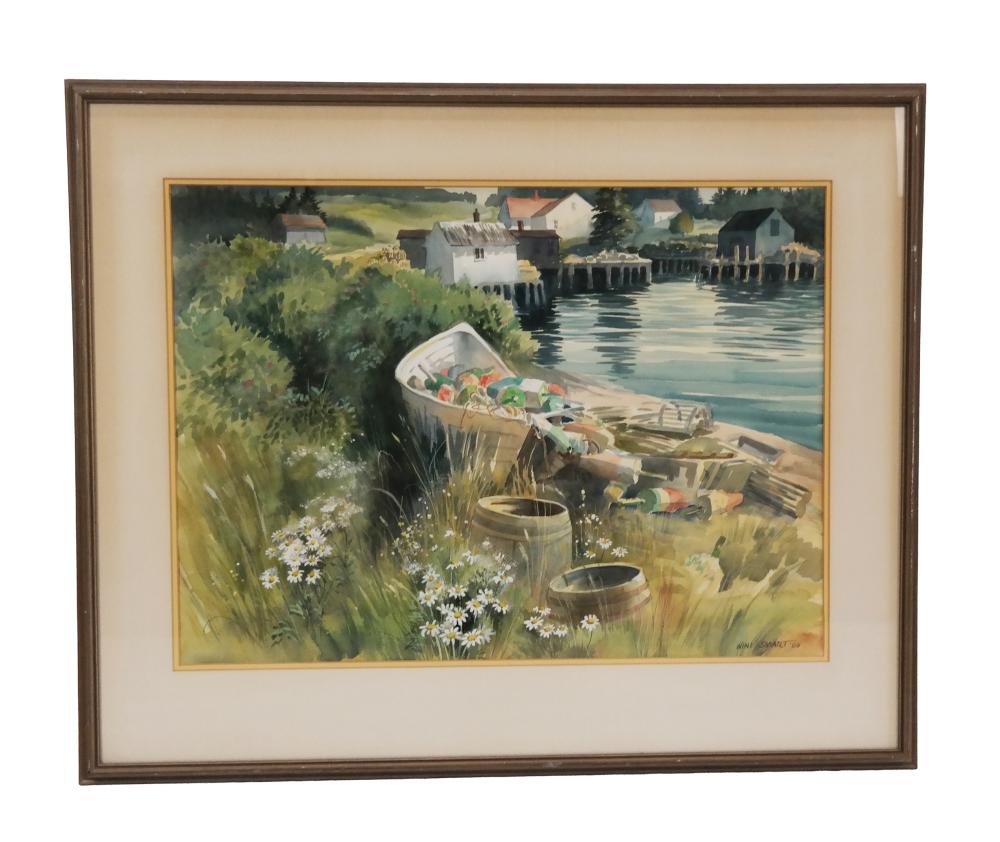
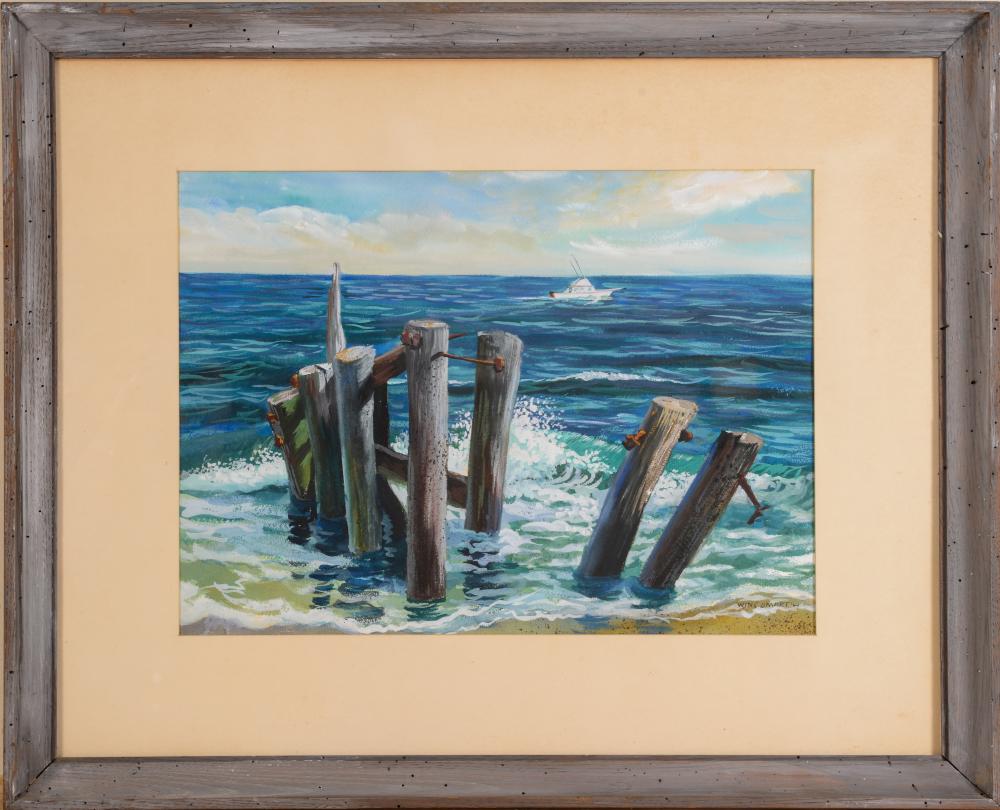
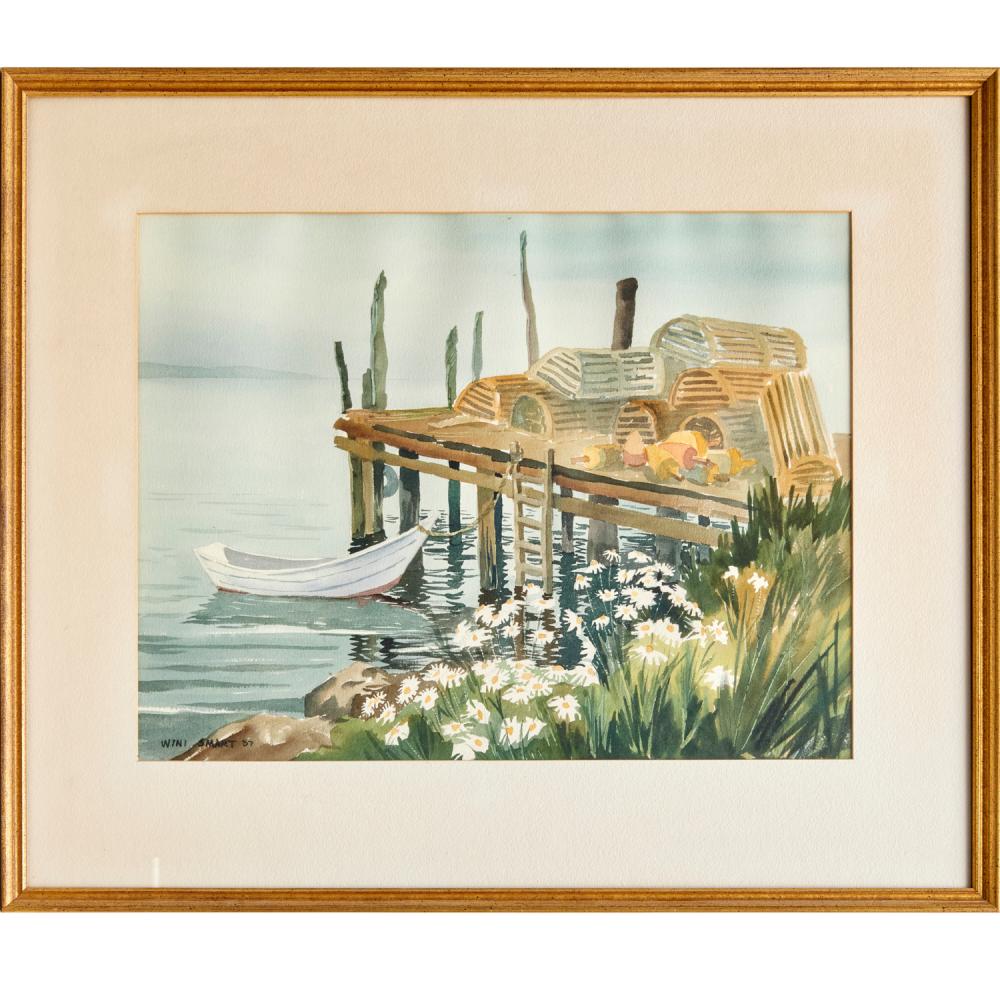
Wini Smart (born 1932) is associated with representational American painting, especially coastal and harbor scenes, boats, lighthouses, and street vignettes. Her work appears in oil and watercolor, often favoring crisp light, nautical motifs, and accessible compositions.
Without relying on specific biographical minutiae, you can expect:
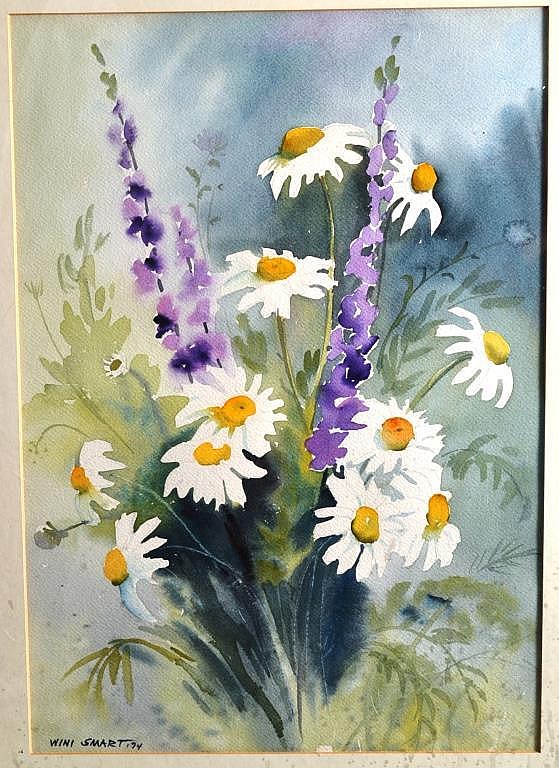
- Mediums: Watercolor on paper and oil on canvas or panel are common; some gouache or mixed techniques appear as well.
- Signatures: Typically “Wini Smart” in a readable cursive or block hand, usually lower right; watercolors may show pencil or watercolor signatures and titles, sometimes below the image line on the mount margin.
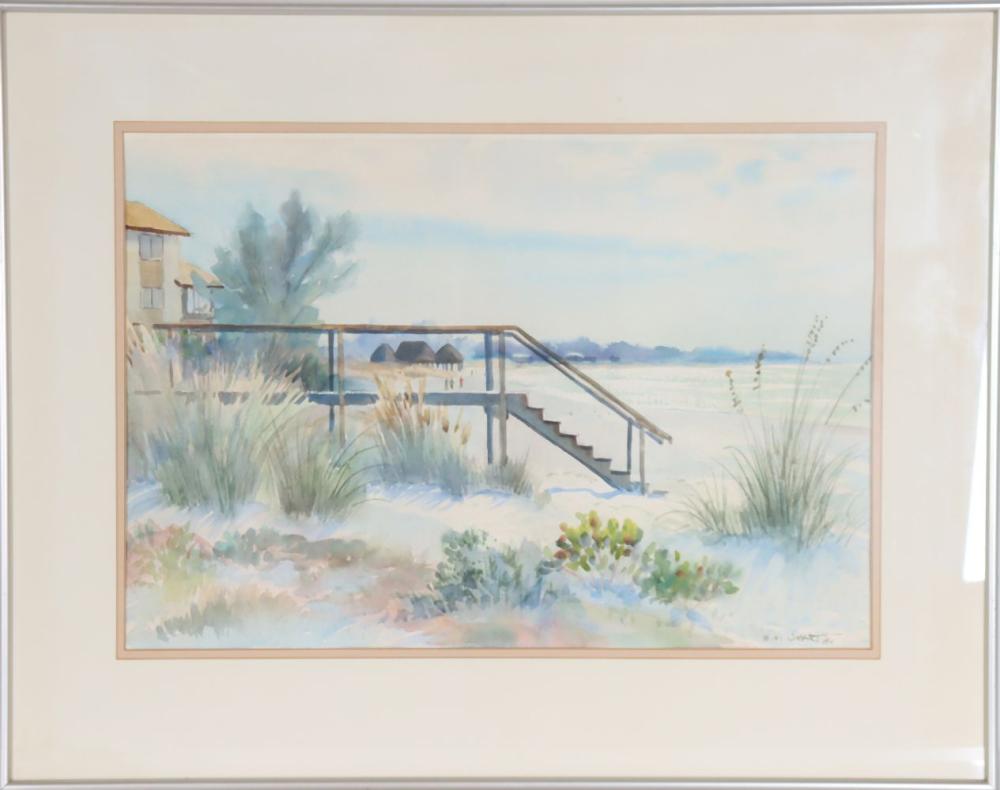
- Palette and style: Clear delineation, representational detail, and a steady hand for rigging, architecture, and shoreline textures. Watercolors may show controlled washes with defined edges.
These traits help distinguish documented work by the artist from misattributions or generic coastal scenes by other hands.
Reading the Signature, Date, and Labels
The signature carries significant weight when attributing a painting to Wini Smart. Use a systematic approach:
Signature placement and medium:
- Oils: Often signed in paint at the lower right (occasionally lower left). The paint of the signature should integrate with surrounding layers—no floating on top of fresh varnish unless clearly added post-varnish by the artist.
- Watercolors: Signatures may be in pencil or watercolor paint. If a pencil signature sits on mat board, suspect it may be a later addition to a reproduction. Documented signatures typically lie on the artwork paper or below the plate line of a print.
Hand characteristics:
- Look for consistent letterforms for “Wini” and “Smart” across known examples. Pay attention to how the “W” starts, the dotting of the “i,” the joining of “Sm,” and the terminal “t.”
- Under magnification, documented painted signatures show brush structure and minor variation, not a mechanically even line.
Dates:
- If a date is present, confirm that it aligns with the artist’s viable working years (mid-to-late 20th century onward).
- Beware ambiguous apostrophes: “’92” can be misread as “1932.”
Verso information:
- Gallery labels, exhibition tags, inventory stickers, and handwritten titles or stock numbers can corroborate attribution. Carefully note exact wording, addresses, and typography; they can help date the piece.
Framer’s labels and materials:
- Acidic mats and older non-archival backings can place the framing in a particular decade, providing a rough terminus post quem for when the work was framed.
Document every observation with high-resolution images and measurements.
Original vs. Print: Determining If You Have an Original Painting
Because Wini Smart’s work is collectible and often reproduced in prints or posters, it’s vital to confirm originality.
For watercolors:
- Watercolor originals:
- Paper will have soft surface texture and may show deckled edges if untrimmed.
- Color transitions are fluid with distinct watercolor granulation and tide lines.
- Under magnification, you will not see uniform dot patterns.
- Pencil underdrawing may be present; inscriptions might indent the paper.
- Reproduction prints:
- Dot matrix or rosette patterns under loupe.
- Flat, uniform color fields lacking the variability of pigment in water.
- Signatures may be part of the print; a “pencil” signature that sits on glossy coated paper is suspect.
- Open edition posters or offset lithographs often have printed captions.
For oils:
- Oil or acrylic originals:
- Impasto, brushstrokes with depth, and varied reflectivity across the surface.
- Canvas or panel texture visible beneath paint; craquelure patterns consistent with the paint layer.
- Reproductions:
- Photomechanical prints on canvas can have printed weave patterns; touch reveals flatness.
- “Gel” or “varnish” textured overlays may simulate brushwork but look uniform.
If the work is a limited-edition print (e.g., signed and numbered), it can still have value, but generally less than an original painting of comparable size and subject.
Condition and Conservation Considerations
Condition materially affects value. Common issues for mid-to-late 20th-century American works include:
For watercolors and works on paper:
- Light fading: Dyes and some pigments fade; check beneath a mat overlap for original intensity.
- Mat burn: Brownish window line where acidic mats contacted the sheet. Reversible with conservation, but it impacts current value.
- Foxing: Rust-colored spots from mold or metal contaminants in paper. Treatable by a paper conservator.
- Cockling: Wavy paper from humidity fluctuations; can be mitigated by proper hinging and mounting.
- Tape stains and adhesive residues: From pressure-sensitive tapes; require professional removal.
For oils and acrylics:
- Varnish yellowing: Alters color balance; a professional cleaning can restore clarity.
- Abrasion and scuffs: Frame rub along edges common in close-fitting frames.
- Craquelure: Network of fine cracks; stable, age-appropriate craquelure is acceptable, but active flaking needs attention.
- Support issues: Canvas slackness, tears, or panel warpage.
Frames:
- Original frames can add appeal, especially if they bear period labels.
- Replace actively damaging mats and backings but retain labels and inscriptions by carefully photographing and saving them.
Always obtain condition notes before estimating value; a minor cleaning can significantly enhance presentation.
Value Drivers and Current Market Context
Values for Wini Smart’s works vary by:
- Medium: Original oils typically command more than watercolors, which in turn command more than prints or posters.
- Size: Larger works usually realize higher prices, assuming comparable quality.
- Subject: Strong, recognizable coastal or harbor compositions with boats, lighthouses, and atmospheric light tend to perform best.
- Quality: Confident brushwork, balanced composition, and freshness elevate desirability.
- Provenance: Works with documented gallery or exhibition history inspire confidence.
- Condition: Fading, stains, or structural issues can reduce value significantly.
Typical ranges observed in the secondary market (subject to change and locality):
- Original watercolors: commonly in the low-to-mid hundreds, with higher prices for exceptional subjects, sizes, and condition.
- Original oils: often in the mid hundreds to low thousands for desirable, well-presented pieces.
- Signed limited-edition prints: usually below the price of originals; open-edition posters substantially less.
Market fluctuations occur with overall demand for representational American coastal painting, regional interest, and visibility of recent sales. Use multiple comparables, prioritizing the same medium, size, and subject matter and adjusting for condition and provenance.
Step-by-Step: Appraising Your “Wini Smart b. 1932” Painting
- Confirm the inscription
- Photograph the signature and any dates under good light and magnification.
- Determine if “b. 1932” is cataloging shorthand or if a date within the signature matches the artist’s working period.
- Verify originality
- Identify the medium: watercolor on paper vs. oil/acrylic on canvas/panel.
- Examine under magnification for printing patterns or true brushwork and pigment behavior.
- Record all details
- Medium, support, exact dimensions (image and frame), signature location, inscriptions, labels, and frame type. Note any titles.
- Assess condition
- Document fading, stains, craquelure, abrasions, and frame issues. If needed, seek a conservator’s assessment.
- Research market evidence
- Search recent sales for Wini Smart works that match medium, size, and subject. Note hammer prices vs. estimates to gauge demand.
- Adjust for differences: larger size, better condition, and superior composition generally add; damage, fading, and weak composition subtract.
- Consider provenance and presentation
- Retain and photograph any labels. Archival framing and clean presentation aid marketability.
- Establish a value range
- Synthesize comparable data into a conservative-low to optimistic-high range.
- For insurance, consider retail replacement cost; for auction or resale, use recent realized prices.
- Decide on next steps
- If the work appears strong and documented, consider a formal appraisal for insurance or estate purposes.
- If originality is uncertain, consult a qualified appraiser or dealer familiar with late-20th-century American coastal painting.
Practical Checklist
- Identify whether “b. 1932” denotes birth year rather than creation date.
- Verify the work is an original (not a print) via magnification and material inspection.
- Capture high-resolution images of signature, front, back, labels, and any issues.
- Measure image size and framed size accurately.
- Note medium, support, subject, and palette specifics.
- Evaluate condition and list all defects.
- Research at least 5-10 market evidence, matching medium, size, and subject.
- Assign a realistic value range and note the basis for adjustments.
- Preserve labels and consider archival reframing if materials are acidic.
- Seek a formal appraisal if the value or originality is significant or uncertain.
Short FAQ
Q: Is a Wini Smart painting dated 1932 documented? A: It’s unlikely. Wini Smart was born in 1932, so a “1932” date on the image is a red flag. Recheck whether the inscription actually reads “b. 1932” (born 1932) or whether a shorthand date like “’92” has been misread.
Q: How can I tell a watercolor original from a print? A: Use a loupe. Originals show pigment granulation, brush irregularities, and no uniform dot pattern. Prints display dot matrices or perfectly even tonal fields. Pencil signatures on glossy coated paper are suspect.
Q: Do gallery labels increase value? A: Labels don’t automatically raise price, but they strengthen provenance, which supports originality and buyer confidence—often translating into better sale outcomes.
Q: Should I clean or reframe before selling? A: Replace acidic mats/backings and address obvious grime if a conservator deems the work stable. Avoid aggressive cleanings or varnish removal without professional guidance.
Q: What affects value most: size, subject, or condition? A: All three matter. Desirable subjects and good size help, but condition is the quickest value killer. A smaller, pristine harbor scene can outperform a larger, faded or stained example.
By interpreting “b. 1932” correctly, verifying originality, and approaching condition and comparables methodically, you can place a “Wini Smart b. 1932” American original painting within a confident appraisal range and present it effectively to the market.