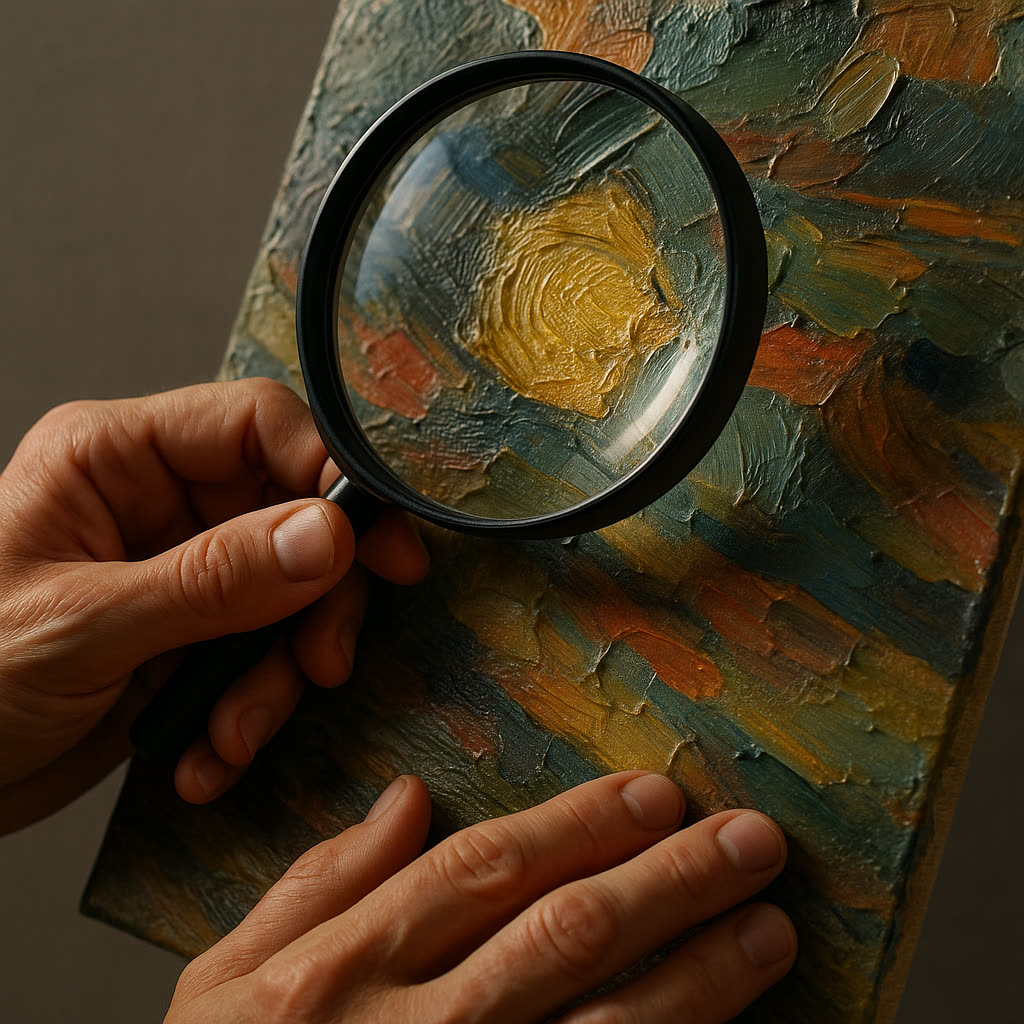
How to Tell If a Painting Is Original or a Print: appraisal and value basics
How to Tell If a Painting Is Original or a Print research should start with identification, condition, provenance, and recent comparable sales. Use this guide to compare the signals that matter before paying for a formal appraisal or deciding whether to sell.
If you inherited a framed “painting,” bought something at an estate sale, or found a piece in storage, the first question is usually simple: is it an original painting, or is it a print?
The good news: you can answer this accurately in about 10 minutes with a flashlight and a cheap jeweler's loupe. The bad news: there are plenty of convincing in-between objects (canvas giclées, hand-embellished prints, varnished reproductions) designed to look like paintings from across the room.
Quick reality check: “Print” doesn't mean “worthless.” A signed lithograph, etching, or screenprint can be valuable. The goal is to identify what you have so you can price, insure, or sell it correctly.
10-minute checklist (start here):
- Feel the surface: raised paint ridges often = original paint.
- Use raking light: angle a flashlight to reveal texture and cracks.
- Use a loupe: look for dot patterns (print) vs continuous pigment (paint).
- Check the edges: margins, plate marks, and wrap-around paint are clues.
- Look for edition info: pencil signature + 12/50 usually = print.
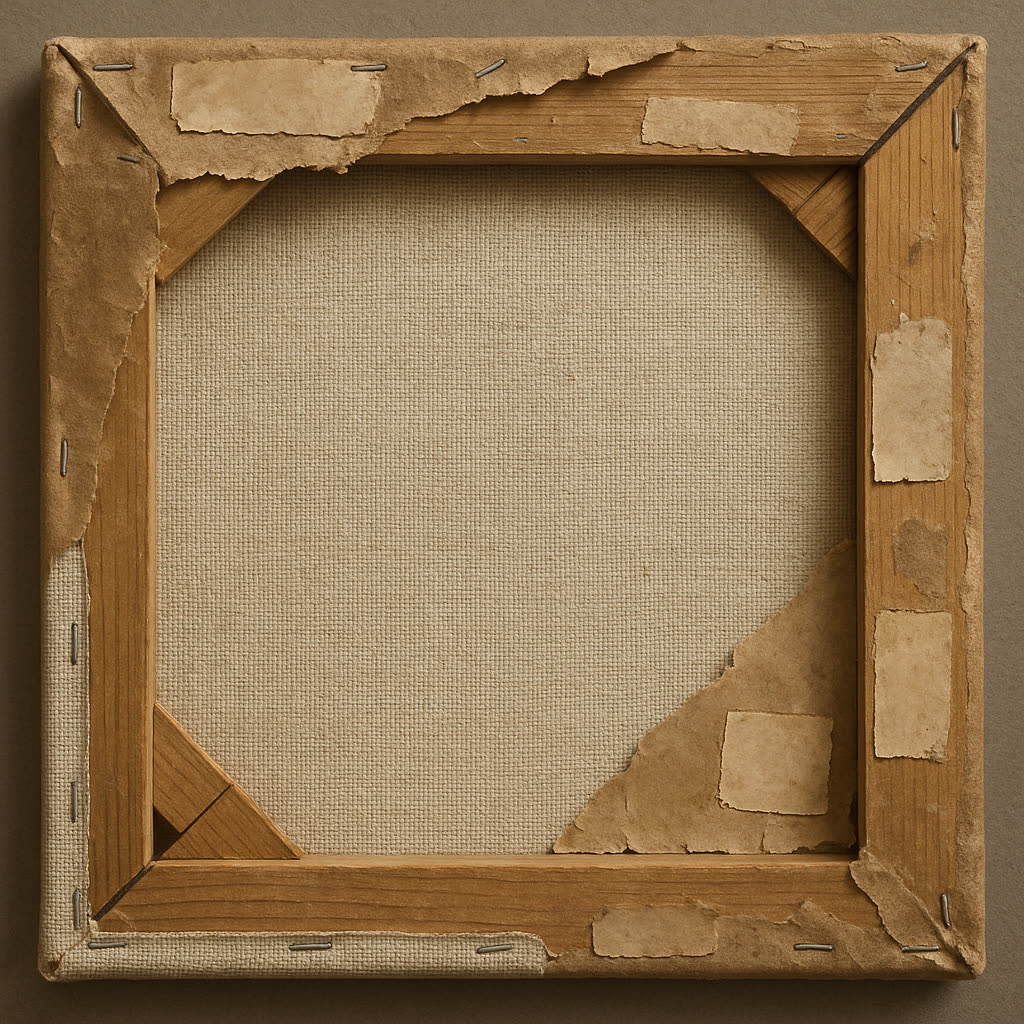
- Flip it over: paper type, stretcher bars, labels, and hardware matter.
Common red flags that it's a reproduction:
- A glossy varnish layer but no real texture underneath.
- Perfectly uniform color fields that resolve into dots under magnification.
- Printed brushstrokes that look raised but feel flat.
- Canvas texture present but the ink sits perfectly flat.
Free instant estimate
Not sure if your print is worth appraising? Let us take a look.
Upload a photo, tell us what you know, and get a free first read. If a full appraisal makes sense, we will say so.
Free. No card needed. Takes about two minutes.
Original painting vs print: what you're actually looking at
An original painting is made by applying pigment (oil, acrylic, gouache, watercolor, etc.) to a surface (canvas, board, paper) by hand. A print is created by transferring ink (or toner) to paper/canvas from a plate, screen, or digital file—often in multiple identical copies (an “edition”).
The confusion happens because modern printing can mimic paint texture and because many original works are later reproduced as prints. Your job is to identify the object in the frame: paint layers or printed ink layers.
Tools that make the answer obvious (and what “raking light” means)
- Flashlight (phone works): hold it at a low angle across the surface. This is raking light.
- 10× loupe: you're looking for dot patterns, edges of ink, and paper fibers.
- Clean hands / gloves: avoid touching paint; handle by the frame.
Raking light turns texture into shadows. Real paint sits on top of the surface; printed ink usually lies flatter and won't cast the same ridge shadows.
Step 1: surface texture (the fastest paint vs ink test)
Run raking light across the image area. If you see and feel distinct raised ridges where brushstrokes should be—especially in highlights and thick passages—this strongly supports an original painting (or at least real paint applied by hand).
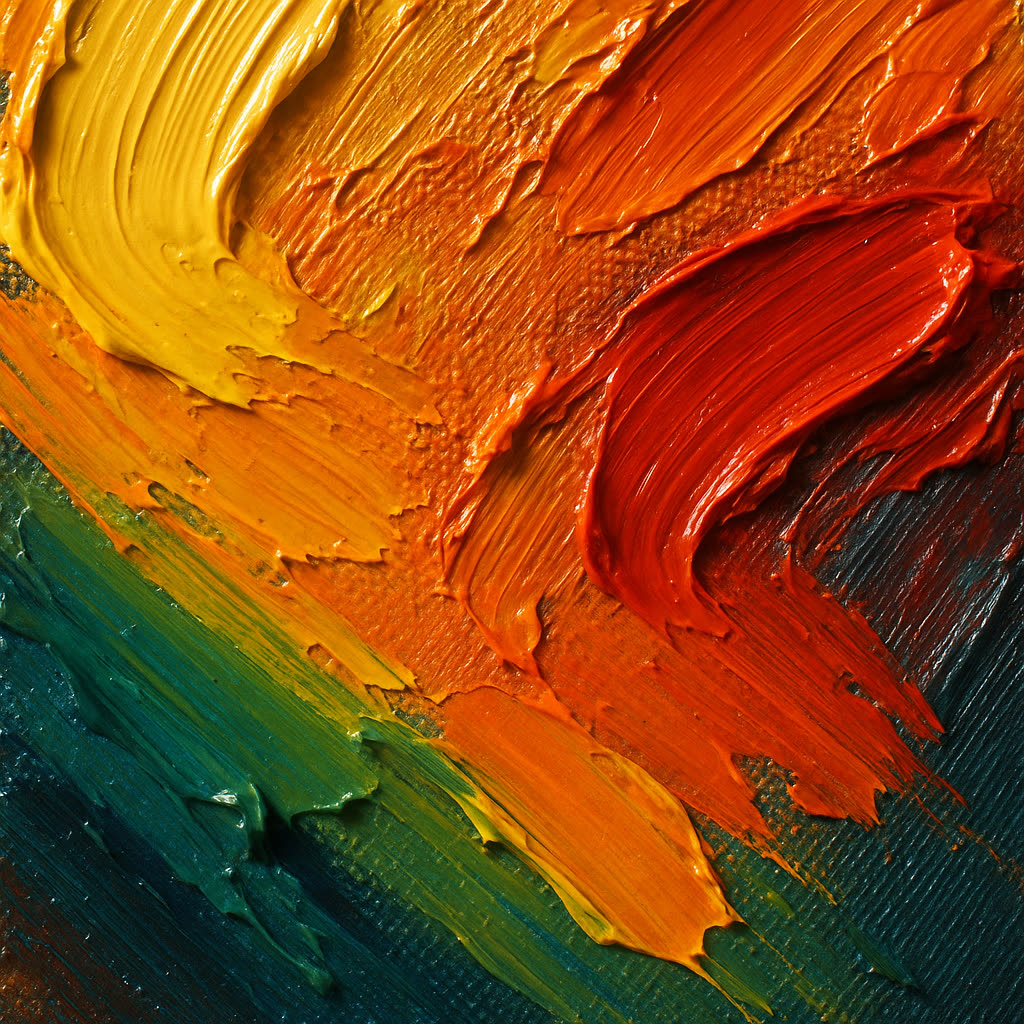
- Canvas giclée: ink printed on canvas texture can look painterly but remains flat.
- Gel-textured reproductions: clear gel can imitate brushstrokes; check for dots beneath with a loupe.
- Hand-embellished prints: paint added on top of a print; it's still fundamentally a print.
Step 2: dot patterns under magnification (the print giveaway)
With a 10× loupe, examine flat color areas and gradients (skies, skin tones, backgrounds). Most modern prints resolve into dots (inkjet) or rosettes (offset printing). Original paint typically shows continuous pigment and brush edges rather than repeating dot matrices.
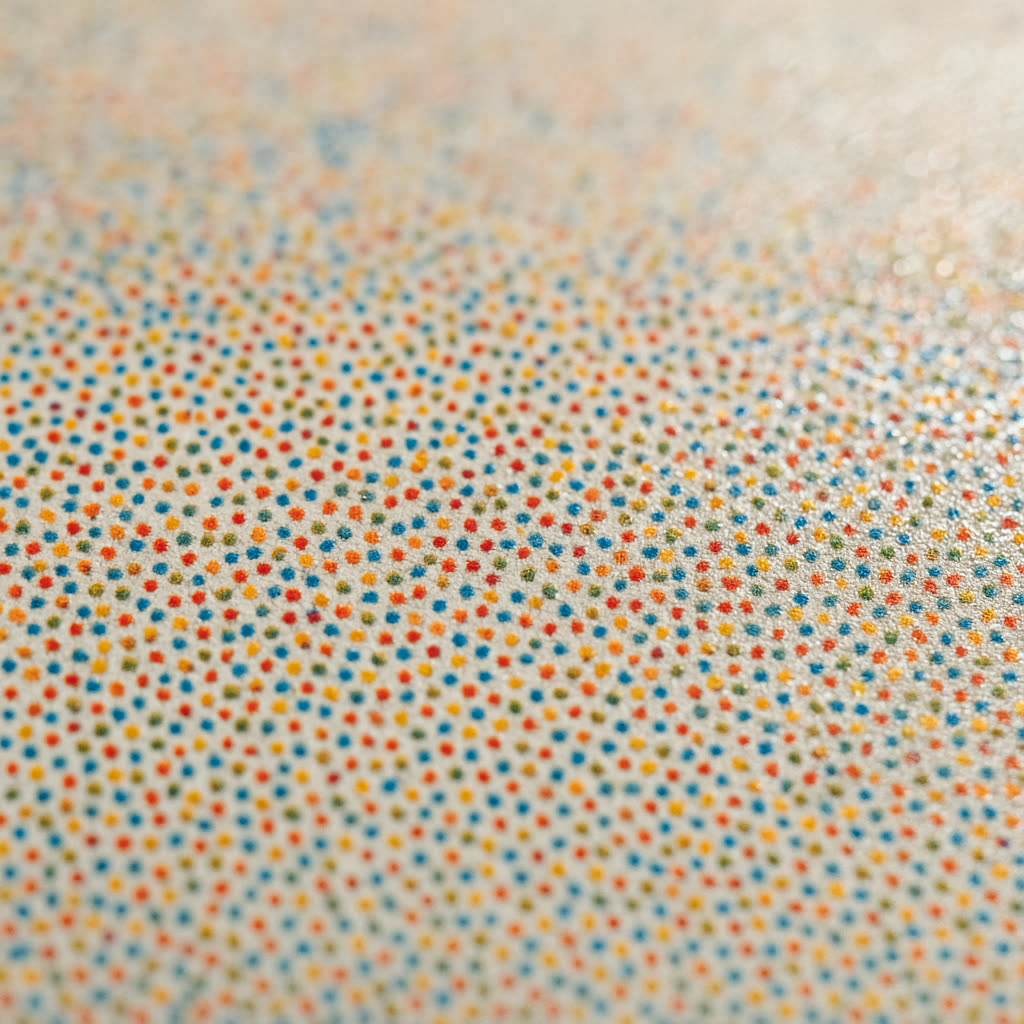
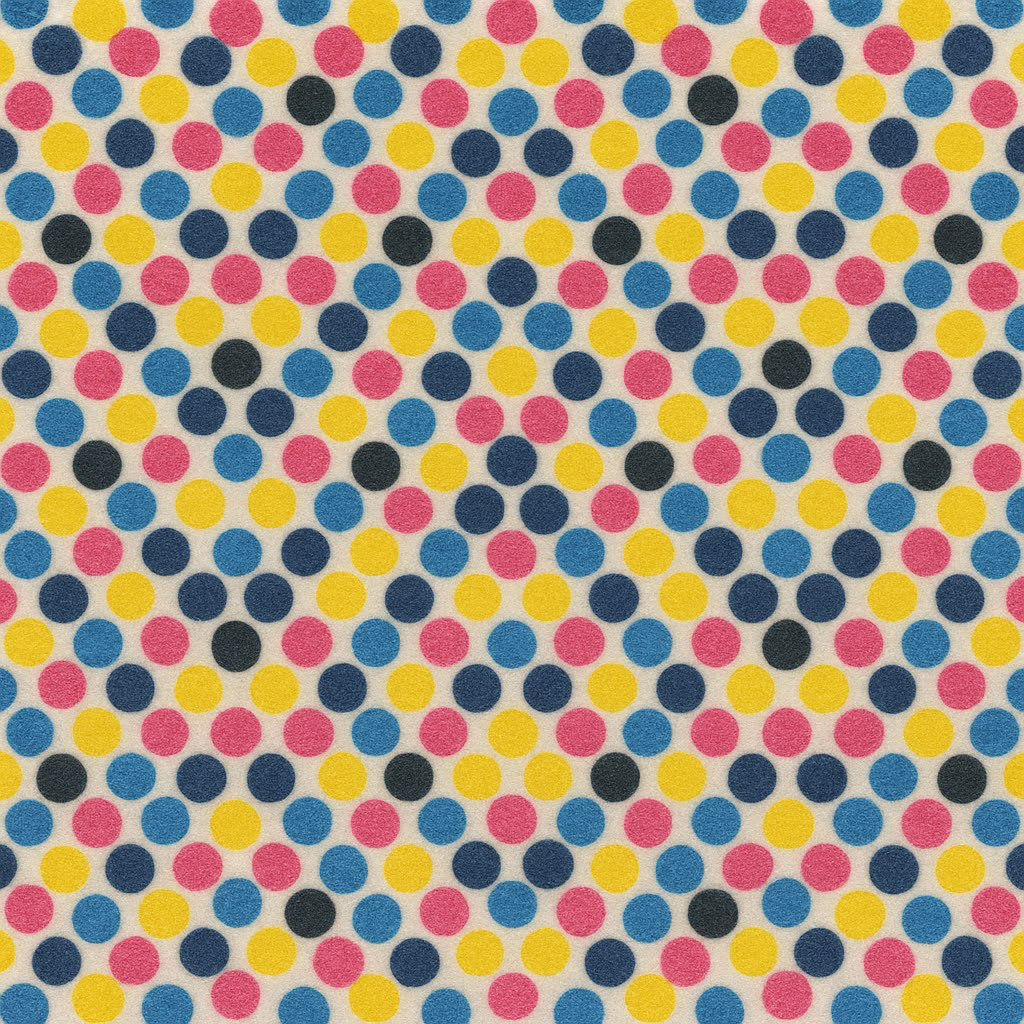
Step 3: canvas vs paper (and why canvas alone isn't proof)
A common misconception: “It's on canvas, so it must be a painting.” Prints can be made on canvas, and painters can work on paper. Instead, look for how the image interacts with the support.
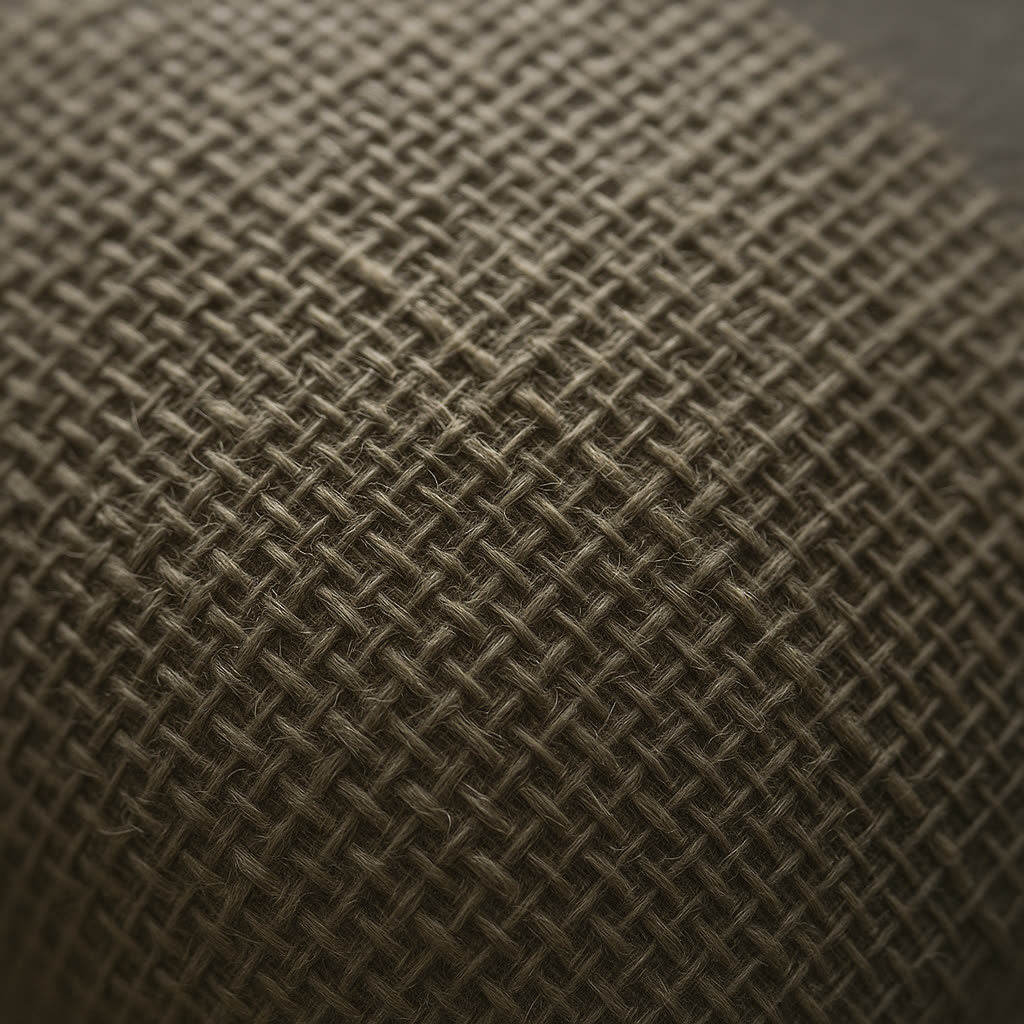
If the piece is on paper, check the paper quality. Fine art print papers can have deckled edges and watermarks, but cheap reproductions often use smooth, bright stock.
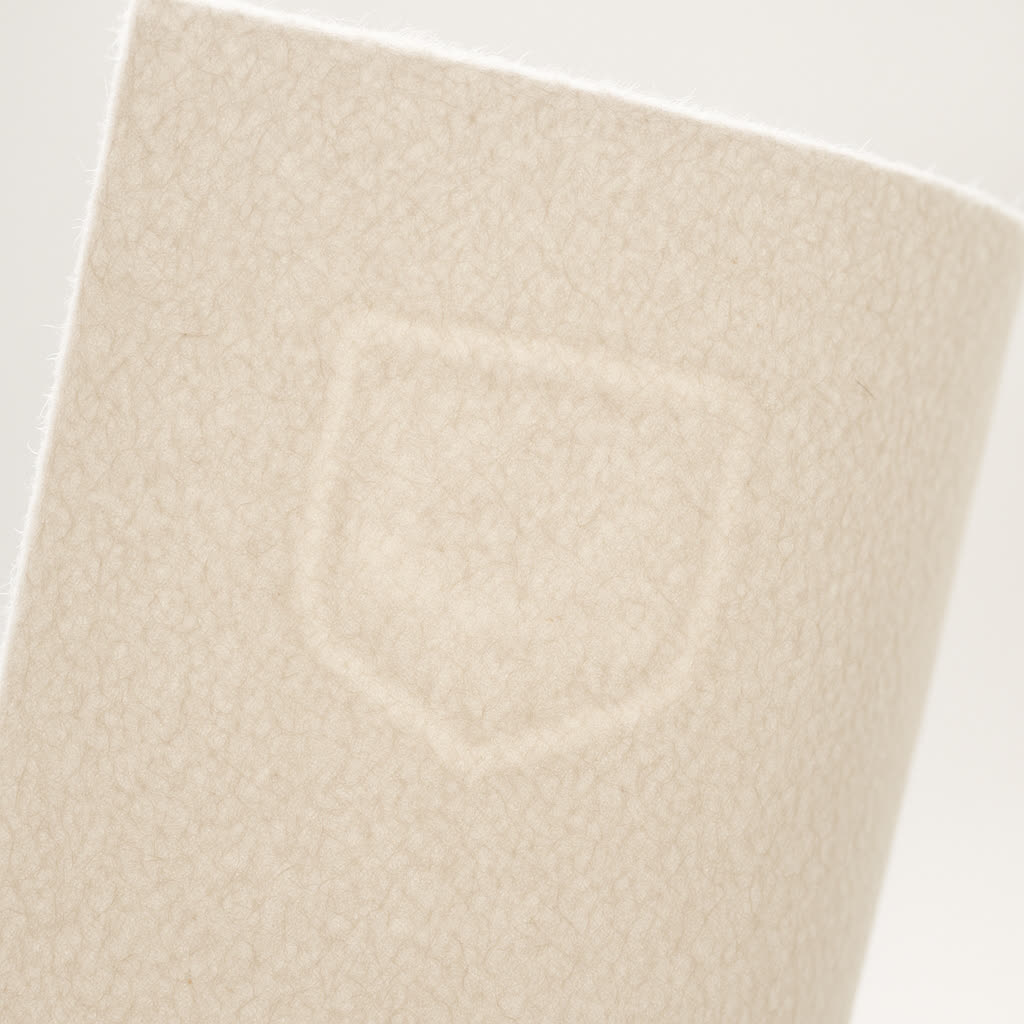
Step 4: edges, margins, and plate marks
Prints frequently have evidence at the edges: a margin, a plate mark (etchings/engravings), or a clean border where the image ends. Paintings often show paint wrapping around stretcher edges (unless framed tightly).
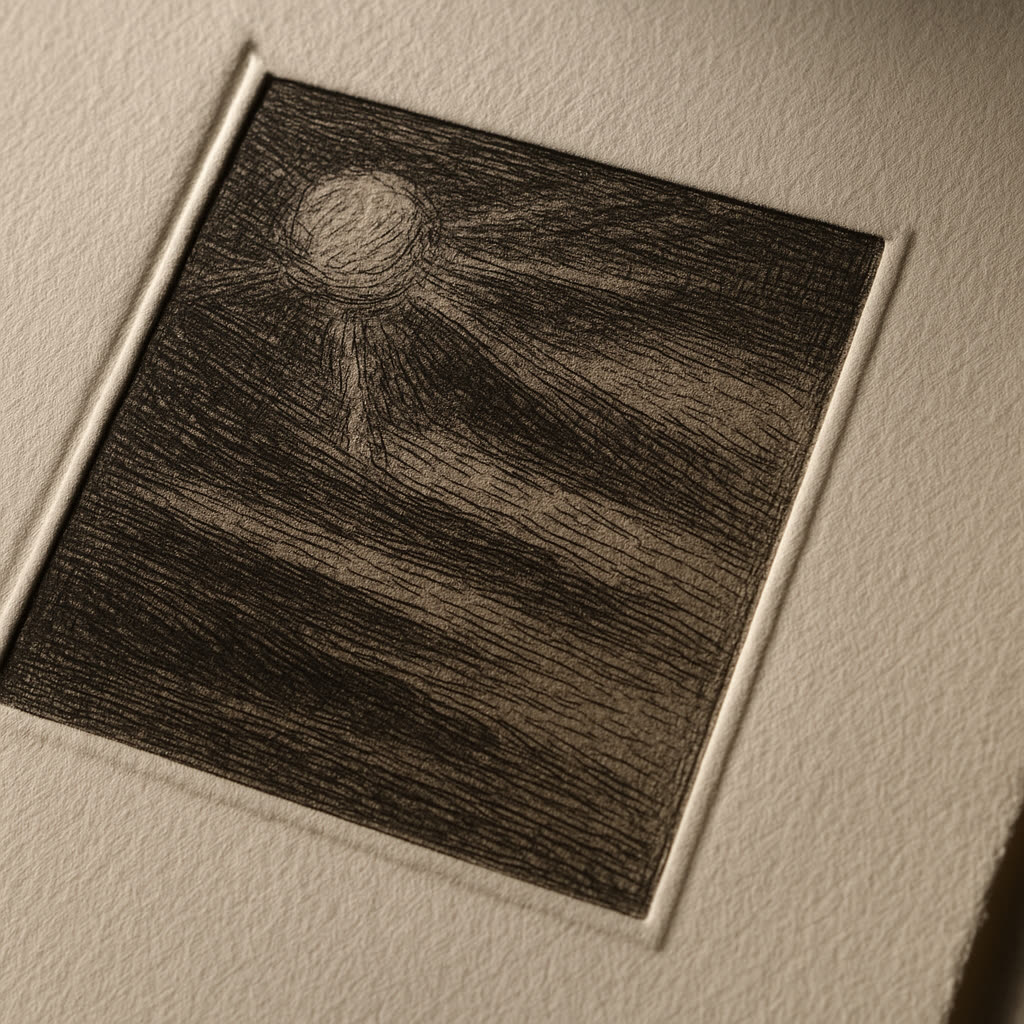
Step 5: signatures, edition numbers, and hand-signed labels
- Painted signature in the image: common on paintings; also commonly reproduced on prints.
- Pencil signature in the margin: common on limited edition prints.
- Edition numbers: formats like 12/50, AP (artist proof), HC (hors commerce).
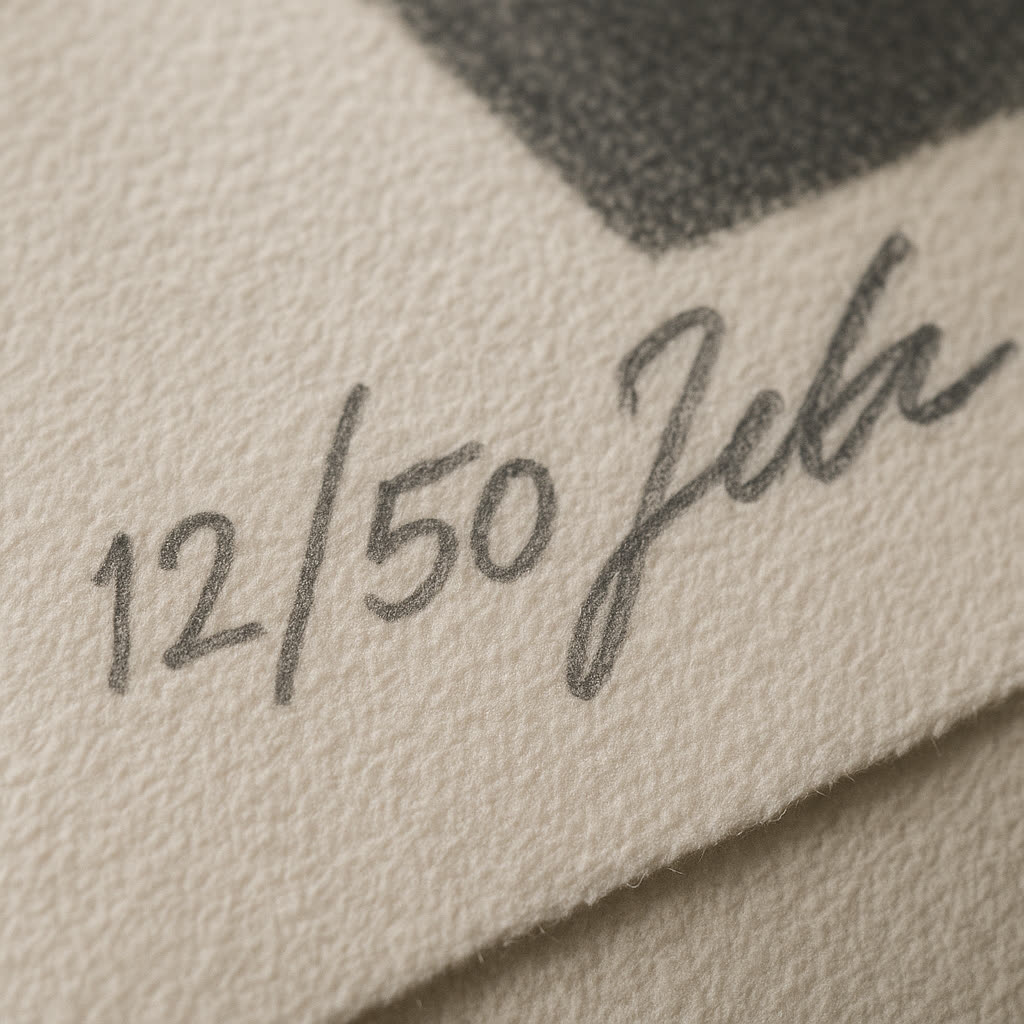
Don't rely on hand-signed stickers alone. Verify with magnification: pencil lines sit on top of paper fibers; printed signatures resolve into dots and have no graphite sheen.
Step 6: the back of the frame (labels, stretcher bars, and clues you can photograph)
Flip the piece over carefully. For paintings on canvas, look for stretcher bars, corner keys, old gallery labels, inventory numbers, and how the canvas is attached (tacks vs staples). For works on paper, look for hinge tape, backing boards, and stamps.
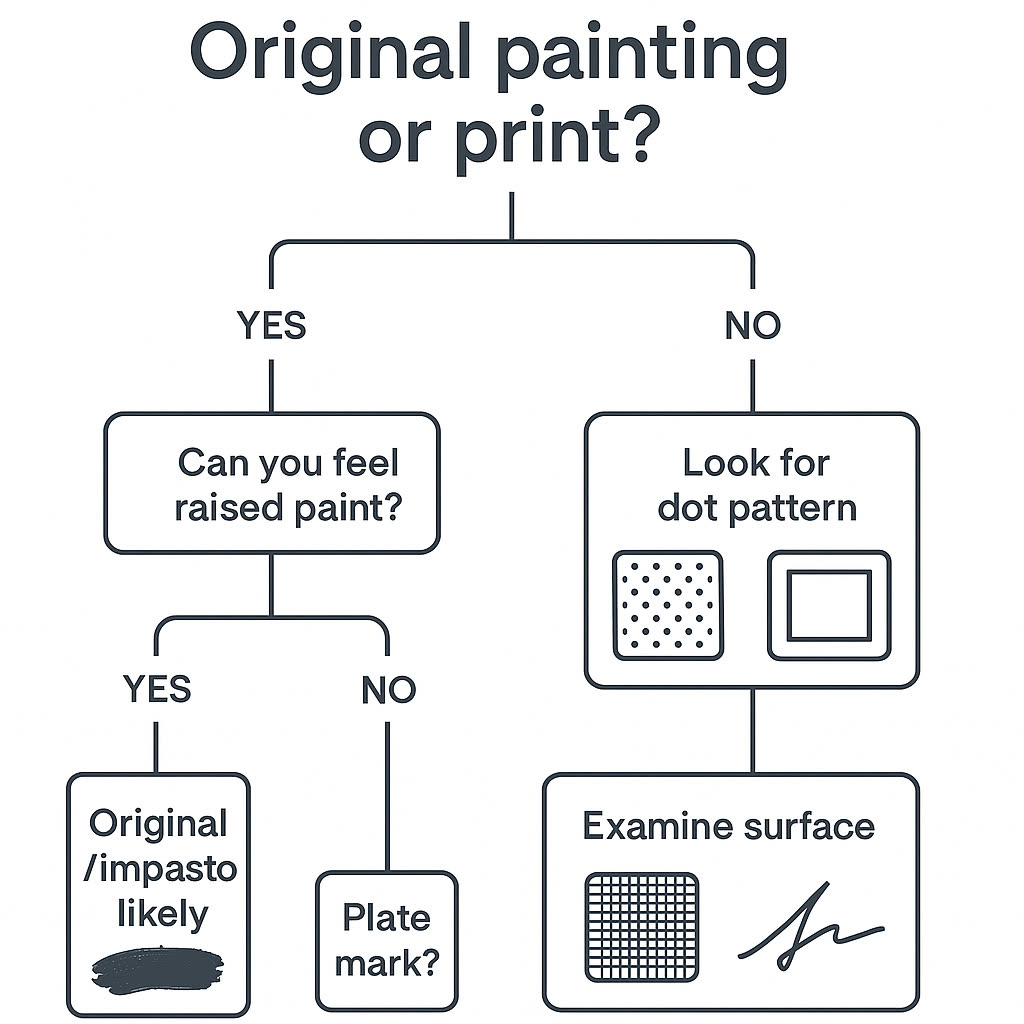
A short decision tree you can follow
Use this flow: texture first, then magnification, then edges and the back. If you hit conflicting clues (for example, real paint on top of dots), you may have a hand-embellished print.
What similar items actually sold for
To help ground this guide in real market activity, here are recent example auction comps from Appraisily’s internal database. These matched sales are market context only, not an object estimate or identification, and they do not guarantee a price for your specific painting print.
Shown USD range: USD 30-USD 40,320. Median of these 3 USD examples: USD 105.
| Comparable | What sold | Auction house | Date | Lot | Source-reported amount |
|---|---|---|---|---|---|
 |
Henri Matisse's "Retrospective Anemones in an Earthenware Vase" Still Life Oil Painting Print 22 3/4 x 27 1/2 in. (57.8 x 69.9 cm.)Source blocked; provenance matched | Apple Tree Auction Center | 2024-11-18 | 4711 | USD 105 (buyer’s-premium treatment unknown) |
 |
LOUIS REDSTONE WATERCOLOR PAINTING & PRINT LOTSource blocked; provenance matched | Affiliated Auctions & Realty LLC | 2018-09-06 | 9012 | USD 30 (buyer’s-premium treatment unknown) |
 |
ATTRIB. DAVID BROMLEY, BOY PAINTING, PRINT P/P, 21 X 28 CMSource blocked; provenance matched | Leonard Joel | 2018-04-19 | 3137 | AUD 200 (buyer’s-premium treatment unknown) |
 |
CY TWOMBLY (1928-2011) Painting Detail (Roses) color dry-print on paper imaSource blocked; provenance matched | Christie's | 2022-05-13 | 320 | USD 40,320 (buyer’s-premium treatment unknown) |
How these auction records were verified
Each row retains its exact source URL, lot identity, retrieval time, access result, and immutable record hash. Live source access was blocked; the exact record matched Appraisily's immutable pipeline provenance. Inspect the public comparable provenance record.
Disclosure: prices are shown as reported by auction houses and are provided for appraisal context. Learn more in our editorial policy.
What to photograph for a confident identification (or appraisal)
- Full front (straight-on), plus a full shot with the frame.
- Two close-ups under raking light.
- One macro under magnification showing dots or brush edges.
- Signature area: one wide shot + one macro shot.
- Any margins/edition numbers/plate marks.
- Full back of the frame, plus close-ups of labels, stamps, and hardware.
- Measurements: image size and framed size.
Visual checklist gallery
Use these reference close-ups to compare with what you see under your own flashlight and loupe.
Search variations collectors ask
Readers often Google:
- how to tell if an oil painting is original or a print
- how to spot a canvas giclée reproduction
- how to tell a lithograph from a painting
- what does 12/50 mean on a print
- how to identify an etching by the plate mark
- how to tell if a signature is printed or hand-signed
- are textured canvas prints worth anything
- how to check the back of a painting for authenticity
- original painting vs print value difference
Each question is answered in the guide above.
Key takeaways
- Start with texture in raking light, then confirm with a loupe.
- Dot patterns strongly indicate a print—even if it's on canvas.
- Margins, plate marks, and edition numbers are print language.
- The back of the frame often contains the best evidence (labels, construction, stamps).
References & data sources
- Tate (printmaking overview): https://www.tate.org.uk/art/art-terms/p/print
- Metropolitan Museum of Art (printmaking terms): https://www.metmuseum.org/toah/hd/prnt/hd_prnt.htm
- Auction datasets cited in-text: Davis Brothers Auction (Lot 921, 2024-03-02), Revere Auctions (Lot 57, 2017-08-19), Julien's Auctions (Lot 186, 2024-12-10).