Leo Carty Prints Value: appraisal and value basics
Leo Carty Prints Value research should start with identification, condition, provenance, and item-specific market evidence. Use this guide to compare the signals that matter before paying for a formal appraisal or deciding whether to sell.
Introduction to Leo Carty and His Artistic Legacy
Carty’s works primarily feature watercolor scenes of Virgin Islands life, baptisms, market days, and other cultural moments that resonate with collectors interested in Caribbean art and culture. His distinctive style combines realism with emotional expressiveness, capturing the essence of island traditions with originality and respect.
Today, Leo Carty prints are sought by collectors worldwide, with values ranging significantly based on several key factors we’ll explore in this comprehensive guide. Whether you own a Carty print or are considering acquiring one, understanding these valuation principles will help you make informed decisions about this notable artist’s market.
Leo Carty's Artistic Journey
- 1931
Birth in New York
Leo S. Carty was born in New York, where he would later study commercial art.
- 1950s
Early Career
Carty worked as a commercial artist and illustrator for various publications, developing his distinctive style.
- 1970s
Move to Virgin Islands
After relocating to St. Croix in the U.S. Virgin Islands, Carty began focusing on creating art that captured local life and culture.
- 1980s-1990s
Peak Production Period
This era saw Carty produce his most recognized works depicting Caribbean life, with many limited edition prints from this period being highly valued today.
- 2010
Death and Legacy
After Carty's passing, his works gained increased recognition, with auction values appreciating significantly.
Current Market Values for Leo Carty Prints
Leo Carty Print Market Values
How Carty works compare in the market
Recent auction records show that Carty’s original watercolors from around 1987 have sold well, with exceptional examples occasionally reaching higher prices. His iconic works like “The Baptism,” “Market Talk,” and “Wash Day” are particularly sought after by collectors.
Online retailers like Prints.com and Fulcrum Gallery regularly offer inexpensive open edition Carty prints, while signed and numbered limited editions sell for more on platforms like eBay and specialty galleries.
Factors Determining Value of Leo Carty Prints
1. Originality and Provenance
The most valuable Leo Carty prints have clear provenance and originality markers. Genuine prints often include:
- Artist’s signature (often in pencil for limited editions)
- Edition numbering (e.g., “25/100” indicating print 25 of a 100-print edition)
- Certificate of originality from recognized galleries
- Clear provenance documentation showing chain of ownership
Prints directly purchased from authorized galleries in the U.S. Virgin Islands or with documented history tend to command higher prices. Provenance that can link the print back to Carty’s studio or authorized publishers adds significant value.
2. Condition Assessment
Leo Carty Print Condition Checklist
Assessment criteria that impact value
- No fading or color loss
- No yellowing or acid damage to paper
- No water damage or staining
- No tears, creases, or physical damage
- Original matting/framing (if applicable)
- Clear, undamaged signature
- No restoration or repair work
Prints in pristine condition command clear premiums over examples with condition issues. Minor flaws like slight fading or minor edge wear typically reduce value modestly, while significant damage can reduce value sharply, depending on severity.
3. Edition Type and Rarity
The print market distinguishes between different edition types, with rarity playing a crucial role in valuation:
- Original watercolors: The most valuable Carty works
- Limited edition prints: Higher value when from smaller editions
- Artist’s proofs: Often marked “AP,” these pre-edition prints can command premiums
- Open edition prints: Mass-produced prints without numbering (the least expensive)
Prints featuring popular subjects like “The Baptism,” “After Service,” or island market scenes typically command higher prices than less iconic images. Additionally, prints that capture significant cultural moments in Virgin Islands history often attract premium bids at auction.
4. Size and Presentation
Larger prints and those with professional framing that preserves the print’s condition often sell for higher prices. Standard sizes for Carty prints include:
- Small (under 16×20 inches): the least expensive
- Medium (16×20 to 24×30 inches): sell above small prints
- Large (over 24×30 inches): the strongest prices
Professional framing using archival materials can add to a print’s value, especially when original framing from authorized galleries is preserved.
Authenticating Leo Carty Prints
Signature Analysis
Leo Carty’s signature is distinctive and should appear either in the print itself or in pencil below the image for limited editions. Documented signatures typically feature:
- Flowing style with characteristic “L” and “C”
- Consistent letter formation compared to verified examples
- For limited editions, pencil signatures below the image with edition number
- Some open edition prints may have printed signatures within the image
Paper and Print Quality
Documented Carty prints were produced on high-quality papers, typically with these characteristics:
- Archival quality paper with visible texture
- Consistent color reproduction with vibrant but not oversaturated tones
- Clean, precise edges with proper registration if multiple colors
- Watercolor prints show subtle gradations and transparency effects
Official Documentation
The most valuable attribution review comes from official documentation:
- Original certificates or expert opinions from authorized galleries
- Gallery labels or stamps on the back of frames or mats
- Purchase receipts from authorized dealers
- Exhibition history documentation
- Inclusion in official Leo Carty catalogs or databases
If you’re uncertain about attribution review, several options exist:
- Consult with galleries specializing in Caribbean art, particularly those in the U.S. Virgin Islands
- Compare against verified examples in museum collections
- Contact the College of Charleston’s Lowcountry Digital Library, which maintains a Leo S. Carty Watercolor Print Collection
- Consider professional appraisal services specializing in Caribbean art
Where to Buy and Sell Leo Carty Prints
Auction Houses
Auction houses periodically feature Leo Carty works, providing a good gauge of current market values:
- Specialized Caribbean art auctions: Often feature curated selections with knowledgeable buyers
- Regional auction houses: Particularly those in areas with Caribbean connections
When selling through auctions, expect a seller’s commission that varies by auction house, so ask for the full fee schedule. For buyers, there’s usually a buyer’s premium added to the hammer price.
Galleries and Art Dealers
Specialized galleries offer documented works with professional guidance:
- U.S. Virgin Islands galleries: Often have the best selection and expertise
- Caribbean art specialists: Galleries focusing on island artists
- Online art retailers: Sites like Fulcrum Gallery and Prints.com offer open edition prints
Gallery prices tend to be higher than auction prices but come with assurances of originality and condition, which can be valuable for collectors.
Direct Consumer Marketplaces
Online marketplaces connect buyers and sellers directly:
- eBay: Features a regular selection of Carty prints at various price points
- Etsy: Occasionally offers vintage Carty prints
- Facebook Marketplace: Can have regional listings, especially in areas with Caribbean connections
- Estate sales: Particularly in the Virgin Islands or areas with Caribbean populations
These marketplaces typically offer the widest price ranges, from bargains to overpriced examples, requiring buyer knowledge to navigate effectively.
Maximizing Value When Selling
If you’re selling a Leo Carty print, consider these strategies to maximize value:
- Proper documentation: Gather any provenance information, certificates, or purchase history
- Professional presentation: Consider conservation framing with archival materials
- Condition preservation: Store away from direct sunlight and humidity
- Market timing: Research item-specific market evidence to set realistic expectations
- Multiple venue approach: Consider both auction and private sale options
With proper preparation, sellers can often realize noticeably higher returns compared to quick or uninformed sales.
Resources for Leo Carty Print Collectors
MutualArt - Leo Carty Artist Page
Market data, auction results, and exhibition history for Leo Carty's works, offering insights into value trends.
Prints.com - Leo Carty Gallery
Gallery of available Leo Carty prints with current retail pricing, useful for understanding the commercial market.
Lowcountry Digital Library - Leo S. Carty Collection
Academic resource featuring digitized Carty prints with scholarly information about the artist and his work.
Artprice.com - Leo Carty Market Data
Professional art market intelligence resource tracking Leo Carty's print values and market performance over time.
Valerie Sims - Beautiful Prints of the US Virgin Islands
Cultural context and background information about Leo Carty's Virgin Islands prints and their significance.
Market Context and Market Outlook
Historical Market Performance
Leo Carty’s print market has shown several noteworthy trends over the past decade:
- Steady appreciation: Average values have trended upward since 2010
- Broader recognition: Initially collected primarily by Virgin Islands enthusiasts, Carty’s work has gained wider appeal
- Institutional validation: Inclusion in museum collections has strengthened market confidence
- Limited supply: As an artist who passed in 2010, the supply of original works is finite
The most significant value increases have been for original watercolors and limited edition prints with clear provenance, while open edition prints have seen more modest appreciation.
Future Market Outlook
Several factors suggest continued strength in the Leo Carty print market:
- Growing Caribbean art market: Increased collector interest in Caribbean artists benefits Carty’s market
- Cultural significance: His documentation of Virgin Islands life has historical and cultural importance
- Limited new supply: No new original works will enter the market
- Digital exposure: Online platforms have introduced his work to broader audiences
Collectors should note that while the overall trend has been positive, the market for Carty prints can experience fluctuations based on broader economic conditions and art market trends.
Investment Recommendations
For those collecting Leo Carty prints with market context in mind:
- Focus on quality: Prioritize excellent condition examples with clear provenance
- Consider limited editions: Numbered prints with hand signatures offer better appreciation potential than open editions
- Iconic subjects: His most recognized scenes typically hold value better than obscure subjects
- Preservation matters: Invest in proper framing and display to maintain condition
- Documentation: Maintain all certificates, purchase records, and provenance information
While no investment is documented, collectors who follow these principles typically see the best long-term results.
Caring for Your Leo Carty Prints
Display Considerations
How and where you display your print significantly impacts its preservation:
- Light exposure: Avoid direct sunlight or bright indoor lighting, which can cause fading
- Humidity control: Keep relative humidity moderate and stable to prevent paper deterioration
- Temperature stability: Keep prints in rooms with stable temperatures (65-75°F/18-24°C)
- Frame quality: Use UV-protective glass or acrylic and acid-free matting materials
- Hanging location: Avoid areas prone to temperature fluctuations like near fireplaces or exterior walls
Conservation Framing
Professional conservation framing is worth the investment for valuable Carty prints:
- Acid-free mats and backing: Prevents paper yellowing and deterioration
- UV-protective glazing: Blocks harmful light that causes fading
- Proper hinging: Allows paper to expand and contract naturally
- Sealed backing: Protects from dust and pollutants
The cost of proper framing depends on size and materials, but it can preserve value many times that amount.
Storage Solutions
For prints not currently displayed:
- Flat storage: Store horizontally in acid-free folders or sleeves
- Climate control: Maintain consistent temperature and humidity
- Regular inspection: Check periodically for signs of deterioration or pest damage
- Handling procedure: Use clean cotton gloves when handling unframed prints
With proper care, Leo Carty prints can maintain their condition and value for generations, serving as both aesthetic pleasures and potentially appreciating assets.
Common Questions About Leo Carty Prints
How do I know if my Leo Carty print is valuable?
- Originality: Genuine signature, proper edition numbering, and provenance documentation
- Edition type: Original watercolors and limited edition numbered prints are typically more valuable than open editions
- Condition: Prints without fading, staining, or damage command higher prices
- Subject matter: Popular scenes like "The Baptism" or "Market Talk" often have higher demand
- Size and presentation: Larger prints and those with professional conservation framing typically sell for more
Are Leo Carty numbered prints worth more than unnumbered ones?
Leo Carty’s numbered prints usually appear with a fraction (like "25/100") written in pencil below the image, indicating which number in the edition the print is, along with the total edition size. These limited editions often sell for considerably more than unnumbered open edition prints, depending on the image and condition.
The smaller the edition size, the more valuable the print tends to be, all other factors being equal. Artist’s proofs (marked "AP") can also command premium prices.Where is the best place to sell a Leo Carty print?
- For maximum value: Specialty Caribbean art galleries or auctions focusing on island art
- For quickest sale: Online marketplaces like eBay or Facebook Marketplace
- For attribution review help: Consignment to established galleries that handle Caribbean artists
- For local sales: Estate sales or local auctions in areas with Caribbean connections
If your print is particularly valuable (original watercolor or limited edition in excellent condition), consider auction houses like Christie’s.
Before selling, gather all documentation including certificates or expert opinions, purchase records, and any provenance information, as these can significantly increase buyer confidence and realized prices.How can I document a Leo Carty print?
- Examine the signature: Compare to known documented examples of Carty’s signature
- Check edition marking: Limited editions should have pencil numbering (e.g., "25/100")
- Assess print quality: Documented prints have precise color registration and quality paper
- Verify provenance: Any documentation of previous ownership or purchase from authorized galleries
- Look for certificates: Original certificates or expert opinions from recognized galleries
- Check with experts: Consult galleries specializing in Caribbean art, particularly in the U.S. Virgin Islands
What makes some Leo Carty prints more valuable than others?
- Subject matter: Cultural scenes like baptisms, market days, and traditional activities are his most sought-after works
- Rarity: Smaller edition sizes or original watercolors have greater scarcity value
- Condition: Pristine examples without fading, creasing, or damage
- Size: Larger prints typically command higher prices
- Historical significance: Scenes documenting important cultural aspects of Virgin Islands life
- Provenance: Prints with gallery documentation or notable ownership history
- Signature and numbering: Hand-signed and numbered editions versus mechanically reproduced signatures
Does framing affect the value of Leo Carty prints?
Value-Enhancing Framing:
- Professional conservation framing with acid-free materials
- UV-protective glass or acrylic
- Archival mounting techniques that don’t damage the print
- Original framing from authorized Virgin Islands galleries
Value-Reducing Framing:
- Non-archival materials that cause yellowing or acid burns
- Direct adhesive mounting (glue, tape, etc.)
- Frames that show water damage or pest infestation
- Improper sizing that crops the image or signature
Are Leo Carty prints a good investment?
Positive Investment Factors:
- Limited supply (artist deceased since 2010)
- Growing interest in Caribbean art
- Cultural and historical significance
- Steady appreciation history for quality examples
Considerations:
- Art should never be your primary investment vehicle
- Returns typically realize over longer periods (5+ years)
- Condition preservation is crucial to maintaining value
- Market liquidity can vary (finding buyers may take time)
For best market context, focus on:
- Original watercolors or limited edition prints with low edition numbers
- Excellent condition examples with proper documentation
- Popular subjects with broad appeal
- Professional conservation framing
Conclusion: Appreciating Leo Carty's Artistic and Cultural Legacy
For collectors, Leo Carty prints offer a combination of aesthetic appeal, cultural significance, and market context. As awareness of Caribbean art continues to grow in the global art market, his works are likely to maintain their appeal and value.
Whether you’re a serious collector, a casual admirer of Caribbean culture, or someone with a personal connection to the Virgin Islands, Leo Carty’s prints provide a window into a specific place and time, captured with artistic sensitivity and cultural originality.
By understanding the factors that influence their value and taking proper care of these artworks, collectors can help preserve both the physical prints and the cultural legacy they represent for future generations to appreciate.
If you own Leo Carty prints or are considering acquiring them, the information in this guide should help you make informed decisions about their value, care, and potential as both cultural artifacts and collectible investments.
What similar items actually sold for
To help ground this guide in real market activity, here are recent example auction comps from Appraisily’s internal database. These matched sales are market context only, not an object estimate or identification, and they do not guarantee a price for your specific Leo Carty Prints.
Shown USD range: USD 325-USD 1,500. Median of these 4 USD examples: USD 600.
| Comparable | What sold | Auction house | Date | Lot | Source-reported amount |
|---|---|---|---|---|---|
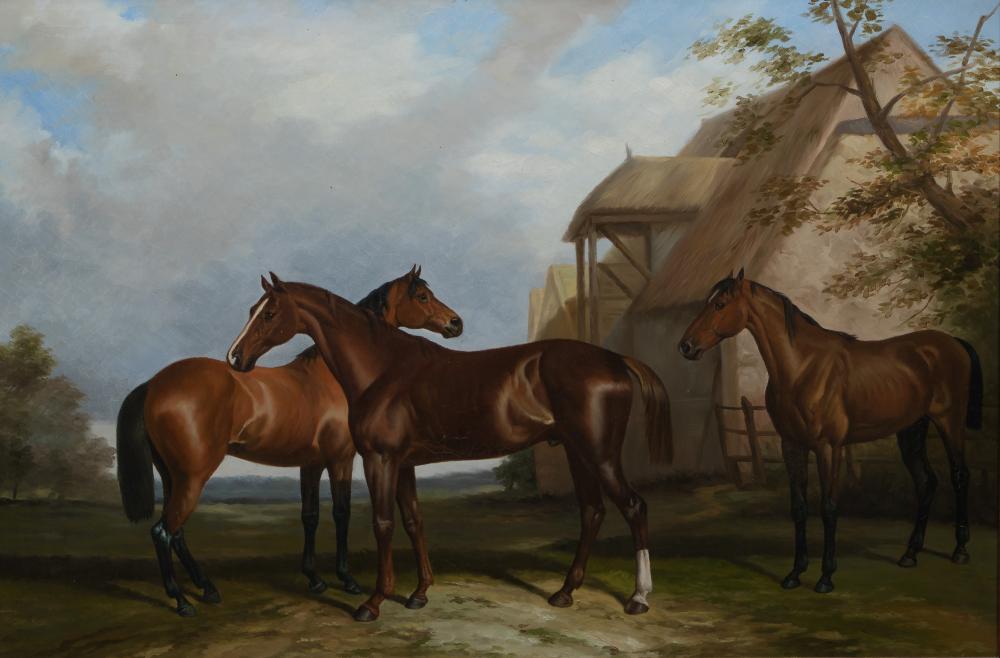 |
Leo Rawlings (English, 1918-1990) Oil on Canvas | Leonard Auction | 2026-01-27 | 107 | USD 1,500 |
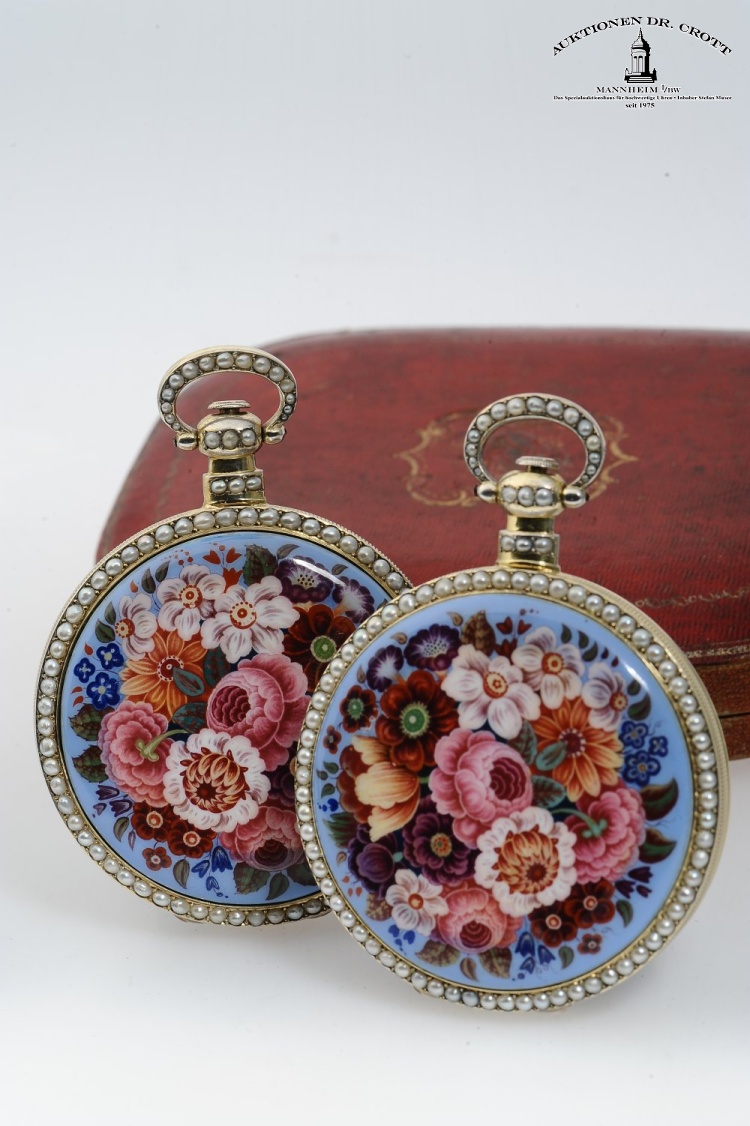 |
Leo Juvet, Fleurier, Case Nos. 6765 and 6765^, 63 mm, 150 und 151 g, circa 1880 | Auktionen Dr. Crott | 2015-11-14 | 112 | EUR 100,000 |
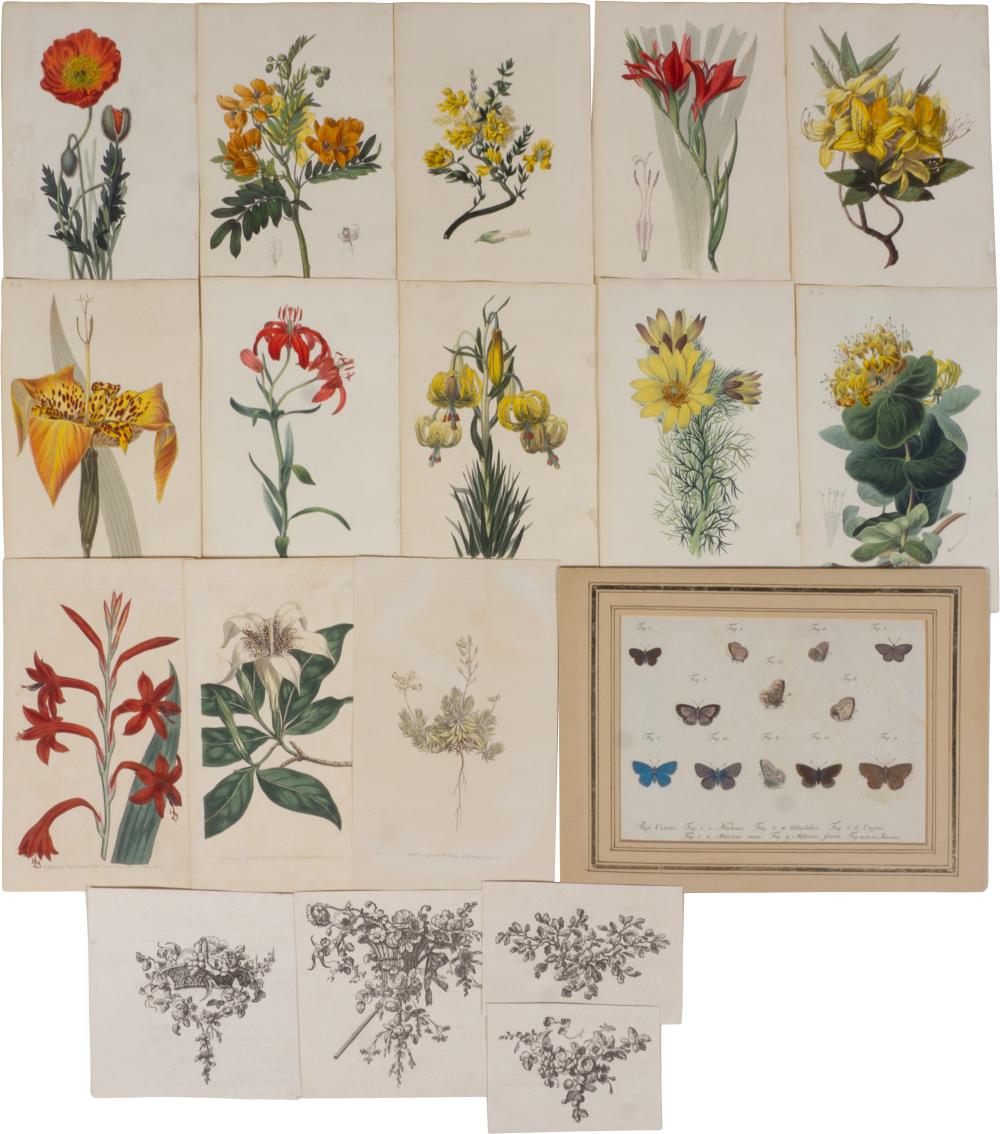 |
WILLIAM CLARK, BRITISH 19TH CENTURY, A GROUP OF ANTIQUE BOTANICAL PRINTS, ALONG WITH SEVERAL MISCELLANEOUS FLORAL PRINTS AND A BUTTERFLY PRINT, Largest: 7 1/2 x 8 3/4 in. (19.1 x 22.2 cm.), Smallest: 3 1/2 x 4 3/4 in. (8 | Potomack Company | 2023-12-07 | 5313 | USD 325 |
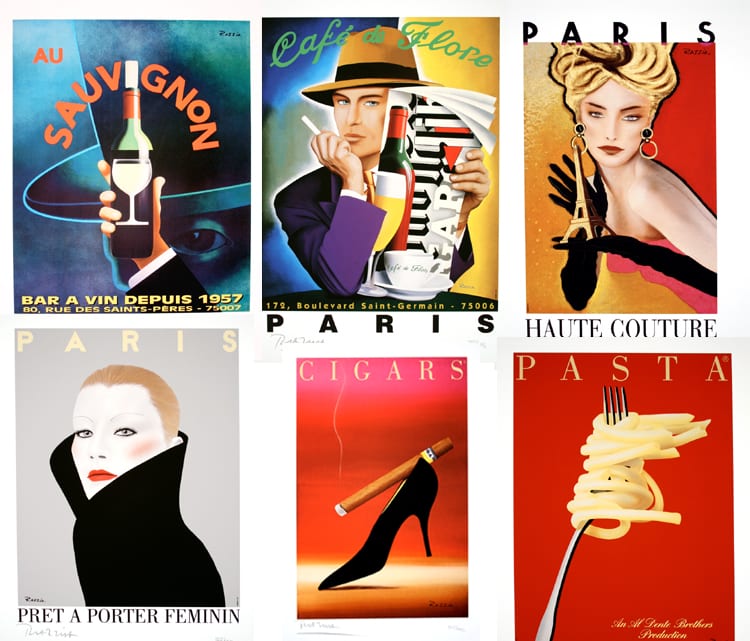 |
GROUP OF SIX LIMITED EDITION SIGNED & NUMBERED PRINTS BY RAZZIA | The Ross Art Group, Inc | 2015-10-29 | 228 | USD 600 |
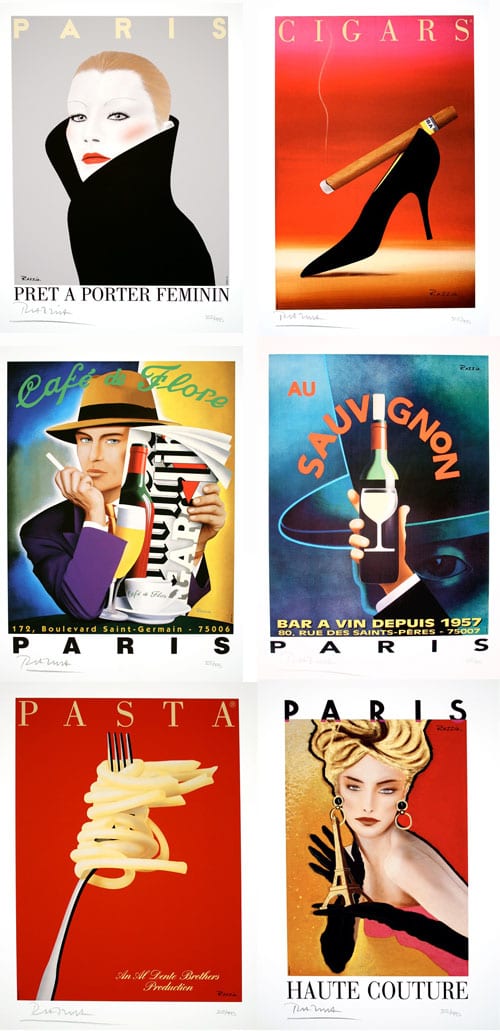 |
GROUP OF SIX LIMITED EDITION SIGNED & NUMBERED PRINTS BY RAZZIA | The Ross Art Group, Inc | 2015-04-02 | 150 | USD 600 |
How these auction records were verified
Each row is tied to its lot identity, retrieval time, access result, and immutable record hash. Inspect the public comparable provenance record.
Free photo check
Not sure if your print is worth appraising? Let us take a look.
Upload a photo, tell us what you know, and get a free photo check. If a full appraisal makes sense, we will say so.
Free. No card needed. Takes about two minutes.
Get Leo Carty prints appraised
Upload photos of the print, signature, edition marks, paper, image area, frame, back, fading, provenance notes, and condition issues.
- Signed report with photos and market context
- Delivered within 24 hours of receiving your photos
- Fixed, upfront pricing
No obligation. Secure upload.
Find a local antique or art appraiser
Ready for pricing guidance?
Start a secure online appraisal
Upload images and details. Delivered within 24 hours of receiving your photos.
Upload photos for a free first look View signed report sample