Unlocking the Worth of Art a Comprehensive Guide to the Value of John Stobart Prints: appraisal and value basics
Unlocking the Worth of Art a Comprehensive Guide to the Value of John Stobart Prints research should start with identification, condition, provenance, and item-specific market evidence. Use this guide to compare the signals that matter before paying for a formal appraisal or deciding whether to sell.
John Stobart print appraisal checklist
John Stobart’s luminous 19th‑century harbor scenes are among the most recognizable images in maritime art. Whether you inherited a folio of prints or are weighing a purchase, understanding the value of John Stobart prints requires more than a title and a signature. This guide distills what appraisers and seasoned collectors look for—edition details, condition, subject desirability, and market context—so you can assess worth with confidence.
Who John Stobart Was—and Why His Prints Matter
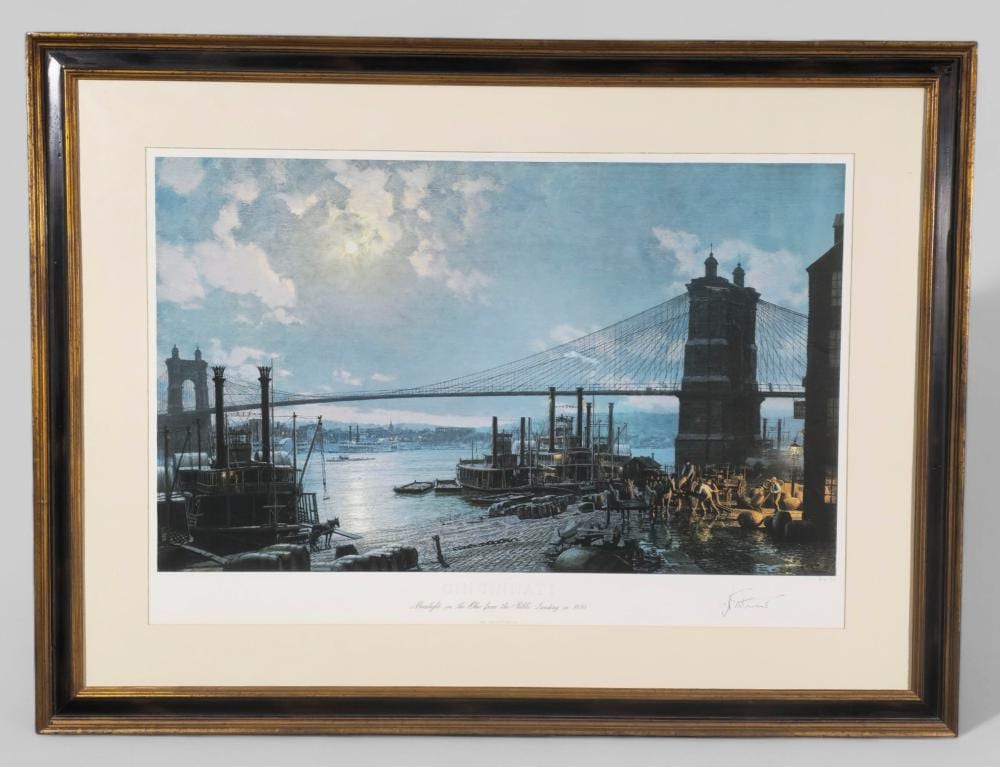
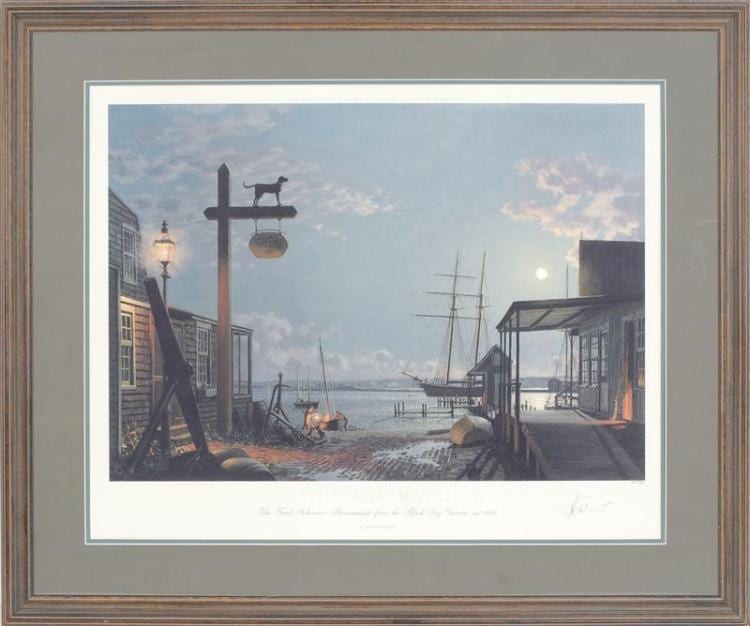
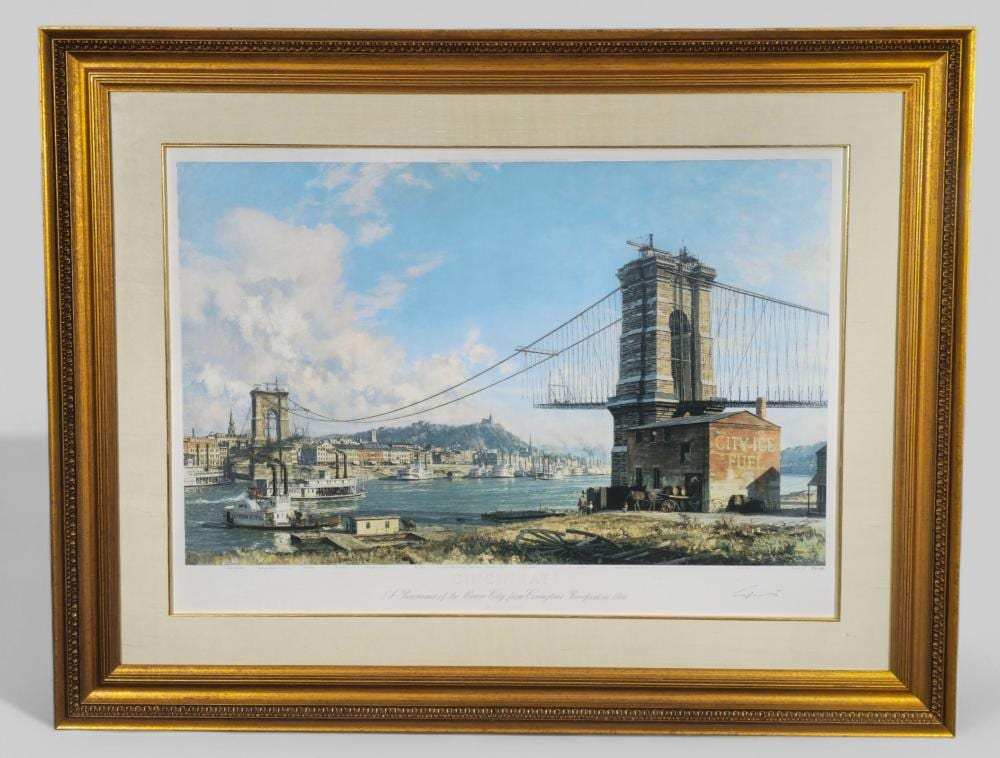
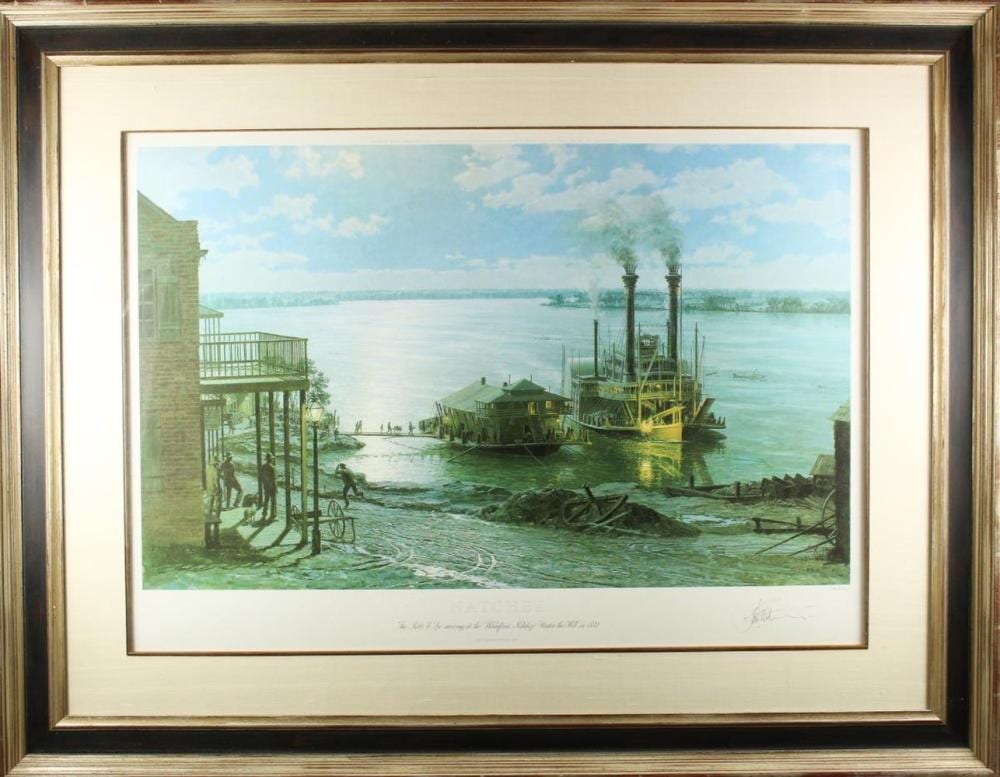
John Stobart (1929–2023) was a British-born, American-based painter celebrated for meticulously researched depictions of historic ports, river towns, and working waterfronts. He combined archival study with painterly atmosphere, especially twilight and nocturne scenes, to bring places like New York’s South Street, Boston, Charleston, New Orleans, and San Francisco back to life.
Key reasons his prints are market-relevant:
- Reputation: A leading name in maritime art, with a dedicated collector base built over decades.
- Historical appeal: Nostalgic yet accurate scenes resonate with maritime, Americana, and city-specific collectors.
- Broad availability: Multiple limited editions across popular subjects mean a deep, active secondary market.
- Quality: Signed limited editions on archival papers, often with excellent color fidelity.
For value, this mix creates a market with steady baseline demand, clear comparables, and premiums for scarce or exceptional examples.
Editions, Proofs, and Print Types: What You’re Looking At
Not all “Stobart prints” are equal. The edition type directly affects value.
Signed and Numbered (S/N) Limited Editions
- Pencil-signed by Stobart in the lower margin, usually right; edition number (e.g., 245/950) in the lower left.
- Edition sizes vary by title; many run several hundred up to over a thousand.
- Most collectible on the secondary market.
Artist’s Proof (A.P. or AP)
- Typically a small subset of the edition.
- Usually carries a modest premium over S/N, assuming condition is equal.
Printer’s Proof (P.P.), Hors de Commerce (H.C.), Exhibition Proofs, etc.
- Scarcer non-commercial copies reserved for collaborators or specific uses.
- May command a premium, but desirability still hinges on the image and condition.
Remarqued Prints
- A remarque is a small hand-drawn sketch by the artist in the margin.
- Generally more desirable; premiums vary by the quality and rarity of the remarque.
Open Editions and Posters
- Unsigned posters or open editions lack scarcity and carry modest value.
- Good for decor, not for stronger-market collecting.
Reproduction Methods
- Offset Lithograph: The dominant method for many Stobart limited editions. Under 10x magnification, you’ll see CMYK halftone rosettes.
- Giclée (inkjet): Later releases or special editions may appear as giclées; look for irregular micro-droplet patterns under magnification. Quality can be excellent, but desirability depends on title and edition management.
- Canvas Transfers: Prints bonded to canvas after printing. Often less desirable to purist print collectors.
Publisher Marks and COAs
- Expect blind stamps, embossed seals, or publisher notations in margins; original Certificates of Originality (COA) and folio materials add confidence and value.
Pro tip: The presence of a pencil signature and edition number, along with publisher blind stamp and original documentation, is an ideal trifecta for value retention.
The Value Formula: Key Drivers That Move Prices
Buyers don’t pay for paper alone—they pay for the right image, by the right artist, in the right state. For John Stobart prints, these factors dominate:
Image Desirability and Subject
- Major American ports, iconic skyline views, and atmospheric nocturnes tend to outperform.
- City-specific collectors can drive premiums for hometown subjects.
Scarcity and Edition Type
- Lower edition sizes, sold-out status, and scarce proofs increase demand.
- Remarques usually bring a meaningful premium.
Condition
- The biggest price swing. Even scarce images lose value with foxing, toning, mat burn, water stains, tears, or trimmed margins.
- Framed examples can hide flaws; unfaded, untrimmed examples with clean margins are prized.
Signature and Presentation
- Crisp, original pencil signature and numbering matter. Avoid prints with cut-down margins that remove the signature or edition number.
- Original folio, title page sheets, and COA enhance value.
Provenance
- Receipts from reputable galleries, auction listings, and paperwork showing an unbroken chain of ownership add confidence.
Timing and Market Sentiment
- Seasonality (holiday periods) and broader demand for maritime and historical Americana affect realized prices.
- Market supply: Some titles appear frequently and remain affordable; scarce views can ignite competitive bidding.
Attribution review and Condition: How to Examine a Stobart Print
A systematic inspection can prevent costly mistakes.
- Prepare the space
- Work on a clean, dry surface with good, indirect light.
- Use cotton gloves to handle unframed prints; avoid touching image areas.
- Confirm medium and edition details
- Signature: Look for a pencil signature with visible pressure and graphite sheen. Compare the flow of handwriting to the edition number; printed signatures lack indentations.
- Edition Number: Check for a fraction format (e.g., 421/950). The handwriting should be consistent and appear in pencil.
- Publisher Markings: Identify blind stamps or embossed seals and any plate or publication notes in the margin.
- COA and Folio: Match the title, edition, and measurements; ensure COA details align with the print in hand.
- Identify production method
- Loupe inspection: Halftone rosettes suggest offset litho; micro-sprayed droplets indicate giclée. Both can be legitimate limited editions if published as such; the market value depends on the title and publisher’s practices.
- Assess condition under raking light
- Surface: Check for scuffs, cockling (waviness), or handling creases.
- Stains: Foxing (rust-colored spots), mat burn (brown lines along previous mat window), water tidelines.
- Fading: Compare protected margins under mat edges to exposed areas; UV fade is common in framed art.
- Odor and acidity: Musty smells may hint at moisture exposure; acidic mats cause discoloration.
- Measure and evaluate margins
- Measure sheet size and image area; verify against known specs when possible.
- Ensure generous, even margins; trimmed margins diminish value and can remove edition information.
- Framing materials (if framed)
- Glazing: Prefer UV-filtering acrylic or glass; standard glass allows UV fade.
- Mats and backing: Acid-free, 100% cotton or lignin-free. Brown paper or cardboard backings often indicate acidic exposure.
- Hinging: Look for archival hinges; tape residue or glue can stain papers.
- Note any repairs
- Professional paper conservation can stabilize issues, but visible repairs should be disclosed.
- Weigh the cost of conservation versus the expected value lift.
Document your findings with clear photos of the signature, edition number, margins, and any flaws.
What Are They Worth? Realistic Pricing Bands and How to Comparison
Without citing specific sale records, this is how John Stobart prints generally compare on the secondary market, assuming North American markets and typical conditions:
Signed & Numbered Limited Editions (standard titles)
- Clean, unfaded, untrimmed examples: the core of the market.
- Popular or visually striking harbor scenes sell toward the top of it in excellent condition.
Scarcer or High-Demand Subjects
- Major ports, compelling nocturnes, or standout compositions: sell above standard titles when condition and documentation are strong.
Remarqued Prints
- Often 1.5x–3x the value of the same title without a remarque, depending on the quality and rarity of the drawing and the base desirability of the image.
Artist’s Proofs and Special Proofs
- Usually a mild premium over S/N equivalents, subject to condition.
Open Editions and Posters
- Typically modest decorative value, depending on size and framing. Minimal collector demand.
Original Oil Paintings by John Stobart
- Not prints, but for context: generally five figures to low six figures, depending on subject, size, and provenance.
How to build a comparison-based estimate:
- Pull recent auction results and retail asks for the exact title and edition type.
- Adjust for condition: subtract substantially for moderate to severe issues.
- Add moderate premiums for remarque or scarce proofs.
- Consider framing: a high-quality archival frame may aid saleability but rarely adds dollar-for-dollar value. Unframed, pristine sheets can sell very well.
Always prioritize the most recent comparable sale in similar condition and venue. If you can’t find the exact title, bracket with similar scenes (same city, similar lighting/time of day, comparable edition size).
Buying, Selling, and Preserving Value
Buying tips:
- Verify pencil signature and edition number; compare to known exemplars.
- Favor untrimmed margins, clean paper, and original COA/folio materials.
- Be wary of heavily faded prints, water damage, and brittle or browned paper.
- Remarques should be truly hand-drawn; look for graphite indentation and spontaneity.
- Ask for high-resolution photos of signature, edition number, blind stamp, and any flaws.
Selling tips:
- Choose the right venue: specialist maritime art dealers, reputable auction houses, or well-moderated marketplaces with robust buyer bases.
- Photograph well: even lighting, straight-on shots, close-ups of signature and edition number, and any condition notes.
- Describe precisely: title, medium, edition number, sheet and image size, publisher details, condition, and all inclusions (COA, folio, labels).
- Set realistic expectations: price within recent market evidence; consider a reserve at the low end of your acceptable range if auctioning.
- Ship safely: unframe glazed works to reduce break risk; use sturdy tubes with archival interleaving for short-term transit or flat-pack between rigid boards with corner protection.
Preservation and display:
- Use UV-protective glazing and 100% cotton or lignin-free mats and backings.
- Avoid direct sunlight and high-humidity environments.
- Store unframed prints flat in archival sleeves or portfolios. If rolled, unroll promptly and store flat to prevent curl memory.
- Document provenance and keep receipts, COAs, and old gallery labels with the print.
Practical Checklist: Appraising and Listing a John Stobart Print
- Identify the edition: S/N, AP, PP, HC, or open edition.
- Confirm pencil signature and edition number with visible pressure.
- Note publisher blind stamp/emboss, title sheet, and COA presence.
- Record sheet size, image size, and margin widths.
- Inspect condition: foxing, toning, mat burn, stains, tears, creases, trimming.
- Check for fading by comparing exposed areas to protected edges.
- Determine print method (offset vs giclée) under 10x magnification.
- Photograph front, back, signature, edition number, stamps, and flaws.
- Gather provenance: receipts, labels, prior appraisals.
- Price using recent market evidence; adjust for condition and edition type.
- If selling, prepare archival packing and an accurate, specific listing.
FAQ: John Stobart Prints and Their Value
Q: Are John Stobart prints a good investment? A: They are reliable collectibles with steady demand, especially for classic harbor scenes in top condition. Expect stable, incremental appreciation rather than speculative spikes. Buy the best condition and most desirable subjects you can.
Q: How do I tell a hand signature from a printed one? A: Under angled light, a pencil signature shows slight indentation and graphite sheen. A printed signature lies flat with no pressure marks. Use a 10x loupe to confirm.
Q: Do remarques always increase value? A: Typically yes. Remarques are hand-drawn and scarce, often bringing 1.5x–3x the value of the same print without a remarque, but the uplift depends on the base desirability of the image and the quality of the sketch.
Q: Should I sell framed or unframed? A: If the framing is archival and attractive, it can help presentation, but it rarely adds dollar-for-dollar value and increases shipping risk. Many sellers unframe to verify condition and ship safely; just document the process and keep any labels.
Q: How much does condition affect value? A: Significantly. Moderate foxing, mat burn, or fading can cut value substantially versus a pristine example. Severe damage can make a print hard to sell at any price.
By focusing on edition specifics, condition, and proven desirability, you can confidently gauge the value of John Stobart prints—and buy, preserve, or sell them with a professional’s eye.