
Introduction to Antique Furniture Identification
Distinguishing a genuine antique from a well-crafted reproduction requires knowledge, attention to detail, and sometimes a bit of detective work. Whether you’re a budding collector, an estate sale enthusiast, or simply curious about that old family heirloom, learning to identify authentic antique furniture can be both rewarding and potentially valuable.
In this comprehensive guide, we’ll walk you through the key indicators that can help you determine if a piece is truly antique (generally considered to be over 100 years old), how to approximate its age, and how to identify different furniture styles and periods. From examining construction techniques to recognizing period-specific design elements, you’ll gain the knowledge to approach antique furniture with a more educated eye.
Examining Construction Techniques
Joinery Methods
One of the most telling indicators of an antique piece is its joinery—how the different parts of the furniture are connected. Here are key joinery features to examine:
Dovetail Joints
Dovetail joints are found in quality furniture, especially in drawers. In antiques:
- Hand-cut dovetails (pre-1890s) are slightly irregular and uneven
- Each dovetail is unique in size and spacing
- Early dovetails were often larger and more widely spaced
- Machine-cut dovetails (post-1890s) are perfectly uniform
Mortise and Tenon Joints
Look for mortise and tenon joints in the structural parts of the furniture:
- In antiques, these joints were hand-cut and often secured with wooden pegs
- Examine chair legs, table supports, and frame connections
- Loose tenons might indicate an older piece that has weakened over time
Other Joinery Clues
- Kerf marks (saw marks) that are uneven suggest hand-sawing
- Look for signs of hand planing on unexposed areas
- Check for animal glue residue in the joints (it appears amber-colored)
Tool Marks and Craftsmanship
Examine the underside, back, and hidden areas of the furniture:
- Irregular tool marks indicate hand tools rather than machinery
- Plane marks, chisel marks, or adze marks suggest hand crafting
- Perfectly smooth surfaces likely indicate modern machine planing
- Slight asymmetry is common in handcrafted antiques
- Look for the drawknife or spokeshave marks on curved elements
Practical Tools and Resources
Essential Tools for Identification
Consider investing in these helpful tools:
- Magnifying glass or loupe: For examining joinery, wood grain, and hardware
- Small measuring tape: For comparing proportions against known standards
- Wood identification guide: To help identify primary and secondary woods
- Ultraviolet flashlight: Certain finishes fluoresce differently under UV light
- Digital microscope: For detailed examination of wood grain and construction
- Reference library: Books on furniture styles, construction, and identification
Digital Resources and Apps
Technology can help with identification:
- Curio app: Designed specifically for antique identification
- Online databases: Many museums have digitized their furniture collections
- Auction archives: Major auction houses maintain searchable records of past sales
- Virtual museum tours: For studying authenticated pieces remotely
- Collector forums: Connect with other enthusiasts and experts
Learning Opportunities
Deepen your knowledge through:
- Museum visits: Study authenticated pieces directly
- Auction previews: Handle and examine a variety of pieces
- Workshops and courses: Many continuing education programs offer antique furniture study
- Antique shows: Compare multiple pieces and speak with dealers
- Conservation labs: Some offer public programs on furniture preservation
Essential Antique Furniture Resources
How to Identify Antique Wooden Furniture
Comprehensive guide to identifying and refinishing antique wooden furniture with detailed information on construction methods.
M.S. Rau Guide to Antique Furniture Styles
Expert overview of furniture periods and styles with identifying characteristics from leading antiques dealer.
The Hoarde: How to Tell if Furniture is Antique
Practical advice on distinguishing genuine antiques from reproductions with visual examples.
Antique Furniture Styles Guide
Detailed primer on furniture styles with chronological overview and key identifying features.
Old Plank: Dating Antique Furniture
Step-by-step process for determining the age of antique furniture pieces with emphasis on construction details.
Rediscovery Centre: Tips to Identify Antique Furniture
Video guide demonstrating practical techniques for identifying antique furniture features.
Common Questions About Antique Furniture Identification
Antique Furniture Identification FAQs
Is there an app for identifying antique furniture?
How can I tell how old my antique furniture is?
1. Construction techniques: Check joinery methods (dovetails, mortise and tenon)
    2. Materials: Identify wood types and how they were cut
    3. Hardware: Examine nails, screws, hinges, and pulls
    4. Style characteristics: Compare to known period features
    5. Tool marks: Look for hand vs. machine cutting evidence
    6. Finish: Assess type and aging patterns

    The most reliable age indicators are often found in hidden areas like the underside, back, and interior of drawers. For valuable pieces, consider consulting with a professional appraiser or conservator.
How can you tell if old furniture is valuable?
1. Authenticity and age: Genuine antiques (100+ years) typically have higher value
    2. Rarity: Uncommon or unique pieces command premium prices
    3. Provenance: Documented history, especially celebrity ownership
    4. Condition: Original finishes and minimal restoration generally increase value
    5. Craftsmanship: Exceptional workmanship by known makers
    6. Style popularity: Market demand for specific periods fluctuates

    Look for maker's marks, labels, or signatures that can identify valuable manufacturers. For accurate valuation, consult professional appraisers or auction specialists who specialize in antique furniture.
How to identify a piece of antique furniture?
1. Examine joinery: Hand-cut dovetails with uneven spacing suggest pre-1890s construction
    2. Check symmetry: Perfect symmetry often indicates machine manufacturing
    3. Inspect finish: Oil, shellac, or wax finishes are period-appropriate for antiques
    4. Look underneath: Examine unexposed areas for construction clues
    5. Study hardware: Hand-forged or early machine-made hardware helps date pieces
    6. Identify wood: Different periods favored specific wood types
    7. Research style elements: Compare against documented period characteristics

    Take multiple photos from different angles and measurements when consulting reference materials or experts for identification help.
How to date antique furniture by feet?
1. Ball-and-claw feet: Popular in Chippendale style (1750-1780)
    2. Cabriole legs: Characteristic of Queen Anne period (1700-1755)
    3. Turned bun feet: Common in William and Mary era (1690-1725)
    4. Straight tapered legs: Featured in Federal and Sheraton styles (1780-1820)
    5. French feet/scrolled toe: Found in Empire furniture (1800-1840)
    6. Bracket feet: Common on case pieces from the 18th century
    7. Paw feet: Popular in Empire and Regency periods (early 19th century)

    The foot design, carving quality, and wear patterns can all help determine a piece's age and authenticity.
How to tell age of furniture by dovetail?
1. Pre-1700s: Few, large, chunky dovetails, often only one or two
    2. 1700-1790s: Hand-cut, irregular spacing, typically with wider pins than tails
    3. 1790-1890s: Hand-cut but more refined, often featuring 3-5 dovetails per corner
    4. 1890s-present: Machine-cut dovetails with perfect uniformity

    Early American pieces typically have fewer, wider dovetails than their English counterparts from the same period. Handmade dovetails will never be perfectly symmetrical, and the presence of layout lines or tiny gaps are signs of hand crafting. Machine-cut dovetails became common after the 1890s and are characterized by their perfect spacing and identical appearance.
How to identify antique furniture online?
1. Take clear, well-lit photos from multiple angles
    2. Capture details of joinery, hardware, and any marks
    3. Measure the piece and note all dimensions
    4. Research similar items on auction sites like LiveAuctioneers
    5. Post images to forums like Reddit's r/Antiques or specialized collector groups
    6. Use reverse image search tools like Google Lens
    7. Use Appraisily's free photo check to see what the item is from one photo and, when it can, a rough value band
    8. Check museum collection databases for similar examples

    Online research is a good starting point, but for valuable items, consider following up with in-person professional consultation.
Is there an antique furniture identification app?
1. Curio: Specifically designed for antique identification with expert input
    2. Google Lens: Uses image recognition to find similar items online
    3. Magnifi: Provides a digital magnifying glass for examining details
    4. Appraisily free photo check: upload one photo to see what the item is and, when it can, a rough value band

    These apps vary in accuracy and methodology. While they provide good starting points, they work best when combined with traditional research and, for valuable items, professional in-person appraisal.
Conclusion: Developing Your Antique Furniture Expertise
Becoming proficient at identifying antique furniture requires patience, curiosity, and a willingness to continually build your knowledge. The more pieces you examine, the better you’ll become at recognizing authentic construction techniques, period-appropriate styles, and the subtle signs that distinguish genuine antiques from reproductions.
Remember that even experts sometimes disagree on precise dating or attribution. When in doubt about a potentially valuable piece, consult with a professional appraiser or conservator who specializes in antique furniture. Their expertise can provide confirmation of your findings or uncover important details you might have missed.
Whether you’re a serious collector, a dealer, or simply an enthusiast who appreciates the craftsmanship of earlier eras, developing your furniture identification skills adds depth to your understanding and enjoyment of these historical artifacts. Each antique piece tells a story about its makers, owners, and the society that produced it—learning to “read” these stories is one of the most rewarding aspects of antique furniture study.
By applying the techniques and knowledge shared in this guide, you’ll be better equipped to identify genuine antique furniture and appreciate the rich heritage of craftsmanship it represents.
What similar items actually sold for
Real auction sales of items like your antique chest drawers. Open a sale to see the original listing.
Shown USD range: USD 30-USD 750. Median of these 9 USD examples: USD 160.
| Comparable | What sold | Auction house | Date | Lot | Source-reported amount |
|---|---|---|---|---|---|
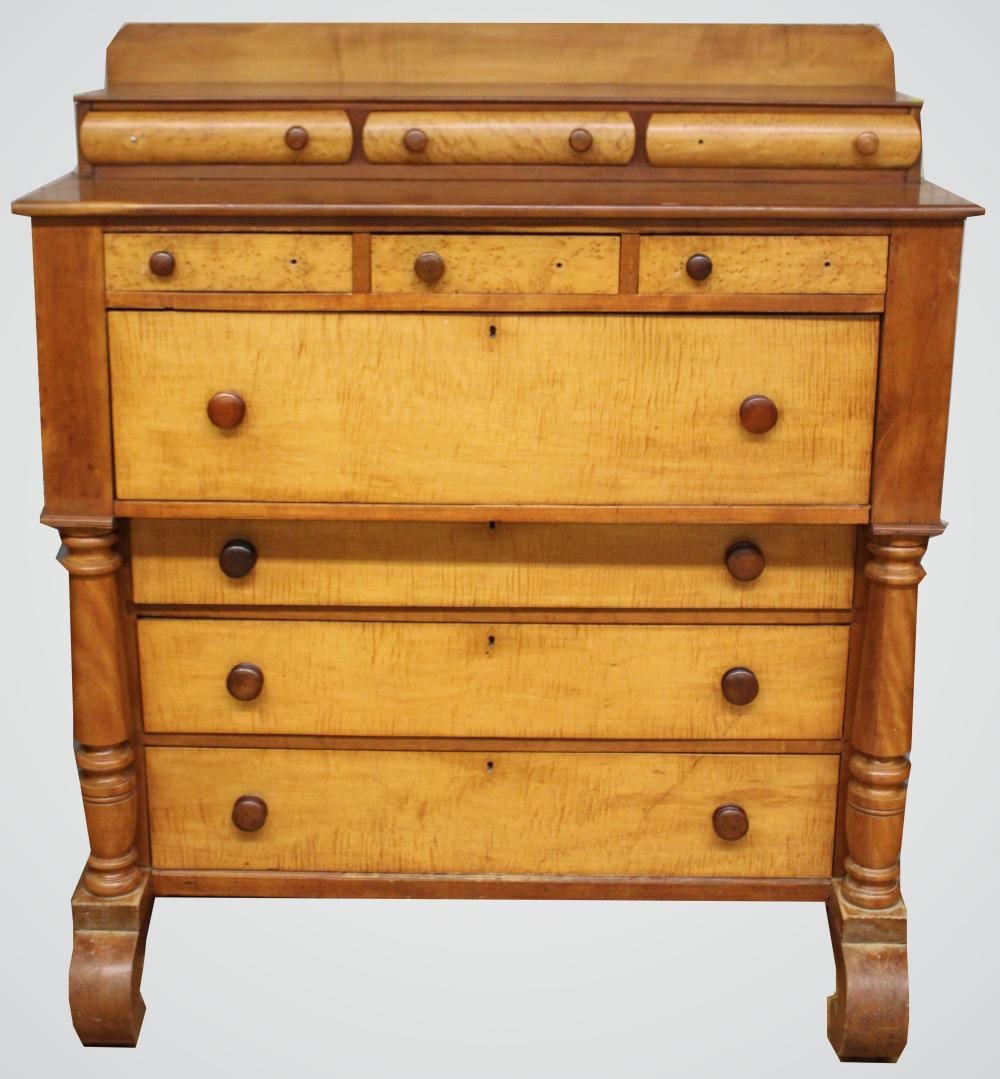 |
Furniture: antique Sheraton Empire chest of drawers on tall | Roan Inc. Auctioneers & Appraisers | 2022-12-17 | 450 | USD 150 |
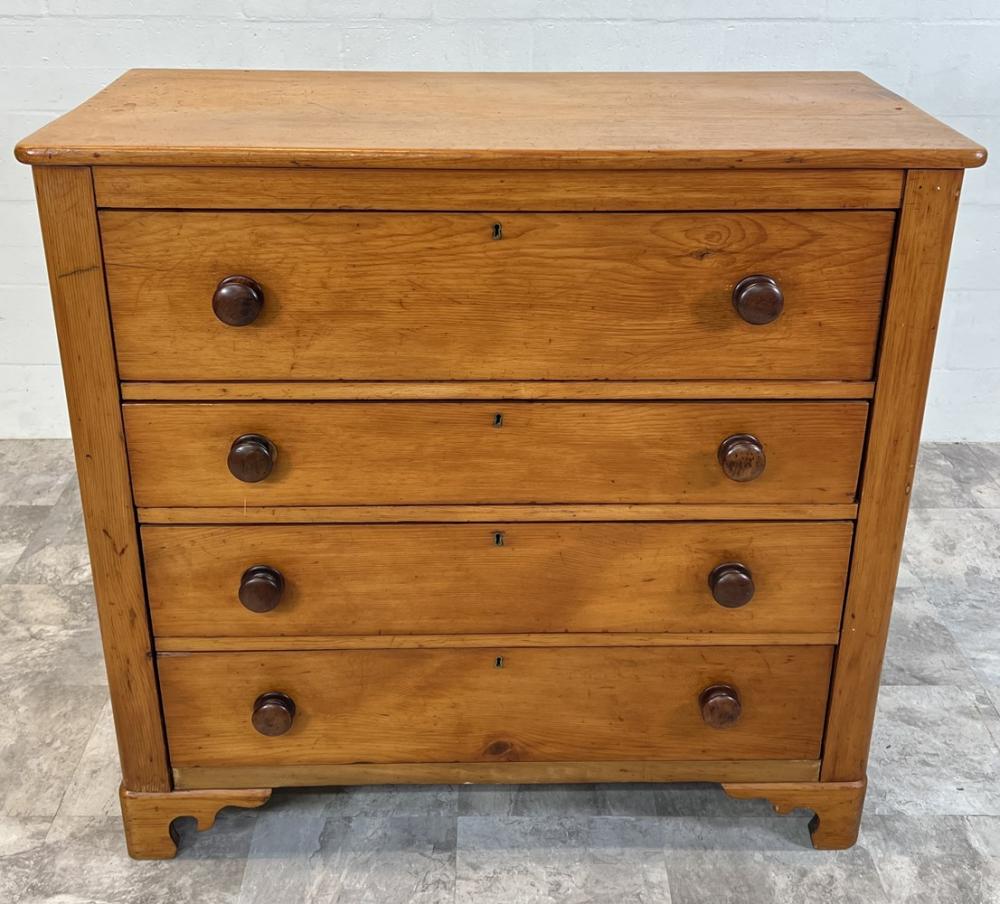 |
ANTIQUE CHEST OF DRAWERS | Freedom Auction Company | 2025-04-05 | 24 | USD 160 |
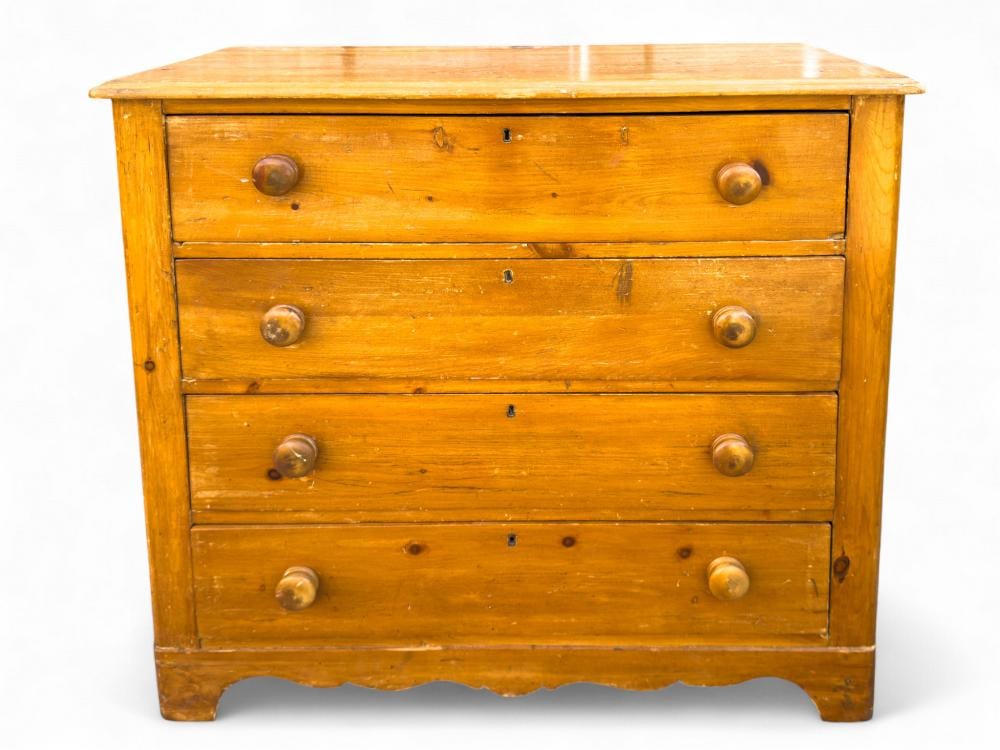 |
Antique 4-Drawer Chest of Drawers | Keystone Auctions LLC | 2025-10-30 | 46 | USD 70 |
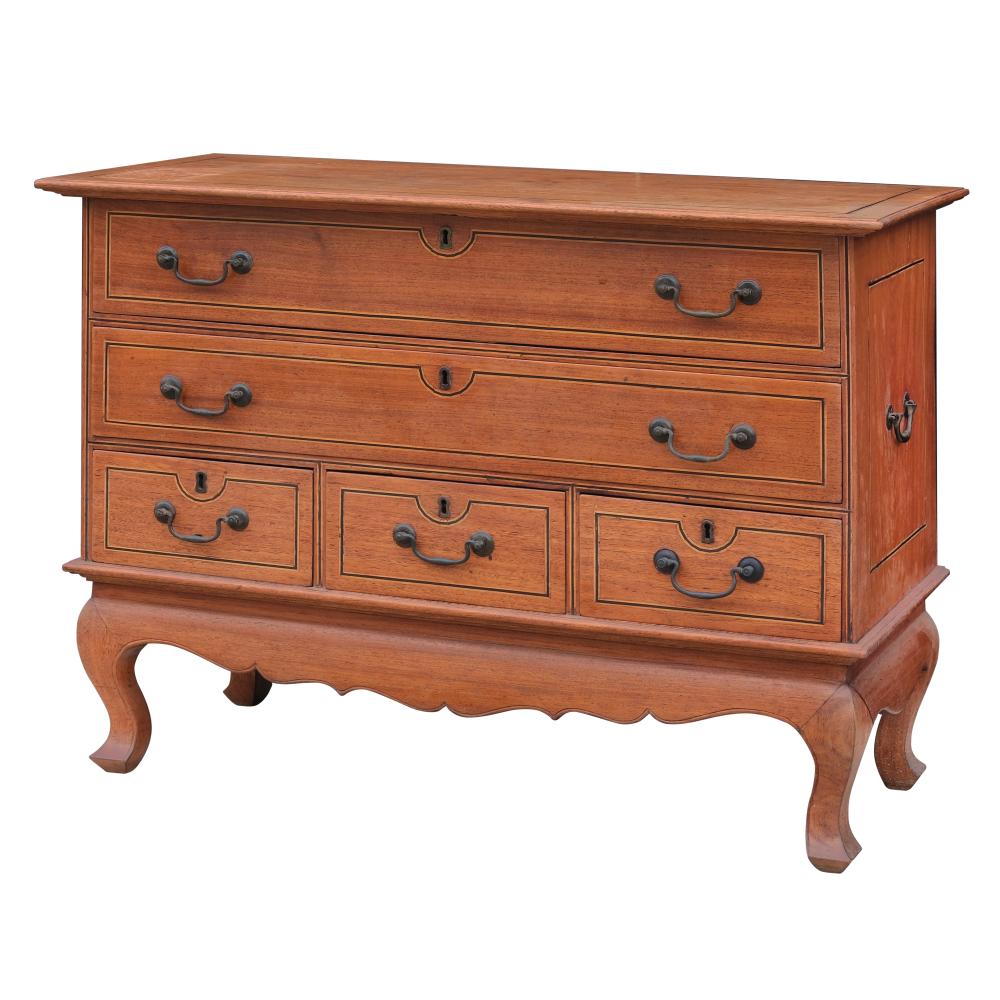 |
An Antique Chest of Drawers | Leon Gallery | 2024-07-28 | 703 | PHP 91,000 |
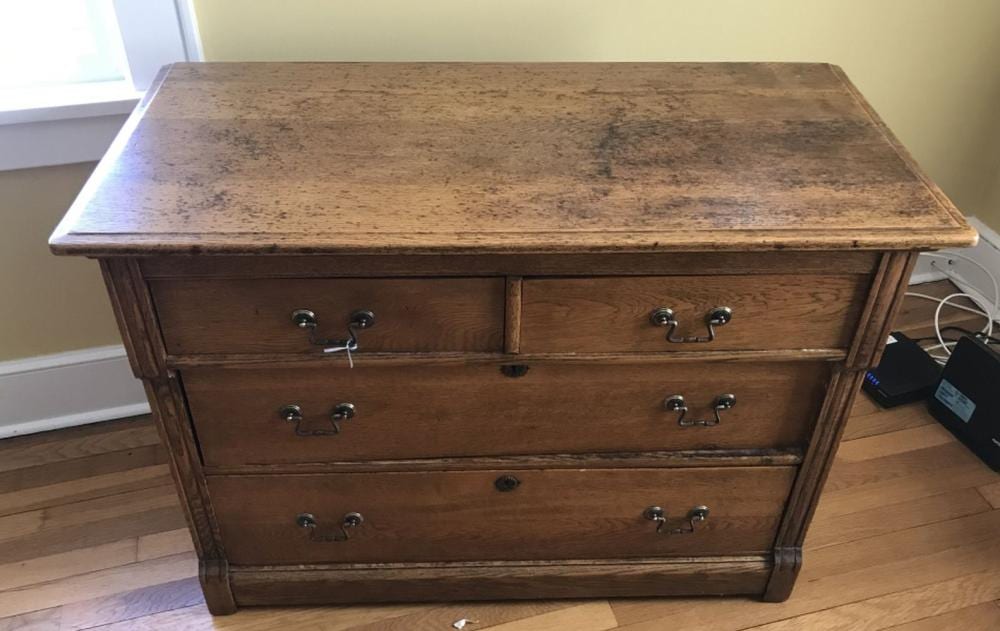 |
Oak Chest Of Drawers Possibly Antique | The Benefit Shop Foundation Inc. | 2019-03-13 | 827 | USD 60 |
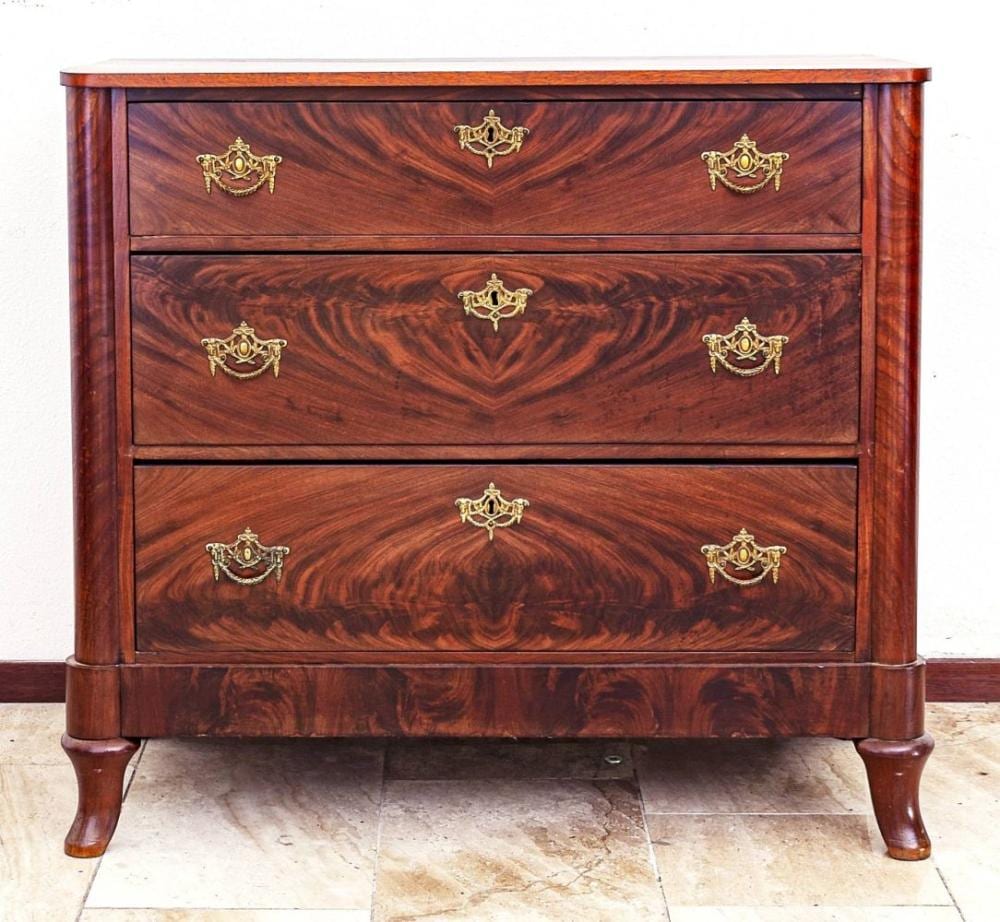 |
Antique Dutch chest of drawers, 1820 | Twents Veilinghuis | 2020-10-23 | 4201 | EUR 200 |
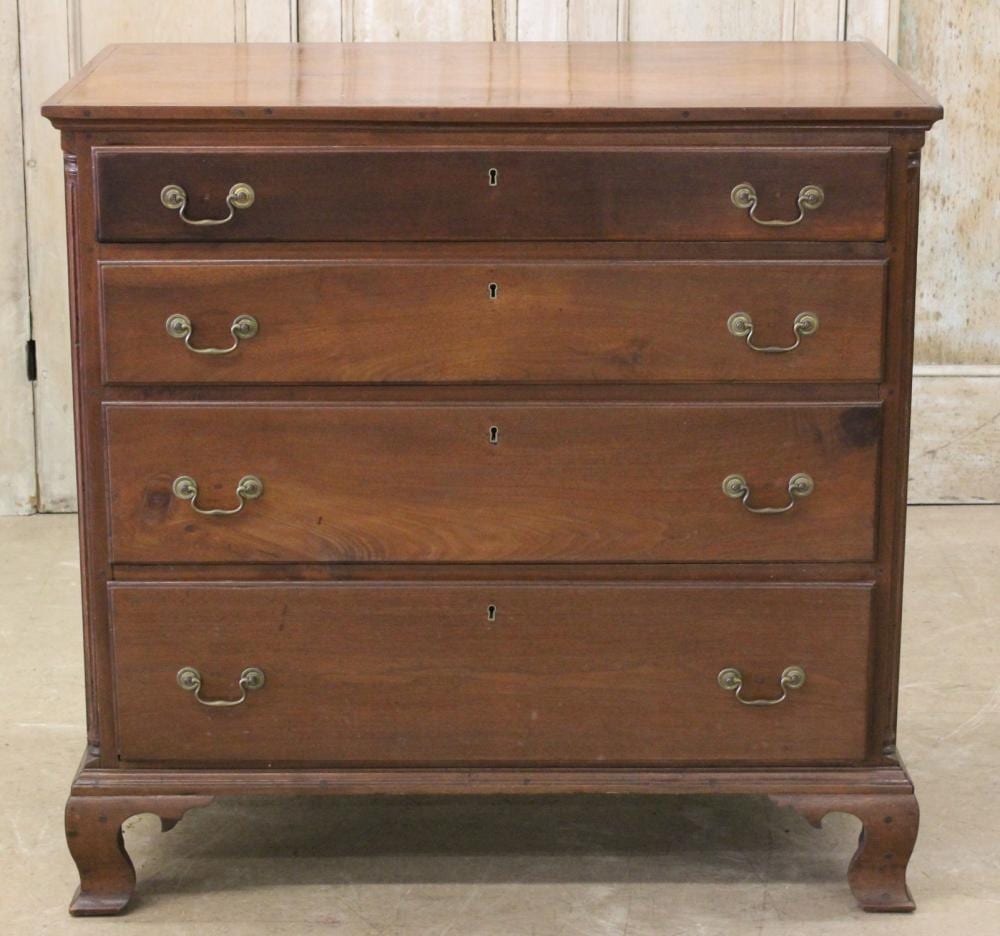 |
ANTIQUE AMERICAN CHEST OF DRAWERS | Ashcroft and Moore | 2020-10-13 | 27 | USD 250 |
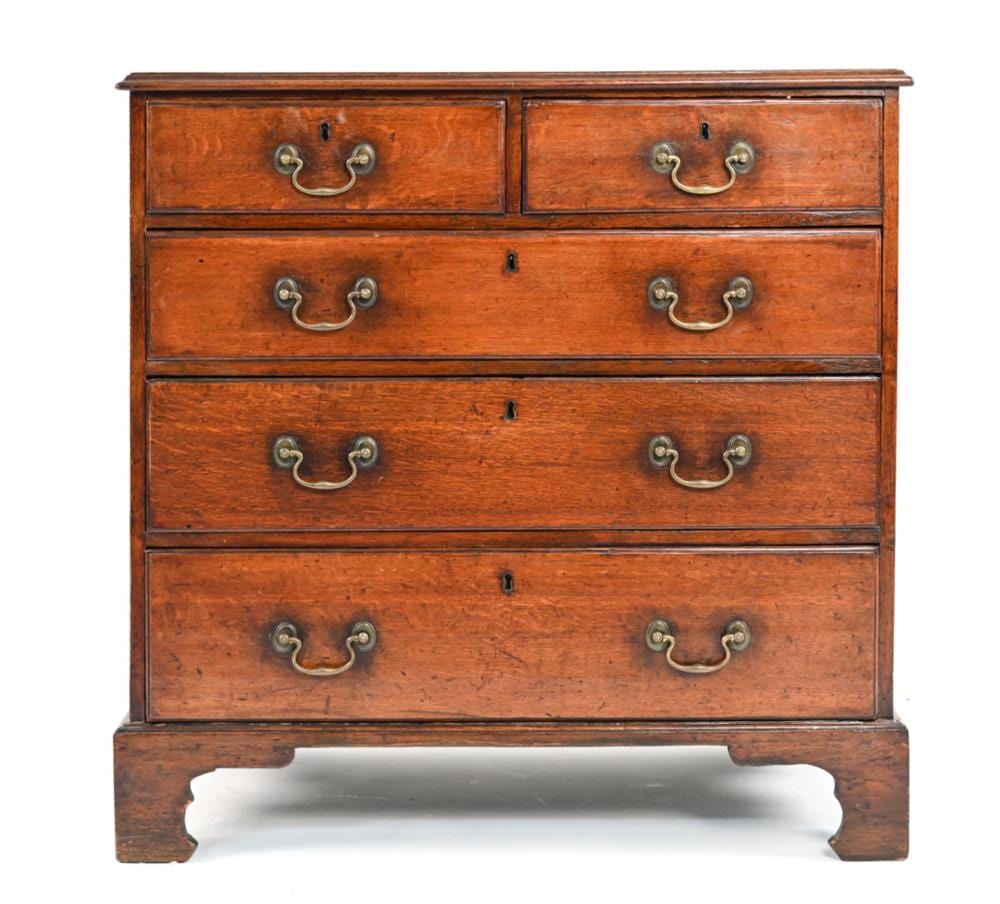 |
ANTIQUE GEORGIAN OAK CHEST OF DRAWERS | Westport Auction | 2022-08-02 | 15 | USD 750 |
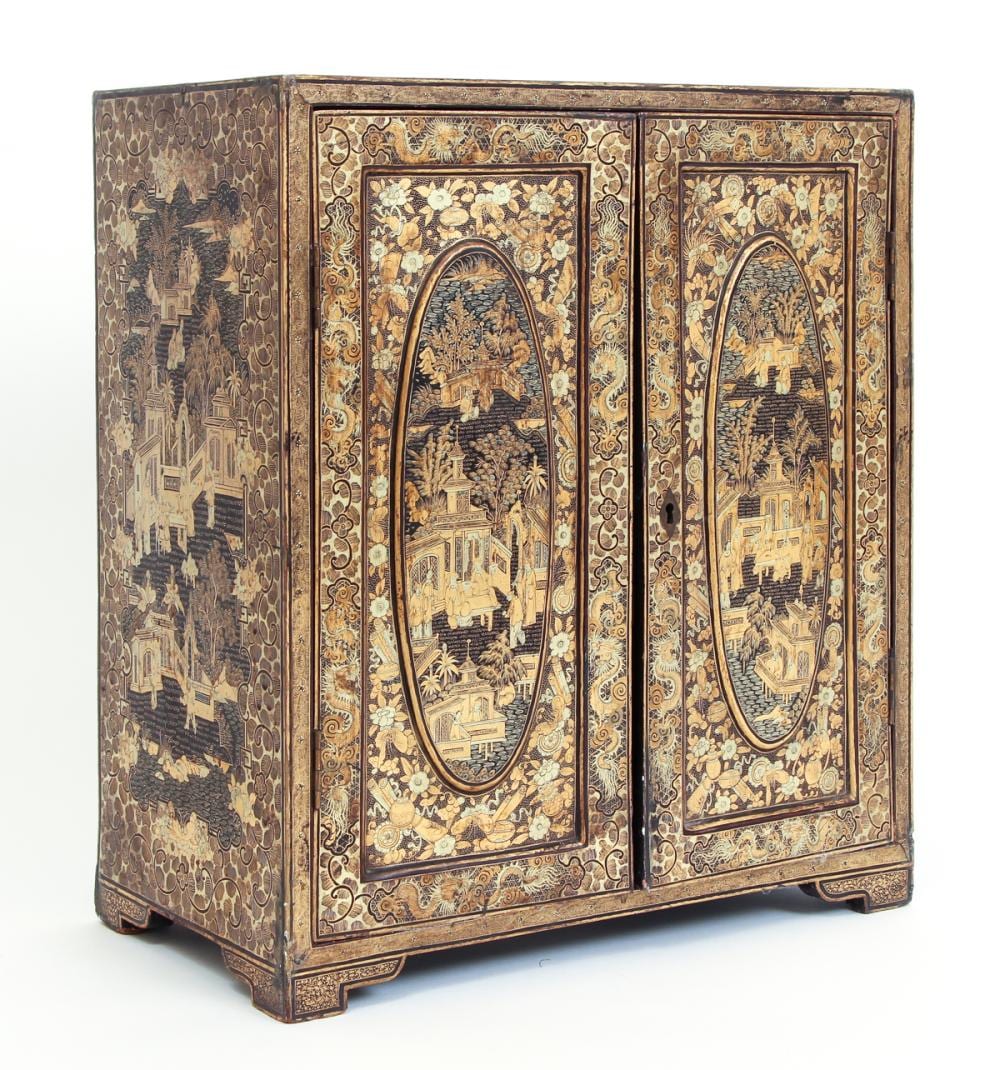 |
Antique Chinese Lacquer Chest of Drawers | Concept Art Gallery | 2019-04-13 | 88 | USD 550 |
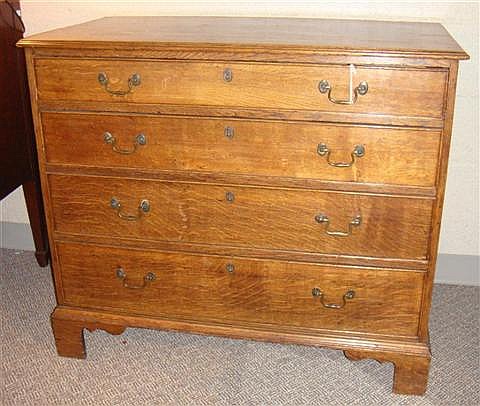 |
ANTIQUE CHIPPENDALE STYLE OAK CHEST OF DRAWERS | Potomack Company | 2009-12-12 | 129 | USD 350 |
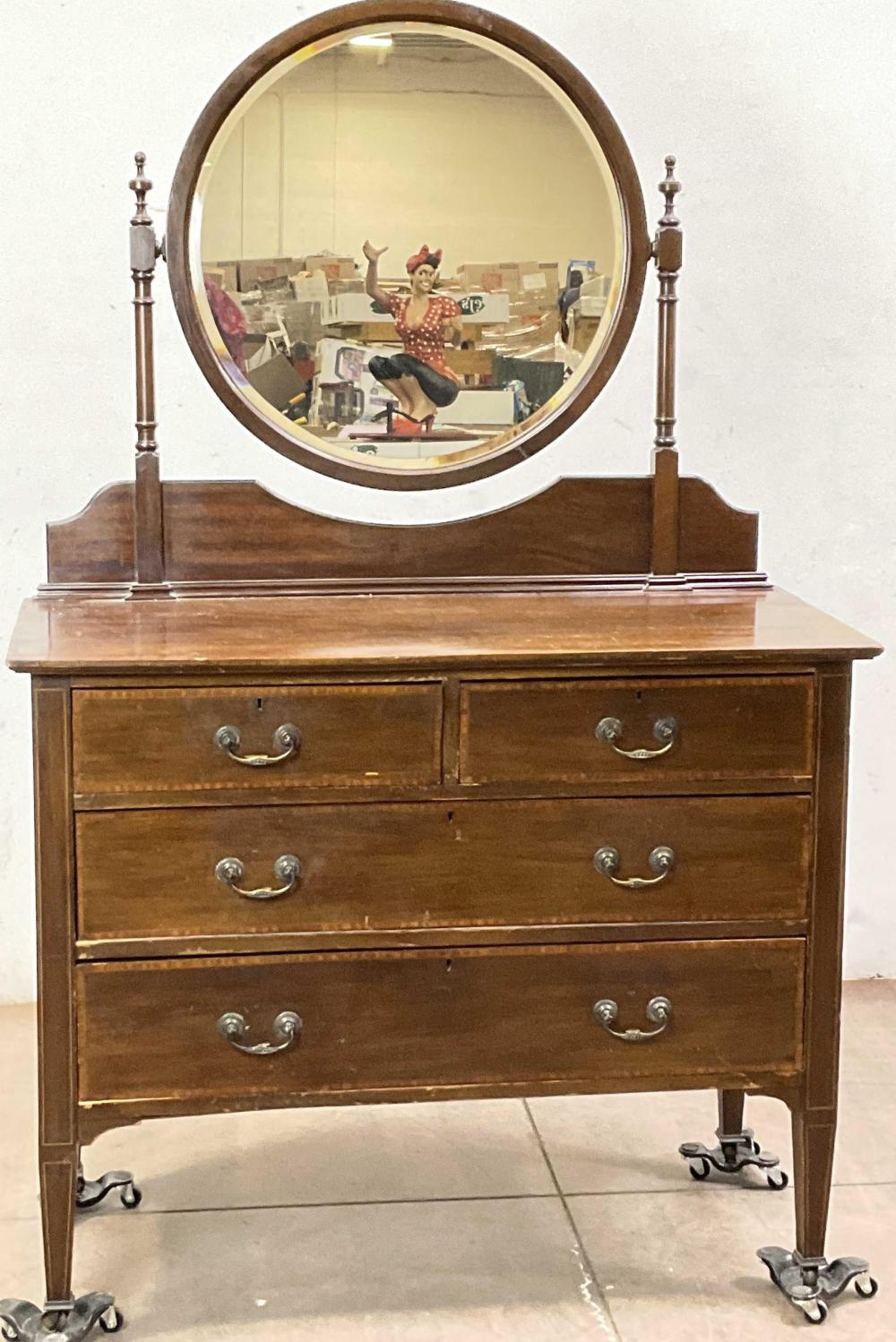 |
Antique Chest Of Drawers w/ Bevel Mirror | EJ'S Auction & Appraisal | 2024-05-25 | 2184 | USD 30 |
How these auction records were verified
These sales are market context, not an object estimate.
Each row is tied to its lot identity, retrieval time, access result, and immutable record hash. Live source access was blocked; the exact record matched Appraisily's immutable pipeline provenance. Inspect the public comparable provenance record.
Free photo check
Not sure if your item is worth appraising? Let us take a look.
Upload a photo, tell us what you know, and get a free photo check. If a full appraisal makes sense, we will say so.
Free. No card needed. Takes about two minutes.
Get a Professional Appraisal
Unsure about your item’s value? Appraisily provides a signed report with documented market evidence and stated limits.
- Signed report with photos and market evidence
- Delivered within 24 hours of receiving your photos
- Fixed, upfront pricing
No obligation. Secure upload.


| Category | Price | Notes |
|---|---|---|
| Hand-forged nails | Pre-1800s | Irregular, handmade appearance |
| Cut nails | 1790s-1900s | Machine-cut, tapered from two sides |
| Wire nails | Post-1890s | Round, uniform diameter |
| Hand-cut screws | Pre-1850s | Irregular threading, handmade slots |
| Early machine screws | 1850s-1930s | More uniform, still slotted head |
| Construction Methods | 40% | Primary identification factor |
| Material Analysis | 25% | Wood types and hardware |
| Style Elements | 20% | Period-appropriate design |
| Finish & Patina | 15% | Natural aging indicators |